Manual vs Motorized Hurricane Shutters: Which Is Right for Your Home?
Hurricane shutters shield homes from high winds, flying debris, and water intrusion. They come in two main styles: manual systems operated by cranks, straps, or removable panels, and motorized systems that use electric drives, remotes, or apps for automatic deployment. This guide walks through how each type works, then compares cost, speed, maintenance, and security so coastal homeowners can choose the right option. You’ll get practical deployment times, typical cost relationships, behavior during power outages, and maintenance trade-offs to match shutter technology to your property, mobility needs, and budget. We also cover smart‑home integration, local code considerations for coastal North and South Carolina, and the manual and motorized products and services offered by American Hurricane Shutters. Read on for clear comparison tables, homeowner personas, and next steps to estimate costs or request a free consultation.
What Are Manual Hurricane Shutters and How Do They Work?
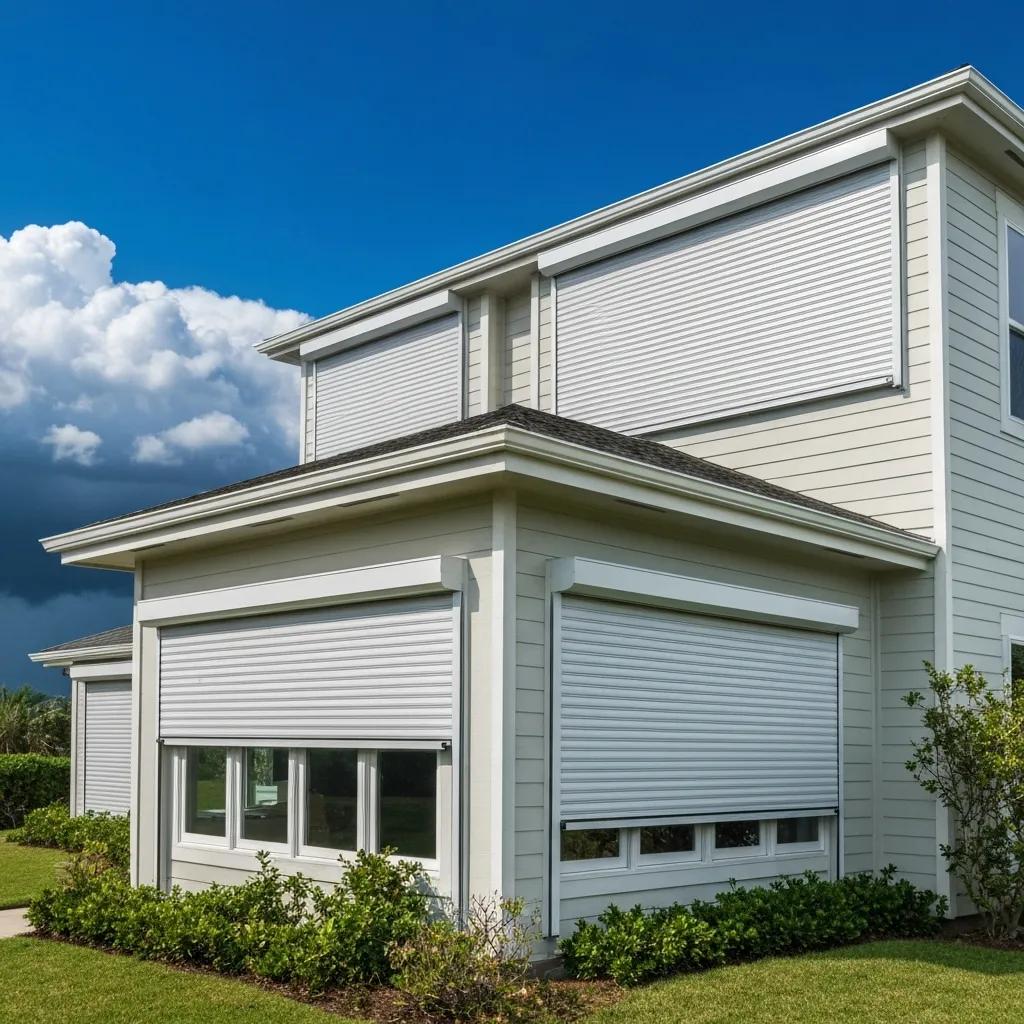
Manual hurricane shutters are physical storm‑protection systems you operate by hand—using cranks, straps, latches, or removable panels—to cover windows and doors and stop windborne debris. They’re mechanically simple: rigid panels or tracked slats absorb and deflect impacts, while strong mounting hardware ties the assembly into the building structure to meet design pressure requirements. Common manual types include rolldown shutters (hand‑crank), accordion shutters, and removable aluminum panels. All share basic parts like tracks, brackets, slats, and manual latches. Homeowners choose manual systems when power independence and lower upfront cost are priorities — and because they remain fully usable during utility outages. The next section explains common operating methods and how to deploy manual systems efficiently.
Coastal Homeowner Decisions on Hurricane Mitigation and Resilience
Climate change increases storm risk, and many coastal homeowners make the practical choices that determine local resilience. When retrofit mandates or insurance rules aren’t strict, protection depends on individual decisions—and research on homeowner behavior is limited. A pilot Coastal Homeowner Survey of 662 respondents in New Hanover County, North Carolina, found most homes are minimally protected and that homeowners take few structural mitigation steps. The study also suggests cost alone doesn’t explain inaction, pointing to other barriers worth exploring. Further analysis of the survey will help stakeholders design better incentives for structural risk reduction.
Coastal homeowners in a changing climate, D Javeline, 2019
How Do Manual Hurricane Shutters Operate Using Cranks and Straps?
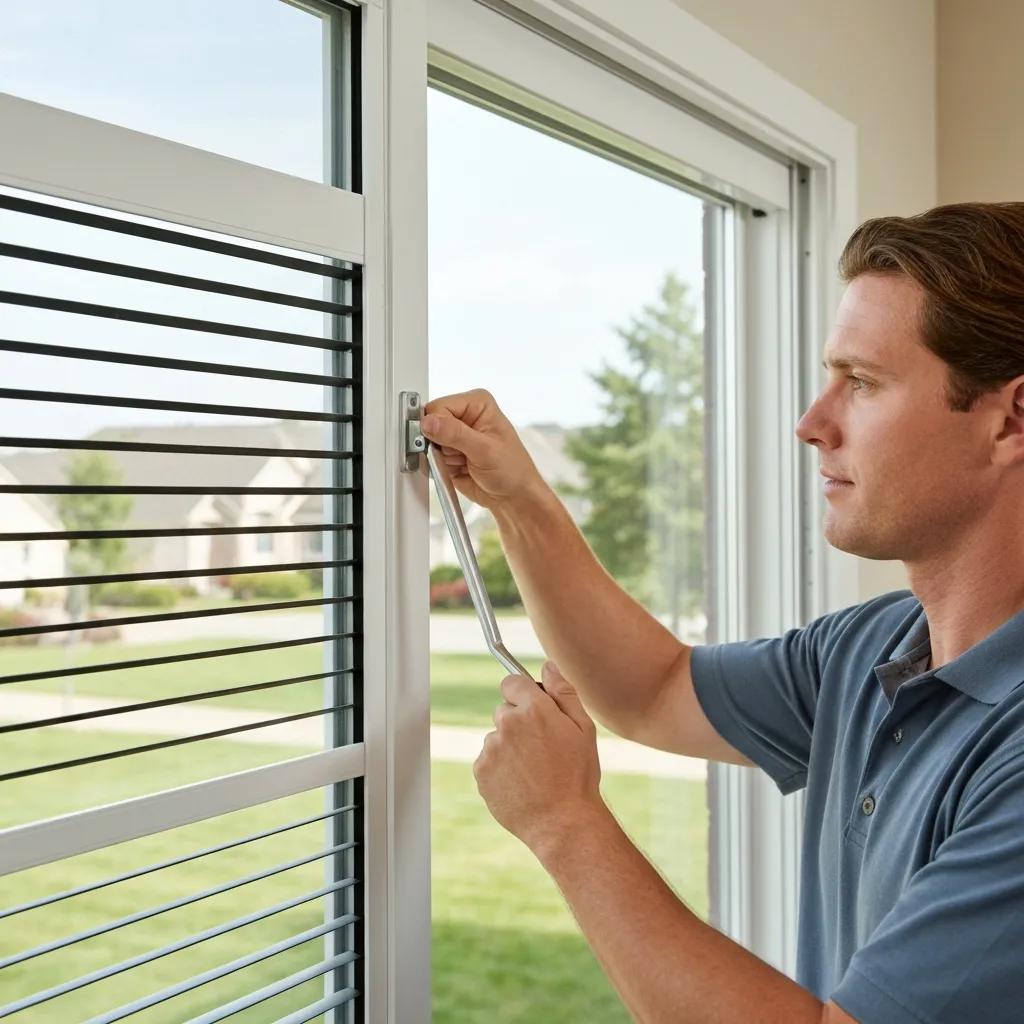
Manual systems rely on a few straightforward mechanical parts:
- a hand crank that reels slats up or down on a shaft
- telescoping straps or pins used to secure removable panels
- fixed tracks or mounts that guide movement and transfer loads into the structure
Crank‑operated rolldowns use a gearbox and shaft to roll aluminum slats into place; panel systems require lifting and fastening with straps or bolts. Deployment time varies by opening size, but a single person typically takes 15–30 minutes to secure 4–6 average windows, depending on shutter type and staging. Time‑saving tips: pre‑stage panels near openings, label panels and fasteners, and use two‑person teams for larger windows. Those simple mechanics explain why manual shutters are popular for redundancy and power‑independent protection.
What Are the Key Advantages of Manual Hurricane Shutters?
Manual shutters offer clear benefits that suit certain homeowners and budgets.
- Lower Upfront Cost: Fewer components and no motors keep purchase and installation costs down.
- Power Independence: No electricity needed — they work during outages and give consistent protection regardless of grid status.
- Simplicity and Durability: Fewer electronics mean fewer failure modes and easier repairs with basic tools.
These strengths make manual shutters a good fit for smaller homes, seasonal properties, or owners who want reliable, low‚Äëcost protection. Next, we compare that simplicity with what motorized systems add in convenience and automation.
What Are Motorized Hurricane Shutters and How Do They Function?
Motorized hurricane shutters use an electric motor and controller to raise and lower slats or rolling tubes. Controls can be remotes, wall switches, or smart‑phone apps, and many systems include limit switches, torque sensing, and optional IoT connectivity for scheduled operation and status checks. Motorized shutters close quickly across many openings and support automated pre‑storm schedules, but they introduce power‑dependency and greater system complexity — so backups or manual overrides are recommended to preserve reliability during outages. The subsections below break down common control setups and the practical pros and cons of motorization, followed by local product options that pair motor drives with manual override and battery backup choices.
How Do Motorized Shutters Use Electric Motors, Remotes, and Smart Home Integration?
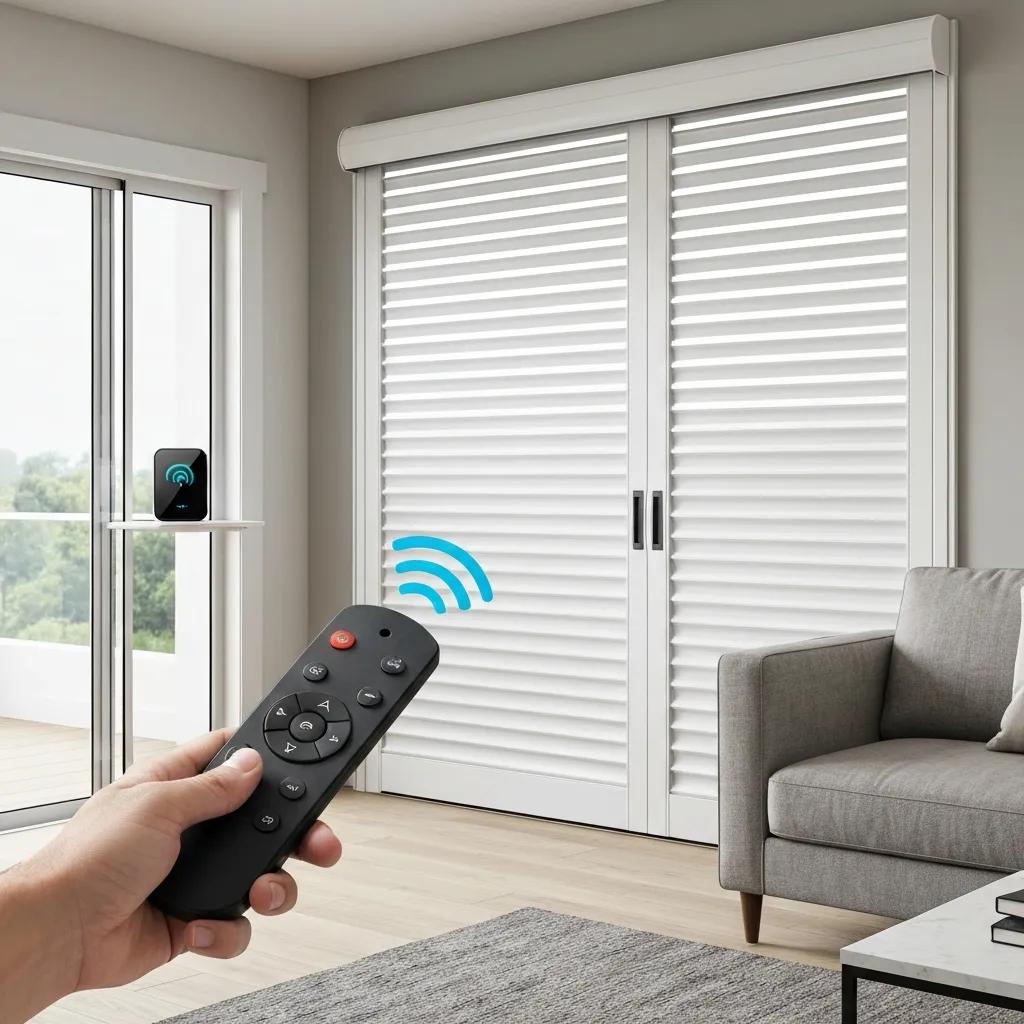
A typical motorized shutter centers on a tubular motor or drive unit in the headbox, tied to a controller that accepts input from remotes, wall switches, or wireless apps. Common control options include:
- direct radio‚Äëfrequency remotes for simple open/close control
- Wi‑Fi or Z‑wave bridge modules for smart‑home integration—enabling schedules, scenes, and remote monitoring
Most motorized systems offer manual override (hand crank or clutch) and integrated battery backup so shutters can close even if the grid fails. Typical automation uses include scheduled pre‑storm roll‑downs triggered by local weather alerts and remote checks to confirm shutters are closed when you’re away. These design choices help homeowners balance convenience with dependable fail‑safes.
What Are the Benefits of Motorized Hurricane Shutters?
Motorized shutters bring advantages that matter especially on larger properties or for those with mobility concerns.
- One‑Touch Deployment: Automated control cuts deployment time dramatically compared with manual methods—especially across many openings.
- Smart Scheduling and Remote Control: Integration lets shutters close automatically before forecast storms or be operated remotely.
- Perceived Security and Added Value: Motorized systems often add curb appeal and perceived home value; some homeowners appreciate the premium convenience and deterrence they provide.
These benefits make motorized shutters attractive for multi‚Äëstory homes, properties with many openings, or anyone who needs fast, low‚Äëeffort protection. The next section looks at the trade‚Äëoffs for both approaches so you can weigh benefits against costs and complexity.
What Are the Disadvantages of Manual and Motorized Hurricane Shutters?
Both manual and motorized shutters involve trade‑offs around cost, effort, reliability, and maintenance. Manual systems require physical labor and storage planning and become impractical for very large properties where deployment time adds up. Motorized systems reduce effort and speed up deployment but raise upfront and repair costs, bring electrical dependency, and need periodic electronic maintenance and software attention. Knowing these downsides lets homeowners plan mitigations—like battery backups for motorized units or deployment teams for manual systems—and choose the balance of budget, speed, and reliability that fits their needs. The sub‑sections below detail common challenges and practical ways to address them.
What Are the Common Challenges with Manual Hurricane Shutters?
Manual shutters pose challenges mainly around physical effort, storage, and large‑scale logistics. Lifting and securing panels can strain homeowners—especially for second‑floor or oversized openings—and removable panels require dedicated storage to avoid damage. For larger homes, deployment time can become a liability: multiple doors and windows may require a small team to secure everything before a storm. Planning, labeling, and rehearsed roles reduce risk, and homeowners with mobility limits or many openings often choose motorized options for safety and speed. Community help or contractor support can also ease the operational burden of manual systems.
What Are the Limitations of Motorized Hurricane Shutters, Including Power Dependency?
Motorized shutters add electronic complexity and reliance on power and control systems, which opens failure modes such as motor faults, controller issues, or connectivity interruptions. Manual overrides and battery backups address outages but add cost and require periodic maintenance and battery replacement. Repairs are typically more complex than for manual systems and often need a professional technician. Regular maintenance—motor lubrication, limit adjustments, and firmware updates for smart controllers—reduces downtime risk but increases lifecycle cost. Because of these trade‑offs, specify manual override and backup capability if you opt for motorization.
How Do Manual and Motorized Hurricane Shutters Compare Across Key Factors?
Below is a concise comparison across core decision attributes—cost, ease of use, deployment time, power dependency, and security—so you can quickly see how each option aligns with your needs.
How Do Cost, Ease of Use, and Deployment Time Differ Between Manual and Motorized Shutters?
Manual shutters usually cost less upfront and need little electronic service, so they suit tight budgets and smaller homes. Motorized systems typically carry a motorization premium—often in the 20% to 40% range per opening—which affects total project cost; use the cost calculator or request a free estimate for exact figures. Deployment time is a major differentiator: motorized systems can close dozens of openings in minutes, while manual systems scale linearly with the number of openings and people available. Labor needs are lower for motorized units, but you should plan for maintenance and battery backups to keep them reliable. Those cost and timing differences often determine whether motorization is worth the investment, especially for larger homes or mobility‑limited households.
What Are the Differences in Security, Maintenance, and Smart Features?
Security features, maintenance cycles, and smart capabilities differ between manual and motorized options and should influence your choice. Motorized shutters can include locking motors, remote monitoring, and diagnostic alerts via smart‑home integrations—features that help deter theft and catch faults early. Manual shutters rely on mechanical locks and physical fasteners, so they’re simpler to inspect and repair but offer fewer intelligent features. Manual maintenance focuses on hardware checks and lubrication; motorized maintenance adds electrical inspections, battery servicing, and occasional software updates. Factor lifecycle maintenance and feature needs into your decision.
What Factors Should Homeowners Consider When Choosing Between Manual and Motorized Shutters?
Choosing between manual and motorized shutters depends on budget, property size, household mobility, automation preferences, and local regulations. Use this framework and homeowner personas to match options to real‚Äëworld needs. Key considerations include the number of openings, willingness to pay a motorization premium, desire for smart scheduling, and the need for power‚Äëindependent redundancy during storms. The following subsections offer practical guidance and explain why smart‚Äëhome compatibility and building‚Äëcode compliance matter for coastal properties.
How Do Budget, Home Size, and Physical Ability Influence Shutter Choice?
Practical homeowner personas make these trade‑offs easier to apply: a budget‑minded owner of a small cottage with fewer than six openings will often get the best value from manual shutters because of lower cost and simpler upkeep. A large coastal estate with many openings and multiple stories tends to favor motorized systems for speed and convenience—especially when owners are remote or have limited mobility. Seniors or residents with physical challenges usually find motorization essential for safety and timely protection. Landlords and rental owners may prioritize durability and serviceability. As a rule of thumb, properties with more than ten standard openings are strong candidates for motorization to reduce labor and deployment time. These personas help translate abstract factors into a clear recommendation.
Why Are Smart Home Integration and Local Building Codes Important in Your Decision?
Smart‑home integration adds convenience—scheduling closures and verifying status remotely—but it also introduces compatibility and safety considerations. Prioritize reliable protocols and manual fail‑safes; configure automation to avoid accidental closures when someone is inside and to respect local evacuation procedures. Local building codes and permitting in Coastal North and South Carolina dictate acceptable installation methods, attachment schedules, and engineered design pressure analyses, so confirm compliance before purchase. Working with a professional familiar with regional code requirements ensures shutters meet structural and safety standards while enabling smart features responsibly.
Why Choose American Hurricane Shutters for Your Manual or Motorized Hurricane Shutters?
American Hurricane Shutters serves homeowners across coastal North and South Carolina with engineered installations and a broad product selection. We offer both manual and electric rolldown options alongside accordion, Colonial, Bahama, hurricane screens, and clear or aluminum panel systems to match style and performance needs. Our process emphasizes engineered hurricane protection—starting with a Design Pressure Analysis and using robust installation hardware (including stainless‑steel fasteners) so systems meet structural demands in coastal conditions. For pricing transparency, we provide an online cost calculator and free consultations to produce estimates aligned with local building codes and your property’s specifics. That regional focus makes us a practical resource for homeowners weighing manual vs motorized choices.
What Makes American Hurricane Shutters the Coastal Carolina Expert in Storm Protection?
We focus on local service across Coastal North and South Carolina—serving communities like Wilmington, Myrtle Beach, Oak Island, Topsail, New Bern, and Pawleys Island. Our approach centers on engineering: we perform Design Pressure Analyses to size and specify shutters correctly and use 18‑8 stainless‑steel hardware for corrosion resistance in salt‑air environments. That regional expertise helps ensure systems are specified to local wind loads and exposure, which reduces long‑term maintenance and performance risk. Homeowners get professional guidance that aligns product selection with code requirements and coastal realities.
Which Manual and Motorized Shutter Options Does American Hurricane Shutters Offer?
Our product menu includes manual and electric rolldown shutters plus several alternative styles to meet architectural and budget needs. Options include accordion shutters, manual and motorized rolldowns, Colonial and Bahama styles, hurricane screens, and clear or aluminum panel systems. You can mix manual or motorized implementations across these styles, and each choice can be evaluated with our cost calculator or a free consultation to find the right fit for your home’s size, look, and deployment needs.
- Match performance and style: choose manual rolldown for power independence or electric rolldown for automation and speed.
- Architectural options: accordion and Bahama shutters offer distinct looks while meeting protection goals.
- Consultation and cost estimation: our free estimate process delivers tailored recommendations based on your property.
- Key homeowner checklist before deciding: Count openings, assess mobility needs, decide on automation preferences, and confirm local code requirements.
- Pre‚Äëinstallation steps: Get a Design Pressure Analysis and a site‚Äëspecific estimate to confirm performance and pricing.
- Maintenance planning: Budget for periodic inspections—mechanical checks for manual systems and electrical/backup servicing for motorized units.
Following these steps helps homeowners get accurate estimates and set realistic expectations before purchase or installation.
For homeowners weighing manual vs motorized hurricane shutters, this guide lays out technical comparisons, realistic deployment expectations, and local service context so you can decide with confidence and request a tailored, no‚Äëcost consultation or use our online cost estimator to refine your budget.
Frequently Asked Questions
What factors should I consider when deciding between manual and motorized hurricane shutters?
Think about your budget, how many openings you need to protect, and whether you or someone in your household can physically operate manual shutters. Manual systems are cost‑effective and low‑maintenance for smaller homes. Motorized systems add convenience and speed—especially useful for larger properties or homeowners with mobility limitations. Also consider whether you want smart‑home integration and whether you need backup power for outages.
How do insurance discounts apply to hurricane shutters?
Insurance discounts vary by carrier and locality. Both manual and motorized shutters can qualify, but specific eligibility depends on your insurer’s rules and documentation. Some insurers may favor motorized systems for their added features, but always check with your insurance company and provide proof of compliant installation.
What maintenance is required for manual and motorized hurricane shutters?
Manual shutters need routine inspections of latches, tracks, and hardware, plus periodic lubrication of moving parts. Motorized shutters require broader upkeep: electrical checks, battery servicing for backups, and occasional firmware or controller updates. A regular maintenance schedule helps prolong lifespan and ensures reliable operation when storms approach.
Can I install hurricane shutters myself, or should I hire a professional?
Some homeowners install manual shutters themselves, but professional installation is generally recommended for both manual and motorized systems. Pros ensure correct attachment, code compliance, and optimal performance—important for safety and insurance coverage. Professional installation also minimizes the risk of improper fastening or leaks during severe weather.
What are the typical deployment times for manual and motorized hurricane shutters?
Manual deployment varies by system and opening size; a single person typically spends 15–30 minutes to secure 4–6 average windows. Motorized shutters, by contrast, can be deployed across many openings in minutes with the push of a button—an important advantage when time is tight before a storm.
Are there any local regulations I need to consider when installing hurricane shutters?
Yes. Coastal building codes in North and South Carolina set standards for attachment methods, design pressures, and permits. Work with a contractor who understands regional requirements to ensure your shutters meet code and qualify for any applicable insurance discounts or permits.
What are the best practices for storing manual hurricane shutters when not in use?
Store removable panels in a dry, cool place to prevent corrosion and damage. Label panels and fasteners for quick identification during deployment, and use protective covers or padding to avoid scratches and dents. Organize panels in a dedicated storage area to streamline the process when a storm is imminent.
Conclusion
Choosing between manual and motorized hurricane shutters comes down to balancing cost, convenience, and reliability. Manual systems are simple, durable, and power‚Äëindependent; motorized systems offer speed, automation, and ease of use. Use the comparisons and personas in this guide to match a solution to your home, then request a free consultation or use our online cost estimator to get a tailored price. Protect your home with the right shutters for your lifestyle and budget.
