
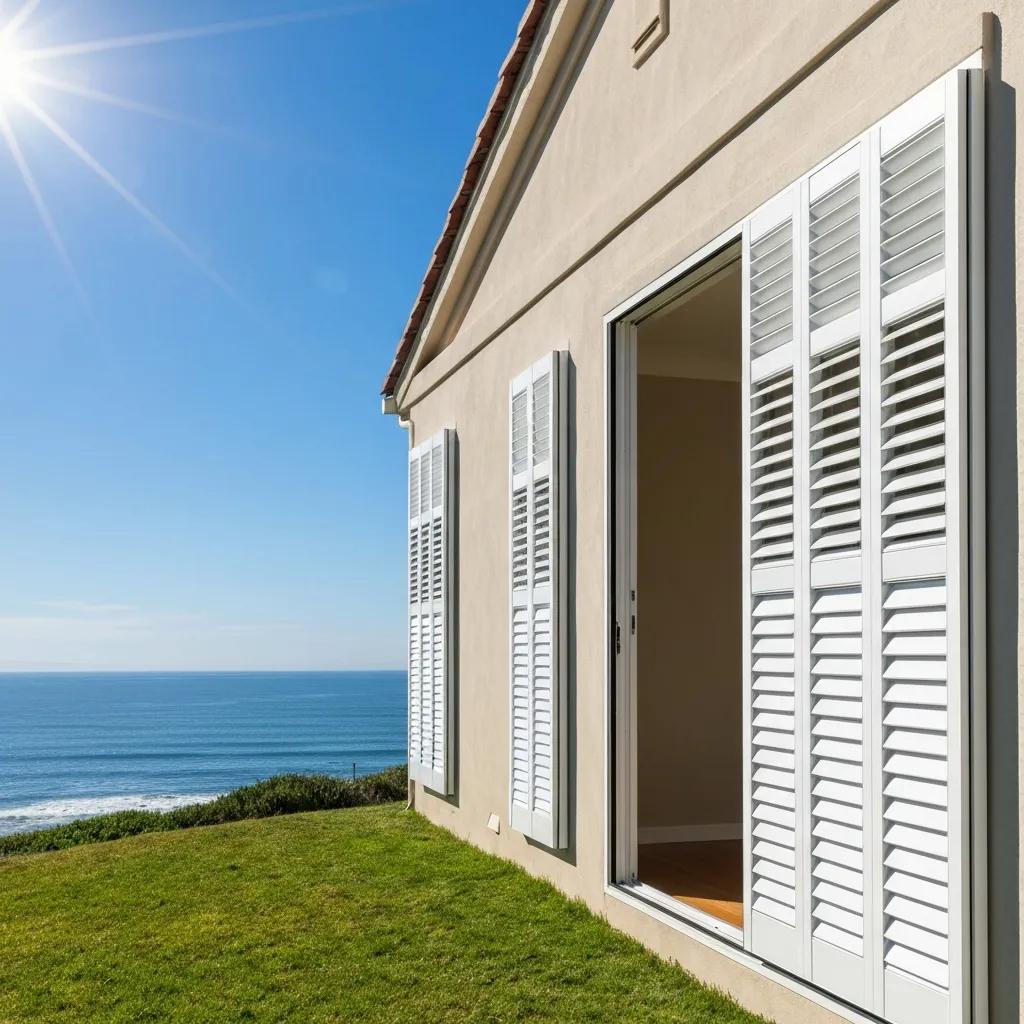
Accordion Shutters Near You — A Practical Cost Guide for Coastal Homeowners & Businesses
Accordion shutters are a permanent, hinged series of interlocking panels that slide across windows and doors to provide fast, impact-resistant protection during hurricanes and severe storms. This guide walks through how accordion shutters work, the common materials and operation styles you’ll see locally, and realistic cost ranges for coastal North and South Carolina so homeowners and businesses can budget with confidence. You’ll get straightforward per‑square‑foot pricing, a breakdown of installation cost components, tips for evaluating local suppliers, and practical maintenance and warranty questions to ask before you buy. Sections cover: how accordion shutters protect coastal properties; installed cost per square foot and project examples; installation line items and DIY trade‑offs; where to find vetted local suppliers; benefits beyond the sticker price (insurance and resale); and a focused FAQ on lifespan, upkeep, and warranties. Keywords like accordion shutter prices, accordion shutter installation cost, and accordion shutters Wilmington NC are woven in to help you find local, actionable guidance.
What Are Accordion Shutters and Why They Matter for Hurricane Protection
Accordion shutters are a storm-protection system made of interlocking panels that lock into top and bottom tracks to resist wind pressure and flying debris. They move storm loads into reinforced frames and secure anchors, reducing the likelihood of window failure during extreme weather. For coastal homeowners and business owners, accordion shutters offer quick deployment and full coverage, making them a practical choice when you need permanent, ready-to-use protection. The following sections explain the mechanics in plain terms and compare the common materials and operation options available in coastal North and South Carolina.
How Accordion Shutters Keep Coastal Properties Safe
When you close accordion shutters, panels slide sideways along tracks until they interlock and secure at the ends, forming a continuous barrier over glass and openings. That interlock spreads storm loads through the frame and into properly set anchors, helping the whole system resist wind pressure and limit impact damage. Design pressure analysis and the right fasteners are key to meeting required wind-load ratings for coastal zones, which is why accurate measurement and professional installation matter for long-term reliability and building-code compliance.
Materials and Types of Accordion Shutters Available Locally
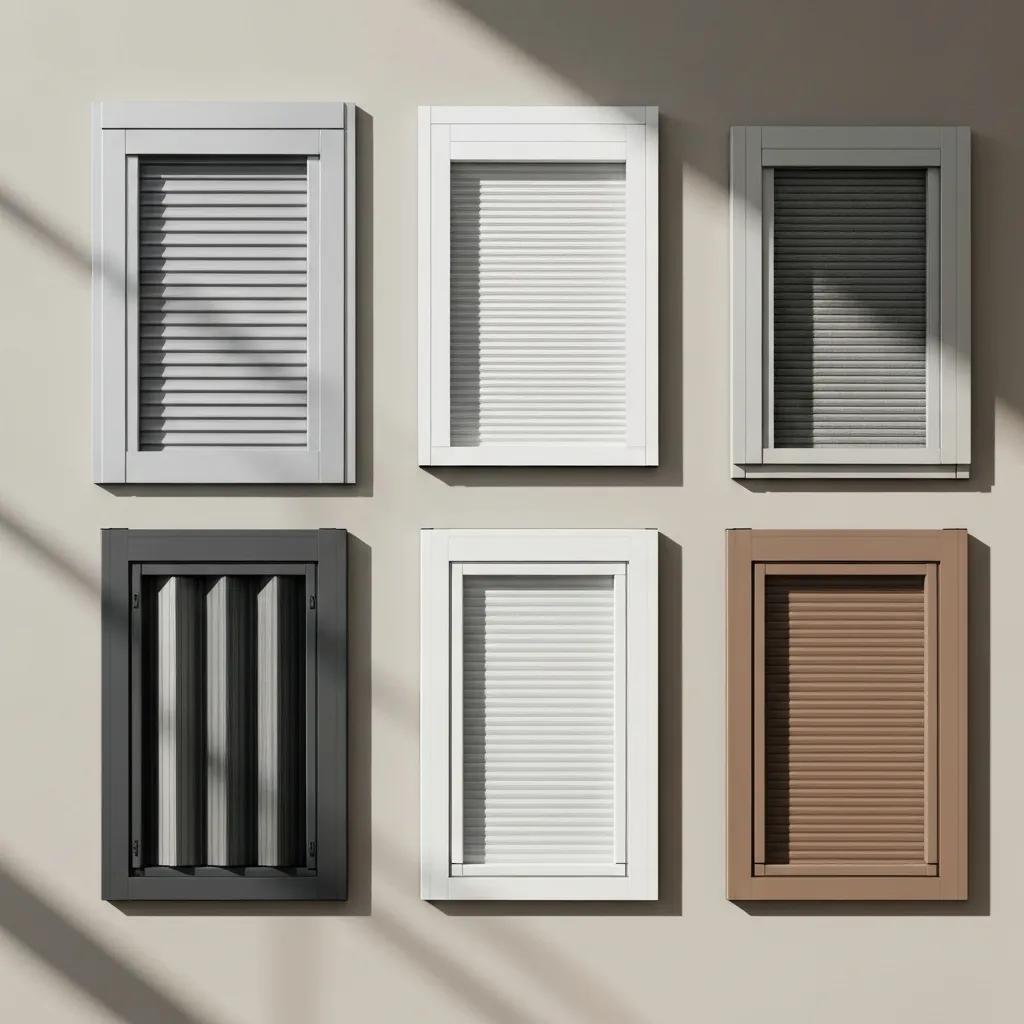
Most local suppliers offer powder‑coated aluminum accordion shutters because aluminum balances strength, corrosion resistance, and lighter weight. You can choose manual units for straightforward, low‑maintenance operation or motorized systems for larger openings and remote deployment — each affects the unit price and installation complexity. In coastal environments, quality powder coating, effective seals, and good drainage details are especially important to avoid accelerated wear. Compare material thickness, finish quality, and operation type to balance upfront cost with long-term performance in salt‑air climates.
How Much Do Accordion Shutters Cost Per Square Foot in North and South Carolina?
Installed accordion shutter prices vary by region, but for coastal North and South Carolina a realistic installed range is roughly $15 to $35 per square foot, depending on material and operation. Key cost drivers are material grade, manual versus motorized operation, installation complexity, and local labor rates. Larger spans, custom openings, and motorized systems push the installed per‚Äësquare‚Äëfoot cost toward the top end, while standard windows with manual shutters stay closer to the bottom. Below we unpack the drivers and provide a simple per‚Äëtype price range to help you compare options.
Several consistent factors influence final pricing and should be considered when using an online cost calculator or requesting a local quote. The next section shows typical installed price ranges by shutter type and offers example project totals so you can see how per‚Äësquare‚Äëfoot figures translate into real budgets.
- Material grade, operation type, and customization needs are primary cost drivers.
- Tough installation conditions—scaffolding, multi‑story work, or limited access—raise labor costs.
- Permit fees and inspection requirements vary by jurisdiction and can add fixed expenses.
Those factors explain why two similar homes can receive notably different quotes for the same shutter type.
This table shows how operation and material quality map to installed per‚Äësquare‚Äëfoot ranges; for a precise local estimate, use a region‚Äëaware cost calculator or request an on‚Äësite measurement.
What Drives Accordion Shutter Pricing?
Major pricing influences include material grade, operation type, size and complexity of openings, local labor rates, and any permit or inspection requirements. Higher‑gauge aluminum and motorization increase the product cost, while custom shapes, arches, and multi‑story access raise labor and equipment needs. Local permit rules and extra testing—like design pressure analysis—can add time and expense. Preparing accurate measurements and photos before using an online calculator or scheduling an on‑site estimate helps produce better quotes.
- Material and operation change unit costs and installation time.
- Installation complexity (access, framing, customization) affects labor and equipment needs.
- Permits, inspections, and code compliance add administrative fees and potential delays.
Knowing these categories before you request quotes will make comparisons more accurate and reduce surprises during installation.
Average Installed Costs for Coastal Projects — Examples
To translate per‑square‑foot pricing into real project totals, consider two scenarios: a small coastal cottage and a larger vacation property. For a cottage with 10 standard windows using manual shutters, expect costs aligned with the $15–$25 per sq ft range and a mid‑range project total that stays well under the expense of custom systems. A larger property with 20 windows and several sliding doors — especially if some openings are motorized or require custom trim — will trend toward $25–$35 per sq ft installed. Window count, door coverage, and motorization choices significantly affect overall budgets, so accurate measurements and on‑site quotes are valuable.
These sample estimates show how per‑square‑foot rates scale with scope; for exact local pricing, gather measurements and photos for an estimator or use a supplier’s cost calculator.
What to Expect from Local Accordion Shutter Installation Costs and Services
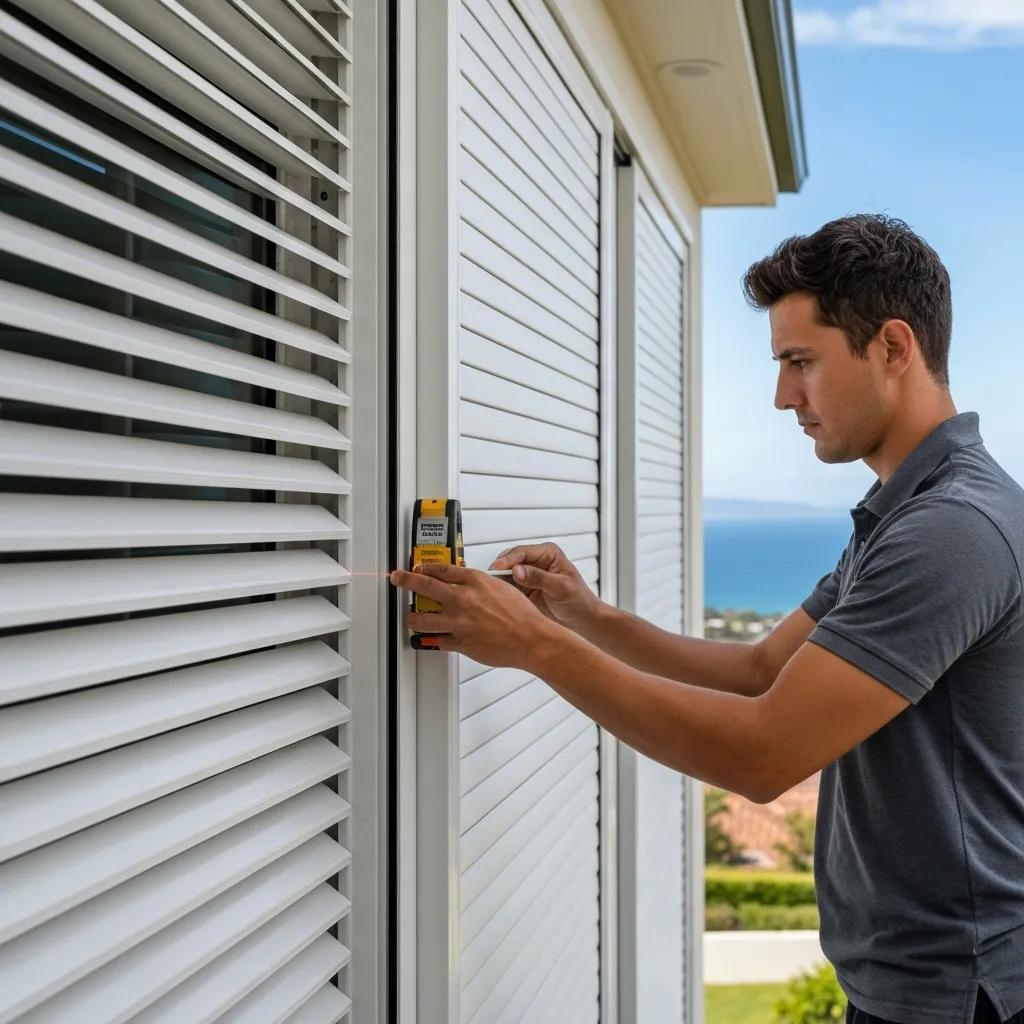
Installed costs go beyond the shutter units: labor, site prep, removal of existing coverings, anchor reinforcement, permits, and final inspection are typical line items. Professional installers handle on‑site measurement, anchor drilling and sealing, hardware installation, and a post‑installation check to verify performance — services that preserve warranty eligibility and maximize reliability. Budget‑minded homeowners can consider temporary storm panels as a lower‑cost option, but those trade permanent readiness and some insurance benefits for short‑term savings. Below is a clear cost‑component breakdown and a discussion of how professional installation affects durability and warranty.
Breaking down installation components helps you convert a per‚Äësquare‚Äëfoot estimate into a realistic budget and spot places to optimize cost. The table below lists common components, typical ranges, and when each applies.
This organized view clarifies where the per‚Äësquare‚Äëfoot installed cost comes from and highlights items that commonly cause wide price variance between quotes.
How Professional Installation Changes Total Cost and Value
Professional installation raises upfront cost but lowers long‑term risk by ensuring anchors, fasteners, and frame work meet code and performance standards — and by keeping warranties valid. Installers often perform design pressure analysis when required, choose corrosion‑resistant fasteners, reinforce frames where needed, and complete a final functional inspection to protect your investment. Improper anchoring or sizing can cause failures and costly repairs after a storm, which is why many homeowners accept higher installation fees for certified local installers. The next section compares those benefits with DIY and temporary alternatives so you can weigh trade‑offs.
Are There Lower‚ÄëCost Installation or DIY Options?
DIY installation of accordion shutters is limited because correct anchoring and track alignment are critical for performance and code compliance. Experienced DIYers may be able to install small manual units, but most projects require professional tools and knowledge. Removable storm panels are a lower‑cost alternative, but they need storage, slower deployment, and usually don’t provide the same insurance or resale advantages as permanent shutters. When considering DIY, factor in warranty coverage, code compliance, and the risk of anchors failing under load — short‑term savings can lead to bigger costs later.
Where to Find Reliable Local Accordion Shutter Suppliers
Finding a trustworthy local supplier means vetting qualifications, references, and coastal installation experience. Prioritize suppliers who understand regional building codes and storm performance testing. Good vetting steps include checking local references, confirming on‑site measurements, verifying code‑compliant products, and asking how installation and warranty claims are handled. Local knowledge matters — coastal communities like Wilmington and Myrtle Beach have specific wind‑load and permitting practices that experienced suppliers will know how to navigate. The section below highlights a regionally active supplier and explains how modern cost calculators and free estimates typically work.
Use this quick checklist to evaluate suppliers before you request a quote.
- License and Local References: Confirm the supplier works in coastal NC/SC and can show recent local projects.
- Code Compliance Knowledge: Make sure they understand local building codes and can perform any required design pressure analysis.
- Installation and Warranty Terms: Verify who installs the product and what documentation is provided for warranty claims.
This checklist makes it easier to separate experienced local providers from general contractors with limited coastal expertise.
Why American Hurricane Shutters Is a Local Option for Supply and Installation
American Hurricane Shutters serves coastal North and South Carolina and offers powder‚Äëcoated aluminum accordion shutters designed for regional storm conditions. They provide professional installation and emphasize meeting or exceeding applicable building codes, which helps with performance and potential insurance recognition. As a local resource, American Hurricane Shutters also provides an online cost calculator and free estimates to help customers get a realistic starting point based on measurements and shutter choices. Preparing window dimensions and photos before requesting an estimate will speed the process and improve calculator accuracy.
How Free Estimates and Cost Calculators Work Locally
Most online cost calculators ask for simple inputs—opening width and height, shutter type (manual or motorized), and material preference—to produce a ballpark installed estimate. Calculators may also ask whether doors or large spans are included and often allow photo uploads for greater accuracy. These tools give an initial range and typically note accuracy limits, prompting a follow‑up on‑site measurement to confirm final pricing and any necessary framing or reinforcement. For the best results, have accurate measurements ready, note access issues (stairs, scaffold needs), and be prepared to discuss permits with the estimator.
Benefits of Accordion Shutters Beyond Just Price
Accordion shutters deliver more than storm protection: they add security, can improve energy efficiency, and often enhance curb appeal and resale value when properly selected and installed. Robust panels, dependable locks, and continuous coverage deter intrusion and protect interiors during storms. High‚Äëquality shutters also shade windows and create an insulating layer that can reduce cooling load in warm climates, contributing to energy savings. The points below summarize primary benefits and the sections that follow explain security, insurance, and property‚Äëvalue impacts for coastal homeowners.
- Storm resilience: Continuous panel coverage resists wind and impact damage.
- Security: Solid panels and reliable locks deter break‚Äëins and vandalism.
- Energy and value: Shutters can reduce cooling load and appeal to buyers in storm‚Äëprone markets.
Viewed over the long term, these benefits often justify the initial investment for coastal properties.
How Accordion Shutters Improve Security and Storm Protection
Accordion shutters use interlocking panels and secure locking hardware to create a strong barrier against wind‑driven debris and forced entry when closed. Performance depends on panel thickness, material strength, and anchoring methods — higher‑gauge aluminum and reinforced frames resist bending and penetration more effectively. During a storm, shutters protect glazing and reduce the risk of structural damage and water intrusion, preserving interior finishes and minimizing repair costs. Proper maintenance and secure locking keep both storm readiness and daily security benefits intact.
Do Accordion Shutters Lower Insurance Costs or Raise Property Value?
Certified, professionally installed accordion shutters can sometimes lead to insurance premium reductions because insurers recognize the lower risk of wind and impact damage. The size of any discount depends on your insurer and local regulations, so check with your carrier before assuming savings. From a resale perspective, permanent storm protection is attractive to many buyers in coastal areas and can make a property more marketable. Keep installation records and certification documents to maximize both insurer recognition and buyer confidence.
Common Questions on Costs, Maintenance, and Warranty
Homeowners often ask how long accordion shutters last, what maintenance they require, and what warranties typically cover. Clear answers set expectations and help avoid surprise costs. Lifespan depends on material quality and environment, but well‚Äëmaintained powder‚Äëcoated aluminum systems commonly last for decades in coastal settings if corrosion prevention and mechanical upkeep are followed. Warranty coverage varies by supplier; typical warranties cover manufacturing defects and may include limited finish or hardware coverage, while installation‚Äërelated exclusions are common unless a certified installer performs the work. The sections that follow include a simple maintenance checklist and a brief warranty comparison to guide your questions before purchase.
Routine maintenance is straightforward and preserves function and longevity. The checklist below lists essential tasks to perform on a regular schedule.
- Inspect tracks and hardware quarterly: Check for debris, corrosion, or loose fasteners and clear or tighten as needed.
- Lubricate moving parts annually: Use manufacturer‚Äërecommended lubricants to keep tracks and rollers working smoothly.
- Wash and rinse finishes seasonally: Remove salt and airborne residues to protect powder‚Äëcoated surfaces from corrosion.
Typical Lifespan and Maintenance Needs
Powder‑coated aluminum accordion shutters in coastal environments commonly last 20 to 30 years or more, depending on exposure, finish quality, and upkeep. Prevent corrosion by rinsing salt deposits, monitoring fasteners, and repairing finish chips promptly; annual lubrication of moving parts keeps operation smooth. Schedule inspections after major storms and keep maintenance records to support warranty claims and resale disclosures — those simple steps improve reliability and reduce the chance of emergency repairs after severe weather.
Warranty Options from Local Suppliers
Warranty terms differ between suppliers, but common elements include coverage for manufacturing defects in panels and hardware for a set period, limited finish warranties for powder‚Äëcoating, and terms that require professional installation to remain valid. The table below outlines typical warranty categories and durations to help you know what to confirm before buying; always request written warranty details and clarify whether labor, replacement parts, or both are covered. Proper installation and maintenance documentation is often required to make a valid warranty claim.
This summary highlights common warranty categories and limitations; verify exact coverage with your supplier before purchase to ensure long‚Äëterm protection.
When you’re ready to get a site‑specific estimate, many local providers offer free estimates and online calculators as a practical starting point for budgeting and planning.
- Prepare measurements and photos before requesting an estimate: Accurate inputs lead to better initial estimates.
- Ask about required documentation for warranty claims: Installation records and receipts are commonly needed.
- Request a written scope and timeline: Clear paperwork reduces ambiguity and defines who handles permits and inspections.
Following these steps makes the quoting and purchasing process smoother and lowers the risk of unexpected costs.
If you’re ready to move from research to action, request a free estimate from a supplier that offers an online cost calculator plus on‑site verification to confirm final pricing and scope. American Hurricane Shutters provides these tools and professional installation across coastal North and South Carolina, helping homeowners and businesses turn budget estimates into reliable plans. Prepare measurements and photos to speed up your follow‑up visit and get a more accurate quote.
Frequently Asked Questions
What is the lifespan of accordion shutters, and how can I extend it?
Accordion shutters typically last 20 to 30 years, especially when constructed from high‚Äëquality powder‚Äëcoated aluminum. You can extend lifespan by following a simple maintenance routine: inspect tracks and hardware quarterly, lubricate moving parts annually, and rinse salt and debris from finishes seasonally. Promptly repair any finish damage and keep records of maintenance to support warranty claims and resale disclosures.
Are there specific maintenance tasks required for accordion shutters?
Yes. Inspect tracks and hardware every three months for debris, corrosion, or loose fasteners and address issues promptly. Lubricate moving parts once a year with manufacturer‚Äërecommended products, and wash/rinse finishes seasonally to remove salt and airborne residues that can accelerate corrosion. These steps keep shutters working smoothly and extend service life.
What warranty options should I look for when purchasing accordion shutters?
Warranty offerings vary. Common warranties cover manufacturing defects for 5–10 years and offer limited finish/corrosion coverage for 1–5 years. Some warranties require professional installation to remain valid and may or may not include labor for repairs. Always request written warranty terms and confirm what documentation you must keep to file a claim.
How do accordion shutters affect home insurance premiums?
Properly installed, certified accordion shutters can sometimes reduce home insurance premiums because they lower the risk of wind and impact damage. The size of any discount depends on your insurer and local rules, so check with your carrier. Keep documentation of installation and certification to support any premium adjustments.
What are the benefits of professional installation versus DIY for accordion shutters?
Professional installation ensures anchors, fasteners, and framing meet local codes and wind‑load requirements, preserving performance and warranty eligibility. DIY may save money up front but risks improper anchoring, misalignment, and voided warranties. Professional installers also perform design pressure analysis when needed and provide post‑install inspections — important safeguards for storm protection.
Can accordion shutters enhance my property’s resale value?
Yes. In coastal markets, permanent storm protection like accordion shutters is attractive to many buyers and can make a property more marketable. Well‚Äëdocumented installation and maintenance records increase buyer confidence and can support a higher asking price in storm‚Äëprone areas.
Conclusion
Accordion shutters are a practical, long‑term investment that protects your home or business from storms while adding security and potential energy and resale benefits. Knowing the cost components, local supplier options, and maintenance needs helps you make a confident decision tailored to your property. When you’re ready, get a free estimate from a trusted local supplier to confirm pricing and scope — and prepare measurements and photos beforehand to speed the process. Explore available resources today to find the right solution for your coastal property.
