
Accordion vs. Vinyl Shutters: What to Know About Installation Requirements
Accordion shutters and removable vinyl-style storm panels both protect openings from wind-driven debris during hurricanes, but they attach, perform, and get installed in very different ways. This guide walks coastal homeowners through those differences so you can decide whether a do-it-yourself job makes sense or whether you should hire a pro. We explain how accordion systems are permanently mounted, track-guided barriers, while vinyl and similar panels (aluminum, polycarbonate, etc.) are typically removable and use different fasteners and storage methods. You’ll find practical tool lists, step-by-step installation overviews, time estimates, maintenance expectations, and how North Carolina and South Carolina codes affect product choice and installation. Throughout, we compare common tasks, offer clear checklists, and give side-by-side comparisons to help you pick the right system for your coastal property.
What Are Accordion Shutters and What You Need to Install Them
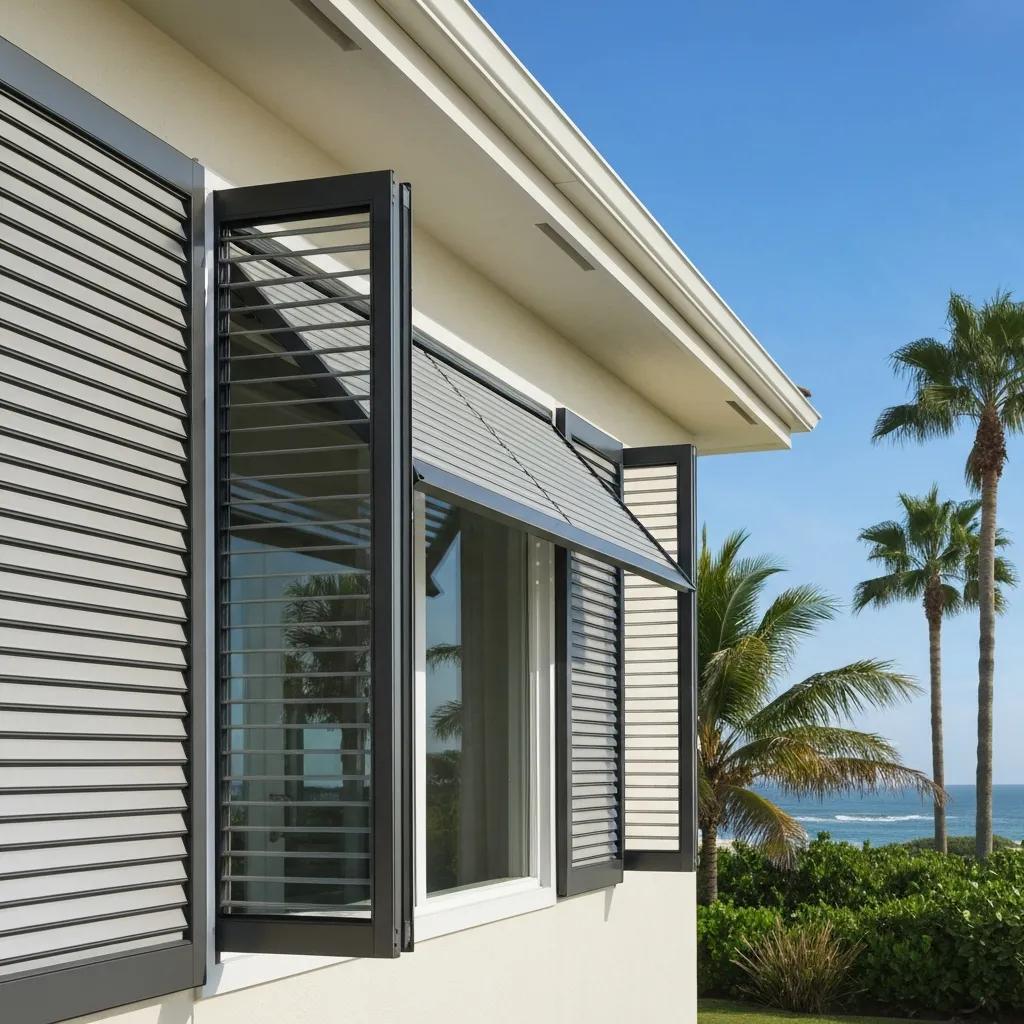
Accordion shutters are permanent, folding hurricane shutters that slide open and closed on tracks mounted above and below a window or door. Interlocking slats collapse into a compact stack when not in use and then glide along top and bottom tracks to form a continuous protective face. Because they anchor into framing or solid backing, installation requires precise measuring, proper header support when needed, and corrosion-resistant fasteners for coastal salt air. That permanence gives fast, tool-free deployment and reliable coverage for large openings, but it also raises upfront installation complexity compared with removable panels. If you choose accordion shutters, verify load paths and anchorage into framing and consider professional installation for complex or multi-story work.
How Accordion Shutters Work and What They’re Made From
Most accordion shutters use interlocking aluminum slats that fold like an accordion and run on fixed top and bottom tracks, creating a rigid barrier that resists impact and wind pressure. Aluminum is common because it balances strength, light weight, and—when properly finished—good corrosion resistance for the coastal Carolinas. Powder coatings or anodized finishes lengthen service life, and extruded profiles provide the stiffness needed to meet design pressures. Material choice affects how the system is anchored: lighter alloys may require closer fastener spacing, while heavier extrusions need stronger header support. Knowing these trade-offs helps you pick the right product and understand the structural prep the install will require.
Tools and Steps You’ll Use for Accordion Shutter Installation
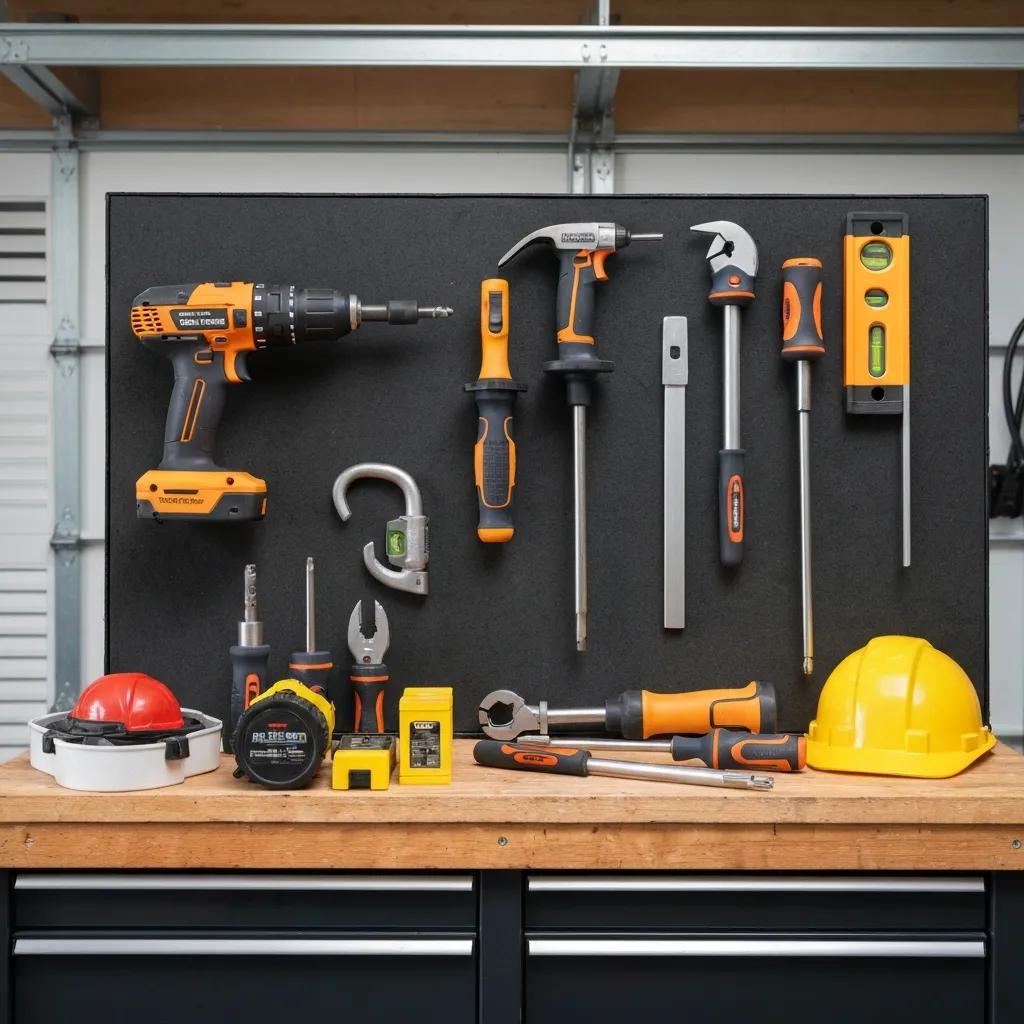
Installing accordion shutters normally calls for several power and hand tools plus safety gear: a hammer drill for concrete or framing anchors, the right drill bits, a long level, torque-rated drivers, alignment clamps, and PPE. At a high level the sequence is: measure carefully and mark track locations; fasten the head track into the header; level and anchor the sill or bottom track; install jamb anchors and guides; hang, align, and test the folded panels; then add locks, seals, and final trim. A skilled two-person crew can often fit a single-story window in a few hours; larger or multi-story openings add time and may need scaffolding. Because proper anchorage into structural backing is critical for storm loads, many homeowners hire professionals to ensure correct fastener selection and torque application.
- Essential tools and why they matter:
Hammer drill and masonry/wood bits: For anchors into concrete, masonry, or structural framing.
Torque-rated driver and sockets: To set fasteners to manufacturer-specified torque values for reliable anchorage.
Long level and alignment clamps: To keep head and sill tracks straight during attachment.
Safety gear (eye protection, gloves, and a harness for elevated work): To protect installers during drilling and overhead tasks.
Those tools form the backbone of a safe, code-aware accordion install. Using improper tools or undersized fasteners is a common cause of failed anchorage or misaligned tracks that reduce performance.
What We Mean by “Vinyl Shutters” and Their Installation Needs
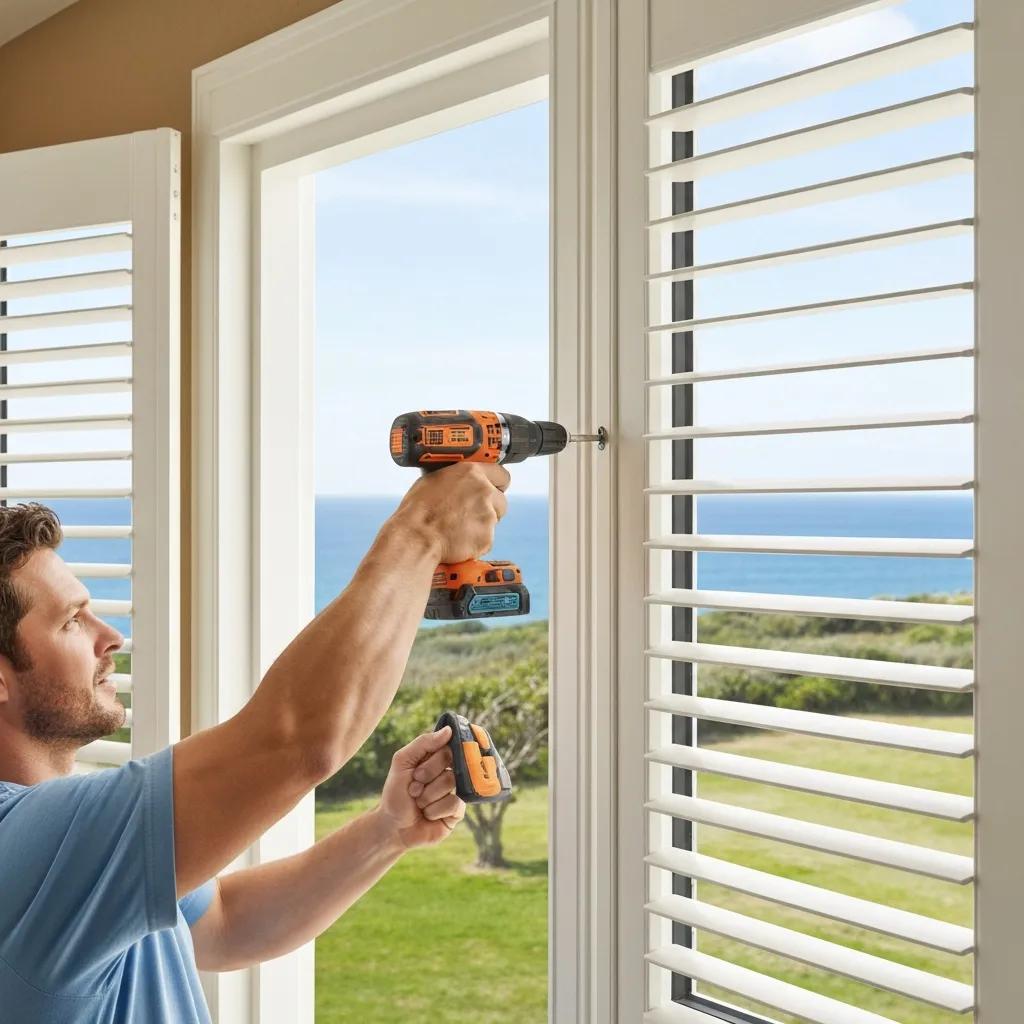
When people search “vinyl shutters” they often mean removable panel systems — vinyl panels, aluminum storm panels, clear or flat polycarbonate sheets — which install with removable fasteners or clip-and-track systems. These panels rely on brackets or through-bolts spaced around the opening and usually fasten into trim, jambs, or backing blocks. Because they’re removable, careful measuring and reliable storage are part of the installation plan. Installation varies by material: lightweight vinyl is easier to handle but may need closer fastener spacing; stiffer aluminum or polycarbonate resists impact better but calls for heavier anchors and sometimes pre-drilling. For seasonal homeowners, storage, handling procedures, and deployment routines are as important as the initial mount.
Panel Materials and How They Change Installation
Removable storm panels come in a few common families: corrugated or flat vinyl, rolled or flat aluminum, and clear or flat polycarbonate sheets. Vinyl panels are affordable and light but less impact-resistant and prone to flexing, so they need frequent anchors and careful storage to prevent warping. Aluminum panels offer stronger, more consistent protection. Polycarbonate combines high impact resistance with transparency but costs more and is heavier. Thickness, edge stiffening, and pre-punched holes affect how panels attach to brackets and whether backing is needed at anchor points. Installers choose fasteners and spacing to match panel material and the opening’s design pressures, and that choice informs whether professional help is recommended.
Tools and Techniques for Installing Vinyl-Style Panels
Panel installs typically use standard power tools and precise measuring: a drill and bits, pop-rivet or through-bolt kits depending on your bracket, shears or a saw to trim panels, a level, and storage hardware to secure panels off-season. Mounting approaches range from clip-and-track systems for easy placement to through-bolt brackets that provide higher load resistance. Frequent mistakes include using the wrong anchor in hollow trim, failing to pre-drill polycarbonate, or storing panels improperly so they deform — all of which reduce protection and shorten panel life. Because anchor type and backing matter, installers recommend at least a consultation to confirm substrate strength and fastener compatibility for coastal conditions.
- Common panel mounting options:
Clip-and-track systems: Quick to deploy and remove; good where storage and frequent use are considerations.
Through-bolt brackets: Provide stronger, more secure attachment for higher design pressures or frequent storms.
Temporary screw/anchor kits: Cost-effective but need precise anchoring and are less convenient for repeated use.
Each method balances speed, permanence, and strength — the right choice depends on panel material, homeowner priorities, and local codes.
Where Installation Needs Diverge: Accordion vs. Vinyl Panels
Accordion shutters are permanent with continuous head and sill tracks that distribute wind loads across multiple anchors; vinyl-style panels are removable and concentrate loads at discrete fasteners or clips. That means accordion installations generally require more upfront structural review — headers must carry loads and anchors need framing — while panel installs focus on choosing the right fasteners, confirming backing, and planning storage. Labor and timing differ too: a pro crew may take longer up front installing accordion tracks but make later deployment faster, whereas panels are quicker to install per panel but require repeated handling before and after storms. Skillsets vary: track alignment and correct torque matter most for accordions; accurate hole patterns and anchor integrity are critical for removable panels.
Key Installation Steps and Where Complexity Shows Up
Accordion installs concentrate on permanent alignment and anchorage: measure and check framing depth, level and attach the head track, anchor the bottom track, fit jambs and guide rails, hang and test the folding panels, then install locks and seals. Panel installs typically go: measure and cut panels, install brackets or track clips around the opening at specified spacing, fasten panels with the chosen anchors, and set up storage for off-season panels. Complexity markers include header reinforcement and precise track alignment for accordion systems versus the need for solid backing and correct fastener selection for panel systems. Time estimates depend on opening size — small windows can be done in under an hour with panels, while wide accordion installations usually take several hours and structural checks to ensure proper load transfer.
- Quick comparison:
Permanence: Accordions are fixed and always ready; panels are removable and need storage.
Structural demands: Accordions need header/support verification; panels need backing at anchor points.
Labor/time: Accordions take more time up front but are easier to deploy later; panels are faster to install per piece but require repeated handling.
These contrasts help you balance installation complexity with convenience and lifecycle needs.
DIY or Pro: Which Is Right?
Both systems can be DIY-installed by competent homeowners in the right conditions, but we recommend professional installation when permitting, large or multi-story openings, or unclear backing are involved. Panels are more DIY-friendly when openings are straightforward, backing is solid, and kits include pre-punched holes. Accordion systems usually call for more precise measuring, leveling, and anchoring into framing — tasks that often exceed typical DIY skills and may need a two-person team or scaffolding. Professionals bring knowledge of anchor patterns, torque specs, and permit documentation; hiring pros reduces misinstallation risk and helps protect warranties and insurance claims.
- DIY vs professional checklist:
Hire a pro for multi-story, unusually large openings, or unclear backing.
Consider DIY for single-story windows with solid backing and smaller panel sizes.
Consult a pro when permits, product approvals, or insurance documentation are required.
How Local Building Codes Shape Installation in the Coastal Carolinas
Coastal North Carolina and South Carolina building codes focus on wind-load performance, approved products, and installation methods that meet regional design pressures. That affects how shutters and panels must be installed to pass permitting and inspections. Authorities typically expect manufacturer documentation showing compliance with local design pressures, and inspectors may ask for anchor schedules and product listings. Permanent systems like accordion shutters often come with certified test data and detailed install instructions that simplify permitting; removable panels may require clear evidence that fastener spacing and backing meet design criteria. Because code specifics vary by jurisdiction, professional installers can help interpret which product listings and installation details satisfy local building officials.
North and South Carolina—What to Watch For
State and local jurisdictions in the coastal Carolinas apply code provisions tied to regional wind speeds and product approval programs. Shutters and panels must meet specified design pressures and have appropriate test evidence or listings. Installations should follow manufacturer anchor patterns — deviations can void rated performance. Inspectors may request product approvals, an engineer’s stamp for unusual installations, or confirmation that anchors penetrate structural members. Treat code requirements as changing; check with building officials or experienced installers to verify what documentation you’ll need for permits or insurance.
How Professionals Help Keep Your Installation Compliant and Safe
Professional installers pick products with the right approvals, apply manufacturer-specified anchor patterns, and produce installation documentation for permits and insurance. They verify load paths back into the building framing and know which fasteners and torque values work best in coastal conditions. Pros can provide written records, make corrective fixes when backing is inadequate, and coordinate engineering when required. Their expertise lowers the chance of inspection failure and builds a traceable record useful for insurance claims or resale disclosure.
Cost Differences: Accordion vs. Vinyl Shutters
Accordion shutters usually cost more per square foot for materials and installation because of permanent track systems, heavier extrusions, and the need for precise anchorage and structural checks. Vinyl-style panels tend to be less expensive up front because they use simpler bracketry and lighter materials. Labor also differs: accordion installs require careful leveling and more alignment steps, often increasing contractor time; panels lower initial labor but can create recurring time costs for seasonal storage and handling. Lifecycle costs matter too: durable aluminum accordions and polycarbonate panels typically last longer and reduce long-term expense compared with basic vinyl panels.
Initial Purchase and Installation: How They Compare
Use the table below as a starting guide — actual prices vary with opening size, number of stories, motorization, custom finishes, and regional labor rates. Many homeowners get free estimates or use online calculators to refine their budget by site.
Long-Term Maintenance and Value Considerations
Accordion maintenance centers on hardware checks: inspect fasteners, clean tracks, and refresh protective coatings to fight coastal corrosion. Panel systems require attention to storage, panel condition, and fastener wear — poor storage can warp panels and shorten life. Lifespan typically favors well-finished aluminum accordions and polycarbonate panels over basic vinyl; choosing more durable materials can lower lifecycle cost despite higher upfront expense. Insurance is also a factor: certified, permanent assemblies can help with premiums and resale by showing durable, code-compliant storm protection.
- Long-term factors to weigh:
Lifecycle and replacement intervals: More durable materials lower replacement frequency.
Maintenance routine: Track cleaning and fastener checks vs. panel storage management.
Insurance/resale value: Certified permanent systems often appeal to insurers and buyers.
Estimates vary by product and site. We encourage homeowners to request a free estimate and try the cost-calculation tool to model material choices and labor scenarios for your home.
How to Choose Based on Installation Needs
Your choice between accordion and removable panel systems comes down to priorities: permanence and instant deployment point to accordion shutters; lower upfront cost and portability point to panel systems. Think about how often you’ll deploy protection, whether you have storage space, exposure to salt air, desired curb appearance, and any HOA or historic-district restrictions. Structural factors — framing depth, continuous headers, and engineered attachments — also limit or enable certain systems. Match installation complexity to your willingness to hire professionals and your budget to make the right decision.
Installation Ease and Durability: What to Consider
Prioritize these factors: structural backing and anchorage, exposure to coastal elements and corrosion resistance, frequency of deployment and storage logistics, and code/insurance impacts. Permanent accordions need strong framing and are best when you want immediate deployment and minimal storage. Panel systems suit seasonal occupants who can store panels and want lower upfront costs. When possible, choose aluminum or polycarbonate over vinyl for better impact resistance and lower maintenance. Evaluating these items helps you pair operational needs with the right product and installation approach.
- Decision checklist:
Confirm structural backing and header presence for permanent systems.
Choose corrosion-resistant materials for coastal exposure.
Factor in storage capacity and deployment frequency for removable panels.
Check local code expectations and insurance incentives that could favor one solution.
Which System Fits Different Coastal Homeowner Profiles?
Full-time coastal residents who need fast, frequent deployment and don’t want storage work typically do best with accordion shutters — they’re permanent, quick to use, and offer reliable coverage. Seasonal homeowners or those on a tighter budget who can store panels often prefer removable systems for flexibility and lower upfront cost. Multi-story homes or commercial properties usually require a professional assessment and often benefit from permanent systems with certified ratings for easier management and clearer insurance documentation. HOAs or historic rules may restrict permanent visible systems; in those cases, removable panels are often the practical choice.
- Profile-based recommendations:
Full-time coastal homeowners: Accordion shutters for convenience and durability.
Seasonal occupants/renters: Panel systems for affordability and removability.
Multi-story or complex openings: Get a professional assessment; permanent systems are often recommended. - For tailored guidance and an accurate on-site quote, American Hurricane Shutters installs across coastal North and South Carolina and offers free estimates plus an online cost calculator to help compare real-world costs and installation options.
- Quick recap: Think about how you use your home, structural backing, storage, material durability, local codes, and budget to choose the shutter system that fits your property and lifestyle.
This comparison links installation needs to homeowner profiles and points to the next step: schedule a professional estimate to confirm structural readiness and get a precise cost projection.
Frequently Asked Questions
1. What are the main advantages of accordion shutters over vinyl shutters?
Accordion shutters are permanently mounted and ready to deploy, so you don’t handle panels before storms. They typically meet higher wind-load ratings and offer quicker deployment and consistent coverage, making them well-suited for coastal properties. Their durable construction usually means a longer service life than basic removable vinyl panels.
2. How do I maintain accordion shutters compared to vinyl shutters?
Accordion maintenance focuses on hardware: check fasteners, clean tracks, and touch up protective coatings to slow corrosion in salt air. Removable vinyl panels need careful storage and regular checks for warping, fastener integrity, and surface damage. Overall, accordion systems tend to have a more straightforward, periodic maintenance routine.
3. Are there specific building codes for installing shutters in coastal areas?
Yes. Coastal jurisdictions commonly require shutters and panels to meet certain design pressures and to use approved products and installation methods. Local building departments may request product listings, anchor schedules, or engineering for atypical conditions. Check with your local code official or installer to confirm requirements before purchasing.
4. What factors should I consider when choosing between accordion and vinyl shutters?
Consider your budget, how often you’ll deploy protection, storage availability, the structural condition of your openings, and any HOA or architectural restrictions. Accordions suit those who want permanent, fast deployment; panels work well for seasonal use or when storage is available and up-front cost is a priority.
5. Can I install accordion or vinyl shutters myself, or should I hire a professional?
Both can be DIY in the right circumstances, but we recommend professionals for large or multi-story openings, unclear backing, or when permits and documentation are needed. Panels are more DIY-friendly for simple openings; accordion installs usually require more precise measuring, alignment, and anchoring.
6. How do the costs of accordion shutters compare to vinyl shutters over time?
Accordion shutters generally cost more upfront for materials and labor but can offer better long-term value through durability and easier deployment. Vinyl and some panel systems cost less initially but may incur recurring costs for storage, handling, and replacement. Consider total cost of ownership, not just the sticker price.
7. What are the best practices for storing removable vinyl shutters?
Store removable panels in a cool, dry place out of direct sunlight to prevent warping and fading. Use protective covers, stack panels to avoid scratching, label pieces for quick deployment, and inspect fasteners and panel edges each season to ensure they’re ready when a storm approaches.
Conclusion
Choosing accordion shutters or removable panels comes down to trade-offs between permanence and instant deployment versus upfront cost and storage flexibility. Understanding installation requirements, maintenance, and local building codes helps you pick the system that keeps your home safe
