
Real Homeowner Reviews: Hurricane Shutters That Protect Coastal Living
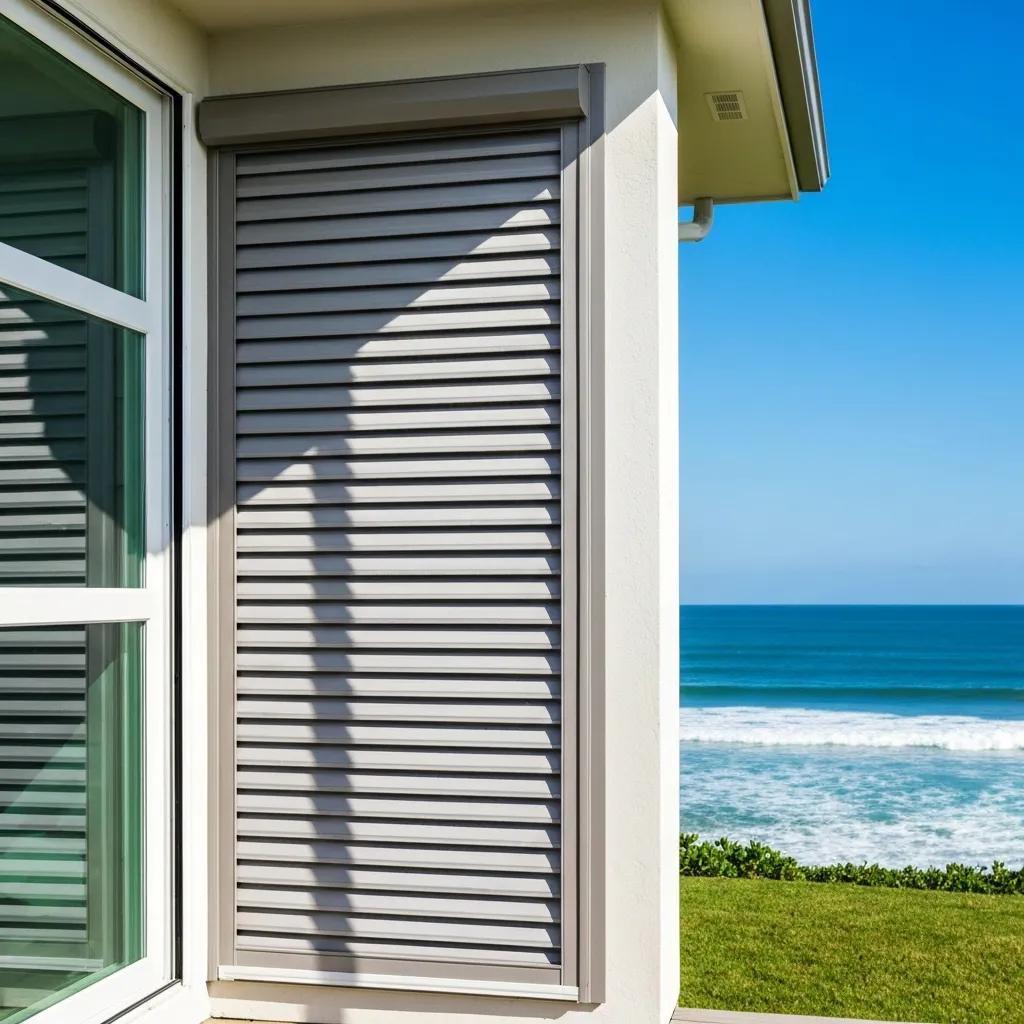
Hurricane shutters are a practical way to protect coastal homes—combining engineered materials with straightforward deployment to deliver physical security, weather resilience, and everyday comfort. This guide collects real homeowner experiences from the North and South Carolina coasts so you can see how different shutter types perform in storms, how they fit into daily life, and what benefits last over time. You’ll read hands-on reports about Accordion, Roll-down, Bahama, Colonial, Hurricane Screens, and polycarbonate or aluminum panels, plus how installation quality drives performance and maintenance. Common homeowner concerns—deployment speed, visibility, storage, corrosion, and insurance paperwork—are addressed with clear, actionable takeaways. The article is organized into six focused sections covering Accordion shutters, Roll-down systems, Bahama and Colonial styles, Screens and Panels, customer experiences with American Hurricane Shutters’ installation work, and the ways shutters add value beyond storm protection. Throughout, practical keywords like hurricane shutter reviews, best hurricane shutters for homes, hurricane shutter installation guide, and property value increase hurricane shutters appear naturally to help coastal homeowners choose and maximize protection.
What Do Homeowners Say About Accordion Shutters?
Homeowners commonly describe accordion shutters as durable, quick to deploy, and low-maintenance. These aluminum systems are permanently mounted and hinge closed to form a solid barrier that locks in place—simple, reliable protection when a storm approaches. Owners appreciate that accordion shutters are always on the frame so there’s no hauling or storing panels, which makes them especially handy during short warning windows. Many find the cost-to-performance balance appealing; a few note aesthetic trade-offs that can usually be softened with paint or trim choices.
Because accordion shutters are used frequently, homeowners often judge them by setup time and accessibility. The next subsection shares user-style observations and practical metrics to compare with other options.
How Easy Are Accordion Shutters to Be Used in Real Life?
Experienced homeowners often report deploying accordion shutters in under two minutes per window, and a single person can secure several openings on a typical single-family house. The hinged design removes the need to move panels into storage—an advantage for older residents and during quickly developing storms. Installation height and window size matter: some households add stools or configure locks so they remain reachable. Compared to roll-downs, users say accordion shutters give immediate tactile feedback and visual confirmation that the opening is secured, which helps reduce stress when time is tight.
Ease of use naturally ties into long-term durability. The following subsection summarizes what customers report after heavy-weather events and routine maintenance needs.
What Do Customers Report About Accordion Shutter Durability?
Across the North and South Carolina coasts, homeowners say aluminum accordion shutters perform well under sustained wind and impact when installed with corrosion-resistant hardware. Typical maintenance includes lubricating hinges, checking fasteners near salt-air exposure, and occasional repainting to address cosmetic wear. Some report minor denting from flying debris in extreme storms but note the shutters still protected windows and structural openings. Preventive steps homeowners recommend include rinsing off salt spray, verifying 18-8 stainless anchors where used, and scheduling post-storm inspections to confirm ongoing performance.
Research into composite materials for hurricane resistance provides useful context for developing durable window panel technologies.
Hurricane Resistant Composite Window Panels Development
ABSTRACT: Venkata, Vijai Kumar. University of Missouri РColumbia — ProQuest Dissertations & Theses, 2004. 1426111.
Development and testing of hurricane resistant laminated glass fiber reinforced composite window panels, 2004
From durability we move to permanent systems that layer motorization and security. The next section looks at roll-down shutters and how they balance convenience with protection.
How Do Roll-down Shutters Enhance Convenience and Security?
Roll-down shutters use a slatted curtain that retracts into a slim cassette, offering a compact, secure barrier that protects from weather, controls light, and adds intrusion resistance. These systems can be motorized for push-button convenience or manual with a crank. Homeowners praise motorized units for speed and ease, and they also value the security of solid slats and lockable bottom rails. Trade-offs include a higher upfront cost and occasional motor maintenance, but many users find the reliability and fast deployment worth the investment.
Knowing how motorized systems behave during outages is key for coastal homeowners. The next subsection captures user experiences and practical reliability tips.
What Are Real User Experiences With Motorized Roll-down Shutters?
Many owners praise motorized roll-down shutters for reducing deployment time to seconds—ideal for quickly approaching storms or daily privacy needs. Reliability is often linked to battery backup or a manual override, which eases worries about power loss. Common maintenance notes include occasional motor servicing, keeping tracks free of debris, and replacing remote batteries. Homeowners who value convenience say motorized systems encourage regular use, which in turn preserves windows and reduces wear from infrequent deployment.
Motorized convenience also contributes to perceived security. The next subsection explains how customers view roll-down shutters as deterrents and structural barriers.
How Do Roll-down Shutters Improve Home Security According to Customers?
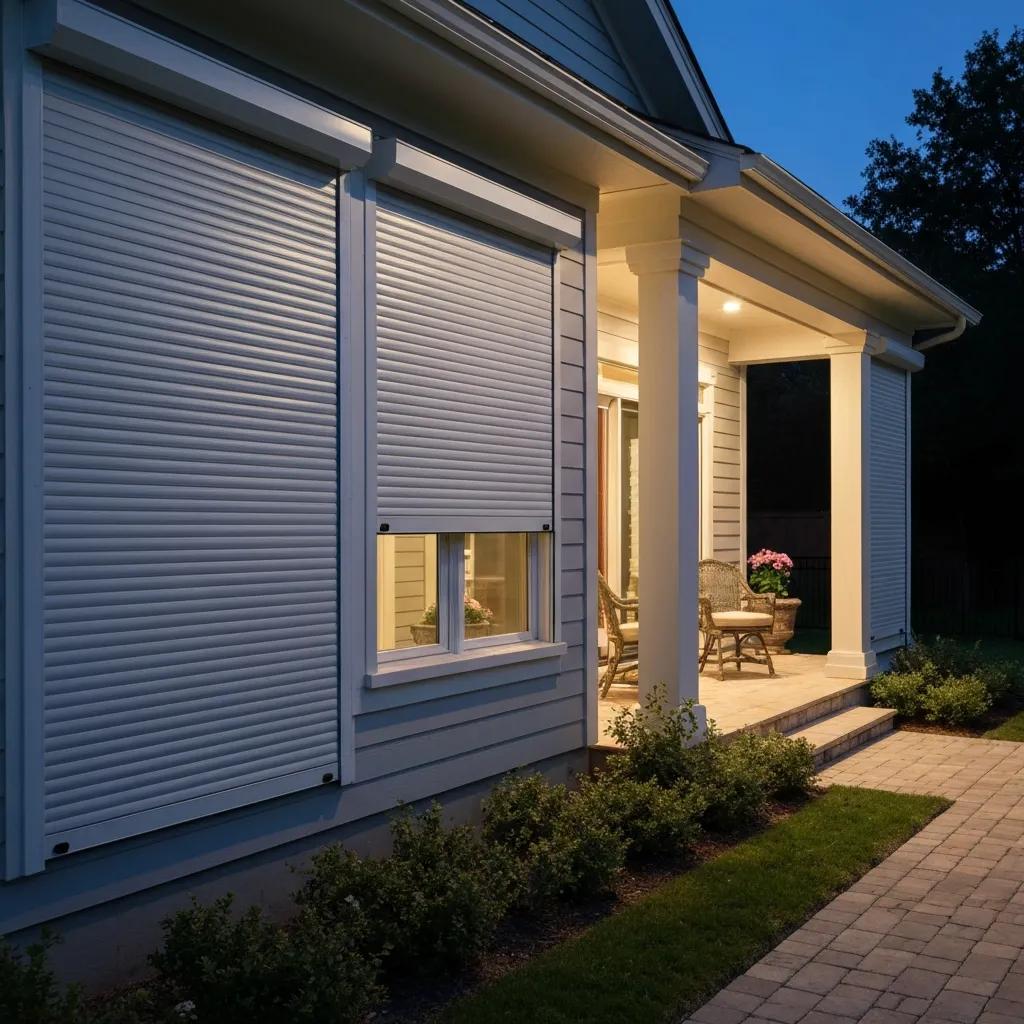
Owners frequently report that continuous slat construction improves resistance to forced entry and reduces visibility into the home—both strong deterrents to opportunistic intruders. Anecdotal feedback includes fewer break-in attempts and greater peace of mind when properties are left vacant. Some homeowners integrate roll-downs with alarm systems and automation routines for added monitoring and scheduled closures. Compared with temporary panels, roll-down shutters feel like a long-term security upgrade as well as storm protection.
Security benefits often intersect with style choices. The next section looks at Bahama and Colonial shutter options and how homeowners use them for both protection and curb appeal.
What Are Homeowners Saying About Bahama and Colonial Shutters?
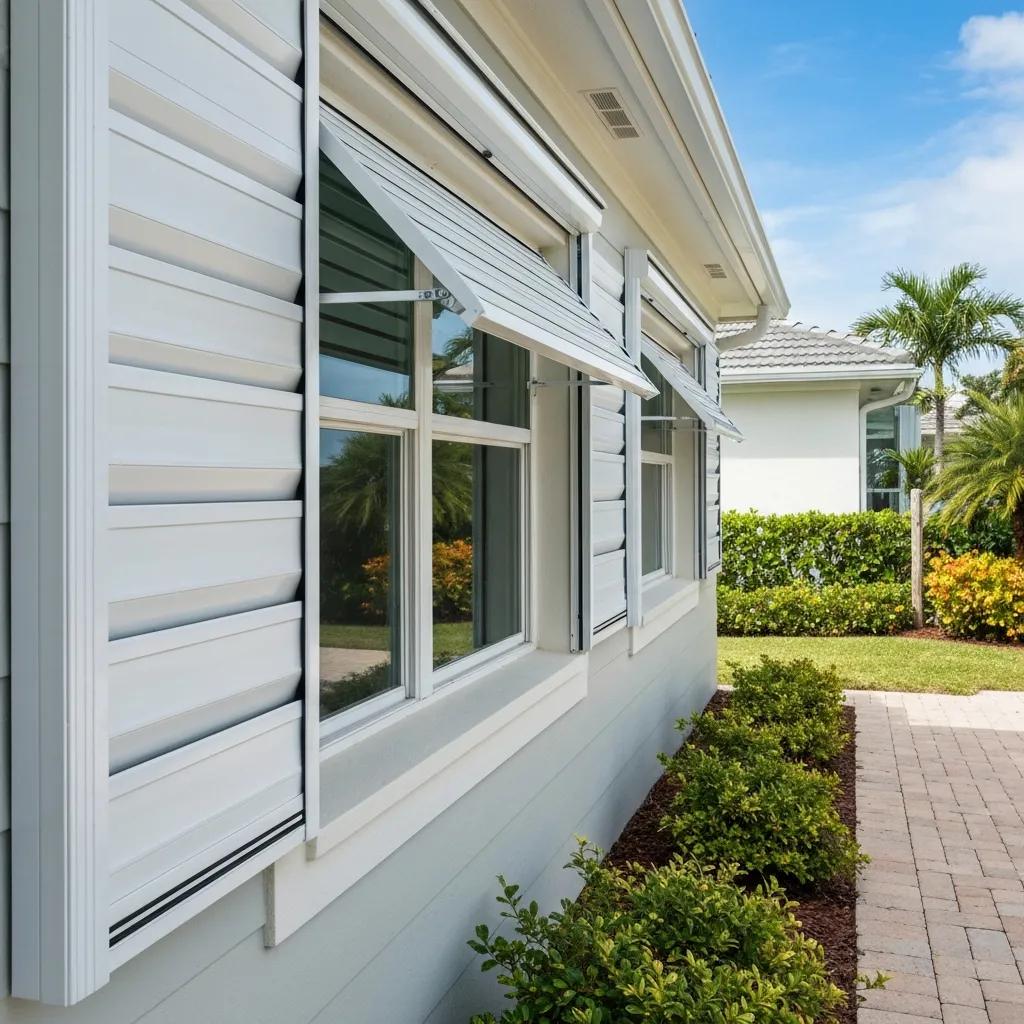
Bahama and Colonial shutters are popular for blending protection with coastal style. Bahama shutters hinge at the top and prop out to form a shaded awning that provides ventilation and light control when the weather is calm, then close down for storm protection. Colonial shutters swing closed like traditional board-and-batten and suit historic or classic coastal homes. Homeowners frequently cite improved curb appeal and a finished look—these styles often feel more architectural than removable panels or some permanent systems.
Many homeowners also consider how these shutters affect resale perceptions. The next subsection shares realtor and homeowner perspectives on curb appeal.
How Do Bahama and Colonial Shutters Impact Home Curb Appeal?
Homeowners and real estate professionals commonly say Bahama and Colonial shutters add architectural completeness and improve first impressions in listing photos. Bahama shutters give a distinctive coastal look and comfortable shaded spots, while Colonial shutters match traditional facades that appeal to buyers seeking period details. Custom colors and hardware help shutters blend with trim, and local preferences in North and South Carolina often favor styles that reflect neighborhood character. These visual upgrades can shift buyer perception from “storm-ready but utilitarian” to “storm-ready and stylish”—a meaningful advantage in competitive coastal markets.
Curb appeal is only one benefit—many choose these shutters for shading, cooling, and protection balance. The next subsection covers those functional gains.
What Are the Benefits of Shade and Storm Protection From These Shutters?
Bahama and Colonial shutters offer combined advantages: solar shading, passive cooling, and the ability to secure openings quickly before storms. Homeowners report noticeably cooler rooms in summer when Bahama awnings are deployed, which can reduce AC runtime. Colonial shutters provide a strong barrier when closed and a classic look when open, giving flexible control between ventilation and protection. Trade-offs include partial shading instead of blackout and the need to fasten hardware before a storm, but many homeowners accept those steps for the aesthetic and functional benefits.
When aesthetics aren’t the priority, homeowners often choose screens or panels. The next section looks at user experiences with those alternatives.
How Do Hurricane Screens and Panels Perform According to Users?
Hurricane screens and panels range from lightweight removable aluminum panels to clear polycarbonate sheets that keep views while shielding glass. Many homeowners use screens for insect control and everyday light protection, then switch to panels when a storm is forecast. Feedback emphasizes the trade-offs among installation effort, storage needs, visibility, and protection level—lighter panels are easier to handle but offer less impact resistance than thicker aluminum or polycarbonate. Panels and screens suit seasonal flexibility, while others prefer permanent shutters for instant readiness.
Installation and storage logistics are frequent homeowner concerns. The next subsection summarizes hands-on experiences.
What Are the Ease of Installation and Storage Experiences?
Homeowners report wide variation: lightweight panels can be installed by two people in under an hour per opening, while heavier aluminum or polycarbonate panels demand more effort and storage space. DIY is feasible for many homeowners, but multi-story homes and large openings often call for professional installation to ensure correct anchors and fit. Storage tasks—labeling, protecting panels from corrosion, and reserving garage or attic space—are common. Those who hire professionals tend to get better fit, simpler storage planning, and less last-minute stress when storms approach.
Storage choices affect visibility and protection, particularly with clear panels. The next subsection examines clarity versus impact resistance for polycarbonate options.
How Do Clear Polycarbonate Panels Affect Visibility and Protection?
Clear polycarbonate panels preserve daylight and views while resisting moderate impacts, making them popular for porches and windows where light matters. Homeowners praise the clarity in calm weather but cite long-term concerns like surface scratching, UV yellowing, and maintenance. Compared with opaque aluminum, clear polycarbonate can seem less imposing during storms, though properly rated panels still offer substantial impact resistance. Proper mounting, edge protection, and regular cleaning keep clarity and confidence high over time.
Product choices and installation quality bring homeowner experiences to the company level. The next section reviews installation service experiences with American Hurricane Shutters and highlights what customers appreciate.
What Is the Customer Experience With American Hurricane Shutters’ Installation Service?
Many homeowners say professional installation improves shutter performance and peace of mind: correct anchoring, Design Pressure Analysis, and material selection determine whether systems meet building-code expectations for coastal loads. American Hurricane Shutters emphasizes engineered protection and performs Design Pressure Analysis to ensure shutters meet required load specs for coastal properties. Customers note crews that use 18-8 stainless anchors and follow engineered plans reduce corrosion risk and protect warranties. Professional installation also helps with permits and delivers consistent alignment and sealing that DIY jobs can miss.
Timeliness and on-site professionalism matter a lot to customers. The next subsection outlines common workflow expectations and homeowner feedback.
How Do Customers Describe the Professionalism and Timeliness of Installation?
Homeowners report a positive experience when crews communicate timelines, arrive with labeled materials, and complete work with minimal disruption. Typical projects begin with an assessment and Design Pressure Analysis, then prioritized scheduling for critical openings—customers appreciate clear checklists and a quality-control sign-off at handover. Installers who use corrosion-resistant anchors and engineered specs usually generate fewer follow-up calls. Local responsiveness in North and South Carolina neighborhoods—especially fast scheduling before a storm—frequently earns high marks.
Professional installation is only part of long-term satisfaction; ongoing support and maintenance options also influence decisions. The next subsection describes what homeowners value after installation.
What Support and Maintenance Services Do Homeowners Appreciate?
After installation, homeowners value scheduled inspections, clear warranty processes, and prompt emergency repairs to keep systems ready for the next storm season. Commonly appreciated services include lubrication and track cleaning, anchor inspections in salt-air environments, and timely replacement of worn seals or fasteners. Simple care instructions—rinsing salt spray and testing deployment—help owners extend service life. For consultations or free estimates, American Hurricane Shutters offers no-cost estimates and can guide buyers to the right solution; they can also point you to the Hurricane Shutter Cost Calculator to estimate investment and options.
Service quality and lasting value lead homeowners to measure benefits beyond protection. The final section below reviews financial and comfort returns.
How Have Hurricane Shutters Added Value Beyond Storm Protection?
Homeowners regularly report that hurricane shutters pay off through insurance savings, stronger resale appeal, improved energy performance, and reduced noise—turning them into investments rather than simple expenses. Reported insurance premium reductions often fall into meaningful ranges, and local agents say storm-ready features can boost buyer confidence in coastal markets. Energy savings from shading—especially with Bahama or reflective panels—can lower cooling costs during hot months, and quieter interiors during storms improve livability. These combined effects are the real-world ROI homeowners reference when evaluating shutter investments.
To make those benefits easier to compare, the table below summarizes homeowner-reported effects with typical examples to help set expectations.
Different homeowner-reported benefits translate into financial and comfort outcomes after installation.
How Do Shutters Increase Home Value and Real Estate Appeal?
Local realtors and homeowners note that permanent, code-compliant hurricane protection signals readiness to buyers and helps listings stand out in coastal communities. Examples include properties that list storm-ready features in marketing materials and attract buyers who prioritize low-risk coastal ownership. ROI varies by market and scope of work, but the common theme is buyer preference for documented protections. Keeping engineered plans, anchor types, and inspection records helps sellers and buyers quantify that value during a sale.
What Insurance Savings and Energy Efficiency Benefits Do Users Report?
Homeowners say certified, code-compliant shutters can lead to insurance premium reductions, though the exact savings depend on insurer and policy details. Energy benefits come from shading and reduced solar heat gain—Bahama and reflective panels are frequently cited for lowering cooling demand during peak months. Users recommend documenting installations and keeping inspection records to present to insurers for potential discounts, and many combine estimates from the cost calculator with free quotes from providers to forecast payback timelines. For homeowners in coastal North and South Carolina, pairing engineered installations with paperwork is the clearest way to realize insurance and energy-related savings.
- Insurance Documentation: Keep inspection and installation records to support premium discussions.
- Energy Tracking: Monitor seasonal cooling usage before and after shading installations to estimate savings.
- Maintenance Scheduling: Regular care preserves performance and supports warranty or insurer claims.
Following these steps helps homeowners turn protective measures into measurable financial and comfort returns.
Frequently Asked Questions
What are the key differences between accordion and roll-down shutters?
Accordion shutters are permanently mounted, manually deployed, and praised for durability and ease of use. Roll-down shutters can be motorized for faster deployment and offer stronger intrusion resistance. Accordion units tend to be more cost-effective and lower-maintenance; roll-downs add convenience and security—so the right choice depends on budget, accessibility, and whether you want motorized operation.
How do hurricane shutters affect home insurance premiums?
Many homeowners see insurance premium reductions after installing certified, code-compliant shutters because insurers view those homes as lower risk. To capture savings, document the installation and keep inspection records to present to your insurer—this makes it easier to negotiate applicable discounts.
What maintenance is required for hurricane shutters?
Routine maintenance includes inspecting hardware for corrosion, lubricating moving parts, and cleaning tracks so shutters operate smoothly. Check for damage after major storms and repaint aluminum shutters as needed to protect finishes in salt-air environments. Regular care prolongs life and ensures readiness.
Can hurricane shutters be installed DIY, or is professional installation recommended?
DIY installation is possible for some shutters, but professional installation is recommended for larger openings, multi-story homes, or when engineered anchors and precise fit are required. Professionals ensure code compliance, simplify permits, and reduce the risk of future issues.
What are the aesthetic options available for hurricane shutters?
Shutters come in many styles and colors so you can match a home’s architecture. Bahama and Colonial shutters offer both protection and curb appeal, and hardware and paint choices let you customize the look to fit your home’s trim and neighborhood character.
How do hurricane screens compare to traditional shutters?
Hurricane screens are lighter and easier to handle, offering flexibility and quick deployment, but they typically provide less impact resistance than thicker aluminum or polycarbonate panels. Screens work well for seasonal use and insect control; traditional shutters offer a more robust, permanent barrier.
What are the energy efficiency benefits of installing hurricane shutters?
Shutters reduce solar heat gain and provide effective shading, which can lower cooling costs—especially in summer. Bahama-style awnings are often cited for keeping interiors cooler and reducing AC run time, so shutters can improve comfort as well as storm protection.
Conclusion
Hurricane shutters bring real, everyday benefits to coastal homes: improved safety, better energy performance, and stronger curb appeal. Homeowner reports consistently note insurance savings and enhanced property value, making shutters a practical investment for coastal living. Choose the right type for your needs, keep installation documentation, and follow basic maintenance steps to keep your home storm-ready and comfortable year round. Explore our range of hurricane shutter options and take the next step toward protecting your home today.
