Hurricane Screen Types You Need to Know for Effective Storm Protection
Hurricane screens are engineered fabric and frame systems designed to reduce wind loads, deflect debris, and preserve visibility during coastal storms. Understanding the different types helps homeowners choose the best protection strategy for each opening. This article explains hurricane screen types in clear terms—material choices like aramid and polypropylene, operational options such as manual and electric screens, and installation approaches including fixed and removable systems—so you can match performance to budget and code requirements. Many coastal Carolina homeowners face confusion about wind rating, visibility, and maintenance trade-offs; this guide offers practical decision criteria, comparisons of strength and durability, and advice on professional installation to meet local needs. We’ll cover the main materials and how they differ, how fixed versus removable systems work, the key benefits of choosing hurricane screens for patios and enclosures, steps to select the right type for NC/SC homes, and where to get expert installation and support. Throughout, you’ll find checklists, comparison tables, and actionable guidance to evaluate hurricane screen wind rating, maintenance tips, and whether screens or impact windows are the better fit for your property.
What Are the Main Types of Hurricane Screens?
Hurricane screen systems fall into material and operation categories that determine strength, visibility, UV resistance, and installation complexity; understanding these categories clarifies why one system suits a given opening better than another. At the material level, aramid hurricane screens offer very high strength-to-weight ratios and superior tear resistance, while polypropylene hurricane screens trade some strength for lighter weight and lower cost. Operation-wise, manual hurricane screens rely on straps, tracks, or cranks for deployment, whereas electric hurricane screens use motors for rapid deployment and smart-home integration. Choosing among these types depends on wind rating needs, the size and access requirements of openings, and homeowner priorities for visibility and cost.
Aramid Hurricane Screens and Polypropylene are the two primary fabric choices homeowners encounter, and each material’s properties directly affect expected lifespan and performance during storms. The next subsections examine these materials and operational differences in more detail.
What Are Aramid Hurricane Screens and Their Key Benefits?
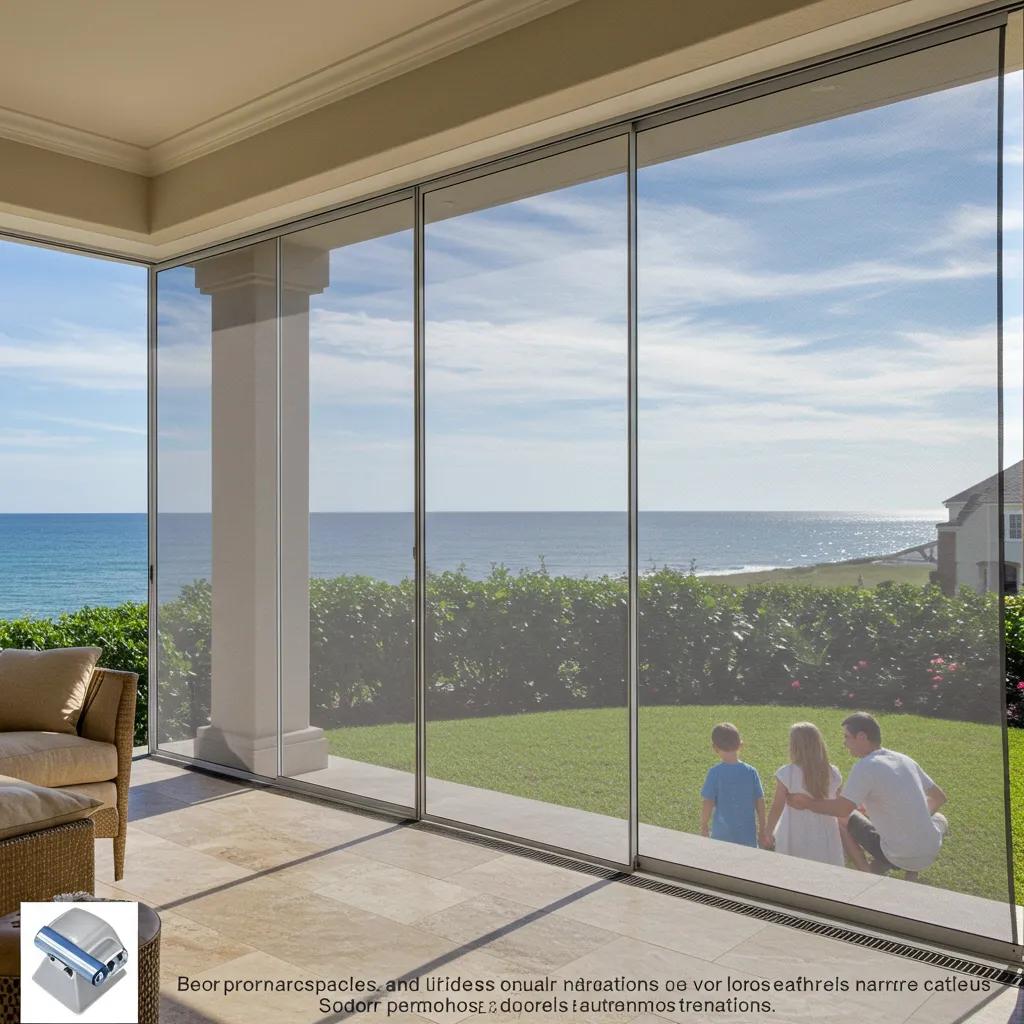
Aramid hurricane screens are woven fabric panels made from high-performance aramid fibers that provide exceptional tensile strength and impact resistance, helping them deflect flying debris and resist tearing under wind load. Their mechanism of protection is a high strength-to-weight ratio that spreads impact forces across the fabric and frame, reducing localized failure and preserving visibility compared with rigid closures. Practical benefits include superior durability, better long-term UV and flame resistance compared with many synthetics, and suitability for larger openings where structural loads are significant. Homeowners should weigh higher material and installation costs against improved performance for high-wind zones and openings where maintaining a view is important.
Aramid’s higher upfront cost often leads owners to combine aramid screens with professional installation for accurate mounting and pressure analysis, which helps ensure the system meets design wind loads for the specific property.
How Do Polypropylene Hurricane Screens Compare in Affordability and Durability?
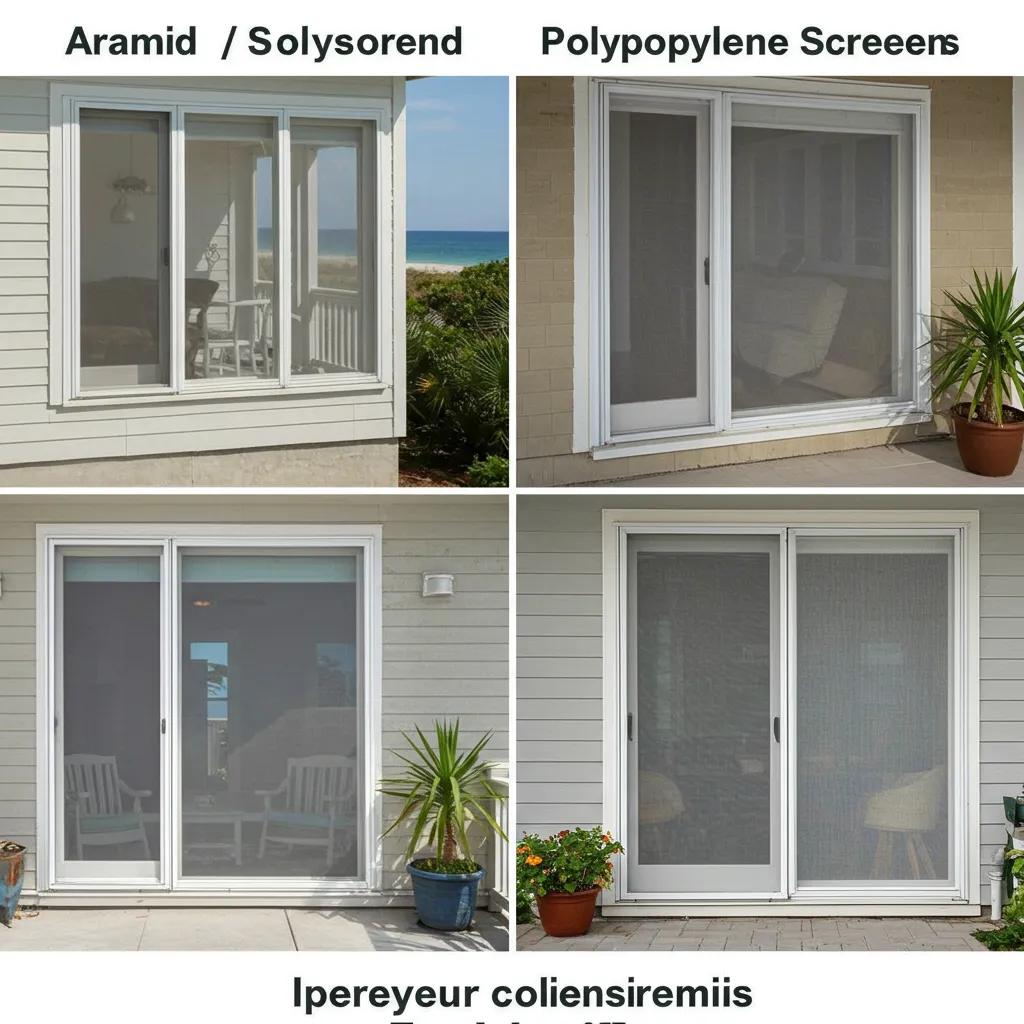
Polypropylene hurricane screens are woven from engineered thermoplastic fibers that deliver a cost-effective balance of abrasion resistance, light weight, and reasonable wind resistance for many residential applications. The mechanism of protection is an energy-absorbing weave that can stop small-to-moderate debris and reduce wind-driven rain infiltration while providing decent visibility and daylight passage. Polypropylene’s advantages include lower material cost, easier DIY-friendly installation for some removable systems, and lighter frames; trade-offs are comparatively lower tensile strength and potentially shorter service life in high-UV environments unless UV stabilizers are used. For many patios, screened porches, and secondary openings, polypropylene provides practical protection when paired with appropriate mounting hardware and maintenance.
Because polypropylene systems can be more affordable, they often serve well where budget and seasonal deployment are primary concerns, though they may not suit the largest, highest-exposure openings.
What Are the Differences Between Manual and Electric Hurricane Screens?
Manual hurricane screens operate with hand-crank, strap, or slide mechanisms that require physical effort to deploy and secure; these systems are typically less expensive, simpler to maintain, and straightforward to repair. Electric hurricane screens use motors and controls (remotes or wall switches) to raise and lower fabric panels quickly, offering convenience, faster deployment, and the option for automation and smart-home integration for rapid response before storms. The trade-offs include higher initial cost for electric systems, the need for periodic motor maintenance, and electrical considerations during installation. In practice, many homeowners choose manual systems for small openings or budget constraints and electric options for large openings, recessed patios, or situations where quick, reliable activation is critical.
To help compare operation types directly, the table below summarizes key attributes of manual versus electric systems.
Intro to the operational comparison table: This table highlights differences in operation method, convenience, cost, maintenance, and integration for manual and electric hurricane screens.
This comparison clarifies how operation affects price and usability; next, we’ll examine fixed and removable installation approaches.
How Do Fixed and Removable Hurricane Screen Systems Work?
Fixed and removable hurricane screen systems differ in permanence, mounting approach, and the types of openings they best serve; each method achieves protection through distinct attachment mechanics that affect longevity and storage needs. Fixed fabric hurricane screens are permanently mounted to frames or structural members and are designed for continuous protection with minimal seasonal handling, relying on fasteners and sealed frames to resist wind and water infiltration. Removable fabric hurricane screens are designed for seasonal or emergency deployment, using removable tracks, anchors, or quick-release fasteners to enable storage when storms are not expected, reducing visual impact and allowing unobstructed views during calm weather.
Fixed systems suit non-access facades and permanent enclosures, while removable systems favor homeowners who need temporary coverage or want cost savings through seasonal use; the following table compares these choices.
Intro to fixed vs removable table: Use this table to compare permanence, cost, suitability, storage, and typical use-cases for fixed and removable screens.
Summarizing the trade-offs, fixed systems reduce handling and provide constant protection, whereas removable systems reduce visual impact and can lower annual cost for properties that do not require year-round coverage.
What Are Fixed Fabric Hurricane Screens and When Are They Used?
Fixed fabric hurricane screens mount permanently to frames, tracks, or structural members and protect continuously by distributing wind loads across the frame and fasteners; the mechanism relies on rigidly attached frames and corrosion-resistant fasteners to maintain structural integrity. These systems excel on elevations where access is limited or where continuous screening improves comfort and insect protection. Maintenance focuses on periodic inspection of frames, fabrics, and fasteners, and fixed systems typically offer the best long-term aesthetics and lowest seasonal labor. Homeowners with large or high-exposure openings often choose fixed screens to avoid repeated installation and to maintain consistent wind and debris protection.
Fixed fabric’s permanence usually pairs with heavier-duty materials and professional installation to ensure correct pressure transfer to the structure.
How Do Removable Fabric Hurricane Screens Provide Temporary Protection?
Removable fabric hurricane screens use anchors, snaps, or removable track systems to attach panels quickly when storms approach and to detach for storage after threat periods, protecting openings through rapid deployment without permanent visual impact. This mechanism suits seasonal properties or homeowners who prefer unobstructed views most of the year; panels can be stored off-site or in dedicated storage when not required. The pros include lower initial cost and flexibility, while the cons are the need for secure storage, potential for lost hardware, and time required to install across many openings. For owners balancing budget with occasional storm exposure, removable solutions offer a pragmatic compromise.
Proper labeling, storage solutions, and routine checks of anchor points reduce deployment time and improve reliability during emergency mobilization.
What Are the Key Benefits of Choosing Hurricane Screens for Your Home?
Hurricane screens deliver multiple homeowner benefits by combining protective mechanics with everyday usability, and those benefits include wind and debris mitigation, maintained sightlines, UV reduction, insect protection, and potential energy savings. The fundamental mechanism is a tensioned fabric that disperses impact forces and reduces aerodynamic loads on glazing and framing; this reduces the likelihood of glass failure and interior water intrusion during storms. Additional advantages include preserving outward visibility compared with solid shutters, lowering solar heat gain when using denser weaves, and enabling airflow and daylight when storms are not present. Many homeowners also value screens for day-to-day comfort—bug protection and shaded outdoor living—so the system delivers protection plus everyday livability.
When evaluating value, consider these common homeowner benefits:
- Wind and debris protection: Fabric and frame reduce direct impact on glazing and structure.
- Improved visibility and daylight: Screens maintain sightlines better than opaque shutters.
- UV and solar reduction: Denser weaves lower glare and protect interior finishes.
These benefits translate into practical value for coastal Carolina homes, and for those seeking professional estimates or cost modeling, American Hurricane Shutter (AHS Carolinas) provides hurricane screen services, including manual and electric options, an online cost calculator and free estimates to help homeowners quantify trade-offs before selecting a solution.
How Do Hurricane Screens Protect Against Wind, Debris, and Rain?
Hurricane screens protect by absorbing and distributing impact energy across the fabric and anchoring system; the weave and frame work together so debris strikes are spread across a larger area instead of concentrating force on glass. This mechanism lowers the probability of puncture and can slow wind-driven rain that would otherwise breach windows and doors. In practice, screens are part of a layered protection strategy—paired with structural framing, proper fasteners, and, when appropriate, shutters or impact windows—to achieve the required wind rating for a property. For best results, pressure analysis and proper fastener selection are essential components of a reliable installation.
Combining screens with sealed glazing and proper flashing reduces water infiltration risk during extreme events and complements other mitigation measures.
Can Hurricane Screens Improve Visibility, Light, and UV Protection?
Different fabrics balance visibility, daylight transmission, and solar shading through weave density and material reflectivity; aramid weaves often preserve view-through better while denser polypropylene or coated fabrics provide more shading and UV protection. The mechanism is optical: open weaves allow more transmitted light and clearer sightlines, while tighter weaves scatter and block solar infrared and UV wavelengths, reducing glare and interior fading. Homeowners should choose fabric density based on whether priority is maximum view and natural light or stronger solar control and privacy. Test swatches and onsite assessments help ensure the selected fabric meets daylighting and view expectations.
Selecting the right balance optimizes both comfort and protection without unnecessarily darkening living spaces.
What Additional Benefits Do Hurricane Screens Offer, Such as Bug Protection and Energy Savings?
Beyond storm defense, hurricane screens act daily as insect barriers, allow cross-ventilation that can reduce HVAC load, and enhance curb appeal through integrated design choices; these benefits improve year-round comfort and energy efficiency. Screens can lower cooling costs by shading openings and allowing natural ventilation, while also protecting outdoor living areas from insects and windborne debris. Aesthetic choices in frame color and fabric opacity help homeowners preserve architectural character while adding protective function. These secondary benefits often tip the scales when comparing screens to other storm options like rigid shutters.
When evaluating lifetime value, include savings from reduced interior fading, lower cooling loads, and improved usability of outdoor spaces.
How Do You Choose the Right Hurricane Screen Type for Your Carolina Home?
Choosing the right hurricane screen type requires checking local building codes, assessing the size and orientation of openings, balancing cost versus durability, and considering installation complexity; this decision framework ensures compliance and performance for NC/SC conditions. Start by verifying applicable local code requirements and any insurance-related standards that influence acceptable wind ratings and product approvals. Next, match material and operation choices to opening size and access needs—large sliding openings often favor motorized or fixed heavy-duty fabrics, while small windows may suit removable polypropylene panels. Finally, consider lifecycle costs, maintenance expectations, and whether professional custom pressure analysis is needed for accurate design loads.
Use the checklist below when selecting a system:
- Verify local code and wind rating requirements.
- Assess opening size and access needs.
- Compare material durability and expected maintenance.
For Carolina homeowners, consulting a local installer with region-specific experience and custom-engineered pressure analysis provides confidence that selected screens meet both performance and code expectations; American Hurricane Shutter offers custom pressure analysis, local code experience, and professional installation services that address these considerations.
What Local Building Codes and Certifications Should You Consider?
Local building codes and recognized approvals act as benchmarks for required performance; while Florida approvals (such as Miami-Dade NOA) are well-known, homeowners in North Carolina and South Carolina should verify applicable state and local codes and ensure products meet accepted test standards. Certifications matter because they demonstrate how products perform under standardized impact and wind tests and influence insurance and permitting outcomes. Always ask for documentation showing test standards and approvals relevant to your jurisdiction, and confirm that the chosen installer understands local permitting processes. This ensures the installed system aligns with both safety expectations and regulatory requirements.
Working with a local provider familiar with NC/SC codes helps translate national test benchmarks into site-specific compliance measures.
How Do Cost, Durability, and Installation Affect Your Choice?
Upfront cost, long-term durability, and installation complexity interact: higher-strength materials and motorized systems raise initial cost but can lower lifecycle risk and maintenance, while simpler removable systems reduce upfront expense at the cost of seasonal handling. Consider lifecycle thinking—durable materials and professional mounting may reduce replacement frequency and improve storm reliability, whereas budget options may require earlier replacement. Installation factors include correct fasteners (for example, corrosion-resistant hardware), frame anchoring, and whether electrical work is needed for motors. Using an online cost calculator and getting free estimates helps compare options on an apples-to-apples basis.
A thoughtful cost comparison includes material longevity, expected maintenance, and the value of rapid deployment during storm windows.
Why Is Professional Installation Important for Hurricane Screens?
Professional installation ensures correct mounting, appropriate fasteners, and adherence to engineered pressure requirements; installers with regional experience can apply custom pressure analysis to size frames and select anchors that meet design loads for a given property. Proper installation reduces the risk of localized failures, preserves warranty validity, and aligns the system with local code and insurance expectations. Skilled installers also handle electrical integration for electric screens and provide guidance on maintenance and storage for removable systems. Investing in qualified installation and engineering mitigates risk and helps ensure the system performs as intended when storms arrive.
Choosing an installer who documents pressure analysis and uses quality materials and fasteners improves long-term reliability.
Where Can You Get Expert Hurricane Screen Installation and Support?
Homeowners should look for providers with local Carolina experience, documented engineering practices, and clear warranty and service offerings; these credentials signal the ability to deliver compliant, durable installations and to support emergency needs during storm seasons. Key attributes include custom-engineered designs (pressure analysis), quality materials and fasteners, trained installation teams, warranty coverage, and the ability to provide free estimates and emergency services. Request detailed proposals that include the scope of work, materials, fastener types (such as corrosion-resistant hardware), and warranty terms to compare providers meaningfully.
Use the following checklist when evaluating installers:
- Local service area experience with NC/SC conditions.
- Evidence of custom pressure analysis and engineered designs.
- Clear warranty terms and emergency response capability.
What Makes American Hurricane Shutter a Trusted Provider in the Carolinas?
American Hurricane Shutter (AHS Carolinas) is a family-owned, disabled-owned company founded in 2007 that emphasizes custom-engineered hurricane shutters and screens, offering manual and electric hurricane screen options for homeowners across Southeastern North Carolina and Northeastern South Carolina. Their stated strengths include more than 20 years of experience, use of quality materials such as 6063-T6 Aluminum and 18-8 Stainless Steel fasteners, OSHA 30 certification, a 7-year warranty, emergency services, and the practice of custom design pressure analysis for each property. These attributes combine to support code-aware installations and the long-term performance of installed systems in coastal Carolina environments.
These facts help homeowners assess AHS Carolinas against the decision criteria above when seeking local expertise.
How Can You Get a Free Estimate or Consultation for Hurricane Screens?
To request a free estimate or consultation, ask providers for an on-site assessment that includes a custom pressure analysis, documented material specifications, and a written proposal describing installation methods and warranty coverage; also inquire about online cost calculators and tools to model options before committing. Many installers provide free estimates and emergency services—confirm availability and scheduling procedures when contacting them. When comparing estimates, ensure proposals reference specific materials (e.g., aramid fabric, 6063-T6 aluminum frames), fastener types, and warranty terms so you can make an informed, apples-to-apples choice.
Preparing a simple list of openings, dimensions, and intended use (permanent vs seasonal) speeds the estimate process and improves the accuracy of cost modeling.
Frequently Asked Questions
What factors should I consider when selecting hurricane screens for my home?
When selecting hurricane screens, consider local building codes, the size and orientation of your openings, and your budget. Assess the wind rating requirements specific to your area, as this will influence the type of screen you need. Additionally, think about the material and operational type that best suits your needs—whether you prefer manual or electric systems. Finally, evaluate the installation complexity and maintenance expectations to ensure you choose a solution that fits your lifestyle and home design.
How do hurricane screens compare to impact windows?
Hurricane screens and impact windows both provide storm protection, but they differ in design and functionality. Hurricane screens are typically fabric-based and can be deployed or removed as needed, offering flexibility and visibility. In contrast, impact windows are permanent fixtures that provide continuous protection but may limit visibility and require more substantial installation. While screens can be more cost-effective and easier to maintain, impact windows offer a more robust solution for year-round protection against severe weather.
What maintenance is required for hurricane screens?
Maintenance for hurricane screens varies by material and installation type. Generally, homeowners should inspect the fabric and frames regularly for signs of wear, tears, or corrosion. Cleaning the screens with mild soap and water can help maintain their appearance and functionality. For fixed systems, periodic checks of fasteners and structural integrity are essential. Removable systems require attention to storage conditions and hardware management to ensure quick deployment when needed. Following manufacturer guidelines will help extend the lifespan of your screens.
Can hurricane screens be customized for different home styles?
Yes, hurricane screens can be customized to fit various home styles and architectural designs. Many manufacturers offer a range of colors, materials, and frame options to match your home’s aesthetic. Customization can also include specific sizing to accommodate unique window shapes or large openings. Working with a local installer who understands your design preferences and local building codes can help ensure that the screens not only provide protection but also enhance your home’s curb appeal.
What is the typical lifespan of hurricane screens?
The lifespan of hurricane screens depends on the material used, environmental conditions, and maintenance practices. Aramid screens generally offer a longer lifespan due to their high strength and resistance to UV damage, often lasting 10-15 years or more with proper care. Polypropylene screens may have a shorter lifespan, typically around 5-10 years, especially in high-UV environments. Regular inspections and maintenance can help maximize the longevity of your screens, ensuring they remain effective during storm seasons.
Are there any insurance benefits to installing hurricane screens?
Installing hurricane screens may provide insurance benefits, such as potential discounts on homeowners’ insurance premiums. Many insurance companies recognize the value of storm protection features and may offer lower rates for homes equipped with approved hurricane mitigation systems. It’s essential to check with your insurance provider to understand specific requirements and potential savings. Additionally, having documented proof of installation and compliance with local
