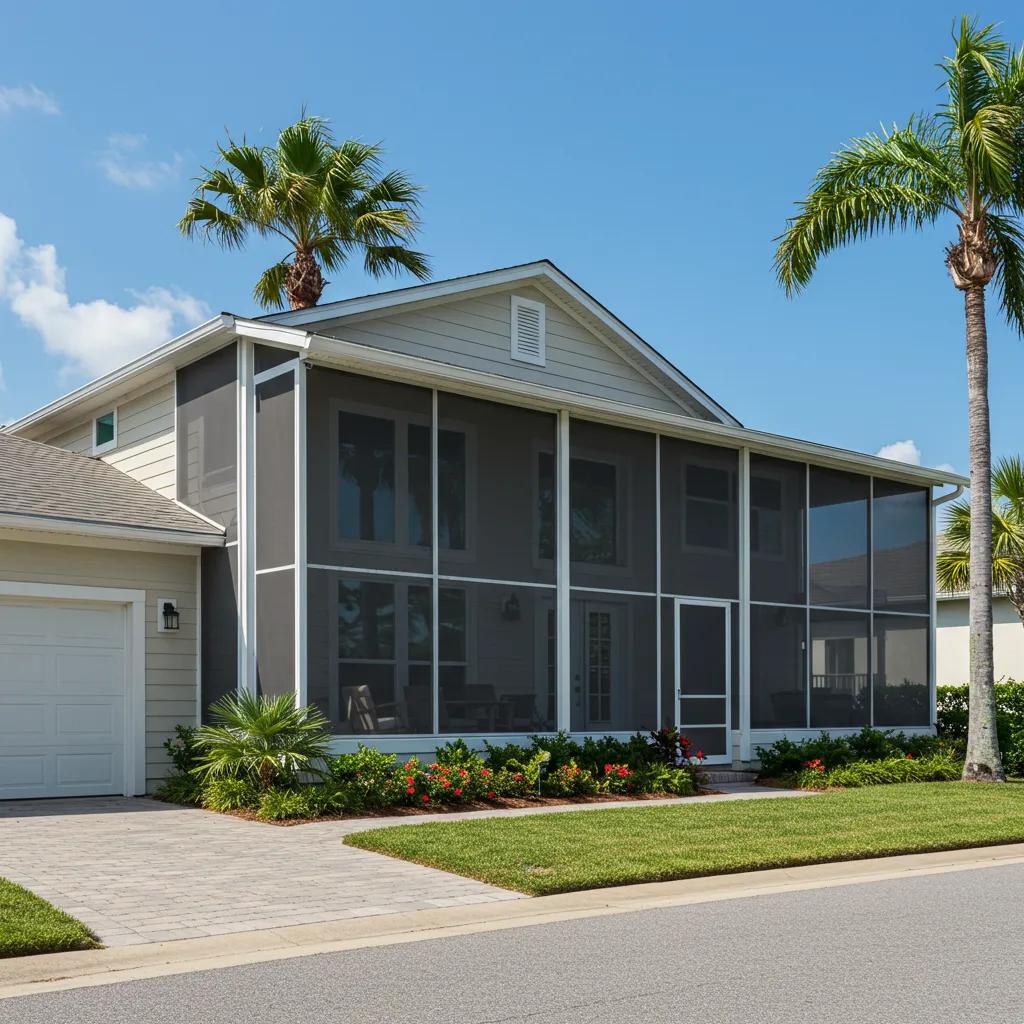
Hurricane Screen Services Near You: What Homeowners Need to Know About Installation, Cost, and Benefits
Hurricane screens are purpose-built exterior protections that block wind, flying debris, and damaging solar UV while preserving daylight and airflow for homeowners in storm-prone coastal regions. This article explains what hurricane screens are, how they work, common types and materials, how much installation typically costs near you, and the key homeowner benefits you can expect. Many coastal homeowners face the twin problems of storm risk and rising insurance or cooling costs; hurricane screens offer a technically sound, code-aware solution that balances protection with daily livability. Read on for practical comparisons of retractable, motorized, and fabric systems, a concise cost guide with the role of online estimators, and local guidance for finding compliant installers in Wilmington, NC and Myrtle Beach, SC. Throughout the guide you will find actionable checklists, side-by-side tables, and lists that clarify selection, maintenance, and documentation to support insurance and safety goals.
What Are Hurricane Screens and How Do They Protect Your Home?
Hurricane screens are specialized storm protection products made from impact-resistant fabric or mesh mounted to frames and tracks that reduce wind pressure on openings and stop wind-driven debris from breaching glass or doors. They protect by absorbing and dispersing impact energy, limiting direct contact with glazing, and maintaining a barrier that reduces inward pressure during extreme wind events. Typical residential applications include windows, sliding doors, lanais, and patios where visibility and airflow are priorities. Understanding these mechanisms helps homeowners compare screens with other storm protection systems when planning upgrades.
What materials are used in hurricane screens for residential protection?
Hurricane screens use engineered fabrics and metal components designed for coastal exposure, including high-strength woven fabrics such as aramid blends, PVC-coated polyester, and stainless steel mesh for extreme durability. Frames and tracks are commonly aluminum or lightweight metal alloys that resist corrosion, while mounting hardware is specified to resist salt air corrosion; 18-8 stainless steel fasteners are a preferred meronym for long-term durability in coastal installations. Material choice balances impact resistance, visibility, and UV protection, and homeowners should select fabrics and frames based on local exposure and maintenance willingness. Selecting the right fabric reduces solar heat gain while preserving outward views for patios and lanais.
How do hurricane screens meet Florida Building Code and local standards?
Meeting Florida Building Code standards typically requires testing for design pressures and large- and small-missile impact resistance, with documented results demonstrating performance under specified wind loads and debris impact. Compliance means the product and its installation method have been tested and can be documented for permit approval and potential insurance recognition, which matters for coastal homeowners in North and South Carolina as they pursue protective upgrades. Installers should provide test reports and installation details that show the system was mounted to meet specified loads, and homeowners should retain that documentation for insurance and resale value purposes. Confirming code compliance during selection reduces uncertainty and streamlines permitting.
What Types of Hurricane Screens Are Available for Residential Use?
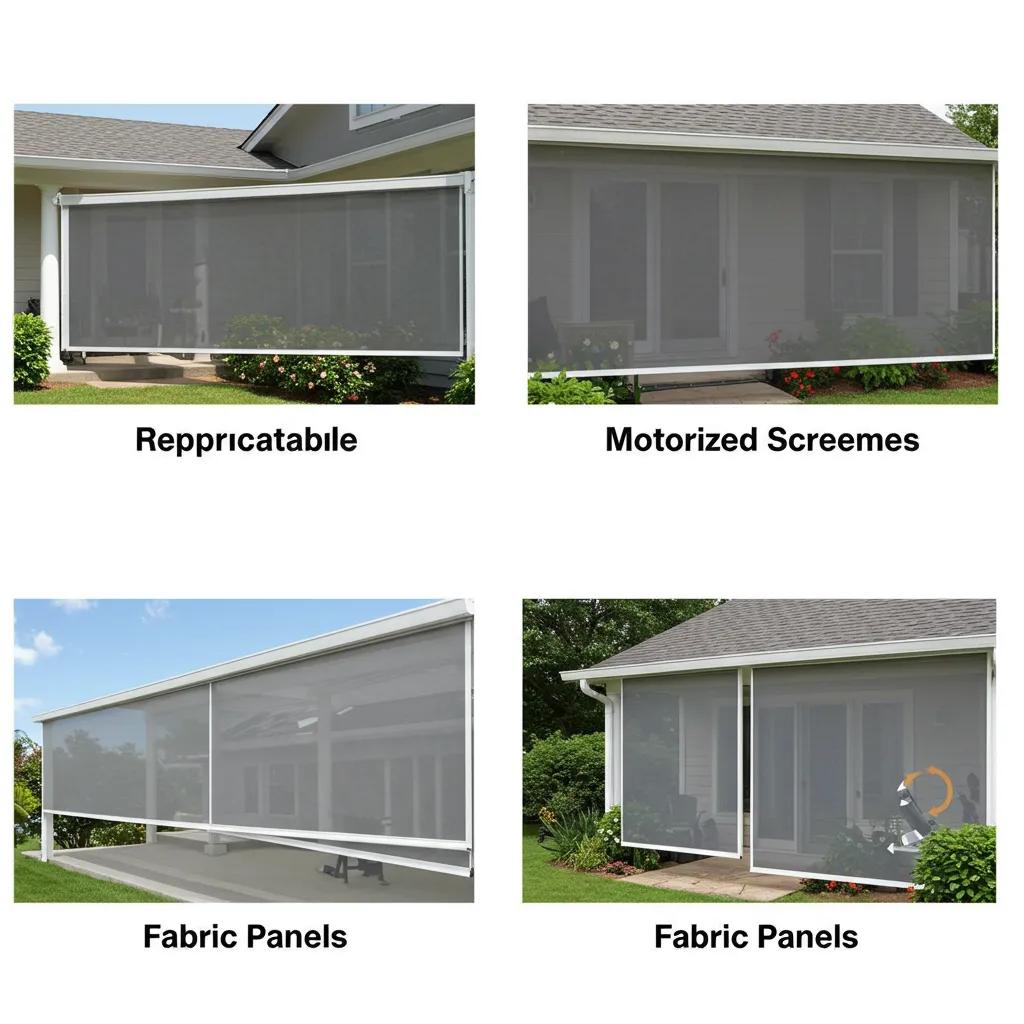
Hurricane screens come in distinct forms—each hyponym offers tradeoffs in aesthetics, operation, and cost—so homeowners can match a solution to living patterns and exposure levels. Below is a brief comparison of the primary types to guide initial selection before detailed quoting and site assessment.
Hurricane screen options include the following primary types:
- Retractable hurricane screens: Hidden in housings and deployed on demand, ideal for lanais and patios where seasonal use and aesthetics matter.
- Motorized hurricane screens: Electrically or remotely operated systems that simplify deployment for large openings and frequent use.
- Hurricane fabric panels: Cost-effective storm fabric mounted temporarily or semi-permanently for seasonal protection or flexible coverage.
This comparison clarifies how operational choices affect daily use and long-term maintenance.
Introductory comparison of screen types:
What are retractable hurricane screens and their benefits?
Retractable hurricane screens store in discrete housings and deploy along concealed tracks, preserving home aesthetics when not in use while offering robust protection when needed. They maintain outward visibility and ventilation and are favored for outdoor living areas because they blend with architectural lines and eliminate permanent visual barriers. Maintenance is typically straightforward—periodic cleaning of fabric and track lubrication—and housings protect fabric during off-season months. Homeowners should evaluate track placement, housing size, and fabric specification during selection to balance durability and appearance.
How do motorized hurricane screens differ from manual options?
Motorized hurricane screens replace manual effort with electric drives and controls, providing fast deployment for large openings and added convenience for multi-story or difficult-to-reach installations. The motor, control system, and housing are meronyms that add cost and require attention to power and fail-safe options, but they significantly reduce the time to secure a home before a storm. Motorized systems typically increase upfront price and may require occasional service, so warranty terms and motor access are important selection criteria. For homeowners with large lanais or frequent need to deploy protection, motorization often delivers the best practical value.
What are hurricane fabric panels and their typical applications?
Hurricane fabric panels are heavy-duty storm fabrics anchored to frames or clip systems, offering a lower-cost, flexible protective option for windows, doors, and openings that do not require permanent hardware. They are available as temporary panels for seasonal storms or as semi-permanent covers that remain in place during storm season, and they provide effective debris protection while being lighter and easier to store than rigid shutters. Limitations include handling time and aesthetic impact compared with retractable systems, but panels are an economical choice for secondary structures and lower-exposure openings. Panels are also useful where quick removal is a priority.
How Much Does Hurricane Screen Installation Cost Near You?
Typical cost ranges for hurricane screen installation vary primarily with system type, opening size, and installation complexity, with simple fabric panels on small windows at the low end and motorized retractable systems for large lanais at the high end. Cost drivers include material quality, motorization, custom framing, and labor access for installation; these factors interact to produce a project estimate rather than a single per-square-foot price. Homeowners can use an online cost calculator to input measurements and system choices to receive a preliminary range, then follow up with an in-home assessment for a precise quote. Understanding these drivers helps homeowners budget and prioritize upgrades that deliver both protection and value.
Major factors that affect price include:
- Opening size and quantity: Larger or more openings increase materials and labor.
- System type: Motorized retractable systems cost more than manual retractable or fabric panels.
- Mounting and framing complexity: Custom frames, hard-to-reach locations, or structural modifications raise labor costs.
- Hardware quality: Corrosion-resistant fasteners and premium fabrics increase upfront cost but lower lifecycle expense.
These factors explain why estimates vary and why a site visit is usually required for firm pricing.
Introductory cost-factor table:
What factors affect the price of hurricane screen installation?
Price is a function of materials, operation, and installation logistics: screen fabric and frame grade, motorization, number and size of openings, and site access all influence the final quote. For example, upgrading a single sliding door to a motorized retractable system adds motor and control costs plus more complex installation compared with a removable fabric panel. Labor rates and permit requirements can also add costs in certain localities, and selecting corrosion-resistant hardware such as 18-8 stainless steel increases material expense while improving longevity. Prioritizing openings and requesting multiple quotes helps control cost while maintaining code compliance.
How can homeowners use online cost calculators for estimates?
An online cost calculator accepts inputs like linear feet of opening, screen type preference, and optional motorization to produce a preliminary estimate range that aids budgeting and comparison shopping. These calculators assume standard mounting conditions and may not account for hidden complexity like uneven openings or structural reinforcement, so their results should be treated as indicative rather than final. After using a calculator, homeowners should schedule an in-home assessment to validate measurements, confirm code requirements, and receive a firm written proposal. Combining online estimates with a professional site visit yields the most reliable budget.
Are there insurance discounts available for installing hurricane screens?
Some insurers offer premium reductions when homeowners install tested and documented hurricane protection that meets applicable codes, though discount size varies by carrier and jurisdiction and requires proof of compliant product and installation. Typical documentation includes product test reports, installation details, and contractor invoices showing code-compliant materials and mounting methods; insurers may ask for copies during the application of discounts. Homeowners should contact their insurance provider to confirm qualifying criteria before installation and retain all compliance documents after work is completed to support claims for reduced premiums. Proper documentation often speeds approval and substantiates long-term risk reduction.
What Are the Key Benefits of Installing Hurricane Screens on Your Home?
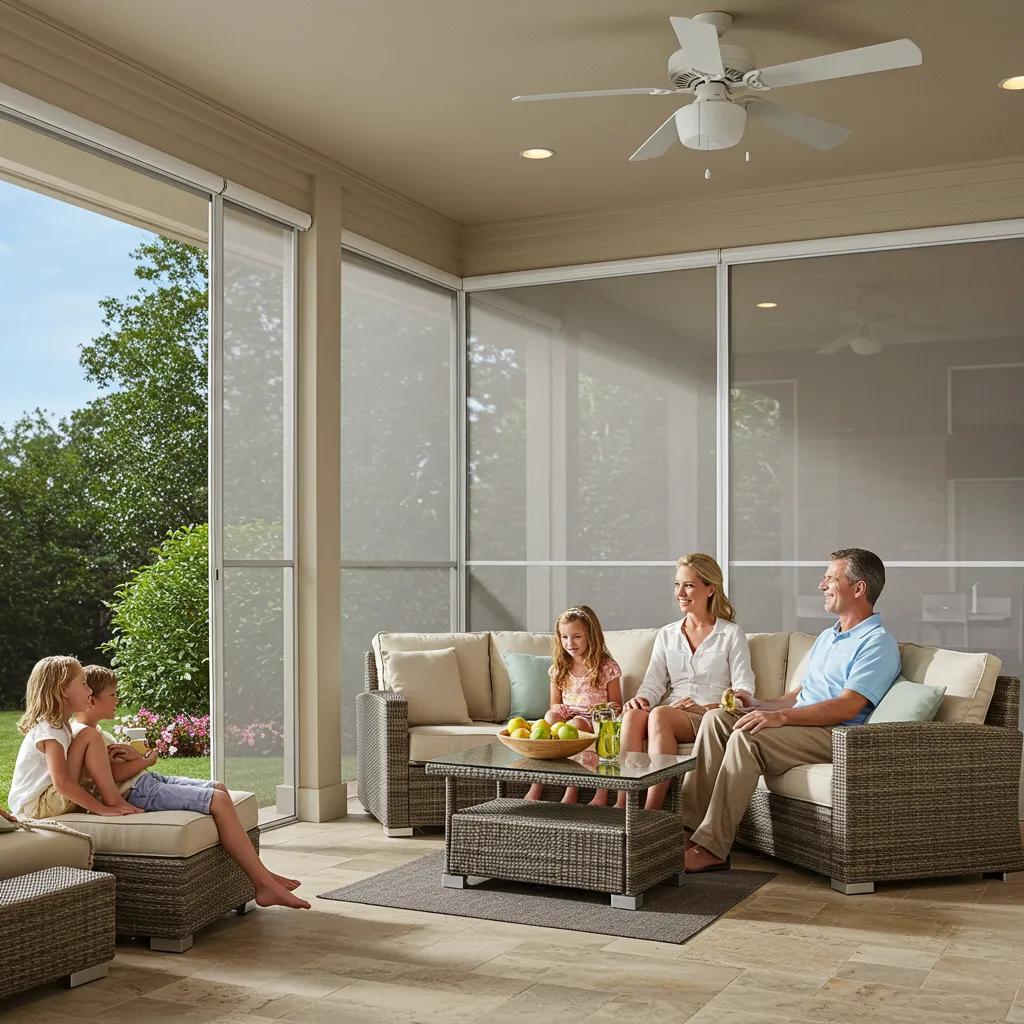
Hurricane screens deliver direct storm protection plus secondary benefits such as UV reduction, energy savings, and enhanced privacy that together support safety, comfort, and potential insurance or resale value. By blocking debris and reducing wind-driven pressure on openings, they prevent glazing breakage and interior damage during storms while allowing daylight and airflow when not deployed. Secondary benefits include lowered solar heat gain, which can reduce cooling load, and protection from UV that helps preserve interior finishes and furnishings. These combined outcomes make screens a multifaceted investment for coastal homeowners weighing protection and livability.
Introductory benefits table:
How do hurricane screens provide storm and debris protection?
Screens protect by forming a continuous barrier that absorbs impact energy and prevents wind-driven debris from striking glazing directly, thereby lowering the risk of glass breakage and interior water intrusion. The fabric and supporting frame distribute loads across the opening, reducing localized stress on windows and doors and limiting the development of inward pressure that can cause structural failures. In practice, screens help contain shattered glass and reduce the likelihood of secondary damage, which improves occupant safety and simplifies post-storm repairs. Ensuring proper anchorage and tested components is essential for reliable performance.
Can hurricane screens improve energy efficiency and UV protection?
By shading glazing and blocking a portion of incoming solar radiation, hurricane screens reduce solar heat gain and the building’s cooling load, which can translate to lower energy use in hot climates. Fabrics with high UV-blocking characteristics also protect interior surfaces from fading and reduce glare, contributing to occupant comfort and preservation of furnishings. The degree of energy savings depends on fabric density, orientation, and shading strategy; selecting a fabric optimized for solar control maximizes both comfort and long-term material protection. Integrating screens with existing shading strategies yields the best efficiency outcomes.
How do hurricane screens enhance privacy and home security?
Hurricane screens add a visual barrier that increases privacy for ground-floor rooms and outdoor living areas while still permitting outward views and airflow, striking a balance between seclusion and connection to the outdoors. The physical barrier also acts as a deterrent to opportunistic intrusions because it creates an additional layer to breach before reaching glazing or doors, and durable framing further reinforces this effect. Homeowners can choose fabric densities to fine-tune visibility versus privacy based on location and use, and combining screens with other security measures strengthens overall protection. Thoughtful selection supports both privacy and practical security goals.
Where Can You Find Local Hurricane Screen Services Near You?
Finding a qualified local installer involves evaluating documented code compliance, material quality, and regional experience to ensure systems withstand coastal exposure and meet permitting requirements. Homeowners should expect a professional installer to perform a site assessment, provide test and compliance documentation, detail installation timeline and warranty terms, and supply a clear written quote that separates materials and labor. Local installers in Wilmington, NC and Myrtle Beach, SC typically understand regional wind loads and permitting nuances, and selecting a contractor with coastal project experience reduces unexpected issues.
What homeowners should expect from a professional installation company:
- Site assessment and measurements: Accurate dimensions and mounting condition review.
- Code documentation: Test reports and compliance documentation for permit use.
- Written proposal and timeline: Clear scope, schedule, and warranty details.
- Cleanup and post-install support: Professional finish and handover of documentation.
These expectations form a checklist homeowners can use when evaluating proposals from local providers.
What should you expect from professional hurricane screen installation companies?
A professional company will begin with a site visit to measure openings, inspect mounting surfaces, and identify any framing or access issues that could affect installation quality and cost. They should provide written documentation that references product testing and describe how the chosen system will meet local design pressures and code requirements, and offer a clear timeline, warranty information, and post-installation cleanup. Ask for a breakdown of materials and labor in the quote, and request copies of any test reports to support permitting and insurance needs. These steps help ensure the installed system performs as intended when a storm arrives.
How to find trusted hurricane screen installers in Wilmington, NC and Myrtle Beach, SC?
Start local by searching for installers with documented coastal experience, requesting recent local project references, and verifying that proposals include test documentation and corrosion-resistant hardware for seaside conditions. Check local business listings and reviews, ask for before-and-after photos of nearby installations, and compare multiple quotes to evaluate differences in materials, anchorage methods, and warranty coverage. Prioritize companies that clearly explain code compliance and provide written evidence, as this documentation supports both permitting and potential insurance discounts. Local references and demonstrable coastal work reduce implementation risk.
Why choose American Hurricane Shutter for your hurricane screen needs?
American Hurricane Shutter serves coastal North Carolina and South Carolina and offers a range of hurricane protection products including hurricane screens alongside other shutter types; the company emphasizes installation quality using corrosion-resistant 18-8 stainless steel fasteners and adherence to Florida Building Code standards where applicable. Homeowners seeking a transparent estimate can use the company’s online cost calculator for an initial price range and then request an in-home assessment for a firm proposal. For local assistance, American Hurricane Shutter lists contact by phone and its local business profile so homeowners can request estimates and documentation to support permits and insurance discussions.
For immediate local contact options, American Hurricane Shutter can be reached by phone at (910) 256-1288 and has a registered Google Business Profile for review and local verification.
Frequently Asked Questions
What maintenance is required for hurricane screens?
Maintaining hurricane screens is relatively straightforward. Homeowners should regularly clean the fabric and tracks to prevent dirt buildup and ensure smooth operation. Depending on the type of screen, periodic inspections for wear and tear are advisable, especially after storm events. For retractable and motorized systems, lubricating the tracks and checking the motor function can enhance longevity. It’s also important to follow the manufacturer’s guidelines for specific maintenance recommendations to ensure optimal performance and durability over time.
How do hurricane screens compare to traditional storm shutters?
Hurricane screens and traditional storm shutters serve the same purpose of protecting homes from storm damage, but they differ significantly in design and functionality. Hurricane screens are typically made from flexible, impact-resistant fabrics that can be deployed as needed, allowing for better visibility and airflow when not in use. In contrast, traditional shutters are rigid and often block views entirely. Additionally, screens are generally easier to install and remove, making them a more versatile option for homeowners who prioritize aesthetics and convenience.
Can hurricane screens be installed on any type of home?
Hurricane screens can be installed on most types of homes, including single-family residences, condos, and townhouses, provided that the structure meets certain requirements. The installation process may vary based on the home’s design, window and door configurations, and local building codes. It’s essential to consult with a qualified installer who can assess your specific situation and recommend the best type of hurricane screen for your home, ensuring compliance with local regulations and optimal performance during storms.
What is the lifespan of hurricane screens?
The lifespan of hurricane screens can vary based on the materials used, environmental conditions, and maintenance practices. Generally, high-quality hurricane screens can last anywhere from 5 to 15 years or more with proper care. Factors such as exposure to salt air, UV radiation, and severe weather can impact durability. Regular maintenance, including cleaning and inspections, can help extend the life of the screens. Homeowners should also consider the manufacturer’s warranty, which often provides insights into expected longevity and performance standards.
Are there any aesthetic options for hurricane screens?
Yes, hurricane screens come in various colors, styles, and designs to complement the aesthetics of your home. Many manufacturers offer customizable options, allowing homeowners to choose fabrics that blend with their exterior decor. Retractable and motorized screens, in particular, can be designed to be discreet when not in use, preserving the visual appeal of outdoor spaces. Homeowners should discuss aesthetic preferences with their installer to find solutions that provide both protection and visual harmony with their home’s architecture.
How do I know if my home needs hurricane screens?
If you live in a coastal area prone to hurricanes or severe storms, installing hurricane screens is a proactive measure to protect your home. Signs that you may need hurricane screens include frequent storm warnings, a history of storm damage in your area, or rising insurance costs due to storm risk. Additionally, if you have large windows or doors that are vulnerable to wind and debris, hurricane screens can provide essential protection. Consulting with a local expert can help assess your specific needs and risks.
What should I consider when choosing a hurricane screen installer?
When selecting a hurricane screen installer, consider their experience, reputation, and knowledge of local building codes. Look for contractors who specialize in hurricane protection and have a track record of successful installations in your area. It’s also important to verify that they provide documentation for code compliance and use high-quality materials. Requesting multiple quotes and checking references can help ensure you choose a reliable installer who meets your specific needs and budget.
Conclusion
Installing hurricane screens provides homeowners with essential storm protection while enhancing energy efficiency, UV control, and privacy. These multifaceted benefits not only safeguard your property but also contribute to potential insurance savings and increased resale value. By choosing the right system tailored to your needs, you can ensure both safety and livability in your coastal home. Contact us today to explore our range of hurricane screen solutions and secure your peace of mind.
