
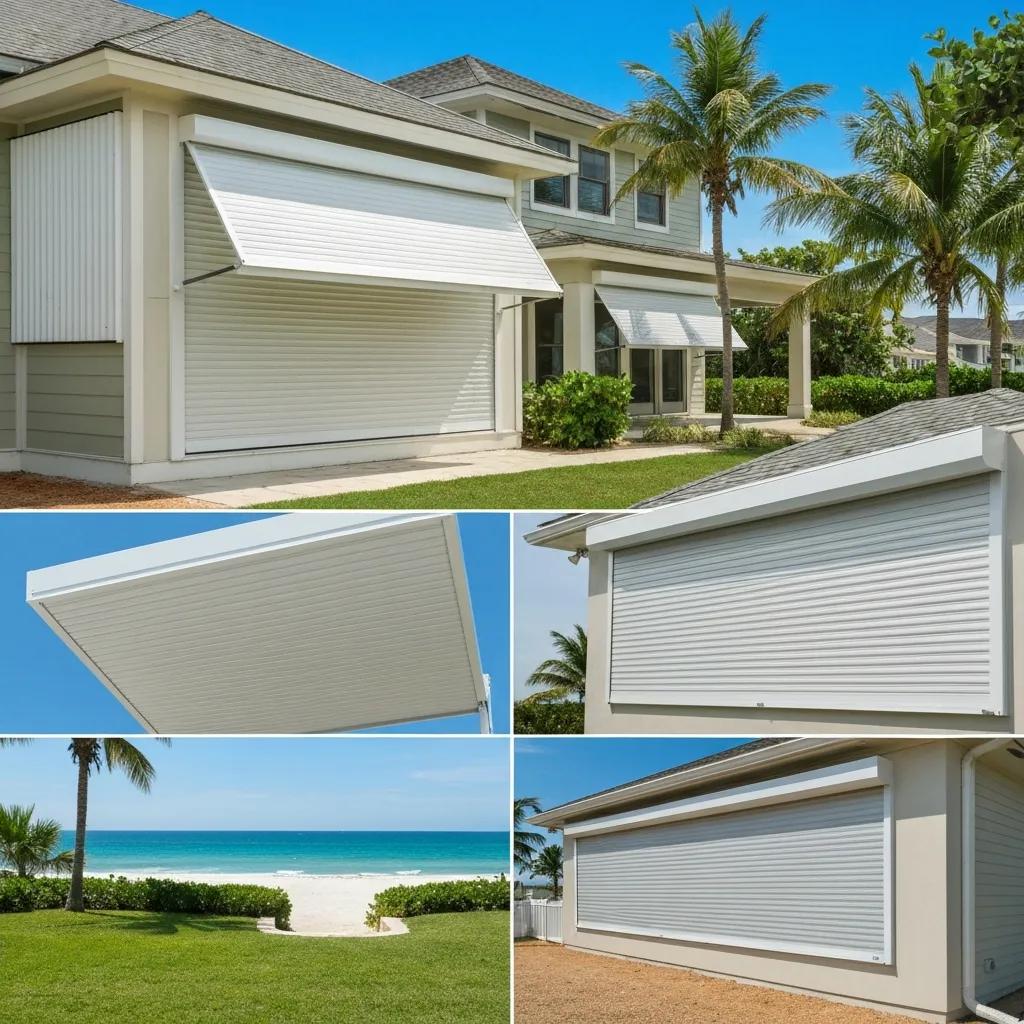
Hurricane Protection Near You: What to Consider for Reliable Storm Safety
Hurricane protection systems are engineered solutions built to guard buildings against windborne debris, high wind pressures, and water intrusion during tropical storms and hurricanes. If you live or operate along the North Carolina or South Carolina coast, your exposure to severe weather is higher — so picking the right protection lowers repair bills, keeps people safe, and helps preserve insurance eligibility. This guide walks through common storm protection types, how cost and certification influence choices, where to find reputable local installers, and simple seasonal maintenance steps for homeowners and businesses. You’ll get clear comparisons of Accordion, Rolldown, Bahama, and Colonial shutters, plus hurricane screens and panels; learn how to use a cost calculator and request free estimates; and see which installer credentials you should verify. Throughout, the focus is practical guidance for coastal properties, regulatory notes where relevant (including Florida Building Code references), and tools to plan and budget for effective protection.
Which Hurricane Protection Systems Work Best for Homes and Businesses?
Most hurricane protection systems fall into a few categories that trade off impact resistance, deployment speed, and appearance. These products form a rated barrier between windborne debris and your building envelope, and their materials and hardware are designed to meet test standards for impact and cyclic wind loading. The right choice depends on the opening type, how much visibility or ventilation you want, your budget, and local code requirements. Matching a product to those constraints delivers the best long-term result. Below is a concise comparison to map each shutter type to material, operation, and typical cost tier before we examine two common choices in more detail.
Use this table to compare key attributes at a glance.
How Accordion Shutters Deliver Dependable Storm Protection
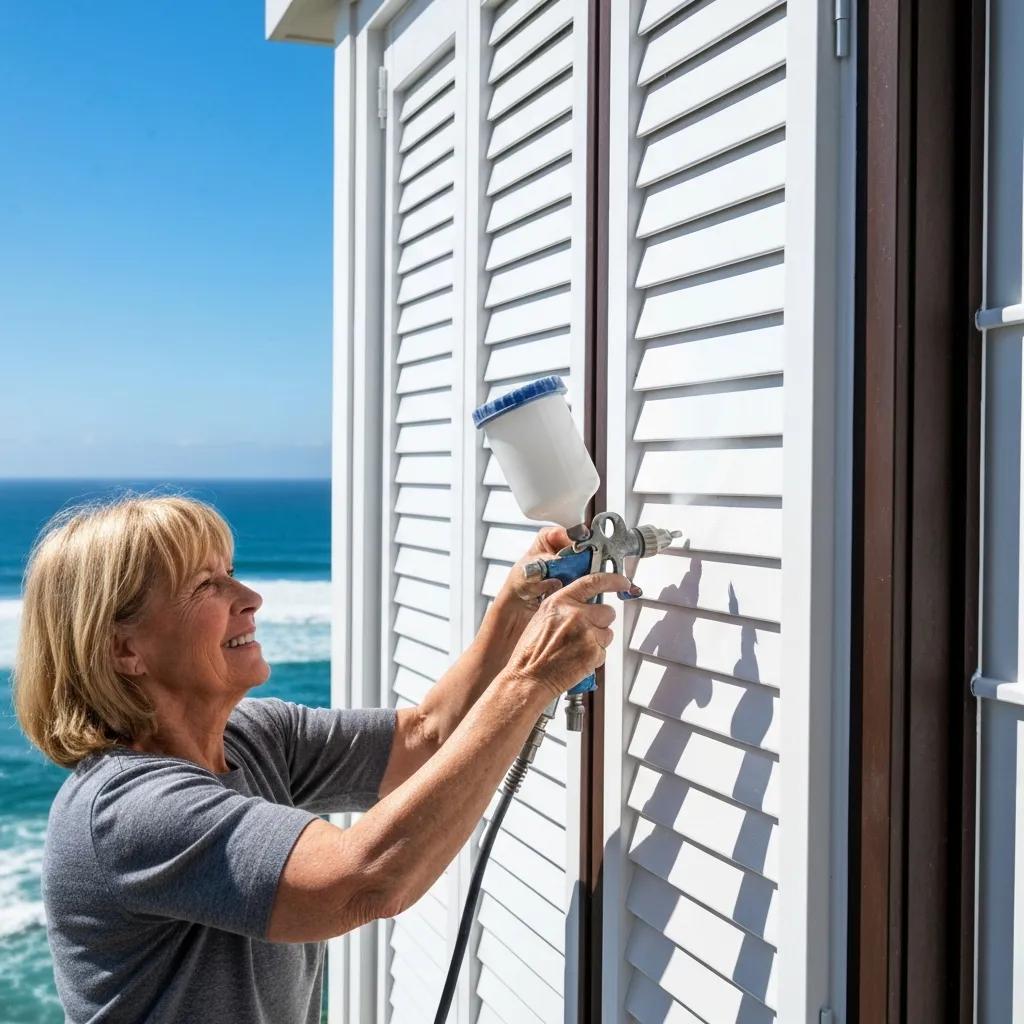
Accordion shutters are continuous aluminum panels permanently mounted beside windows and doors that slide into tracked guides to form a secure impact barrier. Constructed from extruded aluminum slats and heavy-duty mounting hardware, they transfer wind loads into the building frame, increasing resistance to wind pressure and debris strikes. Homeowners choose accordion shutters when they need fast, tool-free deployment and permanent protection without storage — they’re ideal for entryways and frequently used openings. Proper anchorage and precise track alignment are essential: correct installation preserves the product’s rated performance and reduces the chance of maintenance-related failures.
The fixed-track design of accordion shutters naturally contrasts with other options like rolldown shutters, which prioritize compact storage and different operational features.
Rolldown Shutters: Manual vs. Motorized — Which Fits Your Needs?
Rolldown shutters roll into a compact headbox above the opening and descend vertically, using interlocking aluminum slats to form a continuous protective face. They come with manual cranks or motorized drives. Manual systems cost less up front and are mechanically simple; motorized units add convenience, faster deployment, and the option for integration with battery backup or automation tied to storm alerts. Motorization raises the initial price but improves consistent deployment — especially on large openings or commercial sites — and may include remote controls. When choosing, factor in power availability, backup plans, and maintenance for motors and controls so the system will operate when you need it most.
Those operational differences lead directly into estimating costs, where you can weigh the motorization premium against manual reliability.
How Much Do Hurricane Shutters Cost? Use a Cost Calculator to Get Accurate Estimates
Shutter pricing varies widely by product type, opening size, installation complexity, certification needs, and options like motorization or custom finishes. Broad per-square-foot ranges set expectations: removable panels are usually the least expensive, mid-tier options like accordion and basic rolldown sit in the middle, and motorized or architecturally integrated solutions fall at the top end. Our cost calculator and free estimates convert those ranges into a tailored budget using your property’s dimensions and local labor conditions. They’re useful for realistic project numbers before you commit, and they make it easier to compare quotes and confirm whether financing or insurance discounts might offset upfront costs.
Below is a breakdown of common cost drivers and how they typically affect price.
What Drives the Cost Differences Between Shutter Types?
Material quality, size, and certification are the main price drivers because they affect fabrication and testing costs; for instance, extruded aluminum profiles and impact-rated assemblies cost more than simple removable panels. Installation complexity — working at height, fitting around architectural details, or reinforcing mounting substrates — adds labor and potential structural work, and those site conditions should appear in any professional estimate. Other items include permits, inspection fees, and accessories like locks, seals, or automatic drives; each may be modest alone but add up together. Understanding these pieces helps homeowners compare vendor quotes on an apples-to-apples basis and reduces the chance of unexpected change orders.
Once you recognize the major cost drivers, consider financing and insurance strategies that can alter your net project cost.
How Financing and Insurance Credits Can Change Your Protection Budget
Financing options — payment plans or third-party financing — let homeowners spread the cost of higher-end systems, making premium protection more attainable within a household budget. Many insurers offer discounts when installations use approved, certified products; documenting product approvals and installer compliance supports applications for credits. Timing matters: installing before storm season avoids emergency replacement costs, and coordinating with your insurer ahead of installation clarifies eligibility for credits. Always get written proof of product approvals and installed ratings so you can provide the documentation insurers require for premium reductions.
With financing and insurer communication in place, the next step is choosing a reliable local installer who understands these requirements.
Where to Find Reliable Local Hurricane Shutter Installers Near You
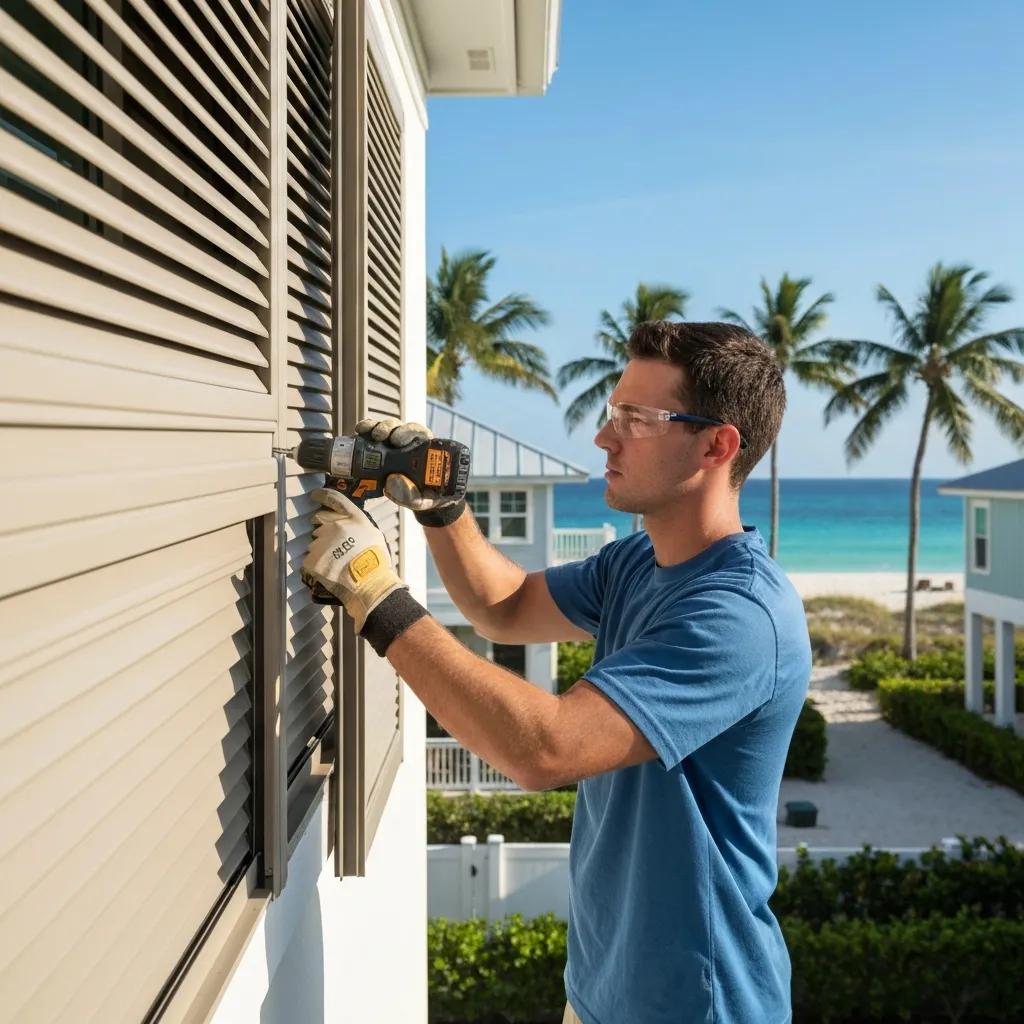
Finding a qualified local installer means checking credentials, local experience, and post-installation support so your system works when a storm hits and preserves any certification or insurance benefits. Use a checklist to evaluate bidders on the items that matter most for coastal properties, and collect multiple quotes with documented specifications to compare offers accurately. Local coastal knowledge — knowing elevated wind zones, salt-air corrosion mitigation, and permit workflows — reduces the chance of poor anchorage and future failure. Below is a practical checklist to vet installers before scheduling a consultation, followed by why coastal expertise matters.
Use this checklist when screening installers and requesting documentation.
- Verify the installer’s license and confirm current liability insurance.
- Ask for local references and examples of completed coastal projects.
- Require written confirmation of product approvals and code-compliant installation methods.
- Clarify warranty terms, maintenance plans, and post-installation support.
- Get a detailed, itemized written estimate that lists materials and labor.
This list helps homeowners compare installers consistently and prepares you to gather the documentation insurers commonly request for discounts.
What to Look for in Professional Hurricane Shutter Installation Services
When vetting installers, prioritize valid licensing, liability insurance, clear workmanship warranties, and proven experience installing rated products in coastal conditions. Ask for references and proof that the installer routinely secures permits and passes inspections — installers familiar with local building departments speed up approvals. Check what maintenance and service they offer after installation, since scheduled upkeep protects performance and insurance eligibility. Vendors who provide detailed contracts and testing documentation reduce ambiguity and make it easier to support future claims or discount requests.
These vetting steps highlight why local experience is especially valuable along the Carolina coast.
Why Coastal NC and SC Expertise Improves Installation Quality
Local installers familiar with coastal North and South Carolina understand regional wind-load maps, corrosion mitigation, and common architectural features like elevated homes or wraparound porches. Coastal teams plan for salt-air effects on fasteners, recommend corrosion-resistant hardware and coatings, and suggest different maintenance schedules than inland installations. They also streamline permitting and inspections by preparing required documentation and aligning installations with local code interpretations, which reduces delays and raises the chance of first-pass approval. Choosing a team with local project experience improves both immediate installation quality and long-term system durability.
Local knowledge also informs product selection where code, appearance, and operation intersect.
Key Considerations When Choosing Hurricane Window Protection
Picking window protection means balancing code compliance, curb appeal, ease of use, and long-term maintenance — each affects safety outcomes and lifecycle cost. Certified products that meet applicable test standards are essential in high-wind zones because certification governs permitted use, insurance credits, and expected impact performance. Aesthetics and ease of operation influence daily usability and resale value, while maintenance needs affect total cost of ownership and readiness for storm season. Below is a short framework of the practical tradeoffs to weigh when matching protection to your home style and openings.
Weigh these tradeoffs as you set priorities between function and form.
- Durability vs. Cost: Higher-rated materials cost more but lower the risk of replacement after a severe event.
- Visibility vs. Protection: Screens and clear panels keep views but may have lower impact ratings than solid shutters.
- Automation vs. Simplicity: Motorized systems ease operation but add equipment to maintain and power.
Considering these factors helps you choose a solution that fits your priorities and the property’s exposure.
How Building Codes and Certifications Shape Your Choices
Building codes and product approvals set minimum performance standards for storm protection and often determine which products are allowed in specific wind zones; meeting code affects safety and insurance eligibility. Certified assemblies and references to Miami‚ÄëDade or Florida Building Code testing provide documented proof of performance under impact and cyclic loading, which many insurers require for premium discounts or endorsements. Verify product approval documents and make sure your installer understands local code interpretations to avoid costly retrofits or permit issues. Always insist on written proof of product testing and approved installation methods so the system meets regulatory expectations and retains any incentives.
Certification links directly to everyday choices like appearance and operation, which we cover next.
Why Aesthetics, Ease of Use, and Maintenance Matter
Aesthetics determine how well a protection system fits your home’s style and can affect resale value, so many homeowners choose shutters or panels that blend with exterior finishes while delivering required protection. Ease of use matters because systems that are hard to deploy are less likely to be used properly when storms approach; motorization reduces user error but requires maintenance and backup power planning. Routine upkeep — cleaning, lubricating moving parts, and checking for corrosion in coastal settings — preserves function and rated performance over time. Balancing appearance, operability, and maintenance obligations leads to a solution that protects your lifestyle as well as your property.
Those design and operational choices also guide whether screens or panels are a better fit for specific openings.
How Hurricane Screens and Storm Panels Compare with Traditional Shutters
Hurricane screens and storm panels trade off visibility, airflow, cost, and certification compared with traditional shutters. Screens keep sightlines and ventilation for lanais, porches, and large patio openings but may have different impact ratings than rigid, certified shutters; they’re best when visibility and airflow matter and when the chosen screen system is impact-rated. Storm panels, made of aluminum or clear polycarbonate, are often the most budget-friendly and can be installed seasonally, but they need storage and more manual labor to deploy. The table below contrasts these options to help identify the best use cases.
Compare screens, panels, and shutters across pros, cons, and recommended uses.
Why Hurricane Screens Work Well for Large Openings
Hurricane screens preserve views and airflow while offering a barrier against debris for many large openings, making them a strong choice for lanais, porches, and commercial storefronts where visibility and ventilation matter. The mesh and frame let in natural light and views while providing impact resistance depending on the system’s rating; some screens also block UV or insects. Maintenance is generally simple — inspect frame fasteners and tension — but coastal exposure calls for corrosion‑resistant hardware and more frequent checks. Where permanent shutters are impractical or would compromise the look, rated hurricane screens strike a solid balance between protection and usability.
When Storm Panels Make Sense as a Cost-Conscious Option
Storm panels are a budget-friendly choice for owners who need temporary protection and have secure storage for panels between storms; they’re commonly used at seasonal homes or by cost-conscious homeowners. Panels are lightweight, stackable, and typically quicker to source than custom shutters, and they provide solid protection when installed and fastened correctly. Tradeoffs include manual installation time, off-season storage needs, and variable certification compared to permanent shutters. For intermittent use or tight budgets, storm panels are a practical alternative when installed to manufacturer guidelines and anchored properly.
Your choice between screens, panels, and shutters will shape the seasonal prep and maintenance you should schedule before hurricane season.
How Homeowners Should Prepare for Hurricane Season
Preparing for hurricane season means choosing products, confirming installation and maintenance schedules, and making sure protection systems are ready to deploy when alerts arrive. Timely preparation lowers risk and reduces costly emergency repairs. A pre-season checklist helps you assess condition, schedule inspections, and document installed product approvals — important for insurance and post-storm claims. Professional maintenance and inspections sustain rated performance by addressing corrosion, motor function, track alignment, and accessory wear. Below is a practical maintenance and prep checklist to use before storm season, plus why regular upkeep matters.
Use this checklist to ready and preserve your protection systems ahead of storm season.
- Inspect fasteners, seals, and mounting hardware for corrosion or looseness.
- Lubricate tracks and moving parts on accordion and rolldown shutters per manufacturer guidance.
- Test motorized systems and battery backups to confirm reliable deployment.
- Check storage condition and labeling for removable panels and clear sheets.
- Schedule a professional maintenance inspection if any components show wear or misalignment.
Regular pre-season checks reduce deployment failures and extend the service life of protection systems.
Routine Maintenance to Keep Shutters Working Properly
Routine maintenance includes removing salt residue and debris from tracks, inspecting seals and gaskets for deterioration, lubricating moving parts, and testing manual and motorized operations for smooth deployment. Motorized systems need added checks for drives, limit settings, and backup power components; test batteries and controllers under load and replace per the manufacturer’s schedule. For removable panels, keep them labeled, stored corrosion-free, and do occasional fit tests to speed installation. Performing these tasks seasonally (or quarterly in harsher environments) and documenting the work helps ensure readiness and supports warranty and insurance records.
How Correct Installation and Maintenance Improve Long-Term Safety
Correct installation reproduces the tested mounting configuration on-site, preserving the product’s rated performance, while regular maintenance prevents corrosion, misalignment, and mechanical failure that degrade protection over time. Documented professional installation and routine upkeep strengthen insurance claims and eligibility for premium credits by showing you met required standards and used certified products. Preventive maintenance lowers the chance of emergency repairs — which are usually costlier — and supports reliable operation during short-notice storm warnings. Together, proper installation and consistent upkeep form a lifecycle strategy that safeguards occupants and protects property value.
Professional maintenance plans and free estimate options make it easier to adopt these practices; local providers that bundle inspection and upkeep services can simplify scheduling and documentation.
Frequently Asked Questions
What should I weigh when choosing between manual and motorized hurricane shutters?
Think about convenience, cost, and opening size. Manual shutters are typically less expensive and easier to maintain, making them a good fit for smaller openings. Motorized shutters deploy faster, can be controlled remotely, and are helpful for large or hard-to-reach areas — but they require power and maintenance. Choose the option that matches your budget, how often you’ll deploy the system, and your backup power plans.
How do I make sure my hurricane protection system complies with local building codes?
Start by checking the regulations that apply where you live — rules vary by jurisdiction. Work with local building departments or an installer experienced in local requirements. Select products with the appropriate certifications for your region and request written documentation of compliance from the installer. Regular inspections and maintenance also help keep the system compliant and effective.
What are the main advantages of hurricane screens compared to traditional shutters?
Hurricane screens keep sightlines and airflow while providing debris protection, which makes them ideal for patios, lanais, and large openings. They’re usually lighter and easier to handle than solid shutters, simplifying installation and removal. However, impact ratings differ by system, so confirm that the screen you choose is rated for your area’s wind conditions.
How often should I maintain my hurricane shutters?
Maintenance frequency depends on system type and local conditions, but a good rule is at least twice a year — before and after hurricane season. Inspections should check for corrosion, lubricate moving parts, and verify that all components work smoothly. Motorized systems need extra attention to electrical components and battery backups. Regular maintenance helps ensure reliable operation when storms approach.
Can I install hurricane shutters myself, or should I hire a pro?
Some homeowners successfully install shutters themselves, but hiring a professional is recommended for correct installation and code compliance — especially for large or custom openings. Professional installers bring experience, handle permitting, and help ensure the system meets safety standards. If you go the DIY route, follow the manufacturer’s instructions closely and verify that your work meets local regulations.
What insurance benefits might result from installing hurricane protection?
Installing certified hurricane protection can lead to insurance discounts because these systems reduce the risk of wind and debris damage. To qualify for credits, make sure your installation meets local codes, keep documentation of product certifications and installation details, and discuss requirements with your insurer before installation to confirm eligibility.
Conclusion
Choosing and maintaining the right hurricane protection is a practical step to protect your property and keep people safe during severe weather. By understanding the different shutter types, cost drivers, and the value of local expertise, you can make informed choices that improve long-term resilience. Regular maintenance and correct installation keep systems reliable and help protect your investment. Start exploring options now so your home is ready before the next storm season.
