

Hurricane-Proof Home Essentials for Every Coastal Property: Your Complete Protection & Preparedness Guide
Hurricane-proofing a coastal home is more than boarding windows — it’s a systems approach that pairs impact-rated openings, reinforced connections, resilient roofs, and household readiness to reduce risk to people and property. This guide breaks down what “hurricane proofing” really means, how products and building materials work together to resist wind, rain, and flying debris, and which solutions best fit typical coastal homes in North and South Carolina. You’ll find clear explanations of shutter systems, impact windows and doors, wind-resistant roofing, garage door reinforcement, preparedness kits, and how local building codes affect required performance. We also map costs, insurance and resale benefits, and when to call a site-specific engineer. Practical checklists, comparison tables, and installer-aware guidance keep the technical details useful and actionable so you can choose durable, code-compliant solutions with confidence.
What Are the Best Hurricane Protection Solutions for Coastal Homes?
A coordinated protection strategy for coastal homes mixes permanent impact products, removable panels, and operable shutters to reduce wind entry and debris impact. The principle is simple: strong barriers stop glass or doors from failing, which keeps internal pressure down and helps roofs and walls stay attached in high winds. The right system depends on opening type, curb appeal, budget, and how quickly you need to deploy protection before a storm. The list below summarizes the top categories to consider, then we’ll dig into shutter styles and impact products in practical detail.
Top hurricane protection solutions for coastal homes:
- Impact windows and doors: Continuous protection using laminated glass and reinforced frames.
- Accordion shutters: Permanently mounted, quick-to-deploy mechanical shutters for frequent use.
- Rolldown shutters: Motorized or manual roll-down systems with high wind ratings.
- Colonial and Bahama shutters: Architectural shutters that blend protection with curb appeal.
- Hurricane screens and panels: Lightweight, strong systems ideal for large openings and porches.
- Impact garage doors and bracing: Reinforced garage systems that prevent catastrophic pressure spikes.
Each option balances wind rating, ease of use, visual impact, and maintenance over its lifecycle. Your best mix depends on whether you want always-on protection (impact glazing), fast deployment (accordion or rolldown shutters), or a seasonal, cost-conscious approach (panels and screens). With those trade-offs in mind, we’ll examine shutter types and glazing performance next.
Which Types of Hurricane Shutters Offer the Most Effective Window and Door Protection?

Hurricane shutters come in several styles — accordion, rolldown, colonial, Bahama, clear and aluminum panels, and hurricane screens — and each serves different needs. Accordion and rolldown shutters deliver high wind ratings and rapid deployment: accordion units fold into tracks along the opening, while rolldown systems stow in a headbox and can be motorized. Colonial and Bahama shutters pair protection with architectural character for owners who want both. Removable panels (clear, aluminum, polycarbonate) cost less but need storage and handling before storms. In coastal settings, corrosion-resistant parts — like marine-grade 6063-T6 aluminum and 18-8 stainless fasteners — extend service life and reduce maintenance, which matters for long-term safety and value.
- Accordion and rolldown shutters: best for frequent or emergency deployment because they’re fast and integral to the opening.
- Colonial and Bahama shutters: great for homeowners who value curb appeal with solid protection.
- Panels and screens: economical for seasonal use or very large openings, but plan for storage and corrosion-rated fasteners.
Pick based on priorities—continuous protection, historic appearance, or budget-friendly seasonal coverage. The next section compares these shutters directly with impact windows and doors to help you finalize a plan.
This comparison shows how shutter types differ in operation, looks, and expected performance, helping you match a solution to your risk profile and daily use.
How Do Impact Windows and Doors Enhance Coastal Home Safety?
Impact windows and doors use laminated impact glass and reinforced frames to give continuous protection against projectiles and to keep the building envelope intact under design pressure. Laminated glass layers and interlayers absorb energy and stay in place when struck, preventing breaches that cause internal pressurization and secondary structural failures. Advantages include less pre-storm work than shutters, reduced noise, UV protection, and possible wind-mitigation insurance discounts. While impact glazing costs more up front than some shutters, it provides always-on defense and a consistent appearance—appealing for homeowners who want minimal pre-storm labor and long-term performance.
Impact glazing is especially useful for small-to-medium openings and locations where deployment isn’t practical; shutters and panels still make sense for very large patio openings or historic facades. Comparing energy, insurance, and lifecycle trade-offs will tell you whether impact glass or a mixed approach fits your property best. The table below summarizes those trade-offs for quick review.
Impact products give uninterrupted defense while shutters offer flexibility and often lower initial cost. Use this mapping to weigh continuous protection versus operational convenience for your coastal exposure.
How Do Hurricane-Resistant Building Materials Strengthen Coastal Homes?
Hurricane-resistant materials help a home resist wind loads and avoid progressive failure by strengthening roofs, connections, and exterior cladding. The key is raising component wind ratings and reinforcing critical connections — for example, roof‑to‑wall straps that transfer uplift forces into the framing. Durable materials, correct fastener schedules using corrosion-resistant hardware, and attention to critical anchors (roof-to-wall, door frames, window anchors) reduce the chance of catastrophic roof loss and water intrusion. Below we outline top roofing choices and the important role garage door reinforcement, plus a table comparing common roofing options by wind rating and lifespan.
What Are the Top Roofing Materials for Wind and Storm Resistance?
Roofing options include metal, mechanically fastened tile, architectural shingles rated for high winds, and systems like insulated concrete. Metal roofing often rates highest for wind resistance and continuity when properly attached, while architectural shingles must be installed with enhanced fastening patterns to perform well. Tile is durable but needs secure attachment and proper underlayment for water shedding; coastal jobs also require corrosion-resistant fasteners and moisture-resistant underlayment. Lifespans vary: metal can last decades with little maintenance, while asphalt shingles need more frequent inspection and replacement. Choose a roof based on wind rating, maintenance willingness, coastal corrosion exposure, and installation quality.
Materials with higher wind ratings tend to cost more up front but offer longer service life and lower long-term risk. In coastal settings, fasteners and connection detailing matter as much as the material itself.
How Does Garage Door Reinforcement Improve Storm Protection?
Garage doors are a common failure point because large, flat surfaces trap wind pressure and can breach easily, causing rapid internal pressurization that jeopardizes the whole structure. Reinforcing garage doors with impact-rated replacements or retrofit bracing kits reduces that failure risk and the cascading damage that follows. Impact garage doors are engineered with rated frames and panels for debris and wind loads; bracing kits strengthen tracks, jambs, and horizontals as a lower-cost retrofit. From a mitigation perspective, upgrading garage doors is often one of the most cost-effective steps—stopping a single breach can prevent far greater interior damage.
- Garage door reinforcement checklist:
- Inspect for visible warping or damaged panels: Replace any panels showing deformation.
- Check roller and track condition: Make sure rollers are intact and tracks are secure.
- Confirm anchoring and jamb strength: Reinforced jambs reduce track pull-out risk.
- Consider full impact-rated door replacement: Provides engineered protection in high-risk zones.
Upgrading garage doors is a measurable mitigation action that often earns insurance credits and significantly reduces interior damage potential when paired with window and roof fortification.
How Can Coastal Homeowners Prepare Effectively for Hurricane Season?
Good hurricane preparedness pairs home hardening with household planning, supplies, and documentation to speed recovery and protect lives. Planning removes last-minute friction before storms and improves your chances of sheltering safely or evacuating in time. Essentials include a well-stocked kit, clear evacuation and communication plans, securing outdoor items, and documenting home condition for insurance. Below is a concise checklist you can implement quickly, plus a short guide to insurance and documentation strategies.
What Essential Items Should Be Included in a Hurricane Preparedness Kit?
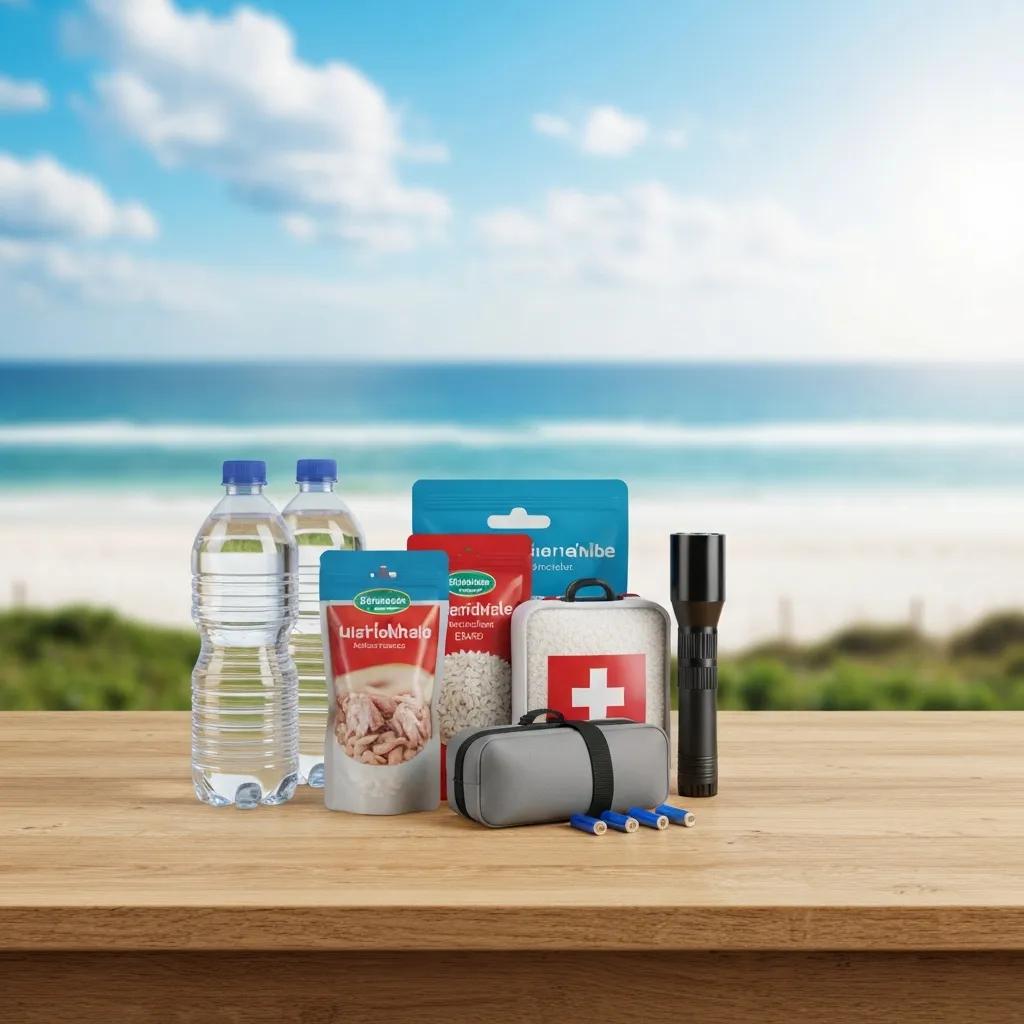
A hurricane kit should support at least 72 hours of self-sufficiency, with coastal-specific items for saltwater exposure and boat or dock protection. Gather food, water, medicines, first-aid supplies, power and light sources, and copies of key documents in waterproof containers. Don’t forget pet supplies, extra fuel for generators if you use one, and sandbagging or tie-down materials for outdoor equipment. Coastal homeowners should also prepare boat lines, secure dock hardware, and have supplies to protect HVAC and exterior utilities from salt spray and flooding.
Essential kit checklist:
- Water: One gallon per person per day for at least three days.
- Nonperishable food: Ready-to-eat items and a manual can opener.
- First aid & medications: Prescription meds plus a stocked first-aid kit.
- Power & light: Flashlights, batteries, portable chargers, and a generator plan.
- Documentation: Waterproof folder with insurance, IDs, and property photos.
Having these supplies staged ahead of time reduces last-minute stress and helps you shelter safely or evacuate in an orderly way. The next section covers insurance and emergency planning tailored to coastal properties.
Hurricane Preparedness and Evacuation for South Carolina Coastal Residents
Coastal communities across the country are growing, and that growth can place people and property in harm’s way when disasters strike. Preparing for storms as likely events — not distant possibilities — improves individual and community resilience. Residents in coastal zones should plan for hurricane impacts, storm surge, and the need to evacuate ahead of a storm to protect life and property.
Analysis of Hurricane Preparedness Levels and Evacuation Intent for South Carolina Coastal Residents, 2014
How Should Emergency Plans and Insurance Be Managed for Coastal Homes?
Emergency planning for coastal homes means separating wind and flood risk, documenting home condition, and knowing how mitigation upgrades affect insurance. Wind damage is usually covered under a homeowners policy, while flood damage often requires separate federal or private flood insurance—review both policies for deductibles and limits well before hurricane season. Wind mitigation inspections and records of upgrades (impact windows, reinforced garage doors) can qualify you for premium discounts, and clear photos and receipts make claims faster and more successful after a storm.
Also plan communication routes, identify a safe shelter or evacuation destination, and set a timeline for pre-storm tasks like securing loose items and shutting down utilities if advised. Keep copies of policies and an inventory of valuables in a waterproof, easy-to-reach place to speed any claim. With household preparedness in place, you’ll be better positioned to meet code-driven product choices and installer requirements.
How Do Local Building Codes Influence Hurricane Proofing in North and South Carolina?
Local building codes along the Carolina coast set minimum performance requirements for openings, roof connections, and structural systems that dictate acceptable products and installation methods. Codes translate wind zone maps and design pressures into required testing and labeling for windows, doors, shutters, and roofing components. Compliance improves safety outcomes and insurance eligibility; products installed to code reduce legal and financial exposure. Knowing key code elements, how design pressure analysis fits in, and where to get site-specific guidance helps homeowners choose compliant, long-lasting solutions.
Being proactive about code-based ratings, impact testing standards, and correct installation practices ensures upgrades work during storms and are recognized by local authorities and insurers. The subsection below summarizes core coastal code concepts for openings and shutters.
What Are the Key Coastal Building Code Requirements for Windows and Shutters?
Code requirements for coastal openings usually reference wind-load ratings set by design pressure, impact testing for glazed assemblies, and specified anchoring to make sure installed products perform as tested. FEMA and IBHS guidance often inform local code adoption, while municipalities adopt maps that define design pressures. Important concepts include basic wind speed, exposure category, and the need for products to carry testing labels or certifications showing impact and cyclic pressure performance. Proper installation per manufacturer and code instructions — using specified fasteners and edge anchorage — is essential for the rated performance to be realized in the field.
Ask installers for product test documentation and verify they follow labeled installation instructions. That leads naturally to how professional installers provide site-specific verification and design analysis.
How Do AHS Products Meet or Exceed These Building Codes?
American Hurricane Shutters (AHS Carolinas) pairs materials and engineering to meet coastal code demands by performing a “custom design pressure analysis/site-specific design pressure analysis” so each installation matches the local design pressures and exposures. AHS uses marine-grade 6063-T6 aluminum and 18-8 stainless steel fasteners to resist coastal corrosion, and certified, insured technicians install products with correct anchoring and labeled performance in mind. Homeowners who want documented compliance and a record of workmanship can request a site-specific analysis and free estimate detailing how chosen assemblies meet or exceed required wind-load and impact criteria. This installer approach closes the gap between product selection and code-compliant installation.
Working with an installer that combines material selection and engineered analysis lowers the risk of underperforming retrofits and makes permitting and insurance recognition smoother when upgrades are complete.
What Are the Costs and Benefits of Installing Hurricane Protection Products?
Investing in hurricane protection means weighing upfront costs against benefits like lower repair bills, reduced insurance premiums, improved safety, and preserved property value. Costs depend on product type, opening size, and installation complexity; benefits include avoided damage, continued shelter, potential wind-mitigation credits, and increased marketability. Evaluating cost-effectiveness requires mapping typical price ranges to expected damage reduction and insurance savings. The table below gives a simplified mapping of investment categories to typical benefits and payback considerations, followed by general cost guidance.
This mapping helps prioritize investments that offer both protection and financial return, especially when you factor in local storm frequency and insurance incentives.
How Much Do Different Types of Hurricane Shutters and Impact Windows Cost?
Costs depend on opening size and count, materials, custom fabrication, installation complexity, regional labor rates, and coastal corrosion mitigation (marine-grade hardware). Typical ranges run from lower-cost removable panels, to moderate-cost accordion or colonial shutters, up to the highest average cost for full impact window and door replacement. Phasing installations—starting with the most vulnerable openings—spreads expense over time while still cutting risk. We recommend multiple free estimates and a site-specific assessment for precise pricing on your property.
Typical broad cost guidance:
- Removable panels: Lower upfront cost per opening; require storage and handling.
- Accordion or colonial shutters: Moderate cost; permanently attached and quick to deploy.
- Rolldown shutters: Higher cost for motorized units; very strong performance.
- Impact windows/doors: Highest initial investment; continuous protection and energy benefits.
In short, choose according to budget, convenience, and whether you prefer always-on protection or deployable systems that can be phased in.
Are Hurricane Shutters and Impact Windows Worth the Investment for Coastal Homes?
Whether shutters or impact windows are worth it depends on your priorities: life-safety, cutting repair costs, earning insurance discounts, and boosting resale value. Quantifiable benefits include avoided costs from broken glazing and interior water damage, possible multi-percent reductions in wind insurance premiums, and stronger resale appeal. Qualitatively, impact glazing removes last-minute deployment tasks and reduces human error, while shutters provide flexible coverage at often lower initial cost. A balanced strategy commonly uses impact glazing on main living areas and shutters or panels for larger openings to optimize safety and budget.
Run a site-specific assessment comparing installed cost to estimated avoided repair costs and insurance savings over a 5–15 year window to estimate payback. Homeowners seeking a tailored ROI should use free estimate offerings and engineered analysis to model outcomes for their property.
How Does American Hurricane Shutters Provide Expert Hurricane Protection Services in Coastal Carolina?
American Hurricane Shutters (AHS Carolinas) protects windows and doors for homeowners and businesses across coastal North and South Carolina with products including accordion shutters, rolldown shutters, colonial and Bahama shutters, hurricane screens, clear and aluminum panels, flat polycarbonate (Lexan), impact garage doors, and impact windows. The company pairs local installation know-how with materials suited to coastal exposure, offering emergency service and free estimates to guide homeowners toward durable solutions. AHS technicians are certified and insured, and the company backs installs with a 7-year warranty on workmanship or products—giving homeowners added confidence. This profile explains how AHS’s offerings and service model support the protection strategies above.
Putting installer services after the educational content helps homeowners move from understanding options to taking practical steps—requesting a free estimate or emergency response when a storm is near. The next sections outline material advantages and the estimate process.
What Makes AHS’s Marine-Grade Materials and Custom Design Pressure Analysis Unique?
AHS highlights marine-grade materials (6063-T6 aluminum) and 18-8 stainless steel fasteners to combat coastal corrosion‚Äîan approach that preserves shutter and hardware performance over time. The company also performs a “custom design pressure analysis/site-specific design pressure analysis” to determine the exact design pressures a property faces, ensuring product selection and anchoring meet or exceed local code requirements. This mix of material choice and engineered analysis reduces the chance of underperformance from salt corrosion or mismatched ratings. For homeowners, that means longer-lasting assemblies and confidence that installations align with structural and code-driven demands.
<!– /wp:paragraph