Hurricane Fabric Screens: Top Choices Reviewed for Home Protection and Cost Efficiency
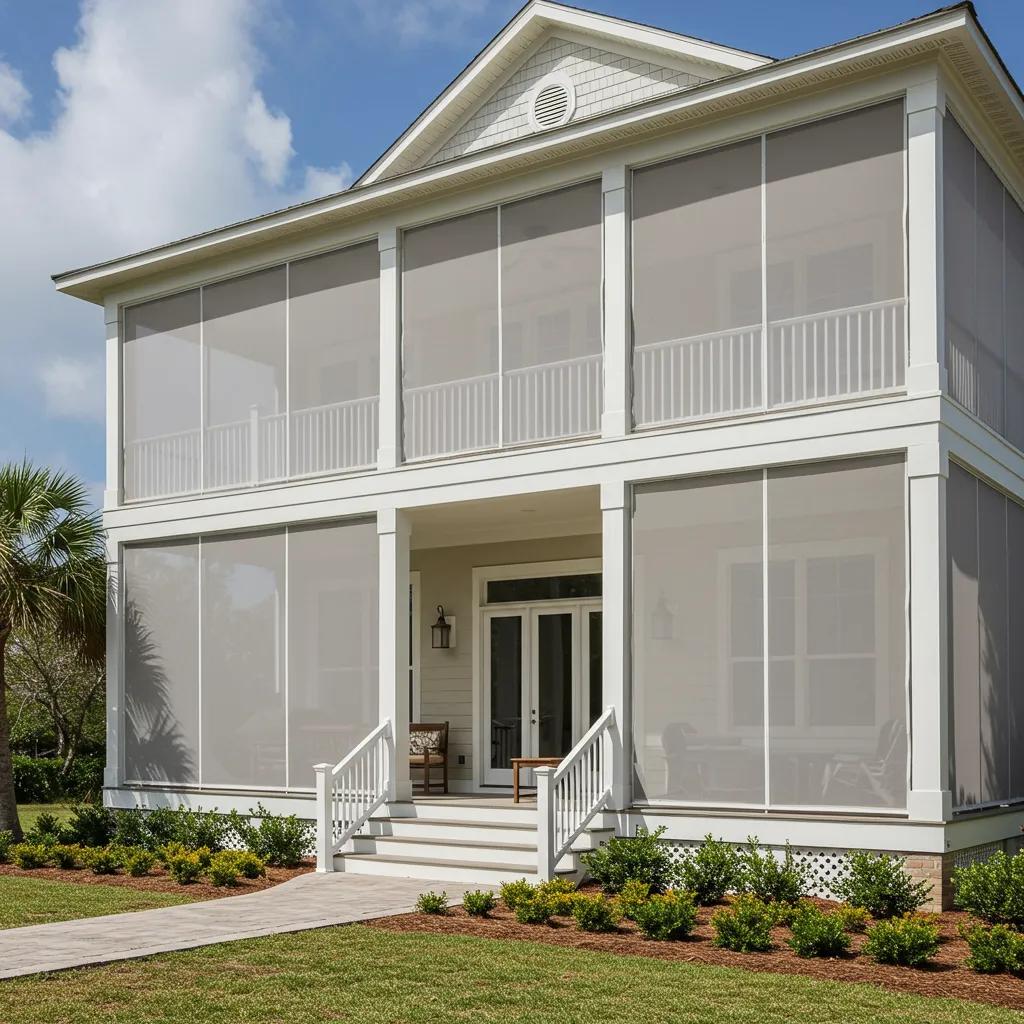
Hurricane fabric screens are lightweight, textile-based storm panels designed to stop wind-driven debris while preserving light and ventilation, making them an efficient option for protecting large openings such as porches and lanais. This article explains how these fabric storm panels work, what materials like aramid fabric contribute to impact resistance, and how homeowners should weigh pros, cons, and costs when comparing fabric to rigid shutters. Many coastal homeowners need solutions that balance protection, storage, and visual openness; hurricane fabric screens deliver by dissipating impact energy and relieving pressure on openings while remaining compact when not deployed. You’ll learn how material choices affect performance, what to expect for per-square-foot pricing, which brands and systems are most commonly specified, and when professional installation improves code compliance and long-term value. Along the way, practical lists, comparison tables, and cost breakdowns will help you evaluate options and prepare for a quote or local estimate.
What Are Hurricane Fabric Screens and How Do They Protect Your Home?
Hurricane fabric screens are engineered textile panels that absorb and dissipate impact energy from flying debris while resisting high wind loads, providing protection for large openings without the bulk of rigid systems. The mechanism relies on high-strength fibers—often aramid or hybrid textiles—woven and laminated to distribute force, plus frame or track hardware that secures the panel to the structure and transfers loads to the building envelope. This approach reduces glazing breakage and interior pressurization while allowing light transmission and airflow, which makes fabric panels ideal for lanais and porches. Understanding the materials and how they interact with mounting hardware clarifies why fabric systems perform differently than aluminum or polycarbonate options and leads into the specific materials used in modern fabrics.
What materials are used in hurricane fabric screens, including aramid fabric?
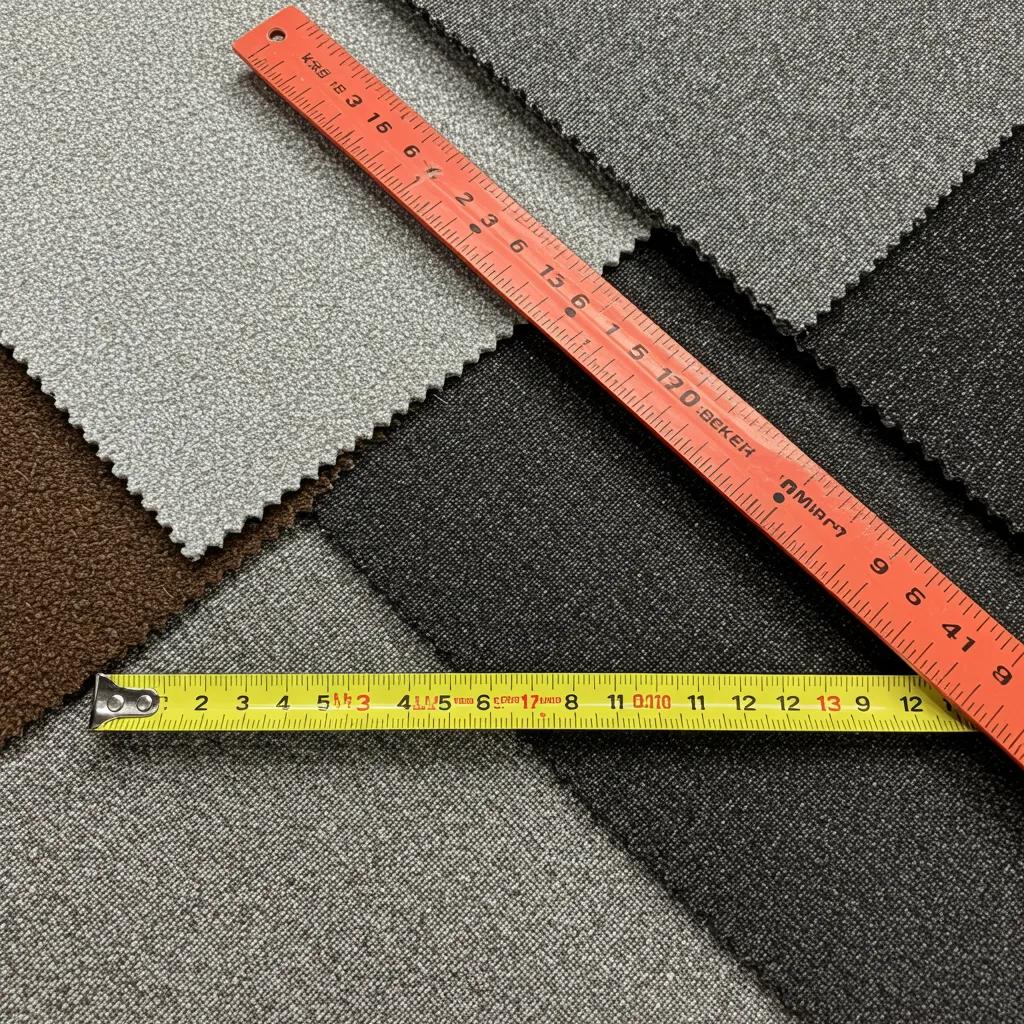
High-performance hurricane fabric screens use specialized textiles such as aramid fibers, polyester hybrids, or coated polypropylene to balance tensile strength, UV resistance, and weight. Aramid fabric offers high impact resistance and energy absorption per unit weight, which helps panels meet impact standards while remaining compact for storage. Coatings and laminations add UV and abrasion protection but can change translucency and breathability, so material selection affects both performance and appearance. Comparing these materials helps homeowners prioritize strength, longevity, and light transmission when choosing a fabric storm panel.
Aramid Blended Fabrics for Protective Applications
Critical properties of cotton, UHMWPE, and para-aramid blended fabrics for protective clothing applications
How do hurricane fabric screens work against wind, rain, and debris?
Fabric screens protect by combining impact absorption, load distribution, and perimeter anchoring to prevent debris penetration and limit inward airflow that pressurizes interiors during storms. When struck, the fabric stretches and spreads force into the frame and fasteners, preventing localized failure and reducing shock to glass and framing. For rain and wind-driven water, properly installed tracks and seals minimize intrusion while still allowing ventilation when the storm has passed. Understanding these mechanics clarifies why fabric performs best on large, open enclosures and when rigid shutters might be more appropriate.
Hurricane Shutters and Wind Screens for Glazing Protection
devices include hurricane shutters wind screens, and any
What are common synonyms and related terms for hurricane fabric screens?
Searchers and specifiers may encounter multiple synonyms‚Äîfabric storm panels, fabric storm screens, hurricane textile protection, and fabric storm panels‚Äîall referring to similar systems designed to protect openings from storm impacts. Regional phrasing like “storm screens” or “hurricane fabric” is common in coastal NC/SC and Florida code discussions, so recognizing these variations aids in comparing products and finding local installers. Using consistent terminology when requesting quotes or reading spec sheets ensures accurate comparisons between materials, warranty terms, and installation methods.
What Are the Pros and Cons of Using Hurricane Fabric Screens?
Fabric screens deliver a mix of lightweight protection, compact storage, and broad coverage that suits large openings, but they also require operational planning and periodic inspection to preserve life expectancy. The primary benefit is efficient protection for wide spans like lanais and porches without heavy hardware, while drawbacks include manual deployment in many systems, potential UV-related degradation over long exposures, and reduced rigidity compared with aluminum shutters. Evaluating these trade-offs helps homeowners decide whether fabric panels match their use case and maintenance willingness. The next subsections list core advantages and common considerations to weigh before committing.
Hurricane fabric screens offer several homeowner advantages that make them particularly well-suited for expansive outdoor enclosures.
- Large-opening coverage: Fabric panels protect wide porches and lanais that would be costly with rigid systems.
- Lightweight storage: Panels fold or roll into small storage volumes for seasonal removal.
- Aesthetic and light: Fabrics preserve sightlines and allow daylight while providing storm protection.
These benefits often make fabric the preferred option for homeowners prioritizing open views and easy storage.
Considering these advantages leads naturally to the practical drawbacks buyers should consider.
- Manual deployment and storage needs: Many systems require homeowner action to install and store panels.
- UV and wear considerations: Long-term sun exposure can degrade fabrics if coatings are insufficient.
- Less rigidity than metal shutters: Fabric may not substitute for rigid protection where structural cladding is required.
Knowing these limitations helps homeowners select systems or professional installations that mitigate risks, such as choosing UV-rated textiles or installing guided tracks to ease deployment.
How Much Do Hurricane Fabric Screens Cost Per Square Foot?
Hurricane fabric screen costs vary by material, opening complexity, and hardware requirements, with a common range reflecting basic fabric panels up to systems with tracks and custom frames that increase per-square-foot pricing. Key cost drivers include the textile type (aramid vs standard polyester), the need for tracks or frames, mounting method complexity, labor for custom engineering, and optional features like UV coatings or custom colors. Homeowners should gather opening measurements, mounting conditions, and expected use to generate accurate quotes before budgeting. After understanding cost drivers, the following checklist and comparative table help estimate per-square-foot outcomes and how fabric compares to alternatives.
Primary cost factors that influence the final per-square-foot price include material, hardware, labor, and optional features.
- Material quality: Higher-performance aramid fabrics increase material cost.
- Mounting hardware: Tracks, frames, and 18-8 fasteners add to costs.
- Labor and engineering: Custom design pressure analysis and complex openings require more time.
- Optional finishes: UV coatings, trims, and colors raise material and labor costs.
This checklist helps homeowners gather the right information before requesting a quote and points to where savings or necessary expenses will appear.
For localized estimates, homeowners can use tools such as a Cost Calculator and request a free consultation or quote to capture site-specific variables.
Which Are the Best Hurricane Fabric Brands Reviewed?
Evaluating fabric brands requires assessing material specification, certifications, warranty terms, and common applications to determine suitability for porches, lanais, and other large openings. Objective criteria include fabric composition (aramid vs hybrid), installed accessory quality (tracks and fasteners), documented testing or certifications against building codes, and installer network capability to perform custom engineering. Below are concise notes on common brand strengths and how a local installer’s offering can differ, followed by a comparative table that places brand attributes side by side to assist decision-making.
AstroGuard hurricane fabric is often chosen for high-strength textile options and broad use cases where large-opening protection is required.
- Material performance: Typically emphasizes aramid or reinforced hybrid fabrics for impact resistance.
- Certification focus: Marketed for meeting coastal impact demands in many regions.
- Use cases: Commonly specified for lanais and large patio enclosures.
Understanding AstroGuard’s attributes helps buyers compare textile strength and typical installation contexts before choosing an installer.
ArmorPanel hurricane fabric positions itself around durability and installer-friendly mounting methods that simplify deployment and storage.
- Durability emphasis: Materials and coatings tuned for UV and abrasion resistance.
- Installation: Often paired with track systems for faster set-up and takedown.
- Installer preference: Favored where frequent deployment is expected.
Comparing ArmorPanel highlights how installation method and material choices change lifecycle value and homeowner experience.
What makes AstroGuard hurricane fabric a top choice?
AstroGuard is recognized for high-strength textile constructions that prioritize impact resistance and energy dispersion for large-span openings, making it suitable for porches and lanais where protecting glazing is critical. Its fabric choices tend to focus on aramid or reinforced hybrid weaves that balance tensile strength and light transmission. These material properties enable panels to meet many performance expectations while remaining compact for storage, and this informs homeowner decisions about deploying fabric systems versus rigid alternatives. After assessing AstroGuard, comparing installation needs points to how different installers handle hardware and engineering.
Aramid Fabric Impact Resistance for Hurricane Protection
High-velocity projectile impact response of rubber-coated aramid Twaron fabrics
How does ArmorPanel compare to other hurricane fabric options?
ArmorPanel emphasizes durability and installation simplicity, using coated fabrics and installer-friendly mounting systems to reduce lifecycle maintenance while improving deployment speed. The system’s strength lies in balancing UV resistance and abrasion protection with practical hardware that helps homeowners use panels seasonally or as-needed. When evaluating ArmorPanel, compare its hardware compatibility and warranty practices against other fabric providers to ensure long-term performance in coastal exposure conditions. This comparison leads into how local installers adapt brand systems to specific site needs.
What hurricane fabric screen options does American Hurricane Shutter offer?
American Hurricane Shutter (AHS Carolinas) offers Hurricane Screens as a primary fabric option, delivered through custom-engineered hurricane shutters and screens with site-specific pressure analysis to ensure code compliance and optimal attachment. Installations emphasize quality hardware—such as 18-8 stainless steel fasteners—and back up work with a 7-year warranty, which supports durability in coastal NC/SC environments. For homeowners seeking locally tailored solutions, AHS combines product selection with installation practices to match openings and local building codes, and this local engineering approach reduces risk compared with off-the-shelf installations.
How Are Hurricane Fabric Screens Installed and What Are the Benefits of Professional Installation?
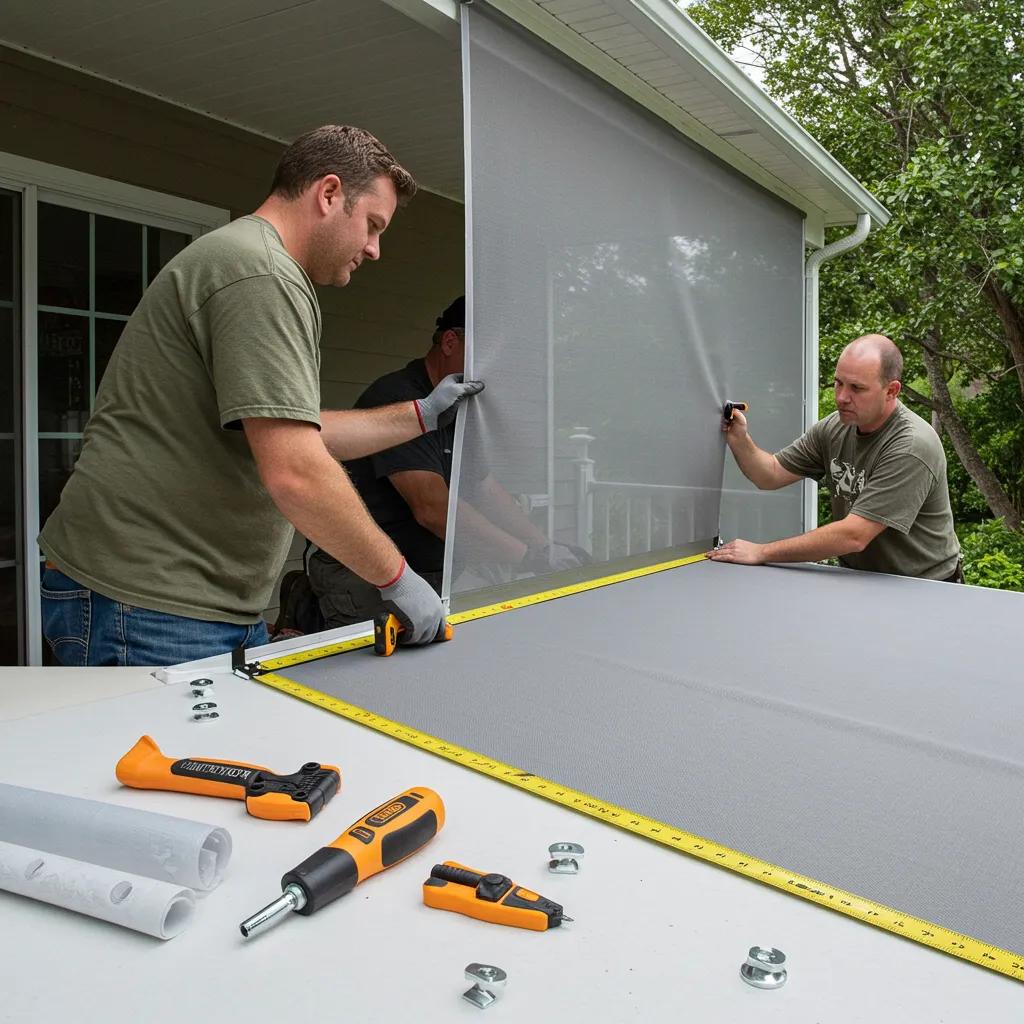
Professional installation secures fabric panels with engineered attachments and verified load paths, ensuring the system performs under design wind pressures and preserves any warranty or certification claims. A properly installed fabric system starts with a site survey and custom pressure analysis to define attachment points, follows with precise measurement and fabrication, and finishes with certified fastening (18-8 stainless steel when specified) and inspection to meet local code requirements. Homeowners considering DIY should weigh tools, anchoring accuracy, and safety, since improper mounting can compromise protection. The next subsections explain DIY feasibility, specific professional advantages from American Hurricane Shutter, and a typical installation workflow.
Can homeowners install hurricane fabric screens themselves?
DIY installation is feasible for simple, small openings when homeowners have accurate measurements, basic tools, and access to manufacturer instructions, but it carries risks if anchorage locations, fastener quality, or load transfer are misunderstood. Common pitfalls include under-specifying fasteners, failing to account for building movement, and improper sealing that allows water intrusion; these issues can reduce the protective value of the system. Homeowners should stop and consult a professional if openings are large, irregular, or subject to high wind loads. Recognizing these limits drives many homeowners to seek professional engineering and certified installation.
What are the advantages of professional installation by American Hurricane Shutter?
Professional installation by American Hurricane Shutter (AHS Carolinas) includes OSHA 30–trained workers, custom design pressure analysis for each property, and installation practices that emphasize 18-8 stainless steel fasteners and adherence to local building codes, which improve long-term durability and code compliance. These services reduce the chance of installation-related failures, preserve warranty coverage, and streamline permitting or insurance-related documentation when required. For homeowners who prefer a turnkey approach with documented engineering, AHS’s combined product and service model provides measurable benefits in performance and peace of mind.
What is the typical installation process for hurricane fabric screens?
A typical professional installation follows a clear sequence: initial site survey and measurement, custom pressure analysis and engineering, fabrication of panels and hardware, secure mounting with specified fasteners and tracks, and final inspection to verify attachment and operation. Each step ensures the system transfers loads properly to the structure and complies with local codes, which is especially important in coastal NC/SC zones. Timelines vary by complexity but a planned process minimizes surprises and helps homeowners understand cost and scheduling before fabrication begins.
- Site survey and measurement: Confirms geometry and attachment points.
- Pressure analysis and engineering: Determines required fasteners and hardware.
- Fabrication and hardware prep: Panels and tracks are manufactured to spec.
- Installation and inspection: Panels are secured and final checks performed.
These steps illustrate how professional installation reduces risk and aligns product performance with local code expectations, preparing homeowners to request accurate proposals and consider options such as a Cost Calculator or a free consultation or quote when budgeting for protective measures.
Frequently Asked Questions
What are the maintenance requirements for hurricane fabric screens?
Maintaining hurricane fabric screens involves regular inspections and cleaning to ensure their longevity and effectiveness. Homeowners should check for signs of wear, such as fraying or UV damage, especially after storm seasons. Cleaning can typically be done with mild soap and water, avoiding harsh chemicals that may degrade the fabric. Additionally, it’s advisable to store the screens in a dry, cool place when not in use to prevent mold and mildew growth. Regular maintenance helps preserve the protective qualities of the fabric and extends its lifespan.
How do hurricane fabric screens compare to traditional shutters?
Hurricane fabric screens differ from traditional shutters in several key aspects. While rigid shutters provide solid protection, they can be heavy and cumbersome, requiring significant storage space. In contrast, fabric screens are lightweight, easy to deploy, and allow for light and airflow, making them ideal for large openings like lanais. However, traditional shutters may offer more rigidity and structural support in extreme conditions. Homeowners should consider their specific needs, including aesthetics, ease of use, and the level of protection required when choosing between the two options.
Are hurricane fabric screens suitable for all types of homes?
Hurricane fabric screens are generally suitable for a variety of home types, particularly those located in coastal areas prone to storms. They are especially effective for large openings such as porches and lanais. However, the suitability can depend on the specific design and structural integrity of the home. Homes with irregular shapes or those that require high wind load resistance may need custom solutions. It’s essential for homeowners to consult with professionals to assess their unique situations and ensure that fabric screens meet local building codes and safety standards.
What factors should I consider when choosing a brand of hurricane fabric screens?
When selecting a brand of hurricane fabric screens, consider factors such as material quality, warranty terms, and installation support. Look for brands that use high-performance fabrics like aramid or reinforced hybrids, which offer better impact resistance. Warranty coverage is crucial, as it reflects the manufacturer’s confidence in their product. Additionally, evaluate the availability of local installers and their experience with specific brands, as proper installation is vital for performance. Reading customer reviews and seeking recommendations can also help in making an informed decision.
Can hurricane fabric screens be customized for specific openings?
Yes, hurricane fabric screens can be customized to fit specific openings. Many manufacturers offer tailored solutions that take into account the dimensions and unique characteristics of a home‚Äôs architecture. Customization may include adjustments for mounting hardware, fabric types, and additional features like UV coatings or colors. This ensures that the screens not only provide effective protection but also align with the homeowner’s aesthetic preferences. Consulting with a professional installer can help determine the best customization options for individual needs.
What is the expected lifespan of hurricane fabric screens?
The lifespan of hurricane fabric screens can vary based on factors such as material quality, exposure to UV light, and maintenance practices. High-quality fabrics, like aramid blends, can last several years, often exceeding a decade with proper care. Regular inspections and timely repairs can significantly extend their usability. However, prolonged exposure to harsh weather conditions may lead to degradation over time. Homeowners should follow manufacturer guidelines for maintenance and storage to maximize the lifespan of their fabric screens.
Conclusion
Hurricane fabric screens provide an effective blend of lightweight protection, aesthetic appeal, and ease of storage for large openings in coastal homes. By understanding the materials, installation processes, and brand options, homeowners can make informed decisions that enhance safety and compliance with local codes. For those ready to explore their options, consider reaching out for a personalized consultation or quote tailored to your specific needs. Discover the best solutions for your home today.
