
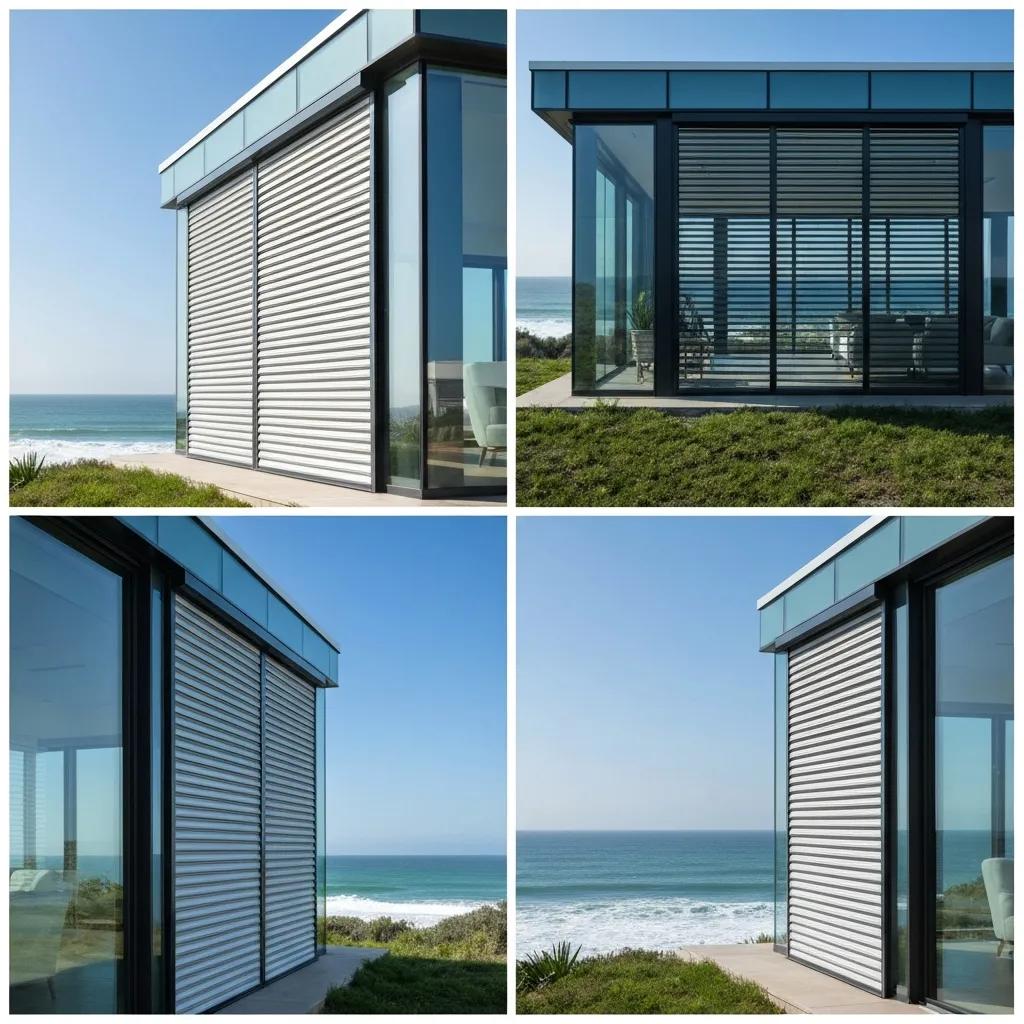
Accordion Shutter Installation Made Simple: Your Complete Hurricane Shutter Guide
Accordion shutters are permanently mounted storm protection that slide open for everyday use and lock closed to shield windows and doors during hurricanes—an effective choice for coastal homes. This guide breaks installation into clear, practical steps: pre-install planning, precise measuring, track and blade mounting, post-install checks, routine maintenance, and cost comparisons so homeowners and contractors can act confidently. We address the common headaches—wrong measurements, improper fastener choices for salt air, and when to call a pro to protect code compliance and warranties—and give straightforward techniques and local compliance tips. You’ll learn how to measure openings correctly, decide between consumer and pro tools, mount top/side/bottom tracks, attach and stack blades, install locks, avoid common mistakes, and maintain shutters against corrosion. Start with pre-install essentials and measurement best practices to set a solid foundation for a smooth install and long-term performance.
What Are the Essential Pre-Installation Steps for Accordion Shutters?
Good pre-install planning prevents rework. Identify the opening type, required clearances, substrate condition, and any safety or permit needs up front. Accurate measurements and a substrate assessment tell you whether anchors need to go into concrete, use through-bolts, or thread into backup framing—and they expose obstructions like trim, sills, and hardware. Gather the right tools and coastal-grade materials before you begin to avoid mid-job delays and protect shutter function in salt-air environments. The next section lays out precise measuring methods and a split list of consumer versus professional tools for an efficient install.
How Do You Accurately Measure Windows and Doors for Accordion Shutters?
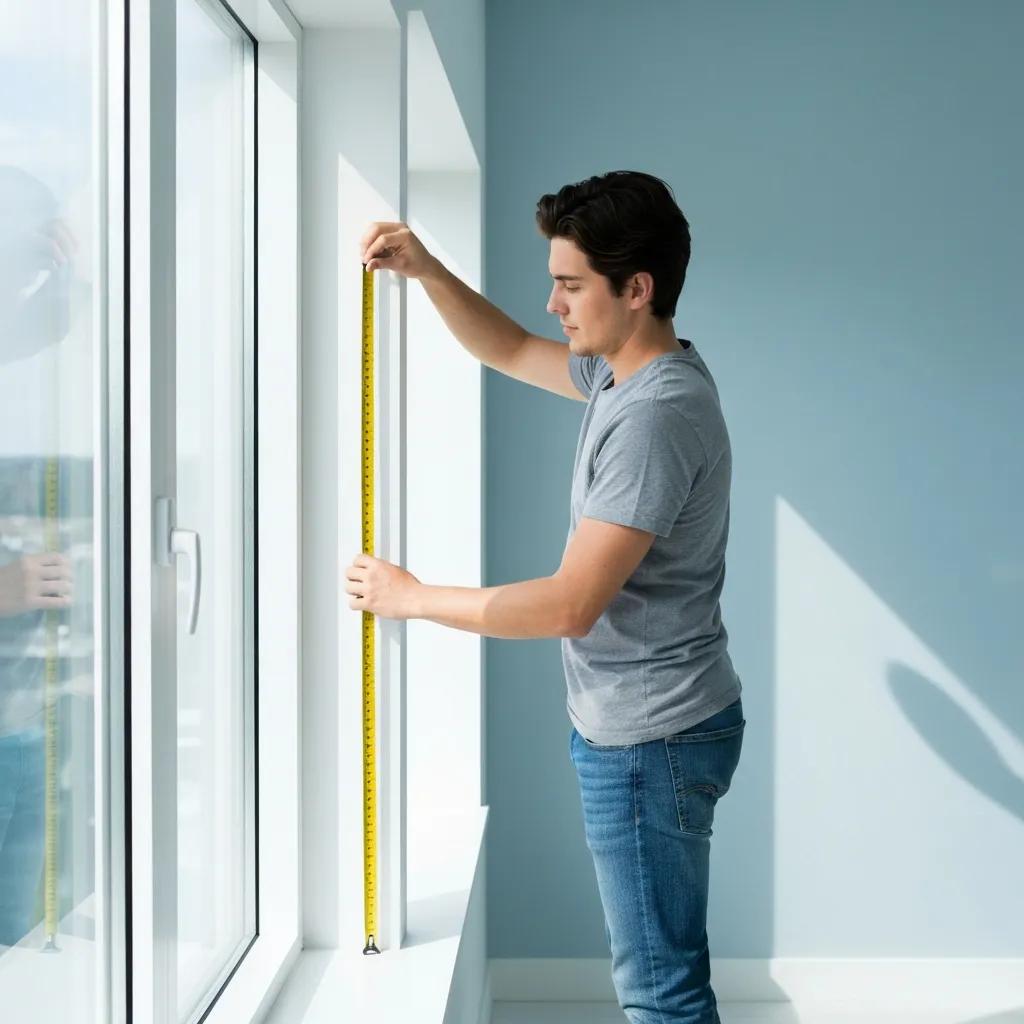
Measure at three points to find out-of-square conditions: for width, measure top, middle and bottom; for height, measure left, center and right. Record the smallest width and height as the finished opening, note trim or hardware obstructions, and keep rough-opening dimensions separately so anchors and clearances can be selected correctly. For sills, arched heads, or decorative trim, capture radius and reveal depth and take photos to preserve context for installers. Accurate measurement reduces binding, improves seal performance, and reveals whether backing or additional framing is needed before you mount tracks.
Use these quick measurement notes for common opening types to choose allowances and anticipate anchor needs.
This table summarizes typical measurement methods and simple allowances that prevent fit issues and guide anchor selection.
What Tools and Materials Are Needed for Easy Accordion Shutter Installation?
Separate basic consumer tools from professional equipment so you know when to rent or hire. For most single-story jobs, a few quality hand tools, sealant, and PPE are enough. Complex or multi-story installs require impact tools, rotary hammers, aerial access, precision measuring gear, and coastal-grade fasteners. Favor 6063-T6 aluminum shutters and corrosion-resistant anchors in salt-air locations. Renting specialty tools keeps costs down for one-off jobs while maintaining professional results. With measurements and the right gear ready, the following section walks through the step-by-step install.
Essential consumer tools for basic installs:
- Tape measure, 4-foot level, and a good pencil for layout.
- Cordless drill with masonry and metal bits plus silicone sealant.
- Safety gear: eye protection, work gloves, and a ladder rated for the task.
Professional-grade tools for complex or multi-story installs:
- Impact driver and rotary hammer for masonry anchors.
- Laser level and torque wrench for precise alignment and anchor torque.
- Access equipment: scaffold or aerial lift and a full drill-bit set.
These lists help you decide whether to rent tools or hire a pro based on job complexity and access. Next is the recommended installation sequence.
What Is the Best Way to Install Accordion Shutters Step-by-Step?
Follow a consistent sequence: mount the top track first, align and secure the side and bottom tracks next, insert and stack the shutter blades, then fit locking hardware and run multi-cycle tests to confirm smooth operation. The top track sets the reference plane for the whole system, so get it perfectly level before final anchors. Match anchoring patterns to the substrate—masonry, stucco with backing or wood framing—and use corrosion-resistant 316 stainless fasteners where possible. After blades are in, seal perimeter joints and verify anchor torque to protect against salt corrosion and wind-driven water. The subsections below cover track mounting, blade stacking, and lock setup in practical detail.
How Do You Properly Mount Top, Bottom, and Side Tracks for Accordion Shutters?
Lay out the top track first: snap a level line, mark anchor locations at regular spacing, and pre-drill pilot holes to avoid bending or misalignment. Use anchor spacing per the manufacturer and local code, and add temporary shims where surfaces are not plumb to keep a uniform gap and prevent binding. With the top track held temporarily, install side tracks and make sure they are plumb and aligned before final anchoring; finish with the bottom track and confirm smooth blade travel across the full width. Level-first installation and correct anchor selection prevent track twist and reduce later adjustments.
How Are Shutter Blades Attached and Stacked Correctly?
Insert blades in order, following manufacturer orientation marks. Engage blade interlocks and guide each blade bottom into the bottom track so spacing stays even and interlocks fully engage to resist racking under wind load. Stack panels toward the designated storage side, folding the accordion as you go, keeping stacks neat with the shutter’s retention features or temporary ties. Don’t drag panels by their edges to avoid dents in the 6063-T6 aluminum; inspect seals and interlocks as you work to catch deformities early. When the stack is complete, secure end-of-stack brackets or clips per instructions and prepare for lock installation.
How Do You Install Locking Mechanisms and Test Shutter Operation?
Fit locks so the latch engages a solid strike plate anchored into structural backing; fasten locks and hasps with 316 stainless fasteners and verify alignment with the shutter fully closed. Run at least ten open-close cycles to confirm smooth operation—listen for rubbing and watch blade alignment across the full travel. Adjust shims or re-torque anchors as needed. Seal around tracks with silicone or approved sealant to prevent water intrusion and test locks under simulated load to ensure clean engagement. Final testing completes the installation; if this feels beyond your comfort level, consider professional installation for code compliance and warranty protection.
When installation feels out of reach, professional crews preserve code compliance and warranty protections. American Hurricane Shutters (AHS Carolinas) offers insured, certified technicians trained in OSHA 30 and aerial lift operation, plus free estimates and a cost calculator to compare DIY and pro options. Their teams use coastal-grade materials like 6063-T6 aluminum and 316 stainless fasteners and perform site-specific design pressure analyses to meet International Building Code and local coastal ordinances—often required for permits and warranty validity.
Hurricane Construction Challenges and Solutions
ABSTRACT: Hurricanes have battered the southeastern United States for centuries, and major storms like Donna, Camille, Hugo and Andrew have exposed vulnerabilities in building practice. Codes and construction approaches have evolved to reduce damage, but the causes of widespread destruction are complex—ranging from storm intensity to construction quality. This paper explores those questions and offers construction strategies to improve resilience.
1. All rights¬© Journal of the National Academy of Forensic Engineers. Full statement regarding the author’s license of copyright to the NAFE is shown on the Copyright section of the Submissions Page.
Construction For Hurricane Conditions, 2000
What Are Common Accordion Shutter Installation Mistakes and How Can You Avoid Them?
Many problems start with measurement shortcuts, wrong fastener choices, or skipping alignment checks before finishing the job. Typical mistakes are measuring only once instead of three points, using standard fasteners in corrosive coastal air, and failing to verify plumb and level before final anchors. Avoid these by following disciplined measurement steps, choosing corrosion-resistant hardware, and running a multi-cycle test to surface alignment issues early. The sections below cover measurement errors, post-install checks, and troubleshooting for sticking or lock problems.
What Are the Top Measurement and Alignment Errors to Watch For?
Common measurement errors include taking a single width or height reading, ignoring trim or sill obstructions, or not recording out-of-square conditions—each can cause binding or uneven stacking. Alignment mistakes often come from installing the top track out of level or not shimming uneven reveals, which creates a twist that causes rubbing and premature wear. Corrective steps: use triple-point measurements, document obstructions and reveal depths, and hold temporary shims when fastening so the plane is consistent before final anchor torque. Consistent measurement discipline avoids many operational headaches and makes post-install inspections straightforward.
Common measurement and alignment checks to perform:
- Measure top/middle/bottom for width and left/center/right for height; record the smallest values.
- Verify the top track is level with a laser or 4-foot level before final anchors.
- Inspect reveal depth and trim projection and note any required shims or backing.
These checks lower the chance of binding and speed up adjustments after installation.
How Do You Perform Post-Installation Checks and Adjustments?
Use a checklist: run multi-cycle operation tests, verify anchor torque, inspect sealant beads, and confirm locks engage cleanly. Re-torque anchors after initial cycles if the substrate compresses, and re-check fasteners—especially in stucco or hollow masonry where backing is critical. Photograph the final installation and document adjustments for warranty records and permit proof. Schedule a follow-up inspection after the first storm season to spot early corrosion or movement. These steps help ensure long-term performance and feed into troubleshooting when issues arise.
How Can You Troubleshoot Common Issues Like Sticking or Locking Problems?
Start by identifying the symptom: does the shutter stick at one point, bind across travel, or fail to latch? Likely causes include track debris, anchor movement, dented blades, or misaligned locks. Quick fixes: clean tracks, clear debris, slightly loosen anchors and realign tracks, or replace damaged blades or seals. If locks bind, check the strike plate alignment and adjust until the latch operates smoothly. If problems persist, call a professional for realignment or component replacement—this protects code compliance and warranty coverage. Timely troubleshooting prevents small issues from becoming costly repairs.
How Can You Maintain Accordion Shutters to Extend Their Lifespan?
Routine maintenance reduces salt corrosion, stops small issues from escalating, and keeps shutters ready for storm season. We recommend an annual full inspection plus pre- and post-storm checks. Tasks include cleaning to remove salt and debris, inspecting fasteners and seals for corrosion or gaps, lubricating moving parts with non-staining lubricants, and re-torquing anchors if substrate settling occurs. Rinse exposed hardware with fresh water after heavy salt exposure and replace suspect fasteners with 316 stainless steel for coastal durability. The next sections list cleaning and lubrication tips and explain how maintenance preserves warranty and performance.
What Are the Best Accordion Shutter Maintenance Tips for Cleaning and Lubrication?
Clean shutters with a mild, non-abrasive detergent and rinse with fresh water to remove salt. Avoid harsh solvents that can damage seals and finishes, and inspect sweep gaskets and seals while cleaning. Lubricate hinges, rollers and lock mechanisms with manufacturer-recommended, non-staining lubricants—typically twice a year and before storm season. Check fasteners and exposed anchors for corrosion; replace any suspect hardware with 316 stainless steel to maintain coastal resistance and structural integrity. Regular cleaning and proper lubrication extend service life and reduce the chance of failure when shutters are needed most.
Seasonal maintenance checklist summary:
- Spring and fall: full inspection—clean, lubricate, and check fasteners.
- Pre-storm: verify multi-cycle operation and lock engagement.
- Post-storm: rinse salt residues and re-check anchor integrity.
Follow this schedule to keep shutters reliable and comply with warranty care requirements.
How Does Regular Maintenance Prevent Damage and Ensure Long-Term Performance?
Regular maintenance catches early corrosion, loose anchors, and seal wear—the main causes of functional failure and expensive replacements. Fixing a loose anchor or worn seal early prevents water intrusion and substrate damage; proper lubrication reduces wear on interlocks and locks. Many warranties require documented maintenance, so keeping records protects your coverage and ensures the system performs during extreme events. Regular care preserves operational readiness and long-term value, and it helps you decide whether DIY maintenance is enough or a professional service makes sense.
When Should You Choose DIY Installation vs. Professional Accordion Shutter Installation?
Decide based on your skill level, access, substrate complexity, and local code or permit requirements. Simple single-story installs on standard wood framing can suit capable DIYers; multi-story work, difficult substrates, or permit-driven coastal-code requirements usually call for professionals. Balance savings on labor against the risks of improper anchoring, code non-compliance, and voided warranties. Use the comparison table below to weigh competencies and outcomes, then read the pros and cons and learn how to request a free estimate from a professional.
This comparison shows when professional involvement is cost-effective and when DIY may be reasonable for simple openings.
What Are the Pros and Cons of DIY Accordion Shutter Installation?
DIY advantages include lower immediate labor cost, flexible timing, and control over the schedule—good for homeowners confident with measurements and basic anchoring. Downsides include the risk of wrong anchor selection in coastal substrates, improper leveling or alignment that causes binding, and possible warranty or code issues without a site-specific design pressure analysis. DIY is best for small, ground-floor openings on conventional framed walls when you have the right tools and experience. For anything above the first floor or on specialized substrates, professional installation is recommended. If you’re unsure, the next section explains professional benefits and how to get a free estimate.
What Are the Benefits of Professional Installation Including Code Compliance and Warranty?
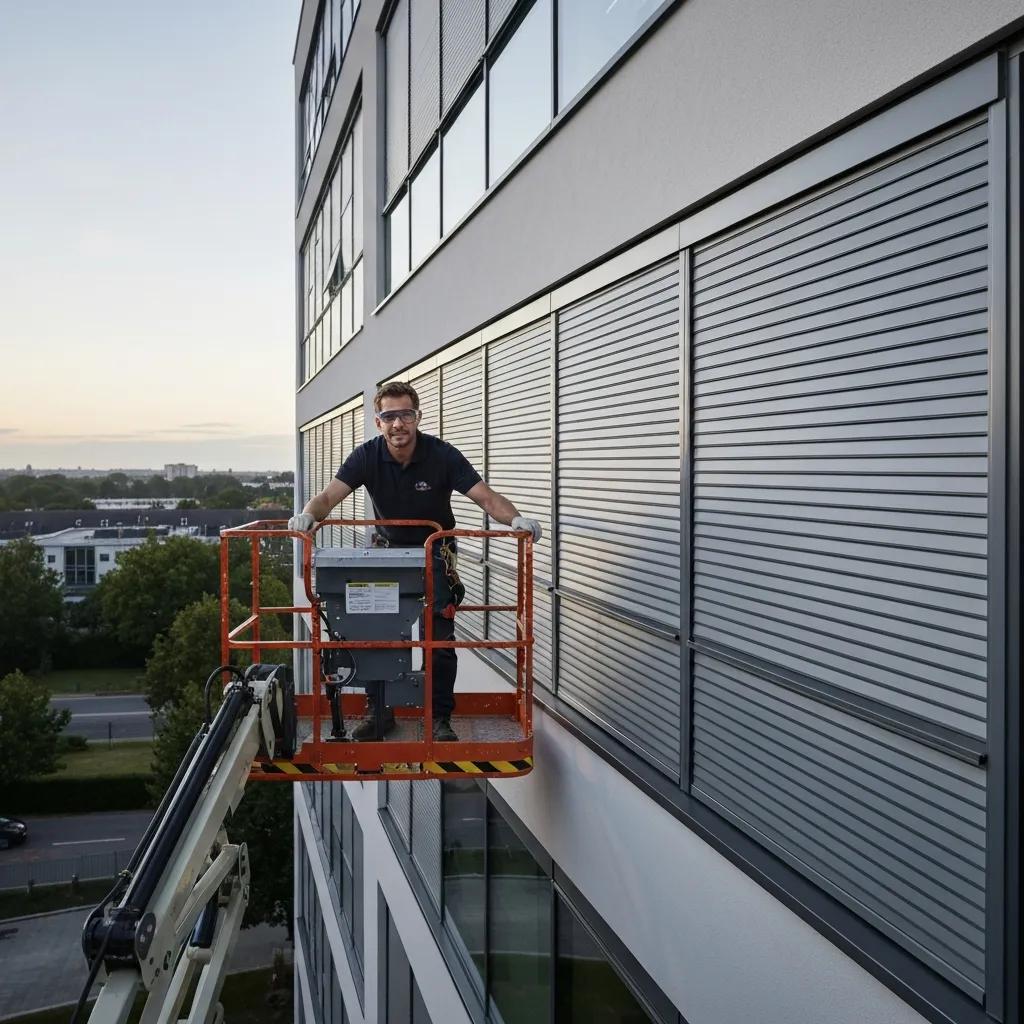
Professional installation uses certified technicians who can perform site-specific design pressure analysis, secure anchors into structural backing, and ensure compliance with International Building Code and local coastal ordinances—vital for permits and long-term safety. Insured crews help preserve warranty validity and offer post-install support and emergency services homeowners usually can’t replicate. Pros have aerial lifts, torque tools, and specialized anchors to efficiently install on multi-story or complex substrates with lower risk. Those benefits often justify the price premium for coastal homeowners; the next step is a free, site-specific estimate.
Hurricane Construction Challenges and Solutions
ABSTRACT: Hurricanes have periodically devastated the southeastern U.S., and major storms have revealed weaknesses in construction practice. Building codes and standards have evolved in response, but improving resilience requires coordinated solutions across design, materials, and construction methods. This work examines those challenges and recommends construction measures to reduce storm damage.
1. All rights¬© Journal of the National Academy of Forensic Engineers. Full statement regarding the author’s license of copyright to the NAFE is shown on the Copyright section of the Submissions Page.
Construction For Hurricane Conditions, 2000
How Can You Get a Free Estimate for Professional Accordion Shutter Installation?
To request an estimate, gather basic measurements, photos of openings, and notes about substrate type and obstructions—this speeds the estimator’s review and improves accuracy. Use a company cost calculator or schedule a free on-site estimate that includes a site-specific design pressure analysis and anchoring recommendations. Expect the estimator to verify structural backing and discuss warranty options. For coastal residents, ask about 6063-T6 aluminum shutters and 316 stainless fasteners, certified technicians, and warranty terms. American Hurricane Shutters (AHS Carolinas) offers free estimates, certified installers, and a local-leading 7-year warranty—call or email to arrange an on-site evaluation or use their cost calculator for a ballpark figure.
How Much Does Accordion Shutter Installation Cost and What Factors Affect Pricing?
Installed costs vary with material grade, installation complexity, height and access, substrate type, and permit or inspection fees. DIY material purchases lower upfront cost but don’t include labor, access equipment, or permit handling that pros add. Labor is often a large portion of installed cost when anchors, travel and access equipment are required. Below is an example cost-factor table to show how elements influence pricing and an illustrative calculation for a common window size. After the cost notes, guidance on using a cost calculator and requesting an estimate will help homeowners move from planning to pricing.
This table shows why coastal-grade materials and complex substrate conditions raise installed costs and why professional estimates usually include site analysis.
What Is the Average Cost Per Square Foot for Accordion Shutter Installation?
Installed cost ranges vary regionally and with coastal upgrades; a general range can guide budgeting but final price depends on access, substrate, and permit needs‚Äîuse a cost calculator for exact figures. For example, a 24″ x 42″ window is roughly 7 sq ft; multiplying that by an installed $/sq ft range gives a quick ballpark, but confirm with an estimator because coastal-grade materials and design pressure analysis affect price. For precise budgeting, use the company cost calculator or request a free on-site estimate.
How Does DIY Installation Cost Compare to Professional Services?
DIY material-only costs omit labor, access equipment, permits and may seem cheaper initially, but hidden costs such as tool rental, time, rework, and potential code non-compliance can make DIY less economical for complex jobs. Professional installation bundles labor, specialized tools, access, permit coordination, and warranty coverage—raising upfront cost but reducing risk, preserving warranty, and often speeding completion. When comparing bids, look at total installed cost per square foot, material specs (coastal-grade 6063-T6 and 316 stainless), and warranty terms. For multi-story or difficult substrates, professional installation usually offers better long-term value. Use a reputable cost calculator and request a free estimate to compare options for your openings and site conditions.
This simple table helps show how window size, material choices and access affect a realistic installed price estimate.
American Hurricane Shutters (AHS Carolinas) offers free estimates and a local cost calculator to help homeowners understand installed pricing and decide if a professional install is the right economic choice. Their insured, certified technicians and coastal experience help ensure installations meet code and are backed by a local-leading 7-year warranty; contact them by phone or email to arrange an on-site evaluation and cost review.
Frequently Asked Questions
What are the key benefits of using accordion shutters for storm protection?
Accordion shutters give strong protection for windows and doors during hurricanes and severe weather. They resist high winds and flying debris, lowering the risk of structural and interior damage. They’re quick to operate, so you can secure your home fast, and they also add privacy and a clean exterior look—making them a practical choice for coastal properties.
How often should I perform maintenance on my accordion shutters?
Perform maintenance at least once a year—ideally spring and fall—and always check before and after the storm season. Clean salt and debris, inspect fasteners and seals for corrosion or gaps, lubricate moving parts, and look for wear. Regular checks keep shutters ready and help protect warranty coverage.
What should I do if my accordion shutters are not operating smoothly?
<!– /w