

Accordion Shutter Maintenance: Cleaning, Lubrication & Inspection to Maximize Lifespan
Accordion shutters protect windows and openings when storms hit. With the right upkeep they stay dependable, safe, and long-lasting. This guide shows homeowners practical cleaning, lubrication, and inspection steps that slow corrosion, prevent seized parts, and preserve structural strength — especially important on coastal properties exposed to salt, humidity, and wind. You’ll find an easy maintenance schedule, step‑by‑step cleaning and lubrication instructions, a troubleshooting checklist with simple DIY fixes, and a seasonal calendar tuned for coastal conditions. We also compare common cleaners and lubricants in quick, easy tables and offer clear pre‑ and post‑storm checklists. If you prefer a pro, American Hurricane Shutters (AHS Carolinas) provides inspection and maintenance services to take the work off your plate while you follow the DIY steps here.
How Often Should You Clean and Maintain Accordion Shutters for Best Longevity?
How often you service shutters depends on exposure, use, and distance from salt spray. For most coastal homes, a mix of full cleanings and more frequent quick checks keeps shutters working and reduces repair costs. Regular attention prevents abrasive salt buildup in tracks, stops rollers from seizing, and keeps locks and fasteners secure — all of which extend the system’s mechanical life. Below are timing recommendations you can adopt and tailor to your site.
What Is the Recommended Cleaning Frequency for Accordion Shutters in Coastal Areas?
Use a baseline of a full cleaning every six months and a brief inspection once a month to manage salt and airborne grit. A full cleaning (wash, rinse, dry, and hardware check) twice a year removes salt films and surface contaminants that speed anodic or galvanic corrosion. Monthly checks should include running the shutter through a full deployment and retraction, listening for grinding or binding, and wiping visible salt from tracks and locks. Increase checks and cleanings if your home is close to the surf or after any storm — salt and debris build up faster under those conditions.
How Does Regular Maintenance Extend Accordion Shutter Lifespan?
Regular maintenance slows the primary causes of early failure: corrosion, abrasion, and mechanical fatigue. With routine cleaning, correct lubrication, and properly tightened fasteners, shutters more reliably reach the top end of their expected service life because moving parts aren’t grinding, seals aren’t failing prematurely, and aluminum surfaces keep their protective finish. Preventative work also reduces emergency repairs during storms, which tend to be costlier and disruptive. If you want professional oversight, qualified local providers can perform Design Pressure Analysis and scheduled visits to keep performance, code compliance, and warranty coverage intact.
What Are the Best Practices for Cleaning Accordion Shutters to Remove Salt, Dirt, and Debris?

Start cleaning with an inspection, then gently remove salt and dirt, rinse thoroughly, and dry completely to avoid residue. Use mild, non‑ionic detergents and soft brushes or microfiber cloths so you don’t abrade anodized or painted aluminum. Avoid acids or harsh solvents that strip protective finishes. Pay special attention to horizontal surfaces, track bottoms, roller areas, and lock pockets where salt and sand collect. Below are step‑by‑step actions and a short comparison of common cleaning supplies to help you choose safe, effective products.
How Do You Clean Accordion Shutter Tracks and Slats Step-by-Step?
Follow a simple sequence to protect finishes and clear debris: inspect, remove loose dirt, wash, rinse, and dry. Deploy the shutter and inspect tracks, slat faces, and hardware for grit or corrosion, then vacuum or blow loose debris from the track channels. Mix a mild soap with water and work top to bottom with a soft brush along slats and tracks; follow with a thorough freshwater rinse to remove salts. Dry with a microfiber cloth or allow air drying when weather permits, then cycle the shutter fully to confirm smooth movement — running the shutter helps redistribute lubricant and reveals hidden resistance.
Which Cleaning Solutions and Tools Are Safe for Marine-Grade Aluminum Shutters?
Pick cleaners and tools that remove salt without stripping protective coatings. Mild liquid dish soap or a diluted non‚Äëionic detergent is safe for 6063‚ÄëT6 marine‚Äëgrade aluminum; use soft nylon brushes, microfiber cloths, and a low‚Äëpressure rinse to avoid damaging finishes. Never use steel wool, abrasive pads, or strong acid rust removers on aluminum. For light staining, use a gentle pH‚Äëneutral rust cleaner formulated for aluminum and rinse thoroughly. The table below compares common supplies, how they interact with marine‚Äëgrade materials, and recommended uses.
In short: non‚Äëabrasive tools and mild cleaners handle most coastal shutter cleaning while minimizing long‚Äëterm corrosion risk.
How Should You Lubricate Accordion Hurricane Shutters for Smooth Operation?
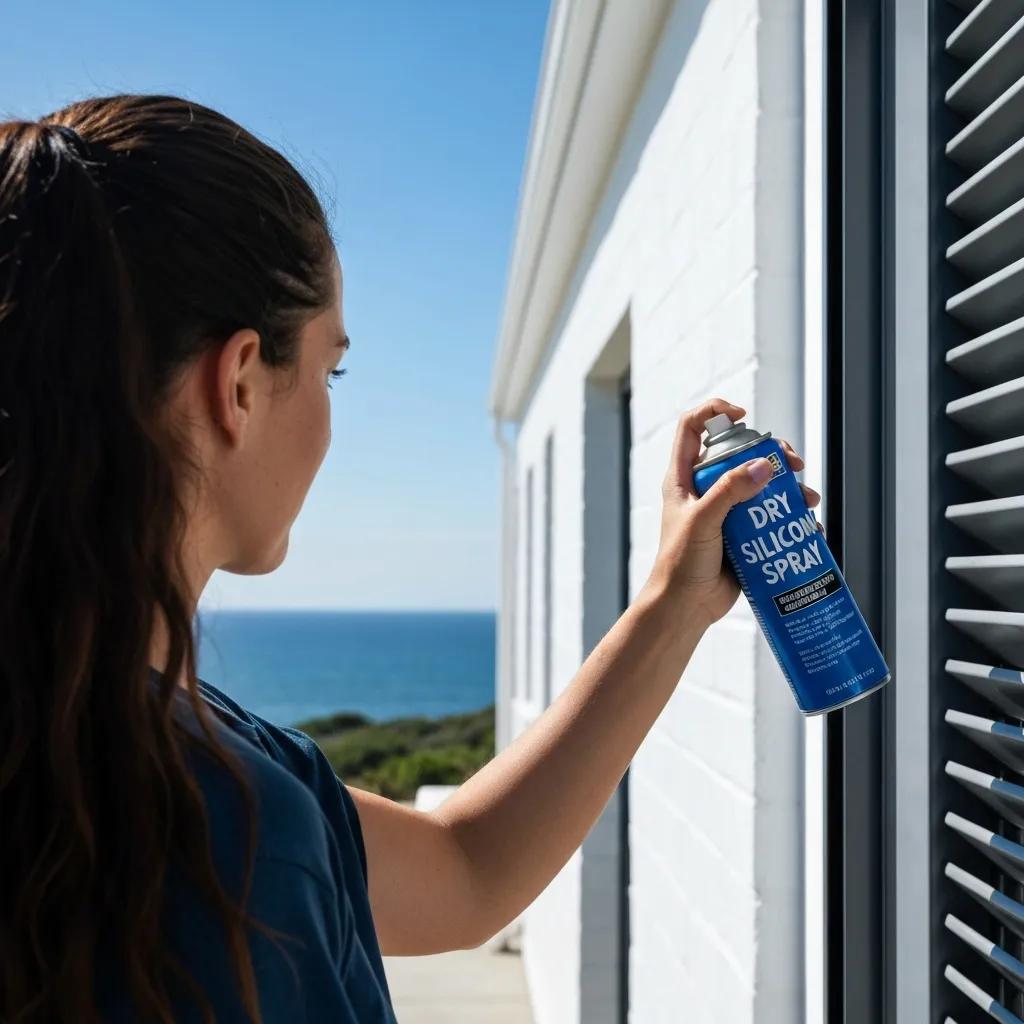
Lubrication should protect moving parts without attracting grime. For coastal shutters, dry silicone sprays are the preferred choice — they resist moisture and leave a non‑sticky film that won’t gather sand. Lubricate wheels, pivot points, locks, and track contact areas only after cleaning and drying; applying lubricant to dirty components traps contaminants and speeds wear. Below we compare common lubricants and lay out a concise step‑by‑step lubrication routine to keep parts operating smoothly.
What Are the Best Lubricants for Accordion Shutter Tracks, Wheels, and Locks?
Choose lubricants that repel moisture and resist salt while minimizing dirt attraction, matching product to the component’s load and exposure. Dry silicone spray gives a thin, non‑tacky coating ideal for tracks and locks. White lithium grease is better for heavy pivots that carry load but use it sparingly. Avoid oil‑based sprays on tracks — oils attract dust and can create abrasive grit in coastal settings. The table below shows common lubricant types and their best uses on accordion shutters.
The takeaway: dry, low‚Äëtack lubricants give the best balance of protection and cleanliness for coastal accordion shutters.
What Is the Step-by-Step Process to Properly Lubricate Accordion Shutters?
Only lubricate after cleaning and drying components so you don’t seal in salt or grime; apply sparingly to prevent buildup. First, run a full deployment cycle to find noisy or dry parts, then clean tracks and wipe rollers and hinges. Apply a light coat of dry silicone to tracks and locks, a small dab of white lithium on heavy pivots if needed, and graphite powder for lock keyways. Cycle the shutter several times to work lubricant into contact surfaces, then wipe away visible excess to avoid accumulation. Record the date and plan the next lubrication on your maintenance schedule.
How Can You Inspect and Troubleshoot Common Accordion Shutter Problems?
Frequent inspections catch small issues before they become failures. Use a checklist covering corrosion, alignment, hardware integrity, and lock operation. Monthly full deployment cycles, visual checks for pitting or loose fasteners, and tactile checks on rollers and wheels are effective. Many problems have simple DIY fixes — tightening a fastener, cleaning a track, or swapping a worn roller — but call a pro for structural damage, heavy corrosion, or persistent alignment problems. The troubleshooting matrix below helps you diagnose symptoms and decide whether to DIY or call a technician.
What Are the Signs of Rust, Corrosion, or Misalignment to Watch For?
Look for surface pitting, streaking, stiff or seized rollers, excessive play in hinges, and missing or loose fasteners. Surface staining usually signals salt buildup that needs cleaning; pitting or deep corrosion at attachment points indicates more serious material loss and possible structural compromise. Misalignment shows as binding during deployment, uneven gaps between slats, or difficulty engaging locks — often caused by loose fasteners or a bent component. Early detection lets you apply targeted DIY corrections or schedule a professional check before the next storm.
Use this matrix to triage issues quickly. If a fix doesn’t restore smooth operation or if you question structural integrity, call a professional.
How Do You Fix Stuck or Misaligned Accordion Shutters Yourself?
Many minor sticking and alignment problems are solvable with basic tools, methodical adjustments, and patience — but always prioritize safety and stop if you see structural damage. Begin by cleaning the track, then inspect rollers and fasteners. Loosen and re‑torque fasteners in sequence to realign panels, and replace worn rollers that don’t roll freely after cleaning. Small slat bends can sometimes be eased back into place with gentle pressure inside the guide; larger deformations require a professional to avoid stressing nearby hardware. When in doubt — for example, with severe corrosion, stripped fastener holes, or compromised attachment points — schedule a professional inspection and repair. Pros can validate load requirements and handle warranty maintenance where applicable.
How Does the Coastal Environment Affect Accordion Shutter Maintenance and Lifespan?
Coastal conditions speed corrosion through salt spray, high humidity, and wind‑borne abrasives, so shutters need more frequent care to last. Salt crystals abrade finishes and collect at joints and tracks, humidity accelerates electrochemical reactions that eat metal, and wind forces particulates into moving parts. Material selection and corrosion‑resistant details — like marine‑grade alloys and stainless fasteners — materially affect service life and maintenance frequency. Below we list practical protective measures and explain why correct materials and warranty‑backed installation matter for coastal installs.
What Protective Measures Help Prevent Salt Air Corrosion on Accordion Shutters?
Simple homeowner actions — regular freshwater rinsing, scheduled cleaning, and prompt post‑storm inspections — slow corrosion and limit long‑term damage. Rinse surfaces with fresh water after heavy salt exposure, dry accessible areas, and use corrosion‑inhibiting sprays for aluminum when the manufacturer recommends them. Choose corrosion‑resistant replacement parts: 6063‑T6 marine‑grade aluminum resists structural corrosion and, paired with 18‑8 stainless steel fasteners, reduces galvanic deterioration at connections. Consistent care lowers the chance of seized parts and helps preserve protective finishes for longer service life.
Why Is Professional Installation and Warranty Important for Coastal Shutters?
Correct installation ensures shutters meet wind load requirements and work as intended. Professionals perform code‚Äëbased Design Pressure Analysis and install attachments and anchors sized for coastal conditions, reducing failure risk under storm loads and protecting insurance and warranty rights. For homeowners, working with contractors who offer maintenance and multi‚Äëyear warranties on workmanship and materials provides an important safety net. Local pros with coastal experience can tailor material choices and maintenance schedules to regional exposure patterns, helping shutters remain compliant and durable.
What Seasonal Maintenance Tasks Should Coastal Homeowners Perform on Accordion Shutters?
A seasonal calendar focused on pre‚Äë and post‚Äëstorm tasks keeps shutters ready and minimizes emergency repairs. Pre‚Äëseason work centers on cleaning, lubrication, and tightening so shutters deploy reliably; post‚Äëstorm work emphasizes checking for dents, missing fasteners, and alignment issues that can worsen if ignored. Monthly operation tests reveal odd noises or resistance early, and documenting findings helps track wear. Below are prioritized seasonal steps and a simple operation schedule to follow.
What Are the Key Pre-Hurricane and Post-Hurricane Season Maintenance Steps?
Before the season: perform a thorough clean, lubricate recommended points, cycle each shutter fully, and tighten exposed fasteners. Verify lock function and inspect for surface damage that could worsen under wind loads. Schedule any professional inspections for issues beyond DIY scope. After storms: check for displaced fasteners, dents, misalignment, or warped slats; clear debris from tracks immediately and dry affected components to limit corrosion. Record anomalies and decide whether quick fixes suffice or whether professional repair is needed within 24–72 hours. Start with safety checks — verify structural attachments and clear egress paths — then address secondary issues.
Monthly testing routine for accordion shutters includes:
- Deploying and retracting the shutter fully to detect binding.
- Listening for grinding or clicking that signals wear.
- Visually checking fasteners, tracks, and lock engagement.
These simple monthly actions keep shutters moving, surface problems early, and prepare you for seasonal maintenance.
How Often Should You Operate and Test Accordion Shutters to Ensure Functionality?
Operate and test shutters at least once per month and after any storm or high‑wind event to ensure parts stay mobile and seals work properly. Monthly full cycles keep rollers and tracks free‑moving; document any resistance, unusual noises, or visible corrosion and address them promptly. If problems persist after cleaning and lubrication, call a professional. Local service providers who understand coastal challenges can perform scheduled maintenance and provide warranty‑backed repairs when DIY measures aren’t enough, giving added preparedness for the next storm.
- Seasonal checklist highlights:
Pre-season: Clean, lubricate, tighten, and test.
During season: Inspect after any significant weather event.
Post-season: Perform a full assessment, make minor repairs, and document issues for long‚Äëterm tracking. - If you prefer professional help instead of DIY, American Hurricane Shutters (AHS Carolinas) provides local inspection and repair services across coastal North and South Carolina and offers free estimates to help homeowners plan maintenance or repairs. Their technicians are trained for aerial lift work and OSHA‚Äë30 safety practices, and service options include material choices and installation methods suited to coastal conditions. Scheduling a professional inspection is often the quickest way to verify Design Pressure Analysis compliance and keep warranty terms valid after service.
This guide covered cleaning schedules, safe cleaners and tools, lubricant choices and methods, inspection checklists, coastal protective measures, and a seasonal maintenance calendar designed to keep accordion shutters working for years. Follow these steps and use recommended products to reduce failure risk and make sure your shutters are ready when storms arrive.
Frequently Asked Questions
What are the common mistakes to avoid when maintaining accordion shutters?
Common mistakes include using abrasive cleaners or tools that scratch finishes, skipping lubrication, and neglecting regular inspections. Applying lubricant to dirty parts can trap grit and speed wear. Ignoring early signs of corrosion or misalignment lets small problems become bigger. Stick to the recommended schedule and use the proper supplies to avoid these errors and extend shutter life.
How can I tell if my accordion shutters need professional maintenance?
Call a pro if you have persistent trouble opening or closing, visible pitting or deep corrosion, or loose or missing fasteners. Unusual noises like grinding or clicking can point to internal wear that needs expert attention. If you see structural damage or misalignment you can’t safely correct, a professional assessment is the right choice for safety and proper function.
What should I do if my accordion shutters are stuck?
If shutters are stuck, first make sure tracks are clean and free of debris. Inspect rollers and fasteners for wear or damage. If cleaning doesn’t help, try gentle alignment adjustments and lubricate moving parts. If the shutters remain stuck or you see signs of structural damage or heavy corrosion, call a professional to evaluate and repair.
Can I use any lubricant for my accordion shutters?
No. Use lubricants that repel moisture and don’t attract dirt — dry silicone spray for tracks and locks is a good choice. Avoid oil‑based sprays on tracks because they attract dust and form abrasive grit in coastal environments. White lithium grease is suitable for heavy pivots but use it sparingly. Always follow the manufacturer’s recommendations for your specific shutters.
How do I prepare my accordion shutters for a hurricane?
Before a hurricane, clean and lubricate moving parts, tighten all exposed fasteners, and run a full deployment test to confirm operation. Inspect for any damage or corrosion that could compromise performance and document issues. If you find problems beyond DIY repair, schedule professional maintenance so your shutters are ready to protect your home.
What materials are best for accordion shutters in coastal areas?
Marine‑grade aluminum, such as 6063‑T6, is preferred in coastal areas for its resistance to corrosion. Pair aluminum components with stainless steel fasteners (for example, 18‑8 stainless) to reduce galvanic corrosion at connections. Protective coatings and correct material selection improve durability and lower maintenance needs — balance structural requirements with long‑term upkeep when choosing materials.
Conclusion
Keeping accordion shutters clean, lubricated, and inspected is the best way to preserve their performance and protect your home during storms. A consistent maintenance routine cuts the risk of mechanical failure and slows corrosion. If you’d rather leave it to professionals, American Hurricane Shutters (AHS Carolinas) offers coastal‑focused services to keep shutters storm‑ready. Take the next step — review your maintenance plan or request an inspection to safeguard your property.
