

How to Install Hurricane Shutters Safely and Effectively — A Step‑by‑Step Guide for Homeowners and Businesses
Hurricane shutters are engineered storm‑protection systems that shield windows, doors and other openings from high winds, flying debris and forced entry. Properly installed shutters lower structural risk and protect people in coastal North and South Carolina. This guide walks homeowners and businesses through measuring, preparing, installing, testing, sealing, and maintaining the most common shutter types — accordion, rolldown, Bahama, colonial, panel and screen — so you get a safe, code‑aware result.
We wrote this to help you decide whether to tackle a project yourself or hire a pro. You’ll find clear step‑by‑step instructions, practical checklists, EAV reference tables and troubleshooting workflows that emphasize safety and local code context. If you want installation services, our site also aims to educate potential customers and generate leads through free estimates. Keywords such as hurricane shutter installation guide, DIY hurricane shutters, and how to measure for hurricane shutters are used naturally so you can find the right information and next steps.
What Are the Essential Tools and Materials Needed for Hurricane Shutter Installation?
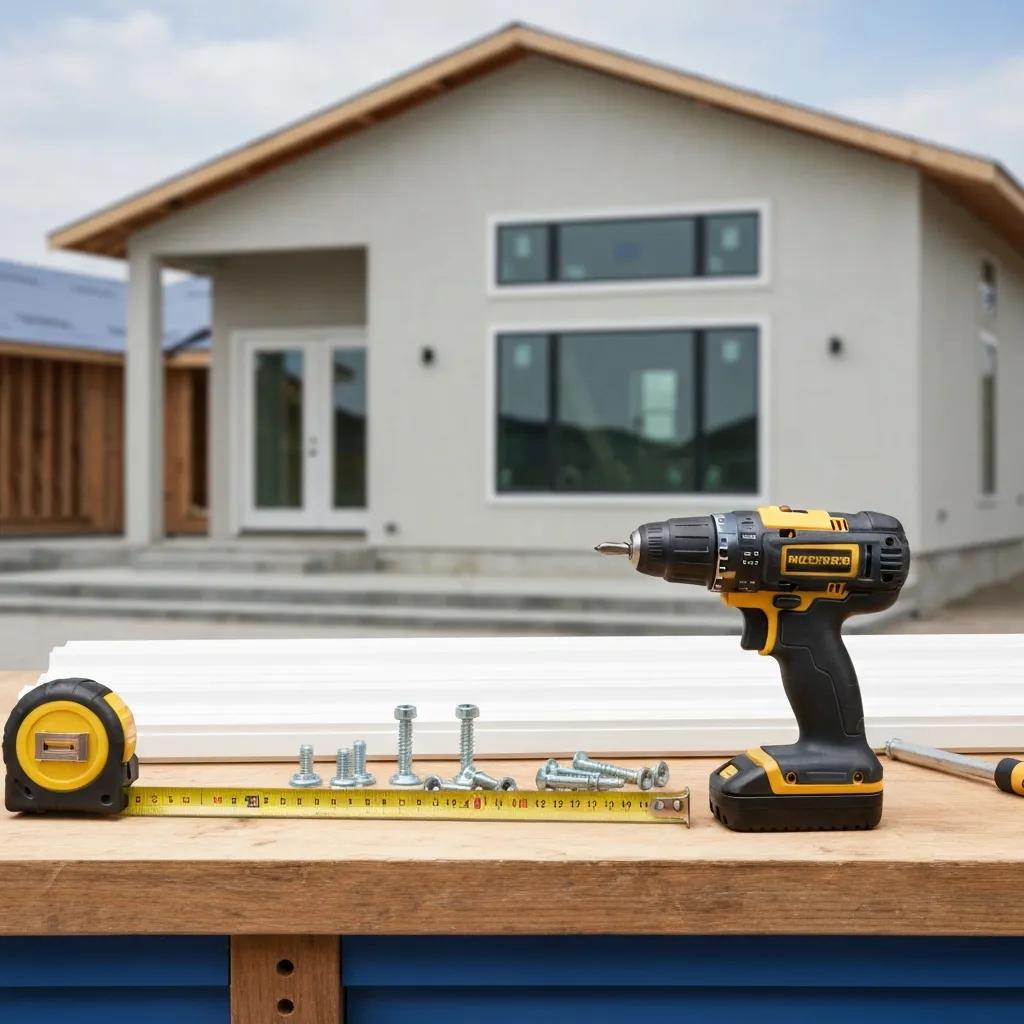
Picking the right tools and materials ensures anchors, tracks and panels perform under design wind loads. Most systems require accurate measuring tools, drilling and fastening equipment, layout devices, weatherproofing materials and appropriate personal protective equipment to keep installers safe. Knowing which drill bits, anchors and sealants match masonry versus wood framing prevents common failures and helps meet local building and insurance requirements.
The lists and table below link tools and materials to their purpose so you can plan purchases, check compatibility with aluminum and polycarbonate (Lexan) panels, and confirm you have the right PPE for safe work. These references set you up for the step‚Äëby‚Äëstep procedures that follow.
Essential tools include measuring, cutting and fastening equipment matched to shutter type:
- Tape measure and steel ruler for precise opening dimensions and alignment checks.
- Cordless drill and impact driver with a masonry kit for concrete/block and high‚Äëtorque screws.
- Levels and laser layout tools to keep tracks and brackets plumb and true.
Summary: Using the right combination of layout, drilling, fastening and safety tools reduces rework and helps get anchors and tracks aligned before you attach shutters.
Intro to the materials table: The table below pairs common installation materials with their purpose and recommended specifications so you can select anchors, screw grades and sealants by substrate.
Summary: Matching anchors and sealants to the substrate and shutter material is critical for a code‚Äëaware, long‚Äëlasting installation that resists water intrusion and wind forces.
Which Tools Are Required for Installing Different Types of Hurricane Shutters?
Each shutter system places different demands on tools and fasteners. Accordion and rolldown shutters need precise track layout and consistent leveling, so bring a laser level, long spirit level and torque‚Äëcontrolled drivers to avoid binding. Panel systems and colonial shutters typically call for masonry bits or lag drivers depending on substrate, while Bahama shutters require hinge tools and adjustable brackets for correct uplift resistance. For every shutter type, plan pilot hole sizes and torque settings to match anchor specs, and keep backup fasteners and bit sizes on hand for unexpected substrate conditions.
Common tool‚Äëto‚Äëtype mapping:
- Accordion/Shutter Tracks: Laser level, 72″ level, 3/16″ & 1/4″ masonry bits, impact driver.
- Rolldown Systems: Motor wiring tools (if motorized), ladder or lift systems, carriage bolts, torque wrench.
- Panels/Screens: Circular saw or shears for panels, masonry anchors or carriage bolts, storage rack.
Summary: Choosing tools that match the shutter — accordion, rolldown, Bahama, colonial or panels — prevents anchor misfits and reduces the chance of uneven tracks that lead to binding.
What Materials and Hardware Ensure a Secure and Code-Compliant Installation?
Use materials that meet wind‚Äëload and impact requirements so installations align with regional expectations and insurance guidelines. Pick corrosion‚Äëresistant fasteners, anchors sized to manufacturer embedment specs, and weatherproof seals compatible with aluminum, polycarbonate and steel components to preserve structural capacity over time. Check manufacturer test data and impact ratings against local building code references to confirm compliance under specified wind pressures.
When unsure, match anchors to the substrate — wedge anchors for concrete, through‑bolts for concrete lintels, and hot‑dip galvanized or stainless steel fasteners for coastal exposure — to limit corrosion and keep clamping force consistent.
EAV hardware table intro: The table below pairs substrate, anchor type and recommended uses for common coastal NC/SC conditions.
Summary: Choosing substrate‚Äëappropriate anchors and corrosion‚Äëresistant hardware helps installations stay durable and code‚Äëaligned in coastal environments.
What Are the Step-by-Step Installation Processes for Various Hurricane Shutter Types?
Installations follow the same core phases — measure, layout, prep, fasten, test and seal — but each shutter type has specific steps that affect safety and skill needed. Accurate measuring and layout are the first defense against fit and alignment problems; a bad measurement can compromise wind‑load performance. Read the numbered procedures below, then use the comparison table to judge difficulty, time and whether you should hire a pro. Motorized rolldown systems and large multi‑panel openings are examples where professional help is often recommended.
Overview list: Core installation phases common to all types:
- Measure and mark the opening twice and verify diagonals for squareness.
- Pre‚Äëdrill and pilot according to anchor requirements and substrate.
- Temp‚Äëfit components, align tracks, then torque fasteners to spec.
Summary: Those shared phases support the specific steps that follow and help avoid mistakes like uneven tracks or insufficient anchor embedment.
How Do You Install Accordion Hurricane Shutters Safely and Effectively?
Accordion shutters mount with top and bottom tracks and depend on precise leveling to deploy smoothly. Measure the opening width and height in three places, mark the top‑track line and confirm the header or attachment substrate is structurally sound for distributed loads. Install and level the top track first, engage the bottom track and secure both with anchors at the manufacturer’s recommended spacing. Use a plumb line to check lateral alignment before final torque. Once fastened, deploy the panels and cycle them several times to check for binding and confirm locking hardware. Finish by sealing fastener heads and track joints with exterior‑grade sealant to prevent water intrusion.
Business note: For large or multi‚Äëstory openings, professional installation by experienced teams like American Hurricane Shutters (AHS) is recommended; they can verify load distribution, handle complex anchoring, and provide estimates using the “online cost calculator” or a free estimate request.
What Are the Installation Steps for Rolldown, Bahama, Colonial, and Panel Shutters?
These systems each have type‑specific steps that affect tools, time and safety. For rolldown shutters, mount the housing and tracks level, install the motor or manual drive following manufacturer torque and electrical specs, and thoroughly test operation and limit switches. Bahama shutters hinge at the top and need sturdy hinge plates and support brackets sized for uplift — install hinge reinforcement and make sure storm stays or support arms are in place. Colonial shutters attach with side hinges and often use tie‑backs; verify hinge spacing and backing. For removable panels, pre‑cut panels, store them securely, and mount wall plates for quick deployment.
Numbered summary of key safety/complexity points:
- Rolldown: Motor and control testing, electrical bonding, and track clearance checks.
- Bahama/Colonial: Hinge reinforcement, uplift straps, and wind‚Äëload anchoring.
- Panels: Storage planning, plate mounting, and quick‚Äëdeploy hardware.
Business note: Motorized rolldown systems and large multi‚Äëpanel installations are best handled by professionals; contact American Hurricane Shutters (AHS) to request a free estimate or use the cost calculator for budgeting.
Summary: Use this table to judge whether a shutter type matches your DIY skillset, and plan for pros when mechanical, electrical or heavy structural loads are involved.
How Can You Ensure Safety and Building Code Compliance During Installation?
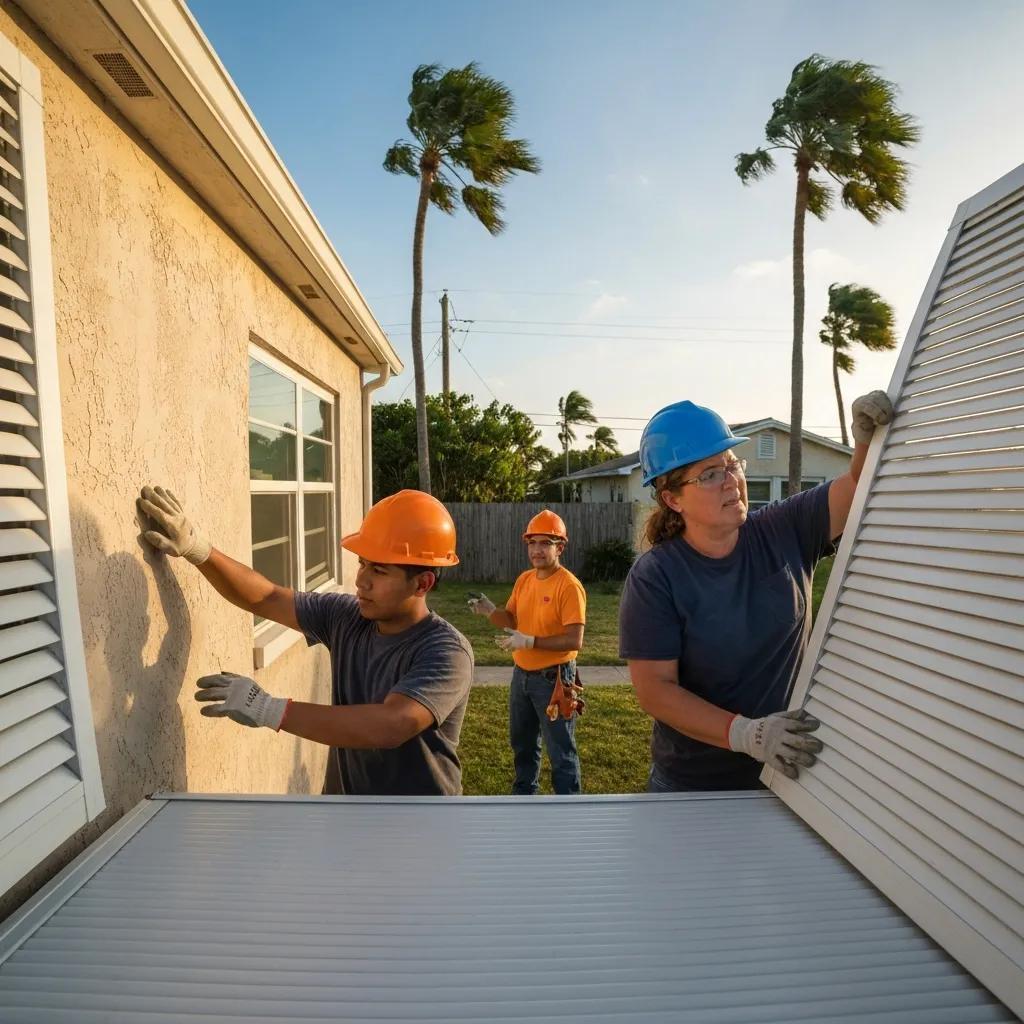
Safety and code compliance come from three linked practices: proper PPE and safe work methods, substrate and structural verification, and following local building code wind‚Äëload and fastening requirements. Use eye protection, gloves and fall protection for elevated work, set ladders and scaffolds properly, and team‚Äëlift heavy panels to reduce injury risk and protect components during alignment.
Structurally, confirm the attachment substrate — concrete, masonry, wood or steel — meets anchorage needs; look for rot, voids or thin veneers that must be repaired before fastening. For coastal North and South Carolina installations, follow regional permit guidance and match fastener embedment and impact ratings to local wind‑load expectations. When documentation or code interpretation is unclear, professional verification helps ensure compliance.
Safety checklist intro: The checklist below summarizes core safety actions installers must follow before and during shutter installation.
- Inspect substrate and framing for structural integrity before mounting tracks or brackets.
- Use PPE: eye protection, gloves, hard hats for overhead work, and fall protection for elevated tasks.
- Set up ladders and scaffolds correctly, secure tools, and use team lifts for heavy panels.
Summary: Following a strict safety checklist and verifying substrate integrity reduces installation risk and supports code‚Äëcompliant fastening and anchorage.
What Safety Guidelines Should Be Followed When Installing Hurricane Shutters?
Start with a site hazard assessment and finish with post‚Äëinstall checks to prevent injuries and failures under storm loads. Secure the work area, brief the team on roles, assign a spotter for ladder and lifting operations, and follow manufacturer torque and anchor spacing specs to avoid overloading single fasteners. Electrical work for motorized systems should be done by qualified personnel and tested for bonding and GFCI protection where required. After electrical testing, seal penetrations to prevent water ingress. Document testing results, anchor types and torque settings so future inspections and insurance reviews have clear records.
Transition: These safety steps lead directly into how North and South Carolina building codes shape anchor selection and permitting expectations.
How Do North and South Carolina Building Codes Affect Hurricane Shutter Installation?
NC and SC building codes include wind‑load provisions and acceptance criteria for shutters; installers must interpret these using local wind‑speed maps and attachment details. Code considerations include required impact ratings in certain zones, minimum anchor embedment depths into concrete or masonry, and documentation for permits where applicable. Manufacturers often publish tested installation methods that comply with code—using those details helps ensure compliance.
When installations are used for insurance mitigation or to meet impact‑rating requirements, keeping manufacturer‑specified fasteners and documented installation records supports claims and compliance. If you’re unsure about code interpretation, a professional installer can verify alignment and prepare the necessary paperwork for permitting and insurance.
Summary: Matching manufacturer instructions with NC/SC code requirements preserves shutter performance under design wind loads and helps streamline permitting and insurance processes.
Should You Choose DIY or Professional Hurricane Shutter Installation?
Deciding between DIY and professional installation comes down to cost, skill level, risk tolerance and project complexity — with safety and code compliance as top priorities. Simple panel systems and small colonial shutters are often appropriate for capable DIYers with the right tools and a helper. Motorized rolldown systems, large multi‑panel openings and complex masonry anchorage usually call for professional expertise to ensure performance and warranty protection.
Professionals bring calibrated tools, tested anchoring details, documentation for permits and insurance, and installation processes that meet impact and wind‚Äëload ratings. DIY work can save money but may void warranties or leave installations non‚Äëcompliant if done incorrectly. Below are practical pros and cons to help you choose.
Pros and cons list intro: The list below outlines advantages and drawbacks of DIY versus professional installation.
- DIY Pros: Lower labor costs, scheduling control, direct oversight of materials.
- DIY Cons: Greater risk of incorrect anchoring, possible code noncompliance, and safety hazards.
- Professional Pros: Warranty coverage, documented compliance, and skilled handling of complex systems.
Summary: Use this checklist with the difficulty table to match your project’s complexity to the right path — DIY or pro.
What Are the Pros and Cons of DIY Hurricane Shutter Installation?
DIY can be rewarding for straightforward jobs, saving money and giving you direct control — but it requires the right tools, familiarity with anchors and load distribution, and strict adherence to manufacturer instructions. DIYers should be ready to handle unexpected substrate conditions, check permit requirements and take responsibility for safety on elevated work. Use the time estimates listed earlier to judge whether you have the bandwidth, and add contingency for rework if measurements or anchors prove incorrect. If the project involves motorized components, structural attachments or impact‑rated systems needed for insurance credits, professional installation is usually the wise choice.
Transition: Understanding the risks of DIY explains why many homeowners prefer professional installers for safety and compliance.
Why Is Professional Installation Recommended for Maximum Safety and Effectiveness?
Professional installers bring experience with load‑bearing attachment patterns, torque and embedment verification, and documented testing that supports long‑term performance and warranty claims. Certified teams use calibrated tools, fall‑protection systems and know how to interpret local code requirements for anchor selection and impact ratings — reducing the chance of costly mistakes. Providers such as American Hurricane Shutters (AHS) offer free estimates and an online cost calculator to help homeowners plan budgets, and their installation services focus on meeting or exceeding building‑code benchmarks. Hiring professionals protects occupants, preserves warranty and insurance benefits, and delivers peace of mind through verified, tested installations.
Applying Protective Action Decision Model to Cyclone Shutter Installation
A theoretical look at using the protective action decision model (PADM) to explain one specific mitigation behavior: the installation of cyclone shutters.
Applying the protective action decision model to explain cyclone shutter installation behavior, M Scovell, 2021
Summary: For complex systems or when code and insurance outcomes matter, paying for professional installation often offsets long‚Äëterm risk and maintenance costs.
How Do You Test, Seal, and Maintain Hurricane Shutters After Installation?
Post‚Äëinstallation testing and regular maintenance keep shutters working and extend their service life. Routine checks catch loose fasteners, failed sealant and mechanical wear before a storm. Functional tests should include cycling shutters, verifying locks and latches, and inspecting anchors for movement or corrosion. Sealing should focus on joints and fastener heads with sealants compatible with the shutter materials.
A maintenance schedule tailored to each shutter type — rolldown motors, accordion tracks, Bahama hinges, panel storage hardware — prevents surprises during storm season. The table below lists common maintenance tasks and recommended intervals so you can plan annual inspections and servicing.
Maintenance table intro: This table maps shutter types to typical maintenance tasks and suggested intervals so owners can plan service.
Summary: A structured maintenance routine reduces failure risk and preserves impact and wind‚Äëload performance; scheduled checks are a cost‚Äëeffective way to extend service life.
What Are the Best Practices for Post-Installation Testing and Weatherproof Sealing?
After installation, cycle the shutters, operate locks and test motor limits, and visually inspect every anchor and fastener for tightness or movement. Record torque and test results for future reference. Use exterior‚Äëgrade polyurethane or silicone on fastener heads and intersecting joints as recommended, and confirm sealant compatibility with aluminum and polycarbonate to avoid chemical issues.
For motorized systems, confirm electrical bonding and run functional tests under load; have a qualified technician service motors annually to reduce the chance of failure during storms. Keep a maintenance log with dates, observations and corrective actions — it helps with warranty claims and insurance documentation.
Transition: Proper testing and sealing practices lead naturally into the type‚Äëspecific maintenance tasks that keep shutters ready for years.
How Should You Maintain Different Types of Hurricane Shutters for Long-Term Durability?
Maintain moving parts and protect materials to prevent corrosion and binding that cause failures during storms. Accordion tracks need periodic cleaning and lubrication; rolldown systems require motor servicing and limit switch checks. Inspect aluminum extrusions for dents and polycarbonate panels for UV damage; replace compromised panels rather than relying on temporary fixes.
Schedule professional servicing when systems show unusual noise, inconsistent cycling or electronic control issues — signs that components may be near end‑of‑life or need calibration. A routine rhythm of inspection, cleaning, lubrication and documented repairs keeps shutters reliable and reduces lifecycle costs.
Summary: Tailoring maintenance tasks to each shutter type ensures moving parts and materials are preserved for dependable storm performance.
What Are the Most Common Installation Issues and How Can You Troubleshoot Them?
Common installation problems include mis‚Äëmeasurement that creates ill‚Äëfitting panels, wrong anchor selection that pulls out under load, uneven tracks that cause binding, and motor or limit switch failures on rolldown systems. Troubleshooting follows a simple problem ‚Üí symptom ‚Üí solution pattern: re‚Äëmeasure and re‚Äëlevel if binding occurs, inspect and replace improper anchors, and recalibrate motors or call a pro for electrical/mechanical faults.