
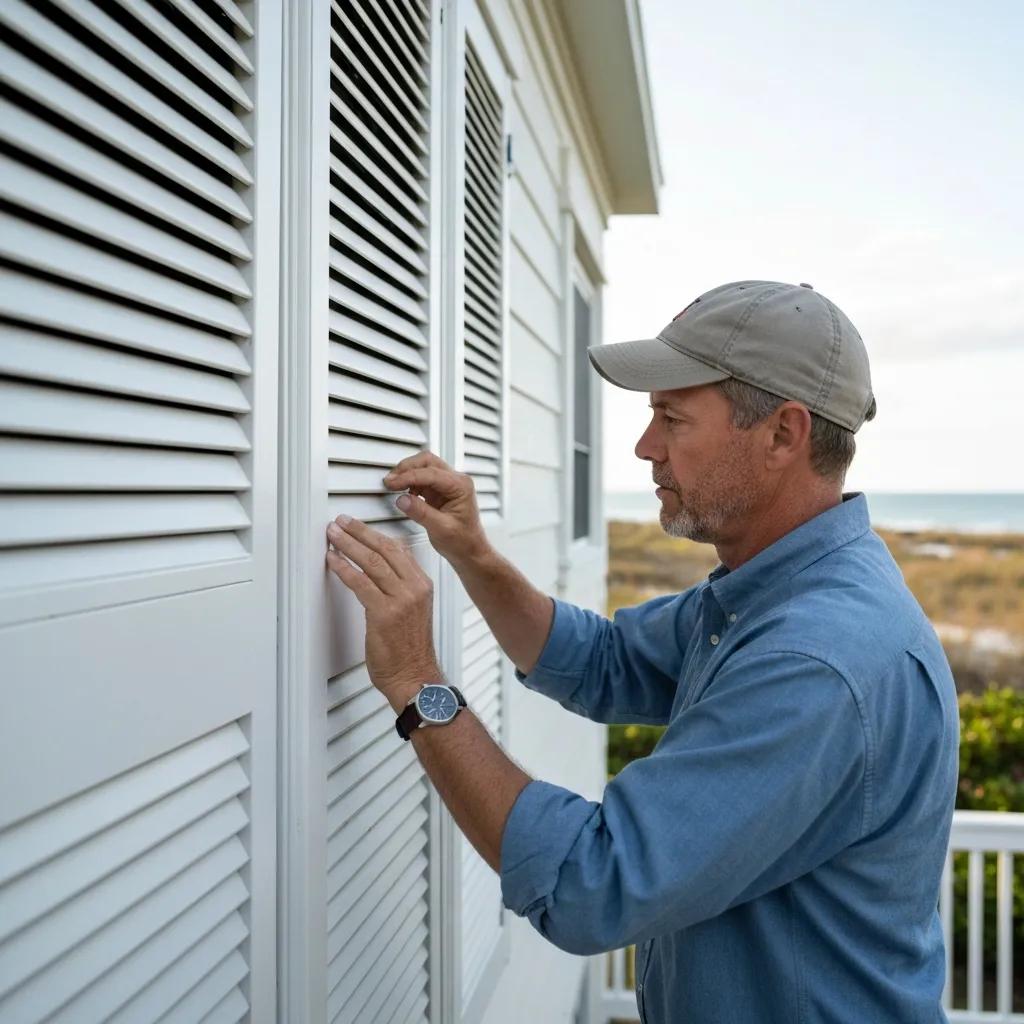
How to Inspect Hurricane Shutters for Damage: A Complete Guide to Spotting Wear and Keeping Your Home Protected
Inspecting your hurricane shutters means looking and testing on purpose — a quick visual sweep plus basic mechanical checks to confirm those systems will do their job when wind and debris arrive. This guide connects common, visible problems (rust, bent slats, stuck motors) to how they affect performance and then gives you step-by-step ways to spot trouble, do safe DIY maintenance, and gather the photos and notes insurers want. If you live on the Carolina coast and worry whether a problem needs a pro, you’ll find a clear inspection checklist, common wear signs, routine maintenance tasks, and simple decision rules for repair versus replacement. We also include Carolina-specific tips for corrosion-prone conditions and sample documentation formats so you can inspect confidently and escalate when necessary.
Why Is Regular Hurricane Shutter Inspection Important?
Regular shutter checks are the proactive way to lower failure risk, keep structural components sound, and protect your insurance and code standing. The idea is straightforward: routine inspections catch early corrosion, loose fasteners, and declining operation before those issues become failures in a storm. That protects people and property, avoids emergency repairs, and preserves resale value. Below are the concrete homeowner benefits that come from doing inspections on a regular schedule.
Regular inspections give homeowners three fast, measurable benefits:
- Ready and reliable protection: Confirm shutters will deploy, latch, and seal so wind-driven debris stays out.
- Lower long-term expense: Small corrosion spots and loose screws are cheap to fix compared with full replacements.
- Stronger insurance and resale records: Dated photos and simple logs support claims and show buyers you maintained the house.
Inspection isn’t optional for coastal homes. The next section walks through practical pre-storm and post-storm tasks to get those benefits.
If you prefer expert backup after you inspect, local providers like American Hurricane Shutters serve coastal North and South Carolina and offer free estimates. Their regional experience in Wilmington, Myrtle Beach, Oak Island, Topsail, New Bern, and Pawleys Island helps translate what you find into safe, code-aware repairs. Mentioning a professional here is meant to support homeowners who find concerning defects—not to replace basic homeowner checks.
What Are the Benefits of Inspecting Shutters Before and After Storms?
Pre-storm inspections reduce the chance of deployment problems; post-storm checks confirm there’s no hidden damage that would leave you exposed next time. Before a storm you’ll catch friction, missing fasteners, and weak seals that can jam or let pressure through. After a storm you’ll look for impact dents, shifted anchors, and failed seals that invite water or further weakening. Early detection lets you repair or temporarily reinforce parts before the next event, lowering the odds of catastrophic failure.
Do a full pre-season check once each hurricane season and follow up after any notable weather event. That keeps shutters functional and builds a documented history for insurance and maintenance planning. Next, we’ll explain how that documentation helps with claims and value preservation.
How Does Inspection Help Maintain Insurance Compliance and Property Value?
Keeping dated inspection records creates a clear maintenance timeline insurers and appraisers respect. When you document visual condition, operational tests, and repairs, you show proactive mitigation — evidence that can influence claim outcomes and buyer confidence. The mechanism is traceability: time-stamped photos and brief logs tie observed defects to the corrective steps you took, proving the system wasn’t neglected. Clear records also make budgeting easier; knowing a shutter’s condition helps you plan for replacement before it becomes urgent.
Record-keeping doesn’t need to be complicated: keep dated photos, short notes about tests you ran, and invoices for professional work. These simple items are the backbone of the documentation checklist later in this guide and lead straight into the inspection steps that follow.
What Is the Hurricane Shutter Inspection Checklist?

A useful inspection checklist is an ordered set of visual and functional checks that cover parts, operation, seals, and fasteners so you can quickly assess severity and choose next steps. A standardized checklist helps you compare condition from season to season and spot gradual problems like rust growth or motor slowdown. The most important outcome is a prioritized action list: immediate fixes, scheduled maintenance, or calling a pro. Use the step-by-step checklist below during pre-season and post-storm inspections to capture the key issues.
Follow this ordered checklist during each inspection:
- Inspect visible surfaces: Scan slats, frames, and panels for cracks, corrosion, dents, and paint failure.
- Check tracks and rollers: Make sure channels are clear, rollers run freely, and no tracks are bent or causing binding.
- Test operation: Manually cycle accordion or colonial shutters and run a full open/close cycle on motorized systems.
- Examine fasteners and anchors: Verify screws, bolts, and brackets are tight and show no elongation or severe rust.
- Assess seals and weather stripping: Confirm seals are continuous and not hardened, cracked, or missing.
- Document findings: Photograph problems with wide and close shots, note dates, and list shutter type and location.
This checklist ties directly to the EAV table below, which maps specific parts to observable issues and recommended actions so you can turn inspection notes into clear next steps.
Introductory table mapping parts to actions:
This EAV table helps you prioritize. If you find bent frames, heavy corrosion, or motor failure, consider a professional inspection or a free estimate from a local specialist to confirm safety and code compliance. American Hurricane Shutters offers inspection, maintenance, and repair across coastal North and South Carolina and can provide documented assessments if you need help interpreting your checklist findings. Use a pro when temporary fixes might hide structural or anchor problems or when you need insurance-quality documentation.
How Do You Visually Inspect for Cracks, Rust, and Warping?
Visual checks focus on slats, tracks, hinges, and mounting brackets to find early failure signs. Start with a wide-angle photo for context, then take close-ups of suspect spots showing pitting, flaking paint, or hairline cracks. Note the material (aluminum, polycarbonate, steel) since each corrodes differently. Rate severity as minor (surface rust or small paint chips), moderate (pitting, shallow dents, small cracks), or severe (through-cracks, flaking metal, warping that stops proper sealing). For minor corrosion, cleaning and corrosion inhibitors can help; structural deformation generally requires a professional assessment.
Good before-and-after documentation helps decide whether DIY maintenance is enough or whether you should escalate. The next section explains safe ways to test hardware and operation.
How Should You Test Hardware and Operational Functionality?
Testing verifies that locks, hinges, motors, and rollers still operate within expected tolerances and that the shutter will deploy reliably under load. For manual systems, run several full open/close cycles while a helper watches alignment and listens for unusual sounds. For motorized systems, run full cycles and note any lag, burning smells, or repeated stalls. Check locks and fasteners by hand — locks should engage smoothly and brackets should not have excessive play. Stop testing immediately if parts overheat or bind tightly. Try basic troubleshooting first: clean tracks, apply silicone-based lubricant, and retest. If mechanical or electrical issues persist, call a professional.
Safe testing minimizes risk to you and the shutters. If you see progressive failures like repeated motor stalls or frame misalignment, that’s strong evidence to escalate to professional services as described in the repair section.
What Are the Common Signs of Hurricane Shutter Wear and Damage?
Typical signs of wear include corrosion, physical deformation, sticking or jamming, and failed seals — all of which reduce protective performance. Coastal salt air, debris impacts, and normal wear of moving parts create a progression from cosmetic issues to structural failure if left unaddressed. Catching each sign early lets you target the right fix — cleaning and lubrication for sticking parts, surface treatment for early rust, and professional realignment or replacement for structural damage. The following short lists make quick scanning easier during an inspection.
Quick list of common wear indicators:
- Rust and pitting that can progress to flaking and loss of material thickness.
- Dents, cracks, and bent slats that weaken load resistance and create gaps.
- Sticking or jamming in tracks from debris, corroded rollers, or bent guides.
- Loose or missing fasteners and degraded seals that let in water and reduce strength.
These indicators guide whether a repair is a simple maintenance job or needs a professional. The decision rules are covered later.
How to Recognize Rust, Corrosion, and Metal Deterioration?
Recognize corrosion by changes in texture, color, and structural soundness: aluminum often shows white oxidation or pitting; steel shows orange-brown rust and flaking. Look for early signs — discoloration or tiny pits — and track progression on later inspections. Superficial corrosion can be stabilized with cleaning, neutralizers, and corrosion inhibitors; pitting that pierces thickness or causes flaking means material strength is lost and favors professional repair or replacement. Regular checks on coastal-exposed components speed detection and help prevent compromised anchors or frames from failing in a storm.
Hurricane Damage to Residential Structures: Risk and Mitigation
Whether made of plywood or another material, properly maintained storm shutters are designed to resist corrosive conditions without losing integrity. Studies of Hurricane Andrew showed the highest damage concentration in coastal zones.
Hurricane damage to residential structures: risk and mitigation, 1996
What Are the Signs of Physical Damage Like Cracks, Dents, and Warping?
Impact or stress damage appears as dents, through-cracks, edge splits, and warping that prevents a tight seal or smooth operation. Dents can focus stress and lead to cracks; warping often stops locks from engaging or causes panels to bind in tracks, reducing resistance to wind and debris. Small dents may be cosmetic, but through-cracks, missing sections, or misaligned frames that open gaps require quick escalation because they change load paths and may violate code. After you document structural deformation, decide whether field repair, reinforcement, or full replacement is the safest choice.
Assess damage in the context of material and shutter type to guide repair choices, then move on to the DIY maintenance steps that are safe for homeowners.
How Can You Perform DIY Hurricane Shutter Maintenance to Prevent Damage?
DIY maintenance is about routine cleaning, lubrication, checking fasteners, and small adjustments that slow wear and keep shutters working. Preventive care — removing salt buildup, lubricating moving parts, and tightening hardware — reduces friction, inhibits corrosion, and preserves seals, extending service life. Adopt a seasonal rhythm: one full annual inspection with quick pre-season and post-storm checks. That pattern reduces repair frequency and strengthens your documentation for insurers. The subsections below show cleaning and lubrication best practices and safe ways to tighten hardware, plus when to stop and call a pro.
Keep a short maintenance checklist and calendar so these tasks happen reliably and build a maintenance log you can use for insurance or resale. Below are best practices for different shutter materials and types.
What Are the Best Practices for Cleaning and Lubricating Shutters?

Start cleaning by rinsing salt and dirt with fresh water and a mild detergent, then rinse and dry quickly to limit corrosion. Avoid harsh abrasives or chlorinated cleaners that can strip protective finishes; use non-ionic detergents and soft brushes for tracks and slat joints. For lubrication, use a silicone-based spray on tracks and rollers and a light penetrating lubricant on pivot points — avoid heavy oils that attract salt and grime. Do these tasks annually and after any significant storm exposure; regular care prevents seizing and helps both manual and motorized systems run smoothly.
Proper cleaning and lubrication slow corrosion and wear, making later adjustments and operation checks more reliable. Below is a short homeowner maintenance checklist to use between professional inspections.
Introductory maintenance checklist for homeowner tasks:
- Rinse shutters and frames with fresh water and mild detergent at least once per year and after storms.
- Use silicone-based lubricants on tracks and moving parts to reduce sticking and limit debris buildup.
- Inspect and gently tighten fasteners; note any stripped threads or heavy corrosion for professional follow-up.
Consistent DIY maintenance reduces larger repairs and keeps shutters functional between professional visits.
Mississippi Homeowners Handbook to Prepare for Natural Hazards
Many well-constructed storm shutters came off during storms; however, most shutters that stayed attached performed as intended. The best-performing shutters were properly installed and maintained.
Mississippi Homeowners Handbook To Prepare For Natural Hazards, 2010
How Do You Tighten Loose Hardware and Maintain Operational Smoothness?
To tighten hardware, inspect visible screws, bolts, and mounting brackets for play, then use the correct screwdriver or socket to snug fasteners without over-torquing, which can strip threads or warp frames. Work in a methodical top-to-bottom, side-to-side pattern to keep alignment, and re-test operation after each adjustment by running controlled open/close cycles. If a fastener spins freely or a hole is elongated, stop DIY work and document the issue — anchor replacement usually requires professional tools and through-fastening methods. After making adjustments, record what you did and schedule a follow-up inspection to ensure fixes hold under real conditions.
Knowing when to stop and call a pro protects the system from DIY mistakes and sets up the decision rules in the next section about repair versus replacement.
When Should You Call Professionals for Hurricane Shutter Repair or Replacement?
Call a professional when damage affects structural integrity, motorized systems, anchors, or when repair complexity risks making things worse. Minor surface corrosion and loose fasteners are often DIY-fixable, but bent frames, through-cracks, failed anchors, and chronic motor faults need expert tools and judgment. Professionals also make sure repairs meet local codes — important on the Carolina coast where local rules and model codes affect acceptable fixes. Below are practical criteria to help you decide when to escalate and what to expect from qualified contractors.
When weighing repair versus replacement, consider safety, the shutter’s age, and the repair-to-new cost ratio. The table below is a simple decision aid mapping damage types to severity and recommended action without quoting specific prices.
Decision table for professional escalation:
What Types of Damage Require Expert Repair Services?
Professionals are needed for motorized system faults, structural frame deformation, anchor failures, and advanced corrosion that reduces material thickness or undermines mounting points. Contractors have motor-control diagnostics, can re-bolt anchors into structural framing, and perform frame realignment that restores sealing and load paths — tasks unsafe for most DIYers. They also assess whether repairs restore code compliance, which matters when local building officials or insurers require certified work. Professional repairs typically include restored operation, documented test results, and recommendations about remaining service life or replacement.
Evaluating Potential Hurricane and Erosion Damage to Buildings
Full-scale testing showed connection strength is critical: stronger connections dramatically reduce damage. The tests demonstrated that secure connections between shutters and structure are essential to prevent failure.
Evaluating Potential Hurricane and Erosion Damage to Buildings in Coastal North Carolina, 2001
How to Decide Between Repairing and Replacing Your Shutters?
Use a simple rule of thumb: if repair complexity or cumulative repair cost approaches a significant portion of a new system’s value, replacement is often the smarter long-term choice. Factor in age, expected remaining service life, and whether upgrades (better corrosion-resistant materials or newer motor controls) add value or reduce insurance exposure. If shutters are near the end of their life or show multiple severe defects (anchors, frames, motors), replacement lowers repeat repair risk and restores full rated protection. Ask a qualified contractor to compare repair timelines, residual life, and upgrade benefits so you can make a cost-informed decision.
When you request a professional inspection, ask for itemized, documented estimates and any compliance guarantees. The next section explains how to document damage for insurance and how professional reports fit in.
American Hurricane Shutters provides professional inspections, repairs, and replacements with an emphasis on code-compliant installation and can offer free estimates for homeowners in coastal North and South Carolina. Their services cover common shutter types — Accordion, Rolldown, Colonial, Bahama, Hurricane Screens, Clear and Aluminum Panels, and Flat Polycarbonate panels — and they focus on materials and anchoring appropriate for coastal exposure. Hiring a pro ensures work is documented and performed to suitable standards for your area.
How Do You Document Hurricane Shutter Damage for Insurance Claims?
Documenting shutter damage for insurance means assembling a clear, time-stamped packet: wide-context photos, close-ups of damage, short videos of operational tests, and concise notes describing what you saw and any temporary measures you took. Insurers compare pre-loss and post-loss condition, so clear evidence improves claim credibility. Include serial numbers, shutter type, location on the property, and prior maintenance records. The EAV template below is a practical format to use when assembling a claim. The subsections that follow list the exact photo types to collect and explain how professional inspection reports strengthen your submission.
Use a consistent file-naming convention and keep timestamps so nothing is ambiguous; good documentation speeds claim review and supports repair decisions.
Introductory table for insurance documentation:
What Information and Photos Should You Collect After a Storm?
After a storm, take wide-angle shots that show the shutter in context plus multiple close-ups of each damaged area; include at least one image with a scale or measuring device to document crack or dent size. Photograph serial numbers, labels, and any visible fastener or anchor problems. Capture short video clips of operational tests showing jams, unusual noise, or motor failure and note date/time. Write brief notes describing temporary measures (tarps, zip ties) and any witness observations, and keep everything in a single folder for the insurer. Prompt, organized documentation preserves critical evidence and speeds the claims process.
How Can Professional Inspections Support Your Insurance Claim?
Professional inspections add technical context insurers value: annotated photos, condition ratings, a written scope of work for repairs or replacement, and an estimated cost. Those items complement your photos and logs by explaining damage mechanisms and recommended remedies. Requesting a professional inspection as part of a free estimate gives you both evidence and a practical repair plan to include in your claim. Many insurers treat professional reports as high-value support that reduces disputes and clarifies whether damage was storm-related or due to neglect.
If you need professional documentation, ask the inspector to include clear photos, dated notes, and an itemized scope of work — those deliverables directly support your claim and guide authorized repairs.
- Do pre-storm preparation and seasonal checks to prevent failures and protect insurance credibility.
- Follow the ordered checklist and use the EAV tables to map parts to actions during inspection.
- When in doubt about anchors, motors, or structural deformation, get a professional inspection and a free estimate for documented recommendations.
Frequently Asked Questions
What should I do if I find severe damage during my inspection?
If you find severe damage — bent frames, major corrosion, broken anchors, or motor failure —
