
How to Choose the Right Local Hurricane Shutter Installer: A Practical Guide for Coastal NC & SC Homeowners
Picking the right local hurricane shutter installer means balancing code compliance, proven installation methods, and materials that hold up to coastal conditions — all while protecting your property value. This guide walks homeowners across coastal North Carolina and South Carolina through how to evaluate installers, compare shutter types, estimate costs, and plan long-term maintenance. You’ll learn why local knowledge matters for permits and wind-zone rules, how different shutter systems stack up for protection and convenience, what a professional installation looks like from on-site measurement to final inspection, and how to vet companies for licensing, insurance, and warranties. We also cover cost drivers, financing options, and how to use a cost calculator, plus checklists and quick-reference tables so you can make confident, practical decisions and get permit-ready documentation from a reliable local partner.
Why local expertise matters when choosing a hurricane shutter installer
Installers who work regularly in Coastal NC and SC understand the local weather, permit processes, and materials that resist salt-air corrosion. That experience guides choices about anchors, fasteners, and mounting methods so systems keep performing year after year. A local installer familiar with regional wind zones and the authority having jurisdiction (AHJ) will help avoid permit delays and deliver paperwork inspectors expect. The result: faster permitting, clearer inspection results, and references from nearby projects — all things that protect your time and investment.
How North and South Carolina building codes shape shutter selection
State and local codes define allowable design pressures, required test ratings, and the documentation needed for permits and inspections — and those requirements determine which shutter systems are acceptable for a given opening. Professional installers choose products rated for the applicable design pressures and prepare shop drawings and test reports for the AHJ to review. Expect your installer to provide manufacturer test certificates and installation details showing anchors and spacing. Asking for that paperwork up front prevents surprises and helps you tell the difference between a shutter that offers protection and one that’s formally code-compliant.
What coastal challenges installers should know
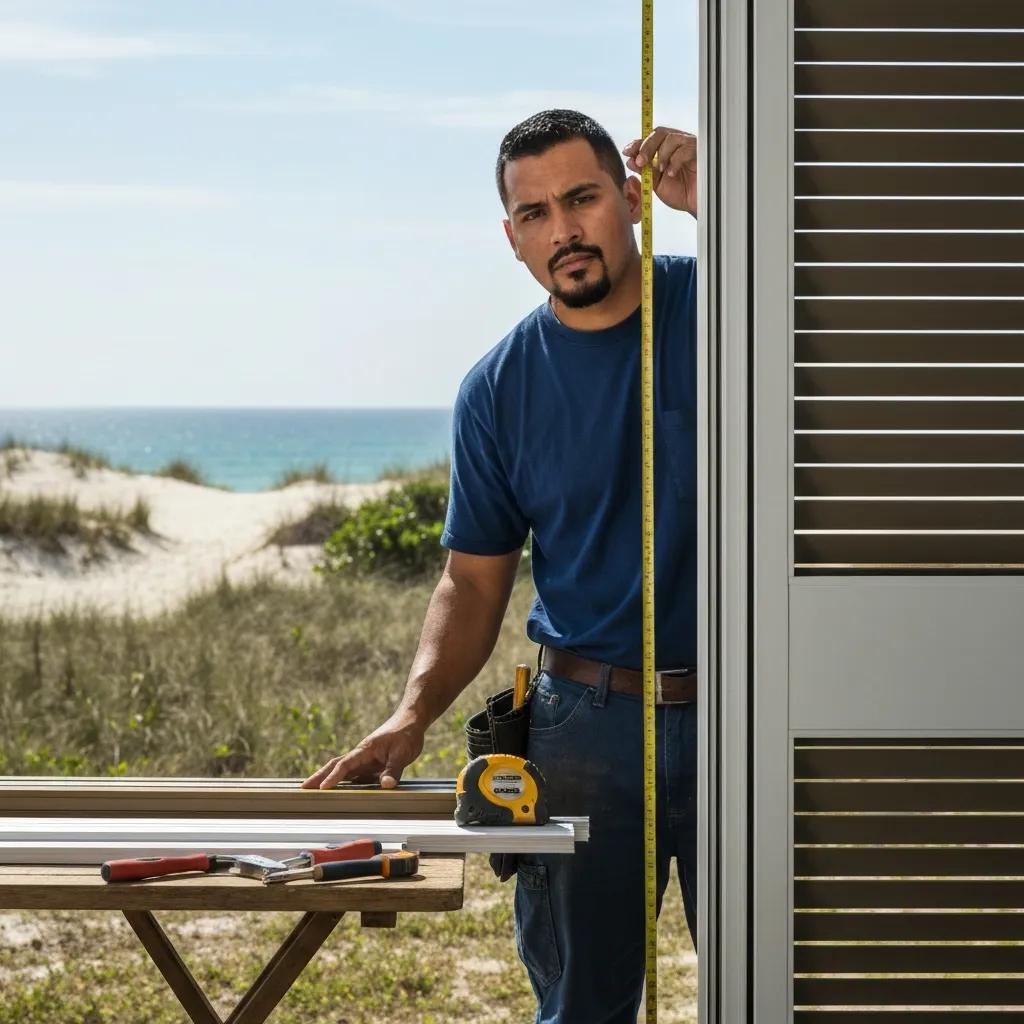
Coastal homes face salt corrosion, high humidity, and exposure to wind-driven debris and surge, so material and fastener choices matter. Experienced coastal installers recommend corrosion-resistant alloys, protective coatings, and isolation details where dissimilar metals meet to avoid galvanic corrosion. Anchoring into mixed or older substrates — brick, concrete, wood framing, or pilings — often needs site-specific solutions to transfer design loads correctly. Regular maintenance and post-storm inspections are also standard recommendations to catch wear or fatigued fasteners early. Knowing these issues helps you prioritize systems and installers who build for seaside durability.
What types of hurricane shutters should you consider for your home?
Match protection level, budget, curb appeal, and ease of use to your openings and lifestyle. Systems differ in how well they resist windborne debris and pressure, and each has trade-offs in appearance and automation. Start by weighing protection rating, installation complexity, and maintenance needs; the sections below compare common types so you can choose what fits your windows, doors, and seasonal use.
Benefits and costs: Accordion, Rolldown, Bahama, and Colonial shutters
Accordion shutters give continuous manual coverage, deploy quickly, and work well in primary living areas — typically mid-range cost with strong protection when anchored properly. Rolldown shutters offer top-tier protection and can be motorized for easy use, making them a good choice for large openings but with higher upfront cost and more complex installation. Bahama and Colonial shutters balance looks and protection: Bahama gives fixed angled shade and quick coverage while Colonial gives a traditional hinged appearance. Both are popular where architectural compatibility matters and they provide moderate protection. Reviewing these options against local product offerings and pricing helps align budget with desired features.
Common use cases by system:
- Accordion Shutters: Quick, manual deployment and continuous coverage for windows and doors.
- Rolldown Shutters: Motorized or manual options delivering maximum protection for large openings.
- Bahama & Colonial Shutters: Architectural styles that provide moderate protection and curb appeal.
Intro to comparison table: Use the table below to compare protection, cost, ease of use, appearance, and installation needs.
Use this breakdown to weigh protection, cost, and appearance for your property.
How hurricane screens and panels compare as affordable protection
Rigid panels and fabric storm screens are often the most budget-friendly short-term options, but they serve different needs. Rigid panels give strong impact resistance but require storage and installation time. Fabric screens are lighter, ventilated, and easier to handle. For vacation homes or rarely used openings, panels are a practical, lower-cost choice despite storage needs. Fabric screens work well for screened porches and patio doors where airflow matters. Across lifetimes, permanent shutters often provide better ROI through ease of use, potential insurance discounts, and lower storm-prep labor.
What does a professional hurricane shutter installation involve?
A professional install follows clear steps — consultation, measurement, permitting, custom fabrication, on-site installation, and final inspection — so shutters perform as intended and satisfy local building authorities. Installers translate design pressures into anchoring plans, produce shop drawings, and handle permits so your installation is documented and code-compliant. Clear timelines and defined homeowner responsibilities reduce surprises and make inspections and insurance documentation straightforward. The sections below break the process down and offer guidance on DIY vs. pro installation.
Typical installation steps from consultation to final inspection
Most professional installs start with an on-site consultation and accurate measurements, then move to shop drawings that spell out anchors, fasteners, and product selections for permitting. After permit approval, components are fabricated or prepared, then delivered for on-site installation where anchors, tracks, or hinge mounts are installed and shutters are fit and tested. The job wraps with a final inspection and handover of documentation — test certificates, installation drawings, and maintenance guidelines — so you and your insurer have the records you need. Expect a final walkthrough that shows operation and care instructions.
Installation checklist:
- Consultation & Measurement: On-site assessment and accurate measurements.
- Permitting & Shop Drawings: Prepare permit-ready documentation.
- Fabrication & Delivery: Manufacture and deliver components to the site.
- On-Site Installation: Install anchors, attach shutters, and test operation.
- Inspection & Documentation: Final inspection and handover of paperwork.
Following this sequence helps ensure a safe, tested, and documented installation for code and insurance purposes.
DIY vs. professional installation: pros and cons
DIY can work for simple panel systems on standard openings where you’re comfortable with storage and repeat installs. But DIY often leaves gaps in warranties and may not meet permit requirements in higher wind zones. Professional installers handle complex systems — motorized rolldown shutters, custom polycarbonate panels, or accordion systems — bring the right anchors and trained crews, and provide the documentation that protects warranties and satisfies permitting. Professionals cost more up front but reduce long-term risk, ensure proper load transfer to the substrate, and offer after-sales support. Choose DIY only for low-risk, low-cost temporary systems; pick a pro when code compliance, warranty coverage, or motorization matter.
How much does hurricane shutter installation cost and what financing options exist?

Price varies by shutter type, number and size of openings, motorization, permitting, and substrate conditions. Motorization, premium materials, and difficult anchoring raise costs; seasonal panels and screens are typically less expensive. Using a cost calculator with accurate measurements, shutter choices, and motorization preferences gives a realistic budget estimate and shows how financing or insurance discounts change your net cost. Below we outline key cost drivers and financing/insurance options to help you plan.
Intro to cost factor table: This table explains the main cost drivers so you know which inputs matter for a reliable estimate.
How to use a cost calculator to estimate your price
For a reliable calculator result, gather precise measurements for each opening, choose the shutter type for each opening, and indicate any motorization. Note the substrate (masonry, wood frame, etc.) and mention expected permit requirements; these inputs adjust labor and material assumptions. Review the calculator’s assumptions about anchoring and whether it includes permitting, fabrication, and final inspection. Then schedule a professional on-site estimate to confirm custom shapes and get a firm quote and permit-ready paperwork. After using the calculator, request a free in-person estimate to verify measurements and receive a permit-ready proposal.
Financing and insurance discounts that lower your out-of-pocket cost
You can lower upfront cost with installer or third-party financing, payment plans, or by qualifying for insurance premium discounts when installations are certified and documented. Insurers commonly offer credits for certified systems when you supply installation certificates and shop drawings. Ask installers about financing partners, the documentation insurers require, and timing installations to maximize premium adjustments. Framing shutters as risk mitigation — avoiding repair or replacement costs — clarifies long-term ROI, especially when financing spreads the initial expense while you gain documented protection.
Financing and discount action items:
- Explore installer or lender payment plans to spread cost.
- Request certification and documentation to submit for insurance discounts.
- Compare net cost after discounts to understand real ROI over time.
These steps help homeowners reduce net cost and justify the investment through long-term savings and reduced storm risk.
How can you vet local hurricane shutter companies for quality and trust?
Vet companies by checking reviews and references, confirming licensing and insurance, and reviewing warranty and after-sales support. A clear checklist helps you request the right documents and judge responsiveness, local references, and how well installers handle permits and inspections. The following sections outline verification steps and explain why warranties and maintenance agreements matter for long-term protection and insurance claims.
Which reviews, licenses, and insurance items should you verify?
Ask for the contractor’s trade license and local registrations, plus a certificate of insurance (COI) showing general liability and workers’ compensation. Call the insurer or licensing board to confirm coverage and status. Review recent customer references and local project examples to confirm consistent quality and documented installations in similar coastal conditions. Look for patterns in reviews — clear communication, on-time completion, and reliable post-installation support — that indicate a trustworthy installer. Verifying these items before signing reduces risk and ensures the installer can provide permit and insurance documentation.
Intro to vetting checklist table: Use the table below as a scannable checklist when evaluating prospective installers.
Why warranties and after-sales support matter for long-term protection
Warranties and local after-sales support give you recourse for defects, motor service, or hardware failure, and they simplify insurance claims after a storm. Manufacturer warranties cover materials; installer warranties cover workmanship — get both in writing and understand durations and exclusions. Local installers who offer maintenance and repair shorten response times after storms and provide practical upkeep advice to extend product life in a coastal environment. When comparing bids, account for warranty scope and local service availability — strong support lowers long-term ownership costs and preserves insurance relationships.
Key warranty considerations:
- Get manufacturer and installer warranty terms in writing.
- Confirm local maintenance and repair availability for fast post-storm service.
- Check warranty transferability to understand resale value impacts.
These checks help keep your protective investment reliable over time.
Why choose American Hurricane Shutters as your trusted local installer?
Homeowners need a partner who understands Coastal NC and SC, offers engineered protection products, and delivers professional installation with permit-ready documentation. American Hurricane Shutters serves coastal towns like Wilmington, Myrtle Beach, Oak Island, Topsail, New Bern, and Pawleys Island and offers Accordion and Rolldown shutters, Bahama and Colonial styles, Hurricane Screens, clear and aluminum panels, and flat polycarbonate (Lexan) panels. As a local resource, we provide free estimates and a cost calculator to build realistic budgets and collect the documentation needed for code-compliant installs and insurance submissions. Those practical services help streamline permitting, verify product ratings, and support long-term maintenance.
What unique value does American Hurricane Shutters bring to Coastal NC & SC homeowners?
We focus on engineered hurricane protection built for coastal conditions, pairing a wide product selection with local service and helpful tools like free estimates and a cost-calculator. Our mix of permanent systems (accordion, rolldown) and seasonal options (panels, screens) lets homeowners match protection to budget and design. For those who value local responsiveness, we list service coverage across Carolina towns and emphasize maintenance and repair as part of ownership. Contacting a local provider for a free estimate confirms site-specific needs and produces the paperwork insurers and permit authorities expect.
How American Hurricane Shutters helps ensure code compliance and quality
A reputable installer supplies code-compliant product documentation, maintains trained installation staff, and provides shop drawings and test reports needed for permitting and inspection. American Hurricane Shutters specifies products that meet or exceed Florida Building Code standards and emphasizes professional installation and local knowledge — but homeowners should verify tests and paperwork. Request the specific documents you’ll receive after installation — manufacturer test reports, shop drawings, and a final installation checklist — so permits and insurance filings go smoothly.
- Request code and test documentation as part of the estimate.
- Confirm installer-provided shop drawings for permit submission.
- Ensure final paperwork is delivered after inspection for insurance records.
Frequently Asked Questions
What should I look for in a hurricane shutter warranty?
Look for both manufacturer and installer coverage. Manufacturers usually cover materials; installers cover workmanship. Get both warranties in writing with clear durations, exclusions, and any maintenance required to keep the warranty valid. Ask whether the warranty transfers with the home — a transferable warranty can add resale value. A clear, robust warranty reduces financial risk after installation.
How can I maintain my hurricane shutters for longevity?
Regular care keeps shutters reliable. Rinse and clean to remove salt and dirt, inspect hardware and fasteners for wear, and lubricate moving parts where recommended. After severe weather, do a thorough check for bent panels, loose anchors, or motor issues. Follow the manufacturer’s maintenance guide and schedule professional inspections as needed to extend service life.
What insurance benefits come with installing hurricane shutters?
Certified hurricane protection can lower homeowners insurance premiums. Insurers typically require installation certificates, test reports, or shop drawings to grant discounts. Talk with your insurance agent before installation to learn what documentation they require and estimate likely savings. Proper paperwork and certified installs are the keys to qualifying for discounts.
How do I prepare my home for installation?
Clear furniture and obstructions from windows and doors so installers can work easily. Gather any HOA approvals or permit paperwork if required. Discuss preferences and any special conditions with your installer during the consultation. Confirm the installation schedule and any homeowner tasks beforehand to keep the job on time.
What factors influence installation cost?
Cost depends on shutter type, number and size of openings, motorization, and substrate conditions. Motorized systems and premium materials raise price. Older or mixed substrates can require more labor for anchoring. Permitting fees and local rules also affect total cost. Get detailed estimates and compare what each quote includes before deciding.
Can I install hurricane shutters myself or should I hire a professional?
DIY can work for basic panel systems on standard openings, but professionals are recommended for complex installs, motorized units, or when code compliance and warranty coverage matter. Professionals ensure correct anchoring, proper load transfer, and the paperwork needed for permits and insurance. If you DIY, be confident in your skills and aware of permit and warranty limitations.
What should I do if shutters are damaged in a storm?
Document damage with photos right away for insurance. Contact your installer or a qualified repair service to assess whether repair or replacement is needed. Review your warranty and insurance policy to determine coverage and file claims promptly. Fast action helps restore protection before the next storm.
Conclusion
Choosing the right local hurricane shutter installer protects your home, meets code requirements, and can reduce storm-related risk and insurance costs. By understanding coastal challenges, comparing shutter types, and vetting local installers for licensing, insurance, and warranty support, you’ll make smarter decisions for your property. Take the next step: request a free estimate from a trusted local installer and get the permit-ready documentation you need to move forward with confidence.
