
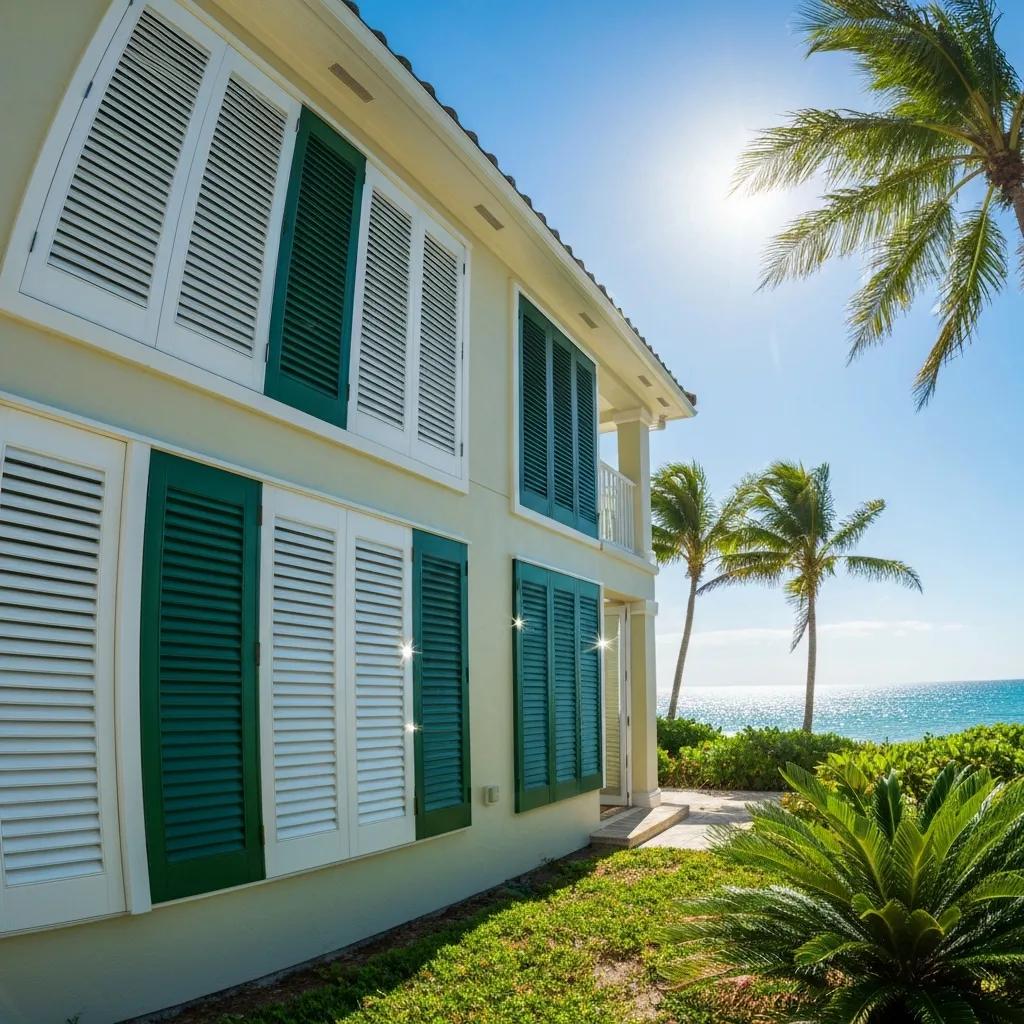
How to Choose the Best Hurricane Shutters for Your Home: Types, Materials, Costs, and Installation
Hurricane shutters are built to protect your windows and doors from high winds and flying debris by forming a continuous, impact-resistant barrier. For homeowners along the Carolina coast, the right choice balances protection, local code requirements, curb appeal, and cost — all while standing up to salt air and regular storms. This guide walks you through how each shutter type works, how different materials hold up in coastal environments, the main cost drivers, permitting considerations in North and South Carolina, and practical installation and maintenance tips that keep shutters working longer. You’ll also find budgeting and insurance documentation advice, hiring checklists for professional installers, and related wind-mitigation options — like impact windows and storm doors — that pair well with shutters.
What Are the Different Types of Hurricane Shutters and Their Benefits?
Shutters come in several styles and deployment methods that trade off permanence, convenience, and looks. Each style covers openings to absorb impacts and reduce wind pressures, but they differ in how they store, how quickly they deploy, and how they affect a home’s appearance. Below is a clear, homeowner-friendly summary of the main shutter types so you can quickly spot which options deserve a deeper look. A comparison table follows to help you weigh protection, ease of use, storage, and common applications.
The primary hurricane shutter types include:
- Accordion Shutters: Fixed panels that fold like an accordion and lock in place for fast, repeatable protection.
- Rolldown Shutters: Track-mounted systems that roll down to cover openings; available manual or motorized for quick deployment.
- Bahama Shutters: Top-hinged, awning-style panels that offer shade and a tropical look while adding moderate protection.
- Colonial Shutters: Side-hinged panels that close like doors, blending classic style with storm protection.
- Hurricane Screens: High-strength fabric or mesh systems for large openings (lanais, patios) that preserve sightlines while stopping debris.
- Storm Panels and Polycarbonate Panels: Removable aluminum or clear polycarbonate panels that provide a cost-conscious, temporary barrier.
In short: permanent systems like accordion and rolldown prioritize speed and continuous protection; panels and screens often prioritize cost, seasonal use, or maintaining views.
Intro to comparison table: Use the table below to compare common shutter types by protection level, ease of use, storage needs, and where they’re most often used.
This snapshot highlights how deployment style, permanence, and visual impact shape the best choice for different windows, doors, and lifestyles. Read on for type-specific details and pros/cons.
What Are Accordion Shutters and When Are They Ideal?
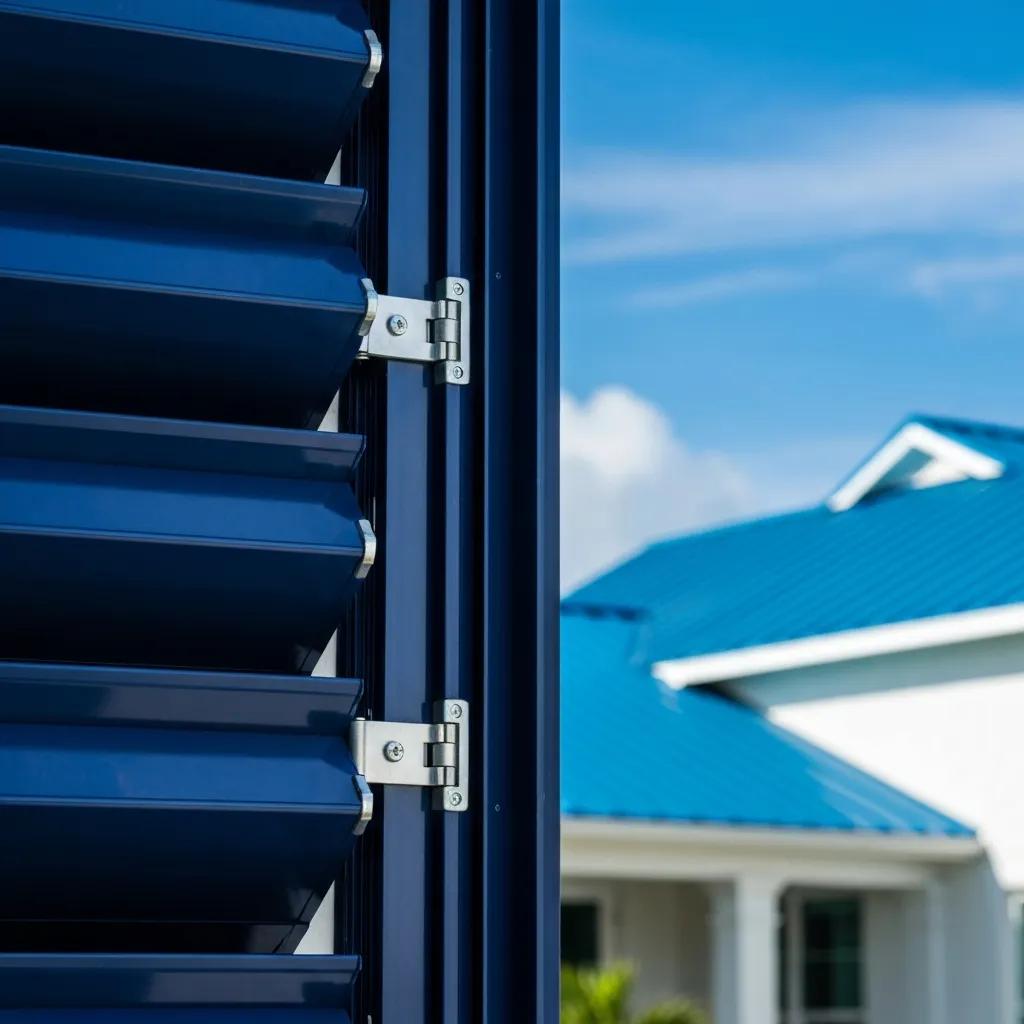
Accordion shutters are permanently mounted panels that fold sideways like an accordion and lock at each end to resist impacts and wind loads. They slide along tracks for quick deployment, which makes them a great option when you want fast, repeatable protection for front-facing windows, doors, or long runs of openings where offsite storage isn’t practical. Maintenance is straightforward: periodic track lubrication and hardware checks keep them operating smoothly and help prevent corrosion in salty coastal air. Because they stay attached year-round and lock securely, accordion shutters also add an extra layer of home security.
How Do Rolldown Shutters Provide Ultimate Protection and Convenience?
Rolldown shutters use interlocking slats that roll into a compact housing above the opening and travel down side tracks to form a solid barrier. They can be operated manually (crank or strap) or motorized with remote control and optional battery backup for use during outages. Rolldown systems are ideal for large openings — think sliding doors and expansive window walls — where removable panels would be heavy or impractical. Typical upkeep includes motor service, track cleaning, and seal checks to preserve weather-tight performance. When engineered and installed correctly, rolldown shutters offer some of the highest wind-load protection available.
What Are Bahama and Colonial Shutters?
Bahama and Colonial shutters combine architectural style with storm protection. Bahama shutters hinge at the top to form an awning that provides shade and airflow while doubling as a protective layer when closed. Colonial shutters hinge at the sides and close flat against the window, fitting classic or historic facades. Both styles work well where curb appeal and shading matter, though they usually provide lower impact resistance than fully enclosed systems like rolldown shutters. In coastal settings, pick corrosion-resistant hardware and materials to keep them performing and looking good.
How Do Hurricane Screens and Storm Panels Compare?
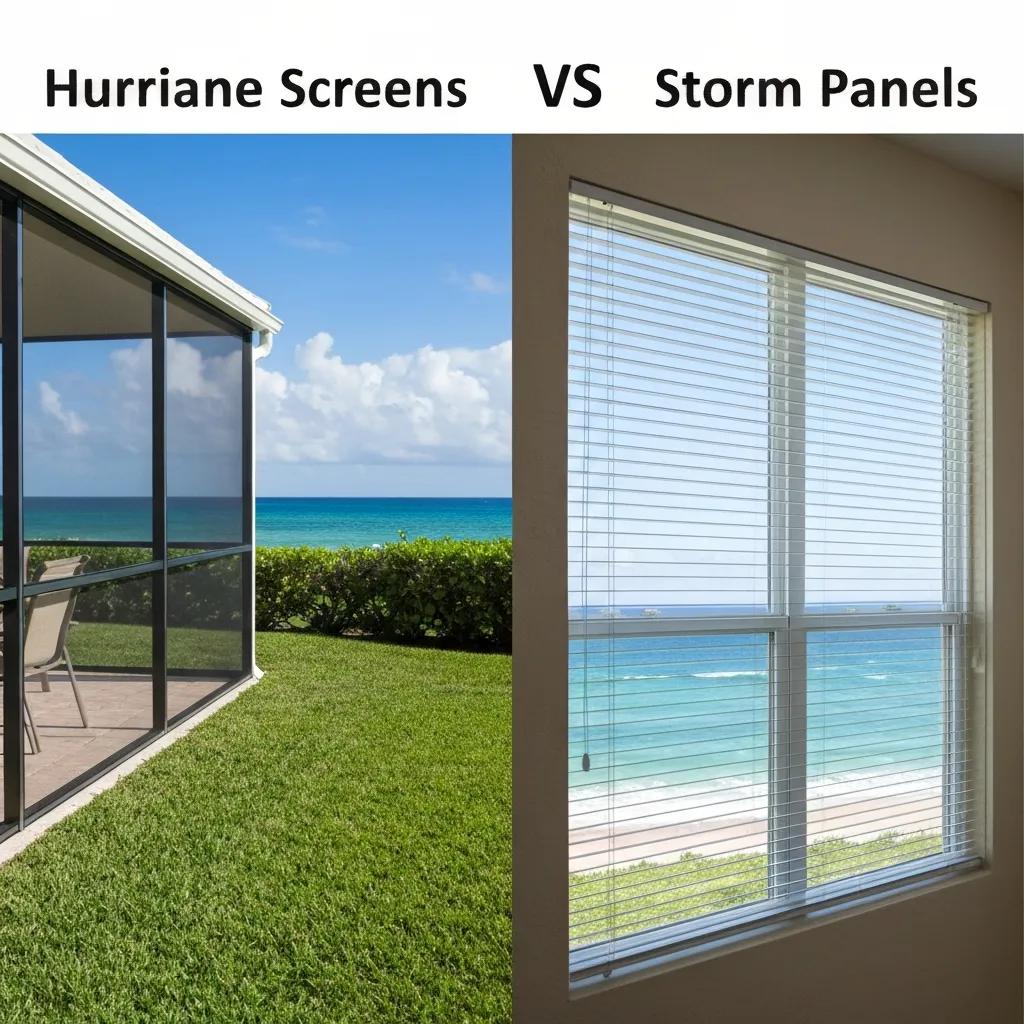
Hurricane screens and storm panels offer flexible solutions for large or irregular openings. Screens use high-strength fabric or mesh on frames to stop debris while preserving sightlines and airflow — a great fit for lanais and outdoor living areas. Storm panels, by contrast, are rigid sheets of aluminum or clear polycarbonate that you install as temporary covers; aluminum is budget-friendly, while polycarbonate keeps light and views. Screens typically retract and require little offsite storage; panels are stored when not in use. Maintenance differs by type: check fabric tension and frame integrity for screens, and inspect fasteners and surfaces for panels. Your choice depends on how much visibility you want, how much storage space you have, and how often you’ll deploy protection.
Hurricane Shutter Performance: Metal Panels vs. Roof Tile Impact
This evaluation looks at how metal panel window protection performs against wind-borne debris like roof tiles, common in hurricane-prone coastal areas. Testing mimics real conditions to confirm that these systems protect the building envelope as intended.
How Do Hurricane Shutter Materials Compare for Durability and Performance?
Your material choice affects corrosion resistance, strength-to-weight, impact behavior, and finish options — all important where salt air accelerates wear. The table below compares common materials across strength, corrosion resistance, weight, and recommended uses so you can match material to your local exposure and performance needs.
Intro to materials table: This homeowner-focused comparison translates technical traits into practical guidance so you can balance durability and budget.
Aluminum and polycarbonate generally handle coastal conditions well thanks to corrosion resistance; steel gives extra strength but needs protective coatings and attention to maintenance. The next section breaks down these trade-offs in practical terms.
Aluminum Corrosion Resistance in Coastal Environments for Building Materials
Aluminum’s performance near the coast depends on its interaction with cementitious materials and exposure to salt air. Industry standards — including AAMA testing for humidity, salt spray, and cyclic corrosion — help ensure materials endure harsh coastal conditions.
What Are the Pros and Cons of Aluminum, Steel, and Polycarbonate Shutters?
Aluminum strikes a useful balance: strong yet lightweight, corrosion-resistant when you choose marine-grade alloys, and easy to finish with anodizing or powder coats. Steel gives top-tier rigidity and impact resistance but is heavier and needs galvanizing or coatings to resist rust — so expect more maintenance in a coastal setting. Polycarbonate (often marketed as Lexan) provides clear impact protection that preserves light and views; UV-stabilized grades resist yellowing and are a good choice where visibility matters. In short: trade weight and finish options against long-term maintenance needs and the setting of your home.
Intro to next subsection: Below is guidance on when fabric screens or clear polycarbonate panels make the most sense.
When Should You Consider Fabric or Clear Polycarbonate Panels?
Choose fabric hurricane screens when you want to keep the outdoor living feel — airflow, views, and visibility — while adding tested debris protection. Screens are lightweight, quick to deploy, and their frames are typically aluminum or stainless steel to resist salt corrosion. Clear polycarbonate panels work well when you want impact protection without losing daylight or ocean views; they absorb energy and remain transparent when UV-stabilized. For both options, specify UV protection and coastal-grade fasteners to maximize lifespan along Carolina shorelines.
What Factors Affect Hurricane Shutter Cost and How Can You Budget Effectively?
Final project price depends on several line items: shutter type, material, number and size of openings, installation complexity, hardware and automation, permits, and optional extras like color matching or integrated security features. Knowing these cost drivers helps you build a realistic budget and compare quotes on an apples-to-apples basis. Below we list the main cost factors, then show an example-style table that clarifies how each item typically affects price and what that might look like in practice.
The main cost factors are:
- Shutter Type: Permanent systems (rolldown, accordion) usually cost more than removable panels or fabric screens.
- Material Choice: Aluminum and polycarbonate tend to be mid-range; steel and motorized systems increase cost.
- Size and Quantity of Openings: More and larger openings raise material and labor totals.
- Installation Complexity: Structural reinforcements, tight access, or custom openings add labor and time.
- Automation & Extras: Motorization, remotes, and battery backups add hardware and electrical work.
- Permits & Inspections: Local permit fees and wind-mitigation documentation affect cost and timeline.
Use this simple budgeting formula as a starting point: Base Material Cost + Labor/Installation + Permits/Hardware + Extras (automation, color, reinforcements) = Estimated Project Cost. The table below gives examples of how each factor typically influences price.
Budgeting summary: Start with a room-by-room takeoff of openings, choose your material and shutter type, then add installation, permits, and a 10–15% contingency for unexpected structural work. Getting multiple quotes and using a cost calculator or free estimate will help confirm your assumptions before you commit.
If you want a concrete budget estimate, American Hurricane Shutters (AHS) offers customer tools like a cost calculator and free estimates that convert the budgeting formula above into a homeowner-specific quote. These resources translate opening counts, shutter type, and material choices into a realistic projection and can speed financing conversations. Use them to refine your budget and prepare permit and insurance paperwork.
Get a free estimate or run the cost calculator from American Hurricane Shutters (AHS) to receive a tailored budget estimate and product guidance for coastal North Carolina and South Carolina homes.
How Do Local Building Codes and Regulations Impact Your Hurricane Shutter Choice?
Local and state building codes set which shutter systems, fasteners, and attachment methods are acceptable, and they define the documentation needed for permits and insurance credits. Because county and city requirements can vary — even within the same coastal region — it’s important to confirm local permit processes early. The advice below explains what to prepare for permit submissions and why talking with local plan reviewers up front saves time and money.
Before you install, gather opening dimensions, framing details, and product certification documents that show compliance with applicable codes. Submitting these materials with your permit application usually speeds approvals. Keep manufacturer test reports and installation records on file for inspections and for insurance wind-mitigation credits. Understanding the inspector’s expectations ahead of time reduces the risk of noncompliance that could complicate insurance claims after a storm.
Coastal Residential Buildings Under Hurricane Conditions: Material Performance and Lessons Learned
Coastal homes face unique hurricane challenges like wind-driven rain and debris impact. Research reviews material and construction performance, noting common issues such as water penetration and corrosion — and highlights the need for robust protection systems.
What Are the Key North Carolina Hurricane Shutter Codes to Know?
North Carolina homeowners should contact their local building department to confirm state-adopted codes and any county or city amendments for coastal construction and wind loads. Important items include whether the product has recognized approvals, whether engineered attachments are required, and if the jurisdiction needs product-specific installation details with the permit. Providing product test reports and specifying coastal-grade fasteners helps demonstrate compliance. Early conversations with plan reviewers and your installer reduce delays and help ensure installations meet both code and insurance documentation needs.
How Do South Carolina Regulations Affect Shutter Selection and Installation?
South Carolina follows state-adopted codes with local variations that can influence acceptable shutter choices and installation methods. Homeowners should check their county or municipal submittal checklist to learn what’s needed for wind-mitigation credits. Inspectors typically want proof that shutters meet impact and wind-load standards and that anchors and fasteners are suitable for coastal exposure. Including installation plans, product certificates, and expected fastener types with your permit package speeds approvals and clarifies whether engineered attachments or third-party inspections are required. Coordinating with installers and building officials up front avoids rework.
What Are the Best Practices for Hurricane Shutter Installation and Maintenance?
Best practices focus on three priorities: engineered attachments that resist design pressures, corrosion-resistant fasteners and materials for coastal longevity, and routine inspections to keep systems ready. Proper installation ties the shutter securely to the structure so wind loads transfer correctly, while regular maintenance keeps moving parts, seals, and motors functioning year after year. The sections below explain when to hire a pro and include a seasonal maintenance checklist plus per-type care tips to help protect your investment.
Hiring a professional installer usually ensures shutters are attached with the correct fasteners, anchors, and patterns to meet code and warranty requirements. Pros can provide a documented Design Pressure Analysis showing the shutter resists expected wind loads, handle permit submittals, and work with inspectors. They also offer trained service for motorized drives — reducing long-term risk. For complex openings, structural reinforcements, or when warranties require certified installation, we strongly recommend using an experienced installer.
American Hurricane Shutters (AHS) emphasizes engineered protection practices such as performing a Design Pressure Analysis and using 18-8 stainless steel for critical installation points to resist coastal corrosion. These practices support long-term performance and code compliance when professional teams handle the work.
When Should You Choose Professional Installation Over DIY?
Choose professional installation when openings are large or load-bearing, when you’re adding motorized or integrated automation, when permits require engineered attachments, or when warranty coverage depends on certified installer work. Professionals bring code-based fastener specs, proven attachment patterns, and the documentation inspectors and insurers expect. DIY can work for small, straightforward panel installs if you have construction experience and understand anchoring needs, but for coastal homes the safety, compliance, and warranty benefits of hiring a pro usually outweigh the short-term savings.
How Do You Maintain Different Types of Hurricane Shutters for Longevity?
Seasonal care keeps shutters ready: inspect anchors and fasteners for corrosion, lubricate tracks and hardware, operate moving parts to prevent sticking, and check seals after storms. For motorized rolldown systems, schedule motor and battery-backup checks and protect electrical parts from moisture. For fabric screens, inspect tension systems and follow manufacturer cleaning guidance to avoid premature wear. Clean aluminum and polycarbonate gently to remove salt residue; inspect steel for coating damage and touch up paint to stop rust.
Maintenance checklist (practical list): The following tasks cover the key seasonal steps homeowners should do themselves or have a pro perform.
- Inspect visible fasteners and anchors for corrosion or loosening; tighten or replace as needed.
- Lubricate tracks, hinges, and locking mechanisms with manufacturer-recommended lubricants.
- Operate each shutter fully to spot binding, unusual noises, or motor problems and address issues promptly.
- Clean panels and frames to remove salt deposits; touch up finishes where coatings show wear.
- Check battery backups on motorized systems and schedule professional motor service every few years.
Keeping a written maintenance record supports warranty coverage and can help secure insurance benefits by proving ongoing care.
How Do Hurricane Shutters Add Value Through Security, Energy Efficiency, and Insurance Savings?
Shutters do more than block storms: they can improve home security, reduce cooling costs, and qualify you for insurance discounts — all of which boost your return on investment. As physical barriers, shutters deter break-ins and protect glass from forced entry. By shading windows and lowering air infiltration, they also cut cooling loads in hot months. When installations meet wind-mitigation criteria and are documented and inspected, many insurers offer premium reductions.
How Do Hurricane Shutters Improve Home Security and Storm Protection?
Properly installed shutters act as a physical barrier against both storm debris and opportunistic intruders. Lockable hardware and impact-resistant materials like steel, aluminum, and polycarbonate reduce glass breakage and the interior damage — such as water intrusion — that often follows. That combination of storm protection and added security delivers real peace of mind. Pairing shutters with impact windows and storm doors forms a layered defense that addresses multiple vulnerabilities around the home.
Can Hurricane Shutters Reduce Energy Costs and Qualify for Insurance Discounts?
Shutters cut solar heat gain by shading windows, which lowers indoor temperatures and reduces air-conditioning use — especially on west- and south-facing facades. This translates into measurable energy savings during peak cooling months. Many insurers also offer discounts for verified wind-mitigation measures when shutters meet performance standards and installations are inspected. To capture those savings, document product certifications, installation records, and inspection reports that demonstrate compliance with local wind-load rules. That paperwork not only helps with premiums but also supports claims if damage occurs.
If you’d like help turning these decisions into an installed protection plan, American Hurricane Shutters (AHS) serves coastal North Carolina and South Carolina homeowners with a full portfolio: accordion, rolldown, Bahama and Colonial shutters, hurricane screens, and clear or aluminum panels. We focus on engineered hurricane protection, perform Design Pressure Analyses, and use 18-8 stainless steel in critical installation points to resist coastal corrosion. For personalized guidance, request a free estimate or run the cos
