

How to Choose Local Accordion Shutter Installers: Expert Guide for Coastal Carolina Homeowners
Accordion shutters are a permanent, exterior storm‑protection system made of interlocking panels that fold back when not in use and lock into a head rail to protect openings during hurricanes and tropical storms. This guide walks you through how accordion shutters work, why they’re a strong fit for homes along the North and South Carolina coast, and how to evaluate local installers so you get a code‑compliant, durable installation. Coastal homeowners face expensive damage risk and confusing product and contractor choices; this article lays out clear criteria, practical checklists, cost guidance, and a step‑by‑step installation overview to reduce uncertainty. You’ll learn which features to prioritize, how to verify licensing and insurance, which cost items typically affect bids, and which documents to request so your contractor meets local building‑code expectations. Sections cover product features and compliance, installer vetting and reputation, cost drivers and budgeting tools, the typical installation workflow, a contractor interview checklist, and a local installer example. Throughout, we include regional considerations and hands‑on steps you can use to compare quotes and collect the right paperwork before hiring.
What Are Accordion Shutters and Why Are They Ideal for Carolina Homes?
Accordion shutters are permanent exterior panels that fold open for everyday use and deploy quickly to shield windows and doors, giving coastal homes reliable storm protection. They operate on a head rail with locking hardware and slide along a track system so, when secured, they resist impact and wind loads. Homeowners benefit from fast deployment, continuous coverage for large or irregular openings like sliding glass doors, and no off‚Äësite storage since the shutters stay attached year‚Äëround. On the Carolina coast, where weather can change fast and storm watches come with little notice, accordion shutters offer a convenient, rated solution that reduces the risk of missed installation windows before a storm.
What Features Make Accordion Shutters the Best Hurricane Protection?

Accordion shutters protect your home through rugged materials, secure locking hardware, and continuous mounting that stands up to high wind pressures and flying debris. Key parts include the head rail, folding panels, track system, and locking hardware — each plays a role in the system’s tested performance. Aluminum panels with corrosion‑resistant finishes are common for coastal installations, offering strength against impacts and longer life in salt air. Practically, these features mean quick deployment when a storm approaches, reliable coverage for large openings such as sliding doors, and a permanent system that removes storage and setup mistakes when time is tight.
Before we move into code compliance, match these features to homeowner outcomes so you’ll know which documents to request when comparing installer claims.
How Do Accordion Shutters Comply with Local Building Codes in NC and SC?
Accordion shutters will meet North and South Carolina code requirements when installed with rated components and when permit and inspection procedures for your jurisdiction are followed. Compliance usually requires manufacturers’ test reports, an anchor schedule sized to your structure, and permits filed with the local building department; a reputable installer should provide documentation that shows the shutter model’s test standards. Some jurisdictions reference Florida Building Code or Miami‑Dade test standards as benchmarks — verify which standard applies in your area and request the matching product test reports. Asking for explicit documentation — ratings, anchor spacing, and permit records — helps ensure your installation will pass inspection and may support insurance considerations.
Knowing which paperwork to request naturally leads to choosing a trustworthy local installer who can supply that documentation and follow local procedures.
What Key Factors Should You Consider When Choosing a Local Accordion Shutter Installer?
Choose an installer with proven experience on accordion systems, clear licenses and insurance, a solid local reputation, and explicit warranty and maintenance policies. Experience with rated products matters because contractors familiar with anchor schedules and manufacturer instructions reduce the chance of failed inspections or poor performance. Proof of insurance (general liability, workers’ compensation) and participation in local trade groups are good signals of professionalism and the likelihood of reliable follow‑up service. Evaluating installers on these points helps you compare bids on more than price, focusing on long‑term protection and code compliance.
How Important Are Experience, Licensing, and Insurance for Installers?
Experience shows an installer has solved real‑world challenges — odd openings, structural quirks, and permitting issues — that affect compliant accordion shutter installations. Licensing verifies the contractor meets local or state requirements, and insurance protects you from liability or construction‑related damages; ask for certificates showing general liability and workers’ compensation coverage. A strong profile may include an umbrella policy — request policy types and limits so coverage matches your project’s scale. Get certificate numbers and insurer names so you can verify coverage directly with the carrier.
Those credential checks lead naturally to evaluating local reputation and references to see how the installer performs after the sale.
Why Does Local Expertise and Reputation Matter for Accordion Shutter Installation?
Local expertise matters because contractors who work regularly on the coast understand weather patterns, local code interpretations, and permitting timelines — all of which speed approvals and ensure materials are right for salt‑air exposure. Reputation signals such as recent project photos, detailed references, and membership in regional associations provide evidence of consistent workmanship and responsiveness. Ask for nearby case studies or references; proximity often improves response time during storm season and simplifies warranty service. Verifying local affiliations and project history helps you separate sellers from installers who reliably deliver compliant, long‑lasting work.
Once you’ve assessed reputation, you’ll want a clear picture of costs and how to budget for the protection you need.
How Much Do Accordion Shutter Installations Cost and What Influences Pricing?
Price depends mainly on material selection, opening sizes and complexity, labor and permit fees, and optional upgrades like motorization or specialty finishes. Material choice affects the per‚Äësquare‚Äëfoot cost and long‚Äëterm corrosion resistance; labor increases for custom openings or structural reinforcement; permits and inspections add fees that vary by municipality. Use free estimates and online cost calculators to translate your measurements into realistic budgets and to spot unusually low or high quotes.
What Are the Main Cost Components of Accordion Shutter Installation?
Typical cost items include materials (aluminum panels, finishes), labor (measuring, mounting, fastening to manufacturer specs), permit and inspection fees, and optional upgrades such as motorization or powder‚Äëcoating. Labor grows with large sliding doors or irregular openings that require custom panels or extra framing, and permits or engineering for big openings can add to both cost and timeline. Ensure estimates list permits and inspections so you can compare quotes on an apples‚Äëto‚Äëapples basis. Below is a compact table comparing common components and budgeting notes.
How Can Free Estimates and Cost Calculators Help You Budget?
Free estimates and online calculators turn measured openings and selected options into comparable quotes so you can spot underbids or inflated pricing between bidders. Get at least three independent estimates to compare unit pricing, labor assumptions, included permits, and warranty coverage; calculators are a good sanity check for outliers. Save estimate snapshots and calculator outputs for insurance or financing conversations and to reference during negotiations. Used well, these tools narrow your expected price range and help you pick an installer who fits both your budget and compliance needs.
As a practical budgeting resource, some local installers also offer free estimates and online calculators homeowners can use to start comparing options.
What Is the Typical Accordion Shutter Installation Process with Local Contractors?
A standard installation starts with a consultation and measurements, moves through permit acquisition and material ordering, continues with on‑site installation and anchoring, and finishes with inspection, a homeowner walkthrough, and warranty paperwork. Each phase includes quality checkpoints — measurement accuracy, correct anchor selection, and final testing — that determine long‑term performance and code compliance. Expect clear timelines, notification when permits are filed, and a final demonstration of operation plus documentation of the installed model’s test reports. Knowing the common sequence helps you prepare your property, schedule around the work, and ensure inspections are completed.
What Steps Are Involved from Consultation to Final Installation?
The installer will typically visit your home to measure openings and note structural conditions, then deliver a written estimate listing materials, labor, permits, and the project timeline. After you accept the quote, the installer pulls required permits, orders materials to match rated product specs, and schedules the installation — advising you on staging (clearing furniture and providing access). On installation day, trained crews mount the head rail, set anchors per manufacturer instructions, install folding panels and locking hardware, and finish with sealants or trim as needed. The crew then runs operational tests, documents the installation with photos, and hands off warranty and maintenance instructions.
Following these steps, professional installers use quality‚Äëcontrol measures to help ensure the system meets its rated performance in coastal conditions.
How Do Professional Installers Ensure Quality and Code Compliance?
Professional installers follow manufacturer anchor schedules, use rated fasteners and corrosion‑resistant materials, and adhere to local code and test‑report requirements. Quality control can include measurement logs, documented anchor spacing, torque or fastener checks, and a final operational test to confirm panels lock and seal properly. Installers should provide a packet of documentation — permit closure, manufacturer test reports, and a signed installation checklist — that supports inspection and future insurance conversations. Scheduled follow‑up for maintenance and warranty claims completes the quality loop and helps keep the system effective year after year.
The next section gives a practical interview checklist you can use when evaluating contractors.
What Questions Should You Ask Potential Accordion Shutter Installers Before Hiring?
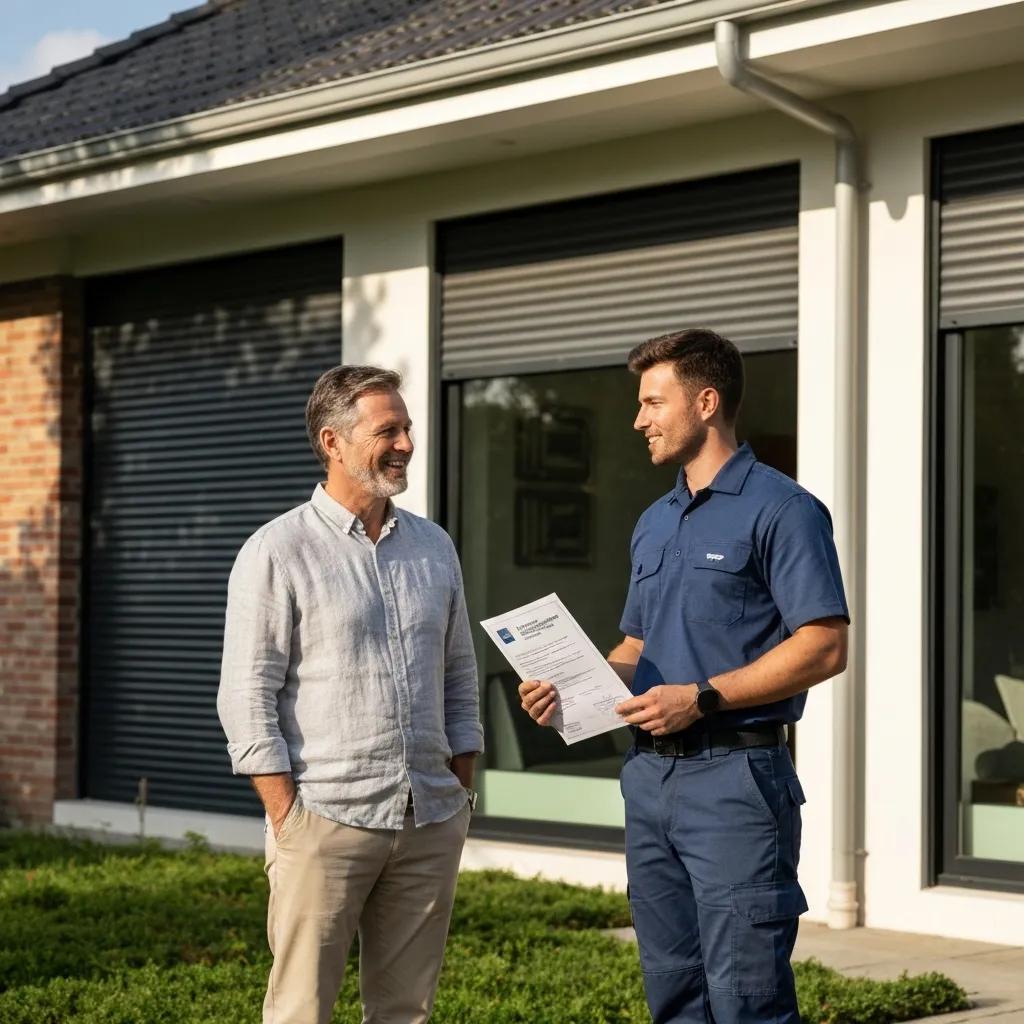
A short, focused question set helps you compare contractors on experience, insurance, code compliance, warranty, and post‑installation support so you can identify reliable providers. Ask for proof of insurance, recent project photos with local references, specific product experience (including models and test standards), and written details on warranty coverage and maintenance plans. Pay attention to how the installer explains permit and inspection responsibilities — clear answers usually indicate procedural competence. The checklist below converts those evaluation points into direct questions and the documentation you should expect.
Which Warranty and Maintenance Services Should You Expect?
Expect manufacturer warranties for shutter materials and a separate installer warranty for workmanship, each with clear durations and coverage details. Manufacturer warranties usually cover material defects; installer warranties cover correct installation and workmanship — ask for written terms that distinguish the two. For coastal locations, maintenance commonly includes periodic hardware checks, lubrication of moving parts, and anchor inspections for corrosion — document the recommended schedule and who is responsible for routine service. Obtaining clear warranty certificates and a maintenance plan helps preserve performance and supports any insurance claims after storm events.
Research shows many coastal homeowners aren’t taking sufficient steps to reduce structural vulnerabilities, despite growing hurricane and climate risks.
Coastal Homeowners and Climate Change: Mitigating Hurricane Risks in North Carolina
As the climate changes, homeowners along the coast play a key role in lowering property and life‑safety risks from rising seas and stronger storms. In the absence of broad retrofit mandates or major insurance shifts, coastal resilience will depend heavily on private decisions. Yet research on how many homes are vulnerable and which mitigation steps owners take is limited. This study — a pilot survey of 662 respondents in New Hanover County, North Carolina — found that, on average, homes lacked adequate structural protections and many owners were not planning further action. The findings suggest cost alone does not explain inaction, pointing to other barriers that future work should address to encourage effective mitigation.
How Can Customer Reviews and Testimonials Guide Your Decision?
Reviews are most helpful when they include recent dates, specific project details, and photos that confirm workmanship and long‑term performance in similar local conditions. Look for patterns — consistent praise for responsiveness or recurring issues with scheduling — to surface reliable strengths or weaknesses. Verify testimonials by asking for local references and, when possible, viewing completed installations in your area to confirm quality after exposure to coastal weather. Use a simple rubric — recency, specificity, photographic evidence, and whether the business responds to feedback — to interpret reviews more reliably than star ratings alone.
To help you evaluate installers efficiently, the table below lists key interview items with the documentation you should request.
Why Choose American Hurricane Shutters as Your Trusted Local Installer in the Carolinas?
American Hurricane Shutters is a family‑owned, disabled‑owned local company specializing in engineered hurricane protection across coastal North and South Carolina, committed to homeowner safety and code compliance. We install Bertha HV™ Accordion Shutters from ASSA Shutters, offer free estimates and an online cost calculator to help you plan, and carry industry‑standard insurance including general liability, workers’ compensation, and a $2,000,000 umbrella policy. As a member of the Wilmington‑Cape Fear HBA, we’re active in the region and list service areas across the Carolina coast. Request a free estimate to get a project‑specific quote and the documentation you’ll need for permitting and insurance.
What Unique Benefits Does a Family-Owned, Disabled-Owned Business Offer?
A family‚Äëowned, disabled‚Äëowned company often delivers community‚Äëcentered service and responsiveness rooted in long‚Äëterm relationships rather than one‚Äëtime transactions. That local connection tends to mean more personalized project management, clearer channels for follow‚Äëup, and a stronger incentive to protect reputation through prompt warranty service. These firms also often maintain regional trade memberships to stay current with local codes. Ask for references and recent project photos from nearby neighborhoods to confirm this local focus and service level.
Which Carolina Areas Does American Hurricane Shutters Serve?
We list service coverage for Wilmington, Jacksonville, New Bern, Myrtle Beach, Pawleys Island, Oak Island, and Topsail Island; please confirm availability for your exact address when you contact us. Knowing defined service areas helps you estimate pre‚Äëstorm response times and post‚Äëinstallation maintenance availability during busy seasons. When you reach out, confirm that permit pulls and inspections for your jurisdiction are included in the estimate so you avoid unexpected permit delays. Requesting a free estimate from a local provider clarifies scheduling and confirms the installer can handle local permitting and inspection requirements.
Frequently Asked Questions
What Maintenance is Required for Accordion Shutters?
Accordion shutters need routine maintenance to stay reliable. Periodically check hardware for corrosion, lubricate moving parts, and test locking mechanisms. Clean panels as needed to prevent dirt buildup that can hinder operation. Establish a simple maintenance schedule — for example, at the start and end of storm season — and follow the manufacturer’s recommendations for any material‑specific care.
How Do I Prepare My Home for Accordion Shutter Installation?
To prepare for installation, clear the areas around the windows and doors that will receive shutters so crews have easy access. Move furniture or decorations out of the way and remove any debris near working areas. Share any special concerns or access restrictions with your installer before the crew arrives to ensure a smooth, efficient installation day.
Can Accordion Shutters Be Customized for Unique Window Shapes?
Yes — accordion shutters can be customized to fit many nonstandard openings, including arches and large sliding doors. Manufacturers and experienced installers can design panels to match unusual dimensions. Discuss your specific needs with your contractor to confirm the proposed solution meets local codes and provides the protection you expect.
What Should I Do if My Accordion Shutters Are Damaged?
If your shutters are damaged, assess the extent of the problem and contact your installer or a qualified contractor promptly. Minor damage may be repairable; more serious issues could require replacement. If your system is under warranty, review the terms to see what’s covered. Regular inspections help catch issues early and reduce the risk of larger failures.
Are Accordion Shutters Energy Efficient?
Accordion shutters can improve energy efficiency by adding an extra layer between your home and outside temperatures. When closed, they help block heat in summer and reduce heat loss in winter, which can lower energy use. Consider this benefit alongside storm protection when evaluating the overall value of installing shutters.
How Long Does the Installation Process Typically Take?
Most installations take one to two days, depending on the number of openings and the project’s complexity. Custom panels, larger openings, and local permitting can extend the timeline. Your installer should give a more precise schedule during the initial consultation — be sure to share any timing constraints you have.
Conclusion
Choosing the right accordion shutter installer matters for protecting your home from coastal storms and for meeting local building codes. By understanding product features, compliance requirements, and installer qualifications, you can make informed choices that boost safety and preserve property value. Take the next step by requesting a free estimate from a trusted local provider — proactive planning makes a real difference in storm readiness and peace of mind.
