
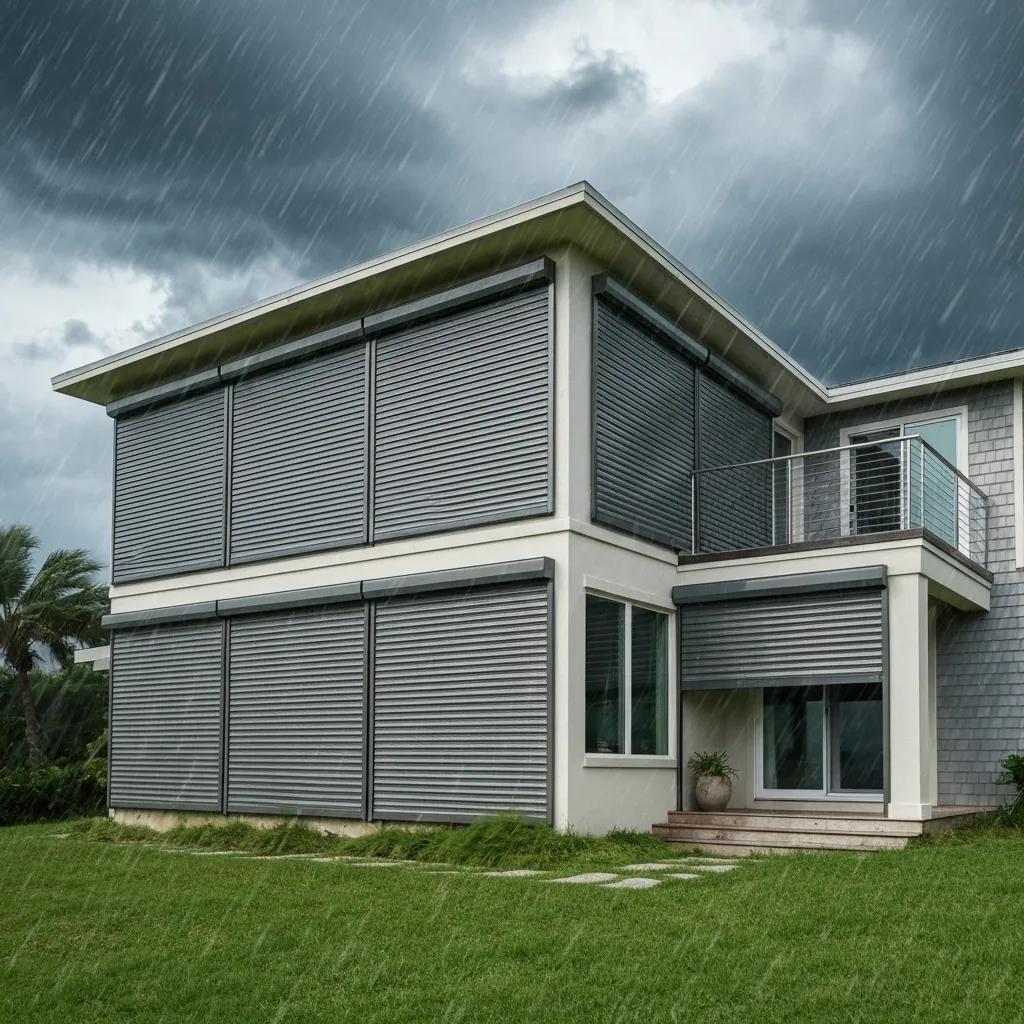
How Hurricane Shutters Protect Your Home: Benefits, Types, Costs, and Practical Solutions
Hurricane shutters are purpose-built storm protection systems that shield windows, doors, and other glazed openings from high winds, flying debris, and water intrusion. They dissipate impact energy, lower wind pressure on glass, and form a barrier that reduces the chance of projectiles entering the home — protecting people and possessions inside. This guide walks through how shutters deliver that protection, compares common shutter styles for coastal properties, breaks down the cost drivers for installation, and offers practical selection and maintenance guidance tailored to coastal North and South Carolina. If you’re weighing safety, insurance effects, or long-term durability, you’ll find clear decision criteria, a step-by-step installation overview, and maintenance schedules to keep systems performing year after year. We also summarize tradeoffs, protection attributes, and financial considerations so you can choose the right solution for your home.
What Are the Key Benefits of Hurricane Shutters for Home Safety?
Hurricane shutters create a solid, engineered barrier that limits wind-driven debris impacts, reduces internal pressurization, and helps prevent water entry when glass fails. They act both as impact-resistant shields and as wind-load mitigation devices, lowering structural stress and cutting the risk of secondary water damage. Installing shutters can also improve financial resilience: many insurers recognize reinforced openings and may offer premium reductions when installations are certified and properly documented. Outside of storms, shutters add everyday security and privacy and can boost curb appeal.
Shutters reduce risk by addressing three common storm failure modes: impact penetration, glazing blowout from uplift, and resulting interior water damage. That is why shutters are a core element of coastal wind-mitigation strategies. Below is a concise list of the primary homeowner benefits to illustrate how different shutter types deliver protection in practice.
Primary homeowner benefits of hurricane shutters:
- Physical protection from wind-borne debris and lower wind pressure on windows and doors.
- Reduced chance of water intrusion and interior damage after glass failure.
- Possible insurance premium savings when systems meet insurer or code standards.
- Added security, privacy, and improved resale appeal from storm-hardening.
These benefits make shutters a foundational safety measure for coastal homes. Understanding how they work helps explain why shutter selection and installation quality matter for lasting resilience.
How Do Hurricane Shutters Protect Against Wind, Debris, and Water Damage?
Shutters absorb and redirect kinetic energy, functioning as external shields that either flex or transfer impact loads into structural anchors and framing so glazing is less likely to fail. When shutters stay secured, they limit air infiltration through openings, lowering internal pressure and reducing uplift forces on roofs and walls — which helps prevent progressive structural damage. Many systems carry wind-load ratings and impact-resistance certifications tested against local design wind speeds and debris-missile standards. That’s why anchoring details, track systems, and material choices are as important as the shutter panels themselves.
Those performance characteristics explain why certain shutter types are selected for large openings while others are chosen for looks. The next section compares shutter families and shows where each design fits into coastal protection plans.
Can Hurricane Shutters Lower Your Insurance Premiums and Increase Property Value?
Yes—properly certified and documented hurricane shutters can help reduce insurance premiums because they lower the likelihood of major claims tied to glazing failure and subsequent water damage. Insurers typically require proof such as product certifications, installation records, and evidence the system meets local code or Miami‑Dade/ASTM-equivalent standards to qualify for discounts. On the resale side, storm-hardened homes often appeal to buyers who value reduced risk, which can improve marketability and sometimes boost sale price in storm-prone areas.
To capture insurance or resale benefits, keep installation certificates, product test data, and maintenance records. These documents make claims and disclosures easier and strengthen your case for discounts and buyer confidence.
What Types of Hurricane Shutters Are Best for Coastal Homes?
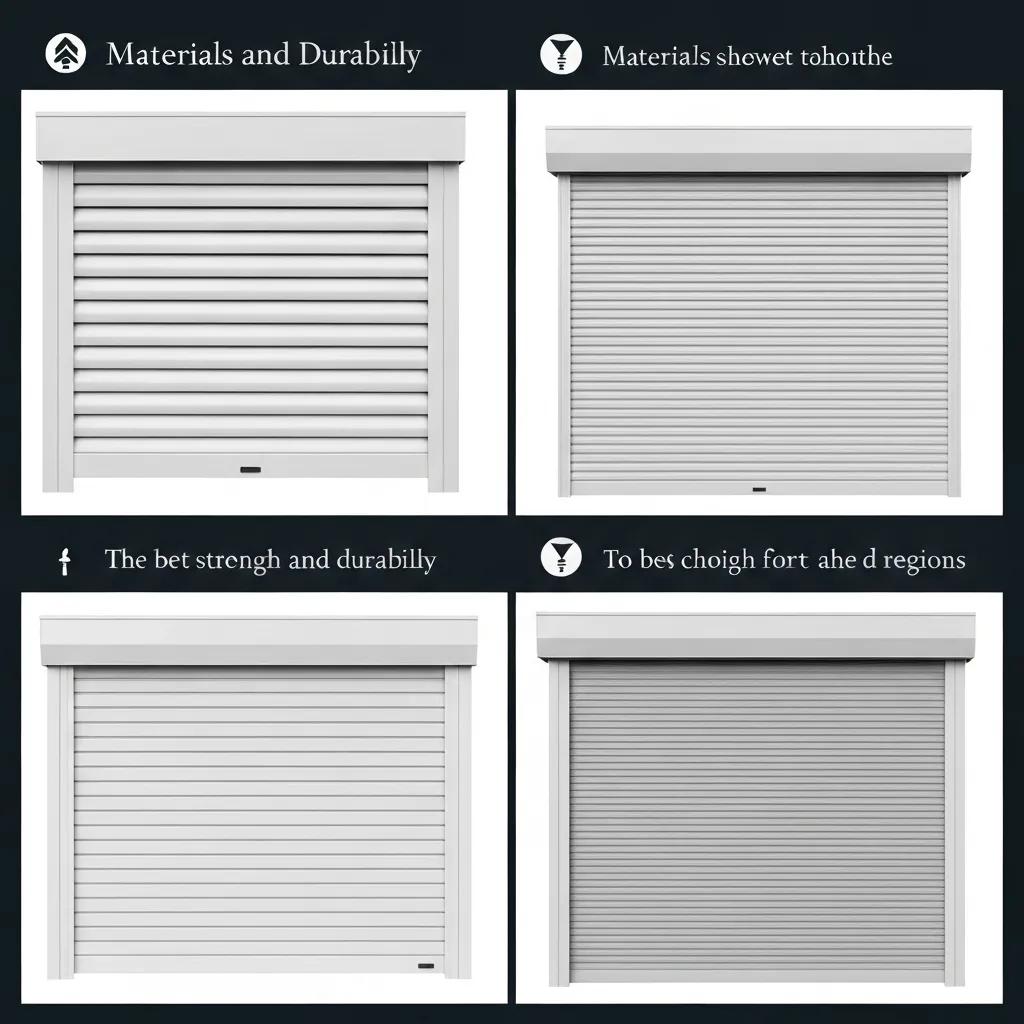
Choosing the right shutter depends on the balance between protection level, deployment speed, appearance, and budget. Coastal homes need systems with strong impact resistance, corrosion-resistant materials, and designs that stand up to salt air. The main families are accordion, roll-down, Bahama, colonial, panels (aluminum or clear), and hurricane screens — each offers different tradeoffs in wind-load rating, ease of use, and visual impact.
Common shutter types and the primary advantage of each:
- Accordion Shutters: Permanently mounted and quick to close for immediate protection.
- Roll-Down Shutters: Very high protection with motorized options for large openings.
- Bahama Shutters: Stylish shade plus moderate protection for windows.
- Colonial Shutters: Traditional look with practical coverage for smaller openings.
- Panels (Aluminum/Clear): Cost-effective and adaptable for seasonal or irregular use.
- Hurricane Screens: Lightweight barrier that preserves views and outdoor living areas.
This overview shows which shutter families are commonly used on the coast. The following sections dig into accordion features and compare the other types to help you match products to use cases.
What Are the Features and Advantages of Accordion Shutters?
Accordion shutters mount permanently at the sides of openings and fold laterally to open and lock, offering very fast manual deployment without removing parts. Their main components — continuous tracks and locking hardware — transfer impact and wind loads into the structure, giving solid wind-load performance. Typically made from corrosion-resistant aluminum or coated materials, accordion shutters are reliable for protecting many adjacent windows quickly. Because they stay attached, maintenance focuses on track lubrication and hardware checks to ensure smooth operation.
For homes where rapid coverage across multiple openings matters, accordion shutters are a practical, mid-range solution.
How Do Roll-Down, Bahama, Colonial, and Panel Shutters Compare in Protection and Style?
Roll-down shutters offer top-tier wind-load ratings and optional motors, making them ideal for large glass walls and frequently used openings. Bahama shutters hinge at the top to provide shade and moderate protection with a coastal aesthetic. Colonial shutters swing closed like traditional paired panels, preserving curb appeal while adding storm coverage. Panel systems (aluminum or clear polycarbonate) are typically more economical and modular but require storage and manual handling. Each system’s tracks, drives, and fasteners are critical to real-world performance.
This comparison helps map protection and practical attributes to homeowner priorities. If you want product availability and transparent pricing, American Hurricane Shutters offers engineered options and a cost calculator to estimate investment. For a site-specific recommendation, request a free estimate so we can match shutter types and configurations to your home’s openings.
How Much Does Hurricane Shutter Installation Cost and What Factors Affect Pricing?
Installed cost varies with material, shutter style, opening size, number of openings, labor complexity, and permitting. Material choices — aluminum, clear polycarbonate, or fabric screens — set baseline costs; motorization, custom dimensions, and reinforcement for high wind zones add labor and parts expense. Coastal-specific needs like corrosion-resistant finishes and code-mandated anchors also affect price. Treat estimates as ranges and weigh lifecycle value — expected service life, maintenance needs, and possible insurance savings — alongside upfront cost.
Key cost drivers to focus on when comparing quotes:
Primary cost factors that influence total installed price:
- Material selection and finish — affects durability and base cost.
- Labor complexity — higher for motorized systems and structural reinforcement.
- Number and size of openings — larger spans need more material and anchors.
- Customization and code compliance — trim, color, and special anchors increase price.
To visualize typical cost components, the table below shows example ranges so you can estimate per-opening or per-square-foot implications before using a detailed estimator.
Understanding these factors helps you balance up-front cost against longevity and potential insurance benefits. For an accurate, site-specific quote, use our cost calculator or request a free estimate from American Hurricane Shutters.
What Are the Typical Material and Labor Costs for Different Shutter Types?
Roll-down and motorized systems generally cost more because of motors and reinforced tracks. Panels and screens are typically less expensive but require storage and manual handling. Aluminum accordion shutters are a mid-range choice with low motorization cost and fast deployment, while clear polycarbonate panels command a premium for daylighting and visibility. Labor climbs with custom work, structural reinforcement for high design wind speeds, and electrical work for motorized units.
Ask for itemized estimates that separate materials, labor, and compliance costs so you can compare proposals and prioritize protections for the highest-risk openings.
How Does Professional Installation Ensure Optimal Home Safety?
Professional installers anchor shutters to meet wind-load calculations, fasten tracks and mounting brackets into structure correctly, and commission motor/drive systems to factory settings. Installers also provide the documentation and certifications insurers and building departments often require, which supports warranty claims and premium discounts. DIY installation can leave anchors, fasteners, or hardware improperly installed, creating failure points in a severe event. That’s why qualified professional installation matters: it turns product selection into reliable protection.
Professionals also guide permit navigation and ensure installations meet regional code expectations, keeping your system compliant and insurable.
How Do You Choose the Best Hurricane Shutters for Your Home?
Start by assessing each opening’s size, glazing type, orientation, and exposure, then match homeowner priorities for looks, deployment speed, and maintenance. Prioritize the highest-risk openings — large glass doors and ground-floor windows — and balance protection needs with your budget and curb-appeal goals. Choose corrosion-resistant finishes for coastal conditions and confirm materials’ expected lifespan. Early checks for local building-code compatibility and permit requirements prevent rework and delays.
Use this checklist to prepare for quotes and site surveys:
Selection checklist for matching shutters to your home:
- Document each opening’s size, exposure, and vulnerability to debris and surge.
- Prioritize high-risk openings for higher-rated systems (roll-down or accordion).
- Balance aesthetics and upkeep — consider Bahama or colonial where moderate protection and curb appeal matter.
- Confirm corrosion-resistant finishes and request durability documentation.
For large spans or commercial storefronts, engineered shutter families and structural reinforcement are often required. The next sections outline recommendations for large openings and the role of codes and maintenance in final selection.
Which Shutter Types Are Ideal for Large Windows and Glass Openings?
Large windows and patio doors typically need roll-down shutters or motorized accordion systems that offer high wind-load capacity and easy deployment across wide spans. Roll-down systems provide continuous coverage with reinforced mounting, while motorized drives save time and effort on multiple openings. Panels can be engineered for wide spans but often need storage space and more hands to deploy, making them less practical for frequent use. Ultimately, load calculations and anchoring details dictate whether a large opening requires structural reinforcement beyond a simple panel solution.
Choosing a system for large openings usually requires a site survey and engineering check to confirm the shutter meets protection and usability goals.
What Role Do Durability, Maintenance, and Local Building Codes Play in Selection?
Durability drives lifecycle cost: corrosion-resistant materials and protective finishes extend service life in coastal environments and reduce maintenance frequency. Regular maintenance — lubricating tracks, inspecting locks, and checking seals — preserves rated wind-load performance and supports insurance compliance. Local building codes and permit processes define anchoring, allowed products, and inspection checkpoints; noncompliance can delay approvals and affect coverage. Working with installers familiar with North and South Carolina code expectations helps ensure systems meet regulatory and insurer criteria.
Keeping maintenance and inspection records builds a compliance trail valuable for warranties and insurance documentation.
How Are Hurricane Shutters Installed and Maintained for Long-Term Protection?

Proper installation starts with a site survey, precise measurements, structural assessment, and an anchoring plan sized to wind-load requirements. Installers then fabricate or select components, mount tracks and brackets securely, integrate motors where needed, and complete commissioning tests to verify operation. After installation, a regular maintenance rhythm — seasonal checks before hurricane season, lubrication, and post-storm inspections — keeps shutters ready. The combination of engineered installation and routine care ensures shutters perform when you need them most.
Below is the typical installation and maintenance workflow you can expect during a professional project.
- Conduct a site survey and structural assessment to record opening dimensions and load paths.
- Select or fabricate components — tracks, panels, brackets, and motor/drive assemblies as required.
- Anchor and mount components per engineered specifications and local code, then test deployment and locks.
- Complete documentation for permits, insurer filings, and warranties, and schedule seasonal maintenance checks.
These steps cover the lifecycle from survey to ongoing care. The table below outlines a recommended maintenance schedule by shutter type.
Following a maintenance schedule lowers failure risk and supports warranties and insurance documentation. We recommend logging each maintenance action to create an auditable record of care.
What Is the Step-by-Step Hurricane Shutter Installation Process?
Installation begins with a detailed site survey and wind-load analysis to ensure anchors and attachment points match the structure’s capacity. After measurements and component selection, teams mount brackets and tracks with specified fasteners that transfer loads into framing, assemble panels or shutters, and install motors when applicable. Commissioning includes operational tests, wind-load checks where feasible, and documentation of final settings and product IDs for permits and insurance. Installers finish by training homeowners on deployment, locking, and basic troubleshooting so the system is ready before a storm arrives.
Following this sequence and maintaining thorough documentation ensures systems perform reliably and that homeowners can demonstrate compliance to insurers and inspectors.
How Should Homeowners Maintain and Repair Their Hurricane Shutters?
Perform seasonal checks before hurricane season: inspect for corrosion, lubricate moving parts, run operational tests, and verify anchor tightness. Routine DIY tasks — tightening fasteners, cleaning tracks, and replacing seals — can extend service life. For bent panels, motor failures, or compromised anchors, call a professional to restore rated wind-load capacity. After storms, document dents, track misalignment, and loose hardware with photos and notes, then arrange repairs promptly. Keeping dated maintenance logs and installation documentation supports warranty claims and insurance inquiries.
A consistent maintenance habit is the best way to keep shutters effective and protect your home long term.
Why Is Hurricane Protection Especially Important for Coastal North and South Carolina Homes?
Coastal North and South Carolina regularly face storms that combine high winds, flying debris, and storm surge, creating scenarios where glazing failure leads quickly to interior water damage and progressive structural problems. Many storm losses begin when openings fail and allow internal pressurization, which increases uplift and stresses roofs and walls; shutters interrupt that sequence by protecting openings. Local regulations emphasize hardened openings in vulnerable zones, and homeowners who include shutters in a broader mitigation strategy reduce immediate risk and long-term repair exposure. Given regional storm patterns, investing in proven shutter systems is a practical risk-management step.
Knowing how regional storms behave explains why compliant, professionally installed shutters are a frontline defense for coastal properties. The next section explains common threats and how codes shape decisions.
What Are the Common Storm Threats in Coastal NC and SC?
In coastal North and South Carolina, typical threats include sustained high winds, debris-laden gusts, and storm surge that can worsen water intrusion when glazing fails. Wind-driven debris primarily targets outward-facing openings, while water entry after glass failure can rapidly damage interiors and mechanical systems. Because these effects compound quickly, protecting windows and doors offers significant risk reduction compared with incremental measures alone. Homeowners should focus high-performance protection on the most exposed openings to reduce overall exposure.
This threat profile guides strategic placement of high-performance shutters on openings most vulnerable to debris and surge.
How Do Local Regulations and Building Codes Influence Hurricane Shutter Requirements?
Local building departments set requirements for anchoring, product certification, and installation inspections that influence shutter selection and installation methods. Permit processes and inspection checkpoints affect project timelines and final acceptance, and installers who document compliance deliver records useful for insurance and resale. Because codes vary across jurisdictions in North and South Carolina, confirm requirements with your local building department or work with an installer experienced in regional rules before purchase and installation. A provider familiar with local compliance can streamline approvals and reduce the risk of rework.
Given the regulatory complexity, professional guidance that aligns shutters and installation with local code expectations helps protect both safety and investment.
American Hurricane Shutters specializes in engineered hurricane protection for homeowners and businesses across coastal North and South Carolina. We offer accordion, roll-down, colonial, Bahama shutters, hurricane screens, and panel options. For transparent pricing, use our cost calculator, or request a complimentary estimate so we can translate local risks and opening characteristics into a prioritized, documented solution. Existing customers can request service assessments to preserve warranty and insurance documentation and keep systems storm-ready and code-compliant.
Frequently Asked Questions
1. How do I know which hurricane shutter type is best for my home?
Start by evaluating each opening’s size, exposure, and your aesthetic and budget preferences. Prioritize large glass doors and ground-floor windows for higher-rated systems like roll-down or accordion shutters. Consider corrosion resistance for coastal conditions and confirm local code requirements. If you’re unsure, schedule a site visit with a professional to get a tailored recommendation.
2. What maintenance is required for hurricane shutters?
Maintenance varies by type but generally includes regular inspections, cleaning, and lubrication. Accordion shutters usually need annual track lubrication; roll-down systems benefit from biannual motor tests and track cleaning. After major storms, inspect for damage and repair promptly. Keeping a maintenance log helps track tasks and supports warranty claims.
<!