

How Accordion Shutters Compare in Installation Process: Step-by-Step Guide and Key Differences
Accordion shutters are permanently mounted, folding panels that slide within side-mounted tracks to protect windows and doors—a common choice for coastal hurricane protection. Getting the installation right matters: proper mounting preserves engineered wind-load performance, keeps warranties and insurance benefits intact, and prevents operational problems when you need the shutters most. This guide walks through the installation sequence, measurement best practices, required tools, DIY vs. professional tradeoffs, a comparison with roll‑down shutters, common mistakes to avoid, North and South Carolina code considerations, and post‑install maintenance. Whether you’re a homeowner weighing a DIY job or a contractor preparing a quote, the practical checklists and decision points below will help you measure, mount, and maintain accordion shutters with confidence.
What Are the Essential Steps in Accordion Shutter Installation?
Installing accordion shutters starts with planning and exact measuring, moves to accurate track alignment and secure anchoring, and finishes with sealant and a full functional test to confirm smooth operation and code compliance. Correct measurements protect the shutter’s wind‑load rating; the right fasteners secure the system to wood, masonry, or stucco; and attention to track squareness and consistent reveals prevents binding and panel deformation. Observe basic safety—stable ladders, eye protection, and two‑person lifts for larger panels—to reduce risk. The numbered steps below give a clear, practical overview for homeowners who want to follow the process or evaluate professional bids.
This quick reference links each step to the main tools and an estimated time/difficulty so you can plan resources before you start.
This table condenses the core sequence into clear, actionable tasks so you avoid surprises when ordering or installing. If you prefer a hands‚Äëoff approach, professional installers can complete these steps quickly and supply documentation; American Hurricane Shutters offers professional installation and free estimates through our cost calculator to help you compare DIY versus contractor options while keeping the technical guidance front and center.
How Do You Measure Accurately for Accordion Shutters?
Accurate measuring means taking width and height at three points and using the smallest dimensions to ensure the shutter will clear the narrowest spots. For recessed mounts measure inside‑to‑inside; for surface mounts measure face‑of‑frame to face‑of‑frame. Note any trim, deep sills, or stucco reveals that change the mounting plane, and record the substrate—wood, concrete, or light‑gauge framing—because anchor choice and fit tolerances depend on it. In practice measure width at top, middle and bottom and use the smallest value; measure height at left, center and right and again use the smallest. Always verify measurements with a second person before ordering to avoid costly remakes and delays.
What Tools and Materials Are Needed for Installation?

Having the right tools and materials ready keeps the install moving and prevents on‑site delays. Essential layout tools are a 25–30 ft tape, a 4‑ or 6‑ft level, and a chalk line. Cutting and fastening tools include drill/impact drivers, masonry bits, and socket sets. Finish materials include silicone sealant, stainless steel fasteners, and shims. Choose anchors to match the substrate—masonry anchors for concrete/block, structural screws for wood framing, and epoxy anchors for special repairs—and favor stainless components in coastal environments to resist corrosion. Don’t forget safety gear: gloves, eye protection, and fall protection when working at height. Assemble this kit before you arrive on site so measuring and mounting go smoothly.
How Does DIY Accordion Shutter Installation Compare to Professional Installation?
Many homeowners can install accordion shutters on simple, square openings, but hiring a professional reduces risk, ensures code compliance, and protects warranty and insurance documentation. DIY makes sense when openings are standard, the substrate is known, and the installer is comfortable with power tools and handling large panels. Professional crews bring calibrated anchoring methods, knowledge of local code nuances, and the paperwork insurers or permitting offices may require. Comparing DIY versus professional across safety, time, cost, warranty, and compliance helps clarify when a contractor is the better choice.
The table shows professionals typically deliver stronger compliance and warranty protection; DIY can save on labor but may carry risk and extra hours. For many coastal homeowners, professional installation is the safer route. American Hurricane Shutters recommends pro installation for complex openings and provides free estimates via our cost calculator so you can weigh upfront savings against long‚Äëterm value and documentation needs.
What Are the Pros and Cons of DIY Installation?
DIY installation has clear upsides and important tradeoffs. Pros: lower upfront labor cost, flexible scheduling, and the satisfaction of completing a home improvement—especially when you have repetitive, standard window sizes. Cons: measurement errors, incorrect fastener choice, potential voiding of warranty if a certified installer is required, and safety risks when handling large panels or working on ladders. First‑time installs often take longer because of test fits and rework, which can increase indirect costs. Compare estimated DIY labor hours and the cost of possible mistakes to professional quotes before deciding.
Why Is Professional Installation Recommended for Accordion Shutters?
We recommend professional installation for irregular openings, mixed or unknown substrates, or when permits and insurance documentation are required. Certified installers use engineered attachment methods that meet wind‑load ratings, ensure proper anchor spacing, apply torque‑controlled fastening, and keep alignment tolerances that preserve shutter performance in storms. Professionals also supply the documentation municipal inspectors and insurers often request. In coastal North and South Carolina, asking for an estimate that includes permitting guidance and installation paperwork lowers compliance risk and helps protect warranty coverage—especially for complex or high‑value installations.
How Do Accordion Shutters Compare to Roll-Down Shutters in Installation Process?
Both systems protect against storms, but they differ in installation steps, components, and maintenance. Accordion shutters use side‑mounted guide tracks and hinged panels that fold—usually no electrical work for manual systems—so they typically need fewer trades on site. Roll‑down shutters require a headbox, curtain slats, guide tracks, and, if motorized, electrical integration and control wiring, which adds time and coordination with electricians. The table below summarizes the installation factors homeowners commonly use when choosing between systems.
What Are the Key Differences in Installation Difficulty and Time?
Accordion shutters are usually quicker on standard rectangular openings because installers mount side tracks and hang panels without headbox assembly or motor wiring. An experienced crew can often finish a single accordion shutter in a few hours. Roll‑down systems—especially motorized models—require extra steps for headbox support, curtain fitting, and electrical work, which can extend timelines and require an electrician. Larger multi‑panel openings add complexity to both systems, and motorization increases coordination, permitting, and safety checks. Choose the system that matches your timeline, willingness to add electrical work, and desire for automation.
How Do Track Systems and Components Differ Between Accordion and Roll-Down Shutters?
Accordion components center on folding blades/panels, side guide tracks, hinges, and locks. Roll‚Äëdown systems rely on a headbox, rolling tube, slatted curtain, bottom bar, and guides; motorized units add gearboxes and wiring. Accordion tracks demand precise plumb alignment to prevent binding; roll‚Äëdown systems need solid headbox support and correct curtain tension to avoid mistracking. Both systems require substrate reinforcement where anchors land, but motorized roll‚Äëdowns also need dependable power access and periodic motor service.
What Are Common Accordion Shutter Installation Mistakes and How Can They Be Avoided?
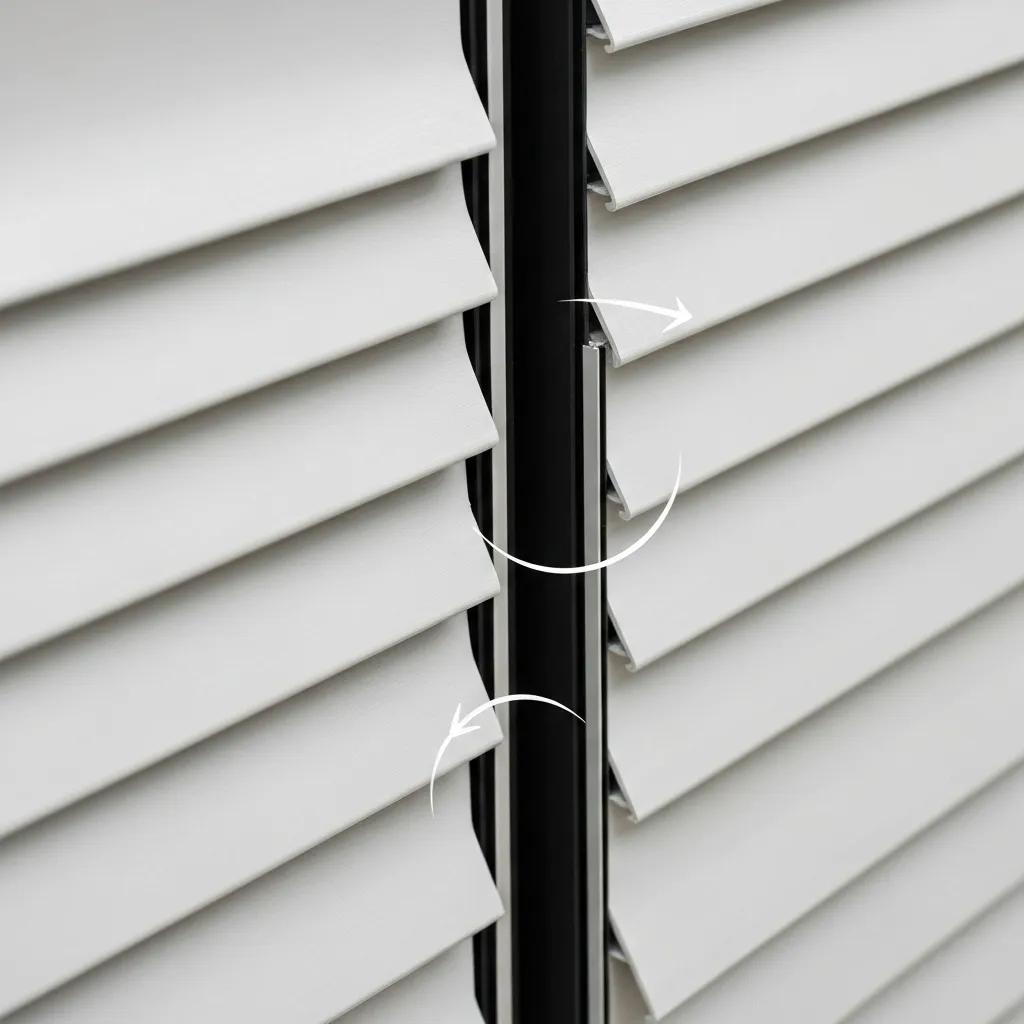
Typical installation errors come from measurement shortcuts, wrong fastener or anchor selection, poor track alignment, and insufficient sealing—each of which reduces performance or causes water intrusion. Prevent these issues with a QA approach: measure at multiple points and use the smallest dimensions, identify the substrate before choosing anchors, temporarily clamp tracks and run a full‑range operation test, and use marine‑grade sealants at penetrations. A pre‑install checklist cuts the chance of skipped steps and keeps results consistent across multiple openings. Below are the most common mistakes and straightforward prevention tips.
- Measuring at a single point: Measure width and height at three points and use the smallest values to avoid binding.
- Using wrong fasteners: Match anchors to substrate (masonry, wood, or metal) to maintain load integrity.
- Skipping temporary alignment checks: Clamp tracks temporarily and run a full-range operation test before final fastening.
- Inadequate sealing: Apply continuous beads of silicone at mounting flanges to prevent water intrusion.
- Neglecting documentation: Record fastener types and torque settings for warranty and inspection purposes.
Which Measurement and Alignment Errors Are Most Frequent?
Measurement mistakes usually happen when someone measures only at the center, ignores trim or stucco reveals, or skips checking substrate flatness. Alignment problems most often stem from fastening tracks out of plumb or uneven fastener spacing that lets the track deflect under load. Use a three‑point measuring routine—top, middle, bottom for width; left, center, right for height—and employ temporary clamps with a test run to verify tracks stay parallel and plumb before final anchoring. Correct warped sills or uneven jambs with shims or backer plates to create a consistent mounting plane. These checks prevent many post‑install issues and protect the shutter’s wind‑load performance.
How Does Proper Installation Impact Shutter Performance and Safety?
Correct installation preserves the shutter’s designed wind‑load resistance by ensuring anchors transfer loads into structural members or masonry and by keeping panels aligned so edges carry load as intended. When tracks are plumb, anchors are specified correctly, and locking hardware fully engages, the system resists uplift and lateral forces. Poor fastening or misalignment concentrates stresses and can lead to fastener pullout or panel failure during a storm. Good installation also improves operational safety—smooth movement reduces pinch hazards and ensures locks engage reliably. A final inspection should confirm anchor integrity, torque settings, and full‑range operation to validate performance and safety.
What Building Codes and Regulations Affect Accordion Shutter Installation in North and South Carolina?
In coastal North and South Carolina, accordion shutter installs often must meet local building department rules that reference wind‑load ratings, approved product listings, and permit/inspection requirements for hurricane zones. Codes affect allowed attachment methods, required engineering documentation, and whether a tested or certified assembly is necessary for permitting. Check with your municipal building office about permit requirements and inspector expectations before ordering shutters—some jurisdictions ask for stamped drawings or installation reports to verify compliance. Knowing these regulatory steps ahead of time helps avoid rework and ensures installations meet insurer and municipal standards.
Key local code considerations typically include:
- Wind‚Äëload rating matched to local design wind speed and exposure category.
- Approved product listings or engineered assembly details for the shutter.
- Permit and inspection checkpoints for exterior alterations in coastal zones.
How Do Local Codes Influence Installation Requirements?
Local codes drive specific installation choices by specifying anchor types, minimum fastener counts, and documentation that shows the shutter was installed per tested conditions or manufacturer instructions. Inspectors may request engineering details for non‑standard installations or large openings and often verify anchors are tied into structural substrate—not just trim. To comply, document substrate conditions, fastener types, and installation steps in a report and retain product approval data. Confirm these steps with your local building department before scheduling work to reduce inspection delays and protect insurance and warranty coverage.
What Are the Compliance Benefits of Professional Installation?
Professional installation offers clear compliance advantages: certified installers know how to provide the documentation and perform attachment methods inspectors and insurers expect, including installation confirmation, torque records, and product approval references. Pros can also recommend products that meet or exceed local code criteria and coordinate permitting when needed. Requesting a professional installation report and proof of the shutter’s tested rating gives homeowners the paperwork often required for insurance discounts and future property transactions. Documented compliance simplifies inspections and reduces homeowner liability from improper installation.
How Should Accordion Shutters Be Maintained After Installation for Longevity?
Regular maintenance preserves mechanical operation, prevents corrosion in coastal environments, and maintains wind‑load performance through periodic checks of anchors and locking hardware. A seasonal maintenance rhythm—focused on pre‑ and post‑storm inspections—helps you catch loose fasteners, track debris, sealant failure, and hinge wear before they become serious. Basic upkeep is simple but essential: inspect fasteners, clean tracks, lubricate moving parts, and test locks to keep deployment reliable. The checklist below suggests intervals and actions to keep shutters functional and warranty‑compliant.
Maintain shutters with this seasonal checklist:
- Inspect tracks, blades, and fasteners every 6 months or before hurricane season.
- Clean tracks of debris and rinse away salt residue after coastal exposure.
- Lubricate hinges and locking mechanisms annually with a non‚Äëstaining lubricant.
- Tighten or replace corroded fasteners and reseal any breached silicone joints.
- Schedule professional service if panels bind, locks fail, or anchors show movement.
What Routine Maintenance Steps Extend Shutter Lifespan?
Routine maintenance that prolongs life includes visual checks for corrosion and loose hardware, cleaning to remove salt and dirt, and lubricating moving parts to reduce wear. Inspect anchor points for movement and check sealant around mounting flanges to prevent water intrusion and structural damage. Perform an annual full‚Äërange deployment and lock test to confirm panels align and locks engage smoothly. Keep a record of maintenance actions and dates to support warranty claims and for insurance review.
How Does Maintenance Differ Between Accordion and Other Shutter Types?
Accordion shutters generally need simpler mechanical maintenance than motorized roll‑down systems since they lack motors and electrical controls—lubrication and anchor checks are the main recurring tasks. Motorized roll‑down shutters add motor service, electrical checks, and control testing, which increases cost and complexity. Removable storm panels require storage care and periodic condition checks. If you prefer lower ongoing maintenance, accordion shutters are a practical manual option.
American Hurricane Shutters provides detailed product information and professional installation services across coastal North and South Carolina, including free estimates and an interactive cost calculator to help homeowners compare options and plan maintenance. Our installers can document compliance and provide installation reports for permitting and insurance purposes, and our products meet or exceed applicable Florida Building Code standards—useful context when evaluating performance expectations in nearby coastal markets. If you want expert help measuring, mounting, or maintaining accordion shutters, request a professional estimate from a regional specialist to clarify costs and compliance while keeping the choice between DIY or pro in your hands.
Frequently Asked Questions
What are the benefits of using accordion shutters over other types of storm protection?
Accordion shutters offer fast deployment, permanent mounting, and strong protection against wind and flying debris. They require minimal daily maintenance, come in multiple colors and styles to suit home exteriors, and avoid the storage hassles of temporary panels. For many coastal homeowners, they balance durability, convenience, and curb appeal.
How do I choose the right size for my accordion shutters?
Measure each opening at three points—top, middle and bottom for width; left, center and right for height—and use the smallest dimensions to ensure a proper fit. Account for trim, sills, and any other obstructions that affect the mounting plane. If you’re unsure, a professional measurement can prevent costly ordering mistakes.
What should I do if my accordion shutters are not functioning properly?
First, look for visible obstructions in tracks or hinges and check that fasteners are tight and panels aligned. Clean debris from tracks and verify locks and seals for wear. Regular cleaning and lubrication prevent many issues; if problems persist, contact a professional installer for a detailed inspection and repair.
Are there any specific building codes I need to be aware of for accordion shutters?
Yes—codes vary by locality, especially in hurricane‑prone areas like North and South Carolina. Common code items include wind‑load ratings, approved product listings, and permit/inspection requirements. Consult your local building department before installation to confirm requirements and documentation needed for compliance and insurance.
What maintenance is required for accordion shutters?
Perform visual inspections every six months or before hurricane season: check tracks, blades, and fasteners for wear or corrosion; clean tracks and rinse off salt; lubricate hinges and locks annually; tighten or replace corroded fasteners and reseal joints as needed. These simple steps keep shutters reliable and support warranty claims.
Can I install accordion shutters myself, or should I hire a professional?
If openings are standard and you’re experienced with power tools and measurements, DIY is possible. For irregular openings, mixed substrates, or when permits and insurance documentation are needed, professional installation is recommended. Pros provide code‑compliant attachment methods and documentation that can protect your warranty and simplify inspections.
Conclusion
Proper installation makes accordion shutters perform as designed and keeps your home protected during storms. Follow the measurement, mounting, and maintenance steps above, and consider a professional install when openings are complex or when you need documentation for permits and insurance. American Hurricane Shutters is ready to help with expert guidance and free estimates tailored to your property—reach out to compare options and prepare your home for hurricane season.
