
How Roll‑Down Hurricane Shutters Reduce Heat and Noise — Real Insulation Benefits
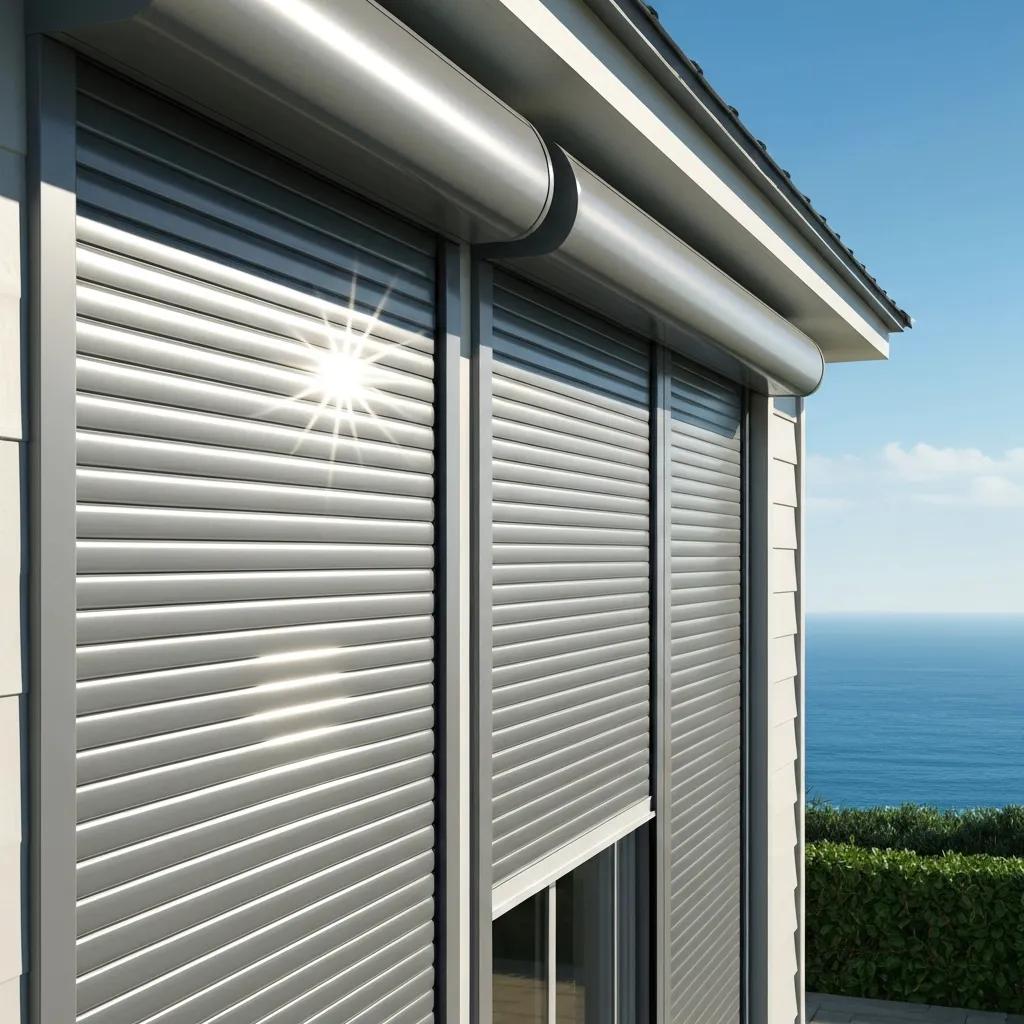
Roll‑down hurricane shutters are exterior rolling barriers that defend openings during storms and also act as a thermal and acoustic layer that cuts heat transfer and outside noise. Simply put, they stop direct sun, add mass and damping to the window, and close convective gaps—resulting in noticeable improvements to indoor comfort and lower HVAC runs. Below we walk through the physical drivers (materials, air cavities, seals, foam cores) and the acoustic principles (mass, damping, airtightness) that create those benefits, and translate them into practical takeaways for coastal homeowners. You’ll learn how construction choices like foam‑filled slats or insulated headboxes influence R‑value–like performance, what decibel reductions are realistic for traffic and storm noise, and how proper installation and upkeep preserve those gains. The sections that follow cover thermal mechanisms and a comparison table, acoustic performance and typical dB ranges, year‑round comfort and regional energy examples, product features, installation and maintenance best practices, and a short FAQ for common homeowner questions.
How Do Roll Down Hurricane Shutters Provide Superior Thermal Insulation?
Roll‑down shutters reduce heat transfer by interrupting the three modes of heat flow—conduction, convection, and radiation—using layered materials, tight seals, and reflective finishes. The shutter creates an exterior barrier that cuts solar heat gain, while foam cores and heavier slats lower conductive heat flow through the window. A properly sized headbox and continuous guide‑rail seals limit convective air movement, which is often responsible for nighttime heat loss or daytime heat gain. Together these elements produce measurable reductions in cooling and heating loads when shutters are closed, especially on sun‑facing walls of coastal homes. The next section looks closer at materials and construction choices that make the biggest difference for heat blocking.
What Materials and Construction Enhance Heat Blocking in Roll Down Shutters?

Material choice and construction detail determine how well a roll‚Äëdown shutter resists heat: thicker or insulated slats increase resistance to conduction, reflective finishes reduce solar absorption, and tight seals stop convective leaks. Single‚Äëskin aluminum slats offer durability and reflectivity but limited insulation on their own; foam‚Äëfilled slats add internal thermal resistance and damping that smooth interior temperature swings. Insulated headboxes and continuous weatherstripping reduce air exchange at the top and sides of the opening. In practice, a reflective exterior finish combined with foam cores and tight guide‚Äërail tolerances gives the most reliable thermal benefit year‚Äëround. The table below compares common slat/headbox approaches and their main thermal attributes so you can weigh options for energy‚Äëefficient hurricane protection.
This table shows why integrated solutions—reflective surfaces, foam cores, and high‑quality seals—deliver the strongest thermal performance. Understanding how these parts work together helps homeowners prioritize features for their climate.
How Do Roll Down Shutters Reduce Solar Heat Gain and Lower Energy Bills?
Shutters cut solar heat gain by blocking direct sunlight, reflecting a portion of incident radiation, and forming an insulating air layer between the shutter and the glazing that lowers inward heat flow. When shutters are closed on hot afternoons, peak indoor temperatures drop and air conditioners cycle less often, which can translate into real cooling energy savings. Industry guidance and field reports show that, in favorable cases where solar load dominates, exterior shading systems can reduce cooling energy; some studies and project summaries put potential savings in the roughly 15–30% range for those scenarios. Homeowners can estimate potential savings by comparing local cooling‑degree‑days and using shading calculators or our cost calculator to model specific window exposures.
- Exterior shading and reflective finishes lower direct solar radiation on glass.
- Foam‚Äëfilled slats and air gaps reduce conductive heat transfer through the assembly.
- Continuous seals and correct installation limit convective heat gains and leaks.
Estimating savings starts with quantifying solar exposure and window type; next we explain the acoustic mechanisms, which often overlap with the thermal solutions above.
Can Roll Down Hurricane Shutters Effectively Reduce Noise for a Quieter Home?
Yes. Roll‚Äëdown shutters reduce outside noise by adding mass and damping to the window surface, increasing sound transmission loss and blocking airborne paths with seals and air cavities. Acoustic gains come from three main effects: added surface mass (thicker slats), damping material (foam cores) that dissipates vibrational energy, and airtight seals that remove flanking paths. Combined, these mechanisms reduce incoming sound energy and the vibration that transmits noise through the window structure. Knowing which features matter most helps homeowners pick shutters that balance storm protection, insulation, and noise control.
What Acoustic Features Make Roll Down Shutters Soundproof Against Traffic and Storm Noise?
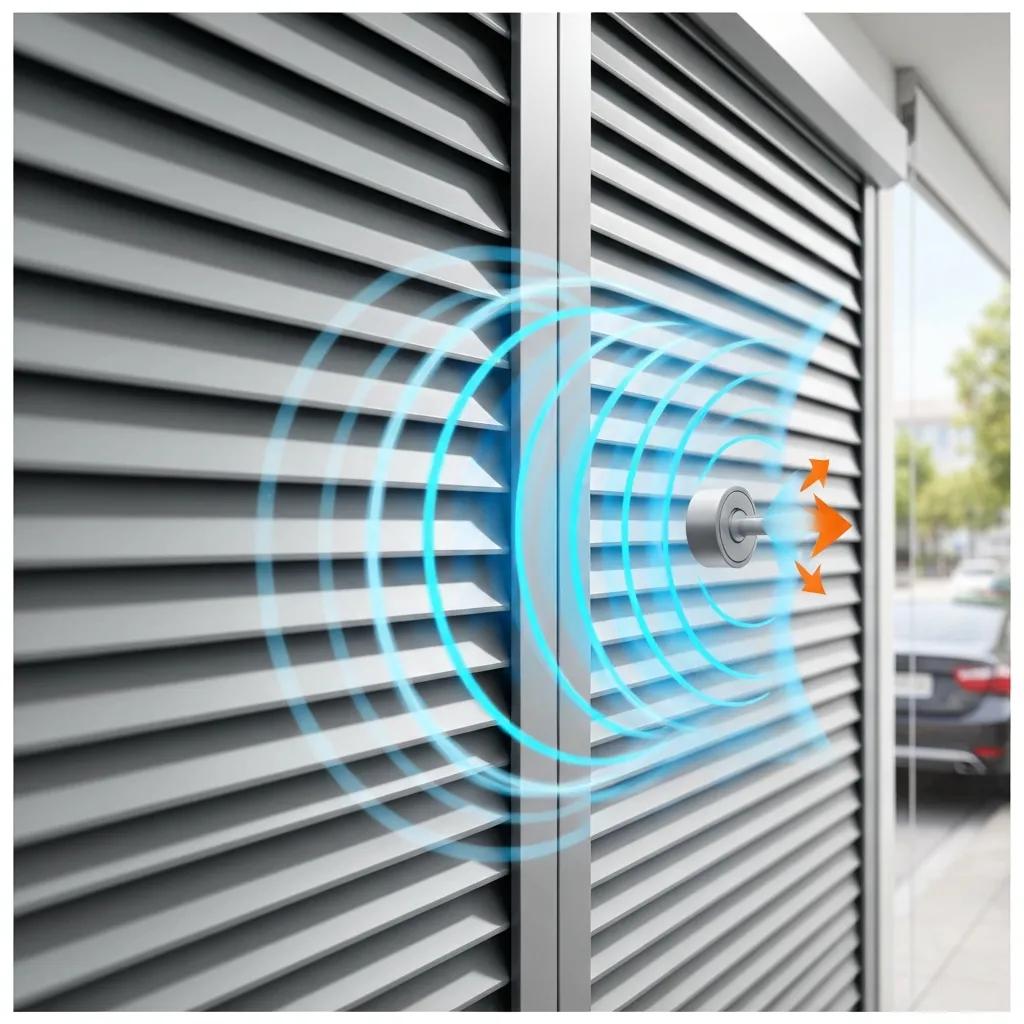
Acoustic performance depends on heavier slats, foam damping, and tight seals; each contributes differently depending on the noise source (broadband traffic vs. impulsive storm noise). Foam‑filled slats convert vibrational energy into heat, providing damping that lowers mid‑ and high‑frequency transmission. Increasing slat mass follows the mass law—more mass generally means greater decibel reduction. High‑quality guide‑rail seals and an insulated headbox prevent edge leakage, which is critical since small gaps can drastically reduce overall effectiveness. The table below compares key acoustic features and their typical effects so you can prioritize what matters most when noise reduction is a top goal.
Because of these differences, two visually similar shutters can perform very differently acoustically. The next section gives realistic expectations for decibel reductions and the variables that matter.
How Much Noise Reduction Can Homeowners Expect from Roll Down Shutters?
Real‑world noise reduction from well‑installed roll‑down shutters usually ranges from modest to meaningful, depending on product and context. Field measurements and industry summaries commonly report improvements in the single‑digit to mid‑teens decibel range for exterior noise. For example, 5–15 dB of reduction is realistic for traffic noise with foam‑filled, well‑sealed shutters—remember that a 10 dB drop sounds roughly half as loud to the ear. Results depend on the noise spectrum, glass type, and installation quality—heavy slats and airtight seals favor larger gains, while thin slats and poor sealing limit results. Other variables include window construction, distance to the noise source, and whether shutters are paired with laminated glazing.
- Source spectrum (traffic vs. storm) determines which frequencies need attenuation.
- Window glazing and gaps set the baseline sound transmission class.
- Installation quality is often the biggest variable in real‚Äëworld performance.
Knowing these factors helps set realistic expectations and shows why professional selection and fit are important.
What Are the Year-Round Comfort and Energy Efficiency Benefits of Roll Down Shutters?
Roll‚Äëdown shutters improve year‚Äëround comfort by blocking summer solar gain, lowering cooling cycles, and creating a thermal buffer that slows nighttime heat loss in cooler months. In coastal climates with strong sun and humid summers, shutters stabilize indoor temperatures, reduce HVAC runtime, and can lessen humidity‚Äëdriven cycles when closed during peak heat. In winter and shoulder seasons, the insulated cavity formed by a closed shutter reduces conductive losses through glazing, keeping interiors warmer with less heating. At American Hurricane Shutters, our goal is to educate homeowners about resilient solutions, provide free estimates, and support customers with service. In practice, homeowners see comfort and efficiency benefits when shutters are used intentionally alongside HVAC schedules and shading habits.
How Do Roll Down Shutters Help Retain Heat in Winter and Cool in Summer?
The seasonal effects are simple: in summer, shutters block direct sun and reflect heat away from the glass, lowering peak indoor temperatures and reducing air‚Äëconditioner cycles; in winter, the headbox and sealed guides create an insulating air space that slows conductive and convective heat loss. The result is smaller temperature swings and less runtime for heating and cooling equipment, which improves comfort and can lower bills. For example, closing shutters on west‚Äë and south‚Äëfacing exposures during hot afternoons reduces solar load in those rooms and cuts the need for supplemental cooling. These seasonal behaviors make shutters an effective passive tool for stabilizing indoor temperatures year‚Äëround.
- Summer: Blocks direct sun and reflects heat before it reaches the glazing.
- Winter: Creates a thermal buffer that slows heat escape at night.
- Year‚Äëround: Reduces HVAC cycling and improves perceived comfort.
Estimated ROI depends on local energy prices and building details; the following section summarizes typical long‚Äëterm savings and other benefits for coastal homes.
What Are the Long-Term Energy Savings and Comfort Improvements for Coastal Homes?
Long‑term benefits for coastal homeowners include lower cooling energy use from shading, fewer storm‑repair costs thanks to better protection, and improved livability that can support resale value. Industry and field summaries show that when solar load dominates, exterior shading and insulated shutters can yield cooling reductions in the ~15–30% range; actual results vary with glazing, orientation, and occupant habits. Beyond energy savings, the protective function reduces the risk of wind‑driven damage that can lead to costly repairs, and quieter interiors during storms add a quality‑of‑life gain that’s hard to quantify but very noticeable. Homeowners in coastal North and South Carolina who value both resilience and efficiency often find the combined protection, noise reduction, and energy benefits deliver a multi‑year payback when modeled against regional energy costs and storm exposure.
- Typical energy reduction range cited: about 15–30% in solar‑dominated cases.
- Secondary benefits: lower storm‚Äëdamage risk and improved indoor livability.
- ROI timeline: depends on energy prices, storm frequency, and product choice.
For a site‚Äëspecific estimate, American Hurricane Shutters offers free quotes and a cost calculator to model likely savings for your home.
Why Are American Hurricane Shutters’ Roll Down Systems the Best Choice for Insulation and Noise Reduction?
American Hurricane Shutters supplies roll‑down systems built for coastal conditions with material choices and professional installation practices that prioritize thermal and acoustic performance. We serve coastal North and South Carolina and design systems to meet—or often exceed—Florida Building Code standards. Our offerings include durable aluminum construction, foam‑filled slat options, and both motorized and manual configurations. Professional installation and code‑focused engineering cut the risk of gaps that can undermine insulation and acoustic performance. Those attributes—code compliance, insulating slat options, and precise fit—translate to better real‑world thermal resistance and more consistent noise reduction compared with poorly fitted alternatives.
What Quality Standards and Features Ensure Superior Insulation and Security?
Quality starts with material selection, tested construction, and installation precision: aluminum slats with foam cores increase thermal and acoustic resistance; tight guide‚Äërail tolerances and sealed headboxes limit convective leakage; and adherence to recognized codes ensures structural reliability during storms. American Hurricane Shutters specifies systems that meet or exceed Florida Building Code criteria, positioning our products to deliver both impact protection and reliable sealing performance. The table below lists core product features and attributes to help buyers compare what truly matters for insulation and security.
This feature snapshot shows how certified construction, insulating slat options, and professional installation work together to support thermal and acoustic outcomes. The next section explains how operational choices affect ease of use and consistency of benefits.
How Do Motorized and Manual Options Affect Insulation and Ease of Use?
Motorized systems add convenience through push‑button control or smart integration, making it easier to close shutters during peak sun or before a storm—actions that preserve thermal and acoustic benefits. Manual systems provide the same physical barrier and insulating cavity but require user action; when properly sized and sealed, both types can achieve similar insulation and noise reduction. Motorization can include timers or automation that encourage consistent use—important, because effectiveness depends on regular operation during heat or noise events. Ultimately, the choice between motorized and manual comes down to convenience, budget, and desired automation; both support insulation goals when installed to code and maintained.
- Motorized: Easier, more consistent use; smart‚Äëhome integration available.
- Manual: Cost‚Äëeffective and mechanically simple; reliable when used regularly.
- Both: Demand precise fit and quality seals for best thermal and acoustic performance.
These considerations help homeowners match product features to lifestyle and performance expectations while keeping fit and installation front of mind.
How Does Installation and Maintenance Impact the Insulation Performance of Roll Down Shutters?
Installation quality and routine maintenance are essential to keep the thermal and acoustic benefits over time—gaps, misalignment, or worn seals quickly reduce effectiveness. Professional installers measure and fit headboxes, guide rails, and slats to minimize air leakage and ensure even seal compression; they also verify motor settings and headbox insulation where applicable. Neglecting maintenance—letting guide rails collect debris, skipping lubrication, or ignoring seal wear—diminishes airtightness and damping, which directly lowers both insulating and noise‑reducing properties. The next subsection outlines the typical installation steps and critical checks that preserve performance.
What Is the Professional Installation Process for Optimal Insulation?
A professional install starts with precise measurements and the right component sizing to ensure full coverage and a correct headbox fit. Installers mount guide rails plumb, secure the headbox to proper structural backing, and verify that slat travel and seals compress uniformly to eliminate gaps. Technicians check motor torque (if motorized), test full travel under load, and inspect headbox insulation and weatherstripping to confirm airtightness and thermal continuity at the edges. Final commissioning includes a full functional test and a homeowner orientation on routine operation to preserve both storm protection and insulation. Key installation steps are summarized below.
- Measure and verify opening dimensions for correct headbox and guide‚Äërail selection.
- Mount guide rails plumb and secure headbox with appropriate structural backing.
- Install slats, adjust travel and seals, and commission motor or manual operation.
Quality installation directly affects how well shutters reduce heat and noise. For a tailored site assessment, request a free estimate or use our cost calculator.
How Should Homeowners Maintain Roll Down Shutters to Preserve Thermal and Acoustic Benefits?
Routine maintenance keeps seals tight, operation smooth, and performance consistent: clean guide rails to prevent debris‑induced gaps, lubricate bearings and moving parts per manufacturer guidance, inspect seals and weatherstripping for compression loss, and test motor drives for steady torque and travel. Seasonal checks—especially before summer and hurricane season—catch wear before it erodes thermal and acoustic properties. A brief maintenance checklist like the one below helps preserve performance and extend service life.
- Inspect seals visually and replace if cracked or flattened.
- Clean guide rails and headbox drains to prevent obstructions.
- Lubricate moving parts and test operation monthly during active seasons.
Timely maintenance prevents small issues from becoming performance‚Äëlimiting problems and keeps the system delivering insulation and noise reduction year after year. If you prefer professional maintenance or a site evaluation, request a free estimate or use our cost calculator.
What Are the Most Common Questions About Insulation and Noise Reduction with Roll Down Hurricane Shutters?
Homeowners often ask whether shutters really reduce heat and noise, which features matter most, and how to choose a system that balances protection with comfort. This section gives short, practical answers designed for quick reference and featured‚Äësnippet use. For site‚Äëspecific modeling of savings or acoustic gains, American Hurricane Shutters can provide detailed assessments that align system selection with your priorities.
Do Roll Down Hurricane Shutters Really Reduce Heat and Noise?
Yes. Roll‑down shutters cut heat by blocking solar radiation and creating an insulating cavity, and they lower noise by adding mass and damping while sealing air leaks. Typical noise reductions are roughly 5–15 dB depending on product and installation, and cooling energy reductions in solar‑dominated situations are commonly reported around 15–30% in field examples. Results vary with glazing type, orientation, and installation quality, so expect case‑by‑case differences and consider professional measurement for precise projections. For personalized guidance, American Hurricane Shutters offers services to help homeowners quantify expected benefits and compare system options.
Which Roll Down Shutters Offer the Best Insulation and Noise Blocking?
The best performers combine foam‚Äëfilled slats, higher slat mass, continuous guide‚Äërail seals, and an insulated headbox. Prioritize slat construction (foam‚Äëfilled for damping), seal quality (continuous compression at edges), and professional installation to eliminate leaks; whether a system is motorized or manual has less impact on performance than fit and materials. Use the short checklist below when comparing systems.
- Choose foam‚Äëfilled slats for combined thermal resistance and damping.
- Require high‚Äëquality seals and tight guide‚Äërail tolerances to eliminate leakage.
- Verify professional installation and adherence to applicable building codes.
For tailored product recommendations and an estimate for your home, American Hurricane Shutters can provide a site‚Äëspecific assessment and modeled expectations for energy and noise improvements.
Frequently Asked Questions
What are the key benefits of using roll down hurricane shutters beyond storm protection?
Beyond storm protection, roll‑down shutters add thermal insulation and reduce exterior noise. They block solar radiation to help maintain comfortable indoor temperatures and cut HVAC runtime, which can lower energy costs. They also add mass and damping to windows, minimizing noise from traffic and storms. That combination improves comfort and livability—especially in coastal homes.
How do I choose the right roll down hurricane shutters for my home?
Choose based on material, insulation properties, and installation quality. Look for foam‚Äëfilled slats for better thermal resistance and sound damping, insist on continuous seals and tight guide rails to prevent air leakage, and hire a professional installer to ensure correct fit and performance. A site visit from a specialist will clarify the best options for your home.
What maintenance is required to keep roll down hurricane shutters effective?
Regular maintenance is simple but important: clean guide rails to stop debris buildup, lubricate moving parts per the manufacturer’s recommendations, and inspect seals for wear. Seasonal checks—especially before summer and hurricane season—catch issues early and keep insulation and noise reduction working as designed.
Can roll down hurricane shutters be automated for convenience?
Yes. Motorized shutters offer push‚Äëbutton control and can integrate with smart‚Äëhome systems for automatic closure during storms or peak sun. Automation makes regular use easier, which helps preserve thermal and acoustic benefits. Manual systems still perform well but require the homeowner to operate them consistently.
What factors influence the noise reduction capabilities of roll down shutters?
Key factors are slat thickness and construction, seal quality, and installation precision. Foam‚Äëfilled slats provide better damping; heavier slats increase mass‚Äërelated sound loss; and tight seals prevent sound leakage. The noise source and distance to it also affect overall results.
How do roll down hurricane shutters compare to other noise reduction methods?
Compared with curtains or blinds, roll‑down shutters provide a harder barrier that adds mass and damping, leading to greater reductions in sound transmission. Soft treatments mainly absorb sound; shutters block and seal, and they also provide thermal insulation and storm protection—making them a multifunctional upgrade.
What is the expected lifespan of roll down hurricane shutters?
Lifespan varies with materials, usage, and maintenance. High‑quality aluminum shutters with foam‑filled slats can last 20 years or more with proper care. Regular inspections and maintenance—cleaning, lubrication, and timely seal replacement—extend service life. Check manufacturer warranties and care guidance for specifics.
Conclusion
Roll‑down hurricane shutters offer meaningful insulation and noise‑reduction benefits while delivering storm protection—helping stabilize indoor temperatures, reduce HVAC runtime, and create quieter interiors. Choosing foam‑filled slats, tight seals, and professional installation will maximize those benefits. If you’d like a personalized assessment, free estimate, or modeled savings for your home, contact American Hurricane Shutters today.
