

Explore Your Financing Options for Accordion Shutters — What Coastal Homeowners Need to Know
Accordion shutters are a permanently mounted storm-protection system that lock into place to shield windows and openings during tropical storms and hurricanes. Because quality shutters can require a sizeable upfront cost, financing makes them accessible by spreading payments over time. This guide walks through what accordion shutters do, typical cost factors for North and South Carolina, and the financing routes available — from manufacturer plans to PACE programs — so you can pick the solution that fits your budget and timeline. You’ll get clear explanations of each financing product, a checklist for comparing offers, step‑by‑step application guidance, and tips for using our shutters cost calculator to estimate monthly payments. Terms like home equity loan, HELOC, personal loan, and PACE are explained in plain language so you can decide with confidence and move forward to protect your coastal home.
What Are Accordion Shutters and Why Are They a Smart Investment for Coastal Homes?
Accordion shutters fold open and slide into tracks to create a continuous, locked barrier over windows and doors during a storm. That barrier helps spread wind loads across the frame and limits damage from wind-driven rain and flying debris — which is why insurers and appraisers count them as mitigation improvements. High-quality shutter systems use corrosion‑resistant materials and robust fasteners, and proper installation (including anchorage and Design Pressure Analysis) determines real-world performance. For coastal homeowners, accordion shutters deliver predictable protection, simple operation, and strong resale appeal — a practical way to protect people and property. The section below explains how they protect your home and why correct installation matters for insurance and resale value.
How Do Accordion Shutters Provide Hurricane Protection and Increase Home Value?
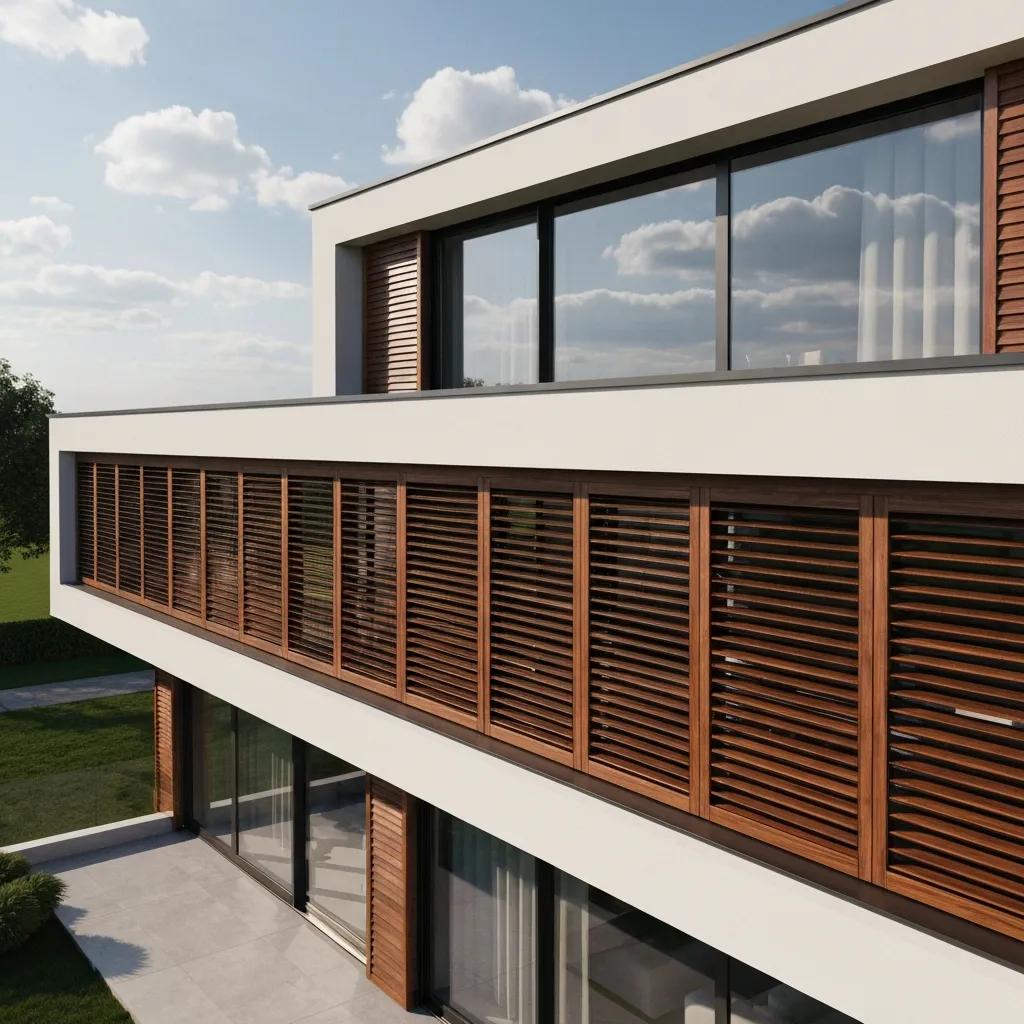
Accordion shutters protect against hurricanes by forming a continuous, anchored barrier that resists impact and sustained wind pressure, reducing the chance of broken glass and water intrusion. Properly installed shutters transfer wind loads into the building structure, and engineered verification such as a Design Pressure Analysis confirms the system meets local wind-load requirements. Using durable components — for example, aluminum slats with stainless‑steel hardware — helps prevent corrosion in salt‑air environments and increases service life, which buyers notice at resale. Having installation documentation and mitigation certificates also helps homeowners pursue windstorm discounts and demonstrate a lasting upgrade to potential buyers. Understanding how these systems perform leads naturally into cost and regional pricing differences.
What Are the Typical Costs of Accordion Shutters in North and South Carolina?
Costs for accordion shutters vary with the number and size of openings, material grade, custom fabrication, and installation complexity. Local labor rates, permitting, and coastal exposure can also change pricing across North and South Carolina. A single small window will cost far less than protecting an entire home with many large openings; reinforced frames or extra anchor points add to the bill. Use a cost calculator and request a site-specific estimate to get an accurate picture for your home.
When comparing quotes, factor in long-term durability, maintenance, and the value of an engineered installation — those items can reduce repairs and replacement costs over time.
The next section outlines financing options to make this investment easier to afford.
Which Financing Options Are Available for Accordion Shutters?

There are several financing routes for accordion shutters, each with trade‚Äëoffs in rate, term, collateral, and speed. Common options include manufacturer financing, home equity loans or HELOCs, unsecured personal loans, and property‚Äëassessed programs like PACE where available. Some vendors also run promotional 0% APR or deferred‚Äëinterest offers. Understanding eligibility, typical terms, and pros and cons helps you match a financing product to priorities such as lower monthly payments, preserving home equity, or quick approval.
Different homeowners will find different options a better fit based on goals and eligibility.
This table highlights core differences so you can narrow options before digging into manufacturer plans and local programs. The subsection below covers manufacturer financing and how American Hurricane Shutters supports homeowners.
What Manufacturer Financing Plans Does American Hurricane Shutters Offer?
Manufacturer financing is convenient because you can apply at the point of sale, sometimes with promotional rates or bundled payments that include installation. American Hurricane Shutters helps homeowners explore these options across coastal North and South Carolina and provides tools — like the cost calculator and free estimate requests — to model monthly payments. Manufacturer plans are often a good choice when you want faster approval without tapping home equity. Always compare APRs, term lengths, and any deferred‑interest conditions against secured options to see which route costs less over time.
How Do Home Equity Loans and HELOCs Work for Accordion Shutter Financing?
Home equity loans and HELOCs convert your home’s equity into funds for improvements. A home equity loan gives a fixed lump sum with a fixed rate, while a HELOC works like a revolving credit line. Because they’re secured by your home, these options usually offer lower APRs than unsecured loans and can cover larger projects or multiple upgrades. Consider closing costs, possible tax treatment of interest (check with a tax advisor), and the risk that missed payments could put your home at stake. For homeowners planning to stay in their home long term and seeking lower monthly payments, home equity financing is often cost‑efficient.
What Are the Pros and Cons of Using Home Equity for Storm Protection?
- Pros: Generally lower APRs than unsecured loans, larger loan amounts for whole‚Äëhome protection, and potential tax benefits if interest qualifies.
- Cons: Your home is collateral, so default could lead to foreclosure; there are closing costs and longer approval times; and tapping equity reduces savings available for other needs.
- Summary: Home equity options are attractive for lower‚Äëcost, long‚Äëterm financing but require careful planning around repayment and other financial priorities.
Can Personal Loans Be Used to Finance Accordion Shutters?
Unsecured personal loans are a practical option when you don’t want to use the house as collateral or you don’t have sufficient equity. They’re typically fast to fund and have straightforward applications, but they usually carry higher interest rates and lower maximums than home equity products. For large projects, personal loans may be combined with savings or phased installations. Your credit score and debt‑to‑income ratio play a big role in the APR and loan size you’ll qualify for, so homeowners with strong credit can often find competitive personal loan terms. Compare monthly payments across manufacturer offers and HELOC options to choose the lowest total cost.
What Government and PACE Programs Are Available for Hurricane Shutter Financing in NC and SC?
PACE and certain state or local resilience programs can sometimes fund resilient upgrades like accordion shutters, with repayments attached to the property tax bill rather than your personal loan history. Program availability, eligibility rules, and repayment structures vary across North and South Carolina, so check local municipal or county resources to confirm participation. Where available, PACE offers long repayment terms and can be accessible for homeowners without large amounts of equity, but program fees and transferability rules deserve careful review. If local options are unclear, talk with qualified contractors or finance advisors to identify grants, resilience loans, or other programs that may apply to your property.
How Do You Choose the Best Financing Option for Your Accordion Shutters?
Picking the right financing means matching your finances, timeline, and risk tolerance to each product’s features. Key criteria are available equity, target monthly payment, willingness to use collateral, installation timeline, possible insurance savings, and credit score. For example, if you have equity and want the lowest rate, a HELOC might be best; if you need speed without collateral, manufacturer or personal loans may fit. The checklist below helps turn priorities into a clear financing choice.
Use this checklist to convert priorities into a financing choice.
- Assess Equity and Collateral Willingness: Decide whether you’re comfortable using home equity or prefer unsecured options.
- Define Monthly Payment Target: Set a monthly budget, then model payments across APRs and terms.
- Set Timeline Requirements: Pick options that match how quickly you need installation and approval.
- Estimate Insurance and Resale Benefits: Factor potential insurance discounts and resale value into your ROI calculation.
After you run the checklist, compare concrete payment scenarios and consult with a trusted installer or lender to finalize your plan.
What Factors Should Homeowners Consider When Selecting a Financing Plan?
Homeowners should weigh cost sensitivity, urgency, willingness to pledge collateral, credit profile, and potential insurance offsets. Cost sensitivity points you to APR and terms because they determine total interest paid; urgency favors quick approval options like manufacturer financing or personal loans. Collateral willingness separates secured home equity products from unsecured ones, and credit score affects available APR ranges. Lastly, factor in possible insurance premium reductions and the overall payback period to judge long‚Äëterm value. These considerations help you compare real quotes and make an informed choice.
How Do Interest Rates, Loan Terms, and Credit Scores Affect Financing Eligibility?
Interest rates, loan terms, and credit scores are the main variables that determine monthly payment and total cost. Lower APRs or longer terms reduce monthly payments but can increase total interest; shorter terms raise monthly payments but cut total interest. Your credit score impacts the APRs lenders offer and whether you qualify for promotional rates, while lenders also look at debt‚Äëto‚Äëincome ratios when setting loan amounts. To improve eligibility, reduce outstanding debts, check your credit report for errors, and compare offers from multiple lenders or manufacturer programs. These steps help find the financing option that balances cost and access.
What Are the Cost Benefits and Return on Investment of Financing Accordion Shutters?
Financing lets you spread the cost of shutters while capturing benefits like avoided repair bills and potential insurance premium reductions. ROI depends on the financed amount, insurance savings, the likelihood of storm damage avoided, and how long you keep the home. Modeling these factors can reveal a payback period measured in years for many coastal properties. The table below outlines ROI attributes and practical implications to help your planning.
This view shows how financing can make shutters affordable now while delivering long‚Äëterm safety and financial benefits. The next section explains how proper documentation can translate to concrete insurance savings.
How Can Financing Accordion Shutters Lead to Insurance Premium Reductions?
Installed, documented mitigation like accordion shutters can qualify you for windstorm or hurricane mitigation credits with many insurers, though the size of the credit depends on carrier and location. To secure credits, insurers typically want product specifications, installation verification, and sometimes a post‚Äëinstallation inspection; certified installation and engineered documents such as a Design Pressure Analysis strengthen your claim. Those premium reductions can partially offset monthly financing payments, effectively lowering net cost and shortening the payback period. Contact your insurance agent early and keep all installation paperwork to confirm eligibility for available discounts.
What Is the Long-Term Value of Investing in Accordion Shutters for Storm Protection?
Long‚Äëterm value includes avoided repair costs, less downtime after storms, stronger resale appeal in coastal markets, and intangible benefits like family safety and lower stress. In many cases, avoiding one major glazing failure or structural repair after a storm can justify the initial investment. Documented mitigation also makes a property more attractive to buyers seeking resilient features. Regional storm data underscore the frequency of severe weather in coastal zones, which supports including shutters as part of a resilience plan. When financing is aligned with expected insurance savings and your occupancy plans, accordion shutters often deliver positive long‚Äëterm outcomes for coastal homeowners.
How Can You Apply for Accordion Shutter Financing and Get a Free Estimate?
Applying for financing and getting an accurate free estimate takes preparation and a clear process so you can compare offers and schedule installation without surprises. Typical steps include getting a detailed quote, choosing a financing route, completing the lender or manufacturer application, and coordinating installation after approval. Use the cost calculator to model monthly payments under different APRs and terms. The numbered process below applies to manufacturer financing, home equity products, personal loans, and PACE options and is written for direct, practical use.
Follow these steps to apply and secure a free estimate for accordion shutters.
- Request a detailed estimate from your installer that lists product, labor, and permit costs and asks about engineered installation documentation.
- Model payments using the estimate: enter down payment, APR, and term scenarios into the cost calculator to compare monthly costs.
- Select a financing route (manufacturer, home equity, personal loan, or PACE) based on your checklist of priorities and eligibility.
- Complete the application for your chosen funder, providing required documents like income verification and ID; allow typical processing time.
- Schedule installation after financing approval and keep all installation documents for insurance mitigation credits.
This roadmap moves you from quote to installation and helps you anticipate lender timelines and documentation needs. Gather required documents early to speed approval and maintain open communication with your installer.
What Is the Step-by-Step Process to Apply for Financing with American Hurricane Shutters?
To simplify financing and quoting with American Hurricane Shutters, request a site‚Äëspecific estimate, review financing options with our team, and complete the application for your chosen funding route. We provide engineered product recommendations, cost‚Äëcalculator support, and guidance on financing paths that match your project and preferences. Typical steps include sharing home measurements or scheduling a site visit, receiving a detailed proposal, modeling financing scenarios with the cost calculator, and completing the finance application; we coordinate permit‚Äëready documentation and engineered installation details that insurers may require. When you choose a vendor‚Äësupported path, American Hurricane Shutters helps streamline quoting and document preparation for approval.
How Can You Use the Cost Calculator to Estimate Monthly Payments?
The cost calculator lets you enter the total project cost, down payment, APR, and term to produce monthly payment estimates so you can compare financing paths. Start with your installer’s detailed quote as the total cost, then vary APR and term to compare manufacturer promotions, home equity offers, and personal loan scenarios. Look at both monthly payment and total interest to make apples‑to‑apples comparisons. Try scenarios like a short promotional 0% APR vs. a longer HELOC to see trade‑offs between cash flow and total cost. Keep calculator outputs for lender or installer discussions, and request a free estimate from American Hurricane Shutters to get the exact inputs and installation documentation needed for insurance credits.
Frequently Asked Questions
What are the benefits of financing accordion shutters compared to paying upfront?
Financing spreads the cost so you don’t drain savings or emergency funds, making high‑quality storm protection more affordable today. Financing can also include promotional rates that lower monthly payments. When you document installation for insurance mitigation credits, those savings may partially offset financing costs — making financing a practical, financially sound option for many homeowners.
How can I determine if I qualify for financing options for accordion shutters?
Qualification depends on factors like credit score, income, and existing debt. Lenders review your creditworthiness to set rates and loan amounts. Improve your chances by checking your credit report for errors and reducing outstanding debt before applying. Note that some programs, such as PACE, use different eligibility rules that aren’t driven primarily by credit score.
Are there any tax benefits associated with financing accordion shutters?
Interest on home equity loans or HELOCs used for home improvements may be tax‚Äëdeductible in some situations, but rules vary. Consult a tax professional to understand how financing your shutters could affect your tax situation and whether you qualify for deductions.
What should I look for in a contractor when installing accordion shutters?
Choose contractors with experience, proper licensing, and strong customer reviews. Look for specialists in storm protection who provide engineered installation documentation — that paperwork matters for performance and insurance eligibility. Ask for references and confirm the contractor knows local building codes and permitting requirements.
How can I maximize the return on investment (ROI) for my accordion shutters?
Maximize ROI by choosing quality materials and professional installation, keeping installation and mitigation documentation, and performing regular maintenance. Those steps extend service life, help secure insurance discounts, and improve resale appeal — all of which boost long‑term value.
What are the common pitfalls to avoid when financing accordion shutters?
Common mistakes include overlooking total financing costs (interest and fees), not comparing multiple offers, and missing details in the fine print. Also, be cautious about using home equity without considering long‑term risks. Take the time to compare APRs, terms, and fees so you don’t end up with unexpected costs.
Conclusion
Accordion shutters add meaningful storm protection and — when paired with the right financing — become an achievable upgrade for coastal homeowners. By understanding each financing route and using tools like our cost calculator and free estimates, you can choose a plan that fits your budget and long‑term goals. Take the next step to protect your home: explore our financing options and request a free estimate today. Your peace of mind and property deserve reliable protection.
