
Roll‚ÄëDown Hurricane Shutters: How Reliable Are They in Extreme Storms?
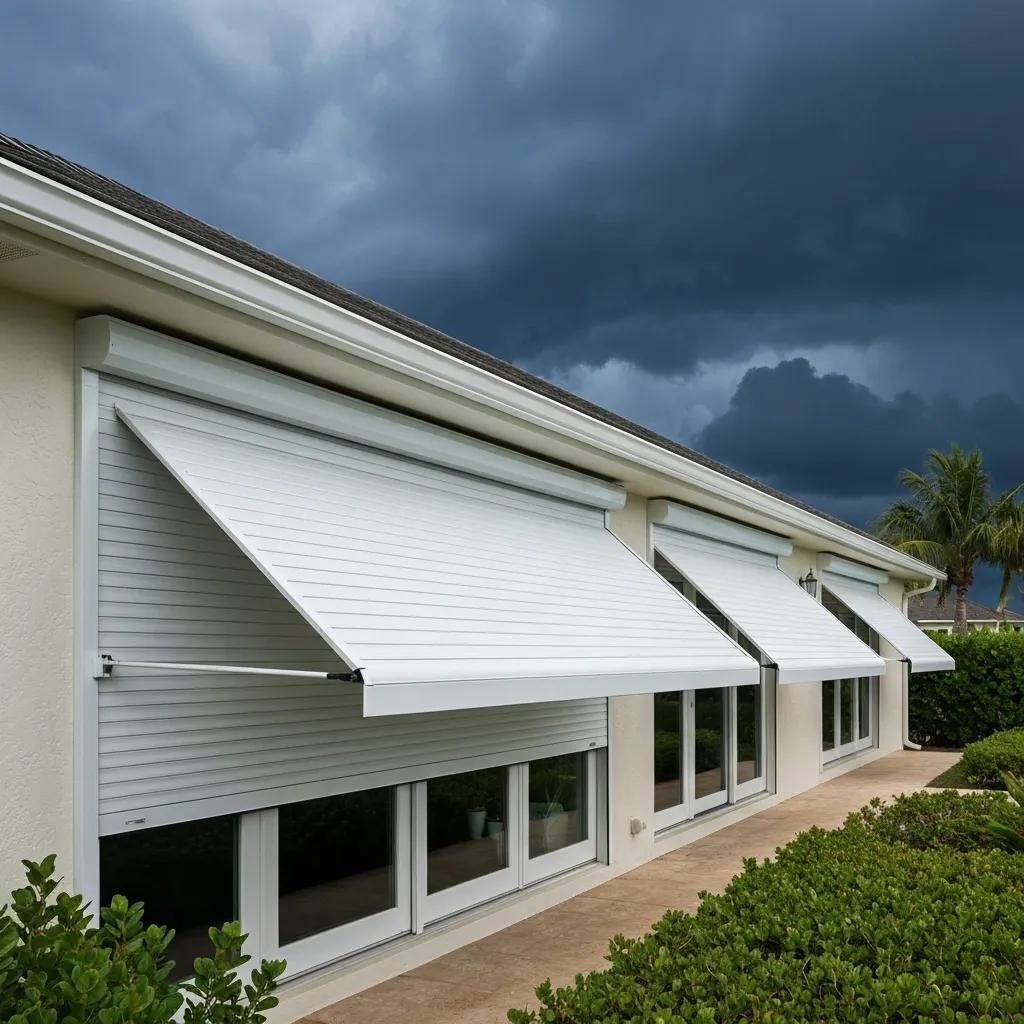
Roll‑down hurricane shutters are exterior protection systems that lower vertically to cover windows and doors. Their interlocking slats, guide rails and locking bottom bar form a continuous barrier designed to shield openings from wind and flying debris. In this guide we explain why reliability matters for coastal North Carolina and South Carolina homes, how materials and engineering affect real‑world performance, and which installation and maintenance practices preserve rated protection through Category 3–5 storms. You’ll learn expected wind and impact ranges, how shutters absorb debris strikes, the extra benefits — security and energy savings — and simple maintenance steps that reduce failure risk. We draw on testing standards, industry benchmarks, and local experience in places like Wilmington, Myrtle Beach, Oak Island, Topsail, New Bern and Pawleys Island. At the end we summarize local case snapshots and explain how to get a free estimate with our cost calculator or schedule an inspection with American Hurricane Shutters.
What Makes Roll Down Hurricane Shutters Durable and Reliable?
Durability comes from how the system’s parts work together: the slatted curtain, guide rails, bottom bar and the motor or manual assembly share loads and absorb impact energy. Interlocking slats create a continuous surface so forces spread across the curtain; deep guide rails and reinforced anchors transfer those forces into the building instead of letting the edges blow out. In coastal NC and SC, corrosion resistance and protective coatings are vital — salt air speeds material breakdown, so picking the right alloy and finish preserves rated performance over time. When you understand these construction details, it becomes clear why professional installation and proper anchorage are essential to meet certified wind and impact ratings.
Systems can be motorized or manual. Motors with a manual override improve reliability during power loss. Interlocks help transfer impact loads, guide rails prevent lateral movement, and secure locking reduces pry attempts — together they form a resilient assembly. Below we look closer at material choices like aluminum versus steel and how engineering details change field performance.
How Do Materials Like Aluminum and Steel Enhance Shutter Durability?

Aluminum offers a strong strength‚Äëto‚Äëweight ratio and good natural corrosion resistance, which makes it a common choice for coastal installations where salt spray can speed rusting. Typical shutter alloys are anodized or powder‚Äëcoated to further inhibit corrosion and keep the finish intact while keeping weight low enough for motorized systems. Steel gives higher absolute strength and stiffness for impact, but in salty environments it needs robust coatings and regular inspection to avoid corrosion‚Äërelated weakening. Choosing materials balances weight, corrosion protection and anchor design; the right alloy and finish extend service life and maintain performance.
Those material choices tie directly into engineering features — interlocks, rail engagement and reinforcement — that boost resistance under extreme loads.
What Engineering Features Improve Impact and Wind Resistance?
Key engineering features include interlocking slat profiles that pass loads between adjacent slats, guide rails with deep engagement to stop curtain separation, a reinforced bottom bar to resist uplift, and anchorage details that secure the shutter to structural framing. Motor assemblies often include torque limits and manual override, and redundant locking reduces single‚Äëpoint failures during impact. Interlock geometry and rail depth are measurable factors that increase stiffness and energy dissipation; in practice, deeper rails and stronger interlocks lower the chance of slat dislodgement from a projectile. Knowing these features helps homeowners evaluate systems by spec and test results rather than by looks alone.
With the right materials and engineering in place, we can look at performance metrics and test outcomes for rated systems.
How Do Roll Down Hurricane Shutters Perform Against Extreme Wind and Storm Conditions?
Shutters perform in extreme winds when the product, anchors and installation match the tested assembly used for certification. Certified systems combine structural stiffness and energy absorption to prevent breaches, but performance varies by model, material, reinforcement options and installation quality — so wind ratings must be considered alongside anchorage and substrate. Impact resistance is measured with tests that simulate windborne debris strikes and cyclic pressure loads; a system that passes those tests shows tested resilience rather than theoretical strength. The table below summarizes common roll‑down configurations and their typical wind and impact attributes to help homeowners compare.
That table shows rated performance depends on both product configuration and installation. Reinforced frames and correct anchorage consistently raise wind and impact capacity. Next we explain how to read wind‚Äëspeed ratings and what they mean by storm category.
What Wind Speeds Can Roll Down Shutters Withstand?
Certified roll‑down systems can be rated from typical residential levels up to 200+ mph for heavy, reinforced configurations. The attained rating depends on the curtain profile, anchorage and the exact tested assembly. Wind‑speed ratings come from static and cyclic pressure tests that replicate the forces tied to higher‑category storms, and those ratings should be matched to the local design pressures for coastal zones. Poor installation — incorrect anchoring or missed structural connections — can significantly reduce effective performance, so evaluate both the product rating and your installer’s proof of code‑compliant anchorage.
How Do Roll Down Shutters Protect Against Debris Impact During Hurricanes?
Shutters defend openings by absorbing and redistributing impact energy across the curtain and into the frame, lowering the chance of penetration and secondary glazing failure. Impact tests simulate windborne debris striking at speed; successful designs keep slats intact and maintain the building envelope, which limits internal pressurization and downstream damage. Crucially, the frame and anchors must resist the energy passed through the curtain — even a strong curtain can fail if anchors pull out. For retrofits, evaluate frame compatibility and any reinforcement needed so the existing opening can accept a rated shutter and achieve certified impact performance.
What Are the Key Benefits of Using Roll Down Hurricane Shutters Beyond Storm Protection?
Outside of storm defense, roll‑down shutters deliver measurable secondary benefits: better home security, energy savings from solar shading, and reduced noise during storms. They serve as a physical deterrent to intrusion, cut solar heat gain when closed, and dampen wind and rain noise — improving comfort during severe weather. Insurers often offer mitigation credits for certified, well‑installed shutters, and the shading effect can lower cooling loads in hot coastal summers. These advantages boost occupant safety and can increase property resilience and value.
How Do Roll Down Shutters Enhance Home Security?
Roll‚Äëdown shutters add security by creating a continuous, locked barrier that resists forced entry and delays intruders, giving occupants time to react and alarms time to trigger. Locks built into the bottom bar and tight guide engagement act as strong deterrents, and shutters can be tied into alarm systems to flag tampering. Compared with temporary panels, permanently mounted roll‚Äëdowns remove storage and deployment hurdles and make opportunistic break‚Äëins harder. When planning security, consider lock type, sensor integration and curtain strength as part of an overall strategy.
In What Ways Do These Shutters Improve Energy Efficiency and Reduce Noise?
Shutters cut solar heat gain by shading glass, which can lower peak cooling demand on HVAC systems. When closed they create an exterior air gap and slatted buffer that moderates heat transfer through windows, helping reduce cooling loads during hot coastal months. Acoustically, the shutter mass plus sealed rails interrupt airborne noise from wind and rain, improving comfort during storms. Together those benefits help both daily livability and storm‚Äëtime resilience for coastal homes.
How Should Homeowners Maintain Roll Down Hurricane Shutters for Long-Term Reliability?

Regular maintenance protects rated performance by preventing corrosion, keeping operation smooth, and verifying anchor integrity before storms. Do a visual check each quarter, clean guide rails and lubricate moving parts to reduce friction and wear, and schedule an annual professional inspection to verify motor health, anchor torque and control systems. In coastal climates salt, sand and humidity accelerate wear, so proactive checks lower the chance of failure during extreme events. The table below gives a concise maintenance checklist with tasks, frequency and tools for homeowners and service pros.
Combine regular homeowner checks with professional service to keep rated performance valid. Below is a simple checklist you can use between professional visits.
- Clear debris from guide rails regularly to prevent binding and uneven wear.
- Run motorized shutters through a full cycle monthly and test manual overrides quarterly.
- Schedule an annual professional inspection to confirm anchors, flashings and motor condition.
Those maintenance steps lead naturally to when to call a pro and why correct installation matters.
What Are Essential Maintenance Tips for Roll Down Shutters?
Start with frequent visual inspections to spot corrosion, loose fasteners and obstructions in guide rails. Follow with mechanical checks and lubrication so the curtain travels smoothly. Use silicone‑based lubricants on rails and rinse slats with fresh water in coastal zones to remove salt; avoid solvent cleaners that can strip protective coatings. Test manual overrides and confirm battery‑backup systems on motorized units — manual operation may be crucial in outages. Keep a seasonal checklist and log inspections so you can spot trends and plan repairs before failures occur.
Why Is Professional Installation Critical for Shutter Performance?
Installation matters because certified wind and impact performance depends on anchor selection, fastener patterns and how the shutter ties into structural framing — details that vary by opening type and substrate. Incorrect anchorage or weak frame reinforcement can void manufacturer ratings even if the curtain itself passes tests. Professional installers verify load paths, use specified fasteners, and confirm code compliance. They also set motor limits, test manual overrides and document the installation for insurance. For homeowners along the NC and SC coast, scheduling professional installation and periodic service helps ensure the system performs as promised when storms hit.
What Do Real Customers Say About the Reliability of Roll Down Hurricane Shutters?
Local case snapshots show that well‑installed, certified roll‑down shutters reduce damage and preserve the building envelope during coastal storms. Homeowners in Wilmington and Myrtle Beach reported shutters preventing window breaches and limiting interior water intrusion when anchors and curtain configuration matched the expected wind loads. Across summaries, certified systems with reinforced frames usually prevented glazing failure, while retrofits with inadequate anchorage sometimes pulled free at fasteners. These field observations reinforce that certification plus correct installation — not appearances — determine real reliability.
These snapshots show certified shutters meet expectations when installation and maintenance are followed. If you want a full project review or a free estimate, local providers can share detailed case studies and a cost estimate.
If you’d like a professional assessment, American Hurricane Shutters offers motorized and manual roll‑down lines, reinforcement upgrades and a free estimate through our cost calculator. We serve coastal North Carolina and South Carolina — including Wilmington, Myrtle Beach, Oak Island, Topsail, New Bern and Pawleys Island — and provide professional installation and maintenance. To schedule a consultation or request a free estimate, call American Hurricane Shutters at +1 (910) 256-1288 for local support and inspection scheduling.
What Case Studies Demonstrate Shutter Performance in NC and SC Storms?
Regional case studies consistently show certified, well‚Äëinstalled roll‚Äëdown shutters preventing window breaches and cutting interior water damage during severe weather. In several examples, properties with reinforced frames and correctly sized units avoided glazing failure even when nearby, less‚Äëprotected homes suffered damage. The studies highlight matching product selection to local design pressures and keeping installation documentation for insurance and post‚Äëstorm review. When reviewing these cases, focus on configuration, anchorage and maintenance history to judge relevance for your property.
How Do Roll Down Shutters Meet or Exceed Local Building Codes?
Roll‑down shutters meet or exceed local codes when installed as part of a certified assembly that demonstrates impact and cyclic pressure compliance. Installers must document the tested assembly and the installation method for code officials and insurers. Evidence of passing ASTM E1886/E1996‑style tests and matching installation details to the test report supports code compliance and potential insurance mitigation credits. Keep installation paperwork and testing certifications with your property records — it simplifies claims and proves the shutters were installed to perform as expected.
How Do Roll Down Shutters Compare to Other Hurricane Shutter Types?
Roll‚Äëdown shutters differ from accordion shutters and panels in deployment speed, storage needs, automation and continuous coverage, making them a premium option for convenience and integrated security. Accordion shutters stay attached to the opening and fold out manually for quick closure; panels require storage and manual fitting but can be more budget‚Äëfriendly for occasional use. The table below gives a concise comparison of deployment, relative cost, storage and impact resistance to help homeowners choose by use case. After the table we offer guidance on when each type fits best.
What Are the Differences Between Roll Down and Accordion Shutters?
Roll‑down shutters offer continuous curtain coverage, motorization options and fast automated deployment without storage needs — a higher upfront cost that pays back in convenience. Accordion shutters mount permanently beside openings and fold out manually for quick closure, but they require effort and change the opening’s appearance. Performance‑wise, roll‑downs often allow greater reinforcement and a tighter seal against wind and debris when integrated with reinforced frames; accordion shutters can perform well but have different anchorage and aesthetic trade‑offs. Consider how often you’ll use them, whether you want automation, and long‑term maintenance when choosing.
When Should Homeowners Choose Motorized Versus Manual Roll Down Shutters?
Choose motorized roll‚Äëdown shutters when you need frequent, rapid deployment or have large openings where manual handling is impractical; make sure motorized systems include manual override and battery‚Äëbackup for outages. Manual roll‚Äëdowns suit tighter budgets or homeowners who prefer mechanical simplicity; they avoid motor maintenance but require physical effort and may not deploy as quickly. Key decision factors are opening size, occupant mobility, frequency of use and whether backup power or manual override is needed in an emergency. Weigh those criteria to match the system to your needs and local storm risk.
These operational considerations wrap up the technical coverage and lead to practical next steps for estimates and installation help.
Frequently Asked Questions
What are the installation requirements for roll down hurricane shutters?
Installation requires secure anchorage to structural framing, compliance with local building codes, and compatibility between the shutter and the specific window or door opening. We recommend professional installation to ensure all components are fastened correctly and the assembly meets required wind and impact ratings. Installers should document the process and provide certification to satisfy insurance and code needs.
How do I choose the right type of roll down hurricane shutter for my home?
Choosing the right shutter depends on opening size, desired automation, and the wind/impact ratings needed in your area. Consider budget, how often you’ll operate the shutters and whether you prefer motorized or manual models. A professional installer can recommend materials and configurations that meet local code and provide the protection you need.
What maintenance tasks should I prioritize for my roll down hurricane shutters?
Prioritize visual inspections for corrosion, clearing guide‚Äërail debris and lubricating moving parts to keep travel smooth. Test the motor and manual override annually and check anchors and fasteners. Schedule a professional inspection at least once a year to catch issues before they cause failures in extreme weather.
Can roll down hurricane shutters be retrofitted to existing homes?
Yes — roll‑down shutters can often be retrofitted, but you should assess whether existing window and door frames are compatible. A professional can evaluate structural integrity and recommend reinforcements if needed. Proper installation is essential for the retrofit to meet the intended wind and impact ratings.
What are the insurance benefits of installing roll down hurricane shutters?
Installing certified, well‚Äëinstalled shutters can qualify you for insurance discounts or mitigation credits. Insurers typically require documentation and proof of the tested assembly and correct installation. Check with your carrier to learn specific documentation requirements and potential savings.
How do roll down hurricane shutters compare to other storm protection options?
Roll‑down shutters offer fast deployment, continuous coverage and integrated security without storage — advantages over panels and some accordion systems. While initial cost can be higher, the convenience and effectiveness against wind and debris make them a premium choice. Match the option to your needs, budget and expected frequency of use.
What should I do if my roll down hurricane shutters malfunction?
First, check for visible obstructions in the guide rails or slats. If the problem continues, follow the troubleshooting steps in your manual. For motorized systems, confirm power and battery‑backup status. If you can’t resolve it, contact a professional installer or service technician to diagnose and repair the unit so it’s ready before the next storm.
Conclusion
Roll‑down hurricane shutters are an effective, reliable way to protect coastal homes when the product, anchorage and installation match the certified assembly. Along with storm protection, they can add security and energy savings. If you’re ready to explore options for your home, schedule a professional consultation to find the right system and get a free estimate. Protect your home and peace of mind — contact American Hurricane Shutters today.
