
Essential Steps for Installing Accordion Shutters Correctly and Avoiding Common Problems
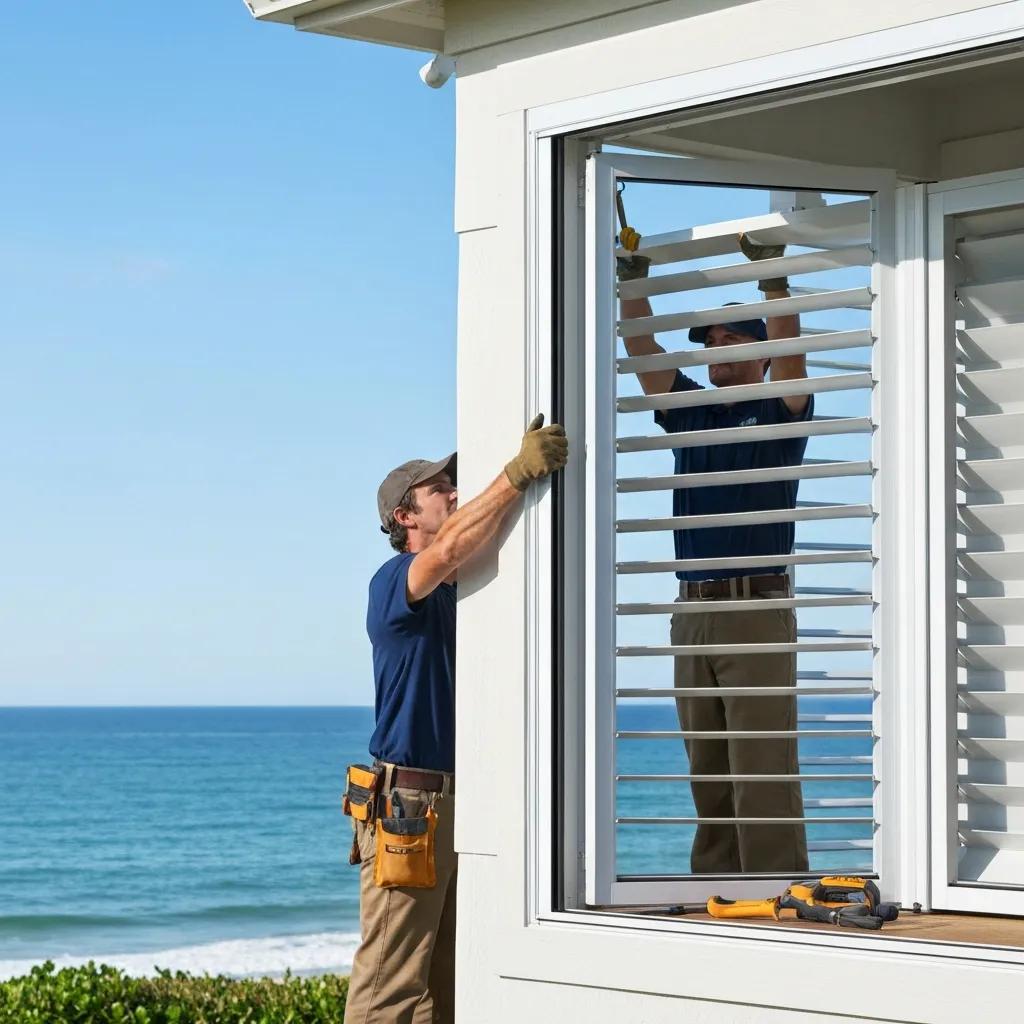
Accordion shutters are sliding storm panels mounted to window and door openings to resist wind, windborne debris, and unwanted entry. When installed to specification they deliver dependable hurricane protection and smooth everyday operation. This guide lays out why exact measurements, the right fasteners, properly aligned tracks, and corrosion-aware hardware choices are crucial to prevent common problems like sticking, misalignment, and premature hardware failure. You’ll find step-by-step sequencing, anchor guidance by substrate, coastal maintenance tips, and a troubleshooting matrix geared to homeowners and installers along the Carolina coast. Follow these practices to cut rework, preserve warranties, and keep shutters working through many storm seasons.
Our purpose here is to educate homeowners about hurricane protection options, generate leads through free estimates, and provide clear service information for existing customers. This page prioritizes practical instruction first, then explains when professional service makes sense. If you’re planning an installation or evaluating existing shutters, the sections that follow give the exact checks and steps to proceed safely and in-code for coastal exposures.
Key Preparations Before Installing Accordion Shutters
Preparing the opening and collecting accurate site data is the single most important phase for a successful accordion shutter install. Proper measurements, correct anchor selection, substrate assessment, and corrosion planning determine fit, load transfer, and long-term operation. Verify three-point dimensions, check for out-of-plumb reveals or irregular openings, and identify the wall substrate (wood, masonry, stucco). Also confirm permit and code requirements for your NC/SC jurisdiction and plan for flashing and sealant to prevent water intrusion around tracks. These preparatory checks lead directly into the measurement methods and tool list you’ll need for the job.
Which fasteners you choose and how you measure depend on wall material and the allowable tolerances for panel fit and track clearance. Accurate measurements reduce trimming or refabrication and set realistic expectations for installer or DIY adjustments.
Before the table below, use this short checklist to organize the prep work and understand why each task matters. This gives a clear roadmap before any drilling or anchor installation begins.
- Measure the opening at multiple points: Record three vertical and three horizontal measurements and use the smallest values for fabrication.
- Assess substrate and choose anchors: Confirm whether you’re mounting to wood, masonry, or stucco and match anchor type to the substrate.
- Verify level and plumb: Check header and sill across the full width to prevent track misalignment later.
- Plan for coastal corrosion resistance: Specify stainless or coated hardware and compatible sealants for salt-air exposure.
This checklist highlights the core prep tasks and leads into a detailed comparison of measurement tolerances and anchor recommendations for typical wall types.
This table shows how measurement precision and anchor choice interact and why substrate-specific hardware reduces installation failures. With measurements and anchors planned, assemble the correct tools and materials before you begin drilling.
How to Take Accurate Measurements for Accordion Shutter Installation

Accurate measurement means recording the smallest width and height from three points so panels can be fabricated or adjusted to fit without binding. Measure width at top, middle, and bottom and height at left, center, and right; document any irregularities with photos and sketches so installers know where to shim or trim. Include allowances for track clearance and sealant‚Äîtypically about 1/8″ per side for panel movement. Note trim, angled sills, or non-square corners explicitly and err on the conservative side when in doubt. Careful measurement here prevents the common fit-related problems covered later.
These measurement practices give a reliable baseline for ordering panels and locating anchors and reduce surprises during the mounting sequence.
Tools and Materials Needed for Proper Installation

Successful installation depends on having the right tools and corrosion-resistant materials on hand so you don’t stop mid-job to source hardware. Essential tools include a long level or straightedge, hammer drill with masonry bits, torque-controlled impact driver, calibrated tape measure, and ladders or staging sized for the opening. Specify fasteners by substrate—stainless wedge or sleeve anchors for concrete/masonry, stainless structural screws for wood framing, and sealed through-bolts with backing plates for heavy loads. Use marine-grade silicone or polyurethane sealant for exterior weatherproofing. Safety gear—gloves, eye protection, and fall protection for elevated work—plus spare rollers and striker plates should be available. Picking correct materials up front reduces rework and ensures long-term performance in salt-air environments.
Having this kit ready before drilling keeps the installation workflow smooth when you mount tracks and panels.
Step-by-Step Installation for Reliable Performance
Follow a disciplined sequence—top track, bottom track, side tracks, panels, then locks—to ensure panels seat correctly and folding action remains smooth under load. Before drilling, dry-fit tracks and mark anchor locations, verify level across the full width, and confirm consistent reveal and plumb. Space anchors per manufacturer and code requirements and set them to the proper torque and embedment for the substrate to prevent pullout. After securing tracks, seat panels into the top track first, then engage the bottom track while checking interlocks and folding action through full cycles before final torqueing. Finish by installing and adjusting locks, sealing penetrations with approved sealant, and documenting the installation for warranty and inspection records.
- Verify measurements and dry-fit tracks: 15–30 minutes for typical openings.
- Mount top track and level: 30–60 minutes depending on width and anchor prep.
- Install bottom track with shims as needed: 20–40 minutes to ensure smooth travel.
- Secure side tracks and verify plumb: 15–30 minutes for final alignment checks.
- Seat panels and test folding action: 15–30 minutes for operational cycles.
- Install locks, weatherproof sealant, and document work: 20–40 minutes including adjustments.
This ordered workflow reduces callbacks and helps ensure shutters function when you need them most.
Correct Method to Mount Top, Bottom, and Side Tracks
Secure the top track first—it creates the datum for panel alignment and load transfer. A top track that’s out of level will cause dragging and uneven wear. Use a long level or laser across the full opening to verify the header is planar, place anchors at uniform spacing per manufacturer and code, and use shims to correct local irregularities. Shim the bottom track to match the top track datum and allow a slight clearance so panels roll or fold without binding; confirm anchor embedment depth and torque to spec. Install side tracks last to retain panels and resist lateral loads; test smooth entry and exit across the full travel and adjust anchors if necessary. Correct anchor spacing and torque reduce the chance of stripped anchors or track deformation, which is especially important in coastal locations exposed to load cycling.
Good track mounting practices make panel seating straightforward and minimize adjustments during lock installation.
How to Install and Align Panels and Locks
Seat panels carefully—don’t twist—and verify interlocks engage along the full panel length so there are no gaps that could reduce wind resistance. Lift panels into the top track so the lips engage consistently, then lower them into the bottom track while checking the fold pattern and overlap at each hinge. Use feeler gauges or temporary spacers to confirm uniform gaps and adjust shims under the bottom track or loosen anchors slightly to reposition when needed; never force panels into misaligned tracks. Install striker plates and locks, then fine-tune striker position so the deadbolt or latch engages smoothly over multiple cycles; test the lock 10–15 times to confirm reliability. Proper lock tuning and panel registration are the final defense against water entry and mechanical failure in a storm.
Finish these adjustments before final sealing and torqueing to reduce warranty claims and service callbacks.
Common Installation Mistakes and How to Avoid Them
Knowing common errors helps prevent failures before they occur. Frequent mistakes include mis-measurement, wrong anchor selection, improper torque or pilot-hole practices, and neglecting coastal corrosion protection. Mis-measurement causes binding or excessive gaps that lower wind performance; wrong anchors or shallow embedment can lead to pullout; incorrect torque strips threads or allows movement. Avoid these by following the three-point measurement method, matching anchors to substrate and load, using pilot holes where required, and specifying corrosion-resistant hardware for coastal exposure. Keep records of torque values, anchor types, and service checks to protect warranties and simplify future repairs. Addressing these root causes early improves shutter longevity.
- Record three-point measurements and save photos: Prevents ordering errors and documents irregular openings.
- Match anchor type to substrate and embedment needs: Prevents pullout in high winds.
- Use torque-controlled tools and pilot holes: Proper torque protects anchors and framing.
- Specify corrosion-resistant hardware and sealed penetrations: Extends component life in coastal zones.
These practices reduce rework and help ensure shutters deliver their rated performance during storms.
How Misalignment Affects Shutter Function and How to Fix It
Misalignment causes dragging, uneven wear, and gaps that reduce wind and water performance because panels bind or fail to engage interlocks properly. Symptoms include grinding noises, visible seams, and difficulty latching locks. Start fixes by inspecting anchor positions and shimming tracks: slightly loosen anchors and insert thin shims to reestablish even gaps. Small deformations can be tapped back to plane; replace a severely bent track if necessary. If misalignment stems from incorrect initial measurements or wrong anchors, rework may require refastening with correct anchor types and adjusting panel widths. When alignment issues require structural repair or persist after adjustment, call a professional to verify load capacity and compliance.
Tackling misalignment promptly prevents progressive damage to panels, rollers, and locks and keeps shutters at rated performance.
Hardware Issues That Cause Failures and How to Prevent Them
Common hardware problems include low-grade fasteners that corrode, over-torqued anchors that strip substrate, and incorrect anchor lengths that don’t meet embedment requirements—all of which reduce holding capacity. Prevent these failures by specifying stainless or coated fasteners suitable for salt-air environments, drilling correct pilot holes to avoid splitting wood or stripping masonry, and following manufacturer torque recommendations. Inspect rollers, wheel assemblies, and striker plates during installation and replace any deformed parts; keeping spares on hand reduces downtime. Routine inspection and scheduled replacement of vulnerable items before failure is especially cost-effective in coastal environments where corrosion accelerates wear.
Following these hardware best practices improves long-term reliability and reduces emergency repairs during storm seasons.
DIY or Professional Installation: Which Should You Choose?
Choosing between DIY and professional installation depends on your skill, available time, tools, compliance risk, and warranty concerns—incorrect installation can void warranties and compromise safety. DIY can be reasonable for small, simple openings on straightforward substrates if the homeowner has measurement discipline, the right tools, and a helper for handling panels. Professional installation is recommended for code compliance, irregular openings, high wind-load locations, or when you want documented warranty work; trained crews ensure correct anchor selection, torque control, and test documentation. American Hurricane Shutters serves coastal North and South Carolina and specializes in accordion shutters. Our services include Shutter Installation, Shutter Maintenance, Shutter Repair, and Free Estimates in communities such as Wilmington, Myrtle Beach, Oak Island, Topsail, New Bern, and Pawleys Island. For complex or high-risk jobs, professionals are usually the safer option.
This comparison clarifies trade-offs and explains why professionals are preferred for complex or warranty-sensitive projects.
Pros and Cons of DIY Installation
DIY offers lower labor cost and scheduling flexibility, making it attractive for capable homeowners with simple openings and the proper tools. But it comes with greater risk of measurement errors, incorrect anchors, and potential warranty or insurance issues if performance is compromised. Pros include lower out-of-pocket expense and hands-on learning of maintenance tasks. Cons include the need for precision measuring, access to torque-controlled tools and correct anchors, and safety hazards when working at height or handling heavy panels. Start with careful measurement and practice panel handling to see if DIY is feasible; when openings are unusual or codes are complex, professional help is the safer choice.
This evaluation leads naturally into the benefits that professional installers provide to address DIY risks.
Why Professional Installation Is Recommended
Professional installers deliver documented code compliance, proven anchoring methods, and warranty-backed service—critical for meeting wind-load and inspection requirements and for preserving insurance benefits tied to compliant installations. Pros have shop capabilities to modify panels for irregular openings, calibrated torque tools for consistent anchoring, and service records to support inspections and claims. They also understand coastal issues like galvanic corrosion between dissimilar metals and specify compatible hardware to avoid accelerated deterioration. For homeowners who want a turnkey solution with ongoing maintenance and repair options, professional installation reduces long-term risk and increases the odds that shutters will perform when required.
Because improper anchoring or misalignment can have serious consequences, professional installation often represents better long-term value despite higher upfront cost.
Maintaining Accordion Shutters to Prevent Operational Problems
Regular maintenance extends service life and prevents many operational failures by catching wear and corrosion early. A simple inspection and service plan ensures shutters deploy reliably: clean salt and debris from tracks, lubricate moving parts with appropriate products, exercise shutters through full cycles monthly, and inspect hardware twice a year with a pre-storm season check. Use fresh water and a mild detergent to remove salt residue, rinse and dry, then apply silicone spray to rollers and pivot points; avoid petroleum-based lubricants that attract grit and degrade seals. Keep a maintenance log with dates, findings, torque values, and parts replaced—this helps with warranty claims and schedules professional servicing when needed. Regular care reduces sticking, lock failures, and preserves rated performance in coastal climates.
Use this short maintenance schedule to keep things manageable and reduce emergency calls.
- Monthly operation check: Fully open and close shutters to detect unusual noises or resistance.
- Biannual hardware inspection: Check anchors, rollers, and locks for corrosion or looseness.
- Pre-storm season service: Clean tracks, lubricate moving parts, and verify locks before hurricane season.
- Record maintenance events: Log work and parts replaced for warranty and service history.
Best Practices for Cleaning and Lubricating Accordion Shutters
Cleaning and lubrication keep moving parts functional and slow salt-driven corrosion—the primary failure mode in coastal installs. Clean with fresh water and a mild, pH-neutral detergent to remove salt and airborne deposits, rinse thoroughly, and dry to avoid trapped moisture. Lubricate rollers, wheel bearings, and pivot points with silicone spray; silicone repels water and doesn’t attract grit the way petroleum oils can. Avoid abrasive cleaners or wire brushes on painted finishes to prevent coating damage. If corrosion is advanced, use appropriate metal cleaners and consider replacing affected parts with 316 stainless components. After cleaning and lubrication, cycle the shutters several times to work the lubricant in and confirm smooth movement.
Consistent, gentle cleaning plus targeted silicone lubrication prevents salt buildup and keeps moving parts operating smoothly over time.
Inspection Frequency and Service Cadence
Adopt a proactive schedule: monthly operational checks, biannual hardware inspections, and a detailed pre-storm service. Monthly checks catch early symptoms such as slight sticking or slower operation. Biannual inspections should include torque checks on critical anchors, visual corrosion assessments, and lock function testing. A thorough pre-storm inspection verifies seal integrity, anchor tightness, and panel registration so the system is ready for sustained wind exposure. If inspections show corrosion beyond staining, misalignment needing track repositioning, or lock failures, schedule professional service promptly. Sticking to this cadence reduces the chance of in-storm failures and extends the useful life of the system in demanding coastal conditions.
Maintaining this inspection rhythm creates predictable service intervals and keeps long-term care manageable.
Troubleshooting Common Accordion Shutter Problems After Installation
Use a systematic troubleshoot–test–repair workflow: observe the symptom, isolate the affected component (track, panel, wheel, lock), test adjustments, then repair or replace parts as needed. Escalate to a professional when anchor or structural integrity is in question. Typical problems include sticking or jamming, lock misalignment, panel registration drift, and corrosion-induced seizure. Start with a visual inspection and cleaning—often debris or salt buildup is the cause and a targeted cleaning plus lubrication will restore function. If cleaning and adjustments don’t help or anchors show movement, professional rework is likely required to restore load capacity and compliance. Document troubleshooting steps and parts replaced to help future service calls and warranty work.
Why Shutters Stick or Jam and How to Fix It
Sticking usually results from debris and salt in tracks, corrosion on rollers, or slight track misalignment that causes binding under load. Diagnose during a full operation cycle: clean tracks with fresh water and a mild detergent, remove grit and compacted salt, rinse and dry, then lubricate rollers with silicone spray. If binding continues, inspect tracks for bends or dents and verify top-to-bottom alignment; minor issues can be fixed by loosening anchors, inserting shims, and retightening to spec. Replace bent panels or worn roller wheels when necessary. If anchors loosen or the substrate cracks, stop and call a professional to assess structural integrity and load capacity.
Cleaning and lubrication often resolve early sticking. Persistent mechanical deformation or anchor problems require professional intervention to ensure safe, rated performance.
Repairing Lock and Panel Alignment Problems
Lock failures typically stem from striker misplacement, worn lock internals, or panel registration drift. Diagnose by operating the shutter slowly and watching the bolt path; if the bolt hits the striker off-center, move the striker plate incrementally until the bolt engages smoothly across multiple cycles. Replace worn cylinders or latch parts when internal wear prevents reliable engagement, and use lock-safe lubricants if appropriate. Correct panel alignment by loosening track anchors, adding shims or repositioning the track, then retesting through several cycles to confirm consistent registration. If locking adjustments don’t restore engagement or panel movement shows anchor pullout, call a professional to replace hardware and verify load-bearing connections.
Document any repairs and parts replaced so the shutter remains secure, operational, and covered by warranty where applicable.
If you prefer professional help for installation, maintenance, or repair, American Hurricane Shutters serves coastal North and South Carolina and specializes in accordion shutters and full shutter services. We offer shutter installation, shutter maintenance, shutter repair, and free estimates for homeowners in communities such as Wil
