

Essential Roll Down Hurricane Shutter Maintenance Tips for Homeowners and Businesses
Roll-down hurricane shutters are the first line of defense for homes and businesses along the coast. With regular care—cleaning, lubrication, inspection and timely repairs—aluminum slats, guide tracks and motors will work smoothly when a storm approaches. This practical guide walks you through safe cleaning, lubrication choices, inspection and troubleshooting steps, ways to extend service life, and specific actions to limit salt-air corrosion. Systems may be motorized, hand-cranked or pull-down; each needs slightly different attention to prevent salt damage, noisy operation and mechanical failure. Read on for step-by-step cleaning techniques, a pre- and post-storm inspection checklist, motor/electronics diagnostics, and coastal maintenance tips that lower repair costs. If you’d rather plan service costs first, use our no-cost estimate or the cost calculator to budget.
American Hurricane Shutters serves coastal North and South Carolina and offers free estimates plus an online cost calculator to help homeowners and businesses weigh maintenance versus replacement. We install, maintain and service typical aluminum roll-down shutters—motorized, pull-down and hand-cranked—focusing on reliable storm protection, code compliance and long-term value. If you want to compare pricing before booking service, the free estimate or calculator is a useful next step. Below, we first equip you with practical how-to guidance so your budgeting and service decisions are informed.
How Do You Properly Clean Roll Down Hurricane Shutters?
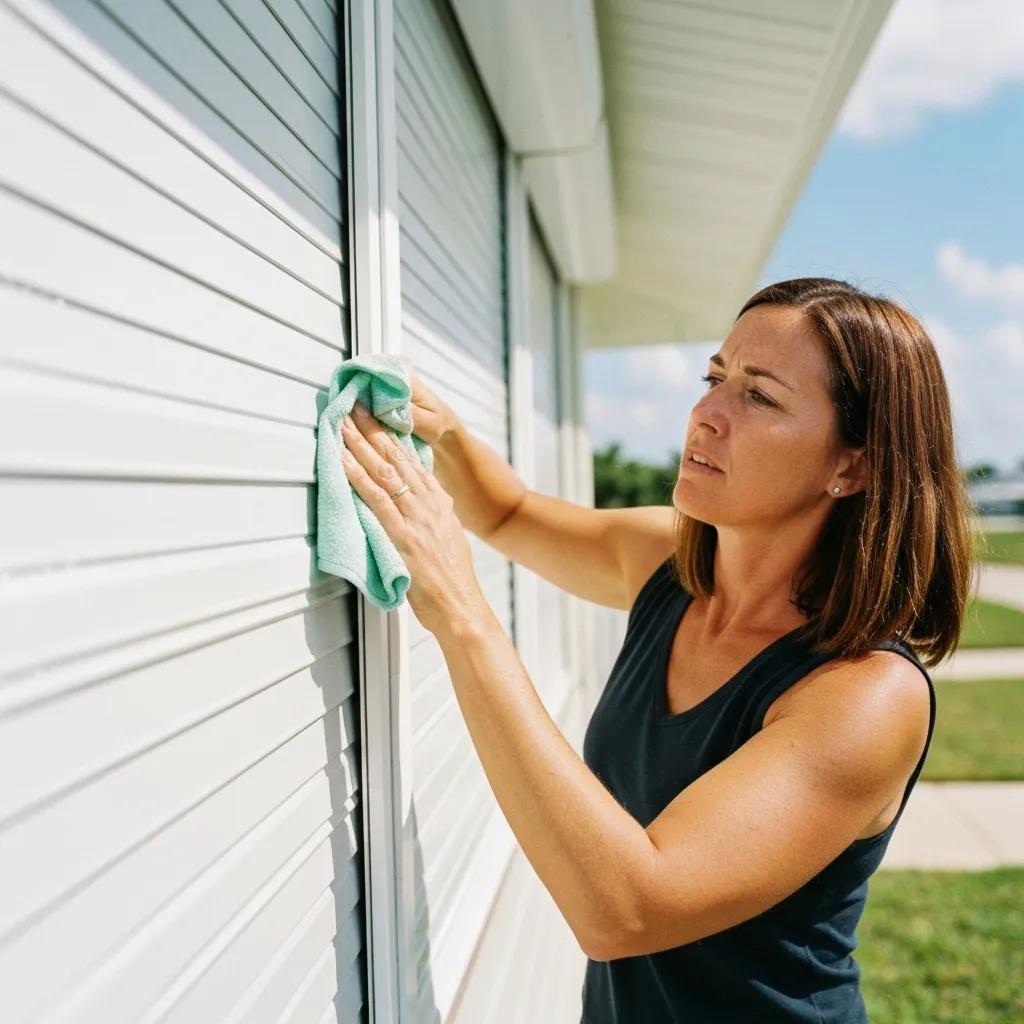
Cleaning removes salt, mildew and grit that speed wear and make shutters stick or strain motors. Regular rinsing and gentle washing reduce friction in guides, protect seals and fasteners, and keep finishes looking good. Start with mild, pH-neutral cleaners and fresh water; avoid harsh abrasives and strong solvents that can strip protective coatings. In coastal settings, clean more often—salt spray builds up quickly. The sections below describe safe cleaning solutions for aluminum finishes and step-by-step techniques for slats and tracks that remove salt without risking electronics or finishes.
What Are the Best Cleaning Solutions for Aluminum Roll Down Shutters?
Use a pH-neutral, mild detergent and fresh water as your baseline for aluminum shutters. A simple homemade mix—about one ounce of gentle dish soap per gallon of warm water—works well when applied with a soft cloth or sponge to avoid scratching powder coats. Never use acids, undiluted solvents or abrasive pads that can remove the finish and expose bare metal. After washing, rinse thoroughly with fresh water and dry with a soft towel to prevent spots. Regular, gentle cleaning prepares shutters for lubrication and inspection.
How Should You Clean Shutter Slats and Tracks to Remove Salt and Debris?
Focus on slats, end caps and track interiors, using tools and technique that dislodge salt while keeping water away from motor housings and electrical components. Lower the shutter and brush loose debris from slat edges with a soft-bristle brush. Rinse from top to bottom with a low-pressure nozzle to avoid driving salt deeper into guides. Use a narrow soft-bristle brush or cotton swab to clear grit from track seams, then rinse and wipe dry to minimize residue. Avoid high-pressure washers near motor housings and seals. Once clean and dry, apply a light, motor-safe dry silicone or PTFE lubricant to tracks and moving parts as described in the lubrication section.
Tools for slat and track cleaning:
- Soft-bristle brush to remove loose debris.
- Soft cloths or microfibers for washing and drying.
- Low-pressure spray nozzle or garden hose for rinsing.
These steps remove most salt and grit and leave the shutter ready for lubrication and inspection, covered next.
What Are the Best Practices for Lubricating Roll Down Hurricane Shutters?

Proper lubrication lowers friction, protects rollers and hinges, and reduces motor load—but the right product matters. Use lubricants that protect against wear and salt corrosion while remaining compatible with aluminum and motor housings. Apply lubrication to tracks, rollers, hinges and accessible motor shafts per the manufacturer’s guidance. Prefer dry, non-gumming sprays on guides so grit won’t stick. The table below compares common lubricant types to help you choose and use them safely.
Intro: This table compares common lubricant options for roll down shutters across attributes that matter in coastal settings and motorized systems.
Summary: For tracks and rollers, choose a dry silicone or PTFE aerosol; reserve grease for sealed bearings only. Always check the motor/OEM recommendations before applying lubricants near electronics.
Which Lubricants Are Recommended for Motorized and Manual Shutter Components?
Motorized systems need cautious selection because motor housings and limit switches are sensitive to contamination; manual crank systems are more forgiving. Use dry silicone or PTFE sprays on tracks and guide rails to avoid sticky residues that trap salt and sand. For motor shafts and sealed bearings, technicians may use low-viscosity marine-grade greases—but only in sealed areas away from dust-prone guides. Never spray grease into motor vents or electrical connections. When in doubt, follow the shutter motor’s OEM guidance and favor motor-safe dry lubricants to protect electronics.
How Often Should You Lubricate Shutter Tracks and Motors?
Frequency depends on exposure. Inland properties can follow a baseline annual schedule with pre-season checks; coastal properties need more frequent attention—pre-season, after significant salt spray or storms, and mid-season visual checks. A practical plan: lubricate tracks and moving parts once before hurricane season, again after any major salt event, and have a professional inspect motors annually to verify internal lubrication and electrical integrity. If you notice increased noise, sluggish movement or visible salt buildup, apply a targeted dry lubricant and schedule a professional inspection.
How Can You Inspect Roll Down Hurricane Shutters for Damage and Wear?
Routine inspections catch wear, corrosion and mechanical faults before they become failures during a storm—and they help document condition for warranties or insurance. Combine visual checks of slats and fasteners with functional tests of motors, remotes and manual overrides. The table below provides a practical inspection checklist that maps components to inspection steps and acceptable actions you can use pre-season and after storms.
Intro: The table below maps shutter components to inspection steps and the action to take when conditions fall outside acceptable ranges.
Summary: Use this mapping to prioritize repairs and photograph issues for documentation. Next is a short, actionable pre-storm checklist homeowners can complete quickly.
What Is the Pre-Storm Inspection Checklist for Roll Down Shutters?
A concise pre-storm check reduces last-minute failures. Focus on safety and a few simple tools so you can finish the checklist quickly. Tighten visible fasteners and end caps, clear tracks of debris, run a full open/close cycle on motorized systems, and confirm manual override mechanisms operate smoothly. Check remote batteries and any backup power. Photograph defects or odd noises for a technician. If you find structural fastener corrosion or any failed step, schedule professional maintenance.
Pre-storm checklist highlights:
- Tighten visible fasteners and check end caps.
- Clear tracks and confirm slats are aligned.
- Run a complete open/close cycle and listen for abnormal sounds.
Completing these items lowers the chance of deployment failure and leads into post-storm motor and slat diagnostics below.
How Do You Assess Motor Functionality and Slat Integrity After a Storm?
Start post-storm diagnostics with motor checks—verify power to the motor, test the wall switch and remote, and watch for inconsistent movement or error codes. Then inspect slats for dents, bends or punctures. If the motor hums but the shutter doesn’t move, look for track obstructions or slat binding. If the motor won’t energize, check the breaker, control box and limit switch settings before assuming motor failure. For slats, use a simple severity scale: surface scratches (monitor), dents that affect the weatherseal (repair), and structural breaks or holes (replace). Record your findings and contact a professional for motor diagnostics or slat replacement when needed to restore full readiness.
What Are Common Problems with Roll Down Hurricane Shutters and How Do You Troubleshoot Them?
Common issues include shutters that won’t open or close, noisy operation, stuck slats and motor errors. Most stem from power loss, obstructions or lubrication problems and worsen if left unchecked. Safety first: disconnect power before inspecting motors, don’t force stuck shutters and use manual overrides when provided. The table below links symptoms to likely causes and step-by-step remediation so you can try safe DIY fixes and know when to call a pro.
Intro: This troubleshooting table connects common symptoms to likely causes and safe remediation steps for homeowner diagnostics.
Summary: Use this table to safely triage issues and escalate to professional service for motor replacement, structural damage or electrical faults.
The next subsections offer focused fixes for shutters that won’t move and for noisy shutters.
How Do You Fix a Roll Down Shutter That Won’t Open or Close?
When a shutter won’t move, start with the simple checks: confirm breakers and fuses, test the wall switch and replace remote batteries if needed. Inspect the track for visible obstructions, then use the emergency release to lower the shutter and check for binding or bent slats—do not force the motor. If the motor hums but the shutter won’t move, the drive coupling or gearbox may be slipping; stop and schedule professional service to avoid further damage. Note what you tried to help the technician diagnose the problem faster.
What Causes Noisy Shutters and How Can You Resolve It?
Noises usually mean increased friction from dirty tracks, insufficient lubrication, worn rollers or loose hardware. Identify the noise (grinding, squeal, clunk) to help locate the issue. Clean tracks, apply a dry silicone or PTFE lubricant to guide rails and rollers, and tighten loose fasteners. Replace worn rollers or seals if cleaning and lubrication don’t fix the noise. If noise continues and operation is irregular, the motor or gearbox may be failing—call a technician to prevent a sudden failure during a storm.
How Can You Extend the Lifespan of Your Roll Down Hurricane Shutters?
Extend shutter life with scheduled maintenance, proper cleaning and lubrication, timely repairs, and annual professional inspections that catch hidden issues. A seasonal routine reduces motor and slat wear, slows salt-related corrosion and creates documentation useful for warranties and insurance. Many owners find a mix of DIY preventive care plus an annual professional check offers the best balance of cost and reliability. The next section gives a practical annual maintenance schedule tailored for coastal properties.
What Is the Recommended Annual Maintenance Schedule for Roll Down Shutters?
Keep maintenance simple and repeatable: a full pre-season clean and lubrication, mid-season spot checks after salt events, and an annual professional service that tests motors, limit switches and safety systems. Ideally, do pre-season work before hurricane season, follow up a few weeks after any major salt spray or storm, and book a technician yearly for internal motor checks and fastener replacement when needed. Keep a maintenance log with dates, photos and findings to support warranty or insurance claims and to track wear over time.
Annual schedule at-a-glance:
- Pre-season: full clean, track lubrication, functional test.
- Mid-season: spot checks after salt events and touch-up cleaning.
- Annual professional inspection: internal motor and electrical assessment.
These steps help extend service life and improve storm readiness. The following section explains the value of professional maintenance.
How Does Professional Maintenance Benefit Shutter Longevity and Storm Protection?
Professional maintenance provides deeper diagnostics—internal motor inspection, limit-switch calibration and corrosion checks in areas homeowners can’t see—that reduce the risk of sudden failure during storms and help preserve warranties. Technicians apply OEM-recommended lubricants, replace factory parts and deliver documented reports that can support insurance claims. For coastal properties, pros find hidden corrosion on fasteners and housings and recommend targeted repairs. If you’re comparing service options or budgeting repairs, American Hurricane Shutters offers free estimates and a cost calculator to help you decide between DIY and professional service.
This leads into corrosion-specific recommendations for coastal shutters.
How Should Coastal Homeowners Protect Roll Down Shutters from Corrosion?
Salt air speeds corrosion through repeated salt deposition, humidity and wind-blown particulates that wear protective coatings. Protection combines frequent freshwater rinsing, the right dry lubricants and occasional compatible protective coatings where the manufacturer allows. Promptly remove salt, use corrosion-inhibiting dry lubricants, and replace corroded fasteners with marine-grade options during professional service. Watch for warning signs—stiff operation, flaking paint, pitting around fasteners—and address them quickly to prevent structural compromise. The next sections describe specific preventative methods and when to call a professional.
What Are Effective Methods to Prevent Salt Air Corrosion on Aluminum Shutters?
Freshwater rinsing after salt events is the single most effective homeowner step. Dry thoroughly, then lightly apply dry silicone or PTFE to tracks and moving parts. Prevent trapped moisture by clearing drain holes and keeping motor housings sealed. Only apply protective coatings approved by the shutter manufacturer to avoid voiding warranties. Use corrosion-resistant fasteners and end caps when replacing hardware, and document your preventive measures for professional follow-up. These steps reduce surface salt, limit electrochemical attack and keep shutters operable when you need them most.
Marine Corrosion Protection Methods for Aluminum Alloys
Methods for protecting aluminum alloys from marine corrosion are reviewed; unlike carbon steels, anodic–cathodic protection approaches are commonly used for aluminum.
Marine corrosion and protection of aluminum alloys according to their composition and structure, 2005
Understanding how marine corrosion affects aluminum helps you choose targeted protection steps.
When Is It Necessary to Call a Professional for Coastal Shutter Maintenance?
Call a professional if you see visible corrosion on moving parts, motor failure after salt exposure, severe slat deformation, or fastener deterioration—issues that usually require parts replacement, motor servicing or structural fastening repairs beyond typical homeowner scope. Professionals can safely disassemble motors, install code-compliant fasteners and apply OEM-approved remedies that maintain building-code compliance. For coastal North and South Carolina properties, schedule an annual professional inspection and use a free estimate to plan repairs so your shutters meet storm-season readiness and you have documentation for insurance. American Hurricane Shutters offers free estimates and a cost calculator to help you choose the right maintenance path.
This technical guidance completes the maintenance roadmap and equips owners to act quickly on corrosion or operational concerns.
Frequently Asked Questions
What are the signs that my roll down hurricane shutters need professional maintenance?
Call a professional if you see corrosion on moving parts, hear unusual noises during operation, or experience failure to open or close. Significant slat or fastener wear, or motor issues after salt exposure, also warrant pro service. Regular inspections help catch problems early and keep shutters storm-ready.
How can I improve the energy efficiency of my roll down hurricane shutters?
Energy performance improves when shutters seal properly and operate smoothly. Keep tracks clean and lubricated, and consider shutters with thermal or reflective properties to reduce heat transfer. Well-maintained shutters help regulate indoor temperature and can lower heating and cooling costs.
Can I install roll down hurricane shutters myself, or should I hire a professional?
Some homeowners can install shutters, but professional installation is recommended for reliable performance and code compliance. Improper installation can affect warranty coverage and safety. If you choose DIY, follow the manufacturer’s instructions closely and consult a pro for complex openings or structural anchoring.
What should I do if my roll down hurricane shutters are stuck?
If shutters are stuck, check tracks and slats for visible obstructions and confirm power for motorized systems. Use the manual override if available and never force the motor. If the problem persists, contact a professional for inspection and repair to prevent further damage.
How do I choose the right type of roll down hurricane shutters for my home?
Select shutters based on budget, desired appearance and protection level. Aluminum is a common, durable choice. Decide between motorized, hand-cranked or pull-down operation and confirm local building-code requirements. A professional assessment can help match the right product to your home.
What maintenance tasks can I perform myself on my roll down hurricane shutters?
Homeowners can handle routine tasks: regular cleaning to remove salt and debris, lubricating tracks and moving parts, tightening visible fasteners and visually inspecting for corrosion or damage. Keep a maintenance log with dates and photos to track issues and support warranty or insurance claims.
Conclusion
Regular maintenance keeps roll-down hurricane shutters reliable and extends their service life—especially on the coast. Follow the cleaning, lubrication and inspection practices in this guide, and combine DIY upkeep with annual professional checks for the best protection. If you’d like professional help, American Hurricane Shutters offers free estimates and a cost calculator to plan service. Protect your property: schedule a check or get an estimate today.
