
Essential Maintenance Tips for Accordion Shutters — Keep Them Ready and Reliable
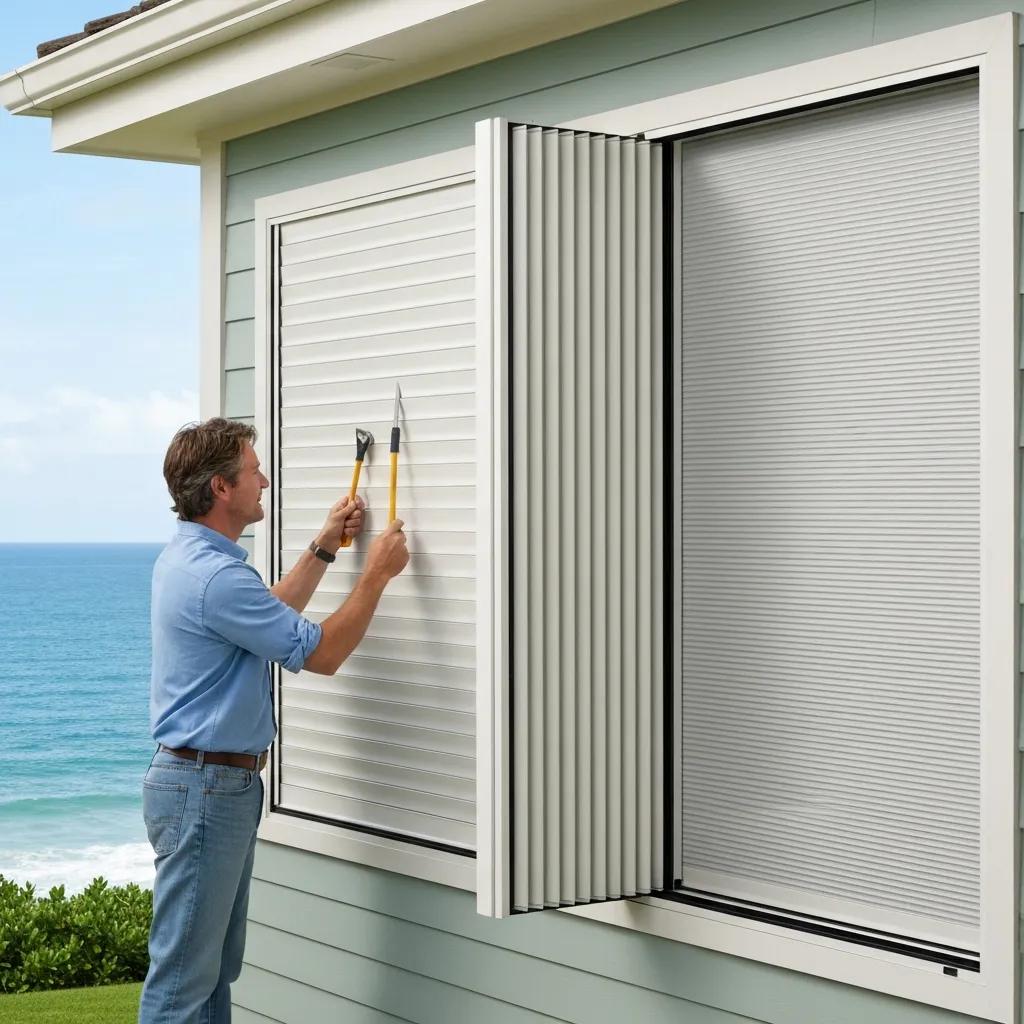
Accordion shutters are a collapsible, interlocking panel system built to protect windows and openings from high winds, flying debris, and break‑ins. With the right upkeep, they stay dependable when hurricanes threaten. Regular maintenance preserves moving parts — tracks, wheels, hinges, and locks — and reduces corrosion from coastal salt air, extending service life and helping you meet local code requirements. This guide walks homeowners through practical cleaning schedules, safe cleaners, lubrication best practices, common DIY repairs, and coastal‑specific seasonal checklists so shutters operate smoothly when you need them. You’ll find step‑by‑step diagnostics for stuck slats and broken wheels, clear guidance on lubricant choices, decision tables to weigh DIY vs. pro repairs, and printable checklists tailored for coastal North Carolina and South Carolina. Follow these steps and know when to call a technician to lower repair costs, protect warranties, and make sure your accordion shutters perform when it matters most.
How Often Should You Clean Accordion Shutters for Best Results?
Cleaning frequency depends on exposure and use, but a practical baseline is twice a year — once before and once after hurricane season — to remove salt, grime, and airborne pollutants that speed wear. Regular cleaning stops abrasive buildup in tracks and on slats, reduces corrosion on fasteners and rollers, and preserves powder‑coated finishes. Visible signs like white salt crusts, gritty tracks, or stiff operation mean you should clean sooner; properties with heavy coastal exposure may need quarterly attention. A simple schedule helps you prioritize tasks and get shutters storm‑ready.
This list shows the safe tools and cleaners you should have on hand before you start, and the next paragraph explains why these choices matter.
- Soft‚Äëbristled brush and microfiber cloth: Remove loose debris without scratching coated surfaces.
- Mild liquid detergent diluted in warm water: A gentle cleaner that lifts salt and grime without harming finishes.
- Garden hose with a low‚Äëpressure nozzle: Rinse residues thoroughly to avoid salt crystallization.
These supplies minimize abrasion and chemical damage and set up the proper method for salt removal described next.
What Are the Best Tools and Cleaning Solutions for Accordion Shutters?
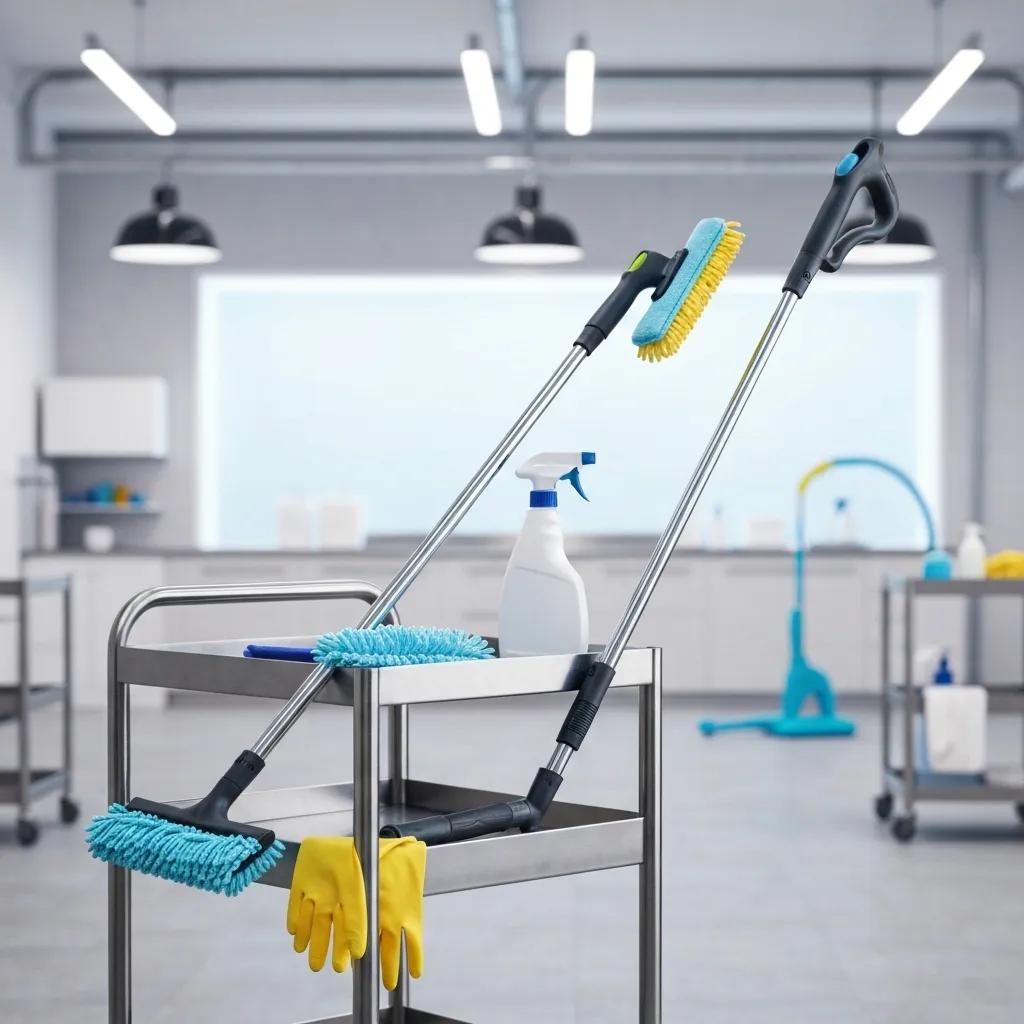
Effective cleaning uses gentle mechanical action and non‚Äëcorrosive cleaners so you remove contaminants without stripping protective coatings. Use a soft brush to dislodge grit, a microfiber cloth to lift residues, and a garden hose on low pressure to rinse away dissolved salt and soap. Avoid pressure washers and abrasive pads that can damage coatings and expose bare metal. A pH‚Äëneutral mild detergent mixed with warm water is safe for most aluminum and coated surfaces; rinse thoroughly and dry completely to prevent salt redepositing. These steps reduce repair needs and prepare components for lubrication.
How Do You Remove Salt, Debris, and Corrosion from Accordion Shutters?
Start by rinsing shutters with fresh water to dissolve surface salt. Apply a mild detergent solution and agitate with a soft brush to lift bonded grime, then rinse again and dry with a microfiber cloth. For light surface corrosion, gently remove loose rust with a non‚Äëabrasive pad and treat the area with a marine‚Äëgrade corrosion inhibitor; for deeper pitting or compromised fasteners, replace parts with corrosion‚Äëresistant options. Always test rust treatments in an inconspicuous spot to confirm compatibility with the finish. Early cleaning and treatment reduce long‚Äëterm material loss and make subsequent lubrication more effective.
Different environments need adjusted cleaning cadences; the table below recommends frequencies by common conditions to help you plan maintenance.
These guidelines help prioritize cleaning tasks based on exposure and lead into timing for lubrication, discussed next.
If you prefer to skip DIY cleaning or want a pro inspection, American Hurricane Shutters offers free estimates and professional cleaning and inspection services across coastal North Carolina and coastal South Carolina. Our technicians assess salt‚Äërelated wear, recommend corrosion mitigation, and perform safe rinsing and detergent cleaning when you prefer a hands‚Äëoff option. Professional help is especially useful when you see pitting, bent tracks, or compromised fasteners that require specialist treatment. A short visit can document condition and prioritize repairs before storms arrive.
What Are the Best Lubrication Practices to Keep Accordion Shutters Operating Smoothly?
Lubrication keeps moving parts — tracks, wheels, hinges, and locks — working by reducing friction, shedding moisture, and preventing metal‑on‑metal wear. Apply lubricant sparingly to track faces, wheel bearings, hinge pins, and lock mechanisms after cleaning and drying. Too much lubricant attracts dirt and grit, so wipe away excess and cycle the shutter to distribute the film. Choose lubricants by component and environment: dry lubricants resist salt buildup while heavier greases hold up longer in protected locations. Adjust re‑application frequency for beachfront exposure or after storms. Proper lubrication preserves smooth operation and makes inspection tests more revealing.
Before the comparison table below, the main application points where lubrication prevents failures are listed here.
- Track faces and channel rails: Light lubrication reduces binding and abrasive wear.
- Wheel bearings and rollers: Lubricate rolling surfaces to restore free travel and cut noise.
- Hinges and pivot pins: Protect pivots to avoid seizing and metal fatigue.
These points align with lubricant choices in the table and help set your maintenance frequency.
Which Lubricants Are Recommended for Accordion Shutter Tracks, Hinges, and Locks?
Use silicone spray on exposed tracks and sliding faces — it helps shed moisture and limits salt intrusion, though it may need more frequent reapplication in high‑exposure coastal settings. Put white lithium grease inside protected rollers or hinge housings where a thicker film reduces metal wear; avoid putting it on open track faces that collect dust. Reserve powdered graphite for locks and keyways so dry lubrication won’t attract salt‑laden grime. Matching lubricant chemistry to component function and environment reduces maintenance frequency and simplifies your schedule.
How Often Should You Lubricate Accordion Shutters to Prevent Wear and Tear?
As a baseline, lubricate accordion shutters twice a year — before and after hurricane season — to keep parts moving and catch early wear. Increase to quarterly for beachfront properties where salt spray speeds corrosion. Do a quick manual operation test monthly during storm season: extend and retract shutters to feel for resistance or grinding, which signals targeted cleaning or lubrication. After any direct storm exposure, reinspect and relubricate once shutters are cleaned and fully dry to avoid trapping moisture under lubricant films. Regular testing and seasonal lubrication reduce major repairs and help maintain warranty conditions.
What Are the Most Common Accordion Shutter Repairs and How Can You Fix Them?
Common repairs include replacing broken wheels or rollers, realigning or cleaning tracks, tightening or replacing loose fasteners, repairing bent slats, and servicing damaged locks. Many issues are diagnosable with a systematic inspection. Start with a visual check of rails, guides, and fasteners, then operate the shutter to find sticky spots, grinding noises, or misaligned slats. Simple fixes — tightening fasteners, clearing track debris, or swapping a worn roller — are doable with basic hand tools. Bent structural parts or severe corrosion usually need professional replacement to preserve strength and code compliance. The decision table below helps you decide when to DIY and when to call a pro.
This decision table clarifies when a homeowner can proceed and when professional work protects safety or warranty coverage, which leads into specific diagnostics and repair steps.
Before attempting repairs, gather basic tools and safety gear. The short list below helps you diagnose and fix common issues safely.
- Essential tools: Screwdrivers, a socket wrench set, pliers, and a rubber mallet cover most small repairs.
- Replacement parts: Keep spare rollers, stainless fasteners, and a small amount of the correct lubricant on hand.
- Safety gear: Use gloves, eye protection, and a stable ladder when working at height.
Having these items ready reduces downtime and increases the chances of a successful DIY repair. The next subsection walks through typical faults step‚Äëby‚Äëstep.
How Do You Diagnose and Repair Stuck Slats, Broken Wheels, and Loose Fasteners?
Diagnose stuck slats by inspecting the track for debris and corroded fasteners, then cycle the shutter to pinpoint the binding area. Clear grit with a soft brush and low‚Äëpressure rinse before disassembly. For broken wheels, support the shutter, remove nearby fasteners to access the roller assembly, replace the wheel with a corrosion‚Äëresistant OEM or compatible part, and test operation while wiping away excess lubricant to prevent grit entrapment. Tighten or replace loose fasteners with stainless hardware sized to the original specs, and check for thread or substrate damage that may need professional re‚Äëfastening or rivet work. These straightforward steps restore function and reveal whether deeper structural or corrosion damage needs pro attention.
When Should You Call a Professional for Accordion Shutter Repairs?

Call a professional when repairs involve structural damage, severe corrosion, repeated failures after DIY fixes, compromised locking mechanisms, or when warranty and code compliance are on the line. Professionals can inspect hidden components, make safe replacements, and document repairs for insurance or warranty claims. Red flags include bent tracks that won’t align, widespread pitting of metal parts, electrical issues with powered systems, or any condition that jeopardizes the shutter’s ability to meet local building codes. Expect a pro visit to include a full inspection, a written estimate, parts options, and prioritized repair recommendations based on safety and performance. Qualified technicians prevent recurring failures and ensure repairs meet hurricane‑code expectations.
If you prefer a professional to handle repairs, American Hurricane Shutters provides installation, maintenance, and repair services for homeowners in coastal North Carolina and coastal South Carolina, and we offer free estimates to evaluate issues and recommend corrective actions. Our technicians can replace rollers, realign tracks, and swap corroded fasteners with code‚Äëcompliant parts, and they will document findings in an inspection report to support insurance or warranty claims. Scheduling a pro is especially wise when damage threatens structural integrity or when multiple components show wear. Professional service complements DIY care and helps keep shutters ready for hurricane season.
How Can You Extend the Lifespan of Your Accordion Shutters with Proper Maintenance?
To extend shutter life, follow a routine of scheduled cleaning, targeted lubrication, prompt repair of minor faults, and replacement of vulnerable components with corrosion‚Äëresistant options like stainless steel fasteners and marine‚Äëgrade rollers. Preventative maintenance also includes keeping drainage and weep paths clear, preserving protective finishes, and documenting condition changes mid‚Äë and post‚Äëseason so you can plan replacements before failure. Regularly exercising shutters reveals hidden wear early; replacing small parts proactively avoids larger structural repairs that shorten service life. These practices lower lifecycle costs and support warranty and insurance requirements.
The preventative measures below focus on material choices and simple routines that reduce corrosion risk and mechanical wear.
- Rinse after each heavy storm: Remove salt and contaminants that speed corrosion on vulnerable parts.
- Replace exposed fasteners with stainless steel: Use corrosion‚Äëresistant materials where possible to limit electrochemical damage.
- Protect finishes: Touch up chips and keep powder‚Äëcoated surfaces clean to prevent bare metal exposure.
Implementing these steps slows corrosion and gets shutters ready for the next maintenance cycle. The following section explains the added value of scheduled professional maintenance.
Professional maintenance plans and periodic inspections deliver focused benefits: detailed diagnostics, prioritized part replacement, and documentation for code or insurance needs. A pro inspection can reveal hidden wear like internal roller degradation or stress fractures in slats that are hard to spot visually, and technicians can recommend OEM‚Äëquality replacement parts to preserve fit and performance. For homeowners in coastal North Carolina and South Carolina, periodic professional service helps ensure shutters meet or exceed local building code expectations. Investing in scheduled checks can lower total cost of ownership through fewer emergency repairs and a longer functional life.
What Seasonal Maintenance Steps Should Coastal Homeowners Follow for Accordion Shutters?
Seasonal maintenance centers on preparing shutters before hurricane season, inspecting after storms, and keeping shutters cared for during the off‑season to prevent salt and moisture damage. Pre‑season work focuses on running shutters through full deployment, checking tracks and fasteners, confirming locks operate, and repairing any finish damage that could let corrosion start. Post‑storm inspections prioritize safety — look for dents, tears, or displaced fasteners — then clean and dry affected areas to remove contaminants that accelerate wear. These routines reduce failure risk during storms and provide documentation useful for insurance or warranty claims.
What Pre-Hurricane Season Checks Are Essential for Accordion Shutters?
Before hurricane season, follow a simple checklist: clean and rinse shutters, lubricate recommended points, tighten fasteners, test full deployment and locking, and document any areas that need repair. Make sure track channels are clear, wheels roll freely without noise or binding, and seals around openings are intact to help prevent water intrusion during storm‚Äëdriven rain. Photograph damage and note model or serial information if available to speed parts replacement. Doing this early gives you time to source parts and book professional service, cutting last‚Äëminute risks as storms approach.
- Pre-season checklist includes these actions: rinse and clean all panels; lubricate rollers and hinges as recommended; tighten or replace corroded fasteners; test full extension and retraction; document condition with photos.
Completing these tasks ahead of storms reduces emergency repairs and helps ensure shutters can be deployed reliably when a watch or warning is issued.
How Should You Inspect and Care for Shutters After a Storm or During Off-Season?
After a storm, put safety first — only approach shutters when conditions are safe — then inspect for dents, displaced tracks, broken fasteners, and water intrusion, documenting damage for insurance and repair planning. Clean off salt and debris immediately with a fresh‑water rinse and mild detergent, dry thoroughly, and apply a corrosion inhibitor to marginal areas where finish damage exposed bare metal. Temporarily secure damaged panels if needed to prevent further exposure, and schedule permanent repairs promptly to avoid progressive corrosion during the off‑season. Regular off‑season walk‑arounds and functional tests lower the chance of unexpected failures when shutters are needed most.
What Are the Key FAQs About Accordion Shutter Maintenance Every Homeowner Should Know?
With proper maintenance, accordion shutters often last 15–30 years or more, though lifespan varies by installation quality, coastal exposure, materials, and how diligently they’re maintained. Heavy salt exposure and frequent storms accelerate wear unless mitigated by frequent rinsing, corrosion‑resistant replacements, and professional inspections. The most impactful maintenance tasks are scheduled cleaning, regular lubrication, timely replacement of worn rollers and fasteners, and avoiding abrasive cleaning methods that damage protective finishes. Understanding these factors helps homeowners plan replacements and budget maintenance to maximize shutter value.
How Long Do Accordion Hurricane Shutters Typically Last with Proper Care?
With regular cleaning, targeted lubrication, and proactive replacement of corroded parts, many accordion shutter systems deliver 15–30 years of service. Actual lifespan depends on local climate, how often shutters are used, and whether components are upgraded to corrosion‑resistant materials. Coastal properties may need more frequent part replacement but can still reach the upper range with rigorous maintenance and stainless hardware. Keeping a record of condition and repairs helps predict replacement timing and supports warranty claims. Combined DIY care and professional inspections measurably extend reliable service life.
Are Accordion Shutters Easy to Operate and Maintain for Homeowners?
Accordion shutters are usually straightforward to operate and maintain if homeowners follow simple routines: clean tracks, lubricate moving parts twice a year, and do quick visual checks for damage or loose hardware. Operating them — sliding panels into place and engaging locks — is simple, and practicing deployment before storms reveals resistance or misalignment early. If maintenance or repairs exceed your comfort level or involve structural or corrosion issues, call a professional to protect safety and code compliance. Familiarity with operation also speeds deployment during emergencies.
Do you offer free estimates? Yes. To help homeowners choose the right hurricane protection and plan maintenance, American Hurricane Shutters offers free estimates and recommends professional cleaning, inspection, and repair services when DIY is impractical or a detailed evaluation is needed. This service helps homeowners make informed choices and ensures shutters are assessed against local conditions and building‚Äëcode expectations. If you want a documented evaluation or help scheduling maintenance, request a free estimate.
Frequently Asked Questions
What are the signs that my accordion shutters need maintenance?
Look for difficulty opening or closing, visible rust or corrosion on metal parts, debris in the tracks, or unusual noises like grinding or squeaking. Regular visual checks catch these issues early so you can address them before they become bigger problems.
Can I use any type of lubricant on my accordion shutters?
No. Choose lubricants suited to the materials and the component. Silicone spray works well on exposed tracks for moisture resistance; white lithium grease is better for protected hinges and rollers; powdered graphite is good for locks and keyways. The wrong lubricant can attract dirt and speed wear.
How can I tell if my accordion shutters are properly aligned?
Visually inspect tracks and panels for gaps or misalignment. Fully extended shutters should sit flush against the frame without noticeable gaps. Operate them to ensure smooth travel without binding. If you see gaps or feel resistance, adjustments are likely needed.
What should I do if my accordion shutters are stuck?
First check the tracks for debris or corrosion. Clean with a soft brush and rinse with water. If they still stick, inspect wheels and fasteners for damage and replace worn parts. If the problem continues, call a professional for a thorough inspection and repair.
Are there any specific maintenance tips for shutters in high-salt environments?
Yes. Increase maintenance frequency: rinse shutters with fresh water after storms, use corrosion‚Äëresistant replacement parts like stainless fasteners, and apply corrosion inhibitors to vulnerable areas. Regular inspections and prompt repairs will help shutters last in harsh salt environments.
How can I prepare my accordion shutters for hurricane season?
Clean and rinse shutters, lubricate moving parts, tighten or replace corroded fasteners, test full extension and locking, and document any damage. Doing these steps early lets you source parts or book professional help before storms arrive.
What are the benefits of professional maintenance for accordion shutters?
Professionals provide thorough inspections that find hidden issues, deliver expert repairs with code‚Äëcompliant parts, and document work for warranty or insurance. Regular professional service can extend shutter life, reduce emergency repairs, and save time and money in the long run.
Conclusion
Regular care keeps accordion shutters ready and reliable — especially on the coast. A predictable routine of cleaning, lubrication, and timely repairs will reduce costly failures and help your shutters perform when storms arrive. If you want professional help, American Hurricane Shutters offers expert services tailored for coastal North Carolina and South Carolina homeowners. Schedule a free estimate to make sure your shutters are prepared for whatever weather comes next.
