

How Roll‚ÄëDown Hurricane Shutters Boost Home Value and Elevate Curb Appeal
Roll‑down hurricane shutters are engineered exterior systems that lower from a compact housing and lock into guide rails, giving strong storm protection while staying visually discreet. This article explains how roll‑down shutters can sharpen curb appeal, deliver measurable financial benefits, and help manage energy and UV exposure in coastal homes. Many homeowners worry protection will look bulky or clash with architecture; modern roll‑down systems tuck into low‑profile cassettes, come in a range of colors and finishes, and operate by hand or motor so your home’s lines stay clean. You’ll learn how shutters affect resale value, insurance and energy savings, and what to weigh when choosing materials and installation methods. We cover protection mechanics, security benefits, selection guidance (manual vs motorized, material choices), and what matters locally in coastal North and South Carolina so you can balance aesthetics and ROI. Throughout, we tie design choices to performance and long‑term financial outcomes to help you make confident decisions.
How Do Roll Down Hurricane Shutters Improve the Aesthetic Appeal of Your Home?
Roll‑down shutters improve a home’s look by blending protection into existing lines: a slim cassette stores the slats so the shutters are nearly invisible when retracted, and color‑matched powder coats minimize contrast with siding and trim. That concealed approach preserves your facade while offering purposeful design details that can reinforce a building’s rhythm and proportion. The system’s modular parts—slats, cassette, guide rails, and optional motor—let you pick profiles that suit seaside cottages, minimalist builds, or traditional styles. Knowing these design options makes it easier to choose shutters that raise curb appeal without sacrificing protection.
This section lays out practical design choices and visual strategies to keep architectural harmony and signal long‑term care and durability—things buyers notice when a home is sale‑ready.
What Design Options and Customization Features Are Available for Roll Down Shutters?
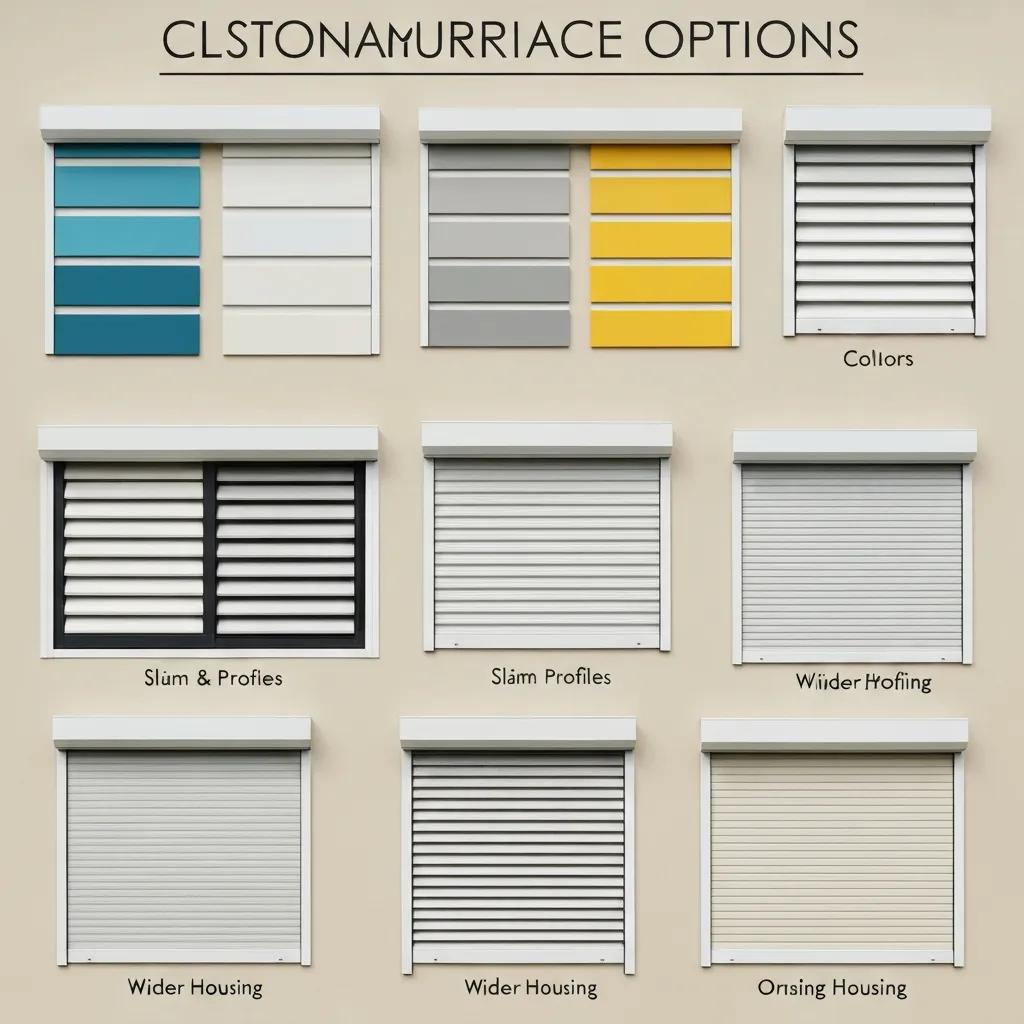
Roll‑down shutters come with a wide set of customization options: powder‑coat colors, textured finishes, slim or heavy‑duty slat profiles, and cassette placement choices to match rooflines and trim. Cassettes can sit above the window, tuck into recessed pockets, or hide behind decorative trim so sightlines stay clean and gutters or fascia remain coordinated. Accessories—like decorative covers or matching corner pieces—help shutters read as intentional design elements instead of add‑ons. These choices let shutters complement shingle, clapboard, stucco, or modern metal exteriors while keeping the home’s overall look intact.
Picking the right finish and cassette placement reduces visual impact and naturally leads into how those decisions influence year‚Äëround curb appeal.
How Do Roll Down Shutters Enhance Curb Appeal Year‚ÄëRound?
When retracted, roll‑down shutters present a low‑profile, finished look that signals durability and easy upkeep—qualities that reassure prospective buyers even when shutters aren’t in use. A well‑integrated protection system reads as a built‑in feature rather than an afterthought, especially in hurricane‑prone coastal neighborhoods where readiness matters. Durable finishes and stainless hardware keep appearances looking newer longer, avoiding streaking or corrosion that can hurt curb appeal. Professionally documented installations that meet local codes further boost buyer confidence and reduce perceived inspection risk.
That consistent, low‑maintenance appearance connects directly to the financial benefits discussed next—resale value and insurance considerations.
- Concealed Integration: Slim cassettes and recessed mounts keep shutters out of sight when retracted, preserving facade symmetry.
- Color and Finish Matching: Powder‚Äëcoat and textured finishes blend with your existing exterior palette to minimize visual contrast.
- Profile Selection: Choose slim or heavy‑duty slats to match the home’s architectural character.
- Accessory Integration: Trim pieces and decorative covers make shutters look like intentional design elements.
In What Ways Do Roll Down Hurricane Shutters Increase Property Value?
Roll‚Äëdown shutters can increase property value in three practical ways: they reassure buyers with documented protection, they may lower insurance premiums when systems meet code and testing standards, and they cut operating costs through energy savings and fewer storm repairs. Presenting code‚Äëcompliant installations and engineering paperwork lets homeowners list shutters as transferable improvements that reduce future maintenance and storm exposure. The mix of visible preparedness and quantifiable savings often brings more buyer interest in coastal markets where storm risk influences decisions. Below is a concise comparison to help homeowners estimate how these impacts translate into value.
How Does Installing Roll Down Shutters Affect Resale and Market Value?
Professionally installed, well‑documented roll‑down shutters make a property more attractive by lowering perceived risk and simplifying buyer due diligence. In hurricane‑exposed neighborhoods, shutters are seen as permanent hardening measures buyers prefer over temporary panels, which improves a home’s competitive stance. Appraisers and agents typically treat fixed, transferable upgrades as part of comparable sales, so integrated, visually appropriate shutters can support higher effective market value. Providing installation records and professional engineering evidence helps translate aesthetic and protection benefits into appraisal support.
This appraisal‚Äëfriendly approach naturally connects to insurance savings and payback timelines discussed below.
Can Roll Down Shutters Lower Insurance Premiums and Provide Long‚ÄëTerm Savings?
When roll‑down shutters meet or exceed building code and insurer requirements, homeowners can often secure lower premiums or reduced deductibles—creating a multi‑year payback on the initial investment. Insurance discounts depend on each insurer’s program and required paperwork—proof of compliant installation, Design Pressure (DP) analysis, and evidence of durable hardware are commonly requested. Over time, premium savings combined with fewer storm repairs and potential energy reductions create a cumulative return on investment. Tracking these savings alongside upfront costs helps homeowners choose whether higher‑grade materials or motorized convenience make sense.
If you want to quantify these benefits, request professional estimates and cost projections that pair aesthetic choices with projected insurance and energy outcomes.
For homeowners in coastal North and South Carolina looking for local help, American Hurricane Shutters offers free estimates and a cost calculator tool. As a local installer specializing in engineered hurricane protection, we use Design Pressure Analysis and 18‑8 stainless steel installation hardware to meet or exceed code—helping you document compliant installations for insurance and resale.
What Are the Core Protection and Security Benefits of Roll Down Hurricane Shutters?
Roll‑down shutters form a rigid barrier across openings to resist wind pressure and flying debris while also serving as a visible security deterr that enhances privacy. Performance depends on components—slats, cassette, motor (for motorized units), guide rails, and mounting hardware—working together to meet specified DP ratings. Properly engineered systems transfer wind loads to anchor points, lowering the chance of window failure and subsequent water or wind entry during storms. Understanding these mechanics clarifies selection choices and underlines why professional installation and code compliance matter for both safety and a seamless look.
This technical background sets up a closer look at storm performance and everyday security benefits.
How Do Roll Down Shutters Provide Superior Storm and Wind Protection?
Roll‑down shutters stand up to storms through interlocking slat geometry, sturdy guide rails, and secure anchoring that pass design pressure loads to the structure rather than glass. Design Pressure (DP) ratings tie wind speed and exposure to component strength; systems backed by validated DP analyses give predictable protection in certified conditions. Quality installation hardware—stainless steel fastenings and engineered mount points—prevents failures at connections, which is a common weak spot in lesser systems. Professional installation and documented testing ensure the completed system behaves as intended under wind and debris impacts.
These protective mechanics also support the non‚Äëstorm security and privacy benefits discussed next.
What Security and Privacy Advantages Do Roll Down Shutters Offer Beyond Storm Protection?
Outside of storms, roll‑down shutters act as a durable visual and physical barrier that discourages break‑ins, enhances nighttime security, and increases occupant privacy. They also offer light control and can reduce exterior noise when closed, improving comfort and a sense of seclusion. Because they’re a fixed, easy‑to‑use system—especially motorized models—homeowners are more likely to use them regularly than removable panels, making them useful year‑round for privacy and noise management. These everyday advantages add practical value beyond storm readiness.
Everyday security and comfort features reinforce buyer perceptions of durability and utility, which ties back to curb appeal and resale value.
- Wind and debris resistance: Interlocking slats and secure anchoring lower the risk of glass breakage.
- Design Pressure compliance: Engineered systems with DP ratings deliver predictable storm performance.
- Everyday security: Closed shutters deter intruders, increase privacy, and help reduce noise.
How Do You Choose the Right Roll Down Hurricane Shutters for Your Home?
Choosing the right roll‑down shutters means balancing budget, desired look, operation preference (manual vs motorized), and code requirements based on local exposure. Start by assessing your home’s architectural style and mounting options—surface‑mounted cassettes, recessed housings, or pocketed solutions—to minimize visual impact. Compare materials (aluminum, insulated profiles) for corrosion resistance and finish life, and prioritize mounting hardware quality since fasteners and anchors determine long‑term performance. Also consider how shutters fit with other options—accordion, Bahama, colonial shutters, impact windows, or temporary panels—to find the best match for aesthetics, cost, and local risk tolerance.
This framework leads into a practical comparison of operation modes and material tradeoffs to help you choose the right system.
What Are the Differences Between Manual and Motorized Roll Down Shutters?
Manual roll‑down shutters usually cost less up front and have simple, reliable mechanics—crank or strap systems that don’t need wiring—making them a solid choice for budget‑conscious homeowners. Motorized systems add convenience with remote control and home automation options, encouraging frequent use for energy savings or privacy. Motorized units require electrical provision and slightly more complex installation, and they carry a higher initial cost, but they often include limit switches and safety features for ease of use. Maintenance differs too: manual systems have fewer electrical parts to service, while motorized units may need occasional motor upkeep but deliver superior daily convenience.
Think about how often you’ll operate the shutters and whether automation matters when choosing between manual and motorized models.
Which Materials and Installation Methods Ensure Durability and Aesthetic Integration?
Aluminum is the common choice for roll‑down shutters because it balances weight, corrosion resistance, and finish options; insulated slats add thermal performance and stiffness that improve both energy efficiency and acoustic control. Durable powder coats protect against coastal corrosion and allow color matching to trim and siding. Best practices include using 18‑8 stainless steel hardware for fastenings, anchoring into structural framing rather than trim, and placing cassettes to preserve the home’s lines. Professional installers perform Design Pressure Analysis and pick attachment methods that meet or exceed local code, delivering both longevity and a clean, unobtrusive appearance.
Choosing the right materials and installation approach reduces long‚Äëterm maintenance and keeps the aesthetic benefits that support resale.
If you’d like a professional assessment, installers who use Design Pressure Analysis and stainless hardware can provide free consultations and cost estimates to compare options and document compliance for insurance and resale.
How Do Roll Down Shutters Contribute to Energy Efficiency and UV Protection?
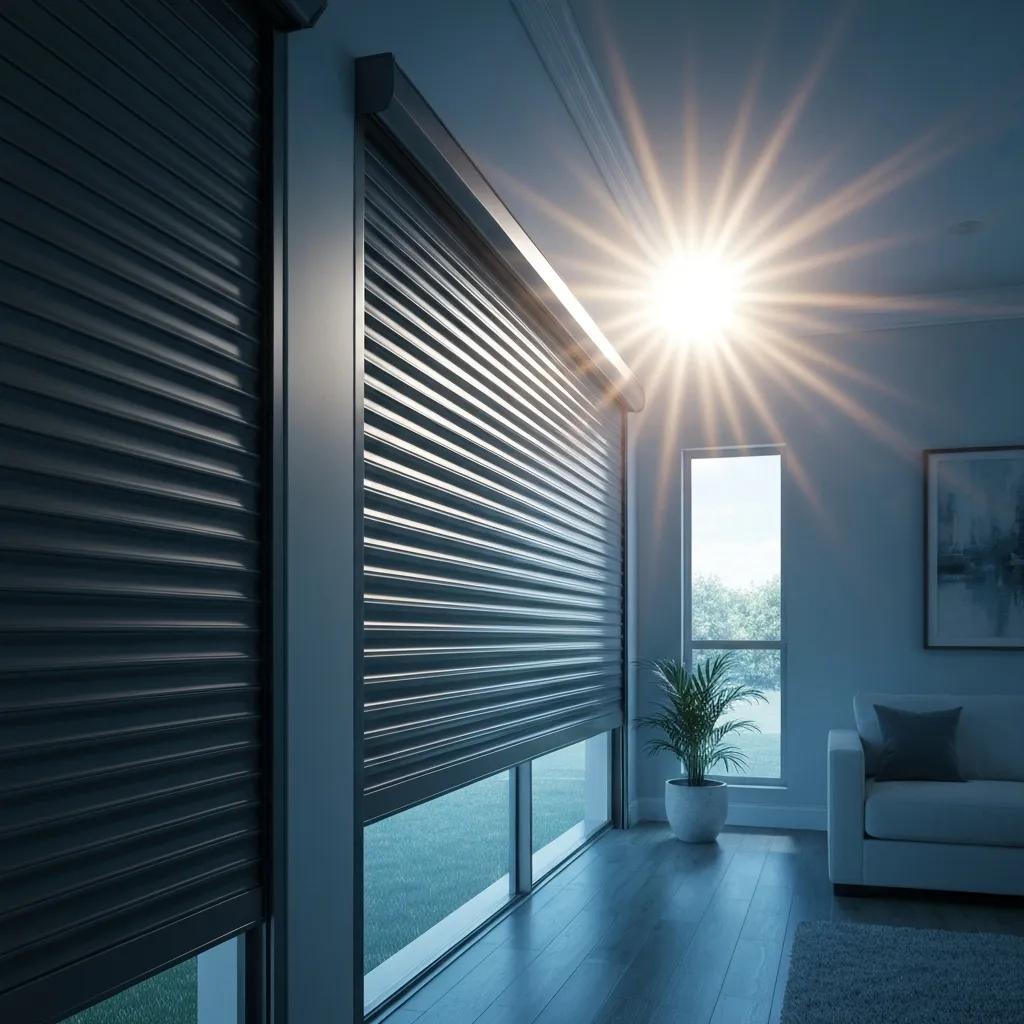
Roll‑down shutters cut solar heat gain by shading glass and creating an insulating air gap when closed, which lowers cooling loads during warm months and protects interior finishes from UV exposure. As movable shading devices, insulated slat profiles boost the system’s effective R‑value by reducing conductive heat transfer at windows. The result is lower peak cooling demand and less fading of carpets, upholstery, and artwork—benefits that add up in monthly savings and long‑term preservation. Understanding typical savings ranges and how shutters reduce UV helps homeowners weigh energy gains alongside aesthetic and protection priorities.
Next we outline realistic expectations for energy savings and the level of UV mitigation you can expect.
What Energy Savings Can Homeowners Expect from Roll Down Shutters?
Savings vary with climate, window type, and use, but in cooling‑dominated coastal areas you can expect noticeable reductions in peak cooling demand when shutters are closed during the hottest hours. Insulated slats increase seasonal savings compared with single‑skin profiles, and proactive use—closing during midday sun—maximizes benefits. Window orientation, existing insulation, and thermostat settings all influence actual percentages, but many homeowners see reduced HVAC cycling and improved comfort. An energy‑savings calculator or professional assessment will give the most realistic projections for your house.
Estimating savings precisely helps with ROI calculations and ties back to the financial benefits and documentation insurers often request.
How Do Roll Down Shutters Protect Interiors from UV Damage and Fading?
Roll‚Äëdown shutters block direct sunlight and a large portion of UV radiation that causes carpets, upholstery, and artwork to fade, helping preserve interior finishes over time. Regular use during peak sun periods prevents prolonged exposure and visible degradation; pairing shutters with UV film provides an extra layer of protection. Insulated slats also reduce indirect heat transfer that can accelerate material aging. Documenting these protective steps supports property valuations that consider long‚Äëterm maintenance savings.
Combining shutters with other UV‚Äëprotection strategies optimizes interior preservation while keeping the clean exterior aesthetics described earlier.
What Are Real‚ÄëWorld Examples of Roll Down Shutters Increasing Home Value in Coastal NC and SC?
Local examples show roll‑down shutters improving marketability across coastal North and South Carolina by pairing thoughtful design, documented protection, and code‑compliant installation to reduce buyer uncertainty. Short case narratives help illustrate results: a cohesive recessed cassette installation that cut post‑storm repairs, an upgraded home that qualified for insurance discounts after submitting engineering paperwork, and a listing that presented shutters as a transferable improvement. These stories highlight measurable outcomes—faster sales, lower insurance bills, and preserved interiors—while stressing the importance of proper documentation and professional installation.
This local perspective shows how aesthetic and protection benefits translate into real buyer advantages in coastal markets.
Which Case Studies Demonstrate Aesthetic and Financial Benefits of Roll Down Shutters?
Typical case studies follow a problem → solution → outcome format: a coastal bungalow exposed to wind‑driven debris got recessed cassette roll‑down shutters that preserved its cottage look, reduced storm damage in subsequent events, and helped keep interior finishes intact. Another example: a mid‑rise beachfront condo added motorized insulated shutters to improve daytime privacy and smooth out cooling spikes, lowering operating costs through summer months. These short narratives show measurable outcomes—less maintenance and stronger buyer confidence—when shutters are matched to the architecture and documented with DP analysis.
These local examples reinforce why combining design intent with engineering documentation maximizes both aesthetic and monetary returns.
How Do Local Building Codes and Compliance Impact Shutter Installation and Value?
Local building codes and insurance requirements set required design pressure ratings, testing standards, and acceptable anchoring methods; compliance matters for performance and for qualifying premium reductions. Documentation—Design Pressure Analysis, installation certificates, and product test reports—is commonly required by insurers and appraisers to confirm a shutter system will perform as claimed. DIY or non‑compliant installs can jeopardize discounts and reduce buyer confidence, while code‑compliant, professionally documented systems add perceived resilience and make transfer during a sale simpler. Homeowners should secure certificates and engineering reports at installation to protect documented value.
Ensuring code compliance and keeping formal documentation links directly to lower risk, stronger resale positioning, and clearer insurance pathways.
Practical steps to preserve value include keeping installation certificates, obtaining a DP analysis, and choosing installers who use 18‚Äë8 stainless steel hardware; for local support, American Hurricane Shutters provides free estimates, uses Design Pressure Analysis, and offers customization to balance aesthetic fit with structural performance.
Frequently Asked Questions
What are the maintenance requirements for roll down hurricane shutters?
Maintenance is simple. Regular cleaning with mild soap and water removes dirt and salt buildup—especially important near the coast. Inspect mechanical parts like motors and guide rails for wear, and lubricate moving parts annually to keep operation smooth. Check the cassette for obstructions so the shutters retract cleanly. These basic steps extend lifespan and keep the shutters looking their best.
How do roll down shutters compare to other hurricane protection options?
Roll‑down shutters offer a permanent, easy‑to‑use solution compared with temporary options like plywood. They deploy quickly—often with a motor—and look neat when retracted, which improves curb appeal. Compared with impact windows, shutters add flexibility and often lower upfront disruption. Shutters also add security and UV protection, though they typically cost more initially than temporary panels.
Can roll down shutters be installed on any type of home?
Yes—roll‑down shutters can fit coastal cottages, modern homes, and traditional designs. The key is choosing mounting and cassette options that complement the architecture. Color matching and cassette placement help the shutters blend seamlessly. Consult a professional installer to confirm code compliance and structural suitability for your specific home.
What is the typical lifespan of roll down hurricane shutters?
Lifespan depends on material quality, installation, and maintenance. High‚Äëquality aluminum systems can last 20 years or more with proper care. Coastal exposure, salt air, and regular upkeep influence longevity, so follow manufacturer care guidelines and consider periodic professional inspections. Durable materials and professional installation extend service life and performance.
Are there any energy efficiency benefits associated with roll down shutters?
Yes. When closed, roll‚Äëdown shutters create an insulating air gap that reduces heat transfer and helps lower cooling costs. Insulated slats boost thermal performance further, making it easier to maintain comfortable indoor temperatures. By blocking direct sunlight, shutters also protect furnishings from UV damage. In hot, cooling‚Äëdominated climates, homeowners can expect noticeable energy reductions.
How do roll down shutters affect home insurance premiums?
Installing roll‑down shutters can reduce home insurance premiums. Many insurers offer discounts for compliant hurricane protection systems because they lower storm damage risk. To qualify, shutters must meet local code and be properly documented. Providing proof of installation and compliance helps secure these savings, which over time contribute to the system’s return on investment.
Conclusion
Roll‑down hurricane shutters give your home practical protection while enhancing its curb appeal and long‑term value. With customizable designs, energy and UV benefits, and code‑compliant installation, shutters are both a design choice and a smart investment. Choosing professionally installed, documented systems can lower insurance and maintenance costs over time. Contact our team to learn how our installations can improve your home’s protection and appearance today.
