
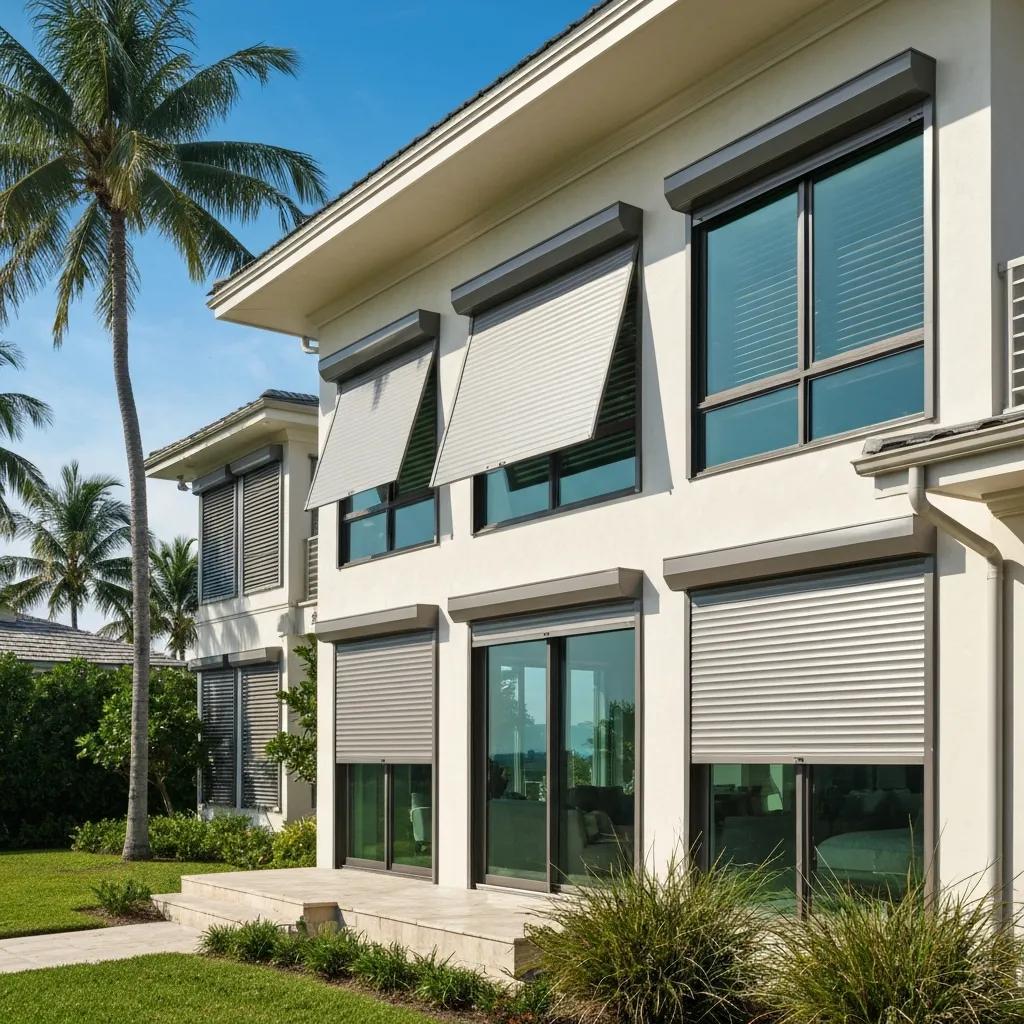
Enhance Your Home’s Value with Roll Down Hurricane Shutters — What Coastal Homeowners Need to Know
Roll down hurricane shutters are a permanent storm-protection solution — available motorized or manual — that lower a continuous curtain of interlocking slats over windows and doors to block wind, water, and flying debris while improving security and energy performance. This guide shows how roll down shutters work, why they outperform many temporary options, and how they can boost resale value, lower insurance and energy costs, and fit into a coastal homeowner’s maintenance routine. You’ll get clear explanations of the engineering that makes these shutters effective, practical pros and cons of manual versus motorized systems, and realistic timelines for installation and upkeep. We also cover expected insurance and energy savings with typical ranges, side‑by‑side decision tools, and how documented engineering (Design Pressure Analysis, stainless steel anchoring) supports discount claims. Start with protection, then review value and curb appeal, costs and savings, operation choices, installation and maintenance, and local service for coastal North and South Carolina.
How Do Roll Down Hurricane Shutters Provide Superior Home Protection?
Roll down shutters form a continuous, structural barrier across openings that resists wind pressure, blocks flying debris, and reduces water intrusion. Interlocking slat profiles riding in guide tracks distribute wind loads across the frame and into the structure, while the housing and secure mounting reduce uplift during peak gusts. Rated products include Design Pressure Analysis and impact testing so performance aligns with local codes and storm risk. The sections that follow explain how these systems stop debris and add a security layer that outperforms temporary coverings.
What Makes Roll Down Shutters Effective Against Hurricanes and Storm Debris?
These shutters use extruded aluminum or insulated slat profiles that interlock to create a continuous curtain, anchored into guide tracks that transfer wind loads into structural fastenings. A Design Pressure Analysis quantifies wind and uplift forces for each opening so installers can size slats, guides, and anchors correctly, reducing weak points. In short, shutters rated for higher design pressures perform to specified wind-speed equivalents and resist typical debris impacts, protecting glass and limiting water entry. That engineering-backed approach delivers measurable protection versus ad hoc solutions.
How Do Roll Down Shutters Enhance Home Security and Intruder Deterrence?
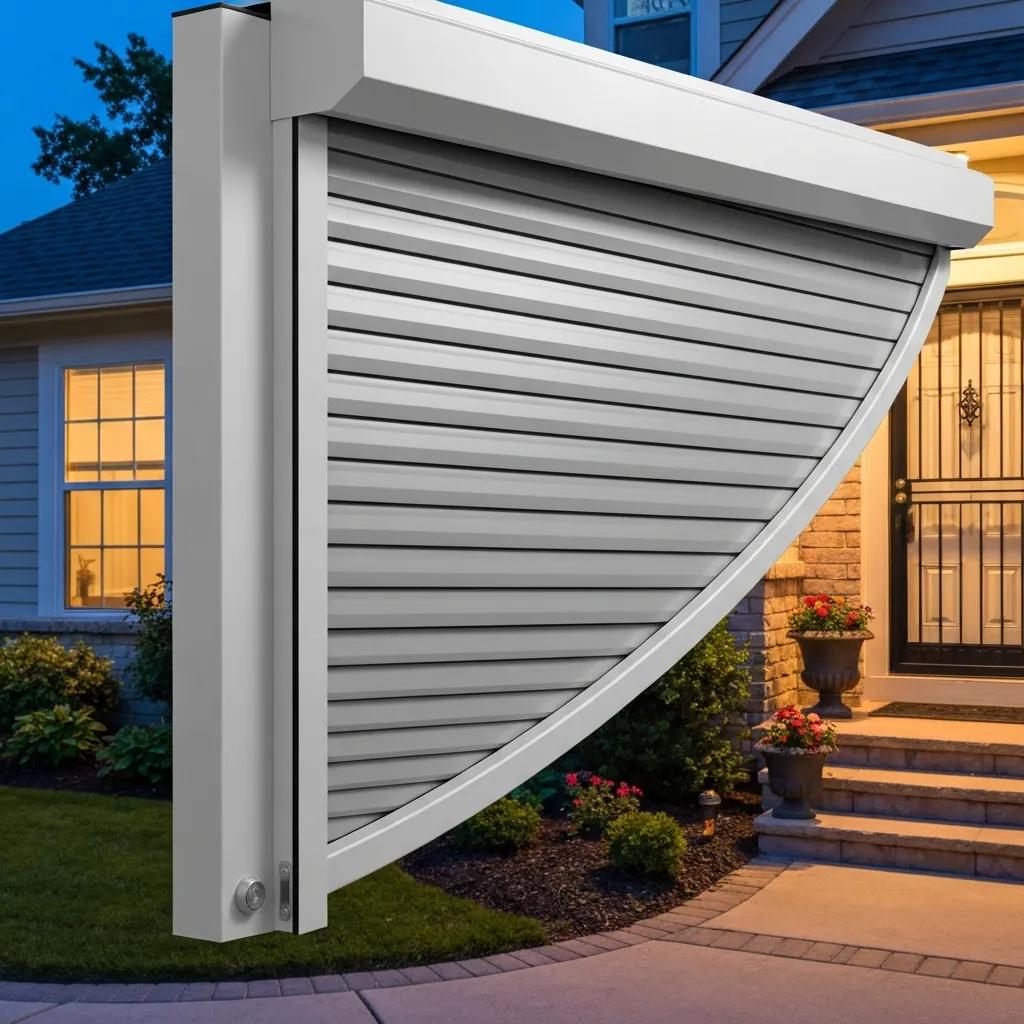
Closed roll down shutters create a visible, physical barrier that increases time-to-entry and discourages opportunistic break-ins — especially when systems include tamper-resistant guides and integrated locks or motorized locking features. Motorized units can be tied to remote locks and alarms for added deterrence, while heavy-duty guide tracks and stainless steel mounting hardware resist forced-entry attempts. Because shutters are noticeable from the street, they often prevent attempts before they start and work well alongside other security upgrades. Next, we’ll look at how these features affect property value and curb appeal.
In What Ways Do Roll Down Shutters Increase Your Property’s Value and Curb Appeal?
Roll down shutters can improve resale value by reducing long-term storm-damage risk and signaling to buyers that a property has engineered protection in place. Documented protection, lower expected repair costs, and potential insurance offsets increase buyer confidence and can lead to stronger offers or faster sales in coastal markets. Thoughtful customization — low-profile housings, color-matched finishes, and different slat profiles — lets shutters blend with coastal architecture so they enhance curb appeal rather than detract from it. The table below summarizes common ROI drivers and how shutters translate to resale advantages.
These ROI factors show shutters act as both risk management and a visible asset — useful when planning a value-focused upgrade.
After evaluating resale benefits and design options, many homeowners want clear, local cost and ROI estimates. The section below ties that decision to available tools and regional services.
If you’re ready to model investment versus return, American Hurricane Shutters offers a localized cost calculator and a free estimate that translate ROI factors into town-level projections. Use the company’s cost calculator to compare installation cost with potential insured savings and resale value, then request a free estimate to receive site-specific documentation and a Design Pressure Analysis. This makes it easier to move from benefit analysis to an informed purchase.
Can Roll Down Hurricane Shutters Help You Save on Insurance and Energy Costs?
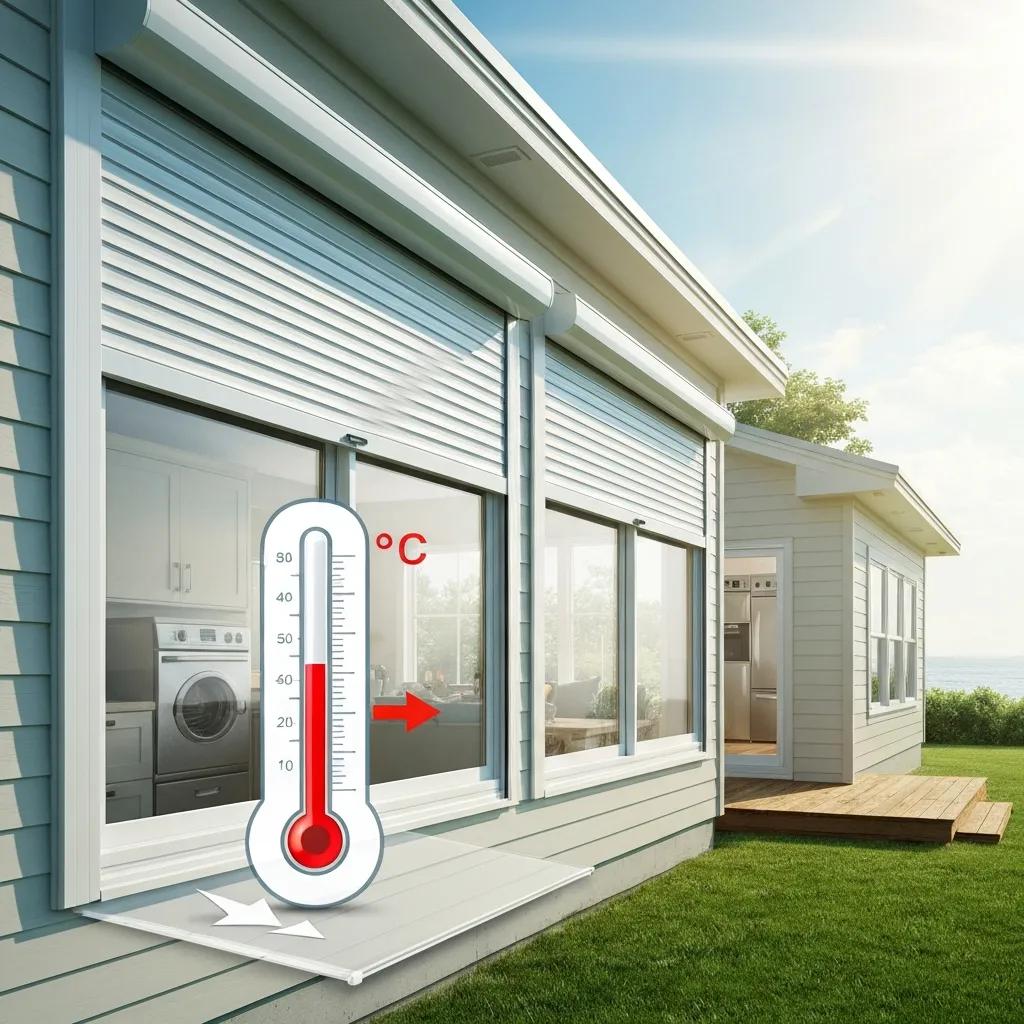
Yes — certified roll down shutters commonly qualify for insurance premium discounts and can reduce energy use, though exact amounts vary by insurer, location, and product certification. Industry examples for certified systems are in the 8–10% insurance discount range for qualifying homes; energy savings depend on shutter type, insulation level, and orientation, but shutters reduce solar heat gain and HVAC runtime. Proper certification, installation documentation, and inspection reports are typically required to secure insurer recognition. Below is a concise comparison of typical insurance and energy outcomes.
This comparison shows certification and insulation materially affect insurer recognition and energy performance, so collect product ratings and documentation when pursuing discounts.
To claim discounts, homeowners must typically provide installation paperwork, product certification, and sometimes inspection reports to their insurer. Providers that supply inspection-ready documentation simplify the process. American Hurricane Shutters can include product certificates and paperwork with free estimates to help support discount applications.
How Much Can You Save on Homeowners Insurance with Certified Roll Down Shutters?
Certified roll down shutters commonly produce an insurance premium reduction in the neighborhood of 8–10% for qualifying policies, though actual savings depend on the carrier, local risk profile, and certification method. Insurers usually ask for product ratings, installation confirmation, and sometimes a local inspection; submitting a Design Pressure Analysis and installer completion report strengthens the claim. Contact your insurer early to confirm required paperwork and use the installer’s documentation package to speed approval. That helps you include realistic insurance savings in ROI planning.
What Energy Efficiency Benefits Do Roll Down Shutters Offer for Coastal Homes?
Shutters reduce solar heat gain by shading glass and creating an air gap that limits conductive heat transfer, which lowers HVAC runtime in hot months and can slightly reduce heat loss in cooler periods. Insulated slats add measurable thermal resistance and are a better choice when energy savings matter. Seasonal savings vary with orientation, shading, and local climate, so model expected savings against the extra cost of insulated options when calculating lifecycle ROI. These energy considerations also influence whether homeowners choose manual or motorized systems, since convenience affects how often shutters are used for daily temperature control.
What Are the Differences Between Manual and Motorized Roll Down Shutters?
Manual and motorized shutters provide the same core protection but differ in convenience, upfront cost, integration, and long-term value. Manual units use a crank or strap and cost less up front; motorized systems add motors, controls, and smart‑home integration for fast deployment and better day‑to‑day use. Motorized systems frequently include battery backup and remote control for emergencies, improving responsiveness when storms approach. Consider how often you’ll deploy shutters, how many openings you have, and whether you want automation — the table below summarizes the main trade-offs.
Before the comparison table, consider these practical decision factors: budget, number of openings, accessibility, and desire for smart‚Äëhome control.
This comparison helps homeowners match system choice to lifestyle and protection goals and sets up practical convenience scenarios.
Which Is More Convenient: Manual or Motorized Roll Down Shutters?
Motorized shutters are more convenient for whole-home protection because a single switch or remote deploys multiple openings quickly and they integrate with smart-home systems, reducing time and physical effort. Manual shutters remain a practical, lower-cost option for single windows, seasonal properties, or where automation isn’t needed. Motorized systems often include preset positions, battery backup, and wireless controls for emergency readiness; manual systems are simpler and well suited for low-complexity installs. Use your usage pattern and emergency plan to choose the right approach.
Are Motorized Roll Down Shutters Worth the Investment?
Motorized shutters are a smart investment for homeowners who need rapid, frequent deployment, have many openings, or value remote operation for safety and convenience — especially on larger homes and second properties. The motorization premium can be offset by less time and labor during storms, stronger resale appeal, and better everyday usability that encourages regular energy-saving use. Factor in motor maintenance and battery backup options when modeling long-term value; those operational details affect whether motorization delivers measurable ROI.
What Should Homeowners Expect During Roll Down Shutter Installation and Maintenance?
Professional installation begins with precise measurements and a Design Pressure Analysis to size shutters and anchors to local wind loads, followed by manufacturing lead times, on-site mounting with stainless steel anchors, and final inspections that include operational testing and documentation. Expect a site visit for removal of temporary coverings, secure attachment of housings and guides, precise alignment, and testing of manual or motorized operation. Routine maintenance includes cleaning, lubrication, guide and anchor inspections, and periodic motor checks where applicable. The next section outlines installation steps and a practical maintenance checklist.
How Is the Professional Installation Process of Roll Down Shutters Conducted?
Professional installation starts with measurements and a Design Pressure Analysis so slats, guide tracks, and anchors meet required wind loads for each opening. After manufacturing and scheduling, installers mount housings and guides using 18-8 stainless steel fasteners into structural members. They then test operation — manual cranks or motorized runs — make final adjustments, and provide inspection-ready documentation and user guides. That paperwork helps with insurer submissions and confirms compliance with local building codes.
What Are the Best Practices for Maintaining Roll Down Hurricane Shutters?
Seasonal maintenance includes cleaning tracks and slats, lubricating moving parts with manufacturer-recommended products, exercising shutters to confirm smooth operation, and inspecting anchors and guides for corrosion or loosening. Motorized systems need battery-backup tests and occasional professional electrical checks; visible wear (frayed seals, bent slats, sticky guides) should prompt service. Scheduling annual professional inspections and keeping a maintenance log helps extend service life and supports warranty and insurance requirements.
- Clean guide tracks and slat faces at least twice a year with mild detergent and water.
- Lubricate moving components and rubber seals per manufacturer recommendations.
- Operate each shutter fully at least quarterly to spot binding, noise, or motor issues.
This simple checklist preserves performance and supports warranty and insurance documentation expectations.
Throughout installation and maintenance, expect precise engineering and corrosion-resistant materials; the section below explains service specifics and how to get started.
Why Choose American Hurricane Shutters for Your Roll Down Shutter Needs in North and South Carolina?
American Hurricane Shutters focuses on coastal risks and engineering-backed protection, supplying Design Pressure Analysis-based specifications and stainless steel installation hardware built for demanding coastal conditions. The company provides the documentation insurers typically require and offers a cost calculator plus free estimates to help homeowners evaluate ROI and obtain inspection-ready paperwork. Serving Wilmington, Myrtle Beach, Oak Island, Topsail, New Bern, and Pawleys Island, their approach emphasizes measurable performance and homeowner transparency rather than one-size-fits-all advice. The paragraph below summarizes technical advantages and next steps for a quote.
What Unique Benefits Does American Hurricane Shutters Offer Coastal Homeowners?
American Hurricane Shutters pairs regional experience with technical rigor: they apply Design Pressure Analysis to size shutters for each opening, use corrosion-resistant 18-8 stainless steel mounting hardware, and deliver maintenance guidance and documentation that supports insurer reviews. This engineering-first approach fills gaps common in other solutions and helps homeowners gain clearer insurer recognition and dependable long‚Äëterm performance. Those technical practices support choices between manual, motorized, and insulated profiles.
How Can You Get a Free Estimate or Use the Cost Calculator for Roll Down Shutters?
To get a free estimate or use the cost calculator, gather basic home details — approximate window and door dimensions, desired coverage (whole house or select openings), and whether you prefer motorization or insulated slats — then contact American Hurricane Shutters to model cost versus savings. The cost calculator converts these inputs into budget estimates and projected ROI including insurance and energy assumptions; a free on-site estimate verifies measurements and delivers a Design Pressure Analysis and certification paperwork. For help, call or email to request a free estimate and documentation package.
- Prepare Measurements: Note approximate opening sizes and their orientations.
- Select Preferences: Choose manual vs motorized and whether insulated slats are wanted.
- Request Estimate: Schedule an on-site verification to receive engineered documentation.
These steps speed the quoting process and ensure homeowners receive the technical paperwork insurers expect when applying discounts.
- Protection: Roll down shutters block wind-driven debris and reduce the risk of window failure.
- Value: They boost buyer confidence by lowering anticipated storm repair costs.
- Savings: Properly certified systems can deliver measurable insurance and energy benefits.
These three outcomes explain why many coastal homeowners prioritize roll down shutters as part of a resilient, value-focused upgrade.
Frequently Asked Questions
What are the installation requirements for roll down hurricane shutters?
Installation requires precise measurements and a Design Pressure Analysis so shutters meet local wind-load requirements. Professional installers use corrosion-resistant materials like 18-8 stainless steel to secure housings and guides. Plan for manufacturing lead times and make sure the installation area is accessible. Proper installation is essential to maximize effectiveness and meet building-code requirements.
How do roll down shutters compare to other storm protection options?
Roll down shutters provide superior, permanent protection compared with temporary options like plywood or fabric covers. They’re engineered and tested for wind resistance and impact, easier to deploy (especially motorized versions), and they improve security and energy performance. For homeowners seeking a comprehensive, long-term solution, roll down shutters are often the better choice.
Can roll down shutters be customized for different home styles?
Yes. Shutters can be customized to complement many architectural styles and personal tastes. Choose from color-matched finishes, low-profile housings, and multiple slat profiles so the shutters blend with your home’s exterior while delivering protection.
What maintenance is required for roll down hurricane shutters?
Maintenance includes regular cleaning, lubrication, and inspection. Clean tracks and slats twice a year, lubricate moving parts per manufacturer guidance, and operate shutters periodically to confirm smooth function. For motorized units, test battery backups and schedule professional checks as needed to maintain performance.
Are there any warranties or guarantees associated with roll down shutters?
Most manufacturers provide warranties covering material and workmanship defects. Warranty terms and lengths vary, so review the specific warranty from your manufacturer or installer. Correct installation and routine maintenance help ensure warranty coverage and long-term peace of mind.
How do I choose between manual and motorized roll down shutters?
Choose based on budget, convenience, and the number of openings. Manual shutters are cost-effective for occasional use and single windows; motorized shutters offer convenience for whole-home protection and frequent deployment. Consider how often you’ll use the shutters and whether remote or automated control is important.
Conclusion
Roll down hurricane shutters protect your home, improve curb appeal, and can increase resale value while lowering insurance and energy costs when properly certified and documented. These engineered systems deliver measurable protection and peace of mind for coastal homeowners. Use the cost calculator for tailored estimates, or contact American Hurricane Shutters to request a free estimate and receive engineered documentation to begin protecting and adding value to your home.
