
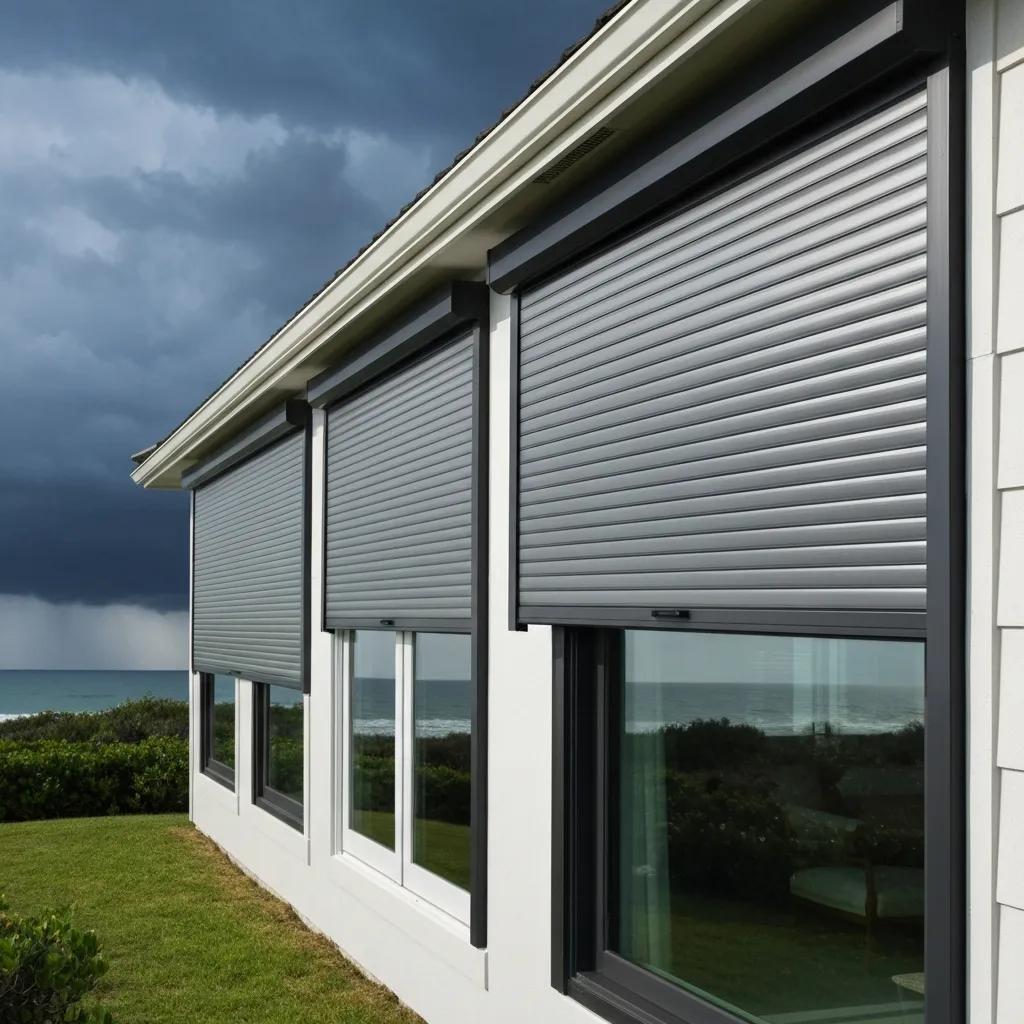
Roll-Down Hurricane Shutters — Easy Operation, Benefits, Installation & Maintenance
Roll-down hurricane shutters deploy quickly from a housing above a window or door and slide into side tracks to give engineered protection for glass and openings. This guide walks through how they work, the differences between manual and motorized systems, benefits for coastal homes, professional installation steps, routine maintenance, and how to estimate costs. Coastal homeowners often face challenges like last-minute deployment, salt-air corrosion, and installation trade-offs — roll-down shutters address those with fast operation, corrosion-resistant materials, and available automation. You’ll get a component-level look at how the system works, clear guidance on choosing manual vs. motorized, practical upkeep tips to extend service life, and links to free local resources, including an online cost calculator and complimentary consultations. The sections that follow break this into fundamentals, benefits, installation, maintenance, selection criteria, and how to get an accurate cost estimate for homes in Coastal North and South Carolina.
What Are Roll Down Hurricane Shutters and How Do They Work?
Roll-down shutters are storm protection systems that stow inside a compact housing above an opening and unroll down vertical tracks to cover windows or doors. The curtain is made of interlocking slats that slide in guides and lock at the bottom to resist wind and flying debris. They operate by manual crank or electric motor with wall, remote, or smart controls. That continuous barrier reduces impact risk and the pressure differentials that commonly cause window failure in storms. The short sections below explain each component and compare manual and motorized operation so you can see how easy deployment works in real life.
What Components Make Up Roll Down Shutters?
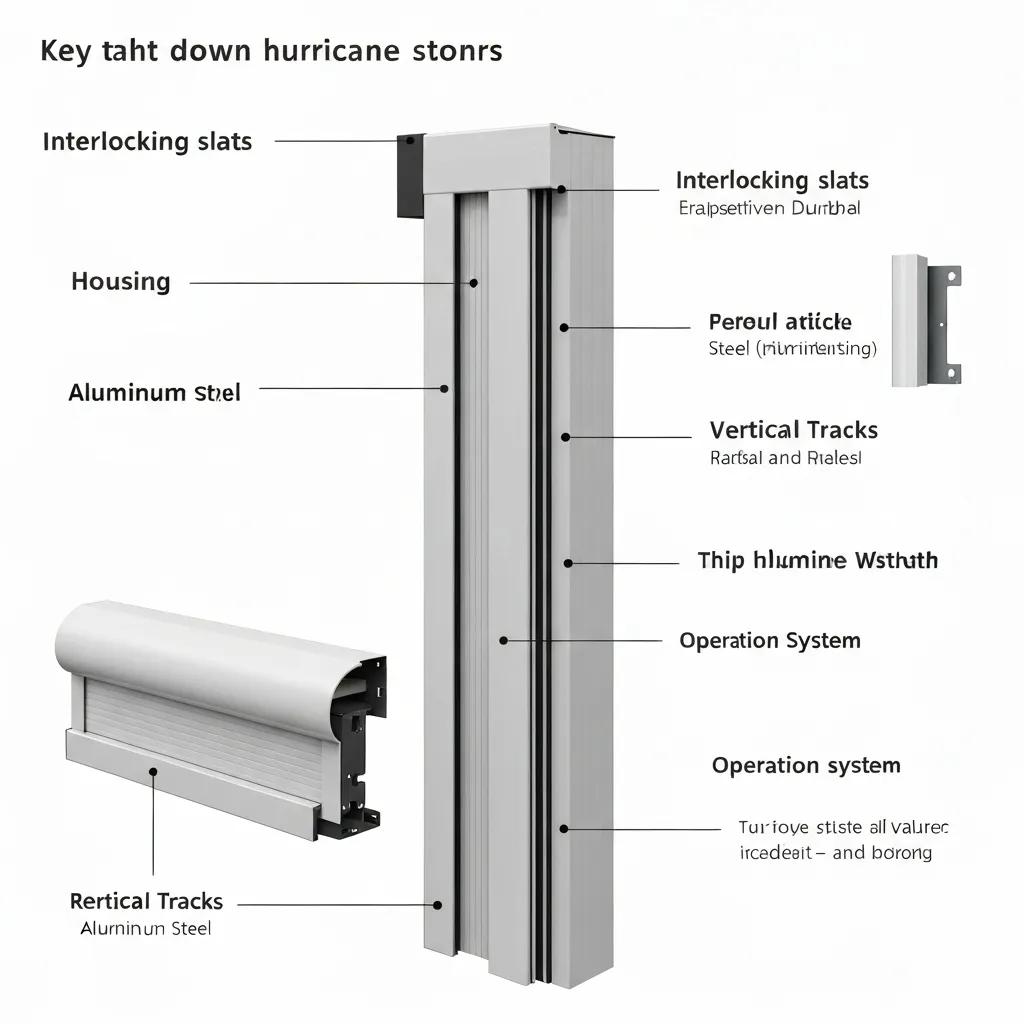
A typical roll-down shutter includes a housing (box), a curtain of interlocking slats, vertical side tracks, and an operating system — either a manual crank or a tubular electric motor with controls. Aluminum slats are common for their strength and corrosion resistance in salt-air environments; steel is an option where extra security is needed. The housing stores the curtain when retracted and is sized to the opening. Tracks transfer loads into the structure and keep the curtain aligned, while the bottom bar locks to resist uplift. Knowing these parts helps you assess durability, maintenance needs, and whether smart-home integration makes sense for your property.
How Do Manual and Motorized Roll Down Shutters Operate?
Manual shutters use a gear-driven or hand crank to turn the roll tube and raise or lower the curtain — reliable and independent of power, but it takes effort for larger openings. Motorized shutters use a tubular motor inside the roll tube and work with wall switches, remotes, or smart systems for quick, low-effort deployment; most have manual override or backup-power options for outages. Motorized systems speed whole-house deployment and improve accessibility for older adults or those with mobility limits, while manual units lower upfront cost and simplify electrical needs. Your choice depends on how often you’ll use the shutters, who will operate them, and whether automation adds clear convenience for your home.
What Are the Key Benefits of Using Roll Down Hurricane Shutters?
Roll-down shutters bring several practical benefits to coastal homes: fast, reliable storm protection; added home security; improved energy performance; and noise reduction. The interlocking curtain and track system reduces the chance of window breakage and handles wind-driven debris, while motorized control lets you secure multiple openings quickly. When closed for sun control, shutters lower solar heat gain and can quiet exterior noise for better indoor comfort. The sections below explain how they deliver protection and outline measurable secondary benefits like energy savings and security improvements.
Primary benefits of roll-down shutters include:
- Storm protection: Interlocking curtain and tracks shield glazing from impact and wind pressures.
- Home security: A closed shutter creates a strong physical barrier that deters break-ins.
- Energy efficiency: Closed shutters cut solar heat gain and can reduce cooling loads.
- Noise reduction: Slats plus the air gap help dampen outside noise for a quieter home.
Together these benefits reduce risk and improve day-to-day livability, making roll-down shutters a long-term investment for coastal homeowners.
To compare these advantages quickly, see the table below.
This snapshot shows how roll-down shutters combine protection and comfort. That’s why correct selection and installation matter for real performance in coastal conditions.
How Do Roll Down Shutters Provide Superior Hurricane Protection?
Roll-down shutters form a continuous, interlocked barrier that transfers wind and impact loads into the building through tracks and anchor points. The curtain resists penetration from debris and reduces direct pressure on windows, lowering the chance of breakage and subsequent interior damage. Proper installation uses structurally rated anchors and tested seals so the system holds up under cyclic wind loading. Materials and finishes are chosen for coastal corrosion resistance. Understanding load transfer and anchor placement helps when deciding between retrofit and new-construction options.
What Security, Energy Efficiency, and Noise Reduction Benefits Do They Offer?
Beyond storm protection, roll-down shutters add security by blocking direct access to glass and frames, help control solar heat gain when closed, and create an acoustic buffer that reduces wind and street noise. Those secondary benefits add lifecycle value through potential energy savings, improved occupant safety, and better everyday comfort — useful in both storm season and normal weather.
These points show how roll-down shutters protect property and improve comfort long after a storm has passed.
How Is Roll Down Hurricane Shutter Installation Done?
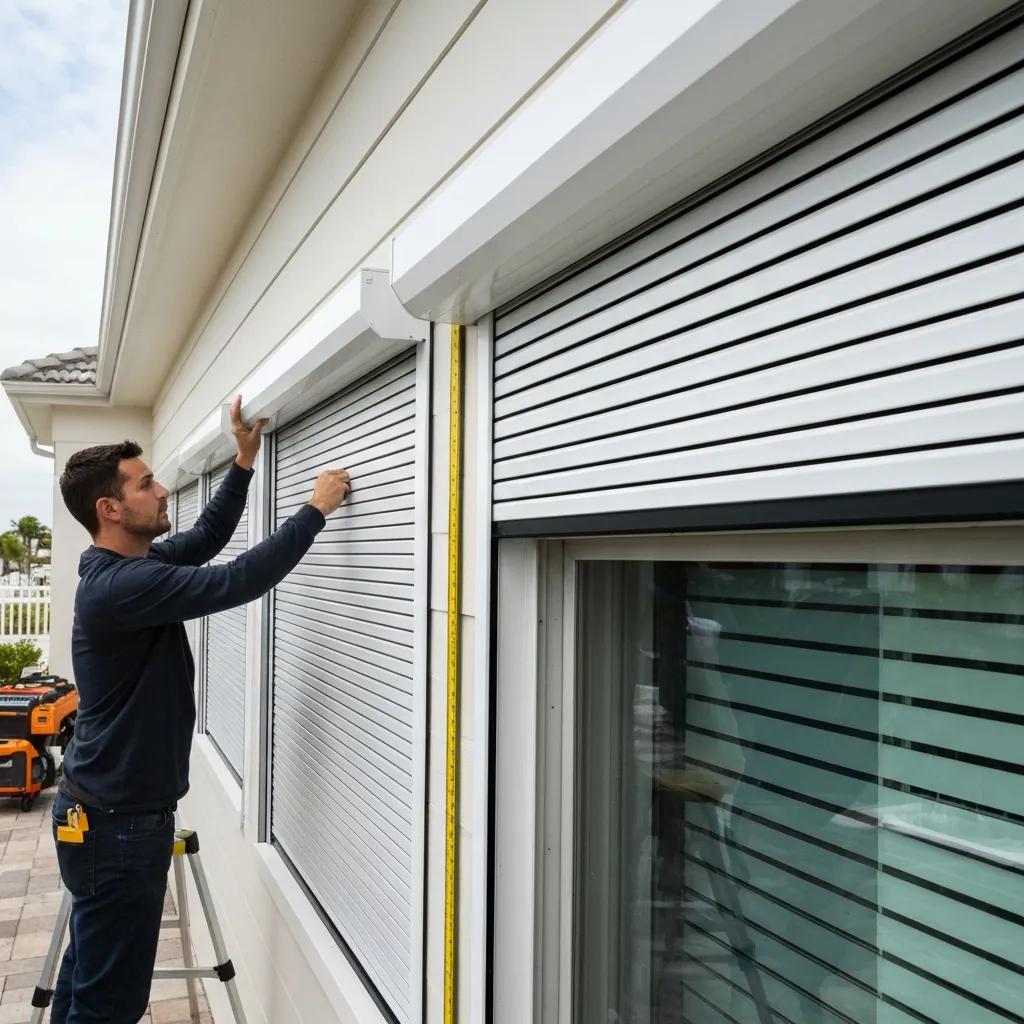
Professional installation follows clear steps to ensure correct fit, secure anchoring, and safe electrical work for motorized units. A certified installer starts with a site survey and measurement check, confirms structural backing and mounting surfaces, then installs housings and tracks, attaches the curtain, and performs final testing. For motorized systems, electrical hookup and commissioning verify controls and safety features like auto-stop on obstruction. Proper installation helps the system operate smoothly and reduces callbacks caused by misalignment or weak anchors.
Typical installation workflow:
- Site survey and measurements: Verify opening dimensions and structural backing for anchors.
- Housing and track mounting: Position and fasten housings and tracks to planned structural points.
- Curtain assembly and attachment: Mount curtain to roll tube and insert into housing.
- Electrical hookup (if motorized): Connect motor to power and test control system with safety checks.
- Final alignment and operation test: Verify smooth travel, locking, and seal performance under manual and motorized modes.
This checklist outlines the main phases installers follow and highlights where quality checks occur so you know what to expect on-site.
What Are the Steps in Professional Roll Down Shutter Installation?
Installation begins with a thorough site survey to document opening sizes, structural conditions, and electrical access. Once measurements are confirmed, the installer mounts the housing and side tracks with structurally rated anchors and levels the system to avoid binding. The curtain is installed and cycled through full travel, then electrical work is completed for motorized units, including circuit protection and control wiring. The final step is commissioning: testing, homeowner training on safe operation, and providing maintenance recommendations. These steps ensure the product performs as designed and remains easy to use.
Should You Choose Manual or Motorized Roll Down Shutters?
Your choice comes down to budget, how often you’ll use the shutters, accessibility needs, and available power. Manual systems cost less up front and require no electrical work, while motorized systems add convenience, faster whole-house deployment, and smart-home integration at a higher initial cost. Both types need periodic inspection and lubrication; motorized units may also need occasional electrical checks. Think about deployment speed, who will operate the shutters, and whether automation provides real value for your household.
This comparison helps weigh convenience against upfront and lifecycle costs. The next section covers maintenance that keeps both types working well.
How Do You Maintain Roll Down Hurricane Shutters for Longevity?
Routine maintenance keeps roll-down shutters operating and looking good, especially near the coast where salt and debris speed wear. Follow a regular schedule to clean tracks and slats, lubricate moving parts with manufacturer-recommended products, inspect anchors and seals, and test motor controls and safety stops. Proactive maintenance prevents jams, keeps travel smooth, and uncovers wear early so repairs can be planned before a storm.
Maintenance best practices:
- Monthly visual inspection: Check tracks, slats, and housing for debris or damage.
- Quarterly cleaning and lubrication: Remove salt buildup and apply recommended lubricants.
- Annual professional inspection: Verify anchors, motor mounts, electrical connections, and perform load testing.
Following this schedule lowers the risk of failure during deployment and extends component life.
What Are Essential Maintenance Tips for Roll Down Shutters?
Key maintenance steps are simple: keep tracks and slats free of salt, sand, and debris; lubricate moving parts with approved products; and clear drain paths in housings so water can’t collect. For motorized units, cycle the shutters periodically to confirm operation and test safety stops. Inspect mounting anchors and seal condition seasonally and tighten or replace loose fasteners or worn seals promptly. These practical tasks preserve easy operation and reduce emergency repairs.
How Can You Troubleshoot Common Roll Down Shutter Issues?
Typical problems include track jams from debris, bent or snapped slats after impact, motor non-response, and misalignment that causes binding. Start troubleshooting safely: clear visible debris from tracks, try gentle manual operation where allowed, check power at the breaker for motorized units, and test control batteries or fuses. Inspect for loose or bent slats and call a professional for serious damage. If you see electrical arcing, repeated binding, or loose anchors, schedule a technician — those are signs that DIY fixes could be unsafe or ineffective.
How Do You Choose the Best Roll Down Shutters for Your Home?
Choosing the right shutters means balancing your site’s wind zone and salt exposure, the size and shape of openings, whether you want automation, style preferences, and local code or insurance requirements. Compare materials (aluminum vs. steel), finish and corrosion-resistance options, and motor features with your long-term maintenance expectations. Budget considerations include product and installation costs, motor premiums, and projected upkeep. The checklist below and the comparisons that follow help clarify the best fit for Coastal North and South Carolina homes.
Key factors to consider when selecting roll-down shutters:
- Environmental exposure: Pick corrosion-resistant finishes for salt-air coastal properties.
- Operation type: Choose manual or motorized based on who will operate and how often.
- Sizing and custom fit: Get precise measurements and consider reinforcement for large openings.
- Local codes and insurance: Confirm required wind-load ratings and any insurance incentives.
This checklist prioritizes the considerations most relevant to coastal homeowners.
What Factors Should You Consider When Selecting Roll Down Shutters?
Prioritize corrosion-resistant materials, verified wind-load ratings, and secure bottom-bar locking. Consider opening geometry — very tall or wide openings may need reinforced roll tubes or segmented drives — and factor in expected deployment frequency. Choose finishes designed for salt air and select a drive system that fits your electrical setup and lifestyle. Confirm local code compliance and discuss permits and documentation with your installer to maximize insurance benefits. These choices help ensure reliable, easy operation over the product’s life.
How Do Roll Down Shutters Compare to Other Hurricane Shutter Types?
Roll-down shutters are known for fast, whole-house deployment and motorization options compared with removable panels or accordion shutters that often require manual handling or storage. Accordion shutters are permanently mounted and use manual latches, offering decent ease of use but a visible look. Bahama shutters add shade and curb appeal but don’t provide the same full impact coverage. Removable panels are budget-friendly at purchase but need storage and manual installation when storms approach. Pick the type that best matches your priorities: automation and protection, aesthetics, or cost.
- Roll down: Fast whole-house deployment and motorization options.
- Accordion: Permanent mount, manual latch operation, moderate ease-of-use.
- Bahama: Decorative, provides shade, less impact protection.
- Removable panels: Lower cost, storage required, manual installation.
This comparison makes the trade-offs clear so you can match system attributes to your lifestyle and protection needs.
How Can You Get a Free Estimate and Cost Information for Roll Down Shutters?
Estimating cost depends on opening sizes, operation type (manual vs. motorized), material choice, and installation complexity. A structured cost calculator simplifies this by asking for the number and size of openings, whether you want motorized controls, material preferences, and any access or structural challenges that affect labor. The calculator returns a tailored price range and recommends an on-site measurement for a firm quote. Before requesting an estimate, gather basic measurements and note special conditions like balcony access or custom finishes to speed the process.
Below is a sample cost guide to show common price ranges and what drives them.
This framework highlights the main pricing drivers so you can supply useful inputs to an estimator. After an initial estimate, schedule an on-site visit to confirm measurements and finalize scope.
How Does the Cost Calculator Help Estimate Roll Down Shutter Prices?
The cost calculator turns homeowner inputs — opening dimensions, desired operation mode, and material choices — into a price range based on typical product and installation costs. It applies motor or material premiums where selected and gives a total estimate plus per-opening averages. Use that output to test budget scenarios, then schedule a free consultation so a qualified installer can convert the preliminary range into a verified proposal.
What Are the Typical Costs for Manual vs. Motorized Roll Down Shutters?
Motorized systems cost more because of the motor, wiring, and commissioning labor; manual shutters are generally less expensive to buy and install. Motorized units add convenience and speed for whole-house deployment, while manual units reduce electrical work and initial expense. Maintenance needs are similar — lubrication and inspection — though motorized systems may need occasional electrical diagnostics. Understanding these cost components helps you weigh upfront investment against everyday convenience and long-term value.
For homeowners in Coastal North and South Carolina, American Hurricane Shutters offers educational resources, a cost calculator tool, and free estimate options that account for local conditions. Their information hub includes maintenance guides and scheduling tools to help you evaluate choices and set up an on-site measurement. When preparing for a free estimate, have opening sizes ready and note installation complexities so the calculator and consultation can be as accurate as possible.
- Prepare measurements and notes about access: Accurate inputs yield better estimates.
- Select operation preference: Indicate manual or motorized to include motor premiums.
- Request a free on-site consultation: Final pricing requires verification and structural assessment.
Following these steps helps ensure the estimate reflects real site conditions and leads to a binding quote after measurement verification.
This summary clarifies the main cost buckets so homeowners can plan budgets and interpret estimates. After that, scheduling a professional estimate is the next step toward installation.
- Gather basic measurements: Room-by-room counts speed the process.
- Decide on motorization: Estimate will change with motor selection.
- Use free consultation: On-site verification finalizes the quote.
Preparing these items before contacting a provider reduces back-and-forth and accelerates getting a firm proposal.
Frequently Asked Questions
What are the different materials used for roll down hurricane shutters?
Aluminum and steel are the most common materials. Aluminum is lightweight and resists corrosion, making it a top choice for coastal homes. Steel is heavier and stronger, often chosen where extra security is a priority. Both can receive protective coatings to better withstand salt air and moisture. Match the material to your environment and security needs for the best long-term result.
How do roll down hurricane shutters affect home insurance premiums?
Installing roll-down shutters can lower insurance premiums because they reduce the risk of storm-related damage. Many insurers offer discounts for verified storm protection systems. To get any savings, notify your insurance company, provide installation documentation, and ask what certifications or wind-load ratings they require. Check with your agent to understand the exact savings available for your policy.
Can roll down hurricane shutters be integrated with smart home systems?
Yes — many motorized roll-down shutters work with remotes, smartphone apps, and voice assistants. Smart integration lets you automate deployment during storm alerts or control multiple shutters at once, which is especially helpful if mobility is a concern. When shopping, confirm compatibility with your existing smart-home platform and ask about installation options for automated control.
What is the lifespan of roll down hurricane shutters?
Lifespan varies by material, maintenance, and environment. Properly maintained aluminum shutters commonly last 20–30 years; steel can be similar if treated and maintained, though it may need more attention in salty conditions. Regular cleaning, lubrication, and annual inspections extend service life. Also review manufacturer warranties for specifics on expected longevity.
Are roll down hurricane shutters suitable for all window sizes and shapes?
Yes — roll-down shutters can be customized to fit most window and door openings, from standard rectangles to large or uniquely shaped openings. Accurate measurements and a conversation with your installer ensure a proper fit and reliable performance. Custom options make roll-down shutters a versatile choice for many homes.
What are the common troubleshooting steps for roll down hurricane shutters?
Start troubleshooting by clearing debris from the tracks, checking power and breaker status for motorized units, and inspecting slats and guides for visible damage. If manual operation is allowed, try gentle movement to locate a bind. For electrical issues, check batteries in remotes and fuses. If problems persist — es
