
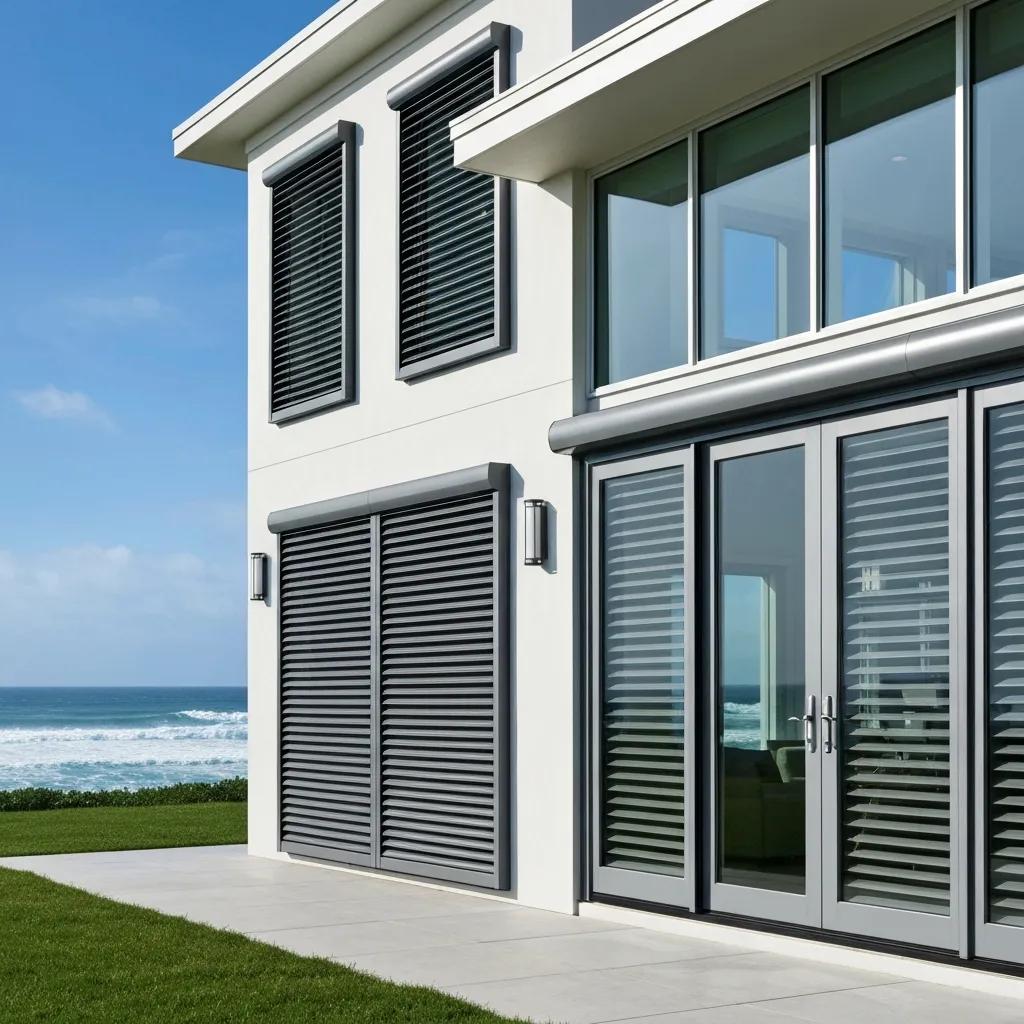
Do Accordion Shutters Reduce Noise? Find Which Models Actually Quiet Your Home
Accordion shutters are exterior, hurricane-rated coverings for windows and doors that fold horizontally and lock into place. In many homes they can noticeably reduce noise. This article walks through how accordion shutters cut sound—through panel mass, interlocking joints, tight seals, and vibration damping—and sets realistic expectations for traffic, wind, and storm noise. You’ll learn the acoustic principles at work, how accordion shutters stack up against other shutter types, and the extra advantages (energy savings, security). We also give practical buying, installation, and maintenance guidance—plus comparison tables and checklists—to help Coastal North and South Carolina homeowners evaluate options and prepare for a professional assessment. Technical terms like , material density, and installation tolerances are used to ground recommendations, and a free consultation or on-site estimate can confirm model-specific performance.
What Are Accordion Shutters and How Do They Work for Noise Reduction?
Accordion shutters are rigid, interlocking panels mounted outside windows and doors. They reduce noise by adding mass, creating airtight seals, and anchoring to the structure—interrupting the paths sound takes into your home. Key acoustic actions include blocking airborne sound with dense panels, limiting vibration transfer through solid anchors, and reducing flanking leakage with continuous gaskets. The shutter assembly also creates an exterior cavity that helps decouple the glass from open air, which improves mid- to high-frequency attenuation (rain, wind, and similar sounds). Knowing these mechanisms helps set realistic expectations: shutters tend to be most effective against weather noise and mid/high frequencies, while low-frequency traffic noise is harder to control without added mass or specialized treatments.
Performance hinges on material choices and seal quality, so the next sections look at common materials and the installation details that preserve acoustic benefits.
What Materials Are Used in Accordion Shutters for Soundproofing?

Most accordion shutters use extruded aluminum for panels and tracks, with options for insulated cores or foam fills to add mass and damping. Aluminum gives a durable, corrosion-resistant exterior when the gauge is right, while stainless steel fasteners and anchors keep mechanical connections tight in salty coastal air. Foam-filled or insulated panels increase mass and absorb vibrational energy, helping low-frequency performance compared with hollow panels. Premium neoprene gaskets and continuous seals reduce air gaps, which is crucial for high-frequency attenuation. Choosing corrosion-resistant materials for panels, seals, and hardware protects long-term acoustic performance in humid coastal climates.
These material choices point directly to the importance of sealing methods and installation precision for long-term noise control.
How Do Accordion Shutters Create a Tight Seal to Block Noise?
A tight seal comes from continuous perimeter gaskets, accurately aligned tracks, and correctly torqued anchors that eliminate air paths and limit flanking transmission. Interlocking panel edges compress against gaskets when closed; that compression plus a sturdy mounting track reduces rattling and vibration that would otherwise let sound through. Installation tolerances matter: small gaps let high-frequency noise bypass the barrier. Professional installation that checks seal compression, confirms consistent track alignment, and uses corrosion-resistant fasteners preserves both initial and long-term acoustic performance. We cover installation and maintenance details later.
With materials and seals understood, it’s helpful to compare accordion shutters to other hurricane shutter styles in acoustic terms.
How Effective Are Accordion Shutters at Reducing Noise Compared to Other Hurricane Shutters?
Accordion shutters typically deliver practical, noticeable noise reduction—especially for mid-to-high frequencies—and often outperform simple storm panels and Bahama/Colonial styles in that range. Rolldown or rolling shutters, however, usually offer the highest measured attenuation because of their enclosed slat designs and the option for foam fills. Acoustic performance varies by model, material, and installation quality, so comparisons should consider panel mass, enclosure level, and seal continuity. Expect clear reductions in wind and rain noise and moderate improvements for traffic, with exact dB savings depending on window assembly and the local noise profile. The table below summarizes typical trade-offs and common use-cases for each shutter type.
For locally supported products, American Hurricane Shutters offers accordion models engineered for coastal use with corrosion-resistant components and design pressure analysis. You can request a cost calculation, request a free quote, or schedule a Free Consultation to get model-specific acoustic estimates. These options help homeowners move from comparison to an on-site evaluation.
What Noise Reduction Levels Can Accordion Shutters Achieve?
Accordion shutters can lower certain indoor noise sources by practical, conservative amounts—most commonly giving noticeable mid-frequency gains—though formal STC ratings apply to the full window-plus-shutter assembly rather than the shutter alone. Real-world reports and controlled tests suggest wind and rain noise reductions often fall in the 5–15 dB range when shutters are deployed; traffic reductions are more variable because they depend on frequency content and distance. Since STC testing is usually for complete assemblies, manufacturer dB or percentage estimates should be treated as directional. On-site measurements or professional estimates give the most reliable predictions for any specific home.
With these ranges in mind, the next section compares shutter types for quick reference.
Research has measured how acoustic shutters reduce sound, using outside-and-inside sound pressure readings to determine insertion loss.
Acoustic Shutter Sound Attenuation Mechanisms
The mechanisms by which an acoustic shutter attenuates sound are analyzed by measuring sound pressure levels outside and inside the shutter to calculate insertion loss.
Active noise control in acoustic shutters, IJC Nunez, 2019
How Do Accordion Shutters Compare to Rolldown, Colonial, and Bahama Shutters for Sound Insulation?
Here’s a short, practical comparison: rolldown shutters tend to offer the most enclosure and the best potential for foam-fill damping; accordion shutters strike a balance between speed of deployment and rigid, continuous coverage; colonial and Bahama styles prioritize looks and ventilation, offering only moderate acoustic benefit. The differences come down to how each design controls air gaps, panel mass, and coverage. Rolldown systems often form a sealed barrier that blocks more sound, while Bahama shutters leave airflow space that limits sound-blocking ability. Choosing a system means balancing acoustic goals against storm readiness, architectural fit, and ease of use.
Different shutter styles suit different priorities; the table below summarizes typical acoustic strengths and use-cases.
Comparative studies of various shutter types show distinct sound-insulation behavior tied to each design and construction method.
Sound Insulation of Different Shutter Types
An investigation measured the external noise insulation of five common shutter types. Sound absorption inside the receiving room was measured and sound reduction was plotted for comparison.
Sound insulation of different types of shutters used in Jordan, MK Abdelazeez, 1994
What Additional Benefits Do Accordion Shutters Provide Beyond Noise Reduction?
Accordion shutters do more than reduce noise. They give certified hurricane protection, add a physical security layer, and help manage energy by shading glass and cutting solar heat gain. The same structural features that block sound—rigid panels, strong anchoring, and continuous seals—also resist windborne debris, deter intrusion, and reduce cooling load by creating an exterior insulating layer. For coastal homes, corrosion-resistant components and verified design pressure analysis deliver reliable performance that preserves acoustic benefits over time. That combination makes accordion shutters a practical, multi-purpose investment where both weather and noise matter.
How Do Accordion Shutters Enhance Hurricane Protection and Home Security?
Accordion shutters protect against hurricanes with interlocking panels and reinforced anchoring that spread wind loads across the opening. Those construction details also boost resistance to forced entry. Interlocks transfer impact and wind loads to mounting tracks and anchors; when paired with stainless steel fasteners and proper design pressure analysis, they help meet local codes and give predictable structural performance. Locking hardware secures the assembly and also helps dampen impact noise during storms. Proper product selection and installation thus support both storm readiness and improved acoustic durability.
Can Accordion Shutters Improve Energy Efficiency and Privacy?
Yes. Accordion shutters shade glass and form an exterior insulating layer that reduces solar heat gain in warm months, helping lower cooling demand. They also provide near-instant privacy and light control when closed: the opaque surface blocks sight lines and ambient light without relying solely on interior treatments. These energy and privacy perks complement acoustic benefits and make a stronger case for choosing the right materials and seals for your needs.
With those benefits in mind, the next section helps you pick the right accordion shutters for soundproofing.
How Do You Choose the Right Accordion Shutters for Optimal Soundproofing?
To prioritize noise control, focus on panel mass, insulated core options, premium seals, and precise installation—each directly affects acoustic performance. Use a decision checklist to match product features to the type of noise you want to reduce and to your budget. Look for heavier-gauge panels or insulated cores for better low-frequency damping, continuous gaskets to cut flanking leakage, and sturdy anchors to limit vibration. A professional evaluation (usually including design pressure analysis) will provide model-specific estimates of storm and acoustic performance for your windows and local noise environment.
Below is a practical checklist and a feature-impact table to guide choices; after that we recommend the next step: an on-site estimate.
Evaluate shutter options against local conditions and installation realities—this checklist shows priority features to consider.
- Panel Mass and Core: Choose thicker or foam-filled panels to increase damping and improve low-frequency attenuation.
- Sealing System: Opt for continuous perimeter gaskets and high-quality track seals to minimize air gaps.
- Mounting & Anchoring: Specify corrosion-resistant anchors and correct torque to reduce rattling and vibration.
- Model Features: Favor double seals, reinforced interlocks, and heavier-gauge materials for stronger acoustic performance.
- Professional Assessment: Get a site-specific estimate that includes design pressure analysis and realistic acoustic expectations.
For homeowners in Coastal North and South Carolina seeking model-specific guidance, request a free estimate via the cost calculator or schedule a Free Consultation to confirm acoustic expectations and installation pricing with local professionals.
Next we cover installation and maintenance practices that preserve acoustic performance over time.
How Should Accordion Shutters Be Installed and Maintained for Maximum Noise Reduction?
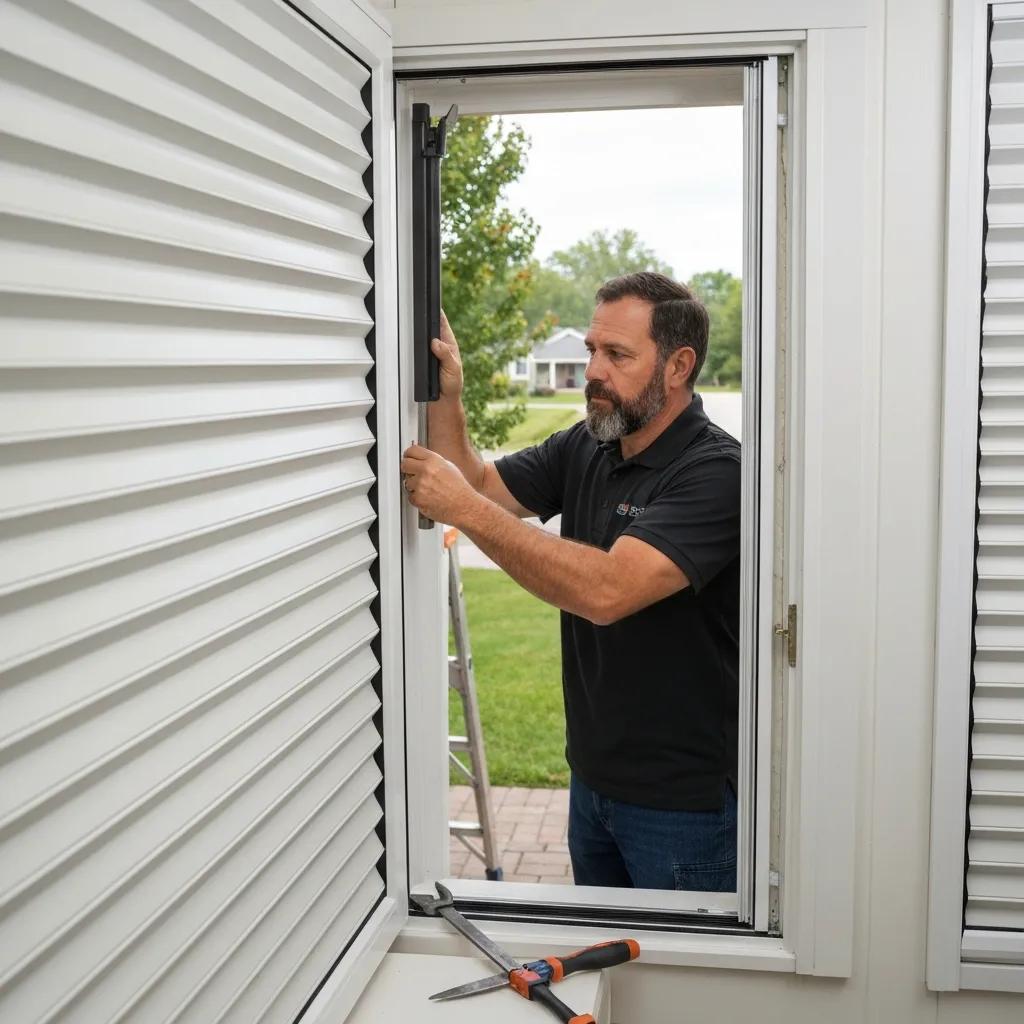
Proper installation and ongoing maintenance are essential to keep accordion shutters performing acoustically. Poor fit or worn seals increase noise transmission. Professional installers ensure accurate track alignment, correct seal compression, and secure anchoring‚Äîtasks that usually require specialized tools and tolerances beyond DIY work. Routine maintenance‚Äîinspecting seals, lubricating moving parts, and replacing worn gaskets‚Äîprevents gradual performance loss and stops rattling or gaps that let sound through. Below you’ll find a step-by-step installation checklist and a maintenance schedule tying tasks to expected acoustic outcomes and recommended intervals.
Following a consistent maintenance plan extends both storm protection and soundproofing benefits; the next subsection explains why professional installation matters.
Why Is Professional Installation Important for Soundproofing Effectiveness?
Small deviations from design tolerances—misaligned tracks, under- or over-compressed seals, or loose anchors—can open flanking paths that cut acoustic gains. Professional installers confirm even seal compression around the perimeter, proper interlock engagement to prevent panel rattle, and the use of stainless fasteners in corrosive environments. They can also perform design pressure analysis to meet local structural requirements, which correlates with both storm resistance and rigidity under acoustic load. Trusting skilled professionals preserves the engineered acoustic and structural characteristics our shutters are designed to deliver.
Given this, pair quality installation with a regular maintenance routine to keep acoustic performance steady over time.
Experimental studies have explored how rolling shutters and shutter boxes affect the airborne sound insulation of windows, offering insight into differences in noise reduction.
Effect of Rolling Shutters on Window Sound Insulation
This experimental study examines how rolling shutters and their boxes influence the airborne sound insulation of windows. Differences in outside pressure and shutter-box configuration are used to compare sound reduction performance.
An experimental study on the effect of rolling shutters and shutter boxes on the airborne sound insulation of windows, A Pedrero, 2009
What Maintenance Practices Keep Accordion Shutters Soundproof Over Time?
A simple, regular maintenance plan keeps seals tight and moving parts quiet so shutters maintain their initial noise reduction. Recommended tasks include checking perimeter gaskets every 6–12 months, cleaning and lubricating tracks annually (or as needed), verifying anchor torque annually, and replacing degraded seals promptly to restore airtightness. Troubleshooting noisy tracks or rattling panels often starts with seal replacement and re-torquing anchors—actions that typically return shutters close to their original acoustic performance. Record maintenance actions and schedule periodic professional checks to ensure shutters remain storm-ready and acoustically effective.
The maintenance schedule below links tasks to frequency and expected acoustic benefit for clarity.
Consistent maintenance keeps shutters performing both acoustically and structurally. Below are common homeowner questions and concise answers to help set expectations.
What Are the Most Common Questions About Accordion Shutters and Noise Reduction?
Homeowners often ask whether accordion shutters really cut traffic and weather noise and how much improvement to expect versus windows alone. The short FAQ below gives practical answers and points to local support and professional services for on-site estimates. Each answer balances realistic acoustic gains with the variables that affect results: window construction, noise spectrum, and installation quality. Use these answers to decide whether to pursue demonstrations or a professional evaluation.
The final FAQ item lists American Hurricane Shutters’ support options for appointments, maintenance guidance, and estimates to help move from planning to action.
Do Accordion Shutters Really Reduce Noise from Traffic and Weather?
Yes—accordion shutters typically cut weather-related noise (rain, wind-driven debris) noticeably and can reduce traffic noise to a useful degree. Weather sounds, which are often broadband and higher in frequency, are easier to attenuate with rigid shutters and good seals. Low-frequency traffic or distant highway noise is harder to block without extra mass or dedicated acoustic treatments. Expect meaningful comfort gains for storm noise and variable results for traffic. A professional assessment can estimate dB reductions for your windows and local noise profile; consider an on-site evaluation that measures current indoor levels and models likely improvements.
How Do Accordion Shutters Affect Indoor Sound Levels Compared to Windows Alone?
Accordion shutters add an outside barrier that increases transmission loss, so indoor sound levels typically fall compared with windows alone—especially for wind, rain, and impact noise. When closed, the path from outdoor source to listener passes through an added panel, gasket, and air cavity, which reduces perceived loudness. Improvements are larger when shutters are insulated or heavier and when seals are continuous. Mid-to-high frequency changes are often noticeable; low-frequency reductions need more panel mass or additional acoustic treatments. For precise expectations, pair shutter selection with a professional estimate or on-site acoustic measurement.
For local support, maintenance help, and appointments, American Hurricane Shutters provides a Maintenance Guide and customer support. Coastal North and South Carolina homeowners can call or email to schedule a Free Consultation, request a free quote, or use the cost calculator to get an estimate. Company contact details are available through published business listings and direct channels for scheduling and maintenance resources.
- Maintenance Guide Available: Use our published maintenance guidance for inspection and repair steps.
- Appointment & Estimates: Call or email to schedule an on-site assessment and a Free Consultation.
- Local Service Area: Professional support is offered throughout Coastal North and South Carolina.
- Why choose an on-site assessment: It provides model-specific acoustic estimates that account for your window construction.
- When to schedule maintenance: Before hurricane season or after any severe storm event.
- How to prepare for an estimate: Note dominant noise sources, window types, and desired privacy or energy outcomes.
These practical steps help homeowners move from understanding to selecting, installing, and caring for shutters that meet their acoustic and storm-protection goals.
Frequently Asked Questions
What is the lifespan of accordion shutters, and how does it affect their noise reduction capabilities?
Lifespan depends on materials, installation quality, and maintenance. High-quality aluminum accordion shutters properly installed and maintained commonly last 20 years or more while retaining noise-reduction capability. Regular upkeep—inspecting seals, cleaning tracks, and replacing worn parts—keeps acoustic performance steady. Poor maintenance accelerates wear and can increase noise transmission, so weigh initial cost against long-term upkeep when choosing shutters for soundproofing.
Can accordion shutters be customized for specific noise reduction needs?
Yes. You can customize materials, panel thickness, and insulation to improve soundproofing. Thicker panels or foam-filled cores help low-frequency attenuation, and professional installers can tailor fit and sealing to minimize air gaps—critical for maximizing acoustic performance. Talk with a specialist to match options to your specific noise challenges.
How do accordion shutters perform in extreme weather conditions?
Accordion shutters are built to handle extreme weather, including hurricanes and strong storms. Their interlocking panels and reinforced anchoring resist high winds and debris. This structural durability supports acoustic performance during storms and keeps the assembly functioning as intended when it’s needed most. Proper specification and installation ensure both structural and acoustic reliability for coastal homeowners.
Are there any specific regulations or standards for accordion shutters in coastal areas?
Yes. Coastal installations must meet local building codes for hurricane protection, which often include wind-load resistance, impact testing, and material requirements. Choose shutters that are certified to applicable standards and work with local professionals who understand code requirements to ensure safety and performance, including acoustic expectations.
What are the best practices for cleaning and maintaining accordion shutters?
Follow a regular cleaning and maintenance schedule: wash panels and tracks with mild soap and water to prevent buildup, inspect seals for wear and replace as needed, and lubricate moving parts annually to prevent noise and ensure smooth operation. Timely repairs and documented maintenance keep shutters working and sounding as designed.