

Accordion Shutters: Practical Hurricane Protection and Everyday Security for Coastal Homes
Accordion shutters fold and lock across windows and doors to shield homes from wind-driven debris and unwanted entry. They slide along recessed tracks and secure with heavy-duty locks to deliver immediate impact resistance, plus added privacy for coastal properties. This guide walks through how accordion shutters work, compares them with other shutter styles, and highlights year-round perks like improved energy performance, quieter interiors, and design options. You’ll find clear explanations of the materials and mechanisms that drive durability, the cost drivers to plan for, and practical installation and maintenance tips specific to coastal North and South Carolina. We also cover code and certification considerations and offer straightforward steps for choosing the right system — including checklists, comparison tables, and local next steps leading to estimate tools and Free Estimate options.
What are accordion shutters — and how do they improve home security?
Accordion shutters are interlocking metal panels that fold horizontally and glide into fixed tracks to cover openings quickly and securely. The system depends on guide rails, panel hinges, and multi-point locks to turn a window or door into a continuous barrier against impacts and forced entry. That delivers two main benefits: protection from storm debris and a visible deterrent to opportunistic intruders, plus added control over light and privacy when closed. As a category of hurricane shutters, accordion systems pair fast deployment with robust hardware, which is why many coastal homeowners choose them for both storm protection and everyday security.
What materials and mechanisms give accordion shutters their strength and longevity?
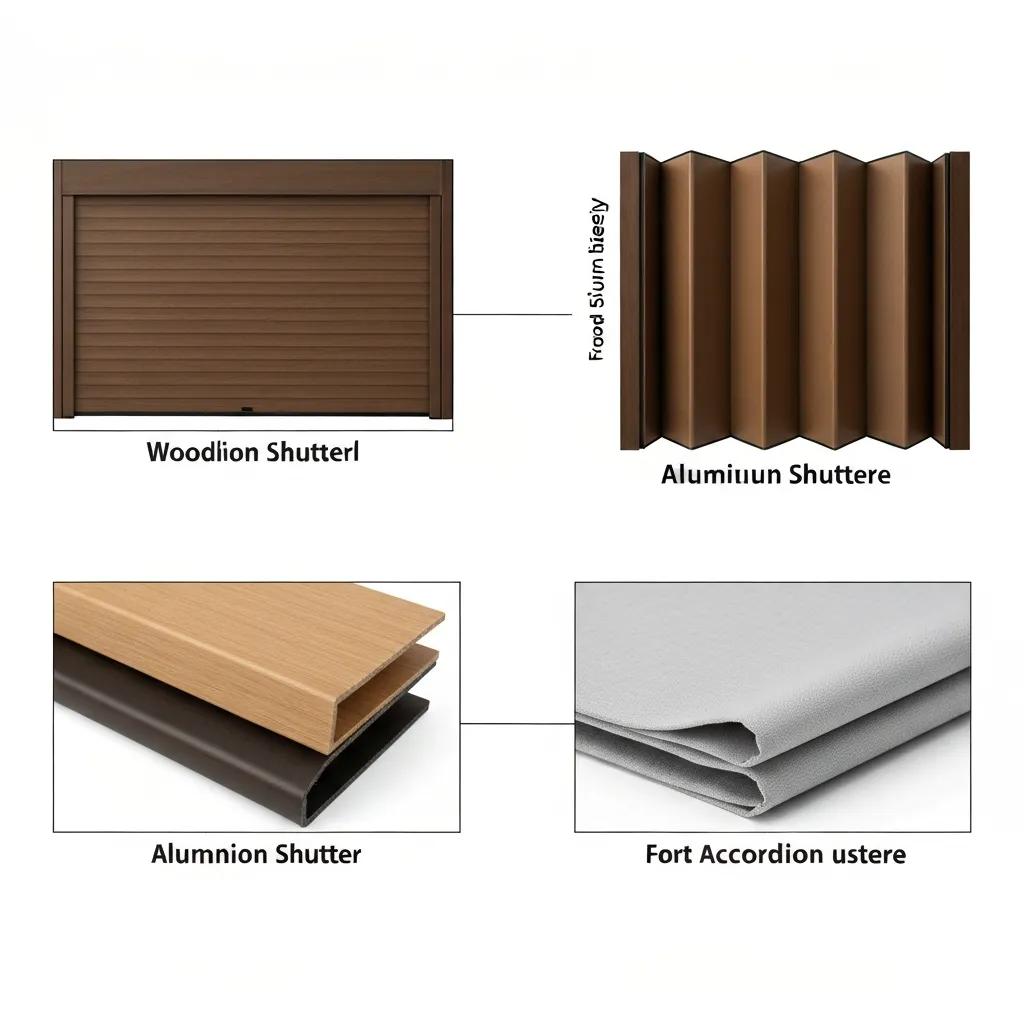
Most accordion shutters use corrosion‚Äëresistant aluminum panels joined by heavy-duty hinges and recessed tracks. Aluminum offers a strong strength-to-weight profile and, when properly powder‚Äëcoated, resists salt-air corrosion. Stainless‚Äësteel hardware is commonly specified for hinge pins and locks in coastal installations to preserve fit and function. Tracks and mounting brackets transfer wind loads back to the structure, while multi-point locks secure panels at several locations for impact resistance and intrusion deterrence. Wind‚Äëload ratings and impact tests show how materials perform under stress, so choosing the right metal grade, finish, and hardware directly affects service life and maintenance needs. Selecting quality components and sound installation ensures shutters perform through storms and regular use.
Construction for Hurricane Conditions: Understanding Storm Damage
Hurricanes have repeatedly tested construction across the Southeast, and storms like Donna, Camille, Hugo and Andrew left lasting lessons for builders and homeowners. Code updates have tried to keep pace with increasingly severe events, but damage patterns reflect a mix of storm intensity, building practices, and material choices. Understanding those forces — and using resilient details where they matter most — helps reduce widespread destruction in future storms.
Construction For Hurricane Conditions, 2000
How do accordion shutters help deter intruders and protect privacy?
When closed, accordion shutters form a continuous barrier that blocks sightlines, resists prying, and complicates break‑in attempts — giving immediate privacy and a tangible security boost. Multi‑point locks engaging at the top, bottom and center make panels hard to lever open, and some installs can include alarm contacts or tamper sensors for added protection. A well‑installed, visible shutter system often discourages criminal activity before it starts. For homeowners who care about curb appeal, selecting hardware finishes and colors that match the home lets you balance appearance with mechanical performance.
How do accordion shutters stack up against other hurricane shutter options?
Accordion shutters stand out for fast deployment, permanent attachment, and minimal storage needs. Unlike roll‚Äëdown shutters that retract into a headbox or removable panels that must be stored, accordions stay mounted and fold neatly to the side, making them convenient for frequent use. Each option trades off protection, convenience and cost, so homeowners should weigh impact resistance, ease of use, and visual preference when choosing a system. The table below summarizes those trade‚Äëoffs to help you compare at a glance.
Different shutter types balance protection, cost and convenience to suit specific homeowner needs.
How do accordion, roll‚Äëdown, colonial and Bahama shutters differ in use and performance?
Accordion shutters are fixed folding panels on tracks that provide anchored protection without the need for seasonal storage. Roll‑down shutters are a rolling curtain stowed in a headbox and often reach the highest certified wind and impact ratings, with motorization available. Colonial shutters are typically removable panels or louvers that require storage or manual removal, while Bahama shutters hinge at the top to offer shade and modest protection. The main distinctions are deployment method, permanency, and certification potential — factors that guide which option fits homes with frequent storms versus those favoring appearance.
Which shutter type gives the best mix of protection and convenience for coastal homes?
For coastlines with frequent storms, systems that pair high impact ratings with quick, repeatable deployment are usually best. Accordion shutters offer strong protection with straightforward manual operation, ideal for homeowners who want ready access without extra storage or motorization. Roll‚Äëdown shutters may be the choice when the highest certified ratings or automated operation are required, though they cost more and need headbox space. Colonial and Bahama shutters suit properties where looks are a priority and storms are less frequent, but they generally provide less comprehensive protection.
What year‚Äëround benefits do accordion shutters offer beyond storm protection?
Accordion shutters deliver practical, year‑round value beyond hurricane defense: better security, reduced energy use, and lower exterior noise levels. Closed panels create a physical barrier that also adds an insulating air gap at windows and increases mass to dampen sound. Powder‑coat color options and trim choices help shutters blend with a home’s architecture so protection doesn’t compromise curb appeal. The table below links each benefit to how shutters produce real homeowner value.
Accordion shutters provide tangible, everyday benefits through specific mechanical effects.
Accordion shutters improve thermal performance and acoustics by creating an extra layer between the outdoors and your glazing. The air gap slows conductive heat flow and reflective finishes reduce solar gain on sun‑facing façades, which can ease HVAC demand. For noise, added mass and a secondary barrier reduce mid‑ and high‑frequency sounds, improving sleep and daytime comfort in coastal or busy neighborhoods. Those outcomes — lower energy use, greater comfort and quieter rooms — are measurable benefits homeowners appreciate year after year.
How do accordion shutters help with energy savings and noise control?
Closed accordion shutters reflect solar radiation and form a controlled air space that slows heat transfer through windows, which can reduce peak cooling loads and lower AC runtime. Actual savings depend on climate, window area and insulation levels, but the effect is real in warm coastal zones. For sound control, shutters add mass and create layered separation from the glass to attenuate mid‚Äë to high‚Äëfrequency noise, helping with sleep and day‚Äëto‚Äëday comfort. Over time these energy and acoustic gains add up to noticeable improvements in indoor livability.
What customization and finish options are available?
Manufacturers offer accordion shutters in many powder‚Äëcoat colors and textured finishes designed to resist fading and corrosion in coastal environments. Trim and fascia choices let shutters blend with architectural details, and hardware finishes can coordinate with existing door and window hardware. Picking corrosion‚Äëresistant coatings and stainless‚Äësteel hardware is especially important near salt air to keep both appearance and function intact. Thoughtful finish choices let you protect your home without making the shutters look like an afterthought.
How much does accordion shutter installation cost, and what drives price?
Costs depend on material grade, opening size, installation complexity and certification testing, with per‑square‑foot ranges that vary by region and finish. Expect price shifts for thicker aluminum, stainless hardware, motorization or structural reinforcement around large openings. Key cost drivers include metal type and finish, custom opening shapes, local labor rates, and whether a certified system is required for insurance or code. To turn general ranges into a project estimate, many providers offer an online cost calculator and a Free Estimate option — useful tools to compare options before you commit.
Price is affected by choosing standard aluminum versus premium gauges and stainless hardware, which improves durability but raises cost. Complex openings and multi‚Äëstory installs require extra fabrication and precise installation, increasing labor and possibly lift rental. Certification to meet wind/impact standards adds manufacturing and documentation fees; automation also raises product and installation costs. Using a cost calculator and requesting a Free Estimate from an experienced provider helps clarify actual pricing and allows apples‚Äëto‚Äëapples comparisons.
Which factors most affect accordion shutter pricing?
Predictable drivers include material gauge, finish, opening complexity, hardware quality and certification needs. Upgrading to thicker aluminum or stainless‚Äësteel components increases the base price; custom shapes and structural reinforcement raise fabrication and labor costs. Certification for wind‚Äëload and impact standards adds testing and paperwork expenses. Prioritizing investment in corrosion-resistant hardware for salt‚Äëair climates generally delivers better long‚Äëterm value than purely cosmetic upgrades.
Should you hire a pro or attempt DIY installation?
Professional installation is usually recommended. Correct track alignment, secure anchoring, and verified load transfer to the structure are critical for performance and to preserve warranties. Skilled homeowners might handle small, standard openings, but DIY risks include improper anchoring, voided warranties and code noncompliance. Pros deliver certified workmanship, faster installs and the documentation insurers often require; the trade‑off is higher upfront labor cost. For large openings, multi‑story work or when certification is needed, hiring a certified installer is typically safer and more cost‑effective over the system’s life.
How should coastal North and South Carolina homeowners choose the right accordion shutters?
Coastal NC and SC homeowners should prioritize systems tested for performance and built with corrosion‚Äëresistant materials suited to salt air. While Florida codes like the Florida Building Code and Miami‚ÄëDade standards are common benchmarks, ask vendors for equivalent testing or documentation that demonstrates comparable performance for our coastal conditions. Consider local storm history and exposure, choose vendors who provide a clear warranty and testing records, and request a tailored assessment. When comparing offers, use a checklist to confirm material grades, finish types, certifications and local installer experience in communities such as Wilmington, Myrtle Beach, Oak Island, Topsail, New Bern and Pawleys Island.
Use this checklist when vetting vendors and products to protect value and safety.
- Request impact and wind‚Äëload test documentation to verify performance.
- Confirm material grades and corrosion‚Äëresistant finishes appropriate for salt‚Äëair exposure.
- Review warranty terms and maintenance responsibilities to avoid surprises.
- Verify installer experience in local coastal conditions and ask for references or project examples.
What building codes and certifications matter in coastal Carolina?
Although Florida codes like the Florida Building Code and Miami‚ÄëDade standards are common testing references, homeowners in coastal Carolina should request equivalent certification or testing reports that demonstrate performance for local conditions. Certifications affect insurance underwriting and regulatory acceptance, so obtaining written test documentation is important when pursuing lower claims risk or compliance with local ordinances. Ask vendors to provide test reports or explain how their products meet or exceed recognized standards; having those documents on file before installation reduces risk and supports future claims or resale value.
How have accordion shutters performed in recent coastal storms?
When installed and deployed correctly, accordion shutters have helped prevent window breakage and reduced interior damage during coastal storms. Homeowners often report intact glazing and limited water intrusion after events when anchored, certified systems were used. Field lessons emphasize pre‑storm inspection (clear tracks, functional locks) and coordinating timely deployment with your installer. Treat shutters as an active part of your storm plan — not just a piece of hardware — to get the best protection when it counts.
How can homeowners maintain accordion shutters to keep them reliable?
Regular maintenance preserves operation and protects finishes, hardware and track alignment. A simple routine — cleaning salt and dirt from tracks, inspecting hinges and locks, and lubricating moving parts — prevents gradual wear that can compromise performance during a storm. Document inspections and address small issues promptly to protect warranties and prolong service life. Below are straightforward cleaning and lubrication steps plus a recommended maintenance timeline.
Follow these practical steps to keep shutters working and corrosion‚Äëresistant.
- Rinse panels and tracks with fresh water and mild detergent to remove salt and grime.
- Inspect hinges, locks and guide rails quarterly for wear or corrosion.
- Lubricate moving parts with manufacturer‚Äërecommended lubricants for smooth operation.
- Run a full functional test before storm season to confirm deployment and locking.
What are the best practices for cleaning and lubricating accordion shutters?
Start by rinsing panels and tracks with fresh water to remove salt and airborne contaminants; follow with a gentle detergent for stubborn grime. Avoid harsh abrasives and use non‚Äëabrasive cloths or soft brushes to protect powder‚Äëcoat finishes. Apply silicone or lithium‚Äëbased lubricants (as recommended by the manufacturer) to hinge pins and lock parts, and avoid over‚Äëapplication where dirt can collect. Quarterly inspections plus an after‚Äëstorm check help catch wear or alignment problems early and keep the system reliable.
How does routine maintenance extend shutter life and performance?
Consistent upkeep preserves mechanical integrity, limits corrosion in coastal environments, and supports warranty terms — all of which extend life and reliability. Pair homeowner checks with annual professional inspections to reduce the chance of failure during a storm, avoid costly repairs, and maintain certification records needed for claims. A practical schedule: quarterly visual checks, semi‑annual lubrication, and a full operational test before hurricane season. Those steps catch minor issues before they become major problems.
If you’d like a tailored estimate or help choosing and scheduling installation, American Hurricane Shutters offers tools like an online cost calculator and a Free Estimate option to generate project‑specific pricing and guidance. We serve coastal North and South Carolina communities and work with products that meet or exceed Florida Building Code and Miami‑Dade standards, giving homeowners added confidence in performance. Use these resources to compare options, verify certifications, and arrange an on‑site assessment for an accurate quote.
American Hurricane Shutters provides local guidance and estimating tools to simplify your decisions while keeping the guide practical and actionable. For personalized planning, request a Free Estimate or try the cost calculator to turn general ranges into a tailored project estimate and clarify next steps for protecting your coastal Carolina home.
Frequently Asked Questions
What are the main advantages of accordion shutters compared to other hurricane protection?
Accordion shutters are quick to deploy, stay permanently mounted and need no off‑site storage. They deliver strong impact resistance and improve security and privacy when closed. Because they fold neatly to the side, they’re convenient for homeowners who need frequent protection without sacrificing curb appeal.
How do accordion shutters help with energy efficiency?
When closed, accordion shutters create an insulating air gap that reduces heat transfer through windows, lowering cooling demand. Reflective powder‚Äëcoat finishes can further cut solar heat gain. In warm, coastal climates these features can reduce HVAC runtime and improve indoor comfort.
What maintenance keeps accordion shutters in good condition?
Regular upkeep includes rinsing tracks and panels with fresh water, checking hinges and locks quarterly for wear, and lubricating moving parts with manufacturer‚Äërecommended products. These simple tasks extend lifespan and ensure shutters work reliably during storms.
Can accordion shutters be customized to match my home?
Yes. Manufacturers offer powder‑coat colors, textured finishes, trim and hardware options that resist coastal corrosion and help shutters blend with your home’s style. Choosing compatible finishes and stainless hardware preserves both appearance and function in salty environments.
What should homeowners consider when choosing accordion shutters?
Focus on material quality, certification for wind and impact ratings, corrosion resistance and local code requirements. Review warranty terms and installer experience, and evaluate your local storm exposure to determine the protection level you need while balancing budget and aesthetics.
How do accordion shutters perform in severe weather?
Properly installed and certified accordion shutters can prevent window breakage and reduce interior damage from wind‚Äëborne debris. Many homeowners report intact glazing and limited water intrusion after storms when using anchored, tested systems. Regular maintenance and pre‚Äëstorm checks help ensure they operate as expected.
Conclusion
Accordion shutters are a practical, reliable choice for coastal homeowners who want both hurricane protection and everyday security. They deliver measurable benefits — from impact resistance to energy savings and noise reduction — while offering customization that complements home design. Choose the right system, keep it maintained, and you’ll have a proven layer of protection for storms and peace of mind year‑round. For help evaluating options and getting an accurate price, request a Free Estimate today.
