
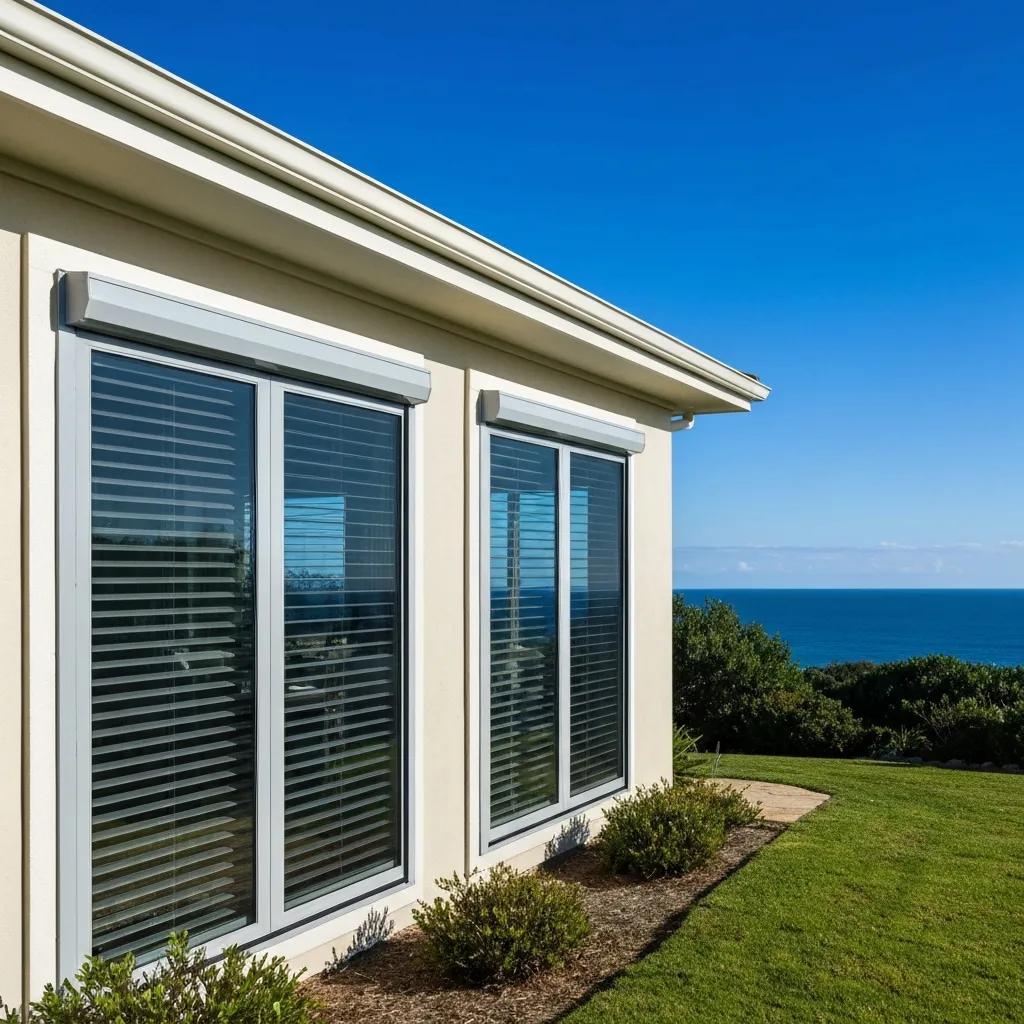
Why Accordion Shutters Are a Smart Investment for Coastal Homes — Protection, Comfort, and Value
Accordion shutters are a permanently mounted, operable hurricane protection system that fold neatly when not in use. They give homeowners fast, reliable storm defense and useful year-round benefits. This guide walks through how accordion shutters work, why they hold up in high-wind coastal conditions, and the ways they can improve resale value, curb appeal, and insurance costs for properties across Coastal North Carolina and South Carolina. You’ll get clear explanations of materials and construction, the real drivers behind regional pricing, practical installation and maintenance steps, and measurable comfort gains like energy savings and quieter interiors. We also compare shutters with other storm-protection options and outline what a professional installation looks like. Finally, learn when to use the cost calculator and how to request a free, code-compliant estimate from American Hurricane Shutters so you can plan with confidence. The focus is practical, local guidance for coastal homeowners weighing storm-protection investments.
What Are Accordion Shutters and How Do They Protect Your Home?
Accordion shutters are rigid, interlocking panels that slide along vertical tracks to cover windows and openings, forming a continuous barrier against wind-driven debris and heavy rain. Their strength comes from sturdy panels, reinforced tracks, and locking hardware that transfer wind loads into the building’s structure—taking pressure off glass and framing during storms. Because they’re permanently mounted, deployment is fast and simple without the need for off-site storage, making them a popular choice for quick storm readiness. This basic definition explains why accordion shutters fall under the broader category of hurricane protection and how they differ from removable panels or roll-down systems in permanence and convenience. The sections that follow break down the construction details that make them durable in coastal environments.
How Do Accordion Shutters Provide Superior Hurricane Protection?
Accordion shutters protect homes by combining panel rigidity with continuous anchoring at the opening so wind loads are spread into the structure and debris impacts are resisted. The interlocking panels form a shield that keeps projectiles from hitting glass, while the track-and-lock system prevents uplift and sideways movement. Because they stay attached to the house, deployment time is short—often one person can secure several openings quickly—reducing the window of exposure before a storm. Compared with removable storm panels, accordion shutters remove storage and handling concerns and, when installed professionally, typically meet or exceed local wind-load codes, giving reliable protection that aligns with coastal permit and inspection standards.
What Materials and Construction Make Accordion Shutters Durable?
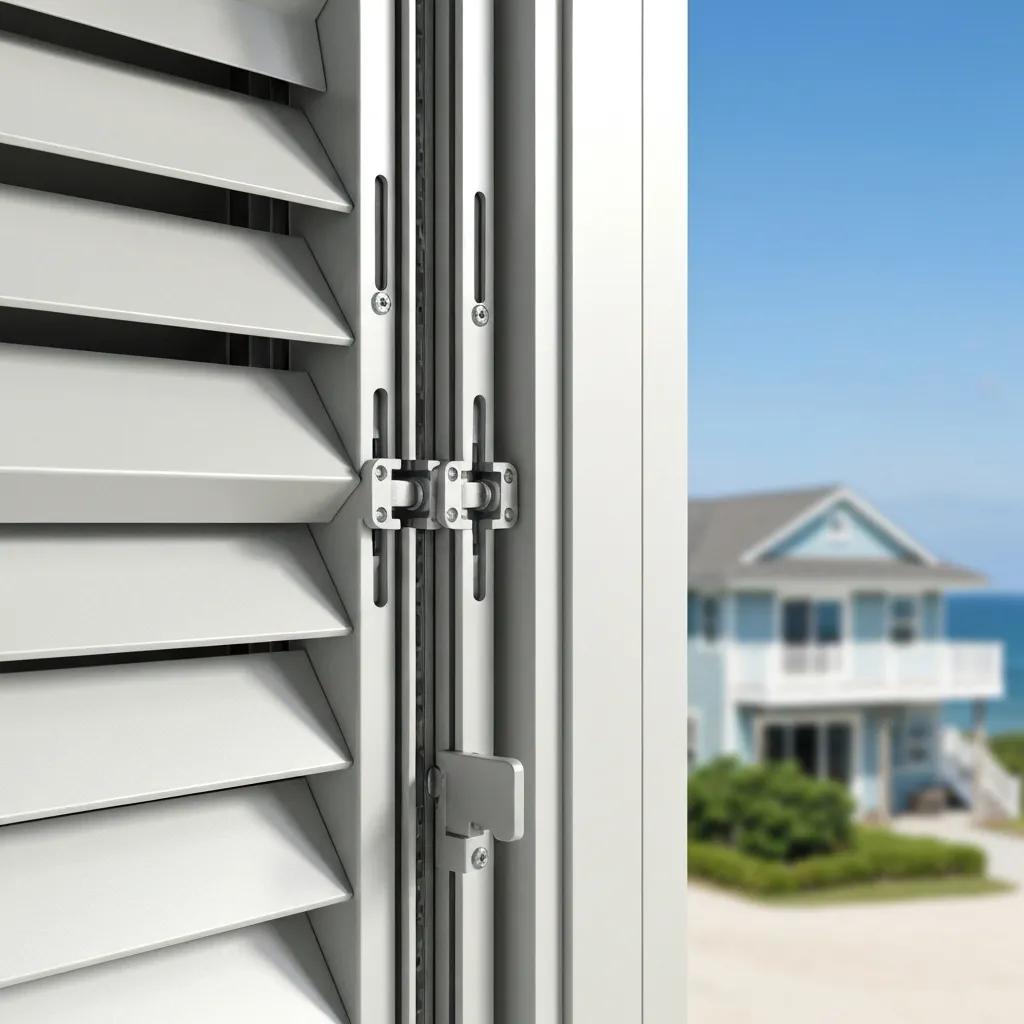
Longevity in accordion shutters starts with the right materials and corrosion-resistant build for salty coastal air. Extruded aluminum alloys are common for panels and tracks because they offer a strong strength-to-weight ratio and resist rust when finished correctly. Reinforced ribs, stamped connection points, and powder-coat finishes reduce wear and maintenance in marine environments. Hardware like stainless-steel fasteners, marine-grade hinges, and robust locks limit galvanic corrosion and stand up to repeated use. Picking the correct alloy, finish, and hardware is key to long-term performance, and careful installation that avoids moisture traps and allows drainage extends service life while keeping the system structurally sound.
Accordion shutters depend on a few essential components:
- Panels: Rigid aluminum sections that interlock to form the protective barrier.
- Tracks: Vertical guides that anchor and guide panels during deployment.
- Locks and brackets: Hardware that secures panels and transfers loads into the structure.
These core components—panels, tracks, and hardware—work together to deliver dependable storm protection and long-term durability. With that foundation, it’s easier to see how shutters can affect a home’s value and curb appeal.
How Do Accordion Shutters Increase Home Value and Curb Appeal?
Accordion shutters can boost home value by improving durability, lowering perceived buyer risk, and adding a permanent, attractive exterior feature. In coastal markets, shutters are often marketed as a selling point because they demonstrate the property is prepared for storms. Insurers may offer premium reductions when installations meet codes and inspection standards, which translates into ongoing savings that factor into a home’s operating costs. From an aesthetic view, modern aluminum shutters come in finishes and profiles that complement many architectural styles, enhancing curb appeal without looking temporary. The table below links these benefits to typical homeowner outcomes so you can weigh ROI against installation cost and local market expectations.
This comparison shows accordion shutters offer both protective and financial upsides. Next we’ll look at how shutters translate into buyer confidence and how to document installations for insurance.
In What Ways Do Accordion Shutters Enhance Property Resilience and Marketability?
Accordion shutters increase resilience by lowering the chance of wind and water intrusion and by protecting structural elements that otherwise need costly repairs. Coastal buyers value documented, code-compliant protection because it reduces expected maintenance and repair risk—often speeding offers and improving sale terms. In listings, sellers can highlight certified protection to appeal to buyers seeking turnkey resilience. Shutters that match a home’s look—clean finishes and integrated hardware—photograph well and enhance curb appeal. When selling, professional installation records and permits give buyers and appraisers confidence in risk and replacement-cost estimates.
Accordion shutters help marketability three direct ways:
- Reducing buyer risk perception through permanent, documented protection.
- Lowering potential post-storm maintenance costs buyers may consider.
- Enhancing aesthetics with coordinated finishes that complement home design.
Together, these benefits make shutters an attractive investment for coastal homeowners focused on resale value.
Can Installing Accordion Shutters Lower Homeowners Insurance Premiums?
Yes—accordion shutters can reduce homeowners insurance premiums when installations meet insurer and local code requirements and are documented for underwriting. Many carriers provide discounts for verified hurricane protection that lowers the risk of window and roof claims. Discount amounts vary by insurer and region and usually require proof of compliant installation, product certification, and permit approval. To secure savings, keep invoices, manufacturer specs, and inspection paperwork showing that shutters meet the required wind-load ratings. While actual savings depend on policy specifics and risk zones, documented shutter installations often yield measurable reductions in annual premiums and improve long-term return on the investment.
Steps to pursue insurance savings:
- Confirm your insurer recognizes accordion shutters and learn their qualifying criteria.
- Obtain and keep permit and inspection documentation from the installation.
- Provide manufacturer specifications and professional installation records to your insurer.
Good documentation is essential to unlock potential insurance benefits and to show value at resale.
What Is the Cost of Installing Accordion Shutters and What Factors Affect Pricing?
Installed costs for accordion shutters typically range from $25 to $45 per square foot, depending on material quality, opening size, installation complexity, and local permit requirements. Major cost drivers include panel material (standard vs. higher-grade alloy), custom finishes, the number and complexity of openings, structural reinforcement needs, and travel or permitting in coastal jurisdictions. Labor represents a significant portion of the total because accurate mounting, track alignment, and sealing are critical for performance and code compliance. The table below summarizes common pricing drivers so homeowners can compare estimates more clearly before requesting a formal quote.
This overview clarifies where costs increase and helps homeowners prioritize performance versus budget. Accurate pricing requires site-specific measurements and an assessment of local codes; the next section explains regional factors for Coastal North and South Carolina.
How Does Location in Coastal North and South Carolina Influence Accordion Shutter Costs?
Local factors—like wind-zone classifications, permitting processes, and labor logistics—can significantly affect accordion shutter pricing in Coastal North and South Carolina. Higher wind zones require higher-rated products and more robust anchoring, which raises material and installation costs. Permit timelines and inspection schedules differ by municipality, adding administrative time and potential fees. Site access, travel for installers, and local market conditions also influence labor rates. Installations on exposed beachfront or barrier islands often need specialized fasteners and reinforcements to meet stricter codes, and those requirements will show up in quotes and timelines.
Regional modifiers that affect price:
- Wind-zone ratings that mandate higher-performing systems.
- Permitting and inspection procedures that add administrative costs.
- Site access and reinforcement needs for elevated or exposed properties.
Knowing these local modifiers helps you set realistic expectations before requesting a formal estimate.
What Are the Benefits of Getting a Free Estimate and Using a Cost Calculator?
A free estimate combined with an online cost calculator offers two useful perspectives: the calculator gives a quick modeled range from your inputs, while a free on-site estimate provides precise measurements, condition assessment, and code verification. Use the calculator to frame a budget and compare options fast; follow up with a professional site visit to uncover hidden cost drivers like framing reinforcement, unexpected repairs, or custom-fit needs. Preparing for your estimate—by noting opening sizes, window types, and any visible framing issues—speeds the process and improves quote accuracy. After a free estimate you’ll receive permit guidance, installation timelines, and documentation that support insurance and resale needs, making the site visit a key step in an informed purchase.
Use the calculator to plan and the free estimate to finalize scope and compliance so you move forward with accurate numbers and the documentation you’ll need. Next, we cover everyday use and maintenance so shutters stay ready when you need them most.
How Easy Is It to Use and Maintain Accordion Shutters for Home Security?
Accordion shutters are easy to operate and need only routine maintenance to stay reliable. Deployment usually means unlatching and sliding panels along the tracks until locks engage—often a single adult can handle many openings quickly. Routine care includes cleaning tracks, rinsing panels to remove salt, lubricating moving parts, inspecting seals, and checking fasteners for corrosion in coastal environments. Because shutters remain mounted, homeowners avoid storage hassles and have consistent readiness; installers can also tune tracks during service visits to keep operation smooth. The list below outlines typical maintenance and operational steps to expect.
- Deployment: Unlatch and slide panels into the locked position using the vertical track system.
- Routine Cleaning: Clear debris from tracks and rinse panels with fresh water to remove salt buildup.
- Hardware Check: Inspect locks, hinges, and fasteners for corrosion and lubricate moving parts annually.
- Professional Service: Schedule periodic inspections to confirm alignment and seal integrity.
Simple, regular care preserves function and ensures shutters perform reliably during storm season.
What Are the Steps for Professional Accordion Shutter Installation?
Professional installation follows a clear sequence from site survey to final inspection to confirm code compliance and performance. The process usually starts with a consultation to document openings and exposures, followed by precise measurements, product selection based on wind-zone requirements, permit support, and on-site mounting with anchoring into structural framing. Installers align tracks, secure panels, test locks, and seal interfaces to prevent water intrusion. A final inspection—by a third party or local authority—verifies wind-load compliance and completes the paperwork for insurance and permitting. Expect transparent timelines, a written scope of work, and a checklist of required documentation at project handover.
Typical installation timeline overview:
- Site survey and measurements
- Permit submission and review
- On-site installation and anchoring
- Final inspection and documentation
These steps ensure shutters work as intended and meet insurer and municipal expectations for hurricane protection.
How Do Accordion Shutters Provide Year-Round Security and Peace of Mind?
Accordion shutters offer more than hurricane defense: they provide year-round privacy, an added deterrent to forced entry, and the reassurance of a visible, sturdy barrier. Their solid construction discourages opportunistic intrusion and, when closed, they improve light control and privacy. Regular use throughout the year also keeps hardware functional, reducing the chance of stuck or corroded components when storms approach. That everyday readiness translates into real peace of mind—shutters connect daily convenience with emergency preparedness.
Secondary benefits include:
- Privacy control and light management.
- Deterrence against break-ins.
- Routine engagement that maintains operational readiness.
Including shutter care in regular home maintenance helps preserve both security and convenience year-round.
How Do Accordion Shutters Improve Energy Efficiency and Noise Reduction?
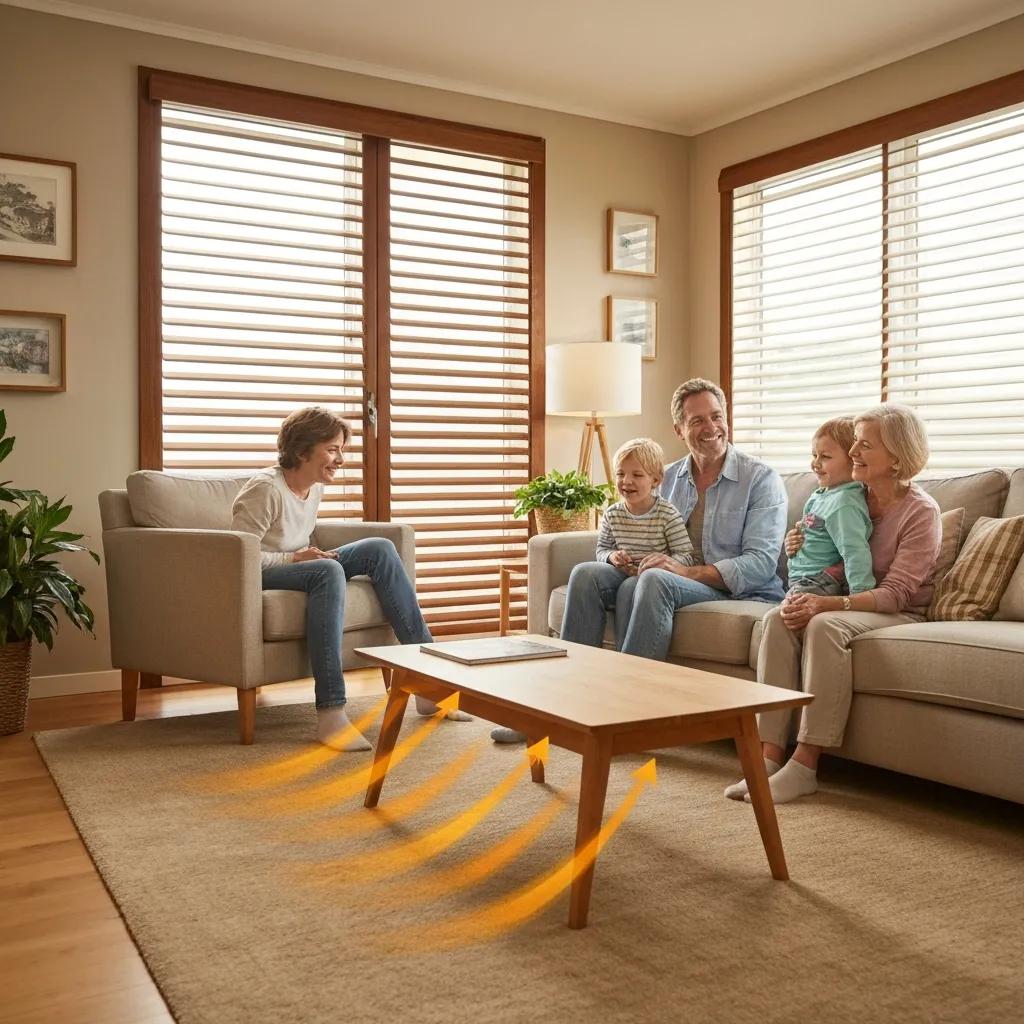
Accordion shutters improve thermal performance and reduce outside noise by adding an external insulating layer and creating an air barrier that cuts heat transfer and sound transmission. When closed, the shutter and glazing form a dead-air space that lowers convective heat loss in winter and blocks solar heat gain in summer. Acoustic improvement comes from the panel mass and tight seals around edges and frames; heavier panels and good seals help reduce external noise—a useful benefit in coastal areas with constant wind or surf noise. The table below shows typical impacts on energy and sound so you can compare expected performance against other window treatments.
These estimates show accordion shutters are more than storm protection; they also deliver measurable comfort benefits that pair well with other insulation upgrades. The next sections explain the thermal and acoustic mechanisms and offer tips to get the most from your shutters.
What Insulation and Temperature Regulation Benefits Do Accordion Shutters Offer?
Accordion shutters help regulate indoor temperature by shading windows from direct sun and creating an insulating air gap when closed, which lowers peak cooling loads in hot months. The shading reduces solar radiation reaching glass, while the exterior placement cuts convective currents along the window surface. Paired with efficient HVAC zoning and upgraded windows, shutters can reduce seasonal cooling demand and improve comfort. To maximize savings, use shutters during peak sun hours, keep seals tight, and combine them with energy-efficient glazing and smart HVAC controls.
Best practices to maximize thermal benefits:
- Use shutters during peak sun hours to limit solar heat gain.
- Seal edges and maintain weatherstripping for optimal air barrier performance.
- Combine shutters with energy-efficient glazing and HVAC controls.
These strategies amplify the shutters’ effect on energy consumption and indoor comfort.
How Do Accordion Shutters Help Reduce External Noise for Coastal Homes?
Accordion shutters reduce external noise through panel mass, tight sealing, and the air gap between shutter and glass, which interrupt sound transmission. Heavier aluminum panels and well-sealed tracks dampen mid- and high-frequency noise, and careful installation that minimizes gaps improves acoustic isolation. While shutters aren’t a replacement for specialty acoustic windows, they make a noticeable difference against common coastal sounds—wind, surf, and traffic—especially when used alongside interior sound-absorbing finishes. For best results, choose heavier panels where practical, ensure continuous seals, and schedule periodic inspections to preserve acoustic performance.
Acoustic-improvement considerations:
- Choose panels with greater mass for improved low-frequency attenuation.
- Ensure continuous seals around frames and between panels.
- Combine with interior soft surfaces to absorb reflected sound.
These steps help create quieter interiors and more comfortable living spaces in exposed coastal settings.
Why Choose American Hurricane Shutters for Accordion Shutter Installation in Coastal NC and SC?
American Hurricane Shutters focuses on educating homeowners, offering free estimates, and providing professional installations that meet building-code standards—critical for coastal properties that face strict wind-load and permitting rules. As a local resource, the company offers tools like an on-site cost calculator and detailed FAQs to help you plan and understand compliance before committing. Service priority is Coastal North Carolina and Coastal South Carolina, where local code knowledge and regional experience matter when selecting products and installation methods. Requesting a free estimate produces a site-specific proposal and documentation you’ll need for permits and insurance.
Key company value propositions:
- Comprehensive education and resources to guide homeowner decisions.
- Free estimates to create precise, site-specific scopes of work.
- Professional installation with attention to building codes and local requirements.
These services are designed to support homeowners who want code-compliant, durable hurricane protection customized to their coastal property.
What Makes American Hurricane Shutters a Trusted Partner for Coastal Homeowners?
American Hurricane Shutters offers clear trust signals that help coastal homeowners make confident choices: educational content, a cost calculator for budgeting, and free on-site estimates to verify scope and compliance. Their focus on Coastal NC and SC aligns local expertise with regional permit and wind-zone requirements, and professional installations emphasize correct anchoring and inspection-ready documentation. Homeowners benefit from straightforward communication about product options and the documentation needed for permits and insurance, which reduces uncertainty in a complex process.
Trust-building elements include:
- Educational resources and detailed FAQs that clarify options.
- Tools for budget planning such as a cost calculator.
- Free estimates that result in measurable, documented proposals.
These resources support homeowners from initial research through installation and final inspection.
How Do Local Building Codes and Hurricane Risks Shape Our Accordion Shutter Solutions?
Local building codes and hurricane risk zones determine product selection, anchoring methods, and required documentation for accordion-shutter installations. Compliance ensures shutters meet wind-load and impact-resistance thresholds needed for permits and insurance recognition. Installers review wind-zone maps, design pressures, and municipal permit rules to select appropriately rated shutters and specify fastening into structural framing where required. Professional installers will help with permit submission, coordinate inspections, and supply the product and installation paperwork insurers and local authorities expect. You can expect a compliance-focused process that pairs technical selection with administrative support so installations are both effective and officially recognized.
Compliance steps homeowners should expect:
- Wind-zone assessment to determine required product rating.
- Permit preparation and submission supported by installer documentation.
- Inspection and issuance of verification documents for insurer use.
Following these steps ensures accordion shutters function as safety systems and meet regulatory and insurance requirements.
Frequently Asked Questions
What are the main differences between accordion shutters and other st
