

How Accordion Shutters Can Save You Money Over the Long Run
Accordion shutters are a manual, rigid-panel storm system that slides into fixed tracks to secure windows and large openings. They give homeowners a reliable barrier against wind, impact and water intrusion. This guide explains how accordion shutters work, shows the ways they lower costs over time—through avoided repairs, energy savings, insurance credits and stronger resale value—and offers practical, region-specific guidance for coastal North and South Carolina homeowners. With repair bills and insurance costs rising after storms, shutters address those pain points by reducing damage risk and improving home resilience. We’ll cover how shutters perform in storms, modeled examples of avoided costs, the factors that drive installation price, maintenance that extends useful life, and how to document savings for your insurer. The sections that follow explain what accordion shutters are, provide a detailed savings analysis, break down pricing and maintenance, describe why American Hurricane Shutters is a strong local choice, and answer common cost-and-benefit questions to help you decide.
What Are Accordion Shutters and How Do They Protect Your Home?
Accordion shutters are made of interlocking panels—usually aluminum—that fold to the side when not in use and slide out to form a continuous protective wall before a storm. Their parts—tracks, panels and locks—work together to create a rigid shell over openings that resists wind pressure and blocks flying debris, while also providing a secondary seal against wind-driven rain. They’re one option in a broader storm-protection toolbox that includes roll-down shutters and impact windows. What sets accordion shutters apart is fast, manual deployment and full-frame coverage, which we’ll unpack further when we walk through deployment and the performance traits that make them effective in hurricanes.
How Do Accordion Shutters Work to Shield Against Hurricanes?
Accordion shutters protect your home by using interlocking panels guided by fixed top and bottom tracks to transfer wind loads into the building structure, which reduces stress on glass and framing. When they’re locked at the sill and header, a locking bar or bolt ties the panels into a continuous resistance against uplift and lateral forces. The components—tracks, panels and locking hardware—dissipate impact energy so debris is far less likely to break windows and create the costly secondary water damage that causes most interior repairs. That mechanical behavior is why shutters are tested for wind-load performance and why proper installation that secures load paths into structural members is critical for real-world protection.
What Immediate Security and Storm Protection Benefits Do Accordion Shutters Provide?
Accordion shutters deliver clear, immediate benefits: they reduce the chance of broken glass, limit water intrusion, and act as a deterrent to opportunistic theft during evacuations or power outages. By keeping glazing intact and closing openings, shutters cut interior exposure to wind-driven rain and airborne debris—the most common failure modes after tropical storms. Outside of storms, they also serve as a physical security barrier. Those protection advantages are the foundation for longer-term financial gains like repair-cost avoidance and potential insurance incentives, which we quantify next.
How Do Accordion Shutters Deliver Long-Term Financial Savings?

Accordion shutters produce measurable lifetime savings in four main ways: avoiding storm repair costs, lowering energy use through shading and thermal buffering, qualifying for homeowner’s insurance discounts, and improving resale appeal in coastal markets. Avoided repairs come from preventing window and interior damage; energy savings reduce cooling demand and HVAC cycling; insurance discounts come when mitigations are documented; and better marketability results from buyers valuing resilience. The table below compares accordion shutters to two related options—roll-down shutters and storm panels—across energy and lifecycle attributes so you can see how accordion shutters stack up over time.
That comparison shows accordion shutters offer mid-range energy benefits while delivering strong storm protection—making them a balanced choice for homeowners who want resilience without sacrificing convenience. Next we’ll turn the energy advantage into concrete repair-cost avoidance examples and annualized savings models.
How Do Accordion Shutters Reduce Repair Costs After Storm Damage?
By stopping primary breaches—like shattered windows and failed doors—accordion shutters prevent the cascade of damage that leads to expensive interior repairs such as drywall replacement, flooring loss and mold remediation. For example, if a severe storm would otherwise cause $15,000 in glass and interior repairs to an unprotected home, shutters that prevent that damage reduce your expected annual storm-related repair exposure when amortized over multiple seasons. Over a 15-year service life, avoiding even two major events can mean tens of thousands in avoided expenses, turning an upfront installation into net savings over time.
What Energy Efficiency Benefits Lower Your Utility Bills?
Accordion shutters cut energy use by shading windows, lowering solar heat gain and reducing UV exposure that heats interior spaces. They also reduce HVAC cycling during peak cooling periods. The exact savings depend on window orientation, glazing type and local climate—coastal NC/SC homes with strong sun exposure will see larger seasonal benefits than shaded properties. The table below shows modeled annual percentage savings for typical coastal installations to set realistic expectations.
These modeled savings add up over years, and pairing shutters with good HVAC upkeep increases the benefits—an important point when you talk with insurers about risk reduction.
How Can Accordion Shutters Lower Your Homeowner’s Insurance Premiums?
Many insurers offer premium reductions or credits for physical mitigations that lower loss exposure. Accordion shutters can qualify when they meet local building-code standards and are properly documented. Common steps to capture savings include collecting compliant product documentation, scheduling a post-installation inspection and submitting proof of installation and code compliance to your insurer. Discounts vary by carrier and region, but storm-mitigation credits are commonly tied to tested shutter types. Proper documentation and demonstrations of compliant installation make it more likely you’ll receive credits; those insurance savings should be included in any ROI or net-present-value evaluation.
In What Ways Do Accordion Shutters Increase Your Property Value?
Code-compliant, energy-reducing features like accordion shutters improve buyer perception and reduce perceived risk—especially in coastal areas where storm exposure matters. Appraisers and buyers often see shutters as durable improvements that lower expected future maintenance and insurance costs, which can translate into modest appraisal adjustments or stronger offers. For sellers, documented shutters and evidence of insurance credits make listings more attractive in hurricane-prone communities; that buyer-preference effect complements the direct financial benefits already discussed.
What Factors Influence Accordion Shutter Installation Pricing?
Several key drivers affect accordion shutter pricing: material choice, size and number of openings, customization (color and finish), labor complexity, site accessibility and regional permitting or inspection needs. Material choices—like aluminum versus stainless steel—affect base cost and expected lifespan; large or irregular openings increase per-square-foot pricing; and retrofits requiring structural attachment or header reinforcement add labor hours. The table below breaks down those cost drivers and their estimated impacts so homeowners can anticipate where dollars go when budgeting.
This breakdown clarifies where estimates vary; for precise budgeting many homeowners use on-site assessments or calculator tools. American Hurricane Shutters offers a cost calculator and professional on-site estimates to create accurate, local quotes that account for these variables.
How Do Materials, Size, and Customization Affect Installation Costs?
Material selection balances upfront price with lifecycle durability: painted aluminum panels usually cost less than stainless components but may need more finish maintenance in salty coastal air; stainless resists corrosion but raises initial cost. Size generally scales cost, but very large openings can require reinforced headers or specialized hardware, creating step changes in price. Custom options—color matching, architectural profiles or motorization (motorized accordion shutters)—add manufacturing and installation complexity and therefore increase cost. Knowing these trade-offs helps you match budget choices to long-term performance goals.
Why Is Professional Installation Worth the Investment?
Professional installation ensures shutters are attached to proper load paths, preserves manufacturer warranties and reduces the risk of improper fastening or fit that can cause failures during storms. Certified installers handle permits, sealing details and secure attachment to structural members—items a DIY approach can miss and that might void insurance credits or warranties. Paying for pro installation often avoids costly corrective work later and usually shortens project timelines, making professional labor a sound economic choice for most coastal homeowners.
How Can Proper Maintenance Maximize Your Accordion Shutters’ Lifespan and Savings?
Routine maintenance keeps mechanical parts working, slows corrosion in coastal environments and extends service life—directly lowering lifetime replacement costs. A simple routine of cleaning, lubrication, fastener checks and seasonal inspections prevents small issues from becoming expensive emergency repairs. The checklist below outlines monthly and annual tasks that keep shutters ready and creates documentation useful for insurer claims or resale.
- Clean tracks and panels monthly with fresh water and mild detergent to remove salt and debris.
- Lubricate rollers, tracks and locking mechanisms annually with manufacturer-recommended lubricants.
- Inspect fasteners, anchors and seals twice a year and after major storms.
- Test deployment and locks regularly to ensure operational readiness.
Following this schedule reduces wear and lowers the chance of functional failure. Keeping a service log also provides evidence for insurers and future buyers. Regular maintenance shifts the lifecycle cost curve toward a lower total cost of ownership, as the next section explains.
What Are Essential Maintenance Tips for Accordion Shutters?
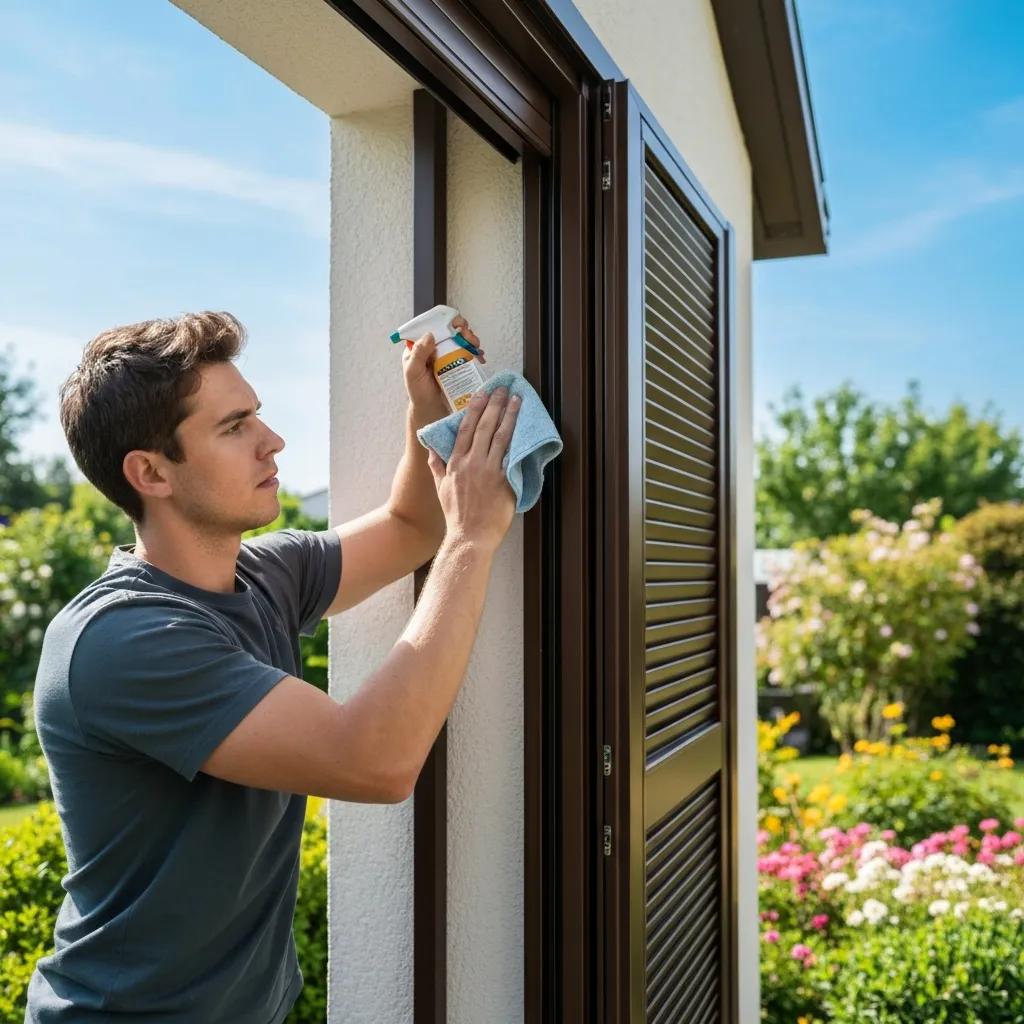
Start maintenance with gentle cleaning to remove salt residue and airborne debris common in coastal NC and SC, which accelerate corrosion if left in place. Use fresh water and a mild, non-abrasive detergent, rinse thoroughly and dry metal surfaces; avoid harsh chemicals that strip protective finishes. Lubricate moving parts annually, check for loose fasteners and worn seals, and test locks before hurricane season to ensure smooth deployment. Scheduling a professional inspection every 1–2 years complements homeowner checks and helps catch hidden anchor or frame issues early, protecting warranties and long-term performance.
How Does Regular Maintenance Contribute to Cost Savings Over Time?
Regular maintenance reduces the chance of sudden failures and expensive emergency repairs, and it extends shutter life by preventing corrosion and mechanical wear that lead to replacement. For example, proactive annual maintenance costing a few hundred dollars can defer a multi-thousand-dollar replacement by several years, lowering annualized lifecycle cost. Maintenance records also help secure insurance credits and support higher resale values, turning routine upkeep into a documented financial asset that compounds savings over the shutters’ operational life.
Why Choose American Hurricane Shutters for Accordion Shutter Installation in Coastal NC and SC?
American Hurricane Shutters (AHS) focuses on hurricane protection for coastal North and South Carolina, bringing local experience with regional wind loads, corrosion issues and code requirements. AHS combines education, free estimates and e-commerce support with installation and maintenance services. Our local knowledge helps homeowners navigate permits and compliance, and our service approach supports long-term maintenance planning—making the decision process easier for coastal property owners.
What Makes AHS Accordion Shutters Compliant and Reliable for Coastal Homes?
AHS prioritizes quality and compliance by specifying shutters that meet or exceed regional building-code standards and by installing products to secure load paths into structural framing. We choose durable materials and corrosion-resistant components suited for salt-air environments, and we provide documentation homeowners can use when requesting insurance evaluations. These practices reduce risk exposure and support the insurance and resale benefits covered earlier.
How Can You Get a Free Estimate and Professional Consultation from AHS?
To request a free estimate or consultation from American Hurricane Shutters, call or email us to schedule an on-site assessment that accounts for opening sizes, material preferences and access challenges. A typical free estimate includes a site inspection, a written proposal with recommended options and documentation about code compliance and insurance considerations. Preparing measurements and any prior inspection reports speeds the process. Our consultations focus on education and tailored solutions so you understand timelines, maintenance expectations and long-term savings potential.
What Are Common Questions About Accordion Shutters’ Cost and Benefits?
Below are concise answers to frequently asked homeowner questions, including installed cost ranges, whether shutters are worth the investment in coastal settings, and expected lifespans. Use this quick-reference table to get fast, practical guidance.
How Much Do Accordion Hurricane Shutters Typically Cost?
Installed accordion shutters commonly fall in a per-square-foot range that captures material and labor differences. For budgeting, expect approximately $20‚Äì$50 per square foot installed, though retrofit complexity and corrosion-resistant materials will affect the final price. For example, a standard 4′ x 6′ window (24 sq ft) at $30 per sq ft would be about $720 installed before customization or permit fees. This gives a quick order-of-magnitude estimate; on-site quotes provide precise numbers.
Are Accordion Shutters Worth the Investment for Coastal Homeowners?
Yes—accordion shutters make sense for many coastal homeowners because they cut storm-related repair risk, can lower insurance premiums when documented, and offer energy and resale benefits that help offset upfront costs over time. They’re especially valuable where storm exposure is high, when insurer discounts are available, and when homeowners want fast manual deployment with full-opening coverage. Combining avoided repairs, energy savings and insurance credits typically produces a favorable ROI over the shutters’ service life.
How Long Do Accordion Shutters Usually Last?
Accordion shutters typically last 15–30 years depending on material, exposure to salt air and maintenance. Aluminum systems in coastal settings often fall toward the lower end unless regularly maintained and finished for corrosion resistance, while stainless elements extend service life. Routine maintenance, documented inspections and prompt repairs can push useful life toward the upper end, lowering annualized cost and improving total cost of ownership.
If you’re ready to evaluate options, American Hurricane Shutters offers local expertise, free estimates and on-site consultations to produce accurate, compliant proposals and help quantify the long-term savings described in this guide. Contact AHS by phone or email to start a no-cost estimate and professional assessment tailored to your coastal NC or SC property and resilience goals.
Frequently Asked Questions
What are the key differences between accordion shutters and other storm protection options?
Accordion shutters differ mainly in deployment and structure. They fold to the side and are manually operated for quick use. Roll-down shutters create a continuous sealed surface and may be motorized for convenience. Storm panels—plywood or metal—are typically temporary and offer minimal thermal benefit. Each option has trade-offs, but accordion shutters balance ease of use, protection and energy performance for many homeowners.
How do I know if my home is suitable for accordion shutters?
Suitability depends on opening size and type, local building codes and the home’s structural condition. Coastal, hurricane-prone homes are prime candidates. Also assess installation access and whether your home can accept tracks and locking hardware. A professional installer can provide a tailored assessment based on your property.
What maintenance is required for accordion shutters?
Maintenance includes regular cleaning, lubrication and inspections. Clean tracks and panels monthly to remove salt and debris, lubricate moving parts annually, and inspect fasteners and seals twice a year or after storms. Test deployment regularly. A set maintenance routine extends life and helps preserve warranties.
Can I install accordion shutters myself, or should I hire a professional?
While some homeowners consider DIY, professional installation is strongly recommended. Pros ensure shutters meet code, are attached to structural members and preserve manufacturer warranties. They also handle permits and identify site-specific issues DIYers might miss. Professional installation reduces the risk of failure and the chance of losing insurance credits.
What documentation do I need to provide to my insurance company for discounts?
To pursue insurance discounts, provide proof of installation, code-compliance documentation and product specifications. This may include inspection reports, installation certificates and manufacturer documentation that show the shutters meet recognized standards. Check with your insurer for carrier-specific requirements.
How do accordion shutters impact energy efficiency in my home?
Accordion shutters improve energy efficiency by shading windows and reducing solar heat gain when closed, which lowers cooling loads. They help stabilize indoor temperature and reduce HVAC cycling, producing compound savings over time—especially in sunny coastal climates.
What should I consider when choosing a color or finish for my accordion shutters?
Consider aesthetics, climate and maintenance. Lighter colors reflect heat and may lower cooling demand; darker finishes can absorb heat and may need more cleaning. Choose corrosion-resistant finishes for coastal environments to ensure durability. Custom colors add cost, so weigh looks against budget and long-term upkeep.
Conclusion
Accordion shutters improve storm protection and can deliver meaningful long-term savings through avoided repairs, energy efficiency and potential insurance discounts. For coastal homeowners, they’re a durable, practical step toward greater resilience and lower lifetime costs. To take the next step, request a free estimate and professional consultation to see how American Hurricane Shutters can protect your home and help you save over time.
