
Choose the Right Accordion Shutter Style for Your Home — Design, Benefits & Installation Insights
Accordion shutters are a permanently mounted storm-protection system made of interlocking panels that fold like an accordion and lock at each end to shield windows and doors from hurricanes and severe weather. This guide walks you through how different accordion styles perform, why materials like 6063‑T6 marine‑grade aluminum and 18‑8 stainless steel fasteners matter on the coast, and practical design choices for both modern and traditional homes. You’ll find clear info on performance (wind and impact resistance), appearance (profiles and color choices), installation steps, cost drivers, and maintenance tailored to North and South Carolina coastal conditions. We also explain professional installation standards, permit and code considerations, and how a free estimate gives you an engineered, site‑specific solution. Read on for step‑by‑step installation guidance, comparison tables of materials and costs, and answers to common homeowner questions about lifespan and compliance so you can make an informed decision.
What Are Accordion Shutters and How Do They Protect Your Home?
Accordion shutters use vertically interlocking panels that slide out across windows and doors to form a continuous protective barrier against wind and flying debris. When closed, the panels transfer wind loads into the header and sill channels; sturdy locks and anchors resist uplift and lateral forces to reduce pressure on glazing. Because they’re permanently mounted and quick to deploy, accordion shutters are a practical choice for windows, sliding doors, and large openings where convenience and structural performance matter. Compared with temporary panels, they give you a ready-to-use solution that balances everyday ease with engineered protection.
How Do Accordion Hurricane Shutters Work to Provide Storm Protection?
Accordion hurricane shutters operate by sliding interlocking panels along tracks from either side of an opening until they meet and lock into place. The system’s load path channels wind pressure from the panels into the building structure through reinforced headers, sill anchors, and mounting plates. Impact resistance depends on panel strength and locking hardware: properly designed systems absorb or deflect debris while staying anchored. That’s why correct installation, engineered pressure analysis, and the right fastener selection are essential before you choose a style.
What Materials Are Used in Durable Accordion Shutters?
For coastal homes, durable accordion shutters typically use extruded 6063‚ÄëT6 marine‚Äëgrade aluminum for panels and framing because it balances corrosion resistance, strength, and light weight. Corrosion‚Äëresistant 18‚Äë8 stainless steel fasteners and hardware prevent galvanic corrosion and keep anchors secure in salt air. Powder‚Äëcoat and UV‚Äëstable finishes protect the surface, preserve color, and reduce maintenance from salt spray. Compared with common non‚Äëmarine aluminum and standard galvanized hardware, the marine‚Äëgrade approach better preserves wind‚Äë and impact‚Äëload performance over time.
Marine‚ÄëGrade Aluminum Alloys: Uses and Fabrication Challenges
Aluminum alloys in the 5xxx and 6xxx series are widely used in marine construction and shipbuilding because they offer a strong strength‑to‑weight ratio and good corrosion resistance. Fabrication can be challenging—joining methods like welding must account for differing mechanical and chemical properties, and corrosion in a marine atmosphere requires careful design and material selection. This review summarizes where these alloys are used and highlights the main fabrication and corrosion challenges engineers face when working with marine aluminum.
Aluminum alloys in marine construction: characteristics, application, and problems from a fabrication viewpoint, MA Wahid, 2020
Which Accordion Shutter Styles and Designs Best Complement Coastal Homes?

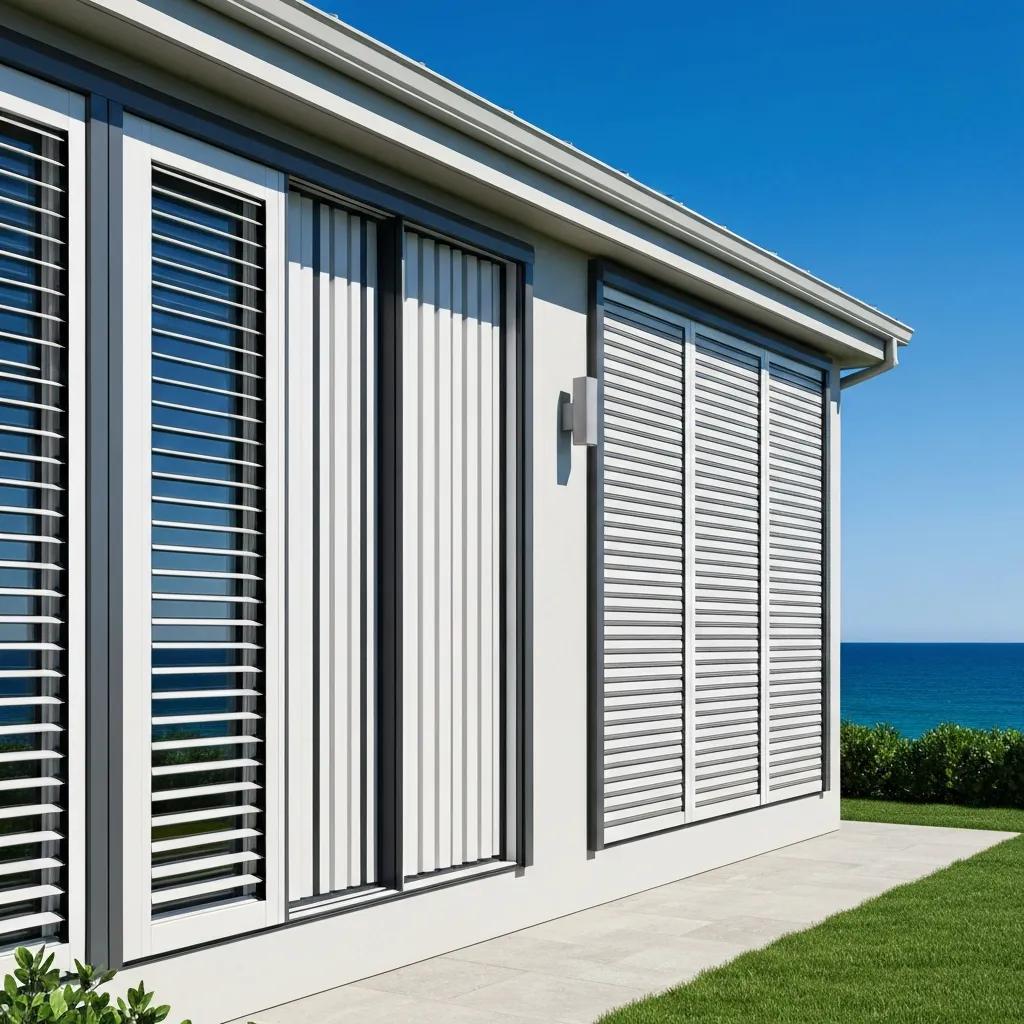
Accordion shutters are available in profiles from narrow, low‑profile panels to wider, traditional panels so you can match proportions to the home’s architecture and opening size. The right style balances visual integration with performance: narrow profiles give a clean, modern look with minimal visual weight, while wider panels suit classic coastal cottages and create a stronger vertical rhythm. Choosing a style also means picking edge details, chamfers, and powder‑coat colors that coordinate with rooflines, trim, and coastal palettes—helping curb appeal without sacrificing protection. Those aesthetic choices influence hardware and installation approach for doors, porches, and large openings.
The most popular accordion shutter designs for coastal homes include:
- Narrow‚Äëprofile panels for contemporary, minimalist homes where slim sightlines preserve modern facades.
- Standard‚Äëwidth panels for traditional coastal cottages that favor pronounced vertical elements and classic proportions.
- Reinforced wide panels for large openings and patio doors that need extra stiffness and additional locking points.
These options help you balance architectural harmony and structural performance. The next section offers examples and placement tips.
What Are the Most Popular Accordion Shutter Designs for Modern and Traditional Homes?
Modern homes usually choose slender accordion shutters that tuck close to the window frame and keep shadow lines minimal for a clean facade. Traditional and colonial‚Äëstyle coastal homes often use wider panels with defined stiles that echo historic shutter proportions and create a pleasing rhythm across the exterior. For large sliding doors or multi‚Äëpanel openings, reinforced designs with integrated stiffeners and extra locking points are common to maintain lateral rigidity under wind loads. Matching panel width and profile to window muntin patterns and porch details helps keep the whole design cohesive.
How Do Color and Profile Options Enhance Accordion Shutter Appeal?
Color and powder‑coat finish make a big visual difference and protect shutters from sun and salt. UV‑resistant coatings prevent chalking and fading in strong coastal sun. Popular coastal palettes include soft neutrals, weathered grays, and deep nautical tones that complement siding and trim while hiding salt‑spray wear. Profile choices—chamfered edges, rounded stiles, or flat faces—change shadow lines and perceived depth, so pick a profile that matches your trim details for a seamless transition between shutter and facade.
What Are the Key Benefits and Features of Accordion Hurricane Shutters?
Accordion shutters offer practical value beyond storm protection: they give structural defense, everyday security, some energy and noise mitigation, and low‚Äëmaintenance longevity when built with coastal‚Äëgrade materials. Their permanent installation and quick deployment improve preparedness, the continuous panels act as an intrusion deterrent, and closed shutters help moderate solar gain and exterior noise. Material choice and finish quality determine lifespan and upkeep, while warranty coverage protects performance expectations. Together, these benefits make accordion shutters a pragmatic choice for homeowners who want both form and engineered function.
Accordion shutters deliver these core benefits:
- Protection from Wind and Impact: Panels and locking systems transfer loads into the structure to shield glass from debris.
- Security and Intrusion Deterrence: A physical barrier that complicates forced entry when closed.
- Energy Efficiency and Noise Reduction: Closed shutters reduce solar heat gain and help buffer exterior noise during storms.
These features show why accordion shutters are more than a seasonal product—they serve multiple homeowner needs. The table below compares key material choices that drive these benefits.
This comparison highlights how marine‚Äëgrade alloys and stainless fasteners extend service life and cut maintenance on coastal properties.
How Do Accordion Shutters Improve Home Security and Energy Efficiency?
Accordion shutters add a rigid, visible barrier that resists forced entry and covers vulnerable glazing, improving home security when closed. They also block direct solar radiation, which can lower peak cooling loads and deliver modest energy savings during hot months. Acoustic gains come from added mass and sealed edges, which help reduce exterior noise in storms or high winds. When materials and installation are specified with thermal performance and seals in mind, these secondary benefits increase the overall value of the system.
What Is the Typical Lifespan and Maintenance Required for Accordion Shutters?
When built with marine‚Äëgrade aluminum and stainless hardware, accordion shutters can last many years with routine care: annual inspections, track cleaning, and lubrication of moving parts. Coastal exposure calls for periodic checks of paint adhesion, fastener integrity, and any surface corrosion; fixing small issues early preserves structural performance and avoids costly repairs. Strong warranty terms and workmanship coverage reduce lifecycle risk; combined with regular maintenance and post‚Äëstorm inspections, they keep shutters performing under repeated marine exposure.
How Is Professional Accordion Shutter Installation Done by Experts?
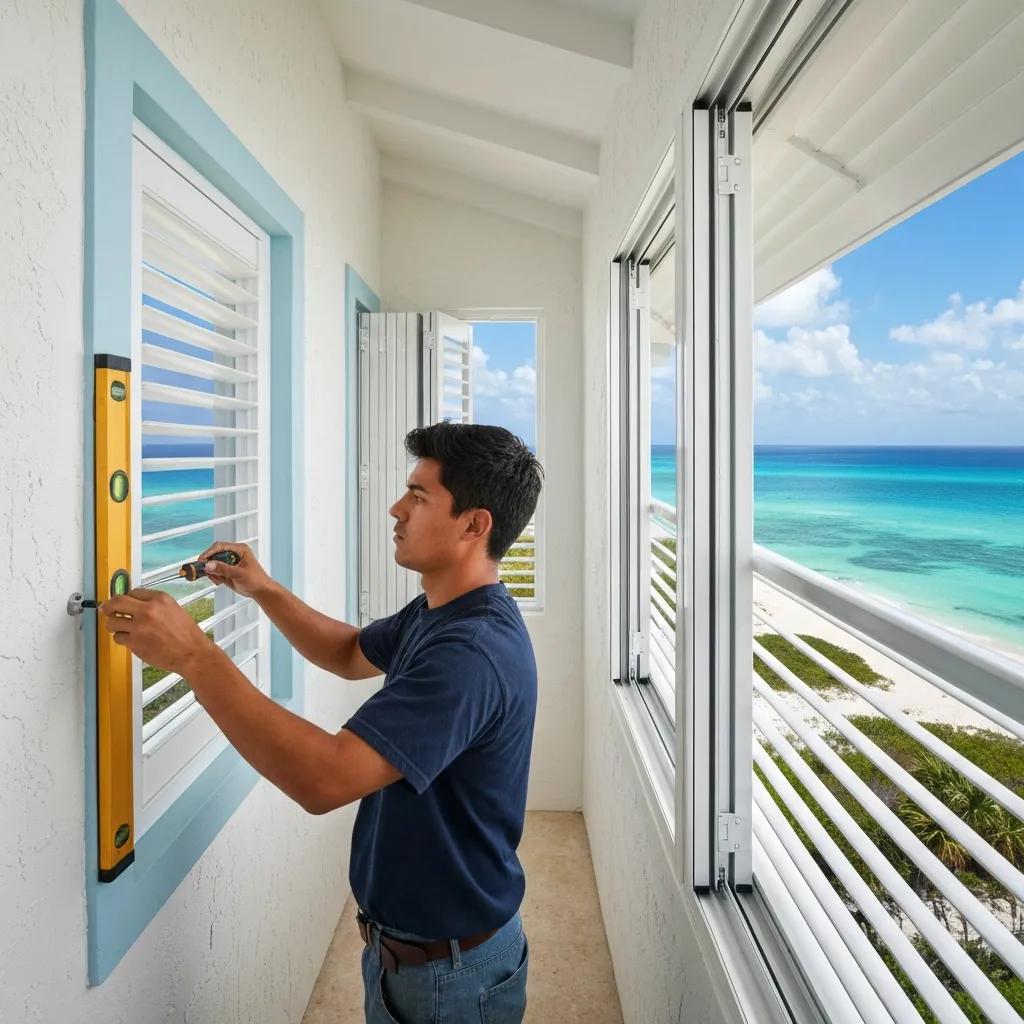
Professional installation starts with a site visit, precise measurements, and an engineered pressure analysis to size panels, specify anchorage patterns, and select header sizing for local wind loads. Installers then mount the header, sill, and side tracks with corrosion‚Äëresistant fasteners, align panels, commission the system, and walk the homeowner through deployment and locking procedures. Final steps typically include simulated testing, permit paperwork, and documentation of product testing or engineered calculations required for local code compliance. These steps ensure the system meets performance expectations and municipal requirements.
The installation workflow typically follows these steps:
- Site Assessment and Measurement: Record openings, framing, and exposure to determine loads.
- Custom Design Pressure Analysis: Engineer anchorage and panel selection for local wind and impact demands.
- Installation and Commissioning: Secure tracks and fasteners, align panels, and demonstrate operation to the homeowner.
A professional approach links each installation action to compliance and performance objectives and underscores the value of certified crews and engineered documentation.
What Makes American Hurricane Shutters’ Installation Unique and Reliable?
At American Hurricane Shutters (AHS), we follow proven practices: we run custom pressure analyses for local wind loads, specify 6063‚ÄëT6 marine‚Äëgrade aluminum with 18‚Äë8 stainless steel fasteners, and staff OSHA‚Äë30‚Äëcertified technicians. We back our work with a local‚Äëleading 7‚Äëyear warranty on workmanship and products. That combination of engineering, marine‚Äëgrade materials, certified crews, and warranty protection helps deliver a reliable accordion shutter solution tailored to coastal conditions.
Can Accordion Shutters Be Installed DIY or Should You Hire Professionals?
DIY installation can work for very small, simple openings if you have construction experience, the right tools, and reliable anchorage points. But risks include improper load transfer, incorrect fastener selection for coastal exposure, and failing to meet permitting or engineered requirements. For larger openings, multi‑panel systems, or high wind zones, professional installation is strongly recommended—certified installers perform pressure analysis, use marine‑grade materials, and ensure code‑compliant attachment, which reduces the chance of failures and supports permit approval and warranty coverage.
The table below maps installation phases to compliance and quality outcomes.
This table links each installation phase to compliance outcomes and shows how professional processes deliver code‚Äëcompliant installations.
How Much Do Accordion Hurricane Shutters Cost and What Factors Affect Pricing?
Accordion shutter cost depends on style, material grade, opening size, and installation complexity. Motorization, impact‑rated reinforcements, specialty finishes, difficult site access, and permitting add to the price. Compare initial installed cost with lifecycle value—consider warranty coverage, maintenance, and the longevity of marine‑grade materials—so you get a realistic sense of return on investment. Schedule a free estimate that includes measurements and pressure analysis for the most accurate pricing on your property.
Key cost drivers include:
- Material quality and marine‚Äëgrade specification
- Opening size and site access complexity
- Motorization, reinforcement, and extra hardware
- Permits, inspections, and engineered documentation
Understanding these factors explains why bids can vary and how features affect final cost. The table below gives an introductory breakdown.
What Are the Typical Price Ranges for Different Accordion Shutter Styles?
Price bands run from basic manual narrow‑profile accordion systems at the lower end to reinforced, impact‑rated, or motorized systems at the higher end—actual cost varies with opening size and finish. Add‑ons like motorization or reinforced headers raise the price. In coastal areas, factor in the value of marine‑grade materials and warranty protection when comparing bids. A clear, itemized estimate will list materials, labor, and any permit or engineering fees so there are no surprises.
Introductory cost breakdown by common drivers appears in the table below.
This EAV table shows how individual components combine to determine the final installed price and highlights why a detailed estimate matters.
How Does a Free Estimate Help Homeowners Understand Accordion Shutter Value?
A free estimate gives you precise measurements, an engineered pressure analysis, and a written breakdown of materials, labor, and permit needs so you can compare proposals fairly. The estimate should itemize panel types, fastener specs (for example, 18‑8 stainless steel), finish options, and warranty terms so you’re comparing long‑term performance—not just sticker price. For coastal properties, a site estimate also clarifies code documentation and mounting details tied to wind zones. We recommend scheduling a free estimate to get accurate, site‑specific pricing and engineered recommendations.
What Are Common Questions About Accordion Shutters for Coastal Homeowners?
Coastal homeowners frequently ask about lifespan, maintenance, and whether accordion shutters meet local building codes. Answers depend on material selection, engineered design, and quality installation. Marine‚Äëgrade materials, stainless hardware, and protective finishes lengthen lifespans and reduce upkeep. Engineered pressure analysis and permit‚Äëready documentation determine code compliance in North and South Carolina. Ask your installer for product testing data, pressure calculations, and warranty terms so you can evaluate proposals and ensure your installation will stand up to coastal conditions.
Common homeowner questions include:
- How long will shutters last in salt‚Äëair environments?
- What maintenance is needed after storms?
- What documentation should an installer provide for permits?
How Long Do Accordion Hurricane Shutters Last in Coastal Environments?
With 6063‑T6 marine‑grade panels, 18‑8 stainless fasteners, and UV‑stable finishes, accordion shutters can provide reliable service for many years when you perform annual maintenance and inspect them after major storms. Routine tasks—cleaning tracks, lubricating moving parts, and checking fasteners and coatings—minimize corrosion and keep locks working. Properties closest to the shoreline or with strong prevailing winds may need more frequent inspections. Proper material selection and prompt maintenance protect your investment and extend service life.
Are Accordion Shutters Compliant with Local Building Codes in North and South Carolina?
Accordion shutters can meet North and South Carolina building codes when installed according to engineered pressure analyses and supported by product testing or certification that shows they resist local wind loads and impacts. Homeowners should request documentation that spells out design pressures, anchor patterns, and any third‚Äëparty testing relevant to coastal wind zones. Permits often require engineered drawings or calculations; installers who provide pressure analysis and permit support help streamline approval and reduce the risk of noncompliance.
Why Choose American Hurricane Shutters
American Hurricane Shutters (AHS) is a local, insured installer serving coastal North and South Carolina. We offer custom pressure analysis, 6063‚ÄëT6 marine‚Äëgrade aluminum products with 18‚Äë8 stainless steel fasteners, OSHA‚Äë30‚Äëcertified technicians, and a local‚Äëleading 7‚Äëyear warranty. AHS provides free estimates to measure openings, run pressure analysis, and prepare permit‚Äëready documentation for homeowners in Wilmington, Myrtle Beach, Oak Island, Topsail, New Bern, Pawleys Island, and nearby communities. If you want an engineered, coastal‚Äëgrade accordion shutter solution with certified installation and warranty protection, schedule a free estimate to get started.
Frequently Asked Questions
What are the advantages of accordion shutters compared to other storm protection options?
Accordion shutters are a permanent, ready‑to‑deploy option that’s faster and cleaner than temporary panels or plywood. Their interlocking design creates a secure fit that improves wind and impact resistance, and when closed they add security, reduce solar heat gain, and lower exterior noise. Because they come in a variety of styles and finishes, you can pick a look that complements your home while keeping it protected.
How do I choose the right accordion shutter style for my home?
Match the shutter profile to your home’s architecture and the size of openings. Narrow profiles suit modern homes and keep sightlines slim; wider panels fit traditional styles and echo historic proportions. Consider color and finish to coordinate with siding and trim. A professional installer can help you evaluate options and choose the style that balances protection and curb appeal.
What should I expect during the professional installation of accordion shutters?
Expect a site visit with precise measurements and an engineered pressure analysis to confirm panel thickness and anchorage. Installers will mount tracks and anchors with corrosion‑resistant fasteners, align panels, test operation, and show you how to deploy and lock the system. You’ll also get documentation for permits and warranties so the installation meets local code and performance expectations.
Are there any specific maintenance tips for accordion shutters?
Regular maintenance keeps shutters working: do an annual inspection, clean tracks, lubricate moving parts, and check for loose fasteners or paint damage. Inspect after storms and address any issues promptly. These simple steps help prevent corrosion and extend the life of the system.
Can accordion shutters be customized for unique window shapes or sizes?
Yes. Many manufacturers and installers provide custom solutions for arched, oversized, or irregular openings by adjusting panel width, height, or profile. Work with a professional to get accurate measurements and a design that fits both function and appearance.
What are the warranty options for accordion shutters?
Warranties vary by manufacturer and installer. Reputable companies often offer material and workmanship warranties—typically in the 5–10 year range depending on product and finish. Review warranty terms carefully, including any maintenance requirements, so you understand what’s covered and how to keep the warranty valid.
Conclusion
Accordion shutters give coastal homeowners reliable storm protection while adding security and modest energy and noise benefits. With multiple styles and marine‑grade material options, you can find a solution that fits your home’s look and stands up to coastal conditions. To explore tailored options and get an engineered price for your property, schedule a free estimate with a professional installer and take the next step toward protecting your home.
