

Accordion Shutters: Real-World Lifespan and What Coastal Homeowners Should Expect
Accordion shutters are a permanently mounted, hinged shutter system that locks into exterior tracks to protect windows and doors during storms. From real homeowner reports and manufacturer specs, their typical service life falls between 10 and 25 years — a range driven by material quality, how they were installed, exposure to salt air, and how well they’re maintained. This guide explains why that range exists and how you can push your system toward the upper end. You’ll get an evidence-based lifespan range, the materials and environmental factors that matter most, practical maintenance routines that extend service life, and how professional installation affects longevity and warranty coverage. We also compare accordion shutters to rolldown shutters, panels, and hurricane screens so you can pick the best long-term solution for your property. For homeowners along the North and South Carolina coast, American Hurricane Shutters provides free estimates, engineered installations, and local guidance — referenced where useful throughout this article. Read on for checklists, maintenance schedules, comparative tables, and clear signs that indicate repair or replacement is needed.
How long do accordion hurricane shutters usually last?
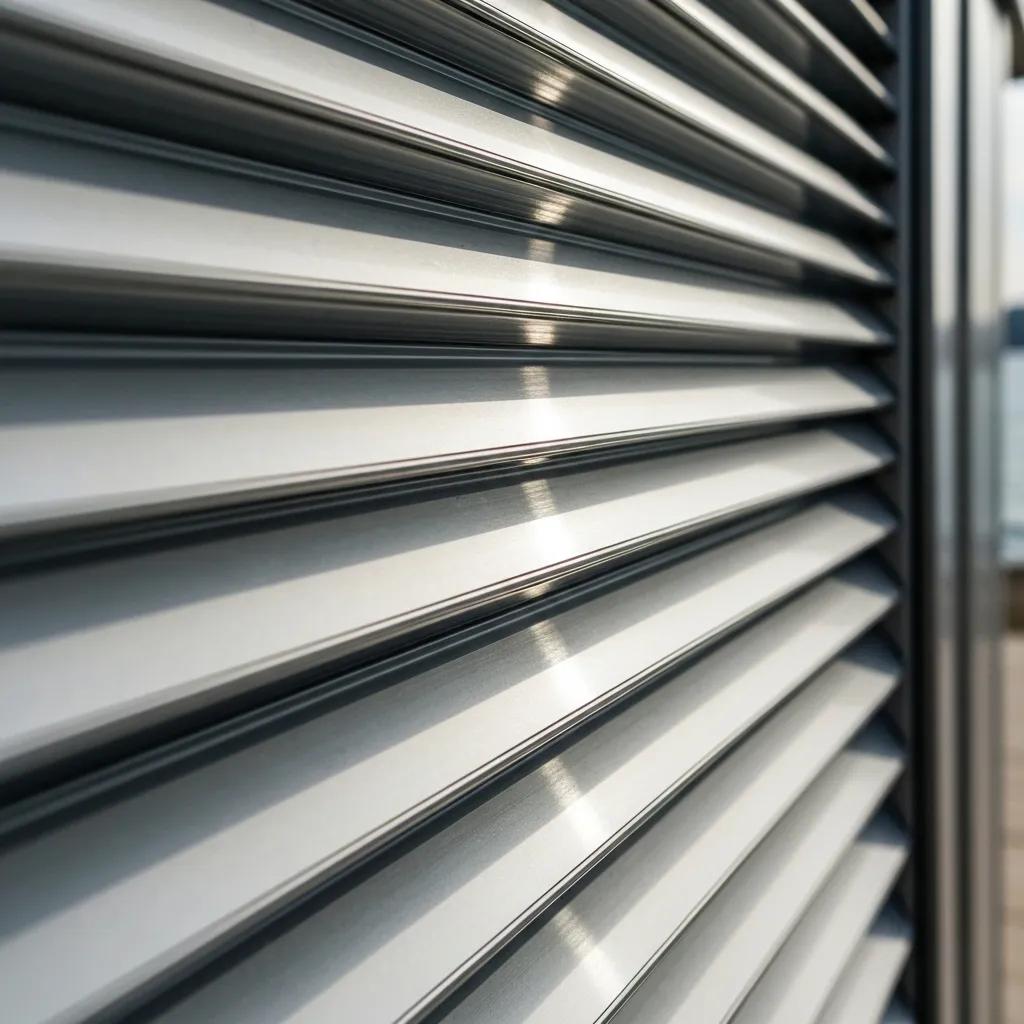
When correctly installed and maintained, accordion hurricane shutters most often last between 10 and 25 years. That span reflects homeowners’ experiences in coastal areas — where salt and UV speed wear — balanced against installations that use high-grade aluminum, stainless-steel hardware, and scheduled servicing, which can extend life toward the two-decade mark. Treat 10–25 years as a planning band: the low end assumes heavy salt exposure and little upkeep, the high end assumes engineered materials and routine maintenance. Understanding this range helps with replacement planning, insurance conversations, and budgeting for lifecycle costs. The next section breaks down average and median expectations in more detail.
What is the average lifespan of accordion shutters?
Across many coastal installs, the average lifespan centers near 15 years. That median reflects common aluminum constructions combined with periodic homeowner care. The biggest variables are material grade and hardware: powder-coated aluminum with 18-8 stainless-steel pivot pins and fasteners resists corrosion far better than lower-end alloys or non-stainless components. How often shutters are deployed matters, too — frequent use increases mechanical wear on tracks and pivots. For budgeting, plan a mid-life inspection around year seven to ten and expect component repairs or full replacement sometime in the 10–25 year window depending on exposure and upkeep.
How do real homeowner experiences reflect accordion shutter longevity?
Homeowner reports consistently show that routine cleaning, track lubrication, and prompt repair of surface corrosion significantly extend service life — many owners see 15+ years of reliable use when they follow that upkeep. In salt-air communities, failures usually start at fasteners, pivot pins, and worn tracks rather than panel breakage. During major storms, well-installed accordion shutters usually perform structurally, even if the finish needs touch-ups afterward — a reminder that strength matters more than cosmetics. These patterns make it clear: smart material choices, regular maintenance, and professional installation together maximize longevity.
Hurricane Shutter Usage Factors for Florida Homeowners
In the hurricane shutter situation, codes requiring shuttering might well prompt the owners of single-family homes to install shutters. The analysis of factors influencing shutter usage will be presented.
What affects the durability and lifespan of accordion shutters?
Durability comes down to four things: material selection, exposure, installation quality, and how the system is used. Choosing high-grade aluminum, durable powder coatings, and stainless-steel hardware reduces corrosion and mechanical wear. Installation choices — anchor type and placement, fastener selection, and track alignment — determine how wind loads and impacts transfer into your structure. Coastal stressors like salt, humidity, and UV accelerate surface and mechanical degradation, while homeowner habits (deployment frequency, storage, and maintenance) control how fast moving parts wear. Below we dig into material choices and environmental impacts.
How does material quality change shutter lifespan?
Material quality is a primary lifespan driver because corrosion resistance and structural strength depend on alloy, coating, and fastener metallurgy. High-grade aluminum panels resist bending while remaining light; 18-8 stainless-steel hardware minimizes galvanic and chloride-induced corrosion typical near the ocean. Powder-coating adds UV resistance and a protective barrier against pitting — systems without durable finishes show earlier paint failure and surface corrosion. The table below compares core components so you can weigh trade-offs before buying, followed by a short summary of maintenance expectations.
Investing in corrosion-resistant alloys and stainless hardware meaningfully reduces the most common failure points and supports a longer usable life. Next, we look at the environmental forces that affect those material choices.
Which environmental conditions most affect durability?
Coastal conditions — salt spray, high humidity, strong UV, and frequent storms — accelerate corrosion, coating failure, and mechanical wear compared with inland settings. Salt promotes pitting and crevice corrosion at joints and fasteners, UV weakens powder-coatings over time, and wind-driven debris can dent panels and abrade tracks. Mitigations include stainless fasteners, thicker powder-coats, sacrificial anodes where appropriate, and a maintenance routine that removes salt deposits before they concentrate damage. The next section turns those mitigations into practical, actionable steps.
Coastal Home Protection with Roll-Down Shutters
Coastal home protected with roll-down shutters on all windows and doors. The shutter is designed to protect the home from wind and debris during a hurricane.
How can good maintenance extend accordion shutter life?

Good maintenance protects shutters by removing corrosive salts, keeping moving parts running smoothly, and catching small problems before they become structural failures. Regular rinsing to clear salt, lubricating tracks and pivot points, and scheduled inspections to tighten fasteners and spot corrosion all slow deterioration and keep both function and appearance intact. A clear maintenance schedule links actions to benefits and helps homeowners keep shutters in the 10–25 year band — or longer when premium materials are used. Below are practical cleaning and lubrication steps and a recommended inspection cadence.
What cleaning and lubrication practices matter most?
Start by rinsing shutters with fresh water after salt exposure and use a mild, non-abrasive detergent for stubborn deposits. Avoid harsh solvents that damage coatings. Lubricate tracks, pivot pins, and latches with a silicone spray or dry lubricant — these reduce friction and won’t attract grit like heavy oils can. After cleaning and lubricating, do a visual check for loose fasteners, paint failure, or early rust and fix small issues promptly. These DIY steps reduce wear and lessen load on anchors. The next section outlines inspection and service timing.
How often should shutters be inspected and professionally serviced?
Balance homeowner checks with annual professional service: do quick operational checks monthly and schedule a professional inspection once a year to verify anchor torque, track alignment, and overall condition. Monthly checks should include operating each shutter, listening for odd noises, and scanning for visible corrosion or loose hardware so you catch problems early. Annual professional service should confirm design pressure compliance, torque anchors, replace corroded fasteners, and perform comprehensive lubrication and track adjustments — actions that help preserve warranty coverage and lifespan. The table below maps actions, frequency, and expected benefits to help plan upkeep.
Following this schedule lowers the chance of sudden failures and helps shutters reach their maximum usable life, while also making it easier to decide when professional repair or replacement is needed.
Why does professional installation matter for shutter longevity?
Professional installation matters because correct anchorage, fastener choice, and compliance with engineered design pressures let the shutter system carry wind loads as designed and avoid premature fatigue. Poor mounting concentrates load in the wrong places, causing torn fasteners, frame distortion, and accelerated wear at pivots. Professional installers create anchorage paths that transfer forces into the building structure correctly and will recommend hardware suited to coastal exposure. Installation quality is often tied to warranty validity, so using a qualified installer protects both performance and coverage. The next sections cover mounting best practices and what to look for in warranties.
How does proper mounting improve durability?
Right mounting anchors into structure, uses specified fastener types and torque values, and aligns tracks so panels engage smoothly and loads spread across multiple anchors. Anchoring into framing or concrete — not just thin siding — prevents pull-out during extreme loads. Stainless fasteners reduce early corrosion at critical load paths. Correct track alignment prevents binding that increases fatigue on pivot pins and hinges, and careful sealing at interfaces keeps moisture from collecting and accelerating corrosion. Attention to mounting details preserves reliability and informs warranty expectations discussed next.
What warranty coverage indicates quality?
Warranties usually separate materials, finish, and workmanship with different durations for each. Longer material and finish warranties often signal higher product quality and manufacturer confidence. Expect separate terms for panels (material), hardware (fasteners and pins), and workmanship (installation) — and check whether warranties require professional installation and annual inspections to remain valid. Most warranties exclude damage from improper maintenance or storms beyond code design pressures, so following recommended upkeep and service schedules is important. Knowing warranty scope helps you plan replacements and prioritize preventive component replacement before failures affect protection.
At American Hurricane Shutters, we emphasize engineered protection, Design Pressure Analysis, and 18-8 stainless-steel installation — practices that reduce common failure modes and support warranty conditions when applied correctly. For local homeowners, that professional approach directly contributes to longer service life.
Factors Influencing Hurricane Shutter Installation by Homeowners
In the hurricane shutter situation, codes requiring shuttering might well prompt the owners of single-family homes to install shutters. The analysis of factors influencing shutter usage will be presented.
How do accordion shutters stack up against other hurricane protection options?
Accordion shutters compare well to many removable systems for readiness and quick deployment, and their lifespan is close to rolldown shutters when materials and maintenance are similar — though there are trade-offs in mechanical complexity and appearance. Rolldown shutters often use heavier slats and enclosed mechanisms that can last 15–25 years with professional care, while bolted panels can last 10–30 years depending on material and storage. Hurricane screens offer airflow and convenience but typically have shorter lifespans in debris-heavy conditions. The table below gives a direct lifespan comparison to help homeowners decide.
This comparison shows that the right system depends on priorities — speed of use, maximum impact resistance, or long-term durability — and that maintenance and installation quality affect lifespans across all options. The sections below contrast accordion and rolldown lifespans and cover panels and screens.
How does accordion vs. rolldown lifespan compare?
Rolldown shutters can have a slightly higher upper-bound lifespan in heavy coastal exposure because their heavier profiles and enclosed housings shield slats and mechanisms from direct salt spray. However, rolldown systems have more moving parts and motors that must be serviced to reach their full 15–25 year potential. Accordion shutters are mechanically simpler with fewer hidden parts, and when built with corrosion-resistant hardware they can reach the mid-range of rolldown lifespans while offering faster manual deployment. Homeowners balancing ease-of-use and durability should weigh those trade-offs alongside maintenance commitments.
How do panels and hurricane screens compare in longevity?
Removable panels can outlast some fixed systems if made from durable materials and stored indoors between storms — storage avoids UV and salt exposure. The downside is logistics and handling risk. Hurricane screens favor airflow and comfort but generally use lighter frames and fabrics that respond differently to impacts, reducing expected life in high-debris areas. Choosing between fixed shutters, panels, and screens comes down to desired protection level, storage capacity, and tolerance for maintenance and replacement cycles. For many coastal homeowners, fixed accordion or rolldown systems offer the best balance of readiness and predictable lifecycle management.
When should homeowners consider replacing accordion shutters?
Consider replacement when structural corrosion undermines anchors or pivot points, when cumulative repairs exceed about 50% of replacement cost, or when shutters no longer operate reliably under time constraints. Replacing proactively preserves storm protection and property value and reduces insurance and liability risk — waiting until visible failures appear can put you at risk in a storm. Plan replacements outside peak season so you’re ready before hurricane season, and use comparative quotes and cost calculators to weigh repair versus replace decisions. The following subsections list common warning signs and explain how timing affects protection and resale value.
What are common signs of wear and aging?
Watch for visible corrosion at fasteners and pivot pins, bent or warped panels, loose or pulled anchors, increased difficulty operating tracks, and persistent binding or rattling noises. Paint failure can signal coating breakdown that usually precedes localized corrosion, so cosmetic issues deserve a closer look. Operational problems — sections that don’t lock, latches that fail under load, or effort that steadily increases when sliding panels — point to mechanical fatigue and possible anchor stress. Catching these early lets you do targeted repairs that extend life; widespread structural issues usually mean it’s time for full replacement.
- Monthly checks homeowners can run:
Corroded fasteners or visible rust: Active metal deterioration that needs attention.
Difficulty operating shutters: Signs of track or pivot wear affecting deployment.
Loose anchors or pulled fasteners: A compromised load-bearing path.
Spotting these conditions leads to informed repair or replacement decisions, which the next section ties to timing and value considerations.
How does replacement timing affect protection and property value?
Replacing shutters before they fail keeps you protected through storm season and avoids emergency fixes that are often more expensive and less thorough. Proactive replacement also demonstrates good upkeep to buyers and can help resale value. Insurance underwriters and code inspections may view functioning hurricane protection as a safety and value feature, which can affect premiums and marketability. Scheduling replacements outside peak season shortens lead times and allows you to choose higher-grade materials for longer-term value. For accurate cost planning and warranty comparisons, get free estimates or use the cost calculator from trusted local providers like American Hurricane Shutters.
- Replacement timing checklist:
Seasonal planning: Complete replacements well before hurricane season.
Cost vs. risk: Compare repair costs against diminished protection and potential damage.
Market value: Updated, compliant shutters improve buyer confidence.
These timing strategies align lifecycle planning with safety and financial sense so homeowners can choose the best replacement window.
Frequently Asked Questions
What are the benefits of using high-grade materials for accordion shutters?
High-grade materials — premium aluminum alloys and stainless-steel components — noticeably increase durability and lifespan. In coastal settings, corrosion resistance is essential: stainless hardware and robust finishes slow deterioration and reduce maintenance. Better materials also help preserve appearance and can lower total ownership costs over time by reducing repairs and early replacements.
How can homeowners identify when their accordion shutters need repairs?
Look for corrosion on fasteners, difficulty operating the shutters, unusual noises during deployment, bent or warped panels, and anchors that appear loose or pulled away. Regular inspections catch these issues early so repairs are smaller and less costly, often extending the system’s usable life.
What is the role of professional installation in the longevity of accordion shutters?
Professional installation ensures anchors penetrate structural elements, uses specified fasteners and correct torque values, and aligns tracks so panels operate without binding. Proper mounting distributes wind loads correctly and reduces premature wear — and many warranties require professional installation to remain valid. In short, a qualified installer protects performance, safety, and warranty coverage.
How do environmental factors affect the maintenance needs of accordion shutters?
Coastal factors — salt air, high humidity, and UV — speed corrosion and wear, increasing the need for cleaning and inspections. Homeowners in these areas should rinse shutters after salt exposure, lubricate moving parts regularly, and schedule annual professional checks. Tailoring maintenance to local conditions preserves function and extends lifespan.
What are the cost implications of replacing versus repairing accordion shutters?
Compare repair costs to replacement: if repairs exceed about 50% of replacement cost, replacement usually makes more sense. Also consider age, warranty status, and potential insurance or resale benefits from new shutters. Use comparative quotes and cost tools to inform decisions that balance near-term expense with long-term protection.
What maintenance practices can homeowners implement to maximize the lifespan of their accordion shutters?
Follow a structured routine: rinse with fresh water after salt exposure, clean with mild detergent quarterly, lubricate tracks and pivot points twice a year, and inspect operation monthly. Pair those homeowner checks with an annual professional inspection to preserve warranty coverage and keep the system running smoothly.
How do accordion shutters compare to other hurricane protection options in terms of lifespan?
Accordion shutters typically last 10–25 years, which is competitive with other options. Rolldown shutters often reach 15–25 years with professional maintenance thanks to heavier profiles and enclosed mechanisms. Panels can last 10–30 years if stored indoors between storms. Screens are generally shorter-lived in high-debris areas. Your choice should reflect your priorities for convenience, protection level, and long-term durability.
Conclusion
Knowing how long accordion shutters last helps you plan for reliable storm protection and smart long-term value. Choose corrosion-resistant materials, follow a clear maintenance schedule, and rely on professional installation to maximize lifespan and preserve warranty coverage. Regular inspections and timely repairs keep your shutters ready when storms arrive. For personalized guidance and local service, contact American Hurricane Shutters — we’ll help you evaluate repairs, replacements, and the best path forward for your home.
