
Seasonal Discounts & Promotions for Roll‑Down Hurricane Shutters — What to Know This Year
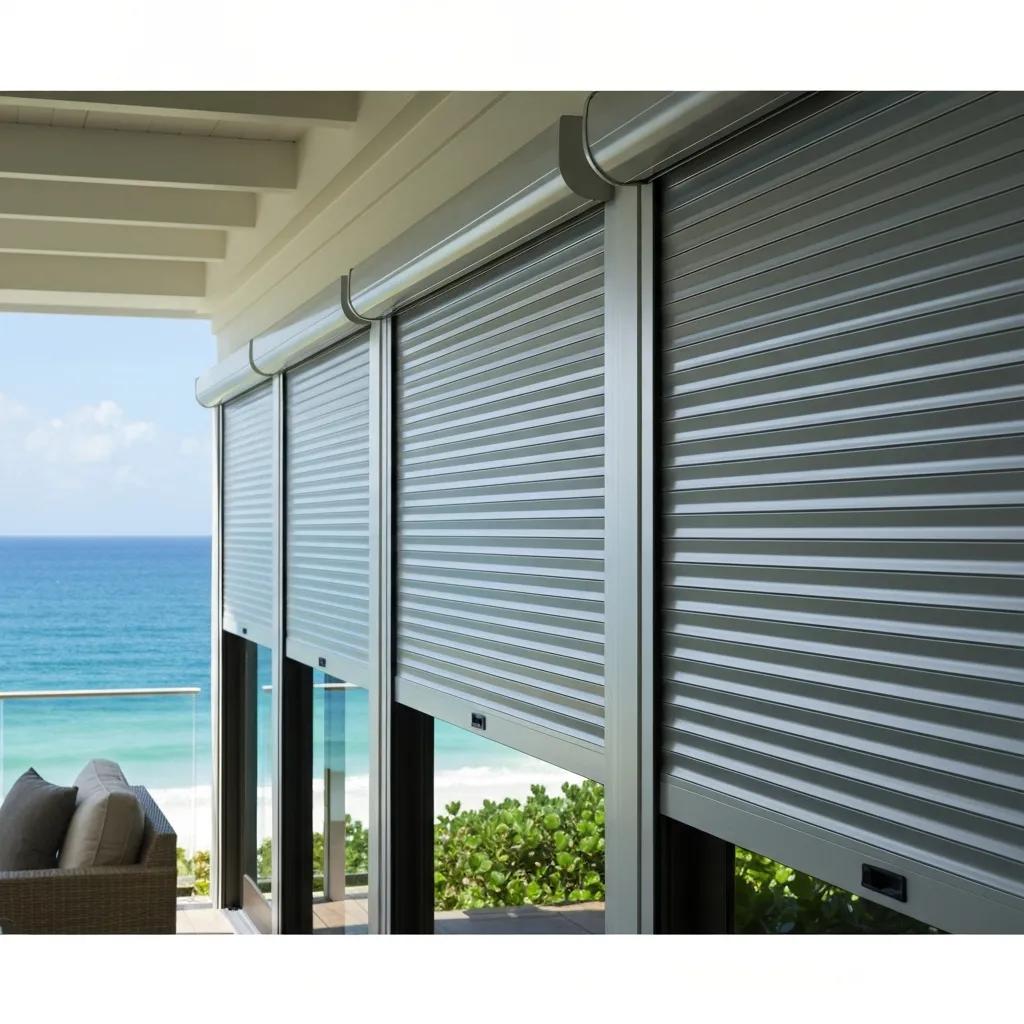
Roll‑down hurricane shutters are a long‑lasting, high‑value way to protect windows and openings from wind, flying debris, and water intrusion. They combine impact‑rated slats, reinforced guide tracks, and either motorized or manual operation to secure your home. This page explains how seasonal discounts and promotions for roll‑down shutters work, why timing affects savings and installation scheduling, and how financing, energy savings, and insurance credits change real‑world costs. You’ll get clear, local guidance for coastal North and South Carolina, practical examples of stacking discounts with financing, and a step‑by‑step use of our cost calculator to estimate monthly payments and total outlay. We emphasize measurable benefits—storm protection, security, energy efficiency, and possible insurance reductions—and show how to claim offers like free estimates and transparent calculator results from American Hurricane Shutters. Sections cover current promotions and how they’re structured, best buying windows, protective and financial benefits, financing examples, regional availability from Wilmington to Pawleys Island, and motorized‑shutter incentives. Throughout, we connect shutter features (motor, slat material, guide tracks) to savings, code compliance, and homeowner outcomes so you can make confident pre‑season choices.
Current Seasonal Discounts and Promotions for Roll‚ÄëDown Shutters
Seasonal promotions for roll‑down shutters typically fall into three main categories: percentage discounts on products, bundled pricing for full‑house installs, and motorization or upgrade incentives that lower the incremental cost of electric drives and smart controls. These offers appear when suppliers clear inventory, when installers fill pre‑season schedules, or around holiday sales aimed at coastal homeowners. Promotions reduce upfront cost and — when combined with insurance credits — can improve long‑term return on investment. Knowing each promotion’s structure and eligibility rules helps you choose the right deal without risking warranty or financing benefits. Below we summarize common promotion types and how homeowners in coastal North and South Carolina should evaluate them.
Many offers target specific buyer needs and some can be combined, but stacking rules vary by manufacturer and installer. When comparing quotes, confirm whether motorized upgrades, installation labor, and permit handling are included — these items materially affect final price. The list below highlights typical seasonal promotion categories you’ll encounter.
- Pre‚Äëseason bundle discounts: Lower per‚Äëopening pricing when you group multiple windows or do a whole‚Äëhouse install.
- Motorization incentives: Reduced upgrade fees for electric motors or smart‚Äëhome integration during promotion periods.
- Installation credits or waived permit fees: Installer covers part of labor or administrative costs for select sales events.
These categories make it easier to narrow choices so you can request a precise, time‚Äëstamped estimate and test discounted scenarios in a cost calculator.
Which Seasonal Offers Deliver the Biggest Savings?

Homeowners usually see the largest immediate savings from whole‑house bundles and early‑bird pre‑season discounts that lower the per‑opening price. Grouping openings into a single package reduces material and labor markup and often makes motorized upgrades cheaper per unit. The best deal depends on home size, number of openings, and whether motors, battery backups, or smart controls are included. The table below outlines common offer types, their typical structure, and the regions where they’re commonly available; exact amounts and dates vary by promotion, so confirm current terms with providers.
This table describes typical promotion structures rather than fixed prices. Always request a dated, itemized estimate that documents the offer, eligibility, and valid dates so you can compare providers and model discounts in a cost calculator.
How to Combine Discounts and Financing for Maximum Savings
Stacking discounts with financing works best when you confirm stacking rules and how rebates are applied — as upfront principal reductions or post‑finance credits. Follow a simple sequence to avoid surprises: first, confirm which discounts can be combined; next, apply the largest discount to the product subtotal so the financed principal is lower; finally, choose financing based on overall cost and monthly payment goals. Example amortization scenarios make it easy to compare monthly payments and total interest for common term lengths. Also check whether promotional finance (for example, deferred‑interest offers) contains conditions that could void discounts if not met.
- Confirm stacking rules: Ask whether manufacturer rebates and installer discounts can be combined without affecting warranties.
- Apply discounts to product cost: Reduce the principal before financing so your monthly payment reflects true savings.
- Compare finance terms: Review APR, term length, and deferred‚Äëinterest clauses to choose the lowest total cost.
Following these steps helps ensure financing amplifies seasonal savings instead of eroding them.
Best Times to Buy Roll‚ÄëDown Shutters for Seasonal Deals
The best time to buy is generally in the off‚Äëpeak months before hurricane season and during year‚Äëend or holiday sales when installers seek steady workflow and manufacturers offer inventory incentives. Late winter to early spring and fall‚Äëto‚Äëwinter holiday periods usually provide better pricing and shorter lead times. Buying during peak pre‚Äëstorm demand raises both price and wait times. Timing also affects permit and inspection scheduling, so booking estimates several months ahead improves predictability and avoids emergency premium charges. Understanding local demand patterns helps you lock in lower prices and priority installation slots.
Weigh the risk of waiting for deeper holiday discounts against the possibility of needing immediate protection; pre‚Äëseason early‚Äëbird offers tend to balance savings with timely installation. Practical buying windows include:
- Late winter to early spring: Best for pre‚Äëseason discounts and contractor availability.
- Late fall / year‚Äëend holidays: Common time for end‚Äëof‚Äëyear promotions and financing deals.
- Early summer (off‚Äëpeak weeks): Occasional mid‚Äëseason clearances, but availability varies.
Plan estimate requests and installations around these windows to align savings with readiness.
Why Pre‚ÄëHurricane Season Often Has the Best Discounts
Pre‚Äëseason discounts appear because demand is lower, installers can fill schedules without rush premiums, and manufacturers offer early incentives to secure work. Buying before peak season avoids lead‚Äëtime inflation and gives time to handle permits, inspections, and any code‚Äërequired adjustments methodically. Early scheduling also preserves motorization and battery backup options that can be limited during busy periods. For homeowners in coastal North and South Carolina, pre‚Äëseason purchases increase the chance of combining discounts with favorable financing and a predictable installation timeline.
These logistical advantages translate into measurable savings when paired with insurance credits and energy benefits, so buying early is often a strategic financial move rather than just a timing convenience.
Common Year‚ÄëEnd and Holiday Promotions
Year‚Äëend and holiday promotions typically include flat‚Äëdollar credits, percentage discounts on packages, or bundled upgrades like reduced motorization fees or free consultation and permit assistance. Installers often time these promotions to reach annual sales targets, which can produce meaningful discounts on whole‚Äëhouse packages and motorized upgrades. Tax‚Äëyear timing may also matter for homeowners using improvement budgets or planning insurance appraisals. Always confirm promotion validFrom and validThrough dates and whether finance offers are tied to promotional windows.
- Flat‚Äëdollar credits: Direct invoice reductions for qualifying installs.
- Percentage bundles: Scaled discounts that increase with project scope.
- Upgrade incentives: Reduced fees for motors, smart hubs, or battery backups during holiday sales.
These structures let customers match offers to home size and project scope while making year‚Äëend purchases financially attractive.
How Roll‑Down Shutters Protect Your Home — and Save You Money
Roll‚Äëdown shutters protect glazing and openings with durable slats and reinforced guide tracks that resist wind‚Äëborne debris and pressure differentials, preventing window breach and water intrusion. That protection reduces repair costs after storms and limits the chance of mold and structural damage caused by water entry. Shutters also boost security when closed and locked, help reduce outside noise, and provide light control that improves comfort. Over time, these benefits can lower insurance claim frequency and qualify homeowners for premium credits when systems meet local building codes and inspection requirements.
To convert protection into financial outcomes, consider insurance discounts, energy savings from reduced solar gain, and potential resale value. The table below links common features to typical outcomes.
Showing how features connect to insurer programs and energy performance highlights the dual protective and financial value of roll‚Äëdown shutters for coastal homes.
Security and Storm‚ÄëProtection Benefits
Roll‑down shutters provide layered protection: a physical barrier against wind and debris, a deterrent to forced entry when secured, and a controlled enclosure that eases pressure on window seals. Components like aluminum slats, reinforced guide tracks, and secure mounting hardware absorb and redistribute storm forces, reducing the chance of glass failure and interior damage. For remote owners or those with mobility constraints, motorized shutters enable rapid deployment via remote control or automation — faster and more reliable than manual closing. Professional installation timed before storms improves predictability during major events.
These security and resilience qualities are why many insurers consider code‚Äëcompliant roll‚Äëdown shutters when offering premium reductions.
Energy Efficiency and Insurance Discounts — How They Add Up
Shutters lower solar heat gain by shading windows, which can reduce cooling loads and shorten HVAC runtime during hot months. Energy savings vary with climate and exposure, but many homeowners see measurable reductions in cooling use. Insurers often offer premium credits for recognized storm‚Äëprotection systems that meet code; documenting product compliance and professional installation supports those credits. When homeowners model combined energy and insurance savings alongside promotion discounts, payback periods for shutters can shorten markedly compared with materials‚Äëonly investments.
- Energy savings: Less AC runtime thanks to effective shading and thermal buffering.
- Insurance credits: Lower annual premiums for code‚Äëcompliant, professionally installed systems.
- Faster payback: Discounts plus ongoing savings shorten time to net positive ROI.
This combined view helps homeowners understand how seasonal promotions interact with long‚Äëterm savings to make shutter investments more attractive.
Financing and Cost Options for Roll‚ÄëDown Shutters
Common financing options include short‑term promotional programs (for example, 0% deferred interest), fixed‑rate installment plans over 12–60 months, and extended low‑payment solutions that spread cost over longer terms. Lenders and installer partners may offer quick prequalification, but terms depend on credit profile and the current promotion. A cost calculator that factors in window count, motorization, installation complexity, and active promotions helps you compare monthly payments and total financed cost before committing. Example monthly payments make abstract finance terms tangible and help you weigh higher upfront discounts against lower total interest.
Decide whether you prioritize lower monthly payments, the lowest total interest, or the shortest term, and run several scenarios in the cost calculator before signing.
Financing Plans That Make Seasonal Deals Affordable
These examples are illustrative and show how applying a seasonal discount to the financed principal reduces monthly payments. Use our cost calculator to model exact figures for your home and current promotions.
How the Cost Calculator Helps Estimate Prices with Discounts
The cost calculator turns project details into concrete monthly and total cost estimates. Enter your window count, typical opening sizes, motorization preferences, and installation complexity, then apply active promotions and financing options to see amortization scenarios. Comparing multiple scenarios — standard, motorized upgrade, and full‑house bundle — clarifies trade‑offs between larger upfront discounts with shorter terms and smaller monthly payments over longer financing.
- Input: Window count, motorization, installation type, and local ZIP or service area.
- Apply: Select active promotions and financing options to adjust principal and terms.
- Review: Compare monthly payments, total financed cost, and estimated payback from energy and insurance savings.
The calculator makes abstract offers tangible so you can make a confident buying decision.
Where to Find Local Installation Offers in Coastal NC and SC
Local availability matters for offer validity, code knowledge, and faster service. Coastal locations such as Wilmington, Myrtle Beach, Oak Island, Topsail, New Bern, and Pawleys Island often have area‚Äëspecific promotions and scheduling advantages. Local installers understand municipal permits and region‚Äëspecific code interpretations, which shortens installation timelines and helps ensure inspector approval. Regional offers may include installation credits, neighborhood bundle pricing, or time‚Äëlimited motorization incentives tied to specific service areas. When requesting estimates, confirm areaServed and eligibility so quotes reflect real local costs and timelines.
Prioritize installers who document code compliance and provide clear, written estimates that state which promotion applies and how it affects the final price. Key local benefits to consider include:
- Faster scheduling: Local crews reduce travel time and enable timelier installs.
- Code knowledge: Familiarity with coastal building codes and inspection expectations.
- Service continuity: Local warranty support and quicker post‚Äëinstallation service.
These advantages often translate into smoother installs and more reliable activation of insurance credits tied to compliance documentation.
Discounts in Wilmington, Myrtle Beach, and Nearby Communities
Regional discounts reflect local demand. Some installers offer city‚Äëspecific bundle promotions or seasonal motorization incentives for communities facing higher storm risk. Local offers typically account for average home sizes and common window counts, enabling tailored whole‚Äëhouse packages with better per‚Äëopening pricing. Always confirm whether promotions are limited by town or ZIP code and ask that any offer terms be included in the written quote so you can compare apples‚Äëto‚Äëapples.
Documented local promotions reduce ambiguity and help you use the cost calculator to model offers specific to Wilmington, Myrtle Beach, Oak Island, Topsail, New Bern, and Pawleys Island.
How Local Installation Improves Protection Outcomes
Local installers bring area‚Äëspecific experience that informs mounting techniques, seal integrity, and motorization choices that meet local wind‚Äëload requirements. That expertise typically results in installations that better withstand regional storm patterns and satisfy inspection regimes, which supports insurance documentation for premium credits. Post‚Äëinstallation servicing is faster with local teams, helping maintain long‚Äëterm performance and warranty compliance. Choosing a local installer often reduces lifecycle risk and improves the effective protection your investment delivers.
Service area alignment should be part of your decision when selecting promotions and planning installs for coastal properties.
Motorized Roll‑Down Shutters — Benefits and Current Promotions
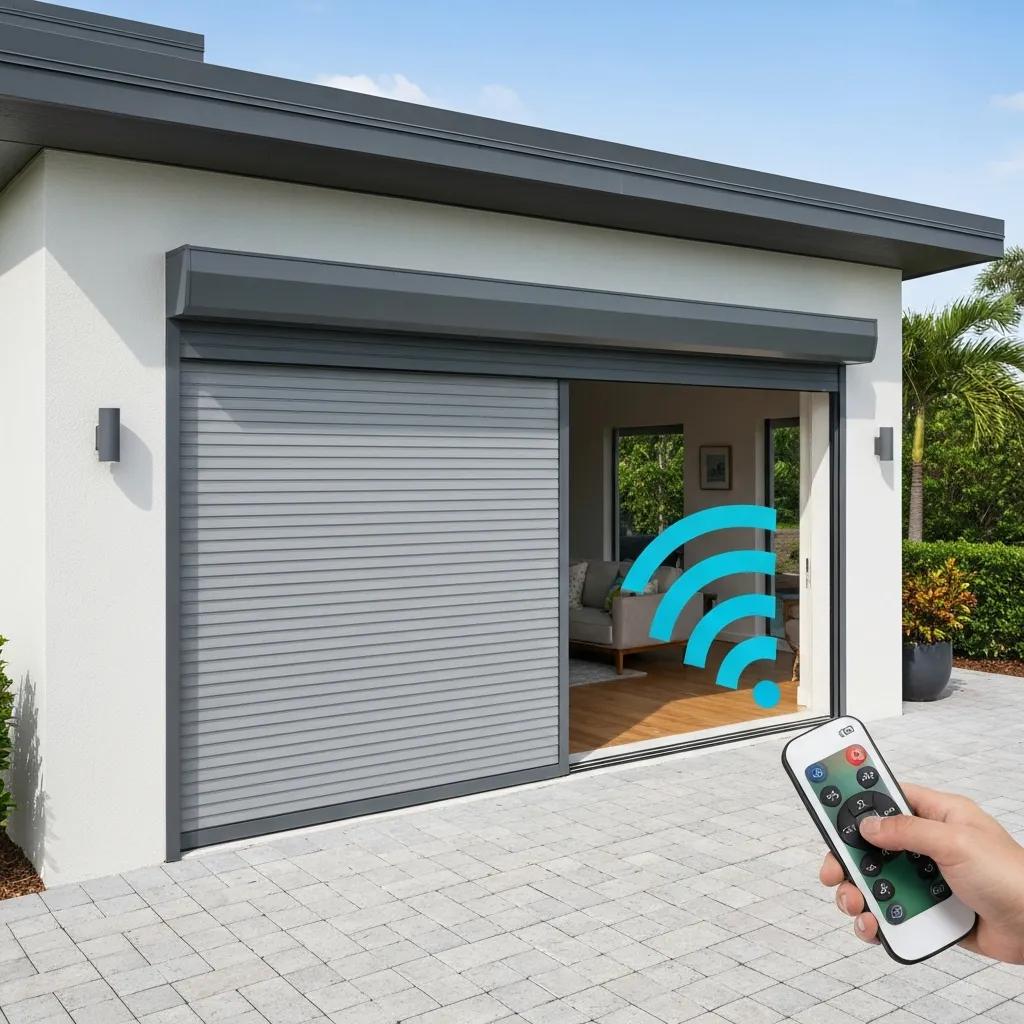
Motorized roll‚Äëdown shutters pair structural protection with electric operation, remote control, and smart‚Äëhome integration for rapid deployment. Motorization reduces deployment time and human error, increases daily usability for shading and security, and supports automation that lightens homeowner burden during emergencies. Seasonal promotions often include motorization incentives to encourage upgrades, and bundling motors with whole‚Äëhouse installs usually lowers the marginal cost per unit. When evaluating motorized offers, verify battery backup and manual override capabilities so shutters work during power outages.
Motorized systems deliver convenience and improved protection outcomes, and promotions that offset motor costs make these upgrades more accessible to homeowners preparing for hurricane season.
How Motorized Shutters Improve Convenience and Security
Motorized shutters allow remote or automated operation across large facades — ideal for big homes, second properties, or homeowners with mobility concerns. Security gains include quick activation when alerts arrive, integrated locking when shutters are down, and the ability to schedule or remotely control shutters to simulate occupancy. Smart‑home integration lets shutters respond to weather sensors or automation rules, tightening response times when storms approach. These operational benefits reduce the chance windows are left exposed and increase everyday usefulness beyond storm protection.
For many homeowners, the convenience and security of motors are worth the upgrade — especially when promotions lower the up‑front cost.
Seasonal Deals for Electric / Motorized Shutters
Motorized shutter promotions commonly include reduced upgrade fees, bundled motor packages for multi‚Äëwindow orders, or short‚Äëterm financing incentives for electrified systems. Area‚Äëlimited offers may discount motor installation or include extended motor warranty coverage when bundled during promotional windows. When evaluating deals, account for installation requirements, power and backup options, and whether remotes or smart hubs are included. The summary below captures common motorized promotion themes and typical eligibility.
These examples describe typical motorized promotion formats rather than guaranteed pricing. Always request a written estimate showing how any motorization promotion changes the installed price and financing options.
When you’re ready to act, American Hurricane Shutters provides free estimates and a transparent cost calculator to model current promotions and financing. We specialize in roll‑down shutters for coastal North and South Carolina, install products that meet or exceed Florida Building Code standards, and prioritize clear, itemized estimates so you can compare providers and financing scenarios. Use a free estimate to confirm local promotion eligibility and get a time‑stamped, itemized quote.
Frequently Asked Questions
1. What factors should I consider when choosing roll‚Äëdown hurricane shutters?
Consider material durability, operation type (manual vs. motorized), and local building‑code compliance. Also evaluate impact resistance, energy performance, and security features. Confirm the installer’s local experience and ask about available discounts and financing so you get the best value.
2. How do I maintain my roll‚Äëdown hurricane shutters?
Regular cleaning and inspection keep shutters working reliably. Rinse slats and tracks with mild soap and water to remove debris, check for wear—especially on motorized parts—and lubricate moving components per the manufacturer’s recommendations. Routine maintenance extends lifespan and ensures dependable performance during storm
