
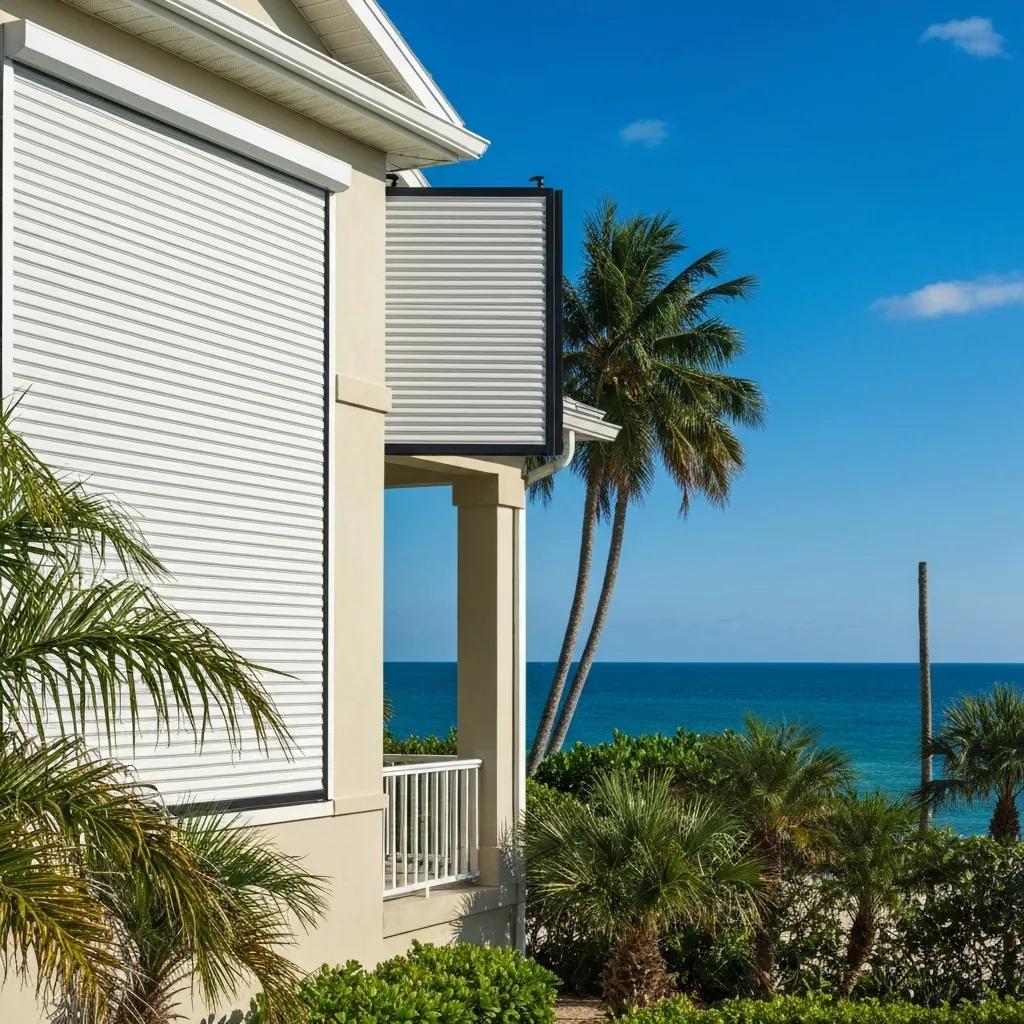
Find Local Accordion Shutter Suppliers — Cost, Installation & Reviews for Coastal Carolina Homes
Accordion hurricane shutters are permanently mounted metal panels that fold and slide in vertical tracks beside your windows and doors to give fast, rigid storm protection. One person can deploy them quickly; interlocking panels and reinforced tracks resist wind and flying debris; and when closed they add a layer of home security during hurricanes. Coastal Carolina homeowners face higher wind and impact exposure, so it pays to understand accordion shutters—how they work, typical installed costs, how to pick a local installer around Wilmington and nearby coastal towns, what customer reviews really reveal, how HVHZ-rated options compare, and simple maintenance to keep them working for years. Read on for price ranges, a clear cost-summary table, comparisons with roll-down and Bahama shutters, and practical next steps for getting free estimates or using a cost calculator to budget your project.
What Are Accordion Hurricane Shutters and Why Are They Ideal for Coastal Homes?
Accordion hurricane shutters are a permanent storm-protection option mounted over window and door openings. They collapse and expand inside vertical tracks to form a rigid barrier. Interlocking aluminum panels and guide tracks pass wind loads into the opening’s framing, which helps prevent impact damage and shattered glass. For coastal homes this design is especially useful because it combines strong wind resistance with quick deployment and no off-site storage—both a practical and structural solution. Knowing how these systems perform helps you weigh protection mechanics against homeowner conveniences that matter most.
Accordion shutters work by converting lateral wind and debris forces into compressive loads across multiple attachment points, which preserves window integrity under storm pressures. That behavior comes from the shutters’ key components—panels, tracks, locking hardware, and mounting brackets—working together to resist uplift and penetration. Because of this, accordion shutters are commonly chosen for residential and light-commercial coastal installs. The next section covers real-world performance and everyday convenience for homeowners.
How Do Accordion Shutters Provide Effective Hurricane Protection?
Accordion shutters protect by using interlocking aluminum panels that slide in vertical tracks and transfer wind and impact loads into the building structure. Panels are typically secured at several points along the opening with locks and mounting brackets, which adds redundancy and reduces the chance of localized failure under high wind pressures. HVHZ-rated products are tested to meet wind-speed and impact standards for high-velocity hurricane zones, so selecting the right rated product can ensure code compliance. Actual performance depends on correct sizing, certified installation, and material quality—so learning about ratings and installation requirements is an important step when comparing options.
Those technical details show how accordion shutters behave structurally and why manufacturer ratings matter for code compliance. That makes certified installation a natural next priority and ties into daily-use convenience for homeowners.
What Makes Accordion Shutters Convenient and Secure for Homeowners?
Accordion shutters are convenient because they’re permanently mounted and can be closed quickly by one person‚Äîno hauling panels or bolting temporary protection in place. That one-person deployment shortens prep time and reduces reliance on neighbors or contractors when a storm is approaching, which matters for families and second homeowners. Security is another benefit: locking mechanisms and continuous-track installation create an intrusion-resistant barrier when shutters are closed. Those convenience and security features make accordion shutters a practical choice for homeowners who want everyday usability plus reliable storm protection.
It’s also worth noting local expertise when choosing products: American Hurricane Shutters serves coastal North and South Carolina and offers HVHZ-rated options such as Bertha HV™ Accordion Shutters from ASSA Shutters. Local knowledge helps match rated products to municipal codes and homeowner needs. The next section explains how to estimate costs in your area.
How Much Do Accordion Hurricane Shutters Cost Near You?

Installed costs for accordion shutters vary because price depends on material gauge, opening complexity, and local labor. A practical benchmark is $20–$40 per square foot installed for typical residential projects. That figure covers basic aluminum accordion systems with standard hardware; HVHZ-rated models, custom finishes, and complicated curved openings will push costs higher. Knowing what drives price and how to use a cost calculator helps move from a general range to an actionable budget for your property. Below is a compact table summarizing typical installed ranges and the main cost factors to consider.
Introductory EAV table: Installed cost benchmarks and what drives them.
This table highlights common cost bands and the attributes that most affect price. That’s why accurate measurements and code checks are important before you sign a contract. The next section breaks down cost drivers and shows how a cost calculator turns inputs into a tailored estimate.
What Factors Influence Accordion Shutter Installation Prices?
Several site- and product-specific factors shape final installation prices: material and gauge, number and size of openings, retrofit versus new-construction work, local permit fees, and whether HVHZ approvals are required. Heavier-gauge aluminum increases durability but raises material and labor costs, while more openings or irregular shapes increase fabrication time and installation complexity. Labor is often a large portion of the installed price because certified installers must ensure attachments meet wind-load requirements and local codes. Knowing these drivers helps homeowners decide where to invest—material longevity, certified installation, or finish options—based on long-term value and insurance considerations.
Considering those factors leads directly to practical homeowner tools: cost calculators and free estimates that translate variables into concrete budget figures and next steps.
How Can You Use a Cost Calculator to Get Accurate Estimates?
A
cost calculator
asks for basic inputs—total square footage of protected openings, approximate count of standard versus specialty openings, chosen product class (standard accordion vs. HVHZ-rated), and desired finish—to generate a preliminary estimate that reflects local labor and material expectations. The tool uses per-square-foot benchmarks and adjusts for complexity factors like retrofit labor, hardware upgrades, and permit allowances to give a range rather than a single number. After an initial estimate, homeowners should request a free on-site measurement and consultation to refine pricing, confirm code compliance, and finalize the installation scope. For local help, free estimates and cost-calculator guidance are available from area installers; request follow-up by calling
(910) 256-1288
or emailing
[email protected]
for a no-cost consultation and clearer budgeting.
Where Can You Find the Best Rated Accordion Shutter Installation Services Near Me?
Start your search for reputable local installers by verifying licenses, insurance, manufacturer affiliations, and recent projects in your city. Providers who regularly work in Wilmington, Myrtle Beach, Oak Island, Topsail, New Bern, and Pawleys Island understand permitting and HVHZ nuances, which speeds approvals and ensures code-compliant installs. Review portfolios and ask for references from nearby projects so you can confirm workmanship and responsiveness during and after storms. The table below maps common service attributes to homeowner benefits to simplify your evaluation.
Introductory EAV table: Service attributes mapped to homeowner outcomes.
This mapping shows how specific service credentials translate to homeowner advantages and reinforces why local experience matters. Next, we cover concrete benefits of choosing a nearby supplier and how professional installation improves durability.
What Are the Benefits of Choosing Local Accordion Shutter Suppliers in the Carolinas?
Choosing a local supplier gives you knowledge of municipal permitting, hands-on experience with regional wind and flood exposures, and an accessible route for post-installation service and warranty support. Local teams can point to recent installs that match your home’s style and risk profile, which helps validate performance claims. Proximity also shortens lead times for emergency repairs after storms and ensures installers know HVHZ documentation often required for coastal properties. Evaluating local supplier credibility and responsiveness helps you select a contractor who delivers compliant, durable protection without costly rework.
These local advantages make certified, warranty-backed installation attractive because installation quality directly affects long-term performance and compliance.
How Does Professional Installation Ensure Compliance and Durability?
Professional installation follows a verified process—site survey, accurate measurements, custom fabrication when needed, correct anchoring to structural members, and a certified final inspection—that ensures shutters meet wind-load and impact requirements. Certified installers understand the system components—tracks, mounting brackets, and locking hardware—and account for substrate conditions that affect anchor performance. Proper installation preserves manufacturer warranties and can influence insurance eligibility for discounts tied to rated hurricane protection. Investing in experienced installers reduces the risk of failure during storms and lowers lifecycle costs versus ad-hoc or inexperienced approaches.
Before you contact an installer, prepare a list of questions and ask for proof of code compliance and recent references. That leads naturally into how to source and evaluate reviews.
What Do Customers Say About Accordion Hurricane Shutters?
Customer feedback often highlights shutters’ durability in actual storms, the convenience of quick deployment, and installers’ responsiveness for service calls. Positive reviews tend to focus on how shutters held up during widespread weather events and whether installations required post-storm adjustments. Warning signs include unclear warranty handling, slow post-storm response, or recurring hardware problems. The best way to read reviews is to look for recent, photo-backed project records and consistent ratings across multiple platforms. That review analysis helps prospective buyers ask the right questions when getting estimates and evaluating installer reliability.
How Do Hurricane Accordion Shutter Reviews Reflect Quality and Performance?
Reviews that describe shutter behavior during actual wind events, note installation workmanship, and document follow-up service give the clearest signals about long-term reliability. Look for accounts of how shutters performed under specific storm conditions and whether installers handled adjustments promptly—those responses show service capacity and attention to detail. Red flags include repeated hardware failures, inconsistent warranty fulfillment, or reviews lacking photos and project specifics, which make claims harder to verify. Asking installers for recent local references and photos supplements online research and helps confirm that performance claims match real-world results.
Knowing where to find verified reviews builds confidence before you hire an installer or request an on-site estimate.
Where Can You Find Verified Reviews of Local Storm Shutter Companies?
Verified reviews appear on platforms that require identity verification or provide business profiles with timestamps and photos; prioritize sources that include project images and recent activity. In addition to general consumer sites, industry-specific directories and local business listings can offer galleries and documented feedback showing consistent performance over time. When reading reviews, focus on recent posts, presence of photos, installation scale, and any follow-up comments from the company that indicate responsiveness. Combining online reviews with direct references from installers gives the most reliable assessment of workmanship, and this verification step prepares you to compare shutter types.
How Do Accordion Shutters Compare to Other Hurricane Shutter Types?
Accordion shutters differ from roll-down, colonial, and Bahama shutters in operation, storage needs, strength, and typical cost. Accordion systems are permanent, deploy quickly, and need no separate storage—offering a middle ground of strength and convenience. Roll-down shutters can be automated and provide a tight seal for some openings but are usually pricier and may need motorized parts. Colonial shutters are removable panels that are often less expensive but require storage and manual installation before storms. Bahama shutters offer shade and are architecturally distinct, but unless reinforced they may provide less impact resistance. The comparison table below summarizes key attributes to help you choose based on strength, ease of use, storage needs, and cost.
Introductory EAV table: Comparison of common shutter types.
This table helps match shutter characteristics to homeowner priorities. The following sections expand on each type and explain why HVHZ-rated accordion options like Bertha HV‚Ñ¢ are often chosen for high-velocity zones.
What Are the Key Differences Between Accordion, Roll-Down, Colonial, and Bahama Shutters?
Accordion shutters use vertical tracks and lock into place for fast, secure deployment, which makes them practical for many residential coastal applications where single-person operation matters. Roll-down shutters offer a compact, flush solution that can be motorized for convenience and provides strong sealing against wind-driven rain, but they typically cost more and may require more maintenance. Colonial shutters are removable metal panels that are cost-effective but need storage and manual installation when a storm approaches. Bahama shutters mount above windows and provide shade plus impact resistance when reinforced, though their look may not suit every elevation or taste.
Understanding these operational and cost differences leads directly into HVHZ compliance considerations and why certain products are preferred in high-velocity areas.
Why Are Bertha HV‚Ñ¢ Accordion Shutters a Top Choice for High-Velocity Hurricane Zones?
Bertha HV™ Accordion Shutters are commonly offered as an HVHZ-rated option because heavy-gauge aluminum construction and manufacturer testing support higher wind-load and impact performance. HVHZ-rated products go through specific testing to meet rigorous coastal code requirements, and heavier panels, reinforced tracks, and robust locking hardware help achieve those ratings. For homeowners in high-velocity zones, choosing an HVHZ-rated accordion system aligns product selection with code expectations and insurance criteria, reducing compliance risk. Because HVHZ installations are technical, pairing these products with certified local installers ensures the rating is realized in the field—not just on paper.
These product comparisons and rating points lead into long-term maintenance practices that preserve performance over decades.
How Do You Maintain Accordion Shutters for Longevity and Optimal Performance?
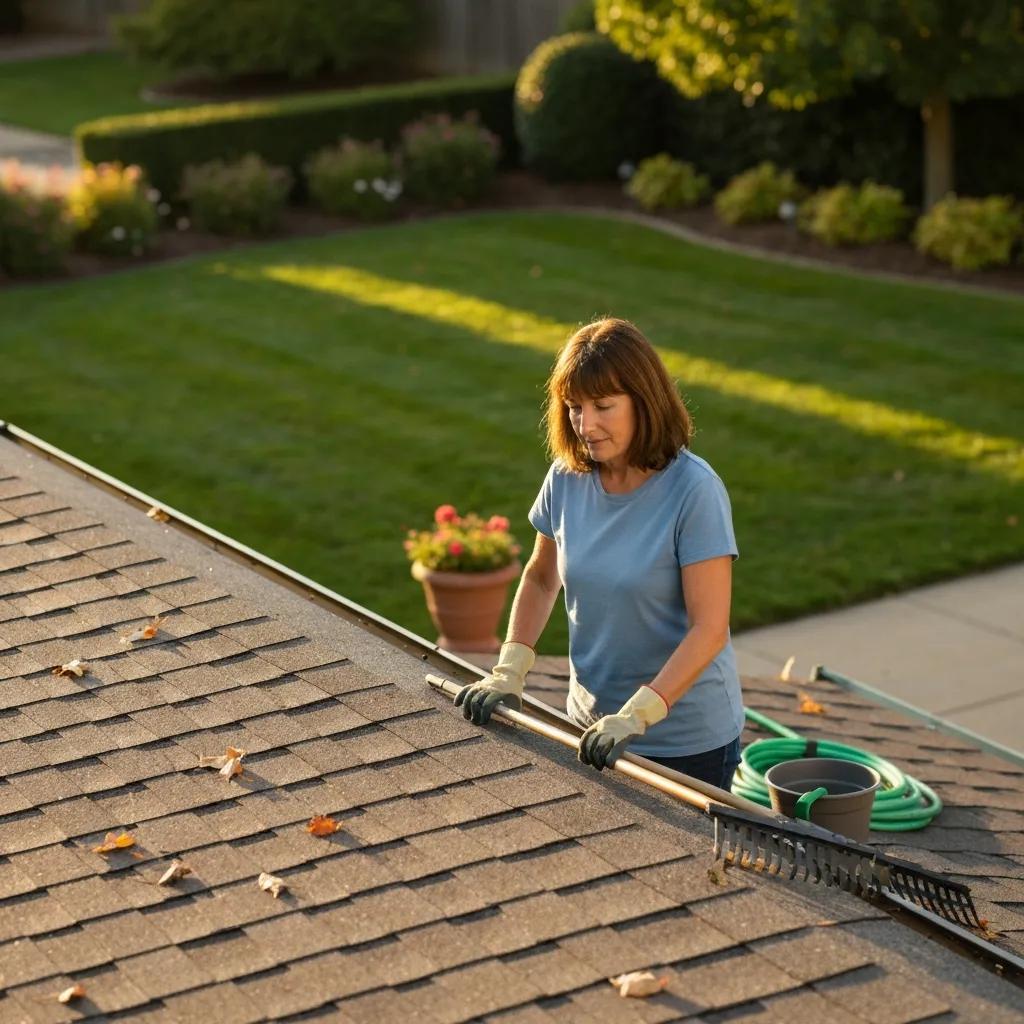
Regular maintenance extends shutter life and keeps performance reliable by addressing coastal corrosion, mechanical wear, and environmental buildup. A simple schedule of rinsing salt and debris, inspecting tracks and fasteners, lubricating moving parts, and testing locks ensures dependable deployment and lowers the chance of failure during a storm. Maintenance matters most in salt-air environments where aluminum and fasteners corrode faster; proactive checks catch early wear and allow targeted repairs. The checklist below summarizes recommended seasonal tasks and intervals to help homeowners build a repeatable upkeep routine.
- Inspect tracks and guide channels each spring and fall for debris or alignment issues; clear obstructions and correct minor misalignments promptly.
- Clean panels and hardware quarterly with fresh water to remove salt buildup and protect finishes and fasteners.
- Lubricate moving components and locks semi-annually with a corrosion-resistant lubricant compatible with aluminum hardware.
- Verify anchor points and fasteners annually, tightening or replacing corroded hardware to preserve structural load paths.
This checklist helps homeowners keep shutters functional and reduce long-term repair costs. Following these steps also makes it easier to judge remaining service life and when replacement becomes the most cost-effective option.
What Are the Recommended Maintenance Tips for Accordion Hurricane Shutters?
Recommended maintenance focuses on inspection, cleaning, lubrication, and timely repairs to maintain performance in coastal conditions. Inspect tracks, panels, and locks twice a year and after major storms to spot loose fasteners, bent panels, or debris that could block deployment. Rinse surfaces with fresh water to remove salt deposits and use corrosion-inhibiting lubricants on moving parts to prevent premature wear. Keep a simple service log with inspection dates and parts replaced—this helps evaluate remaining life and simplifies warranty or repair conversations with installers.
How Long Do Accordion Shutters Typically Last in Coastal Environments?
With proper maintenance and quality materials, accordion shutters commonly last 15–30+ years. Coastal salt air and neglect shorten that span unless you mitigate the effects with regular care and timely hardware replacement. The lower end of the range usually reflects light-gauge systems or deferred maintenance, while heavy-gauge, HVHZ-rated products with scheduled upkeep reach the higher end. Warranty terms and local environmental severity also affect replacement timing, and the installer’s aftercare responsiveness influences realistic service life for a given property. Monitor component wear and follow the maintenance checklist to decide when repair or full replacement makes sense.
For free, on-site estimates, to use a detailed cost calculator, or to request servicing from a local provider, contact American Hurricane Shutters by phone at
(910) 256-1288
or by email at
[email protected]
. American Hurricane Shutters serves coastal North and South Carolina and offers HVHZ-capable options such as Bertha HV‚Ñ¢ Accordion Shutters, professional installation that meets local codes, and free budgeting tools to help homeowners plan with confidence. Our local teams can schedule on-site measurements, clarify permit requirements for Wilmington and nearby towns, and deliver a tailored scope so you can move forward with protection that fits your site and budget.
Frequently Asked Questions
1. What are the main advantages of accordion shutters compared to other types of hurricane protection?
Accordion shutters offer several clear advantages. They’re permanently installed and can be deployed quickly by one person—critical when time is limited before a storm. Unlike removable options such as colonial panels, they require no storage. They also provide a strong barrier against wind and debris and improve home security when closed. In short, they balance convenience, protection, and reasonable cost, which is why many coastal homeowners choose them.
2. How do I choose the right size accordion shutters for my home?
To choose the right size, measure the full height and width of each window and door opening you want to protect, including any trim or architectural features that affect installation. Many suppliers provide sizing guidance, but it’s best to have a professional installer confirm measurements and recommend the correct fit. Proper sizing is essential for effective protection and code compliance.
3. Are there any specific building codes I need to be aware of when installing accordion shutters?
Yes. Building codes vary by location, especially in hurricane-prone areas. Check local rules for wind-load requirements and HVHZ (High Velocity Hurricane Zone) compliance. Many coastal regions have specific standards shutters must meet. A certified installer familiar with local codes can make sure your installation complies and avoids inspection or permitting issues.
4. What should I do if my accordion shutters are damaged during a storm?
If shutters are damaged, assess the damage when it’s safe and document it with photos for insurance. Contact your installer or a professional repair service promptly—many installers offer emergency repair work in coastal areas. Depending on the damage, you may need to replace parts or the entire system. Regular maintenance reduces the chance of storm damage, so plan a service check after repairs.
5. Can I install accordion shutters myself, or should I hire a professional?
While DIY installation might seem possible, we generally recommend professional installation. Proper attachment is critical for correct function and code compliance. Certified installers handle measurements, structural considerations, and safety standards. Professional installation also often preserves manufacturer warranties, which may be voided by improper DIY work. Investing in pros saves time and provides more reliable protection.
6. How do I maintain my accordion shutters to ensure they last?
Maintain accordion shutters with regular inspections and cleaning to prevent corrosion and mechanical wear. Check tracks and panels for debris, rinse salt buildup with fresh water, and lubricate moving parts with a corrosion-resistant lubricant. Inspect fasteners and anchors yearly and tighten or replace corroded hardware. A seasonal maintenance checklist helps extend service life and keeps shutters ready for storms.
7. What are the warranty options f
