
Accordion Shutters: Real Customer Reviews, Benefits, Installation Steps, and Cost Insights
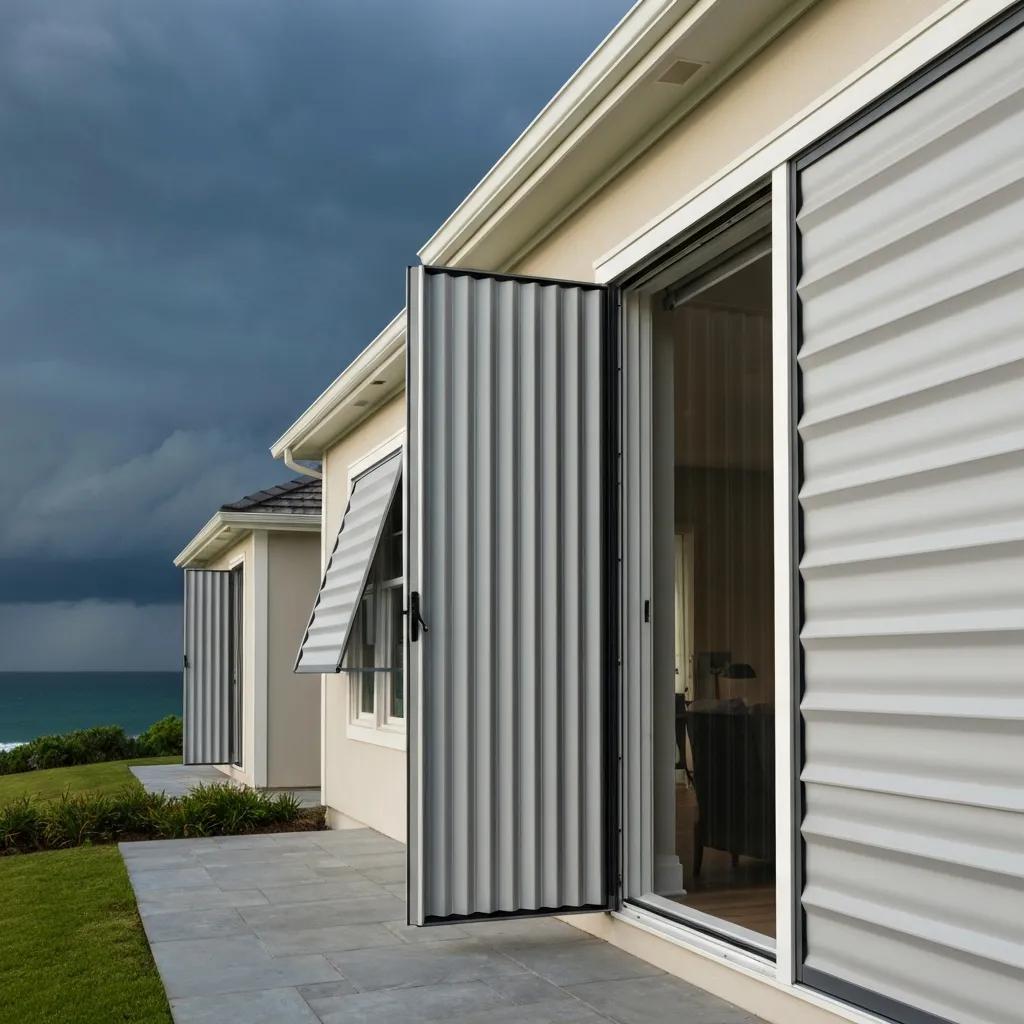
Accordion shutters are exterior storm protection made from interlocking aluminum panels. They fold neatly beside openings and lock into place to resist wind and impacts.
This guide collects homeowner feedback, regional notes for coastal North and South Carolina, what to expect at installation, simple maintenance advice, and a clear cost/value look so you can decide if accordion shutters meet your storm-prep needs. Many people searching for “accordion shutters reviews” want honest feedback on durability, ease of use, and whether the initial expense brings insurance savings and lasting peace of mind. We summarize common customer impressions, compare accordion shutters to other options, walk through a typical professional installation, and break down typical price ranges and financing choices. Along the way you‚Äôll find practical maintenance checklists, a straightforward pros-and-cons comparison, and step-by-step timelines to judge performance and value. First up: what customers say in reviews and testimonials around coastal towns where storm planning is part of life.
What Do Customers Say About Accordion Shutters? Real Reviews and Testimonials

Customers commonly praise accordion shutters for clear, tangible benefits: robust protection, simple manual operation, and quick deployment when a storm is approaching. Reviews often note a solid feel and reliable fit on large openings, and many homeowners tie their satisfaction to the installer’s workmanship and service. Reading through customer sentiment helps set realistic expectations for performance and ongoing maintenance, and it sets the stage for local outcome summaries in the next section.
Which Local Homeowners and Businesses Share Their Accordion Shutter Experiences?
Across coastal communities, owners highlight reliability and readiness—deploying shutters ahead of tropical storms and hurricanes. In areas prone to storm surge, many see accordion shutters as a practical middle ground between permanent impact doors and removable panels: they stay mounted year-round and extend quickly without tools. Commercial owners appreciate securing large storefront openings without heavy equipment, and property managers report low day‑to‑day upkeep after installation. These local patterns show accordion shutters work well for properties with frequent advisories and large windows or doors.
How Do Video and Written Testimonials Reflect Customer Satisfaction?
Both video and written testimonials repeat the same themes: protection, fast deployment, and professional installation. Videos add credibility because viewers can see shutters in place and watch deployment, while written reviews often focus on service timelines and cost. Many excerpts point out how quickly shutters pull into place and how installation crews handled measurements and cleanup—details that matter when new customers compare providers. Knowing the mix of formats helps you weigh visible performance against aesthetic preferences and service expectations.
What Are the Pros and Cons of Accordion Shutters According to Customers?
Customers frequently cite high-impact protection, quick manual deployment, and added security as major benefits of accordion shutters — with trade-offs around appearance and upfront cost. The main advantage is storm resistance: when installed correctly, accordion shutters create a continuous barrier that meets coastal code requirements. On the downside, some homeowners feel the shutters change curb appeal and prefer other looks. Below we list the typical benefits and concerns, followed by a simple comparison table showing how customers rank key attributes.
Accordion shutters deliver several core benefits customers appreciate:
- Protection and Impact Resistance: A continuous, lockable barrier that stands up to high winds.
- Speed of Deployment: Manual panels extend quickly without tools, cutting prep time before storms.
- Security and Year-Round Mounting: Permanently installed, they can also act as a daytime security measure.
These features explain why coastal homeowners with large openings often choose accordion shutters. Common customer concerns include:
- Aesthetics: Some buyers feel the installed profile is visually dominant against certain facades.
- Upfront Cost: Material and installation costs are higher than basic temporary panels.
- Maintenance Needs: Tracks and rollers need seasonal care to prevent sticking or wear.
Balancing these pros and cons helps homeowners decide by priority—those focused on protection often accept the trade-offs, while others may explore alternative shutter styles.
Introductory note for comparison table: The table below uses an Entity-Attribute-Value format to compare customer‚Äëperceived strengths and limitations across common accordion shutter attributes.
How Is the Accordion Shutter Installation Experience Described by Customers?
Customers describe professional installation as a clear, multi-step service: measurement, custom fabrication or adjustment, mounting, field-testing, and cleanup. Positive reviews point to accurate measurements that prevent gaps, crews that leave tidy finishes around trim and flashings, and documentation showing code compliance. When installers follow local coastal codes and provide paperwork, homeowners feel more confident the shutters will meet rated wind loads. The next sections outline typical installation steps and why many customers advise against DIY.
What Steps Are Involved in Professional Accordion Shutter Installation?
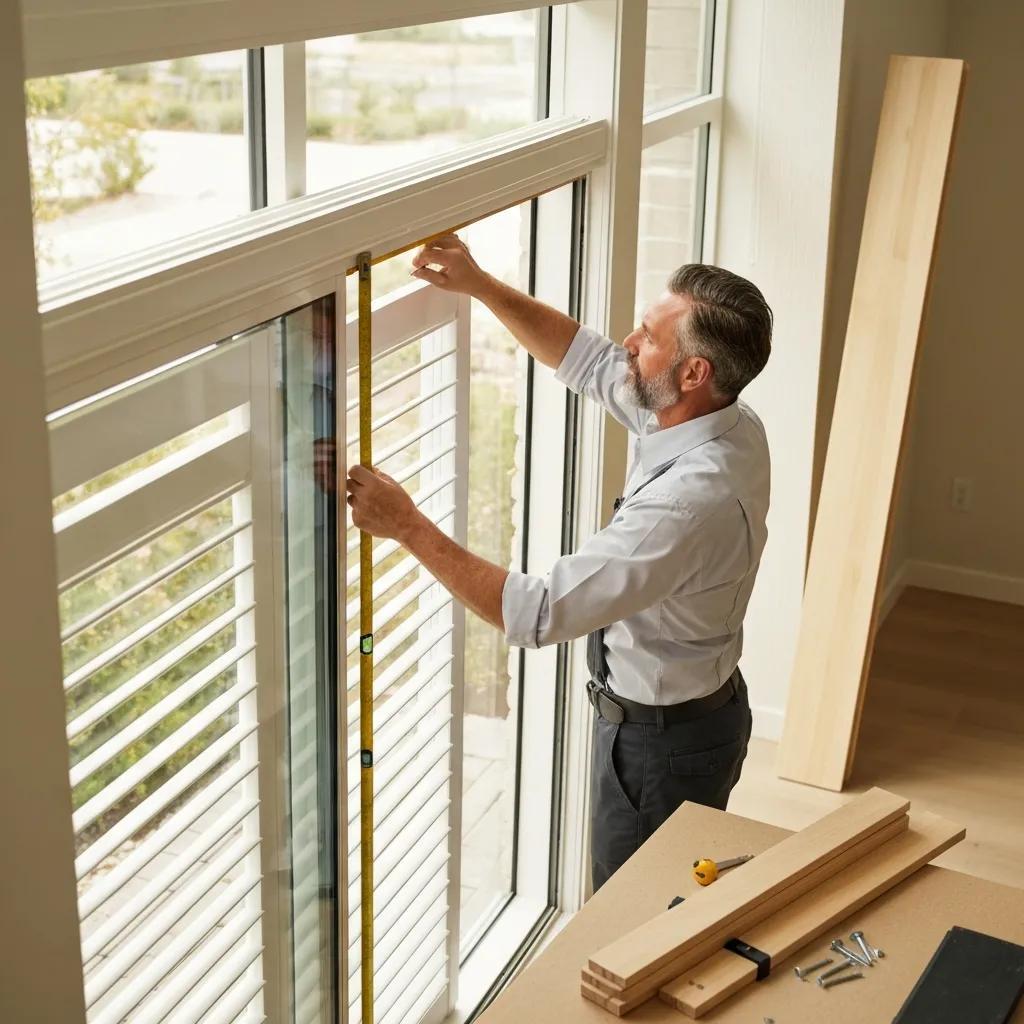
Professional installation usually includes a consultation and measurement, fabrication or panel sizing, on-site mounting of tracks and anchors, final hardware installation, and an inspection with a deployment test. During consultation, installers measure openings, locate structural attachment points, and confirm code requirements to recommend panel gauge and locking options. Fabrication or sizing ensures panels mate cleanly, and mounting secures tracks with approved fasteners and brackets. Final testing confirms smooth operation and gives homeowners guidance on deployment and maintenance.
Numbered checklist for installation process:
- Pre-install consultation and site measurement to confirm structural attachment points.
- Fabrication or on-site panel adjustment to match exact opening dimensions.
- Mounting of top and bottom tracks and anchoring to structural framing.
- Installation of locking hardware and safety fasteners followed by deployment testing.
Accurate measurement and code awareness are key to a dependable installation experience.
Why Do Customers Recommend Professional Installation Over DIY?
Customers recommend professional installation because accredited installers ensure code compliance, proper anchoring into structural framing, and a tight seal against wind and water intrusion. Pros reduce the risk of mis-sized panels, misaligned tracks, or incorrect fasteners that could weaken impact performance. Warranty coverage and post-installation service are also common reasons customers choose professionals—these protections simplify repairs or claims if something goes wrong. The skills and tools pros bring prevent common DIY mistakes like stripped anchors or uneven gaps that reduce protective capability.
Introductory note for the installation table: The following EAV-style table summarizes installation steps with estimated time and typical cost implications to help readers plan.
This breakdown helps homeowners visualize each phase and budget time and expense. Customers who understand the process report smoother installs and fewer follow-up adjustments.
Our goal is to help homeowners understand hurricane protection options, generate leads through free estimates, and provide clear service information to current customers.
How Do Customers Evaluate Accordion Shutters’ Cost and Value?
When customers judge value, they compare per-square-foot installed cost against long-term protection, possible insurance discounts, and how often their area faces storms. A commonly cited figure is a typical installed range, which helps with budgeting and quoting. Value also considers potential insurance savings and avoided repair bills after storms. Below is a cost breakdown, financing considerations, and how customers describe return on investment.
What Is the Typical Installation Cost for Accordion Shutters?
Customers and industry guides commonly list an installed range of $15–$30 per square foot as a baseline for accordion shutters. Final prices vary by panel gauge, opening complexity, and local code requirements. Small or standard windows tend toward the lower end; large custom openings and commercial storefronts push toward the higher end. Other cost drivers include heavier‑gauge aluminum, custom color finishes, and rare motorization options. Using the $15–$30/ft² guideline helps homeowners estimate job size and compare local providers.
Introductory note for price breakdown table: The table below presents an Entity-Attribute-Range view of typical cost components customers see in quotes.
How Do Financing Options and Insurance Discounts Influence Customer Decisions?
Financing and insurance incentives significantly affect perceived affordability. Many customers use payment plans or third‚Äëparty financing to spread upfront costs while still capturing long-term insurance savings. Common options include in-house plans or outside loans that allow monthly payments. On the insurance side, proof of rated shutters and professional installation can unlock premium discounts, shortening payback time. Clear financing and insurance benefits often tip the decision toward accordion shutters for homeowners focused on long-term protection.
Our aim is to educate homeowners about hurricane protection, generate leads with free estimates, and support existing customers with clear information and service.
How Do Accordion Shutters Compare to Other Hurricane Protection Options?
Customers comparing options look at deployment speed, cost, aesthetics, and durability. Accordion shutters stand out for permanent mounting and strong performance on large openings. Roll-down shutters may offer motorized operation and a sleeker look but usually cost more. Storm panels are low-cost and removable—good for seasonal users but requiring storage and installation labor. Considering these trade-offs helps homeowners pick the right solution for storm frequency, opening size, maintenance tolerance, and curb appeal.
What Advantages Do Accordion Shutters Have Over Roll-Down Shutters and Storm Panels?
From a customer perspective, accordion shutters offer immediate manual deployment without motors, less mechanical complexity than roll-down models, and more convenience than removable storm panels. Because they stay attached year-round, there’s no storage or last-minute scrambling when a storm approaches. Maintenance is typically routine‚Äîcleaning tracks and lubricating rollers‚Äîrather than servicing motors or drive systems. Those operational differences make accordion shutters a middle ground for homeowners balancing cost, reliability, and convenience.
Comparison list of trade-offs to consider:
- Accordion vs. Roll-Down: Accordion gives simpler manual deployment; roll-down offers motorized convenience at higher cost.
- Accordion vs. Storm Panels: Accordion stays mounted and deploys faster; panels must be installed and stored seasonally.
- Accordion vs. Bahama/Colonial: Accordion provides full coverage; Bahama/Colonial styles offer shade and partial protection.
Why Are Accordion Shutters Preferred for Coastal Homes in North and South Carolina?
Homeowners here often choose accordion shutters because local building codes, frequent storm advisories, and many large glass openings make a permanently mounted solution practical and code-friendly. Accordion shutters protect against high winds and flying debris, and many local customers point to actual storm performance as their deciding factor. Coastal concerns—salt air, wind-blown sand, and regular maintenance—also encourage selecting durable aluminum gauges and solid mounting practices. For properties that need readiness and reliable protection, accordion shutters are a common recommendation.
Our goal is to educate homeowners about hurricane protection options, generate leads through free estimates, and provide ongoing information and service to customers.
What Maintenance Practices Do Customers Follow to Extend Accordion Shutter Longevity?
Customers keep shutters working longer with scheduled cleaning, track lubrication, seasonal inspections, and quick fixes for alignment issues. Typical maintenance includes clearing debris from tracks, lubricating rollers, checking anchor integrity, and inspecting locks for corrosion or looseness. Many homeowners say a simple routine—quarterly or after heavy storms—reduces sticking and preserves fit. Below are practical cleaning and lubrication tips plus guidance for common issues and warranty steps.
What Cleaning and Lubrication Tips Do Customers Recommend?
Customers suggest cleaning tracks with a soft brush and mild detergent to remove salt, sand, and debris, then rinsing and drying before applying a light, non-gumming lubricant to rollers and track surfaces. A silicone-based spray is preferred over heavy grease because it won’t attract grit. Seasonal checks—before hurricane season and after major storms—catch alignment shifts early and prevent larger problems. These simple steps keep shutters moving smoothly, reduce noise, and help seals stay tight against wind-driven rain.
Maintenance checklist (customer-recommended):
- Clean tracks and panels quarterly or after storms to remove grit and salt.
- Lubricate rollers and sliding surfaces with a silicone spray twice yearly.
- Inspect anchors and fasteners annually and after high-wind events.
- Test full deployment and locking to confirm smooth operation.
How Do Customers Address Common Issues and Warranty Support?
For sticking tracks, bent panels, or lock problems, customers usually start with cleaning and light adjustments, then call a professional for structural or alignment issues that affect impact performance. Document the problem with photos, dated notes, and the original installation paperwork to speed warranty or service calls. For larger issues—like attachment failures or significant panel deformation—customers request certified service technicians who can provide repair documentation for insurance claims. These steps minimize downtime and keep shutters performing as intended.
We provide information to help homeowners understand hurricane protection options, offer free estimates to generate leads, and support existing customers with service guidance.
Frequently Asked Questions
What are the key differences between accordion shutters and other hurricane protection options?
Accordion shutters differ mainly in deployment and permanence. They’re manually operated and stay mounted year‑round for immediate use. Roll-down shutters can be motorized and often look sleeker but usually cost more. Storm panels are cheaper and removable, which means storage and installation work each season. Many homeowners choose accordion shutters for a balance of reliability, ease of use, and cost—especially in coastal areas.
How do accordion shutters perform in terms of energy efficiency?
Accordion shutters can help with energy efficiency by adding an extra layer of insulation when closed. They block direct sunlight in hot months, which can lower cooling costs, and help retain heat in colder months. While not primarily designed as energy devices, their insulating effect can improve comfort and reduce bills over time.
What factors should homeowners consider when choosing accordion shutters?
Consider opening size and type, local building codes, and your area’s storm risk. Material quality matters—aluminum panels resist corrosion and perform well in coastal climates. Also weigh budget and installation costs, possible insurance discounts, and how the shutters will look on your home. These factors will guide whether accordion shutters are the right fit.
Are there any specific maintenance tips for accordion shutters?
Yes. Clean tracks and panels quarterly to remove debris and salt buildup, and use a silicone-based spray to lubricate rollers twice a year. Inspect anchors and fasteners annually and after severe weather. Regular checks prevent common problems and keep shutters ready when storms approach.
What should homeowners do if they experience issues with their accordion shutters?
Start with basic troubleshooting: clean tracks and make minor adjustments. For structural problems or misalignment, contact a professional service technician. Document the issue with photos and notes to help with warranty or insurance claims. Prompt repairs keep shutters reliable.
How do accordion shutters impact home insurance premiums?
Accordion shutters can lower insurance premiums by providing recognized storm protection. Many insurers offer discounts for rated protection systems, especially when professionally installed. Share installation documentation and code compliance paperwork with your insurer to pursue any available savings.
Conclusion
Accordion shutters deliver solid storm protection, easy operation, and year‑round security—qualities that make them a popular choice for coastal homeowners. By reviewing customer experiences and weighing pros and cons, you can make an informed decision that fits your priorities. Beyond safety, rated shutters and professional installation can bring long-term savings through insurance discounts. Explore our accordion shutter options and request a free estimate to take the next step in protecting your home.
