

Cost‑Effective Hurricane Shutter Options for Homeowners — Affordable Protection and Real Savings
Hurricane shutters are physical barriers that protect windows and openings from wind‑borne debris during storms. For coastal homeowners, choosing cost‑effective options means balancing safety, upfront budget, and long‑term savings. This guide walks you through how material, installation, building codes, insurance incentives, and lifecycle costs affect real value so you can make clear, practical decisions that reduce storm risk and recurring expenses. Many homeowners struggle to compare sticker price with durability, deployment speed, and insurance benefits; this article lays out those trade‑offs, points out common pitfalls, and explains the checklist we use with customers. You’ll get a breakdown of cost drivers, a ranked comparison of budget‑friendly choices, a straightforward DIY vs. professional decision framework, plus insurance and maintenance strategies to protect savings. We also include regional guidance for coastal North and South Carolina and reference related mitigation options like impact windows, hurricane fabric systems, and retrofit approaches. Clear lists, comparison tables, and decision matrices are provided so you can get a quick answer or dig deeper.
What Factors Influence the Cost of Hurricane Shutters?
Materials, shutter type, opening size, and installation complexity are the main drivers of total cost and explain why similar solutions can vary widely in price. Material choice affects purchase price, expected lifespan, and resistance to salt air. The form—removable panels versus permanent roll‑down systems—changes labor and hardware needs. Installation complexity rises with custom mounts, arched openings, or motorization, and meeting local codes or impact‑rating requirements often means choosing higher‑spec products with certification. Understanding these factors helps homeowners prioritize what matters most for their property: low upfront cost, long life, or fast deployment.
Top cost factors for homeowners to consider:
- Material and shutter type — cheaper materials lower upfront cost but can shorten lifespan.
- Size and number of openings — more square footage increases material and labor.
- Installation complexity — custom fits and motorization raise installation costs.
- Code compliance and permits — certified products and inspections add fees.
- Additional features and maintenance needs — finishes, motors, and extra hardware increase price.
These drivers interact—large or irregular openings amplify material and labor effects—so comparing options means looking at both initial price and expected lifecycle costs.
Different materials and shutter types create predictable cost‚Äëperformance trade‚Äëoffs:
Use this table to see how material and type map to price and complexity, then factor those attributes into your estimate of total ownership cost.
How Do Materials and Shutter Types Affect Pricing?
Material and shutter category determine raw material cost, corrosion resistance, weight, and the need for specialized hardware or labor—together these shape typical price ranges and long‑term value. Aluminum storm panels are inexpensive to produce and ship, which keeps upfront cost low. Polycarbonate adds clarity and a modest material premium without greatly raising installation difficulty. Permanent systems—accordion or roll‑down—use more material, anchored tracks, and sometimes motors, which increases initial cost but reduces deployment labor over the system’s life. Choosing a material means balancing budget with attributes like impact resistance, UV stability, and maintenance needs for coastal salt‑air environments.
Common trade‚Äëoffs include weight versus ease of handling, corrosion resistance versus price, and permanence versus storage needs. These trade‚Äëoffs guide which shutter types suit different homeowners: removable panels for seasonal or secondary homes, permanent shutters for primary residences that need fast deployment, and fabric screens for covered outdoor living areas. Looking at lifecycle and maintenance expectations alongside upfront price gives a clearer picture of total ownership cost.
What Are the Installation and Customization Costs to Consider?
Labor rates, mounting hardware, window geometry, and options like motorization or custom finishes are the installation and customization costs that push a quote above simple material pricing. A standard rectangular opening with pre‑drilled panels needs minimal labor, while arched or irregular openings require custom brackets, precise cutting, or structural reinforcement—each adds installer time and hardware expense. Motorized roll‑down systems bring electrical work and control integration that may require licensed electricians. Color‑matching and special finishes raise fabrication costs. Where permits and inspections apply, administrative fees also affect the final budget.
Homeowners estimating total cost should include hidden expenses such as storage for removable panels, rental of lifting equipment for large units, and contingencies for repairs discovered during installation. Knowing these variables helps you decide whether DIY is viable or when professional installation is the safer financial choice—especially when code compliance and warranty preservation matter.
Which Hurricane Shutters Offer the Best Value for Budget‚ÄëConscious Homeowners?
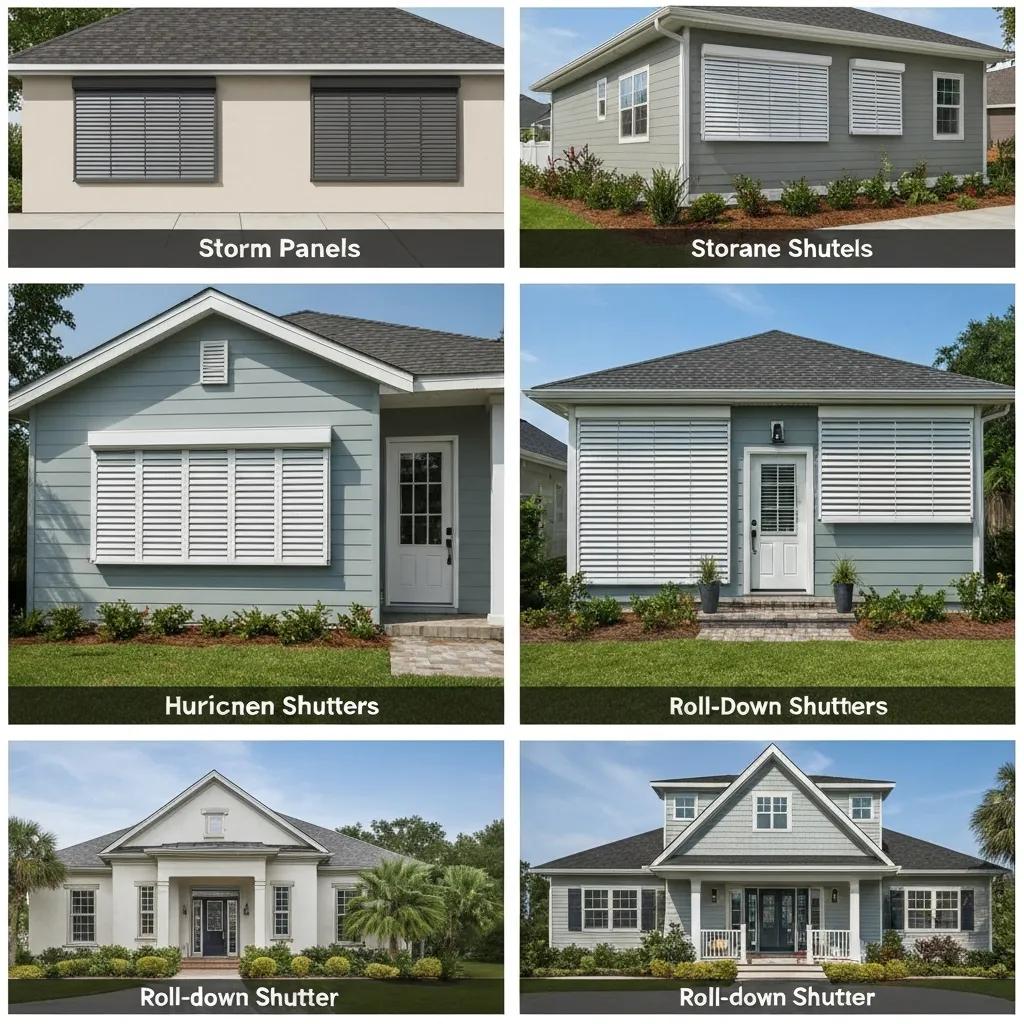
Value combines upfront price, expected lifespan, maintenance needs, and deployment convenience. Budget‚Äëconscious homeowners usually choose options that minimize initial cost while delivering acceptable protection and modest ongoing expenses. Removable storm panels typically offer the lowest initial investment and suit seasonal or secondary properties. Accordion shutters are a mid‚Äërange choice that saves time and storage hassle. Roll‚Äëdown shutters cost more up front but can be more economical over many storm seasons by removing deployment labor and improving resale and insurance recognition. To evaluate value, consider how often shutters will be used, available storage, local storm frequency, and whether aesthetics or lowest cost is your priority.
Below is a value comparison matrix to help rank common options for cost‚Äëconscious buyers:
This matrix explains why many homeowners pick storm panels for low upfront budgets while accordion and roll‚Äëdown systems may deliver better lifetime value where storms are frequent.
For personalized pricing and easy comparison tools, American Hurricane Shutters offers practical next steps: free estimates, a cost calculator, and a product lineup that includes accordion, roll‚Äëdown, colonial, Bahama, hurricane screens, and a variety of panels (aluminum, clear, flat polycarbonate). Using the calculator and requesting a free estimate will show which option fits your budget and local code needs before you commit.
Hurricane Mitigation and Insurance Incentives: Discounts for Homeowners
When insurers calculate discounts or credits they consider mitigation measures like hurricane shutters and wind‚Äëresistant roofing. These installations can lower perceived risk and, in many cases, reduce premiums for homeowners.
The MarkeT for hurricane MiTigaTion: regulatory or Market failure?, D Sutter, 2008
Why Are Storm Panels the Most Budget‚ÄëFriendly Hurricane Protection?
Storm panels are cost‚Äëeffective because their materials and hardware are simple to manufacture and they avoid permanent mounting and motorization costs. Aluminum and clear polycarbonate panels can be cut to size and bolted in place with basic fasteners, which keeps fabrication and installation labor lower than track‚Äëbased permanent systems. The trade‚Äëoffs are storage and handling: panels need space, careful stacking, and can be heavy for a single person. For seasonal homes or when capital is limited, storm panels give reliable protection for the lowest immediate outlay.
To get the most value from panels, label and store them safely, check fasteners annually, and pre‚Äëmark drill points on frames to speed deployment. A little organization goes a long way toward preserving performance and avoiding costly mistakes.
How Do Accordion Shutters Balance Cost, Durability, and Convenience?
Accordion shutters are a mid‑range, permanent option that balance initial cost with long‑term convenience. Left mounted year‑round, they allow single‑person deployment and eliminate storage needs. Anchored tracks and interlocking blades provide strong impact resistance while avoiding the repeated labor of installing and removing panels—an advantage for homeowners who face frequent or short‑notice storms. Although they cost more upfront, accordion shutters typically need less maintenance and reduce indirect costs like rented labor or missed deployment windows. Their permanence also usually yields stronger insurance recognition and resale appeal in coastal markets.
Homeowners should weigh track placement and appearance against the advantage of fast deployment. For many coastal properties, accordion shutters are an excellent value when you factor in reduced labor and consistent protection.
How Can Homeowners Choose Between DIY and Professional Hurricane Shutter Installation?

Deciding between DIY and professional installation depends on shutter type, opening complexity, your skill set, and how important code compliance and warranty protection are. Simple removable panels often suit a confident DIYer; permanent and motorized systems generally require pros. DIY works for people comfortable measuring, cutting, and safely handling materials on straightforward rectangular openings, and who accept storage and safety responsibilities. Professional installers ensure proper anchoring for impact‚Äërated systems, handle electrical work for motorized units, and provide documentation that helps secure insurance mitigation credits. Safety, local permit rules, and warranty preservation are common reasons homeowners choose professional installation despite higher labor costs.
Use this decision matrix to weigh installation approaches:
This matrix shows that professional installation lowers code and warranty risk and is recommended for permanent systems and complex openings, while DIY can be economical for basic panel installations.
Hurricane Shutter Usage and Mitigation Factors in Florida Homes
This study presents statewide estimates of shutter usage and envelope coverage, and explores factors that influence mitigation choices among Florida’s single‑family homeowners. It examines how building codes and homeowner decisions affect mitigation status.
Hurricane mitigation status and factors influencing mitigation status among Florida’s single-family homeowners, WG Peacock, 2003
When making a decision, account for hidden costs and risks. DIY mistakes can lead to improper anchoring that fails under storm load or voids manufacturer warranties, increasing long‚Äëterm cost. For permanent systems or complex jobs, we recommend a professional assessment or free estimate. American Hurricane Shutters encourages homeowners to use our cost calculator and request a free estimate to determine whether professional installation is the safer financial choice.
What Are the Pros and Cons of DIY Installation for Storm Panels?
DIY installation of storm panels can cut labor costs and works for homeowners who can measure, cut, and bolt panels securely. It’s often suitable for rectangular openings on single‑family homes. Pros include immediate savings, control over timing, and avoiding contractor scheduling. Cons include the physical strain of handling panels, the risk of incorrect fastener placement, the need for storage, and safety hazards during installation. Improper installation can lead to code violations, denied insurance claims, or panel failure in a storm—outcomes that offset short‑term savings. DIY is best when openings are standard, homeowners have basic carpentry skills, and clear installation guides and quality fasteners are available.
If you choose DIY, follow a concise pre‑installation checklist and arrange helper assistance and safe storage. That reduces common mistakes and the chance you’ll need professional repairs later.
When Is Professional Installation Recommended for Permanent Shutters?
Professional installation is recommended for permanent systems that need precise anchoring, for motorized units that require electrical work, and for large, irregular, or structurally complex openings. Licensed installers know correct anchor placement, product compliance for impact ratings, and how to document work for insurance mitigation credits; they also protect manufacturer warranties that improper homeowner installation can void. In high‑risk coastal zones or on homes with arched windows, multi‑story facades, or unusual materials, the safety and regulatory assurance from professionals typically outweigh the extra cost. If you’re unsure about code or structural issues, request a professional assessment and free estimate so you can compare costs and documented compliance benefits before deciding.
Homeowners who need clarity on codes or reinforcement options should ask for a site visit and written quote before proceeding.
How Do Hurricane Shutters Help Homeowners Save on Insurance and Maintenance?
Hurricane shutters can lower insurance premiums through mitigation credits and reduce repair costs by preventing window failure and interior water damage. Those effects add up to real lifecycle savings when products are properly rated and installed with supporting documentation. Insurers typically look at product impact ratings, installation records, and evidence that shutters meet local codes; meeting their requirements can unlock discounts or lower deductibles. Regular maintenance that preserves seals, fasteners, and moving parts extends useful life and prevents small issues from becoming expensive replacements. Keeping product specs, installation photos, and service records organized maximizes your chance of receiving discounts and speeds claims after a storm.
A seasonal maintenance routine plus insurer‚Äëready documentation turns protective hardware into measurable financial value by reducing claims and sometimes lowering premiums.
What Insurance Discounts Are Available with Cost‚ÄëEffective Hurricane Shutters?
Insurance discounts vary by carrier and location but often include mitigation credits or lower premiums when homeowners install certified impact protection and provide proof of correct installation. Discounts typically increase with a product’s tested impact rating and permanence. To pursue savings, obtain product certification documents, an installer‑signed completion form, and dated photos of the installed system to submit to your insurer. Carriers may also require proof that shutters meet local building codes or specific testing protocols to qualify for larger credits. Because savings differ regionally, contact your insurance company with full documentation to learn the exact premium impact.
Keeping installation paperwork and product ratings accessible maximizes the chance of capturing available savings and prevents delays when filing claims or requesting mitigation‚Äëbased premium adjustments.
How Can Proper Maintenance Extend the Life and Savings of Your Shutters?
A simple seasonal maintenance program—inspect anchors and fasteners, lubricate tracks and moving parts, clean salt and debris, and test motor function—preserves performance and reduces the chance of failure during storms. Regular maintenance prevents corrosion in coastal environments, extends seal integrity, and reduces wear on mechanical components, which lowers long‑term replacement and repair costs. Keep a maintenance log with dates, actions taken, and photos to support warranty claims and insurance documentation. When maintenance reveals damage beyond homeowner repair capacity, scheduling timely professional service avoids escalation into full replacements that are far costlier.
Consistent upkeep helps your shutters continue delivering mitigation benefits and strengthens any insurance‚Äërelated savings by showing proactive risk management.
What Are the Best Cost‚ÄëEffective Hurricane Shutter Options for Coastal NC and SC Homes?
Local climate, salt‑air exposure, and regional building codes in coastal North and South Carolina shape which shutter types are most cost‑effective. Many properties favor solutions that balance corrosion resistance with deployment speed. In these regions, removable aluminum panels are common for seasonal or secondary homes because of their low upfront cost, while accordion shutters and roll‑down systems are popular for primary residences that need rapid deployment and reduced storage. Choosing materials with proven corrosion resistance and verifying impact‑rating requirements helps you avoid low‑cost products that won’t qualify for insurance credits or that fail prematurely in salt‑laden conditions. Local installers also understand typical permit needs and can recommend product lines proven in areas like Wilmington and Myrtle Beach.
Taking local preferences and environmental factors into account prevents surprises and leads to a better long‚Äëterm outcome for coastal homeowners.
Massachusetts Coastal Hazard Preparedness: A Homeowner’s Guide
This handbook outlines historic risks from severe storms and offers practical steps homeowners can take to protect their property. It includes guidance on mitigation measures such as installing storm shutters to reduce damage from coastal hazards.
Massachusetts Homeowner’s Handbook To Prepare For Coastal Hazards (July 2020), E Taylor, 2020
How Do Local Building Codes Impact Shutter Selection and Cost?
Local building codes and inspection processes determine acceptable products and can raise costs when higher‚Äërated or certified options are required to meet impact‚Äëresistance or attachment standards. Confirm that chosen shutters have the right impact ratings and that installation meets fastening and anchoring requirements; compliant installations avoid costly rework and strengthen insurance mitigation claims. Permits, inspections, and occasional engineering letters for complex retrofits add to upfront expenses but are necessary for safety and regulatory compliance. Consulting local code officials or experienced regional installers clarifies these steps and prevents surprises that can substantially increase total project cost.
Being proactive about code compliance saves time and money by avoiding rejected inspections or forced modifications after installation.
Which Shutter Types Are Most Popular Among Homeowners in Wilmington, Myrtle Beach, and Surrounding Areas?
In Wilmington, Myrtle Beach, and nearby coastal communities, storm panels remain common for budget‑sensitive or seasonal properties, while accordion and roll‑down systems are popular for year‑round residences that value fast deployment and insurance recognition. Homeowners also choose Bahama and colonial styles for curb appeal—especially in vacation‑rental areas—while fabric hurricane screens are favored for porches and lanais where light and airflow matter. Salt‑air durability often pushes buyers toward aluminum or treated finishes, and local installers tend to recommend product lines with a proven track record in these microclimates. Matching storage, appearance, and maintenance needs to your property type helps you pick the right balance.
Working with a local installer can shorten the selection process by matching products to wind exposure, neighborhood expectations, and resale considerations in coastal NC and SC markets.
Frequently Asked Questions
What are the key benefits of installing hurricane shutters?
Hurricane shutters protect windows and openings during storms, greatly reducing the risk of damage from wind‑borne debris. They can also lower insurance premiums through mitigation credits and improve resale value—buyers often prefer homes with established storm protection. Beyond finances, shutters provide peace of mind when severe weather threatens.
How do I choose the right type of hurricane shutter for my home?
Choose based on budget, how often you expect to use the shutters, and your home’s needs. Removable storm panels suit seasonal properties; primary residences often benefit from accordion or roll‑down shutters for convenience and quick deployment. Don’t forget local building codes and insurance requirements—they can influence the best choice for your home.
What maintenance is required for hurricane shutters?
Regular maintenance keeps shutters working and extends their life. Inspect at least once a year for wear or corrosion, clean salt and debris, lubricate moving parts, and check fasteners. Keep a maintenance log to track inspections and repairs—this is helpful for warranties and insurance claims. Proper upkeep prevents costly problems down the road.
Are there any insurance incentives for installing hurricane shutters?
Yes. Many insurance companies offer discounts or mitigation credits for certified hurricane shutters that are properly installed. To qualify, you’ll typically need documentation showing the product meets local codes and that installation was performed correctly. Check with your insurance provider to learn the
