
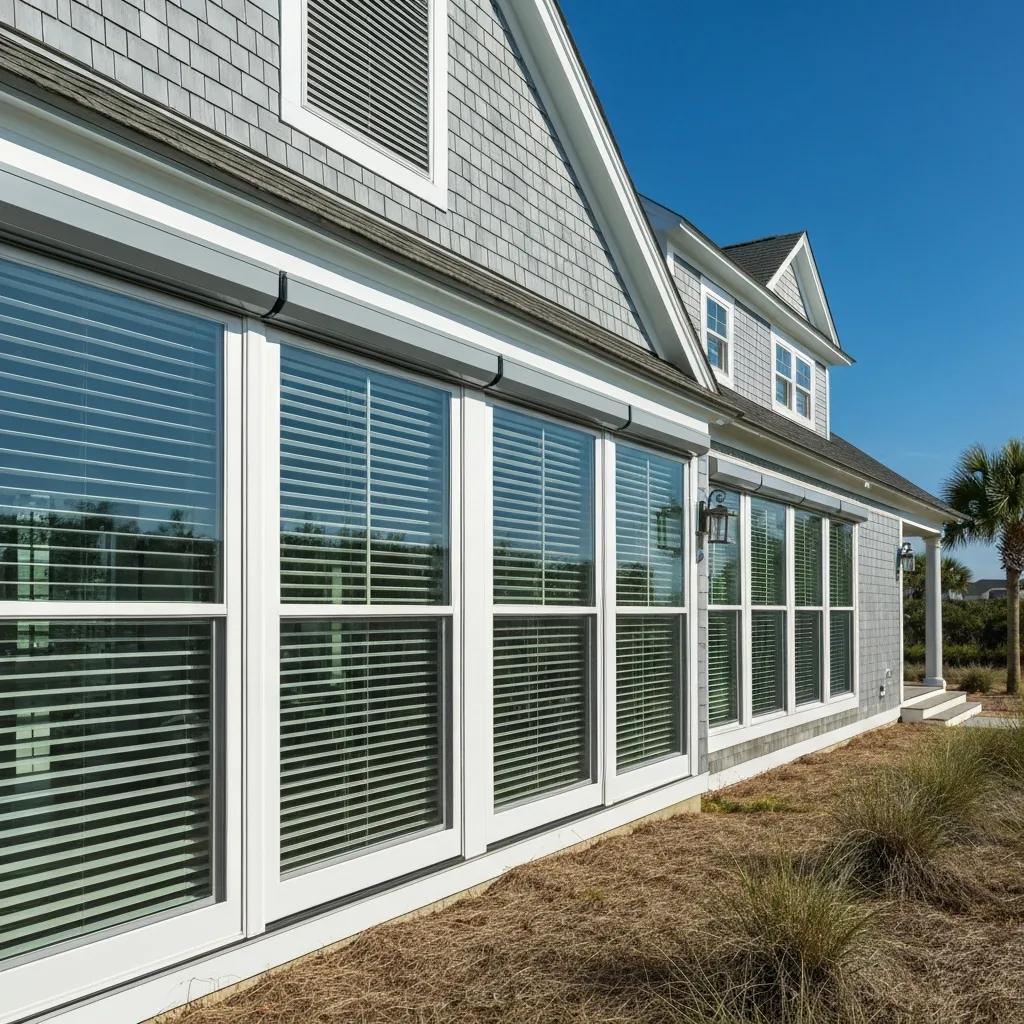
Cost Comparison: Accordion Shutters vs. Other Hurricane Shutter Options for Coastal NC and SC Homeowners
Accordion shutters are a permanently mounted, folding metal system that locks across windows and doors to protect openings. They deploy quickly by hand and offer strong resistance during storms. For coastal homeowners in North and South Carolina, understanding cost differences between accordion shutters and other options matters — shoreline exposure, local labor, and building-code requirements all affect upfront price and long-term value. This guide lays out how accordion, roll-down, Bahama, colonial, and storm panel systems compare on cost, durability, maintenance, ease of use, and curb appeal. You’ll also see how local factors change installed pricing and where to get accurate estimates — including a reliable online cost estimator and complimentary consultations — so you can move from comparison to a tailored quote. Keep reading for practical tables, decision checklists, and clear next steps for coastal NC and SC properties.
What Are the Average Costs of Accordion Shutters Compared to Other Hurricane Shutter Types?
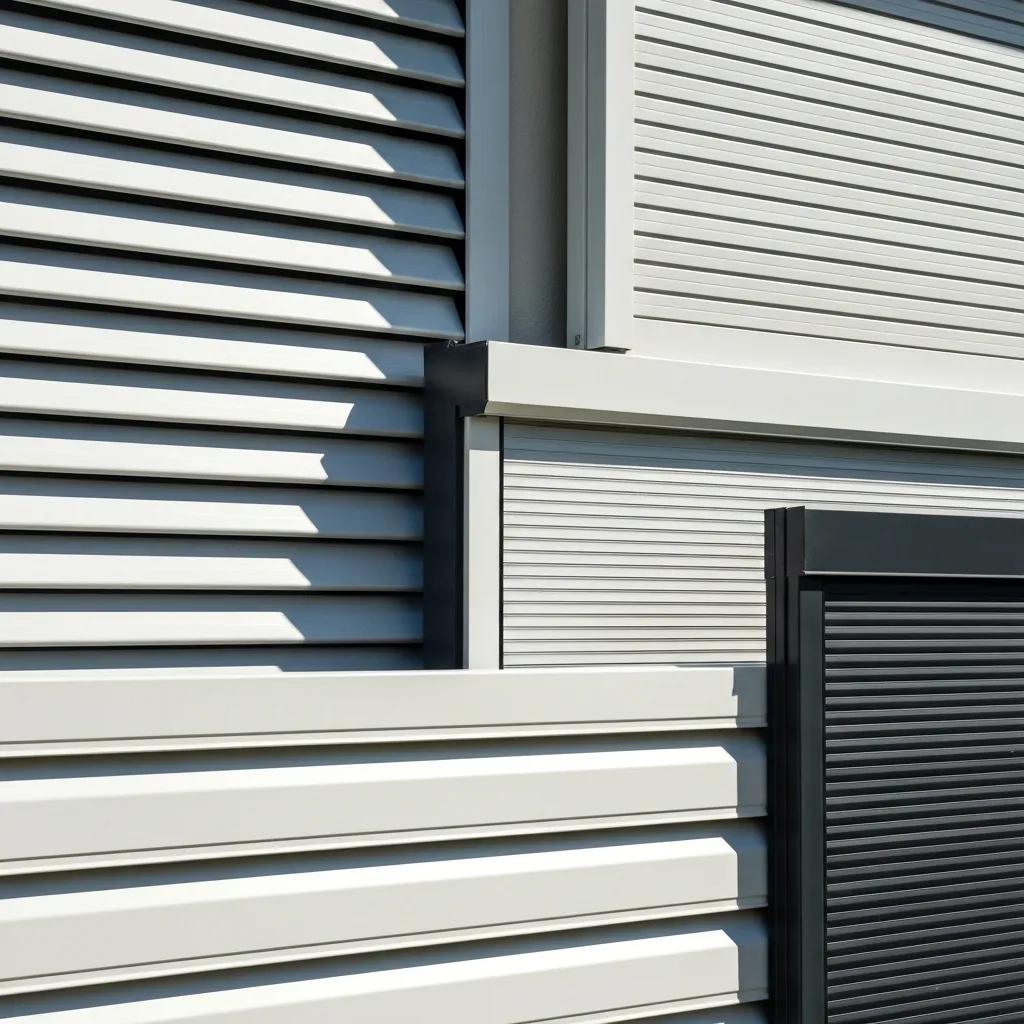
Accordion shutters typically sit in the middle of the price range among hurricane protection choices. They balance a permanent mount and quick manual deployment with moderate material and labor requirements. That mid-range positioning comes from fixed mounting hardware and on-site fitting that lower recurring labor compared with removable panels, while avoiding the motor and wiring costs associated with many roll-down systems. For many coastal homeowners, accordion shutters hit a strong value point: secure, simple, and durable without electrical or storage hassles. To confirm local pricing, try the online estimator and schedule a free on-site consultation when measurements or unusual openings are needed — local labor and permitting rules will shape the final price.
In short: accordion shutters are usually mid-price, roll-down systems trend higher, and storm panels often start lower in material cost. The sections below break down per-square-foot and per-window factors so you can compare options before requesting a local quote or using a cost calculator.
How Much Do Accordion Shutters Typically Cost per Square Foot?
On a per-square-foot basis, accordion shutters generally fall in the middle. Pricing reflects custom fitting and the fixed mounting system for each opening. Costs change with material grade, finish, and window complexity — larger or irregular openings raise fabrication and installation time. Standard accordion systems don’t need motors or electrical work, which keeps installation simpler than motorized roll-downs and can lower permit requirements. For accurate local numbers, run the cost estimator and gather rough dimensions and photos before booking a free on-site consultation for a firm quote.
One practical advantage: because accordion shutters stay mounted and fold at the sides, you avoid seasonal storage and frequent handling required by removable panels. Over several storm seasons that convenience often offsets a modest upfront premium for a custom-fit accordion system.
What Are the Price Ranges for Roll-down, Bahama, Colonial, and Storm Panel Shutters?
Roll-down shutters typically sit at the higher end because of optional motorization, tracks, guides, and possible electrical work. They provide automated coverage but can add permitting and wiring costs when motorized. Bahama and colonial shutters are usually mid-range — they offer style and reasonable protection using simpler hinges or mounts versus full roll-down assemblies. Storm panels (aluminum, clear polycarbonate, or flat polycarbonate) often have the lowest material price, but seasonal installation, removal, and storage increase ongoing practical costs.
- Roll-down: higher relative cost; motorization adds complexity and installation time.
- Bahama & Colonial: mid-range; offer shade and curb appeal in addition to protection.
- Storm panels (aluminum/clear/Lexan): lower material cost but higher recurring labor and storage needs.
When weighing options, remember motorized roll-downs change the maintenance profile and storm panels shift costs into seasonal labor and storage. A cost estimator helps compare total installed scenarios tailored to your home.
What Are the Key Benefits and Features of Accordion Shutters vs. Other Options?

Accordion shutters combine fast manual deployment, permanent attachment, and solid impact resistance — a practical mix for many coastal homes where quick protection and security matter. Their folding vertical leaves ride on side-mounted tracks, so operation is straightforward without electricity and there’s no seasonal storage like with bolt-up panels. Compared to roll-down shutters, accordions trade automation for simpler maintenance and no electrical exposure, while providing more permanence and security than seasonal storm panels. Knowing these trade-offs helps you align the system with priorities such as automation, looks, or cost.
Below is a compact comparison of attributes homeowners care about most: deployment speed, storage needs, electrical requirements, aesthetic impact, and long-term serviceability. These factors link directly to lifecycle cost and day-to-day convenience and will inform the maintenance and longevity discussion later in the guide.
Accordion shutters deliver several practical benefits for coastal homeowners:
- Permanent protection and security: Mounted and ready — minimal preparation to deploy.
- Manual reliability: No motor or electrical dependence means fewer failure points during storms.
- Low storage overhead: No seasonal storage or repeated handling as with removable panels.
Those strengths explain why accordion shutters often make sense for frequent-storm areas; the next section explores why their mid-price point frequently translates into strong long-term value.
Why Are Accordion Shutters Considered a Mid-Price, High-Value Option?
Accordion shutters hit a mid-price point because permanent installation needs custom fitting but avoids motorization and repetitive seasonal labor. Their value shows up in lower ongoing handling, improved security when not deployed, and no storage costs for panels. For homeowners facing recurring storms, that simplicity reduces operational friction and often delivers better lifecycle value than cheaper removable options. When you factor in ease of use, no electrical reliance, and steady protection, accordion shutters commonly represent strong value per lifecycle dollar.
They’re a sensible pick when you prioritize immediate preparedness and less long-term handling. The next subsection compares durability, usability, and security across shutter types to help with a full lifecycle decision.
How Do Durability, Ease of Use, and Security Compare Across Shutter Types?
Durability generally follows material and mounting permanence: roll-down and accordion shutters — both permanently attached — rate high for structural strength, while storm panels vary by material and fastening. Ease of use favors accordion shutters for quick manual deployment and roll-downs for automated convenience, though motors add electrical and maintenance needs. Security is strongest with permanently installed metal shutters (accordion, roll-down, colonial) because anchored hardware resists forced entry and impact better than removable panels. These differences affect homeowner convenience and insurance considerations over time.
Looking at these attributes together clarifies which system matches priorities like low upkeep, high automation, or the lowest upfront cost. The sections ahead translate these qualitative distinctions into installation expectations and local cost drivers for coastal NC and SC properties.
This table shows relative positions rather than exact dollar amounts and highlights how installation complexity and maintenance influence lifetime cost. Use an estimator or a free consultation to turn these comparisons into local installed prices.
How Do Installation Costs and Local Factors Affect Hurricane Shutter Pricing in Coastal NC and SC?
Installed cost along the Carolina coast reflects several local factors: labor rates, access and opening height, permit rules, and the need for corrosion-resistant materials. Jobs get pricier when rooflines are complex, windows are bay-style, or second-story access requires scaffolding — those conditions push installed cost above simple per-panel or per-square-foot estimates. Coastal exposure also means you’ll likely choose finishes and materials that resist salt spray and UV; that raises material cost up front but reduces corrosion and replacement down the road. These local realities make on-site estimates or validated online calculators essential for accurate pricing.
Local building departments often require tested impact-resistance and anchor methods, which can add to installed cost but improve performance and may help with insurance credits. The subsections below break down typical installation cost components and show how code and customization choices affect final quotes, along with guidance on hiring local pros.
What Installation Costs Should Homeowners Expect for Different Shutter Types?
Installation labor differs by shutter type: storm panels usually need less on-site fitting but generate seasonal labor for installation and removal; permanently mounted options (accordion, roll-down, Bahama, colonial) require more one-time fitting and finishing work. Motorized roll-downs add electrical labor and permits, increasing scope beyond mechanical mounting. Homes with many odd-shaped openings or multiple stories often need extra time, scaffolding, or specialty fittings, which raise price above straightforward window-by-window projects.
Also budget for add-ons like finish matching, custom colors, or reinforced anchors for code compliance — these raise initial cost but contribute to durability. For precise labor-hours and price scenarios, schedule an on-site consultation or model your property in a reliable cost estimator before committing.
This cost-factor table highlights common items that push a baseline estimate higher. Prepare property-specific inputs before using an online estimator or requesting a free local quote to capture these influences.
How Do Local Building Codes and Customization Influence Final Shutter Costs?
Meeting local code — which often references strict impact testing and anchoring — can require certified components and installation methods that increase upfront cost but reduce liability and improve insurance eligibility. Custom work such as color matching, textured finishes, or special fits for arched or bay windows increases fabrication time and materials. Working with a local installer who knows coastal NC and SC code expectations helps streamline permitting and ensures anchors and fasteners meet standards, potentially avoiding rework that raises indirect costs.
Choose installers who document compliance and provide specification sheets so you can weigh cost versus value. A higher initial investment in certified hardware and professional installation often translates to fewer repairs and better storm performance. When accuracy matters, combine the online estimator with an on-site consultation to capture both standard and custom cost drivers.
How Do Accordion Shutters Compare to Roll-down and Other Shutters in Terms of Maintenance and Longevity?
Lifecycle choices hinge on expected lifespan, routine maintenance, and periodic service costs. Permanently mounted systems — accordion and roll-down — typically offer long service lives with scheduled inspections. Removable storm panels create recurring labor and storage wear. Motorized systems add electrical components that may need motor servicing or replacement over time, raising lifecycle maintenance risk. Because of this, consider total cost of ownership — installation plus foreseeable maintenance — when comparing options.
This maintenance-focused view helps forecast long-term spending and choose the system that minimizes unexpected repairs while meeting protection and usability goals. The subsections that follow list typical maintenance tasks and conservative lifespan estimates for coastal conditions to guide repair-versus-replace decisions.
What Are the Typical Maintenance Costs for Accordion Shutters vs. Other Options?
Accordion shutters usually require low-to-moderate maintenance: occasional lubrication of hinges, track alignment checks, and locking-hardware inspections every few years. These routine items are generally inexpensive and can be handled during an annual inspection. Motorized roll-downs add electrical checks, potential motor service or replacement, and periodic track cleaning to keep automated parts reliable. Storm panels carry seasonal handling and storage costs and may need panel replacement if dented or lost, creating recurring expense.
Plan for modest annual inspection fees for permanently mounted systems and occasional parts replacement. For removable panels, include seasonal labor or storage costs in your budget. Regular maintenance extends service life and reduces the chance of costly emergency repairs after a storm.
How Long Do Different Hurricane Shutters Last Under Coastal Weather Conditions?
Expected lifespans in coastal environments vary: permanently mounted aluminum systems such as accordion or colonial shutters can last decades with proper maintenance and coastal-grade finishes, while roll-down structures often last similarly long but motors and controls may require replacement during their service life. Storm panels’ longevity depends on material and handling — these can have shorter lifespans if frequently installed and removed or exposed to UV. Salt spray, high UV, and repeated storms shorten component life unless materials and finishes are specified for coastal durability.
Picking higher-grade materials and keeping a maintenance schedule are the best ways to lengthen life. When repair costs near replacement expense, switching to a more durable system can be the smarter long-term choice. The next section addresses aesthetic and functional trade-offs that matter beyond durability.
This lifecycle table helps weigh upfront savings against recurring maintenance and replacement risks in coastal NC and SC settings.
What Are the Aesthetic and Functional Differences Between Accordion Shutters and Other Hurricane Protection Options?
Appearance and secondary functions — like sunshade, privacy, and daylight control — affect curb appeal and daily comfort. Bahama shutters double as awnings when propped open, offering shade and a coastal look that fits many local homes. Colonial shutters give a traditional aesthetic and can be fixed or operable to boost curb value. Clear polycarbonate panels protect windows while preserving views, a key consideration where sightlines to water matter. Accordion and roll-down shutters prioritize protection and security but are available in finishes and colors to reduce visual trade-offs.
Choosing among systems often comes down to whether you value views, architectural style, or minimal visual impact. The following subsections describe visual and functional differences and identify which systems add day-to-day benefits like shade or privacy.
How Do Bahama, Colonial, and Storm Panels Differ in Appearance and Use?
Bahama shutters hinge at the top and double as sunshades when open, providing shade and a relaxed coastal vibe — ideal for porches and sun-facing windows. Colonial shutters mimic classic plank-style looks and can enhance traditional or historic homes while offering durable protection. Storm panels are utilitarian and focused on function rather than form; they’re a practical choice when budget or temporary deployment matters more than permanent curb appeal. Each option serves different homeowner goals for style and seasonal use.
Match design choices to both protection needs and architectural compatibility, balancing how often you’ll deploy protection against the desire for consistent curb appeal. The next subsection highlights which systems provide extra everyday benefits beyond storm resistance.
Which Shutter Types Offer Additional Benefits Like Sunshade or Privacy?
Several systems provide useful extras: Bahama shutters deliver daytime shade and passive cooling when tilted; roll-down shutters offer solid privacy and insulation when closed, which can lower energy use; clear polycarbonate panels keep views intact while maintaining impact resistance. Accordion shutters give secure full closure without storage requirements and can be finished to complement your home’s exterior, balancing protection with curb appeal.
Weigh these secondary benefits against lifecycle costs and deployment needs to pick the solution that best supports daily living and storm readiness.
Where Can Coastal NC and SC Homeowners Get Accurate Cost Estimates and Professional Installation for Accordion and Other Shutters?
For accurate pricing, combine a trusted online cost estimator with a free on-site consultation to capture property-specific variables like opening sizes, elevation, and permit requirements. Online tools give quick budget guidance based on standard inputs; an in-person visit surfaces access issues, custom shapes, and code-compliance needs that materially affect quotes. Using both gives you a reliable path from general comparison to an actionable, locally accurate estimate.
When hiring installation pros, choose firms familiar with coastal NC and SC building codes and corrosion-resistant materials, and confirm estimates include documentation of compliant hardware and anchoring. The next subsection explains how to use cost estimators and why local installer knowledge matters, plus a short call to action for homeowners seeking free estimates and the online calculator.
How Can You Use Free Online Cost Estimators for Accordion and Other Shutters?
Free online estimators usually ask for the number of openings, rough dimensions, preferred shutter type, and any motorization options. Before you start, prepare a short checklist: measure window widths and heights, count doors and large openings, mark second-story or hard-to-reach locations, and photograph surrounding trim and rooflines. Estimators provide a budget starting point, but they can’t fully account for permits, custom shapes, or tricky access — that’s when a free on-site consultation becomes the right next step.
- Measure: Record heights and widths for each opening you want protected.
- Photograph: Take clear images of each opening and nearby trim or obstructions.
- Note access: List second-story windows, awnings, or other access concerns.
Following this checklist improves estimator accuracy and speeds the move to a precise, on-site quote.
Why Choose American Hurricane Shutters for Local Installation and Compliance?
American Hurricane Shutters works across coastal North and South Carolina and focuses on tools and services that simplify the estimate-to-install process. We offer a dependable online cost estimator and free consultations to validate local pricing and job specifics so homeowners understand true installed costs for accordion, roll-down, Bahama, colonial, and storm panel systems. We also emphasize professional installation and products that meet or exceed Florida Building Code standards to help with performance, permitting, and insurance documentation.
- Free estimator: Start with an online estimator to scope budget ranges and compare types.
- On-site consultation: Book a free visit to capture unique property variables and confirm code compliance.
- Professional installation: Choose installers who document compliance and use coastal-grade materials.
These steps move homeowners from initial comparison to a reliable installation plan tailored to coastal conditions and local codes.
Coa