Comparing Roll Down Hurricane Shutters with Other Storm-Protection Options: What Coastal Homeowners and Businesses Should Know
Roll down hurricane shutters are a permanently mounted protection system that lowers over windows and openings to resist wind-driven debris and surge-related damage. This guide walks through how roll down shutters work, compares them to accordion shutters and other common choices, and highlights the cost, insurance, and installation details that matter for homes and businesses along the North and South Carolina coast. Many property owners must weigh temporary panels against permanent systems — this article lays out the trade-offs in deployment speed, protection level, upkeep, and curb appeal so you can choose with confidence. Read on to learn what makes roll down shutters effective, how they stack up against accordion, Bahama, colonial, panel, screen, and impact window options, and how to judge long-term value including insurance credits and resale impact. We also provide decision frameworks for single-family homes, condos, and commercial buildings and explain how to get transparent pricing using the Cost Calculator and free estimates from professionals.
What Are Roll Down Hurricane Shutters and Their Core Benefits?
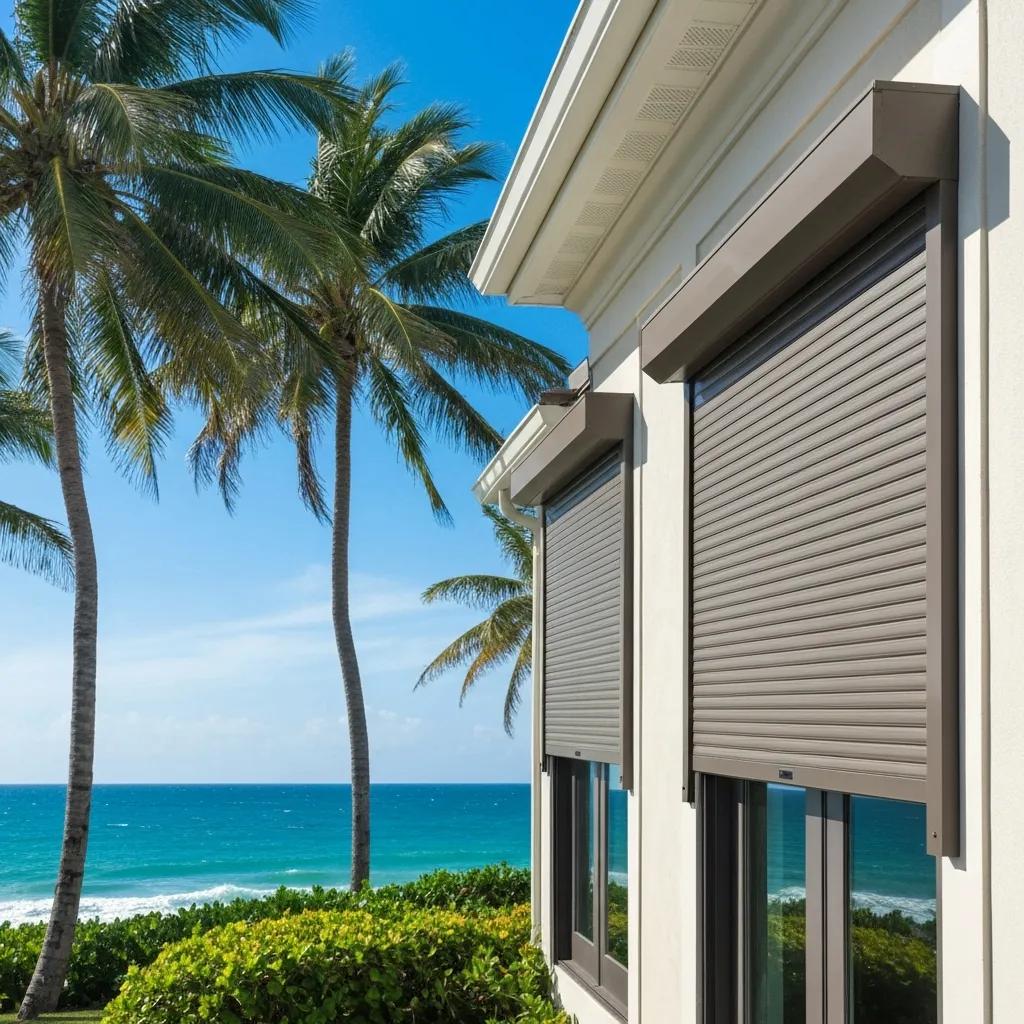
Roll down shutters are engineered to sit in a housing box above an opening and travel down guide tracks to form a continuous protective barrier. Their interlocking slats, sturdy guides, and secure mounting spread storm loads across the structure, lowering the risk of broken glass and water intrusion. Beyond storm defense, these shutters add security, control over light and heat, and can improve comfort by shading and insulating openings. Typical materials include extruded aluminum for strength or clear polycarbonate for visibility; systems are available motorized for fast deployment or manual for lower-cost installs. Knowing these benefits helps you decide whether the permanence and convenience justify the higher upfront cost compared with temporary options.
What Features Make Roll Down Shutters Effective for Storm Protection?
Roll down shutters depend on four main components for reliable performance: impact-rated slats, a protective housing box, precision guide tracks, and solid anchoring into the building. Certified impact ratings tell you how well a shutter resists projectiles and wind loads, while well-designed tracks and anchors transfer forces into the structure to prevent blow-out. Motorized drives can lower shutters in seconds, reducing exposure time; manual crank options are a budget-friendly, slower alternative. Corrosion-resistant finishes and proper seals help shutters hold up in salt-air environments so they keep protecting your property year after year.
How Do Roll Down Shutters Enhance Security and Energy Efficiency?
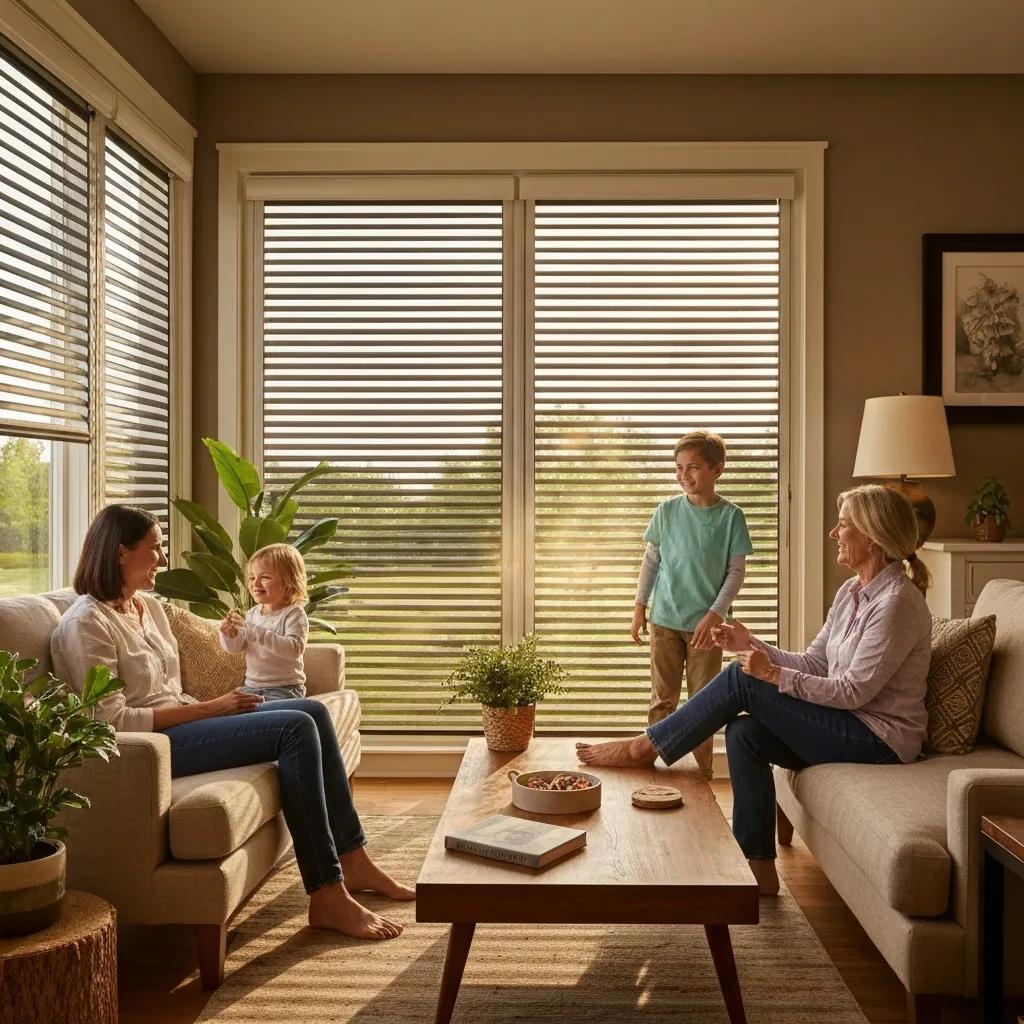
When lowered, roll down shutters act as a strong physical deterrent to break-ins and can integrate locks or automatic schedules for added convenience. By shading glass, shutters reduce solar heat gain and can cut HVAC runtime in hot months, improving energy efficiency for coastal homes. They also dampen outside noise and increase privacy when closed, giving year-round benefits beyond storm season. Those secondary advantages mean roll down systems can deliver continuous value and often appeal to buyers looking for practical, multifunctional upgrades.
Product options typically include motorized or manual drives, removable or integrated housing boxes, and material choices such as aluminum or polycarbonate. To size your project, try the Cost Calculator to compare motorized and manual scenarios, then request a free estimate for a site-specific price and structural assessment.
How Do Roll Down Shutters Compare to Accordion Shutters?
Both roll down and accordion shutters are permanently mounted hurricane protection systems, but they differ in how they operate, how they look when stored, their installation footprint, and often cost. Roll down shutters retract into a compact housing and — when motorized — deploy almost instantly; accordion shutters fold beside the opening and are usually pulled across manually, leaving visible hardware when not in use. Those differences affect convenience, aesthetics, and whether a system suits a particular opening or HOA rule. Comparing cost, maintenance, deployment time, and visibility will help you pick the right fit for your property and needs.
Intro to the side-by-side comparison table that follows: the table summarizes deployment speed, storage visibility, typical maintenance, and cost tendencies so you can quickly compare practical attributes.
The table shows roll down shutters favor quick, automated protection and a low-profile look when stored, while accordion shutters are simpler and often less costly up front. Maintenance needs and visual impact are common decision factors for coastal homeowners.
What Are the Pros and Cons of Roll Down vs Accordion Shutters?
In real-world use, roll down shutters shine for convenience and concealed storage but typically carry a higher initial price; accordion shutters are straightforward and usually cheaper but remain visible and require more manual effort. Roll down advantages include fast motorized deployment, discrete housing, and easy integration with security or home automation — a strong choice for frequent use or large openings. Accordion benefits include simple manual operation and lower material cost, attractive for budget-sensitive installs or smaller openings. Drawbacks for roll down systems include higher material and motor costs plus possible electrical work; accordion drawbacks include permanent visible hardware and more physical setup time.
How Do Cost, Operation, and Maintenance Differ Between These Shutters?
Price is driven by material grade, opening size, and whether you choose motorization — motorized roll down systems add wiring and controls, while accordion shutters typically avoid those costs. Operationally, roll downs reduce effort and deployment time, which matters for commercial sites or older homeowners; accordions rely on manual unfolding and anchoring. Maintenance for roll down systems focuses on motor service, guide lubrication, and seal checks; accordion maintenance centers on hinge lubrication and clear tracks. For properties with frequent storm threats or large glazed walls, the convenience and lifecycle savings of roll down shutters can offset their higher initial cost.
What Other Storm Protection Options Are Available Besides Roll Down Shutters?
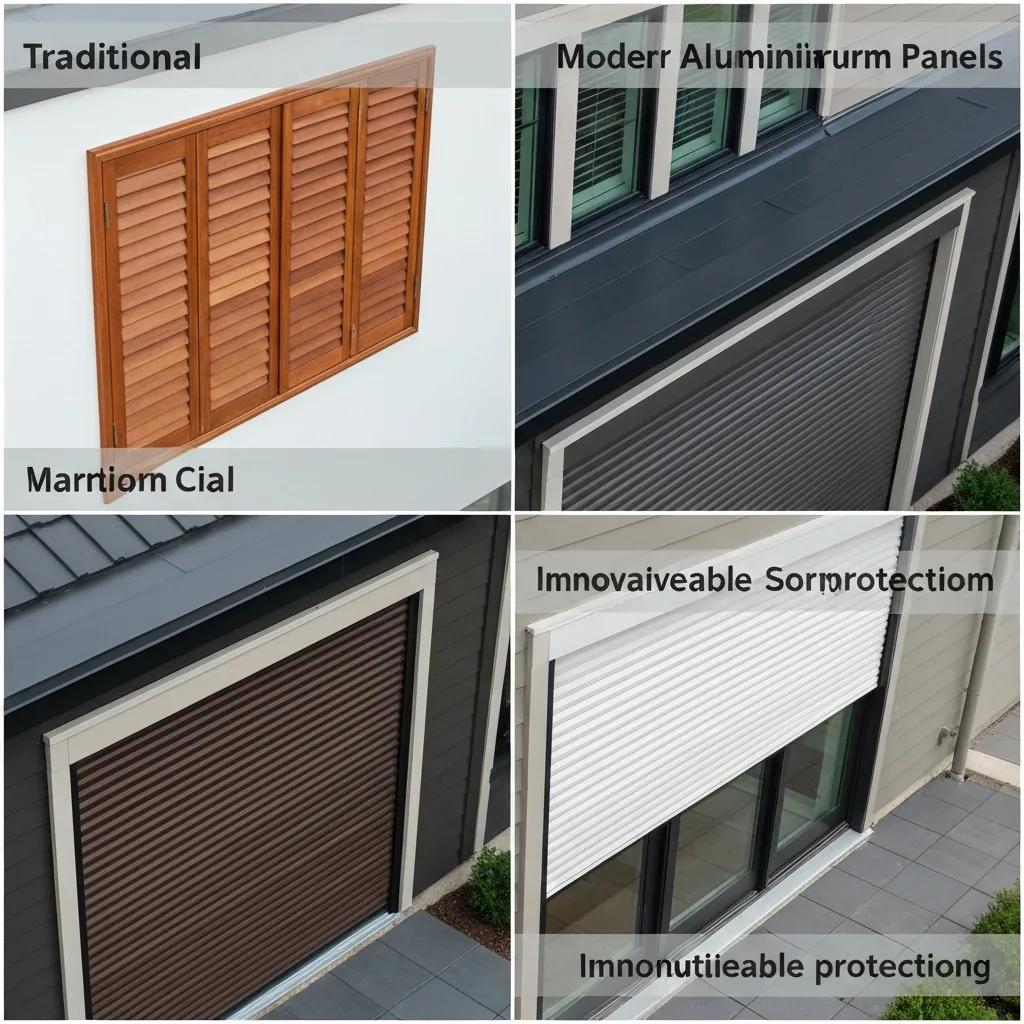
Beyond roll down and accordion shutters, options include Bahama and colonial shutters, removable storm panels (aluminum or clear), hurricane screens/fabric, impact-resistant windows and doors, and polycarbonate panels. Each choice balances permanence, looks, deployment time, and tested impact resistance differently — the right pick depends on opening size, aesthetic priorities, and budget. The short table below summarizes best use-cases, key benefits, and trade-offs to help you match solutions to specific needs.
How Do Bahama and Colonial Shutters Compare to Roll Down Shutters?
Bahama and colonial shutters are often chosen for style and shade rather than full-rated impact protection. Bahama shutters hinge at the top to provide shade and some barrier; colonial shutters hinge at the sides for a classic look. While they help reduce solar heat gain and boost curb appeal, they usually don’t match the certified wind and debris resistance of roll down systems unless specifically engineered and tested. In historic districts or HOA-restricted neighborhoods, decorative shutters can be paired with supplemental protection on high-exposure openings ‚Äî but always verify local code and insurer acceptance before relying on them for storm performance.
What Are the Differences Between Storm Panels, Hurricane Screens, and Roll Down Shutters?
Storm panels (aluminum or clear) are portable sheets attached when a storm approaches and require off-season storage; they work well for owners who accept setup time and storage logistics. Hurricane screens use a strong fabric to protect large patio openings, offering quick handling and less storage bulk but generally lower impact resistance. Roll down shutters combine fast deployment with permanent installation and higher tested impact ratings, making them a better fit where repeated, rapid coverage is needed. The right choice depends on how much labor, storage room, and permanent visibility you’re willing to accept.
What Are the Cost Considerations and Long-Term Value of Roll Down Hurricane Shutters?
Cost goes beyond a simple per-square-foot number — material selection, motorization, installation complexity, and local code requirements all shape long-term value and ROI. Upfront investment should be weighed against fewer storm repairs, possible insurance discounts, lower cooling costs from shading, and stronger resale appeal in coastal markets. The table below breaks down primary cost factors and how they typically affect project price and lifecycle value.
This table reinforces that motorization and premium materials are major cost drivers, while retrofit complexity can push totals higher. Over time, reduced storm damage and possible insurance credits often make permanent systems a sound investment in coastal neighborhoods.
Studies show visible hurricane mitigation features — like shutters — can positively affect home value by reducing perceived storm risk.
Impact of Hurricane Shutters on Home Prices and Verification
Examples of visible features include roof shape and the presence of hurricane shutters; hidden features include construction details such as roof attachment methods. Proper documentation of mitigation features and inspections can influence sale prices.
What Factors Influence the Cost of Roll Down and Other Hurricane Shutters?
Price is shaped by the chosen material (extruded aluminum slats vs. clear polycarbonate), motorization and control options, the number and size of openings, and any required structural reinforcement or inspection fees tied to local codes. Custom colors, smart automation, and accessories like manual overrides or battery backups add to cost. A small bedroom window will cost less than a wide sliding door, but larger runs can realize per-unit savings. Accurate measurements and clear specs on motorized versus manual systems help generate realistic estimates and support insurance documentation.
Cost drivers that commonly affect homeowner budgets include:
- Material selection: affects longevity and sightlines.
- Motorization: needs electrical work but saves time and effort.
- Installation complexity: structural anchoring and retrofits increase labor.
How Do Hurricane Shutters Impact Insurance Discounts and Property Value?
Certified, professionally installed hurricane shutters can qualify homeowners for insurance discounts because they reduce the chance of glazing damage and subsequent claims. To secure credits, insurers typically want product certifications, installation records, and sometimes an inspection or permit — documentation that proves the mitigation was properly installed. On resale, many coastal buyers value permanent protective systems that lower perceived storm risk and insurance uncertainty, which can help offers stand out. Keeping certification and installation paperwork organized strengthens both insurance and resale positions.
How to Choose the Best Hurricane Protection Solution for Coastal Homes and Businesses?
Start by assessing exposure, opening types, budget, and aesthetic constraints — this decision matrix helps match protection level and deployment style to your property. Consider whether the property is oceanfront or farther inland, HOA or code limits, whether openings are large sliding doors or many smaller windows, and how quickly occupants need to deploy protection. Prioritize permanent systems like roll down shutters for high-exposure or commercial sites that require fast, repeatable protection; reserve panels or screens for lower-frequency use or tighter budgets. The checklist below summarizes practical assessment steps and recommended approaches.
- Evaluate exposure: Note distance to shoreline and prevailing wind direction.
- Inventory openings: Record sizes, types, and construction details for each opening.
- Define constraints: Check HOA rules, desired appearance, and storage options.
- Match solutions: Assign high-risk openings to permanent systems like roll down shutters, and choose panels or screens for lower-risk or budget-constrained areas.
Working through this checklist will produce a prioritized shortlist and clarify where you should consult a professional for engineering or permitting advice.
What Are the Best Storm Protection Options for Coastal North and South Carolina Properties?
Along the North and South Carolina coast, oceanfront and high-exposure properties usually benefit most from permanent, tested systems such as motorized roll down shutters or impact glazing on major openings because of frequent high winds and debris. Condos and townhomes often face HOA rules that favor less visible hardware; in those situations, compact accordion shutters or impact windows may be the better fit. Commercial properties with large glazed façades typically need automated roll down systems for fast, coordinated deployment and uninterrupted operations. Local code requirements and salt-air corrosion protection (material choice and coatings) should guide product selection for long-term durability.
When Should You Opt for Professional Installation vs DIY for Hurricane Shutters?
Hire a professional when systems are motorized, openings are large or non-standard, structural reinforcement is required, or certified retrofit installation is needed for insurance and code compliance. DIY may work for removable storm panels or simple bracket-mounted solutions on small openings, provided local permit and engineering guidance are followed. Professional installation preserves warranties and ensures anchors transfer loads correctly into the structure. If you’re unsure about mounting conditions or electrical work for motors, a certified installer reduces risk and improves long-term performance.
Where Can You Get Free Estimates and Expert Installation for Roll Down Hurricane Shutters?
Look for providers that offer a clear Cost Calculator and free estimates so you can compare motorization, materials, and installation complexity before a site visit. A Cost Calculator lets you enter measurements and options to produce realistic price ranges for manual versus motorized systems and helps set realistic budgets. Expect a free estimate to include an on-site measurement, assessment of structural mounting points, code review, and a written proposal outlining product choices and installation scope. Choosing certified, local installers helps ensure work meets building codes and preserves eligibility for insurance discounts.
How Does the Hurricane Shutter Cost Calculator Help Homeowners Compare Options?
The Cost Calculator is a practical estimator where you enter opening dimensions, preferred materials (aluminum or polycarbonate), and motorization choices to see side-by-side scenarios and price bands. It shows how motorized drives, larger openings, and premium finishes affect total cost, helping you prioritize upgrades or plan phased installs. After using the calculator, request a free on-site estimate for final, site-specific pricing and structural checks. That transparency reduces sticker shock and makes trade-offs between convenience, appearance, and protection easier to weigh.
Why Choose American Hurricane Shutters for Your Storm Protection Needs?
American Hurricane Shutters supplies engineered hurricane protection across coastal North and South Carolina with a full product range: roll-down, accordion, Bahama, colonial, hurricane screens, clear and aluminum panels, and flat polycarbonate options. The company emphasizes free estimates and cost transparency via the Cost Calculator and provides expert installation and service for homeowners and businesses in Wilmington, Myrtle Beach, Oak Island, Topsail, New Bern, Pawleys Island and nearby communities. Working with a local, code-aware installer ensures your system meets applicable building codes and that crews understand coastal corrosion mitigation and permitting nuances.
When you’re ready to compare options, request a free estimate and use the Cost Calculator to review materials, motorization, and installation scenarios before committing to a project.
Frequently Asked Questions
What are the maintenance requirements for roll down hurricane shutters?
Plan on at least one annual inspection to keep roll down shutters operating reliably. Check motor components for wear, lubricate guide tracks, and inspect seals. Regular cleaning helps prevent corrosion in coastal environments. If you notice difficulty operating the shutters or visible damage, contact a professional for repairs to preserve performance and warranty coverage.
Can roll down hurricane shutters be customized for different window sizes?
Yes — roll down shutters are made to order to fit a wide range of window sizes and shapes. Manufacturers and installers can tailor width, height, and finish to match architectural details. Always work with a certified installer to ensure the custom solution meets local building codes and provides the expected level of protection.
How do I know if my insurance will cover roll down hurricane shutters?
Check your policy or speak with your insurance agent. Many insurers offer discounts for certified, professionally installed shutters because they reduce claim risk. Insurers typically require documentation such as product certifications and installation records to apply credits, so keep that paperwork handy and confirm any specific certification requirements in advance.
What is the typical lifespan of roll down hurricane shutters?
Lifespan varies by material and maintenance, but well-made roll down shutters often last 10 to 20 years or more. Extruded aluminum tends to resist corrosion best in coastal settings. Regular maintenance and following the manufacturer’s care recommendations will extend service life. Review warranty terms for additional insight into expected longevity.
Are roll down hurricane shutters suitable for commercial properties?
Absolutely. Roll down shutters are a strong option for commercial buildings, especially those with large glass façades or high storm exposure. Fast deployment protects assets and helps businesses resume operations sooner after a storm. Consult a professional to size and spec systems for commercial needs and code compliance.
What are the aesthetic options available for roll down hurricane shutters?
Shutters come in a variety of colors, finishes, and materials to suit different architectural styles. Options range from paint-matched aluminum to clear polycarbonate for visibility. Many systems can be integrated so the housing box and shutters blend with the façade. Discuss finishes and color-matching with your installer to balance function and curb appeal.
How do I choose the right motorization option for my roll down shutters?
Consider budget, convenience, and opening size. Motorized systems provide fast, hands-free deployment and can integrate with remotes or smart-home systems — a big plus for large or hard-to-reach windows. Manual systems are more economical but require physical effort. Think about how often you’ll deploy the shutters and who will be using them when choosing motorized vs. manual.
Conclusion
Roll down hurricane shutters deliver dependable storm protection, added security, and energy benefits for coastal properties. They can reduce repair risk, qualify for insurance discounts, and appeal to buyers who value year-round functionality. Review your exposure, openings, and budget, then use the Cost Calculator and request a free estimate to compare options before committing. When you’re ready, contact a local, certified installer to get a tailored plan for your home or business.
