
Roll‚ÄëDown Hurricane Shutters vs. Other Storm Protection: Practical Pros, Cons, and When to Choose Each
Roll‑down hurricane shutters store in a compact housing and unroll over windows and doors—either by motor or by hand—to block wind‑borne debris and extreme gusts. This guide compares roll‑down systems with other protection choices, explains the technical tradeoffs, and helps coastal North and South Carolina homeowners and businesses pick the right solution for their risk profile and budget. We’ll walk through how these shutters work, their main benefits and drawbacks, cost drivers you should expect, and how alternatives like accordion shutters, Bahama/Colonial styles, screens, panels, and impact windows perform in everyday situations. You’ll also find side‑by‑side comparisons, a clear cost breakdown, maintenance tips, and checklists tailored to communities such as Wilmington, Myrtle Beach, Oak Island and other coastal areas where storm exposure affects code and insurance decisions. Read on for concise recommendations and practical steps to evaluate the best option for your property.
What Are Roll Down Hurricane Shutters and How Do They Work?
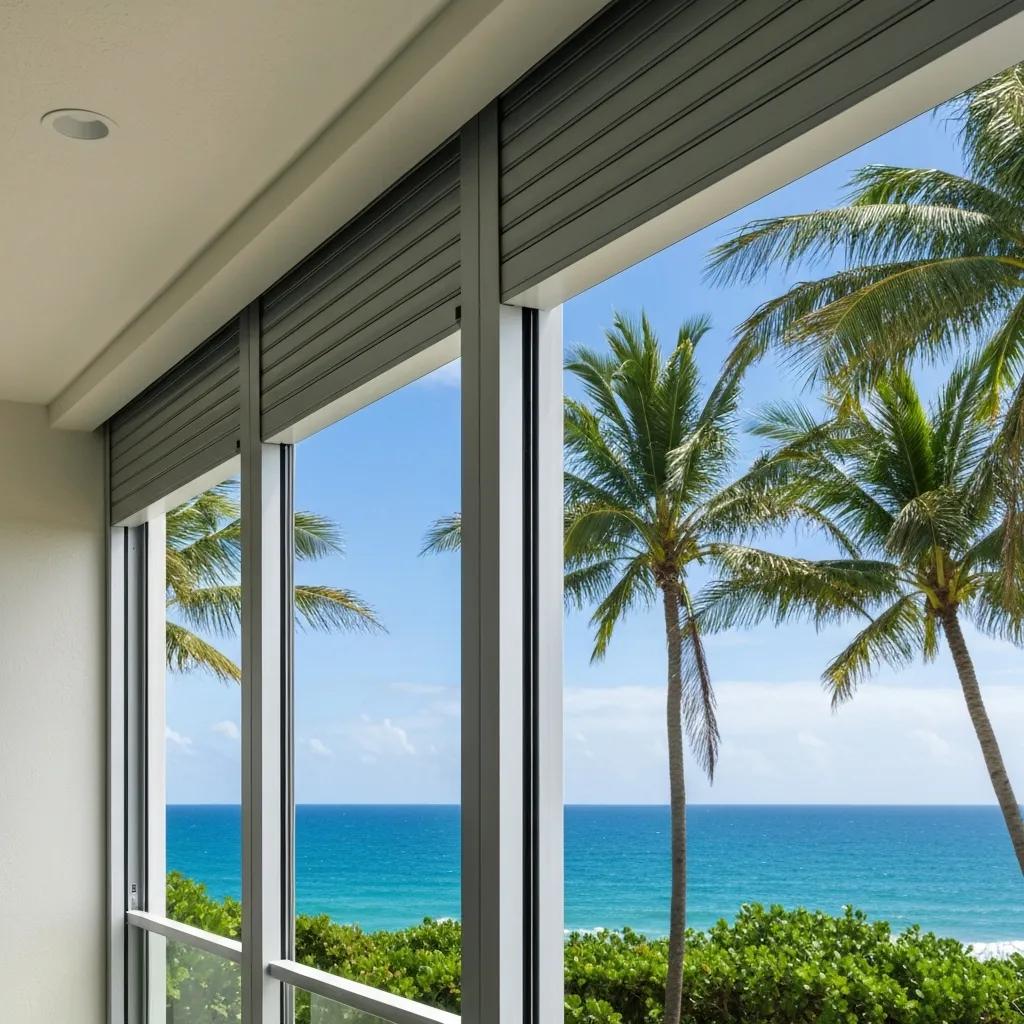
Roll‚Äëdown shutters roll out of a fitted housing and lock into side guides to create a rigid, interlocking barrier that resists impact and wind pressure. The system includes a housing box, slatted curtain, side guides, and either a motor (with optional battery backup) or a manual crank. Properly installed, roll‚Äëdown shutters can meet specified design pressure (DP) ratings used in coastal building codes, limit debris intrusion, and provide fast protection when a storm approaches. The sections that follow break down components, operation modes, and performance so you can compare roll‚Äëdown shutters to other protection approaches with confidence.
What Are the Key Features and Operation of Roll Down Shutters?
A typical roll‑down system consists of a housing box, interlocking slats, side guides, and either an electric motor or manual crank—each part plays a role in protection and usability. The housing hides the curtain when retracted to preserve curb appeal; extruded aluminum slats take and spread impact forces across the frame. Motorized units give one‑touch deployment via switch or remote and are commonly paired with battery backup for power outages; manual cranks provide a dependable, low‑tech option. Routine upkeep—cleaning guides, lubricating moving parts, and testing motor and backup power—keeps systems ready and helps maintain DP performance over time.
What Are the Advantages of Roll Down Hurricane Shutters?
Roll‚Äëdown shutters offer strong impact resistance, fast deployment, and high wind‚Äëload protection thanks to interlocking slats and engineered anchoring. When closed they add a layer of security, cut solar heat and UV exposure, and can improve energy efficiency by reducing thermal gain through windows. Motorized models bring convenience and speed, while systems built to specific DP ratings can satisfy local code and insurance requirements. For openings that face open water or exposed coastal directions, roll‚Äëdown shutters are often the most resilient choice.
What Are the Disadvantages and Cost Considerations of Roll Down Shutters?
Roll‑down shutters generally cost more up front than simpler options and need periodic maintenance—especially motorized systems with battery backups that require occasional service. Some homeowners worry about the visual impact of the housing and slat profile, though recessed housings and custom finishes can minimize that effect. Motorized units add electrical complexity and the need to plan for backup power, which raises life‑cycle costs. Below we list the main cost components that drive installed pricing so you can see where expenses come from and how those costs compare to other options.
Different cost components influence total installed price for roll down shutters:
This breakdown highlights the primary price drivers and shows why motorization and custom housings raise installed costs even as they improve convenience and appearance.
What Are the Main Drawbacks of Roll Down Shutters?
The biggest downsides are higher upfront cost, potential visual impact, and—for motorized units—reliance on power unless a manual override or battery backup is provided. Roll‑down systems typically cost more than basic storm panels, and recessed or custom installations increase that figure further. Many homeowners consider the added investment worthwhile for the enhanced protection. To reduce visual impact, consider concealed housings, color matches, or slimmer slat profiles. For motorized systems, a battery backup or manual crank is essential so you can deploy protection during outages; regular maintenance reduces the chance of failure.
How Much Do Roll Down Hurricane Shutters Cost Compared to Other Options?
Installed roll‑down shutters usually sit in a higher cost tier than basic panels and some fixed shutters—common industry ranges are roughly $25–$50 per square foot, depending on motorization and DP rating. Major cost drivers include motorization, mounting complexity, DP‑rated engineering, and finish options; any of these can move a project into a different price bracket. If you want a quick estimate, online cost calculators can model square footage, motor options, and local installation factors. Homeowners in coastal North and South Carolina can request a no‑cost estimate or try the interactive cost calculator to compare solutions for specific openings.
What Are the Alternative Hurricane Protection Options Available?
There are several alternative systems that match different budgets, architectural styles, and protection needs. Common choices include accordion shutters, Bahama and Colonial shutters, hurricane screens, aluminum or polycarbonate storm panels, and impact‑rated windows. Each option balances protection, cost, appearance, and deployment effort—important factors for Carolina coastlines where wind and debris patterns influence code and insurance. The sections below summarize these mainstream alternatives and when each makes sense.
How Do Accordion Shutters Compare in Benefits, Costs, and Operation?
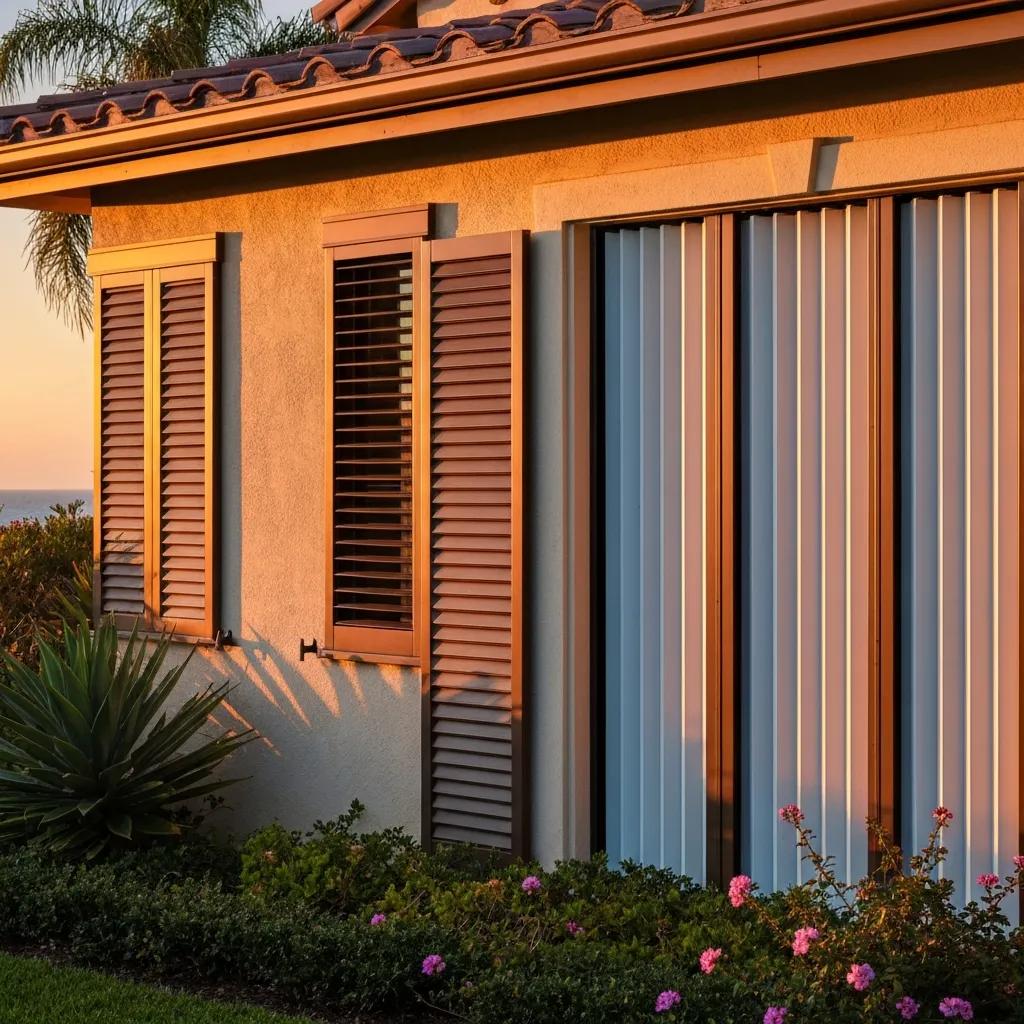
Accordion shutters are permanently mounted panels that fold horizontally and lock in place, offering quick manual deployment and a simpler mechanical setup than roll‑down systems. They usually cost less than motorized roll‑down options, need no storage, and operate without electricity—appealing to budget‑minded homeowners seeking reliable protection. Accordion shutters remain visible when open, which can affect curb appeal, but they provide continuous readiness with lower maintenance than motorized systems. For homes with many windows where simplicity and cost matter, accordion shutters are a practical middle ground.
What Are the Features and Styles of Bahama and Colonial Shutters?
Bahama shutters are top‑hinged panels that tilt outward for shade and storm protection; Colonial shutters are paired, side‑hinged panels that close over openings for coverage and curb appeal. Bahama shutters double as sun shades while offering storm protection and ventilation; Colonial shutters emphasize symmetry and traditional aesthetics. Both are usually manual and more budget‑friendly than motorized roll‑down systems, but they don’t provide the enclosed, rapid deployment or the higher DP ratings that engineered roll‑down shutters can achieve. Choose these styles when architectural fit and shading matter alongside basic storm protection.
How Do Hurricane Screens and Storm Panels Offer Affordable Protection?
Hurricane screens and storm panels are cost‑effective for large openings like lanais and sliding doors. Fabric screens are lightweight, portable, and efficient for very large areas but offer lower impact resistance than solid shutters and may need off‑season storage. Rigid storm panels—aluminum or clear polycarbonate—give solid protection at a lower cost but must be removed and stored unless permanently mounted. For owners with expansive openings where cost per square foot matters, these options work well if storage and deployment logistics are acceptable.
What Are the Pros and Cons of Hurricane Impact Windows?
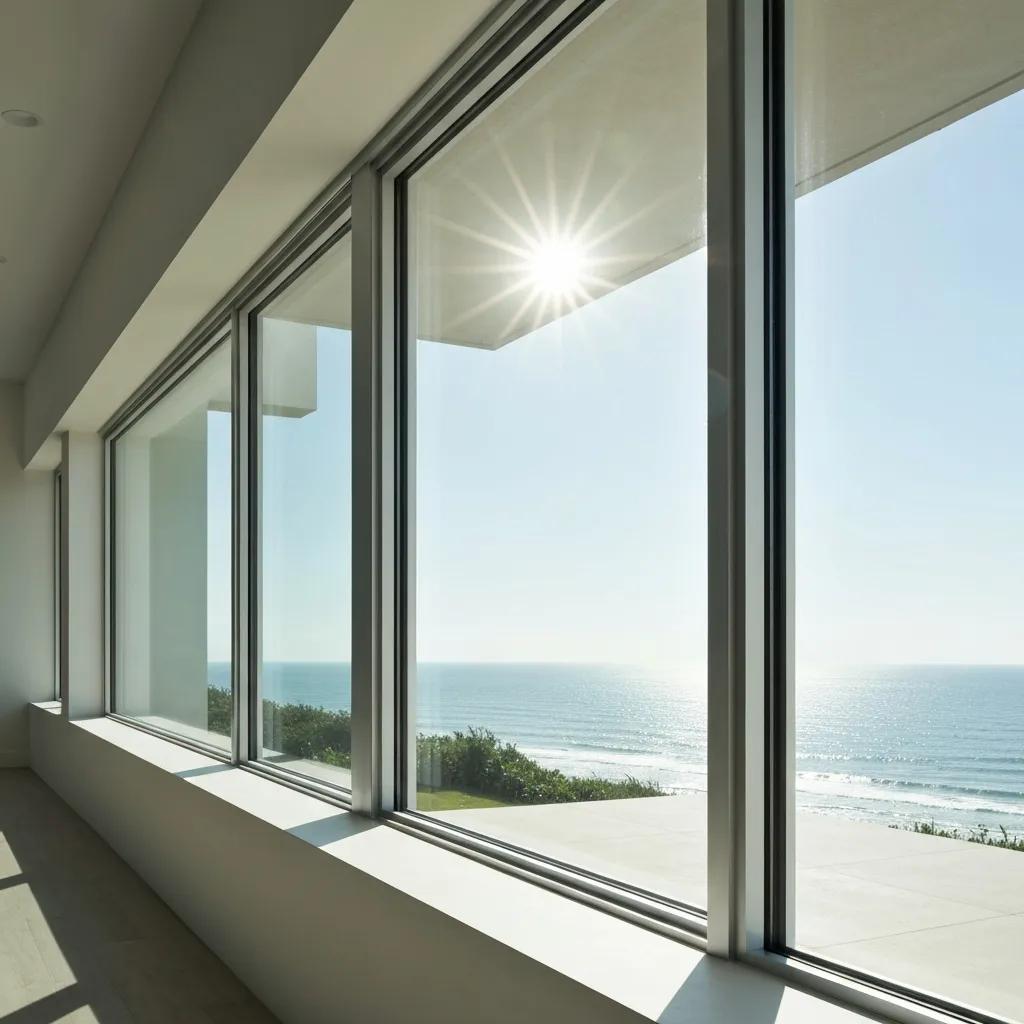
Hurricane impact windows are a permanent, laminated‑glass solution that removes the need for removable shutters or panels. Benefits include continuous protection, better sound insulation, durability that can increase property value, and potential insurance discounts. Drawbacks are the higher upfront cost and the permanence of installation, which isn’t practical for every budget or retrofit. Impact windows are often the best long‑term choice when aesthetics, constant protection, and low operational overhead are top priorities.
How Do Roll Down Shutters Compare Directly to Other Popular Protection Options?
Comparisons focus on protection level, deployment speed, cost, aesthetics, and maintenance. Roll‚Äëdown shutters generally lead for fast deployment and engineered DP‚Äërated protection, while panels and screens score higher on affordability for large coverage areas. The concise matrix below visualizes relative tradeoffs across common attributes to help you match options to budget and exposure level.
This matrix shows where roll‚Äëdown shutters shine on protection and readiness, and where other options offer savings or aesthetic benefits.
What Are the Differences Between Roll Down and Accordion Shutters?
Roll‚Äëdown shutters lower from a concealed housing and can be motorized for rapid closure; they typically reach higher DP ratings and hide when not in use. Accordion shutters fold along the window face, are manually operated, and remain visible even when open. Accordion units are generally less expensive and simpler to maintain, while roll‚Äëdown systems prioritize convenience and maximum protection. Choose based on whether you value instant, higher‚Äërated protection or lower cost and simplicity.
How Do Roll Down Shutters Compare to Hurricane Fabric and Screens?
Fabric screens and similar systems give lightweight, economical coverage for very large openings but provide less puncture and impact resistance than roll‑down shutters. Fabric is portable and cost‑effective for porches and lanais; roll‑down shutters are better for primary glazing and entry points where engineered impact performance matters. Many owners combine approaches—screens for large enclosures and roll‑down shutters for main windows and doors—to balance coverage and cost.
What Are the Advantages of Roll Down Shutters Over Storm Panels?
Roll‚Äëdown shutters deploy instantly and require no off‚Äëseason storage, offering greater convenience than storm panels, which must be installed and stored each season. Roll‚Äëdown systems are usually anchored more permanently to the structure, delivering higher effective protection during severe events. Storm panels remain a low‚Äëcost option, but they shift the labor and storage burden to the homeowner; roll‚Äëdown shutters trade that seasonal effort for an upfront investment and periodic maintenance.
What Factors Should Homeowners and Businesses Consider When Choosing Hurricane Protection?
Pick a solution by weighing budget, protection level, deployment speed, aesthetics, code compliance, and long‑term maintenance. Coastal exposure—barrier islands, open shoreline, or elevated wind zones—raises the case for higher DP‑rated systems; interior coastal properties can sometimes accept more affordable options. Insurance credits, local code requirements, and the ability to store and mount panels each season also shape the best choice. The table below summarizes the main decision factors and recommended actions to line up priorities with the right protective approach.
This decision table translates priorities into practical steps and reduces uncertainty when comparing options.
How Does Budget Affect Your Choice of Hurricane Protection?
Your budget determines whether you prioritize long‑term, high‑performance protection or lower‑cost seasonal measures—or a mix of both. Investing in roll‑down shutters or impact windows usually gives stronger, long‑term protection and less seasonal labor; storm panels and fabric screens lower the initial cost but add storage and deployment work. Include total cost of ownership—maintenance, replacement, and possible insurance savings—when weighing options. If funds are limited, protect the most vulnerable openings permanently and use affordable panels or screens for larger, less critical areas.
What Is the Ease of Operation and Deployment for Different Shutter Types?
Operation ranges from instant motorized roll‚Äëdown shutters to manually installed storm panels. Motorized shutters with battery backup provide the fastest, least labor‚Äëintensive protection; manual accordion or Bahama shutters offer reliable operation without electrical reliance. For battery systems, regular testing and periodic replacement are essential. Match your operation choice to how quickly storms arrive and your ability to deploy manual systems.
How Does Aesthetic Impact Influence Your Hurricane Shutter Selection?
Aesthetics affect neighborhood harmony, historic compatibility, and resale value. Roll‚Äëdown shutters can be made less visible with recessed housings and custom colors; Bahama and Colonial styles often integrate naturally with certain home designs. Storm panels hide when not in use but require storage. Select finishes and housing options that preserve curb appeal while delivering the protection you need.
What Level of Protection Is Required to Meet Building Codes?
Required protection is set by design pressure (DP) ratings and local code maps that reflect coastal exposure. Meeting or exceeding the applicable DP rating ensures compliance and better storm performance. When required, ask for a Design Pressure Analysis to confirm the chosen system satisfies code and insurer criteria. If unsure, consult an installer or engineer who can verify ratings and provide the necessary documentation for permits and claims.
What Additional Benefits Do Roll Down Shutters Provide?
Beyond storm protection, roll‚Äëdown shutters add security, block UV that fades interiors, reduce noise, and can qualify for insurance incentives when certified. The physical barrier deters intrusion, the shading lowers cooling loads, and sound reduction improves comfort near busy roads or waterfronts. These extras can tip the value balance in favor of higher‚Äëinvestment systems when long‚Äëterm comfort and asset protection matter.
Why Choose American Hurricane Shutters for Your Hurricane Protection Needs?
American Hurricane Shutters focuses on engineered hurricane protection across coastal North and South Carolina, offering a range of products to fit different budgets and architectural styles. They provide Design Pressure Analysis for code compliance, specify 18‚Äë8 stainless steel hardware for coastal corrosion resistance, and offer an online cost calculator plus free estimates to help owners compare options. That combination of engineered documentation and corrosion‚Äëresistant components reflects a practical focus on durability for homes in Wilmington, Myrtle Beach, Oak Island, Topsail, New Bern, and Pawleys Island. The sections below summarize their technical strengths and how to request a free estimate.
What Expertise and Quality Installation Does American Hurricane Shutters Offer?
American Hurricane Shutters takes an engineered approach—using Design Pressure Analysis when needed—to ensure the selected solutions meet performance expectations for coastal storms. Their use of 18‑8 stainless steel hardware addresses salt‑air corrosion concerns and extends system life. With options from roll‑down to accordion, Bahama, Colonial, hurricane screens, and polycarbonate panels, they tailor solutions to budgets and styles while focusing on structural anchoring and seal integrity to meet code and durability requirements for coastal properties.
How Can You Get a Free Estimate for Roll Down and Other Shutters?
To get a free estimate, have basic opening measurements and note exposure conditions so the estimator or cost calculator can model square footage, motorization choices, and DP targets accurately. The online cost calculator gives ballpark figures from inputs like opening size and motor options; a free on‚Äësite estimate factors in mounting complexity and any required engineering documentation. Gathering measurements and prioritizing openings ahead of time speeds the process and produces more accurate recommendations.
- List your priority openings: Mark windows and doors that face prevailing storm directions.
- Measure openings: Record width and height for the most accurate estimates.
- Decide operation preference: Choose motorized or manual based on convenience and power reliability.
Preparing these items helps streamline your free estimate and ensures recommendations match both budget and protection needs.
Frequently Asked Questions
What maintenance is required for roll down hurricane shutters?
Regular maintenance keeps shutters reliable. Clean tracks and guides to prevent debris buildup, lubricate moving parts for smooth operation, and test the motor and battery backup periodically. Inspect for wear after storm seasons and address any issues promptly. A simple maintenance routine helps extend service life and ensures shutters are ready when needed.
Can roll down hurricane shutters be customized for different home styles?
Yes—roll‑down shutters can be color matched, finished to blend with your façade, and installed with recessed housings for a low‑profile look. Work with a professional installer to choose design details that preserve architectural character while delivering the required protection.
How do roll down shutters impact energy efficiency?
When closed, roll‚Äëdown shutters reduce heat transfer and solar gain through windows, which can lower cooling costs and protect interiors from UV fading. They also help reduce outside noise, contributing to a more comfortable home. Those energy and comfort benefits add value beyond storm protection.
What is the typical lifespan of roll down hurricane shutters?
Lifespan varies with materials, use, and maintenance, but quality aluminum systems often last 20 years or more with proper care. Regular cleaning and lubrication, plus corrosion‚Äëresistant hardware in coastal areas, help extend operational life. Environmental factors like salt air can affect longevity, so choose durable materials and follow maintenance recommendations.
Are roll down hurricane shutters suitable for all types of windows and doors?
Roll‚Äëdown shutters are versatile and can be fitted to sliding doors, French doors, and standard windows, though installation varies by size and shape. Consult a professional installer to confirm compatibility and to ensure the system meets any required DP rating for your location; custom solutions may be needed for unusual or oversized openings.
What are the insurance benefits of installing roll down hurricane shutters?
Many insurers offer premium discounts for certified hurricane protection systems because they reduce the risk of storm damage. Documented installation and compliance with local codes can strengthen eligibility for savings. Check with your insurance provider to learn specific requirements and potential discounts tied to certified shutters.
How do I choose the right type of hurricane protection for my property?
Start by assessing your budget, exposure, and priorities for appearance and convenience. Identify the most vulnerable openings, check local code and DP requirements, and weigh deployment needs—do you want instant motorized protection or a lower‑cost manual option? Consulting with a local professional will help match protection level, cost, and aesthetics to your property’s specific needs.
Conclusion
Roll‑down hurricane shutters deliver strong, fast protection and energy benefits that make them a solid investment for many coastal homes. This guide gives you the criteria to compare options and choose what fits your budget, exposure, and aesthetic goals. For tailored advice and to explore our product range, request a free estimate. Protect your home—and your peace of mind—with the right hurricane solution for your property.
