

Comparing Costs: Roll‚ÄëDown Hurricane Shutters vs. Other Storm Protection Solutions
Overview
Roll‑down hurricane shutters are permanently mounted exterior systems that roll into a compact cassette above windows and doors to shield glazing from wind‑driven debris. They’re a common choice for exposed coastal properties. This article explains how roll‑down shutters operate, compares their installed costs to other storm protection options, and highlights how features — motorization, hardware grade, and a proper Design Pressure Analysis — affect price and long‑term value. For homeowners and business owners along coastal North Carolina and South Carolina, salt‑air corrosion and local code requirements matter. We focus on realistic cost ranges, installation complexity, maintenance expectations, and lifecycle return on investment. You’ll find clear installed $/sq ft ranges, side‑by‑side comparisons, checklists for choosing the right solution, and practical steps to get accurate, localized estimates. Where useful, we point readers toward engineered installation and professional quoting to help you make a confident decision.
What roll‑down hurricane shutters are — and what they cost
Roll‑down shutters are engineered, retractable systems made of interlocking aluminum slats that coil into a cassette above the opening. Installed manually or with motors, they ride in guide tracks to block debris and reduce pressure differences that can damage glazing or structure — a critical benefit where design pressure ratings are important. In coastal markets, typical installed costs run about $25–$60 per square foot, though a whole‑home system varies with opening count, motorization, mounting details, and complexity. Major benefits include strong impact resistance, fast motorized deployment, and improved security and light control when closed. For NC/SC coastlines, specifying corrosion‑resistant hardware and completing a Design Pressure Analysis are common steps to meet code and ensure long service life.
Which features change roll‚Äëdown shutter pricing?
Price moves with several discrete choices: material gauge, motorization, cassette size, and fastener/hardware grade. Heavier aluminum alloys and thicker slats raise material cost but extend service life. Upgrading to 18‑8 stainless steel fasteners and brackets increases upfront spend but markedly reduces corrosion risk in salt air. Motorization typically adds 20–50% over a similar manual system because of the motor, gearbox, controls, and electrical work; smart controls or remote options add more. Custom widths, multiple finishes, and integration with impact‑rated windows or oversized cassettes also increase cost. Understanding how each feature affects price helps you weigh upfront savings against lifetime durability.
How installation affects total price
Labor and installation complexity are a big portion of the final bill. Retrofit installs are often costlier than new construction because of access, anchors, and potential structural reinforcement. Mounting to masonry or through layered framing requires special anchors and more time; multi‑story jobs need lifts and stricter safety measures. A Design Pressure Analysis and permit work add engineering and administrative costs but can prevent expensive rework and may qualify you for insurance credits. Using higher‑quality hardware and professionally fitted guide tracks increases installation time but extends useful life. Defining the installation scope early — soffit access, housing modifications, and electrical runs — helps avoid surprises and speeds installation when storms approach.
How other storm protection options stack up on cost and performance
Common alternatives include accordion shutters, removable storm panels (aluminum or polycarbonate), hurricane fabric screens, and impact‑resistant windows. Each has a different cost profile, protection level, and operational trade‑off: accordion shutters are permanently mounted and deploy quickly but are visible when closed; storm panels are usually the lowest up‑front cost but need storage and manual handling; screens are lightweight and work well for large openings like lanais; impact windows provide continuous protection and energy benefits but have the highest initial cost. Comparing options means looking at installed $/sq ft, installation complexity, maintenance cadence, and how much storage or manual deployment you’re willing to manage.
Use cases and trade‚Äëoffs at a glance:
- Typical storm protection options and when they fit:
Accordion shutters: when quick, permanent deployment is needed and visible tracks are acceptable.
Storm panels: when budget is tight and removable protection with seasonal storage is fine.
Hurricane screens: for very large openings where debris resistance and minimal visual impact matter.
Impact windows: for homeowners seeking permanent protection plus energy efficiency and curb appeal.
These trade‑offs make it important to list priorities — cost, ease of use, permanence, aesthetics — before choosing a system, since each solution balances those attributes differently.
Accordion shutters vs. roll‑down shutters — costs and benefits
Accordion shutters are a hinged, permanently mounted option that usually costs less per opening than a motorized roll‑down system because they don’t require motors or cassettes. They install quickly and operate simply — swing closed — which reduces labor time. They’re commonly chosen for ground‑level windows and doors where visible tracks are acceptable. Roll‑down shutters, in contrast, tuck away for a cleaner retracted look and offer automated deployment for high or hard‑to‑reach openings, at a higher cost when motorized. Accordion systems often have lower maintenance needs because of fewer moving parts, while roll‑down shutters typically provide stronger seals against wind infiltration and better security — advantages that can translate to insurance and energy benefits over time. The right choice depends on aesthetics, automation preference, and budget.
Hurricane screens vs. storm panels — protection and price differences
Hurricane screens are tensioned fabric meshes that shade and resist modest impacts at moderate installed cost, making them suitable for large openings where rigid panels are impractical. Storm panels, made from aluminum or polycarbonate, are usually the cheapest per square foot but require manual installation and secure off‑site storage, which introduces hidden lifecycle costs like transport and handling. Screens keep sightlines and ventilation when used, but they don’t match the ballistic resistance of rigid panels or roll‑down systems; panels give solid debris protection but require planning for storage and manpower during warnings. Practical guidance: choose screens for large, frequently used openings with limited storage, and panels where upfront cost and manual deployment are acceptable.
Detailed cost comparison: roll‚Äëdown shutters and common alternatives
Below is a structured comparison covering typical installed $/sq ft, installation complexity, expected lifespan, and maintenance frequency across common storm protection types. Looking at lifecycle cost — not just the initial sticker price — shows where higher first costs can lower replacement or repair expenses over time, especially in salt‑air environments.
This table shows roll‚Äëdown shutters sit in the upper middle of installed cost but deliver hands‚Äëfree operation and long service life when specified and installed correctly. For many coastal properties the choice comes down to whether you want a permanent, automated system with long durability or a lower‚Äëcost, manual option that needs storage.
How initial, installation, and maintenance costs differ
Material price is only one piece of total cost. Installation labor, permits, engineering (Design Pressure Analysis), and hardware grade can push the installed price notably higher. Roll‚Äëdown systems carry higher material and installation costs because of motors, electrical work, and cassette housings; accordion shutters avoid motors but require precise track alignment. Storm panels are inexpensive upfront but can add recurring handling and replacement costs. Maintenance items vary: motor service for roll‚Äëdown systems, hinge and track care for accordion shutters, and fabric replacement for screens. Plan for an annual inspection budget. When you include purchase, installation, routine maintenance, and occasional repairs, you get a more realistic lifecycle budget than comparing sticker prices alone.
Lifespan and durability across solution types
Longevity depends on material quality, salt‚Äëair exposure, and corrosion resistance. Aluminum roll‚Äëdown shutters installed with stainless fasteners and professional workmanship commonly last two decades or more. Fabric screens usually have a shorter life in coastal salt spray and may need replacing sooner. Storm panels can last a long time if stored properly but are vulnerable to dents or edge damage. Impact windows typically last longest as permanent glazing, but their replacement cost is also highest. Warranty terms often depend on certified installation and corrosion‚Äëresistant hardware; choosing quality materials and following maintenance schedules extends life and reduces total ownership cost.
How hurricane protection investments can save money over time
Engineered hurricane protection can lower expected storm repair costs, qualify you for insurance discounts when systems are certified, and reduce cooling loads by blocking solar gain — all of which improve lifecycle ROI. Many insurers offer premium reductions for certified, engineered systems; when you combine those discounts with fewer storm claims, higher‑quality systems can pay back over time. Energy savings come from reduced solar heat gain when shutters or impact windows are closed, lowering HVAC runtime during hot months. The table below summarizes insurer discount possibilities, energy‑savings estimates, and typical payback ranges to illustrate realistic financial outcomes.
When insurance savings and energy reductions are combined, higher initial investments often look more attractive over a 10–15 year horizon — especially in high‑risk coastal zones where preventing damage matters most.
Do hurricane shutters affect insurance premiums in coastal NC and SC?
Insurance effects depend on carrier rules, product certification, and proper documentation of installation. Many insurers require engineered product ratings or a documented Design Pressure Analysis to qualify for discounts. Collect installation certificates, permits, and product spec sheets to make sure you’re eligible. Exact discounts vary by company and locality, but certified systems frequently qualify property owners for meaningful premium reductions compared with unprotected homes. In coastal North Carolina and South Carolina, working with installers who know local insurer documentation practices helps secure available discounts and avoids missed opportunities.
Energy benefits of roll‚Äëdown shutters and alternatives
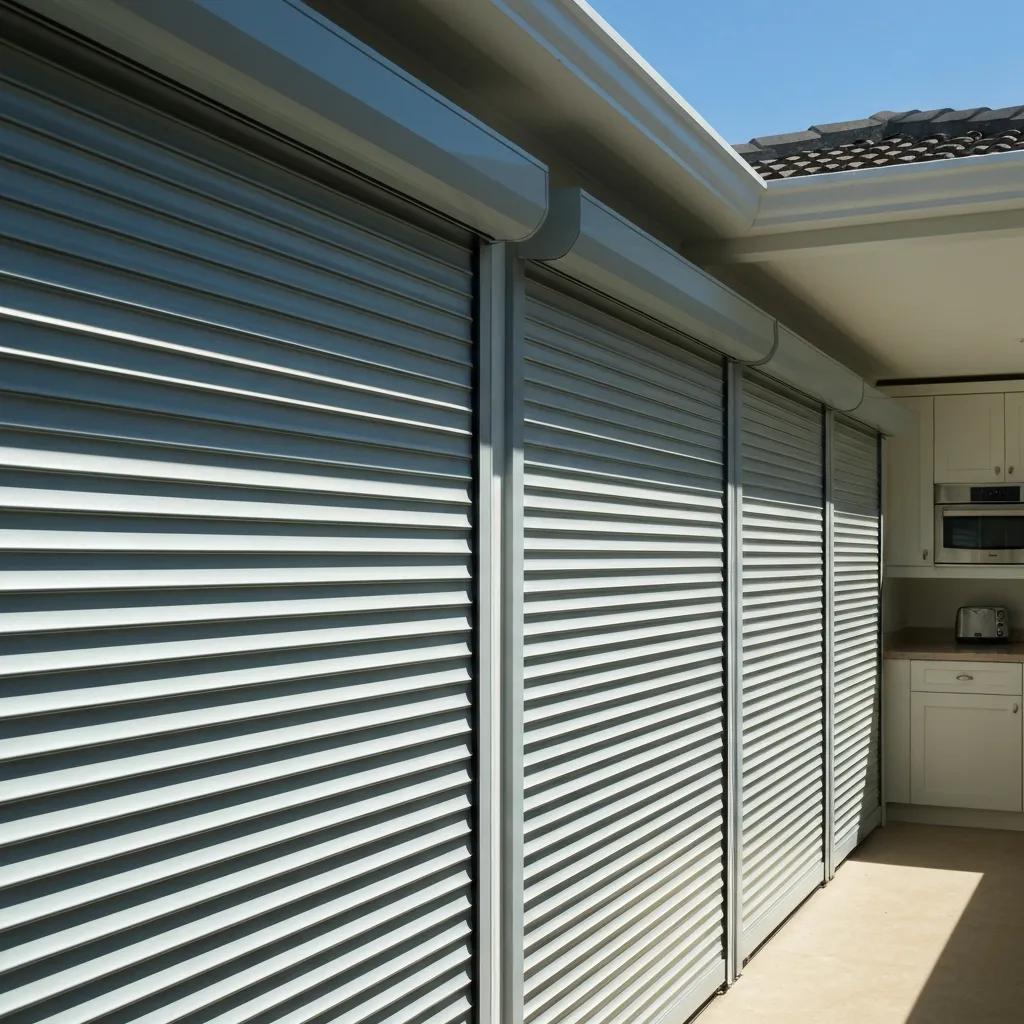
Shutters and storm systems reduce solar heat gain by shading glazing, which lowers interior temperatures and shortens air‚Äëconditioning run time. Savings depend on orientation, glazing type, and local climate. Roll‚Äëdown shutters form a tight closure that blocks direct radiation and can produce measurable cooling savings; impact windows improve year‚Äëround thermal performance by replacing less efficient glazing. Hurricane screens and storm panels offer varying shading and insulation: screens reduce solar gain while keeping ventilation, and panels block solar input when deployed. Over multiple cooling seasons, reduced HVAC use adds up to noticeable ownership savings and greater comfort during heat waves or grid interruptions.
How to choose the right storm protection for your Coastal Carolina property
Choosing the best option means balancing budget, protection level, aesthetics, maintenance tolerance, and code requirements like Design Pressure ratings. Start by listing priorities — is lowest upfront cost your goal, or do you want hands‑free protection and a long service life? Use that ranking to narrow options. Also consider exposure: waterfront or highly exposed lots justify higher‑rated solutions such as roll‑down shutters or impact windows; lower‑exposure properties may do well with panels or screens.
This mapping narrows choices and highlights systems that deserve on‚Äësite quotes and a Design Pressure Analysis to confirm structural and code compliance.
Budget and curb‚Äëappeal trade‚Äëoffs to consider
Think beyond sticker price: include storage and transport for panels, periodic fabric replacement for screens, and potential motor servicing for automated shutters. Aesthetic trade‑offs include visible tracks on accordion shutters, cassette housings for roll‑down systems, and whether permanent options like impact windows suit your home’s style and resale expectations. Custom finishes, factory color matching, and bespoke housings cost more but improve curb appeal and resale value; removable panels let you keep the original facade when stored. Balance resale impact against immediate budget needs to choose between a permanent upgrade and seasonal protection.
How local codes and storm risks shape your decision
Local building codes and required Design Pressure ratings can restrict acceptable products, often favoring certified systems that meet or exceed state wind‚Äëload standards. Some counties or municipalities require specific labeling, engineering documentation, or permits for permanent installs, so reviewing code early is important. Higher‚Äërisk shoreline zones typically have stricter rules and benefit from engineered solutions like roll‚Äëdown shutters or impact glazing with documented ratings. Consult local building officials or qualified installers to confirm chosen products meet code and insurance documentation needs to avoid costly retrofits.
Where to get accurate estimates and professional installation
Accurate pricing depends on on‚Äësite measurements, a Design Pressure Analysis, and an evaluation of structural conditions. Online calculators give quick ballpark numbers, but local quotes capture site‚Äëspecific complexities like soffit obstructions and multi‚Äëstory rigging. Professional providers in coastal North Carolina and South Carolina offer engineered solutions and typically combine online tools with free consultations to deliver tailored proposals that spell out hardware grade, motorization, and installation scope. Follow the steps below to secure reliable estimates and make sure the selected system meets performance and code expectations.
- Steps to obtain accurate cost estimates:
Schedule an on‚Äësite consultation to measure openings and assess structural conditions.
Request a Design Pressure Analysis to confirm required wind‚Äëload ratings for each opening.
Ask for itemized proposals separating materials, labor, permits, and any reinforcement work.
Verify corrosion‚Äëresistant hardware specifications (for example, stainless fasteners) are included.
Following these steps reduces the chance of change orders and makes proposals comparable across providers. Working with local experts who understand NC/SC coastal exposures gives regulatory confidence and better long‚Äëterm performance.
How American Hurricane Shutters helps with estimates
American Hurricane Shutters provides a comprehensive online cost calculator plus free consultations and estimates to help homeowners and businesses evaluate engineered hurricane protection. We emphasize engineered installations — including 18‑8 stainless hardware and Design Pressure Analysis — and offer Roll Down Shutters, Accordion Shutters, Bahama and Colonial styles, Hurricane Screens, Clear and Aluminum Panels, and Flat Polycarbonate (Lexan). A site visit from a qualified installer ensures quoted systems match local code and exposure needs and produces the most accurate installed pricing.
Why local experts matter for NC and SC coastal properties
Local installers know county‚Äëlevel codes, regional exposure patterns, and the hardware and detailing that resist salt‚Äëair corrosion. They can speed permit handling, schedule installations before storm season, and provide quicker post‚Äëinstallation service than non‚Äëlocal contractors. Regional experience also yields realistic lifespan and maintenance expectations for areas like Wilmington, Myrtle Beach, Oak Island, Topsail, New Bern, and Pawleys Island. Choosing a local, engineered installer increases the chance your system will meet code and perform reliably over its expected life.
Frequently Asked Questions
1. What maintenance do roll‚Äëdown hurricane shutters need?
Keep tracks and guide rails clear of debris, clean and lubricate moving parts, and periodically test motors and electrical components. A seasonal operation check — especially before hurricane season — helps catch issues early. Follow the manufacturer’s maintenance recommendations and schedule professional servicing as needed to extend lifespan and ensure reliable operation.
2. Are there tax incentives for installing hurricane shutters?
Some local or state programs and utility rebates may apply, especially when installations deliver energy efficiency improvements. Incentives vary by jurisdiction, so check with local authorities or a tax professional. Also ask your insurance company about premium discounts for certified systems — that’s often where the most predictable financial benefit appears.
3. How do I know if my home needs hurricane shutters?
Consider location, exposure, and window/door sizes. Coastal homes or properties in hurricane‚Äëprone areas benefit most from permanent protection. Large glazing areas and high‚Äëexposure lots make stronger, certified solutions more important. A local installer can evaluate your property and recommend the appropriate level of protection.
4. Can I install hurricane shutters myself?
Some owners install simple systems themselves, but professional installation is recommended for permanent, certified systems. Pros ensure proper alignment, secure anchoring, and code compliance — including any Design Pressure Analysis requirements — and they reduce the risk of costly errors.
5. What are the environmental impacts of different storm protection solutions?
Impacts depend on material and lifecycle. Aluminum shutters are recyclable and durable, while some fabric‚Äëbased options may need replacement more often, increasing waste. Impact windows improve energy efficiency and reduce long‚Äëterm energy use. Consider durability, recyclability, and operational energy effects when weighing options.
6. How do I prepare my home for hurricane season besides installing shutters?
Create an emergency plan with evacuation routes and communication steps. Maintain your property by trimming trees, securing outdoor furniture, and inspecting roof and gutters. Stock essential supplies and have a professional check for vulnerabilities well before storm season.
7. What should I do if my shutters are damaged in a storm?
Wait until it’s safe to inspect. Photograph damage for insurance, avoid operating damaged shutters, and contact your insurer and a qualified installer for assessment and repair. Regular maintenance and professional installation reduce the risk of major damage in future storms.
Conclusion
Roll‑down hurricane shutters deliver reliable, hands‑free protection and strong long‑term value for many coastal properties, but the best choice depends on your budget, exposure, and aesthetics. Compare installed $/sq ft, maintenance expectations, and code requirements, then get an on‑site quote with a Design Pressure Analysis to lock in accurate pricing. If you’d like help, contact us for a free consultation and personalized estimate — we’ll evaluate your property and recommend the solution that balances protection, cost, and curb appeal.
