
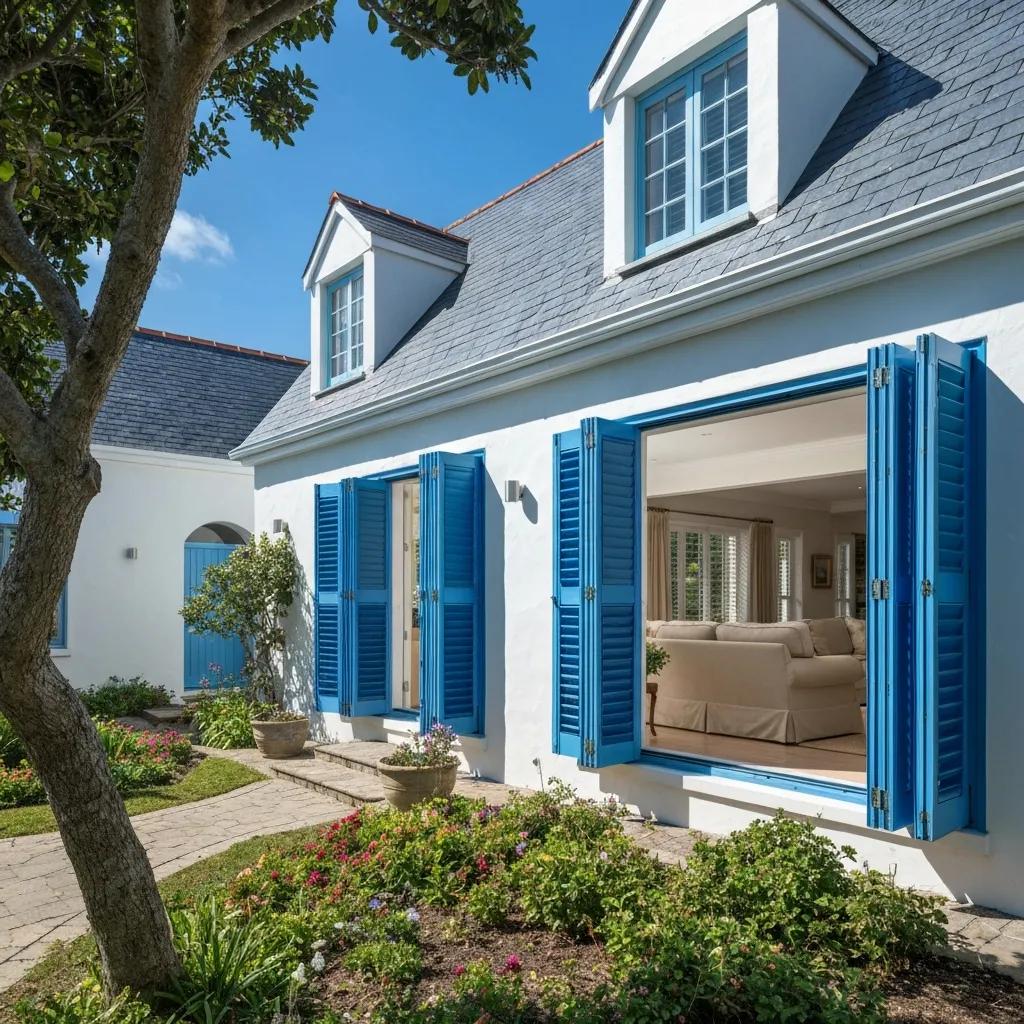
Accordion Shutters vs. Other Storm Protection: Costs, Value and What Homeowners Really Say
Accordion shutters are permanent, hinged coverings that fold along vertical tracks to secure windows and openings. When anchored with the right fasteners, they deploy quickly and offer continuous wind resistance. This guide compares installed costs, long-term value, and real homeowner feedback for accordion shutters and common alternatives—manual and motorized roll-downs, Bahama and Colonial styles, aluminum and clear storm panels, hurricane screens, and impact windows—so coastal North and South Carolina homeowners can choose with confidence. Many people wrestle with balancing upfront expense against multi-year protection and possible insurance savings; by blending cost-per-square-foot estimates, review patterns, and local code context (ASTM/Florida Building Code), this piece clarifies the trade-offs. Below we define accordion shutters and typical installed costs, contrast roll-down and architectural options, assess panels and screens for budget buyers, break down cost drivers, review customer sentiment on durability and value, explain insurance and resale effects, offer a Coastal Carolina decision checklist, and show how to get a free estimate with an online cost calculator. Throughout, terms like cost per square foot, whole-home installed cost, motorization premium, and stainless-steel fasteners connect budgeting to real-world performance and homeowner satisfaction.
What Are Accordion Shutters and How Do Their Costs Compare?
Accordion shutters are continuous panels that fold open for daily use and lock into vertical tracks to resist wind and flying debris. They transfer wind loads through tracks and mounting brackets into the building, giving immediate, no-storage protection. Their main advantage is fast manual deployment combined with strong wind resistance when installed using specified fasteners. Market-installed cost ranges (2023–2025) vary with material grade, opening complexity, and labor—placing accordion shutters between fixed rigid systems and low-cost removable panels. Knowing these cost bands helps homeowners weigh look, convenience, and long-term durability before comparing alternatives. The following sections break down average installed costs and common reviewer feedback.
Accordion shutters: cost, features and lifespan estimates to guide your budgeting and comparison.
Use this table as a starting point for budget estimates before you measure actual openings. The per-square-foot range covers typical installs; unusual features or complex openings push costs toward the higher end.
What Is the Average Installed Cost of Accordion Shutters?
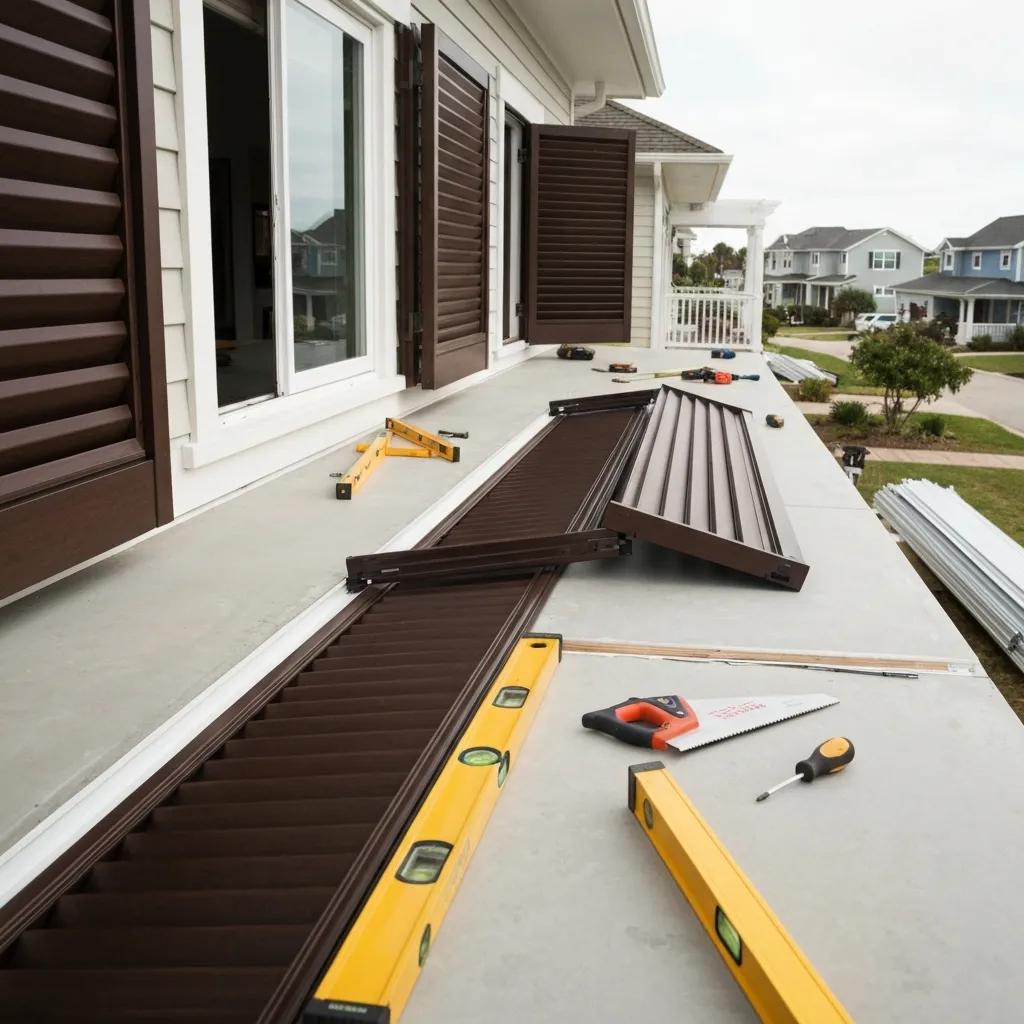
Installed cost depends on panel thickness, finish, number of openings, and any required structural reinforcement. Recent market figures fall within the per-square-foot band shown above, and whole-home totals for a 2,000–2,500 sq ft coastal home commonly sit in the example range. Installed pricing typically includes panels, tracks and guides, mounting brackets, fasteners (18-8 stainless steel recommended for coastal exposure) and labor for anchoring and finishing; permits and inspections may add to the final bill. Regional labor rates and permit fees in coastal North and South Carolina influence quotes, and complex openings—arches, large sliders, or bays—increase fabrication and labor. Knowing what “installed” covers helps you compare quotes on an apples-to-apples basis.
Installation scope naturally leads homeowners to ask about real-world experience; the next section summarizes pros and cons from reviews.
What Are the Pros and Cons of Accordion Shutters According to Customers?
Homeowner reviews typically call out three practical benefits: quick deployment with no storage, strong physical protection, and low day-to-day maintenance when quality fasteners and tracks are used. Many owners say the solid panels provide visible security and peace of mind during storm season, especially when properly anchored and cared for. Downsides mentioned include the shutters’ visible appearance when closed and sometimes higher upfront cost versus removable panels or screens; a few owners report early operational stiffness that routine maintenance clears up. Review trends show perceived value often tracks installation quality and the right material choices for coastal conditions—both of which affect long-term satisfaction and warranty outcomes.
How Do Roll-down Shutters Compare to Accordion Shutters in Cost and Performance?
Roll-down shutters use interlocking slats that roll into a headbox and run in side guides, giving a compact stowed profile and lower visual impact when retracted. They form a continuous curtain that transfers loads into the building; motorized versions add push-button convenience but bring extra complexity and maintenance. Cost-wise, manual roll-downs usually start near or slightly above accordion shutters per square foot, while motorized systems add a noticeable premium for motors, controls and electrical work. The next sections give price comparisons and summarize homeowner sentiment on automation, reliability and upkeep.
Below is a quick comparison table of price ranges, benefits and drawbacks for common shutter types to help with quick decisions.
This table highlights typical installed ranges and trade-offs; motorization adds convenience but also lifecycle maintenance considerations.
What Is the Price Range for Roll-down Shutters vs. Accordion Shutters?
Prices reflect hardware complexity and installation scope. Manual roll-downs often start near the mid-range of accordion shutters but climb with reinforced slats and large openings. Motorized roll-downs add motors, control options and possible electrical work, frequently increasing installed cost by several hundred to a few thousand dollars per opening depending on control type (wall switch, remote or smart-home integration) and how many motors must be synchronized. When weighing cost vs. convenience, account for lifecycle factors—motor repairs and electrical upkeep can add long-term costs while delivering real usability gains for multi-story or hard-to-reach openings.
What Do Customers Say About Roll-down Shutters Compared to Accordion Shutters?
From aggregated reviews, many homeowners praise motorized roll-downs for convenience and neat stowage, noting faster deployment and improved curb appeal when retracted. Manual roll-down and accordion users report strong protection and relatively low maintenance when components are correctly installed with corrosion-resistant fasteners, though some reviewers mention motor upkeep or occasional slat repair for roll-down systems. Overall, satisfaction often lines up with installation quality: professionally installed, code-compliant systems get the best feedback. When budget permits, homeowners often choose ease of use and aesthetics; others prefer accordion shutters for simplicity and fewer mechanical parts.
What Are the Costs and Benefits of Bahama and Colonial Shutters?
Bahama and Colonial shutters add architectural character while offering partial storm protection. Bahama shutters hinge at the top to provide shade and secondary protection; Colonial shutters are side-hinged panels that serve both decorative and protective roles. These styles prioritize curb appeal as much as wind resistance; cost drivers include custom sizing, decorative hardware and material choice (aluminum vs. wood-look composites). For owners who want daily shade and style with occasional storm coverage, these shutters balance looks and function, though they generally won’t match the continuous wind-resistance of accordion or roll-down systems in severe storms.
When considering Bahama or Colonial shutters, weigh aesthetic value against protective performance and the resulting cost.
- Bahama and Colonial shutters typically cost more per unit when heavily customized.
- They add curb appeal that can improve perceived property value.
- Protection performance varies with material grade and how they’re mounted.
Many buyers choose architectural shutters where daily shade and appearance matter, and select continuous systems for highest storm resistance.
How Do Bahama and Colonial Shutters’ Prices Compare to Accordion Shutters?
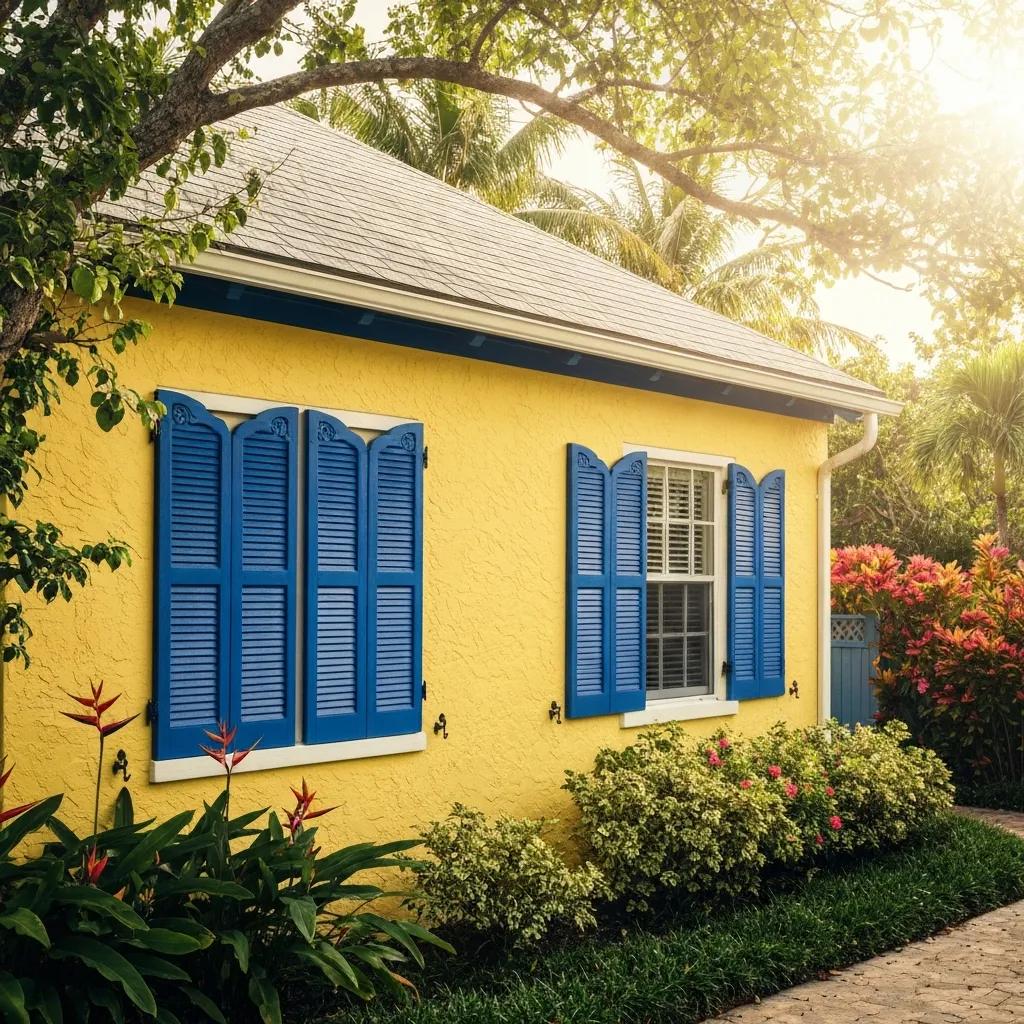
Price depends heavily on customization. Standard aluminum Bahama or Colonial shutters can fall in the mid-range of accordion pricing, but decorative finishes, custom profiles and structural reinforcement for wind-load compliance raise costs. If aesthetics drive your choice, homeowners often accept higher per-window pricing as an investment in curb appeal and resale. That said, meeting hurricane-code requirements (ASTM or FBC) for decorative shutters can require added reinforcement and significantly increase installed cost. The trade-off is between design goals and certified wind-resistance for coastal properties.
Appearance often steers choices toward these styles, but code and reinforcement needs determine final performance and price.
What Customer Feedback Highlights the Appeal of Bahama and Colonial Shutters?
Homeowners often praise Bahama shutters for daytime shade and satisfactory protection when closed, and they compliment Colonial shutters for classic looks that boost curb appeal. Many report positive buyer impressions at resale when architectural shutters are well-made. However, reviewers warn these styles usually offer less continuous impact resistance than accordion or roll-down systems unless engineered and reinforced for code compliance. The takeaway: architectural satisfaction is high when shutters are properly built, but verify structural ratings if you expect primary storm protection.
How Affordable Are Hurricane Panels and Screens Compared to Shutters?
Hurricane panels and screens are usually the lowest upfront-cost options, especially for homeowners comfortable with removable systems or DIY installation. Aluminum storm panels and clear polycarbonate (Lexan) panels are lower-cost materials than fixed shutters, but they require storage and manual deployment. Hurricane screens keep airflow and minimize visual impact, but they often trade off maximum impact resistance. These choices suit budget-conscious owners, rental properties, or those who need occasional coverage; the following sections quantify cost differences and summarize user perspectives on ease and protection.
Below is a compact comparison of aluminum panels, clear panels and accordion shutters for quick cost context and storage/deployment notes.
This table highlights material cost differences and operational trade-offs; factor in hidden costs like storage racks and labor when you compare options.
What Are the Cost Differences Between Aluminum, Clear Panels, and Accordion Shutters?
Aluminum and clear polycarbonate panels have lower material costs than installed shutters, but total cost depends on whether you DIY or hire pros. DIY panels cut labor costs but increase personal time and require correct anchoring for effective protection. Accordion shutters remove storage needs and offer continuous protection but typically require higher upfront capital and professional installation. Hidden costs—storage, repeated installation labor, and possible post-storm replacement—matter when judging true affordability between panels and shutters.
Accounting for recurring and hidden costs clarifies when panels are genuinely the cheaper long-term choice versus an upfront savings option.
How Do Customers Rate Hurricane Panels and Screens for Ease of Use and Protection?
Reviews commonly describe panels as a practical, low-cost seasonal solution: buyers appreciate the price but note storage hassles and the physical work of mounting many panels. Hurricane screens earn praise for preserving views and airflow, but reviewers often treat them as secondary protection suitable for lower wind events. For frequent storm zones, many reviewers recommend permanent shutters; panels and screens are seen as reasonable for occasional use or properties where cost and interior aesthetics are the priority.
What Factors Influence the Cost of Hurricane Shutters and Protective Solutions?
Key cost drivers across shutter types include material grade and finish, opening size and complexity, motorization, customization and architectural features, and the installation method—especially specified fasteners and structural reinforcement. These factors interact: complex openings raise both material and labor multipliers, while motorization adds equipment and electrical work. Understanding which items move a quote most helps you set realistic budgets and prioritize upgrades that deliver the best value for your property’s risk profile.
The table below outlines typical impacts so homeowners can anticipate what changes a quote most.
This table clarifies how specifying premium materials or complex installs affects your final quote.
How Do Materials, Size, and Installation Affect Shutter Pricing?
Material choice is foundational: heavier-gauge extrusions, premium powder-coat finishes and corrosion-resistant fasteners raise manufacturing and installation costs but extend lifespan in coastal conditions. Size and opening complexity scale fabrication and labor—arched or multi-panel openings require bespoke parts and careful on-site adjustments. Proper, code-compliant installation may need extra framing or reinforcement, increasing installed cost but reducing failure risk and helping insurance acceptance. Budgeting for these items upfront prevents surprises and makes bid comparisons fairer.
Careful specification also affects potential insurance discounts and warranty coverage—consider these when you choose materials and installation scope.
Does Motorization or Customization Increase Accordion Shutter Costs?
Yes. Motorization adds a clear premium: motors, control panels or remotes, wiring and smart-home integration all raise upfront cost and long-term maintenance. Typical motorization premiums are reflected in earlier comparisons and vary with the level of automation you choose. Customization—color matching, unique sizes, integrated locks or structural reinforcements—increases fabrication time and material costs. Weigh convenience and accessibility against likely resale appeal and frequency of use when deciding whether to motorize or customize.
Understanding these premiums helps you prioritize features: convenience for active households, structural upgrades for higher-risk properties.
How Do Customer Reviews Reflect the Value and Effectiveness of Different Hurricane Protection Options?
Customer reviews add qualitative and sometimes quantitative insight into value, durability, ease of use and installer quality that price lists miss. Aggregated themes show professionally installed systems using certified components and corrosion-resistant fasteners earn higher satisfaction, while DIY installs or low-cost panels can produce mixed long-term impressions. Reviews often tie perceived ROI to both storm performance and installation quality, meaning social proof can shape expectations about maintenance and lifespan.
Common review themes and how they shape buying decisions:
- Durability praise: Owners applaud shutters that survive storms with little damage.
- Installation satisfaction: Positive reviews frequently call out professional, code-compliant installers.
- Cost vs. peace of mind: Many say they preferred paying more upfront to avoid post-storm repairs.
These themes often push buyers from budget panels to permanent shutters when ongoing protection and low maintenance matter most.
What Do Homeowners Say About the Durability and Performance of Accordion Shutters?
Across reviews, accordion shutters score well for durability when anchored with proper fasteners and maintained. Homeowners report reliable performance across seasons when routine upkeep is done. Review-based lifespan estimates match expected ranges of 15–25 years for well-maintained installs, and many owners cite the lack of storage hassles and dependable protection as top benefits. When issues appear, they usually trace back to poor installation or neglected maintenance—so product choice and installer quality together determine long-term value.
Positive durability feedback often leads owners in frequent-storm areas to choose permanent systems over removable options.
How Do Reviews Influence Choosing Between Shutter Types and Other Solutions?
Reviews guide buyers toward the attributes they value most: quick deployability, low upkeep, looks, or lowest upfront cost. Homeowners facing repeated storm exposure often pick shutters after reading reviews that stress storm performance and experienced installers; those prioritizing budget and DIY flexibility often choose panels based on fellow buyers’ affordability reports. Interpreting reviews alongside local code, exposure and maintenance capacity helps translate sentiment into practical decisions and reduces the risk of underinvesting.
How Can Hurricane Shutters Impact Insurance Premiums and Property Value?
Certified hurricane protection can lower insurance premiums and improve buyer confidence, but outcomes depend on insurer rules, product approvals and documented compliance. Insurers usually require approved-product listings and proof of professional installation to grant discounts; shutters meeting ASTM or Florida Building Code standards are more likely to qualify. From a resale standpoint, documented protection can make a home more attractive in coastal markets where storm risk matters to buyers.
The sections below outline insurer requirements and how shutters can affect resale.
Do Accordion Shutters and Other Solutions Qualify for Insurance Discounts?
Many insurers offer premium reductions when a home has certified hurricane protection, but eligibility usually requires product listings on approved lists, documented compliance with relevant standards (ASTM E1996/E1886, Florida Building Code where applicable), and proof of professional installation. Collect product certificates, installation records and inspection permits to submit for discount review. Discounts vary by insurer and region, but thorough paperwork increases your chance of savings and helps demonstrate the long-term value of higher-grade systems.
Keeping complete documentation supports insurance savings and simplifies resale negotiations later.
How Does Installing Hurricane Protection Affect Home Resale Value?
Certified shutters and protective systems can boost buyer confidence and curb appeal, which may help resale value in storm-prone markets. Buyers often see documented, code-compliant protection as lowering future repair risk. The resale impact depends on buyer preferences—some prefer concealed systems like motorized roll-downs or impact windows, while others value visible, permanent shutters for perceived durability. Professionally installed, well-documented protection converts to appraisal-positive signals more readily than ad hoc or DIY measures.
These resale factors reinforce choosing code-compliant, well-documented systems to preserve long-term property value.
How to Choose the Best Hurricane Protection Solution for Coastal Carolina Homes?
Pick the right protection by assessing storm risk, budget, aesthetics, maintenance capacity and local codes. Inventory openings, consider likely storm scenarios, and prioritize solutions that balance daily use with storm readiness. Coastal North and South Carolina homeowners should decide whether permanent systems (accordion or roll-down) or removable panels/screens better fit occupancy patterns and storage options. Consult a qualified local installer who knows jurisdictional codes and can provide itemized installed-cost estimates to turn priorities into a defensible plan.
Use this checklist to organize decisions and prepare for quotes.
- Assess risk and frequency: Rate your property’s exposure and choose protection accordingly.
- Inventory openings: Count windows and doors, noting special shapes and large sliders.
- Set a budget range: Include materials, installation, maintenance and permit costs.
- Verify code compliance: Ask about ASTM/FBC ratings and documented approvals.
- Compare lifecycle costs: Consider maintenance, storage and likely replacement timelines.
Following this checklist creates clearer vendor comparisons and reduces surprises during permitting and installation.
What Local Building Codes Should Homeowners Consider When Selecting Shutters?
Check local adoption of national standards (ASTM E1996/E1886) and the Florida Building Code where relevant, plus any Miami-Dade TAS protocols some jurisdictions use. These standards define impact and cyclic wind-load testing many insurers and permitting authorities require. Talk with your local building
