

Roll‑Down vs. Traditional Hurricane Shutters: How Each Choice Shapes Your Home’s Look
Choosing hurricane protection today means balancing performance with curb appeal. Homeowners who want storm resilience without sacrificing style need clear, practical guidance on how different shutter systems affect a home’s appearance before, during, and after a storm. This article examines roll‚Äëdown and traditional shutters with design front of mind: how each system works, how housings and materials influence visual integration, and how to preserve architectural character across coastal North and South Carolina. You‚Äôll get the defining aesthetic traits of roll‚Äëdown, Colonial, Bahama, and Accordion shutters; customization and maintenance tips to keep them looking their best; and advice on matching shutter styles to modern, historic, and coastal home types. We also cover marketability and ROI considerations for listings and insurance, plus side‚Äëby‚Äëside comparisons and practical checklists so you can decide with confidence. The focus is on design outcomes‚Äîvisibility when retracted, perceived bulk when deployed, and texture and color choices‚Äîso you can protect your home without compromising the look you worked to create.
What Are Roll Down Hurricane Shutters and Their Key Aesthetic Features?
Roll‑down hurricane shutters use interlocking slats that unroll from a compact housing to cover windows and doors. The slats ride in vertical tracks and tuck into a housing box when not in use, which lets these shutters largely disappear into the façade. Visually they offer a low profile that suits modern and minimalist homes: clean horizontal lines, a uniform surface when closed, and the ability to color‑match housings and slats to siding or trim for a cohesive curb appeal. Knowing these visual strengths helps explain why roll‑downs are chosen where concealed protection and uninterrupted façade lines are priorities, and sets the stage for comparing them with more decorative, visible shutter styles.
How Do Roll Down Shutters Enhance Modern Home Design?
Roll‚Äëdown shutters support modern design by preserving uninterrupted wall planes and emphasizing a simple horizontal rhythm across openings. When retracted, a well‚Äëintegrated housing can sit behind soffits or cornices so it doesn’t interrupt a clean roof‚Äëto‚Äëwall line, which keeps minimalist compositions intact. Motorized systems further reduce visual clutter by eliminating frequent manual hardware and allowing housings to remain hidden most of the time. These qualities make roll‚Äëdowns a natural fit for contemporary coastal homes with large glass areas and simple geometry, and they pair well with finishes that reinforce a modern palette.
What Are the Color and Customization Options for Roll Down Shutters?
Roll‑down shutters come in a wide range of finishes—powder‑coat colors, anodized aluminum, and textured coatings—that let homeowners tie shutters to siding, trim, or window frames. Housings can be painted to match trim lines or wrapped with cladding so they visually recede, and slat profiles range from narrow to broad to affect how light and shadow play across the façade. Neutral, matte finishes tend to support minimalist aesthetics, while subtle textures and complementary hues let roll‑downs blend into more traditional palettes. In short, roll‑downs can either disappear or become a deliberate design element, depending on your finish and housing choices.
What Defines Traditional Hurricane Shutters and Their Visual Impact?
Traditional hurricane shutters—Colonial, Bahama, and Accordion types—are visible, often decorative systems that protect openings while contributing stylistic character to a home’s exterior. Each subtype functions differently: Colonial shutters mount as side panels, Bahama shutters hinge at the top to create a slanted shade plane, and Accordion shutters fold into side stacks when open. Visually, traditional shutters read as architectural details whether open or closed: they frame windows, create shadow lines, and offer material and hardware choices that reinforce historic or coastal character. Knowing these signatures helps homeowners pick shutters that protect and enhance period proportions or tropical style.
How Do Colonial Shutters Add Classic Charm to Homes?
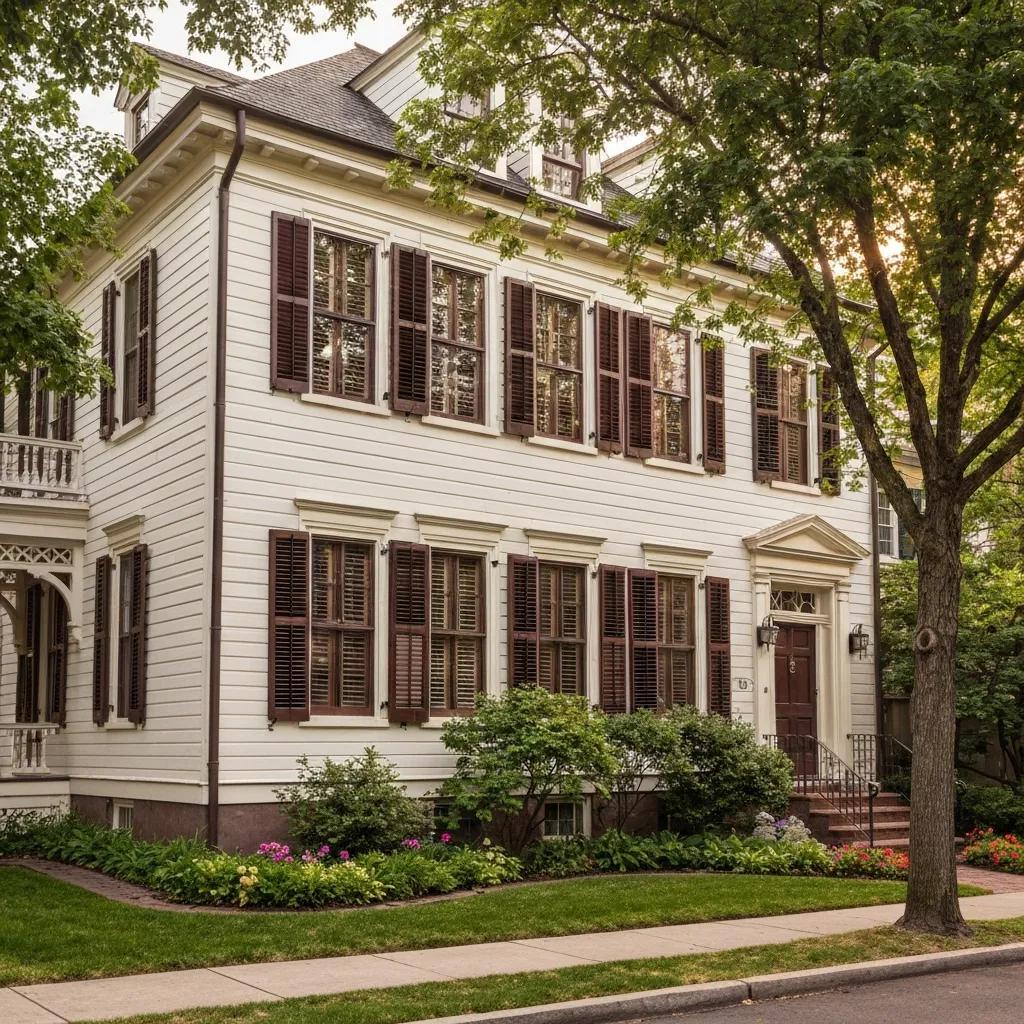
Colonial shutters lend classic charm by framing windows with balanced proportions and repeating rhythm across a façade. Their paneled or louvered faces anchor openings visually, and decorative hardware—hinges, shutter dogs, and fasteners—adds a handcrafted feel. Using painted wood or historically sympathetic composites keeps the look authentic, while modern impact‑rated versions retain safety without losing style. For historic and revival homes, Colonial shutters are a coherent choice that signals attention to architectural detail and preservation.
What Are the Aesthetic Benefits of Bahama and Accordion Shutters?
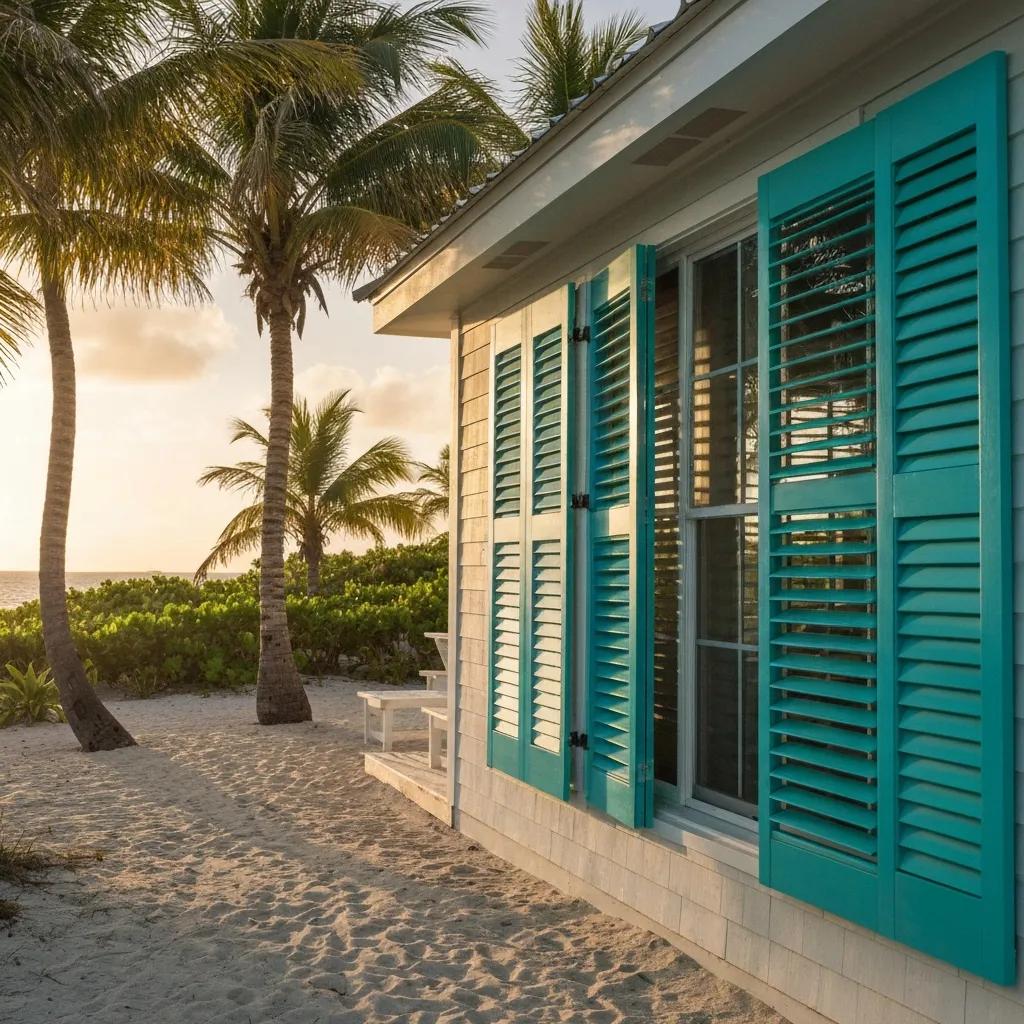
Bahama shutters project a relaxed, tropical profile when propped open—their angled plane shades windows and reads as purposeful shading even in everyday use. Accordion shutters fold into compact side stacks and read as functional, no‑nonsense hardware when retracted, which works well on cottages where utility and appearance align. Bahama shutters bring a vacation‑style character to beach cottages and bungalows; Accordion shutters offer compact protection for façades with many openings where quick deployment matters. Each style provides a distinct coastal look—the expressive shade plane of Bahama and the compact, mechanical form of Accordion—that homeowners can use to reinforce regional charm.
How Do Roll Down and Traditional Shutters Compare in Appearance on Homes?
Roll‑down and traditional shutters create different visual impressions both when they’re closed and when they’re stowed, with trade‑offs between concealment and visible architectural character. Roll‑downs favor concealment and uninterrupted lines; traditional shutters emphasize framing and decorative presence. When deployed, roll‑downs read as uniform panels; traditional shutters read as articulated elements with louvers, panels, and hardware that produce depth and shadow. These surface differences affect perceived bulk, texture, and scale on a façade, so homeowners should decide whether protection should be largely invisible or a deliberate design statement. The table below summarizes appearance attributes to help you choose quickly.
This quick comparison shows how each type reads from the street and whether it minimizes or celebrates visual presence. The next section looks at deployed vs. retracted appearances in more detail.
What Is the Visual Impact When Shutters Are Deployed?
Deployed roll‑down shutters create a continuous, planar surface that emphasizes solidity and a streamlined texture, with only horizontal slat lines and narrow track seams breaking the plane. That uniform coverage can make openings look like deliberate voids in the façade—an effect that suits contemporary architecture. By contrast, traditional shutters—Colonial, Bahama, Accordion—add rhythm through louvers, panel joints, and hardware, which break a surface into smaller modules and create shadow, depth, and scale. Considering these surface effects helps you choose for perceived mass and how shutters interact with daylight and street‑level viewing.
How Do Shutters Look When Retracted or Open?
Daily curb appeal depends on the retracted look. Roll‑down housings can be tucked into eaves or fascia so they’re nearly invisible, though vertical tracks may leave narrow lines at openings. Accordion shutters leave a visible stack at the side of an opening that reads as purposeful hardware—ideal where function is part of the aesthetic. Colonial and Bahama shutters often remain visible as decorative elements even when not in use, framing windows to reinforce period proportions and coastal character. Thoughtful choices about housings, paint matches, and stack locations reduce visual disruption and help retractable systems feel like part of the house, not an add‑on.
This list highlights practical visual trade‚Äëoffs to weigh when pairing shutter type with architectural intent:
- Concealment vs. Statement: Decide whether shutters should disappear or be an intentional feature on the façade.
- Texture vs. Plane: Choose between articulated louvers/panels (texture) and smooth, planar surfaces (plane).
- Hardware Visibility: Consider how visible hardware supports either historic authenticity or minimalist purity.
These trade‑offs will steer you toward systems that either preserve façade continuity or enhance architectural character. The next section helps match shutters to specific home types.
Which Hurricane Shutter Styles Best Suit Different Home Architectures?
Picking shutters that fit a home means matching visual language: modern, minimalist houses usually benefit from low‑profile roll‑down systems, while coastal cottages and historic homes typically gain from traditional shutters that reinforce period detail. Each house’s massing, window proportions, and roofline determine whether a concealed housing, visible stacked panels, or a hinged shade plane feels correct. Look at the whole house—materials, color palette, and ornament—so shutters feel integrated rather than merely applied. The following sections offer styling tips for modern and traditional contexts, followed by a short decision checklist.
What Shutter Designs Complement Modern and Minimalist Homes?
Modern and minimalist homes pair well with roll‑down shutters that have concealed housings painted to match trim or wrapped to blend with cladding, preserving long sightlines and uninterrupted planes. Narrow slat profiles and matte finishes reduce glare and keep the expression understated, which supports large glass areas and simple massing. Motorized systems cut the need for visible manual hardware and frequent handling, keeping façades clean year‑round. Using low‑contrast color matches and flush track details helps shutters recede into the building language instead of becoming focal points.
How Do Traditional Shutters Enhance Coastal and Historic Homes?
For coastal and historic homes, well‚Äëproportioned Colonial or Bahama shutters reinforce authenticity by echoing original details, scale, and material choices. Painted wood or period‚Äëappropriate composites, paired with historically sympathetic hardware, preserve visual continuity and appeal to buyers who value coastal charm or preservation. Bahama shutters provide practical shade and a signature profile for tropical settings; Colonial shutters frame windows to emphasize symmetry and rhythm. Choosing finishes and mounting details that reflect local precedents helps maintain architectural integrity.
If you want local guidance, American Hurricane Shutters serves coastal North and South Carolina homeowners and offers free estimates to weigh aesthetic and performance trade‚Äëoffs. Our local team can translate your stylistic preferences into a tailored installation plan that balances looks with code‚Äëcompliant protection.
Beyond Aesthetics: What Practical Factors Affect Shutter Appearance Over Time?
How shutters age depends on materials, exposure, and maintenance. Salt spray, UV, and wind‚Äëdriven debris speed finish degradation and mechanical wear in coastal climates. Choosing corrosion‚Äëresistant metals, powder‚Äëcoat finishes with UV inhibitors, and sealed housings reduces fading and visible corrosion. Regular cleaning, track inspection, and timely touch‚Äëups help shutters stay looking deliberate instead of weathered. The table below compares maintenance needs and common wear issues across shutter types so you can choose for durability as well as looks.
That comparison shows which systems need more attention in coastal settings and which materials reduce upkeep. Below are practical maintenance steps to protect both function and appearance.
Routine maintenance tasks that preserve look and operation:
- Visual Inspection: Check housings, tracks, and fasteners at least once a year for corrosion or misalignment.
- Cleaning: Rinse salt and debris from slats and tracks twice a year to prevent abrasive buildup and finish wear.
- Lubrication & Fastener Care: Service moving parts and replace corroded fasteners promptly to keep operation smooth.
These simple actions prevent common aesthetic decline and extend the service life of any shutter system. The next subsection compares motorized and manual options for how they integrate visually.
How Does Maintenance Influence Long-Term Shutter Appearance?
Regular maintenance preserves finish quality and mechanical alignment, which keeps shutters looking as intended season after season. For roll‑down systems, clear tracks and serviced motors prevent sagging or uneven closures that create visible irregularities. Traditional shutters need paint touch‑ups and hinge care to avoid rust stains and warped louvers that break symmetry. A predictable inspection schedule—seasonal rinses, annual hardware checks, and touch‑up painting—keeps shutters contributing to curb appeal rather than detracting from it.
What Are the Benefits of Motorized vs. Manual Operation for Aesthetic Integration?
Motorized systems improve daily aesthetics by removing the need for frequent manual hardware and by enabling concealed housings and automated sealing, which reduce the chance of handles or racks left in view. They also create a cleaner retraction profile with smaller visible stacks. Manual systems are simpler and usually cheaper up front but often require more visible hardware and human interaction, increasing the chance of inconsistent appearance. For homeowners prioritizing long‚Äëterm visual integration, motorization plus planned servicing usually delivers the neater result.
How Do Hurricane Shutters Impact Home Value and Curb Appeal?
Well‑designed, properly installed hurricane shutters can increase marketability by signaling protection, thoughtful design, and low‑maintenance resilience—attributes buyers in coastal markets increasingly value. When presented in listings as impact‑rated, durable upgrades, shutters can reassure buyers and sometimes improve insurance profiles. The table below outlines typical cost and resale attributes so you can weigh trade‑offs and prioritize investments.
This table helps you identify where greater investment may pay off and how those choices translate to marketability. For local cost estimates and ROI guidance, American Hurricane Shutters offers a cost calculator and free estimates to help homeowners evaluate price per square foot and long‚Äëterm value.
Do Roll Down Shutters Increase Modern Home Resale Value?
Roll‑down shutters can improve resale value for modern homes when marketed as discreet, motorized protection that preserves the home’s design while adding safety and convenience. In listings, emphasize hidden housings, automated operation, and any impact‑rated certifications to frame the investment as long‑term protection rather than an added expense. Buyers who value seamless design and smart‑home features often respond well to motorized roll‑downs—especially when the system is color‑matched and integrated with the architecture.
How Do Traditional Shutters Affect Historic and Coastal Home Marketability?
Traditional shutters usually strengthen marketability for historic and coastal homes by reinforcing period‑accurate details and regional character—qualities many buyers seek. Call out authentic materials, appropriate hardware, and tasteful color choices in marketing materials to show the seller’s attention to preservation and curb appeal. Well‑maintained Colonial or Bahama shutters communicate craftsmanship and authenticity and can command a premium when supported by proper installation and maintenance records.
When you’re ready to move from research to action, American Hurricane Shutters provides personalized, no‑obligation assessments for homeowners across coastal North and South Carolina. Our local teams help align aesthetic goals with code‑compliant protection and provide clear, written estimates so you can plan installation and costs with confidence.
Request a free estimate from American Hurricane Shutters to see how different shutter types will look on your home and to access the company’s cost calculator for tailored pricing. Our local crews can help match shutter selection to your architecture, balancing curb appeal with building‑code‑compliant protection.
Frequently Asked Questions
What are the main differences in maintenance requirements between roll-down and traditional shutters?
Roll‚Äëdown shutters generally need fewer routine interventions: an annual mechanical check and biannual cleaning are a good baseline to keep tracks and motors running smoothly. Traditional shutters (Colonial, Bahama) typically need annual inspections for paint, hinges, and fasteners, and may require more frequent touch‚Äëups because of exposed hardware and materials that react to weather. In short, traditional shutters can demand more visible upkeep in coastal conditions.
How do hurricane shutters affect energy efficiency in homes?
Hurricane shutters can improve energy efficiency by adding an extra barrier against heat and cold. Closed shutters block direct sun and reduce heat gain in summer, which can lower HVAC load and reduce energy costs. Roll‚Äëdown systems can be specified with insulating options that boost thermal performance further, making shutters a practical choice for homeowners who want storm protection and better energy control.
Can hurricane shutters be customized to fit unique window shapes?
Yes—many manufacturers provide custom solutions for unusual window shapes and sizes, including arched, circular, or irregular openings. Custom options include specific slat profiles, bespoke housings, and tailored color finishes so the shutters protect the home while matching its aesthetic. Consult a shutter specialist to review options and ensure both fit and finish meet your design goals.
What is the lifespan of roll-down versus traditional hurricane shutters?
Lifespan depends on material choice, maintenance, and exposure. Roll‑down shutters—often aluminum—can last 20 years or more with proper care. Traditional shutters’ longevity varies by material: wood, vinyl, or metal shutters can last anywhere from about 10 to 30 years depending on upkeep and environment. Regular maintenance—painting, hardware checks, and corrosion control—extends the life of any system.
How do I choose the right shutter style for my coastal home?
Choosing the right style means weighing both looks and function. Consider your home’s architectural style, the protection level you need, and personal taste. Modern homes typically suit roll‑down shutters for their low profile; historic and beach‑style homes often benefit from Colonial or Bahama shutters for their character. Also factor in local climate and storm exposure when selecting materials and finishes that will stand up to coastal conditions.
Are there any insurance benefits associated with installing hurricane shutters?
Yes. Many insurers offer premium discounts for homes with impact‚Äërated shutters because they lower the risk of storm damage. The amount and requirements vary by company and policy, so check with your insurance provider to understand what certifications or installations qualify for savings and how to document them.
Conclusion
Choosing the right hurricane shutters can improve both your home’s protection and its curb appeal. By understanding how roll‑down and traditional shutters look and perform, you can select a solution that fits your architecture and your lifestyle. Well‑chosen, properly installed shutters enhance marketability and often add long‑term value. Request a free estimate today to see how different shutter styles will work on your home and to get an accurate local price estimate.
