

Common Problems With Accordion Shutters During Severe Weather: What You Need to Know for Effective Repair and Maintenance
Accordion shutters are a permanently mounted, folding hurricane protection system that slide into place and lock to cover openings quickly and continuously during high winds and debris events. Knowing how and why these shutters fail helps homeowners spot problems early, take safe first steps to troubleshoot, and choose repairs that keep the system structurally sound and code‑compliant. This guide walks through the most common accordion shutter issues we see after hurricanes and tropical storms, offers a practical DIY troubleshooting checklist with step‑by‑step fixes, and explains when it’s time to call a professional. You’ll also get maintenance tips, a seasonal checklist tailored for coastal North and South Carolina, and corrosion‑prevention steps to extend shutter life — all with clear tools and safety notes so you can act quickly after severe weather.
What Are the Most Common Accordion Shutter Problems During Severe Weather?
In storms, accordion shutters encounter a predictable set of failure modes: wind and flying debris can bend slats or frames, salt spray speeds corrosion, and sand and grit clog moving parts. Below we list the frequent problems and provide a quick-reference table so you can perform immediate checks after a storm. Scan the short checklist first, then use the table for causes, symptoms, and simple first‚Äëaid checks before attempting repairs or calling a pro. The bullet list highlights top issues and quick fixes for fast decision making.
Accordion shutters commonly show these problems during severe weather:
- Sticking or jamming: Clear debris and apply lubricant to restore movement.
- Misalignment or bent slats: Realign guides when possible or remove/replace damaged slats.
- Rust and corrosion on hardware: Rinse salt, clean deposits, and use corrosion inhibitors.
- Broken or seized locks: Inspect locks visually; don’t force a jammed mechanism.
- Damaged tracks or frames from impact: Check anchors and frame integrity; don’t operate if structure is compromised.
The quick‚Äëreference table below pairs each problem with common causes and a short immediate DIY check to help you prioritize actions after a storm.
This table summarizes common accordion shutter failures and first-pass homeowner checks.
Use this table to triage quickly and decide whether a controlled DIY step is appropriate or if structural repair is required. The sections that follow walk through the common symptoms and how to diagnose shutters that won’t close or that jam after storm exposure.
Why Are My Accordion Shutters Not Closing Properly?
If a shutter won’t close fully, the usual culprits are a blocked track, bent or dented slats, guide misalignment, or a shifted locking point — all of which must line up for smooth operation. Start by inspecting the entire track for lodged debris, then check for slats catching on neighbors; coastal storms often leave sand, shell fragments, or fibrous debris. If the lock turns but won’t engage, check the strike plate and mounting screws — loose anchors can let the frame move and prevent proper closure. Short-term fixes include clearing the track, a light silicone spray, and gently realigning a slightly skewed panel. Be sure to document conditions, because repeated misclosure usually means deeper frame or anchor damage that needs a professional assessment.
What Causes Accordion Shutters to Stick or Jam in Storm Conditions?
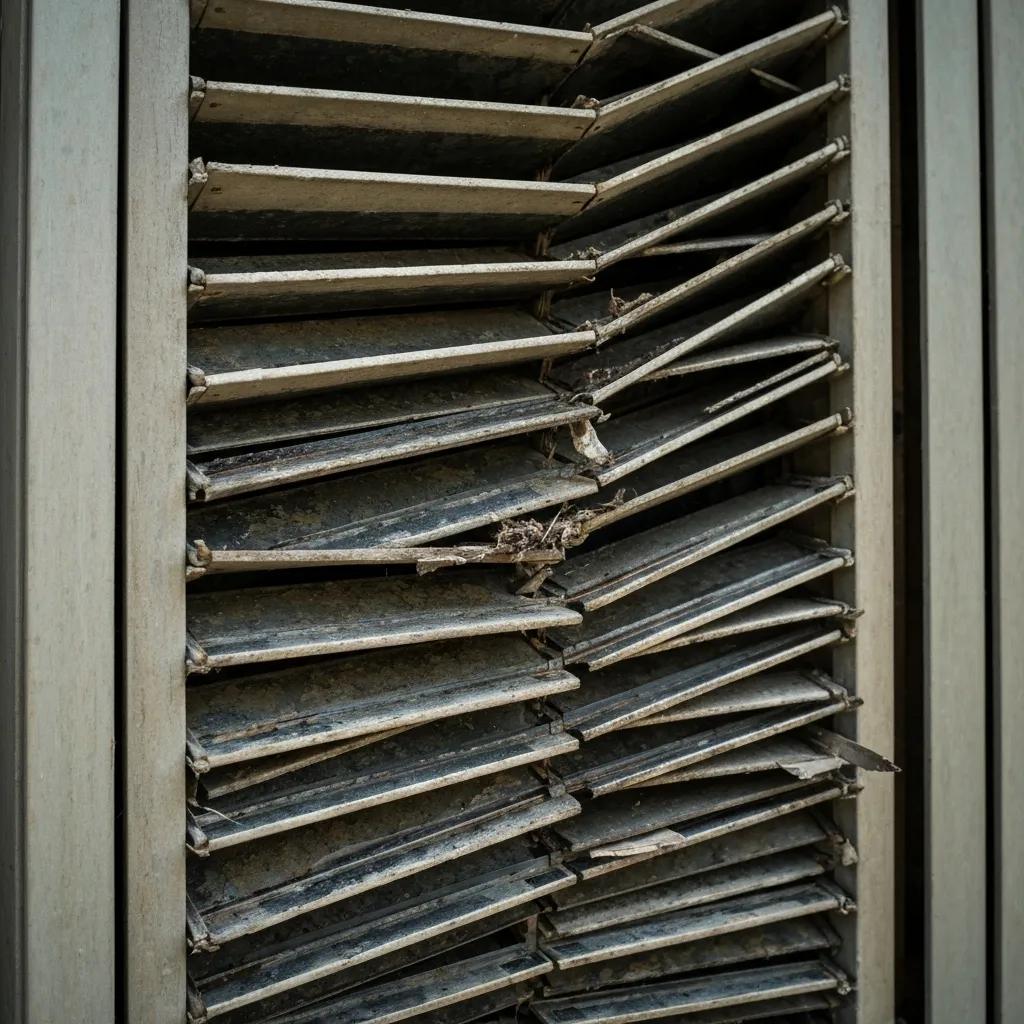
Shutters jam in storms for three main reasons: abrasive material and grit enter tracks, salt corrosion increases friction on moving parts, and impact damage misroutes slat flow. Grit raises rolling resistance and wears weather stripping; corrosion binds hinges and locks; impact can bend a guide or slat and create a pinch point. To free a jam safely, clear visible debris, use an approved silicone lubricant sparingly, and move the shutter incrementally without forcing it. If you find broken rollers, cracked guides, or loose anchors while freeing the jam, stop and schedule a professional inspection — forcing the system can make structural damage worse. Understanding these cause→effect patterns helps you decide whether a quick field fix will work or if the shutter needs a controlled repair.
How Can You Troubleshoot and Repair Accordion Shutter Issues Yourself?
Start troubleshooting with a safety-first, stepwise checklist that lists tools, time estimates, and non‑invasive fixes so you can diagnose and resolve common minor faults without risking injury or more damage. This guide focuses on cleaning, lubrication, minor realignment, and small part replacement — and it gives clear stop points when you should call a pro. Before you begin, secure the area, wear gloves and eye protection, and don’t work on ladders in high winds or wet conditions. Follow the numbered checklist below for a concise, step‑by‑step approach to sticky or misaligned shutters.
Follow this 5-step troubleshooting and repair checklist:
- Inspect visually and test: Walk the full shutter path, look for debris, corrosion, or bent slats, and operate slowly to locate the problem.
- Clear the track: Remove loose debris with a soft brush and vacuum if possible; avoid metal scrapers that can damage the track.
- Lubricate moving parts: Apply a silicone-based spray to tracks, rollers, and hinges sparingly, then cycle the shutter slowly to spread the lubricant.
- Check fasteners and anchors: Tighten loose screws and confirm frame anchors don’t move; mark any stripped or missing fasteners.
- Isolate damaged components: If a slat or roller is bent or broken, make the area safe and consider temporary immobilization until parts or a tech arrive.
This checklist keeps DIY efforts focused and safe. The EAV table below outlines tools, steps, and clear thresholds for when to stop and call a professional so you can estimate time and difficulty before starting work.
Use this mapping to judge whether a repair is within DIY scope or needs a certified technician. If cleaning and small adjustments don’t restore reliable operation, schedule professional service to protect the home and preserve warranty or code documentation.
American Hurricane Shutters provides repair, maintenance, and inspection services across coastal North and South Carolina — including Wilmington, Myrtle Beach, Oak Island, Topsail, New Bern, and Pawleys Island — and offers free estimates through an online cost calculator for homeowners who want a professional assessment. We service Accordion Shutters as well as Rolldown Shutters and Hurricane Screens, and our maintenance plans use 18‑8 stainless steel hardware and follow or exceed Florida Building Code standards. If your DIY troubleshooting uncovers seized locks, bent structural members, or anchor concerns, scheduling a professional inspection will confirm compliance and outline a safe repair plan.
What Are Step-by-Step DIY Fixes for Sticking or Jammed Accordion Shutters?
When a shutter is jammed, begin with a safety check: secure the area, wear gloves and eye protection, and avoid sharp tugs that can tear hardware or pull anchors. Clear the track of visible debris using a soft brush and a shop vacuum if available, then spray a silicone lubricant on tracks and rollers and cycle the shutter slowly to work the lubricant in. Inspect roller wheels and hinge pins for wear; replace small rollers only if you have the correct part and follow the manufacturer’s instructions. If a gentle realignment fixes a skewed panel, proceed carefully — stop immediately if fasteners loosen or the frame moves, as those are signs a qualified technician should handle the repair.
How Do You Fix Misaligned or Bent Accordion Shutter Slats?
Fixing bent or misaligned slats requires care because improper correction can damage seals and worsen performance. Support the shutter to prevent collapse, then isolate the affected area. Minor bends can sometimes be eased with padded tools — a soft mallet and block — tapping the concave side to coax the slat back while checking for binding on adjacent pieces. If a slat has a permanent crease, exposed bare metal, or continues to rub after realignment, replace it rather than risk failure in the next storm. Keep removed parts and document replacements so a professional can review them if warranty or follow‑up work is needed.
When Should You Call a Professional for Accordion Shutter Repair?
Move from DIY to professional repair when safety, structural integrity, or code compliance are at risk. Certified technicians handle anchor repairs, frame distortion, and warranty replacements safely and to specification. Call a pro if you find bent structural members, anchors that allow frame movement, broken locks that prevent secure engagement, severe corrosion that weakens fasteners, or extensive slat damage affecting multiple panels. Professionals restore correct torque on anchors, install approved replacement hardware (like 18‑8 stainless steel), and provide documentation for insurance or code inspections — services beyond typical DIY scope. Below are clear thresholds to help you decide when to call a technician.
- Significant frame or anchor movement after impact.
- Broken or seized locks that compromise security.
- Multiple bent slats or damaged guides across a wide area.
- Advanced corrosion where fastener threads or metal sections are compromised.
Professional technicians not only restore operation but also verify repairs meet building codes and insurance requirements. The next subsection gives concrete examples of problems that require expert attention and explains how pro work supports compliance.
What Problems Require Expert Accordion Shutter Repair Services?
Expert repair is needed for issues that compromise the shutter’s structural role: the system transfers wind loads to the building, so any weak point creates a risk under storm pressure. Examples include pulled or sheared anchors where the frame separates from the structure, bent frame members preventing panels from seating, broken internal locking rods, or widespread corrosion that reduces fastener strength. Professional responses range from anchor replacement and reinforced framing to section replacement and load testing; these repairs use specialized fasteners and torque specs to restore certified performance. Knowing these examples helps homeowners set realistic expectations for repair scope and cost.
How Does Professional Repair Ensure Compliance With Building Codes?
Professionals ensure code compliance by using specified materials, following documented installation practices, and performing tests that meet local standards. Compliant repairs preserve the shutter’s rated performance and support insurance claims. Certified technicians document anchor type and spacing, confirm corrosion‑resistant hardware (like 18‑8 stainless steel), and provide written reports detailing repair methods and components — valuable for claims and permits. Technicians can also recommend upgrades that go beyond the minimum to improve resilience in coastal conditions and keep inspection records for future reference.
What Are the Best Maintenance Tips to Prevent Accordion Shutter Problems?
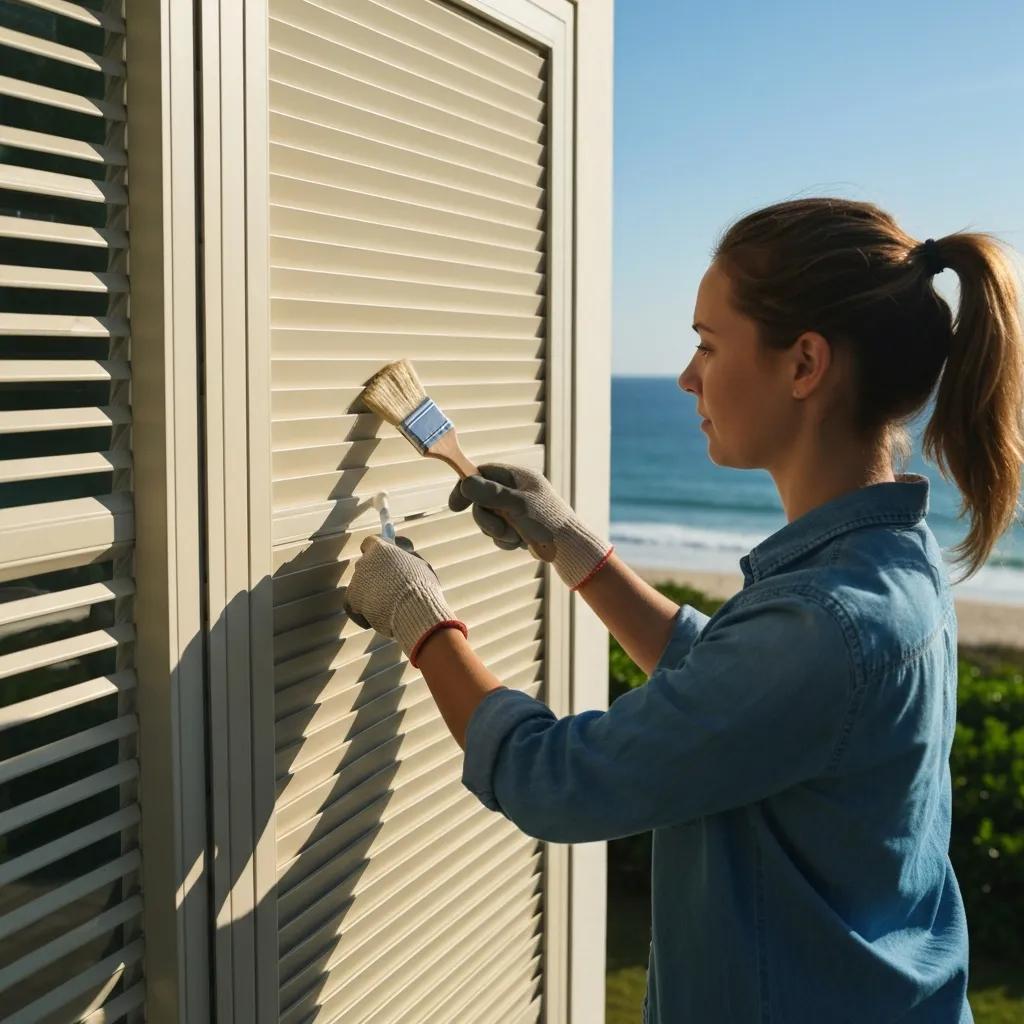
Preventive maintenance keeps tracks clean, moving parts lubricated, seals intact, and hardware protected from corrosion — and a simple schedule plus periodic professional inspections will extend service life. The EAV‑style maintenance table below lists tasks, recommended frequency, and tools or products so homeowners can adopt a reliable care routine for coastal exposures. Focus on removing sand and salt, using silicone lubricants, checking locks and anchors, and recording each inspection to track wear over time. The checklist and table that follow give a practical plan for monthly, seasonal, and after‑storm care.
Use this table to plan routine maintenance and choose the right tools.
Following this maintenance plan helps catch early wear before it becomes a safety issue. The sections below explain timing and provide a seasonal checklist tailored for coastal North and South Carolina homes.
How Often Should You Clean and Lubricate Accordion Shutter Tracks?
Cleaning and lubrication should reflect coastal exposure: do light cleaning monthly, perform a full pre‚Äëhurricane‚Äëseason service, and check immediately after any major storm. Monthly tasks include brushing out visible grit and rinsing with fresh water when salt spray is heavy; apply silicone lubricant to tracks and rollers quarterly or after heavy contamination. Avoid petroleum‚Äëbased lubricants that attract dust. During pre‚Äëseason maintenance, tighten anchors and cycle shutters fully to detect resistance; after storms, inspect for embedded debris and corrosion and document any changes for professional review if needed. This routine balances homeowner effort with the need to protect hardware in a harsh marine environment.
What Is the Seasonal Maintenance Checklist for Coastal Homes?
A seasonal checklist focuses on pre‚Äëseason preparation, in‚Äëseason vigilance, and post‚Äëstorm recovery. Pre‚Äëseason: clean tracks, lubricate moving parts, inspect anchors, and test locks. In‚Äëseason: perform quick visual checks after high winds and clear debris promptly. Post‚Äëstorm: conduct a safety inspection for bent frames, pulled anchors, or compromised locks; document damage with photos and contact a professional when structural issues appear. Following this schedule yearly lowers the risk of unexpected failures and keeps accordion shutters ready when storms arrive.
How Does Severe Weather Impact Accordion Shutters in Coastal North and South Carolina?
Coastal North and South Carolina storms bring high winds, flying debris, salt spray, and sand abrasion — a combination that accelerates mechanical wear and corrosion on accordion shutters. Wind and debris create localized bends in slats and frames, while salt spray speeds oxidation on exposed metal. Together these effects raise maintenance needs and shorten service intervals compared with inland installations. Practical measures include using corrosion‑resistant hardware, keeping maintenance records, and scheduling professional pre‑season inspections to catch structural problems early. The next subsection ranks the most damaging conditions and lists immediate homeowner actions after exposure.
What Weather Conditions Cause the Most Damage to Accordion Shutters?
The worst conditions are high‑velocity winds carrying debris, direct impacts from tree limbs or structural fragments, prolonged saltwater exposure, and sand‑laden gusts that abrade moving parts. After these events, inspect for bent slats, cracked guides, salt on fasteners, and any anchor movement; don’t operate shutters that bind or show frame deformation. Immediate homeowner steps include clearing loose debris, rinsing salt if it’s safe, and documenting visible damage for insurance or professional assessment. Acting promptly reduces the chance of progressive deterioration.
How Does Coastal Climate Affect Shutter Longevity and Performance?
Coastal climates shorten shutter life by increasing corrosion rates and abrasive wear, which means more frequent maintenance and better‑specified materials — especially stainless steel hardware like 18‑8 — are needed to preserve long‑term performance. Salt and humidity accelerate galvanic and oxidative processes that weaken fasteners and cause pitting. Regular cleaning and corrosion inhibitors slow those processes, but periodic part replacement is still necessary in harsh conditions. Choosing the right materials, keeping a disciplined maintenance schedule, and using periodic professional inspections create a lifecycle strategy that balances upfront investment against the higher risk of coastal degradation.
How Can You Extend the Lifespan of Your Accordion Shutters Through Proper Care?
You can extend shutter life with prevention: consistent maintenance, corrosion control, timely small repairs, and corrosion‚Äëresistant hardware. Key actions are monthly cleaning to remove sand, quarterly lubrication of moving parts, annual anchor and frame inspections, and replacing compromised fasteners with 18‚Äë8 stainless steel when needed. Keep a log of inspections and repairs to spot trends and justify proactive replacements before catastrophic failure; that documentation also helps with insurance claims following storm damage. Below we list corrosion‚Äëcontrol tips and explain how regular maintenance improves durability.
What Are Key Tips to Prevent Rust and Corrosion on Hurricane Shutters?
Prevent rust and corrosion by removing salt deposits quickly, using approved corrosion inhibitors, and upgrading critical hardware to stainless steel. Rinse exposed surfaces with fresh water when it’s safe after salt exposure, dry metal parts, and apply a manufacturer‑approved inhibitor to fasteners and pivot points. Repair damaged paint or coatings to stop bare metal exposure, and where practical, replace critical fasteners with 18‑8 stainless steel for long‑term resilience in maritime conditions. Make these steps part of your seasonal routine to reduce major repairs.
How Does Regular Maintenance Improve Accordion Shutter Durability?
Regular maintenance preserves component clearances, prevents abrasive buildup, and keeps anchors and fasteners at their designed load capacity — all of which helps the shutter resist wind and impact loads. Routine tasks (cleaning, lubricating, tightening fasteners, and replacing small worn parts) stop minor issues from becoming structural failures. Inspection records reveal trends and tell you when proactive replacement is more cost‑effective than emergency work. Over time, disciplined maintenance lowers downtime, reduces lifetime costs, and keeps your shutters ready for storms. The final paragraph ties practical maintenance back to professional support and conversion options.
American Hurricane Shutters can help with maintenance plans, inspections, and professional repairs throughout coastal North and South Carolina. Homeowners who prefer professional support can request a free estimate using our online cost calculator. We provide engineered hurricane protection — Accordion Shutters, Rolldown Shutters, and Hurricane Screens — and emphasize service practices that use 18‑8 stainless steel hardware and aim to meet or exceed Florida Building Code standards. If you’re balancing DIY work with documented compliance needs, a professional inspection gives a clear action plan and a written estimate for repairs or upgrades.
Frequently Asked Questions
What materials are accordion shutters typically made from?
Most accordion shutters are made from aluminum or polycarbonate. Aluminum is strong, lightweight, and resists corrosion when coated; polycarbonate offers excellent impact resistance and can be transparent for visibility. Both materials are designed to handle severe weather and provide long‚Äëlasting protection in coastal settings.
How can I tell if my accordion shutters need professional repair?
Look for signs like bent frames or slats, locking mechanisms that won’t engage, heavy corrosion on hardware, shutters that don’t open or close smoothly, or gaps when the shutter is closed. If problems recur after DIY fixes, call a professional to ensure safety and code compliance.
Are there specific tools I need for accordion shutter maintenance?
Yes. Essential tools include a soft brush or vacuum for cleaning tracks, a silicone‑based lubricant for moving parts, a torque wrench for checking fasteners, and a soft mallet for small adjustments. A flashlight helps locate hidden issues. Always follow the manufacturer’s guidance for any specific tool or part recommendations.
What should I do if my accordion shutters are stuck?
First, check that the tracks are clear — sand and dirt are common causes of jams. Clean with a soft brush and vacuum, then apply silicone lubricant to reduce friction. If they remain stuck, inspect for bent slats or misaligned guides that need realignment. Avoid forcing the shutters; if the problem persists, call a professional.
How can I prepare my accordion shutters for hurricane season?
Prepare by performing a full inspection and maintenance routine: clean tracks, lubricate moving parts, test locks, tighten fasteners, and replace any corroded or damaged hardware with corrosion‚Äëresistant parts. Practice deploying the shutters so you can secure your home quickly when a storm approaches.
What are the benefits of hiring a professional for accordion shutter maintenance?
Professionals spot hidden issues, ensure repairs meet local codes and insurance requirements, and use specialized tools and materials to do the job right. Professional maintenance can extend shutter life, prevent emergency repairs, and give you peace of mind when severe weather arrives.
Conclusion
Knowing the common accordion shutter problems and how to address them keeps your home safer and reduces the chance of unexpected failures. Follow the troubleshooting steps and maintenance schedule in this guide to catch small issues early, extend shutter life, and stay prepared for storms. If you’d rather have an expert review your system, American Hurricane Shutters offers tailored maintenance plans and professional repairs — visit our site to learn more and request a free estimate.
