

Commercial Accordion Shutters: Your Complete Business Guide to Benefits, Installation, and Costs
Commercial accordion shutters are engineered storm-protection and security systems that slide from vertical tracks to cover wide openings—storefronts, loading docks, and covered walkways. Built from extruded‑aluminum slats, reinforced tracks, and commercial‑grade locks, these shutters resist windborne debris and deter break‑ins, delivering both hurricane protection and around‑the‑clock security. This guide walks you through how accordion shutters work, which materials and features matter for commercial use, and the code and installation steps that ensure dependable performance in coastal markets. You’ll also find straightforward cost guidance, maintenance best practices, and comparisons to other storm‑protection options to help retail, hospitality, warehouse, and mixed‑use property owners choose the right solution. The article closes with practical next steps for getting a free commercial estimate and what to expect from professional installers—so facility managers can make confident, informed choices about protecting people and assets.
What Are Commercial Accordion Shutters and Why Are They Right for Businesses?
Commercial accordion shutters are multi‑panel systems with hinged, interlocking slats that fold and slide along fixed vertical tracks to cover openings across wide spans. Their design spreads impact forces through the slats and reinforced framing, creating an impact‑resistant barrier with a secure locking surface that lowers forced‑entry risk. For businesses, accordion shutters balance quick deployment, minimal visual intrusion when stowed, and the ability to cover irregular or large openings that other shutters can’t accommodate—preserving storefront appearance while meeting security and storm requirements. Knowing these core strengths helps facility teams pick systems that align protection, daily operations, and code performance for coastal commercial properties.
Accordion shutters deliver several commercial advantages that match common business priorities:
- Fast deployment to minimize downtime during storms or after‚Äëhours closure.
- High impact resistance and reinforced locking to protect glazing and inventory.
- Custom sizing and integration for storefronts, patios, and warehouse doors.
These benefits lead into material and feature choices that determine durability and maintenance needs, which we cover next.
How Do Accordion Shutters Deliver Strong Storm Protection and Security?
Accordion shutters pair impact‚Äërated extruded‚Äëaluminum slats with a continuous track‚Äëand‚Äëroller system that transfers wind and debris loads into the building structure instead of fragile glazing. Interlocking slats and reinforced locking points form a continuous barrier that limits penetration and wind uplift, while gasketed edges and correctly sealed mounts reduce water and air infiltration. Security is reinforced with multi‚Äëpoint commercial locks, tamper‚Äëresistant hardware, and the visible deterrent of a solid barrier. When installed correctly, accordion systems help businesses secure openings quickly after a warning and shorten post‚Äëstorm recovery time.
Understanding impact absorption, load distribution, and secure locking helps you choose materials and operating options that support both storm resistance and everyday usability.
What Materials and Features Make Commercial Accordion Shutters Durable and Easy to Use?
Long‚Äëlasting commercial accordion shutters use extruded‚Äëaluminum slats with corrosion‚Äëresistant treatments, stainless steel bearings and fasteners where salt exposure is a concern, and heavy‚Äëduty tracks with sealed rollers for smooth operation. Motorized operators speed deployment on very large spans and reduce manual handling risks, while ergonomic manual systems remain reliable for smaller openings. Options like corner mates for L‚Äëshaped runs, reinforced mullions for extra stiffness, and powder‚Äëcoat finishes for appearance and corrosion resistance deliver tangible benefits: longevity, smoother operation, and lower maintenance. The right mix depends on exposure (coastal salt spray versus inland), opening geometry, and whether you prioritize speed, security, or cost.
Your choices for materials and features directly affect installation scope and compliance with local codes—covered in the next section.
This comparison highlights how accordion shutters fit commercial needs by offering continuous protection, straightforward daily use, and adaptability for complex openings.
Those material and mechanism choices feed directly into the installation process and the regulatory steps required for certified performance.
How Does the Commercial Accordion Shutter Installation Process Work?
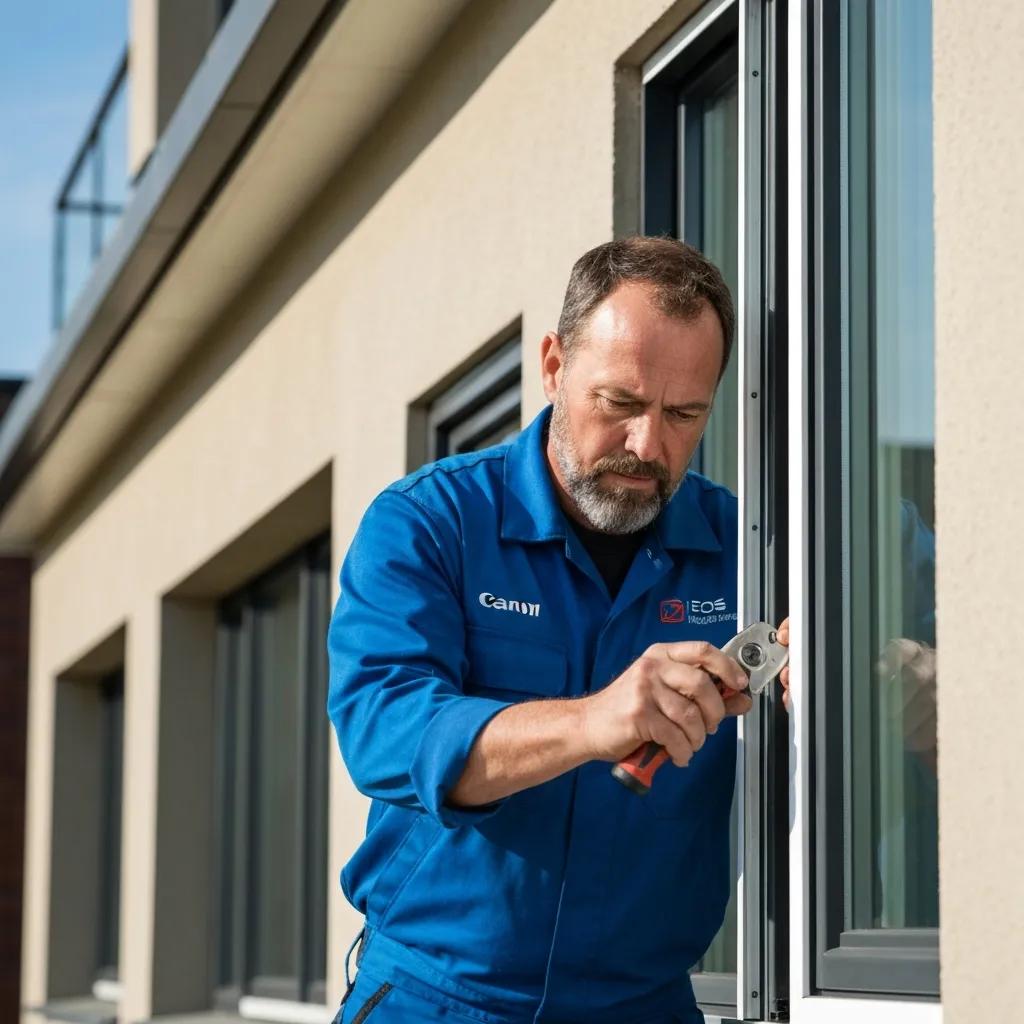
Typical commercial accordion shutter installation begins with a thorough site survey, moves to custom fabrication, and finishes with on‚Äësite installation, testing, and final inspection to confirm code compliance. The site survey records opening dimensions, substrate conditions, and any structural reinforcement needed so engineered components can handle specified wind and impact loads. Fabrication follows precise measurements for panels, tracks, and hardware that fit the opening geometry. Installers then set anchors, align tracks, attach panels, and run operational tests. Final inspection and certification verify that seals, locking systems, and operators meet the applicable performance standards.
Professional installation matters because certified installers ensure installations meet local codes and manufacturer requirements, reducing liability and protecting warranties. American Hurricane Shutters provides professional installation with code‚Äëcompliance guarantees and follows performance standards recognized by building officials, so installations are inspected and documented ahead of final approval. Confirming these steps during planning prevents permitting delays and minimizes post‚Äëinstallation adjustments.
- Site survey and measurement: accurate dimensions and structural notes.
- Custom fabrication: built to engineered specs for wind and impact loads.
- On‚Äësite installation: anchors, tracks, panels, and operational testing.
These stages deliver a compliant, durable outcome that fits the property’s structural and operational requirements.
Why Is Professional Installation Essential for Code Compliance and Best Protection?
Professional installation matters because it matches engineered products to site‑specific conditions, ensures anchor patterns and framing create proper load paths, and provides the documentation inspectors and insurers expect. Certified installers use methods that preserve manufacturer ratings—incorrect fastener selection or misaligned tracks can void performance claims and weaken storm resistance. Installers also coordinate with building officials, supply required documentation for code review, and typically perform post‑install testing to confirm impact resistance and reliable operation. These practices reduce legal and financial risk and deliver dependable protection.
Professional installation and proper documentation also influence scheduling and cost—two factors that affect project budgeting and financing discussed next.
What Site‚ÄëSpecific Factors Affect Installation for Commercial Properties?
Common site factors that affect installation include opening size and shape (multi‑door storefronts or high‑lift warehouse openings), substrate type (concrete, CMU, steel, or wood), existing glazing conditions, and architectural constraints like cornices or recessed entries. Anchor placement must account for structural reinforcement behind the façade, and historic buildings may need reversible mounting to preserve character. Permit requirements vary by jurisdiction and can call for engineered drawings, product approvals, or third‑party test reports. These considerations influence choices like split‑panel assemblies, reinforced mullions for long spans, and potential structural retrofits before shutter mounting.
Addressing these factors early prevents schedule slippage and hidden costs; a thorough site survey and clear engineering scope reduce surprises during fabrication and install.
What Are the Typical Costs and Financing Options for Commercial Accordion Shutters?
Commercial accordion shutter pricing depends on measurable variables: total covered area, material grade, opening complexity, operator type (manual vs motorized), and required code‚Äëcertified components. Commercial‚Äëgrade systems are typically priced per square foot, reflecting extruded‚Äëaluminum construction, heavy‚Äëduty hardware, and engineered fasteners; custom fabrications and motorized operators increase the final cost. Businesses should budget for fabrication lead time, site prep or structural reinforcement, and inspection fees when estimating total project cost. Knowing the main price drivers helps facility managers compare bids on an apples‚Äëto‚Äëapples basis and evaluate financing or phased installation options.
Below is a breakdown of common cost drivers and how they affect final pricing.
This table clarifies which project elements drive cost and where businesses can adjust scope to meet budgets.
When pricing a commercial project, consider these quoting and financing steps:
- Request detailed, line‚Äëitem bids that separate materials, labor, and testing.
- Consider phased installation for multi‚Äëdoor properties to spread costs.
- Ask providers about leasing or payment plans for motorized systems.
After reviewing pricing drivers, businesses ready for firm numbers should request vendor quotes. American Hurricane Shutters offers Free Estimates for commercial accordion shutter projects; request a free commercial estimate to get a customized proposal and discuss financing or phased‚Äëinstallation options with a project specialist.
How Do You Maintain Commercial Accordion Shutters for Longevity and Performance?

A proactive maintenance program preserves performance, extends service life, and helps meet warranty requirements. Routine care includes visual inspections, cleaning tracks and rollers, lubricating moving parts with manufacturer‚Äërecommended products, and periodic operational testing of manual and motorized systems. After major weather events, inspect seals, fasteners, and panel condition and schedule repairs quickly to prevent corrosion or progressive damage. Keeping a maintenance log with inspection dates, tasks performed, and parts replaced supports warranty claims and long‚Äëterm asset management.
A simple maintenance schedule keeps shutters reliable and reduces unexpected downtime:
- Monthly: Remove debris from tracks and check for loose fasteners.
- Quarterly: Lubricate rollers and inspect seals for wear.
- Annually: Full inspection by a qualified technician, including operator testing and torque checks on fasteners.
These routine steps limit corrosion, maintain smooth operation, and reduce the risk of failure during storms. Regular maintenance also preserves warranty coverage and lowers long‚Äëterm ownership costs by avoiding premature replacement.
What Routine Maintenance Steps Should Businesses Follow?
Routine tasks are straightforward and can be handled by facility staff for basic checks; reserve technical service for annual or complex work. Monthly work includes sweeping tracks, clearing grit, and visually checking for bent slats or misaligned rollers. Lubricate bearings and pivot points per manufacturer guidance to avoid attracting dust, and inspect electric operators for control wiring and limit‚Äëswitch calibration. A concise maintenance log recording dates, findings, and corrective actions improves accountability and simplifies scheduling professional service when needed.
Following these steps protects operational readiness and warranty eligibility, contributing to lower long‚Äëterm ownership cost and greater storm resilience.
How Does Proper Care Extend the Lifespan of Accordion Shutters?
Proper care reduces mechanical wear, prevents coastal corrosion, and preserves seal integrity to limit water intrusion. Regular cleaning and lubrication lower friction that accelerates component fatigue, and timely replacement of worn rollers or fasteners prevents secondary damage to panels and tracks. Well‚Äëmaintained shutters retain rated performance for many years, deferring replacement costs and delivering better return on investment through avoided storm damage and reduced downtime. Facilities that treat maintenance as a planned task typically see lower total cost of ownership and more predictable performance during severe weather.
Documenting maintenance also helps with insurance conversations or demonstrating due diligence after a weather event, reinforcing the value of a formal maintenance program.
How Do Commercial Accordion Shutters Compare to Other Hurricane Protection Options?
Accordion shutters occupy a unique spot among commercial hurricane options by combining permanent, quick‑to‑deploy protection with strong security. Compared with roll‑down shutters, accordion systems are often easier to repair panel‑by‑panel and blend more naturally with storefronts, while roll‑downs can offer faster single‑button operation for very large industrial bays. Removable storm panels cost less upfront but require storage and manual installation, making them less suitable for businesses that need rapid response or frequent use. Hurricane screens support ventilation for patios but don’t provide the same impact resistance or security as extruded‑aluminum shutters. The best choice depends on the application, the balance between daily usability and storm resilience, and budget.
A side‚Äëby‚Äëside comparison clarifies tradeoffs for common commercial use cases.
What Advantages Do Accordion Shutters Have Over Roll‚ÄëDown and Panel Systems?
Accordion shutters offer continuous lateral protection without a headbox, allow staged or partial deployment across multiple openings, and are generally easier to repair sectionally after localized impact. Their rigid tracks and interlocking slats provide stronger security than temporary panels and typically integrate more seamlessly with storefront aesthetics than some roll‚Äëdown systems. For very wide industrial bays where headroom and motorization are already in place, roll‚Äëdown shutters may still be preferable for single‚Äëpanel operation and faster full‚Äëspan deployment. These tradeoffs make accordion systems an excellent choice for retail, hospitality, and mixed‚Äëuse properties that value daily usability alongside storm protection.
Matching operational patterns and structural constraints to system strengths usually becomes clear during the site survey and quoting stage.
Which Commercial Applications Benefit Most from Accordion Shutters?
Accordion shutters are well suited to retail storefronts, restaurants with street‑facing windows, hotel entrances that need discreet protection, and light‑industrial openings where modular coverage is useful. Hospitality and retail benefit from aesthetic integration and fast deployment, while some warehouse areas use accordion sections to secure personnel doors and storefront‑style entrances. Special considerations—like preserving sightlines for displays, integrating with signage, or ensuring emergency egress—can be addressed with custom hardware and engineered mullions. These application‑specific options make accordion shutters a versatile commercial solution.
Assessing use cases early in procurement streamlines design choices and helps prioritize features such as motorization, finish, and locking options.
Why Choose American Hurricane Shutters for Your Commercial Accordion Shutter Project?
American Hurricane Shutters specializes in engineered hurricane protection for commercial properties across coastal North and South Carolina, serving communities including Wilmington, New Bern, Topsail, Oak Island, Myrtle Beach, and Pawleys Island. We focus on commercial accordion shutters and offer installation, ongoing maintenance, and Free Estimates for business projects. Our process emphasizes high‚Äëquality materials, engineered designs built to local performance expectations, and thorough documentation to support code compliance and inspections. We reference Florida Building Code benchmarks and Miami‚ÄëDade NOA performance standards when designing solutions, and we tailor products to site‚Äëspecific conditions.
Local businesses can expect a regional partner with commercial‑grade products, fabrication coordination, professional installation, and maintenance planning to reduce post‑storm disruption. If you’re evaluating scope and financing, we offer Free Estimates and can discuss phased approaches or motorization during quoting. Contacting our commercial team starts the process of turning performance requirements into a documented proposal and schedule.
How Does American Hurricane Shutters Ensure Quality and Code Compliance?
We follow an installation workflow that begins with a comprehensive site survey and engineering assessment, proceeds with custom fabrication to measured tolerances, and concludes with documented testing and inspection to verify performance. Specs are aligned with recognized benchmarks used by building officials—such as Florida Building Code criteria and Miami‑Dade NOA test protocols—so installed systems meet impact and wind expectations. QA practices include manufacturer‑recommended fasteners, corrosion‑resistant hardware for coastal exposure, and post‑install operational testing with written sign‑off. These steps reduce installation risk and produce traceable documentation for permitting and insurance review.
Requesting a Free Estimate from a provider that documents code compliance and delivers post‚Äëinstall inspection reports helps businesses meet regulatory and insurance requirements while securing their properties effectively.
What Do Local Businesses Say About Their Experience?
Local case studies show businesses protected with commercial accordion shutters see measurable benefits: less weather‚Äërelated downtime, stronger storefront security, and faster post‚Äëstorm recovery. Property managers report quicker re‚Äëopening when shutters limit glazing and interior water damage, and retailers reduce inventory loss risk. These outcomes demonstrate the practical ROI of engineered protection. We encourage businesses to request project references, review past documentation, and include maintenance planning in procurement to maximize system life and performance.
For tailored commercial proposals, requesting a Free Estimate is the practical next step to convert needs into a detailed scope and cost plan.
Request a Free Commercial Estimate from American Hurricane Shutters to receive a customized proposal and discuss financing or phased‚Äëinstallation options.
For immediate assistance, call +1-910-256-1288 to speak with a commercial project specialist about site surveys, engineered designs, and maintenance programs.
Frequently Asked Questions
What are the key differences between accordion shutters and roll-down shutters?
Both protect openings, but their designs and service profiles differ. Accordion shutters use hinged, interlocking slats that fold and slide along tracks—easy to operate manually, repair by section, and integrate with storefronts. Roll‑down shutters roll a slat curtain into a headbox and are often motorized for very wide openings; they can offer faster full‑span deployment but may be more complex and costly to repair. Accordion systems are a good fit when you need partial deployment and storefront aesthetics.
How do I choose the right size for my commercial accordion shutters?
Accurate measurements are essential. Measure the full height and width of the openings you need to cover, note architectural features that affect mounting, and factor in wind and impact requirements for your location. A professional site survey from a certified installer will confirm dimensions and identify any structural needs so the shutters fit and perform as intended.
What financing options are available for purchasing accordion shutters?
Many providers, including American Hurricane Shutters, offer financing options such as payment plans, leasing, or phased installation to spread costs. Request detailed quotes that separate materials, labor, and testing, and ask about available financing programs. Understanding your budget and financing choices helps you protect your business without unexpected cash‚Äëflow impact.
Can accordion shutters be customized for unique architectural designs?
Yes. Manufacturers and fabricators routinely produce custom solutions for irregular shapes, special finishes, and unique hardware to match building aesthetics and performance needs. Work with a professional installer who understands your architectural goals to ensure the shutters integrate seamlessly while meeting code and performance requirements.
What should I do if my accordion shutters are damaged during a storm?
When it’s safe, document damage with photos for insurance and contact your shutter provider or a qualified repair service. Many companies offer repair work and can advise whether panels can be repaired or need replacement. Prompt action prevents further damage and helps restore security quickly.
How often should I schedule professional maintenance for my accordion shutters?
We recommend at l
