
Buy Roll Down Hurricane Shutters: Practical Installation Guidance and Cost Breakdown
Roll down hurricane shutters are exterior protection systems that sit in a cassette and travel down guide rails to cover windows and openings, guarding against high winds, driving rain, and flying debris. This guide walks through how these shutters operate, why coastal properties benefit from them, and how installation choices, upfront cost, and routine maintenance influence long‑term performance. Coastal homeowners in North Carolina and South Carolina face specific code, insurance, and exposure considerations, so knowing the differences between manual and motorized units, aluminum and insulated profiles, and retrofit versus new‑build installs is essential for planning and budgeting. You’ll find clear cost ranges, a step‑by‑step installation overview, criteria for selecting products and installers, and straightforward maintenance tips to keep shutters working season after season. The article also includes actionable lists, side‑by‑side comparisons, and a short troubleshooting guide to help you move from research to getting a free estimate or professional service. Targeted search terms like best roll down hurricane shutters, roll down hurricane shutters installation guide, motorized roll down shutters, and roll down hurricane shutters cost are used to help homeowners find the right solution for their home and budget.
What Are Roll Down Hurricane Shutters and Why Should You Buy Them?
Roll down hurricane shutters are a complete exterior storm‑protection system: a cassette housing, a slatted curtain, guide rails, and either a motor or manual drive. The curtain stores in the cassette above the opening and unrolls down the guides, locking in place to form a continuous, rigid barrier that resists lateral wind loads and impacts. Their main purpose is risk reduction—reducing broken glass, limiting water intrusion, and helping homes meet local code and insurance mitigation requirements. For coastal homeowners, roll down shutters also provide year‑round benefits like added security, light control, and improved energy performance when insulated slats are used. Understanding how these systems work helps you weigh the practical benefits when choosing the right protection for your home.
What Are the Key Benefits of Roll Down Hurricane Shutters?
Roll down shutters combine storm protection with everyday utility, making them a strong choice for coastal homes. They block windborne debris, keep a continuous weather barrier that reduces interior and structural damage, and often qualify properties for insurance mitigation credits that lower premiums. You’ll also get privacy, better light control for bedrooms or media rooms, and reduced solar heat gain if you choose insulated or coated slats. Put together, these benefits give you a tougher building envelope that balances immediate storm readiness with ongoing comfort and security—which is why many coastal homeowners prioritize roll down systems.
The multi‚Äëuse value of roll down shutters leads naturally to how motorized systems change deployment speed and usability.
How Do Motorized Roll Down Hurricane Shutters Enhance Safety and Ease?
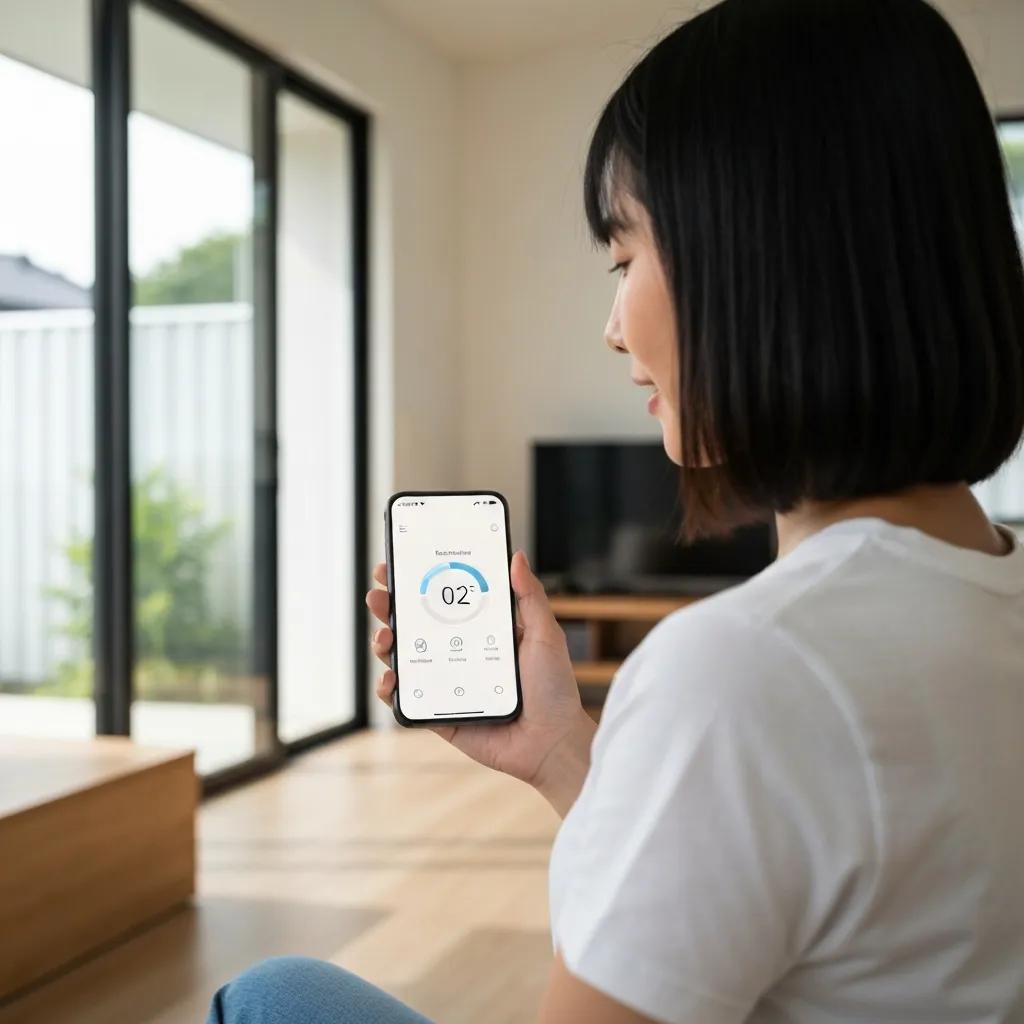
Motorized roll down shutters add a motor and control interface—wall switch, remote, or automation—so the curtain deploys quickly without manual effort, which matters when storms arrive fast. Motors deliver even tension across the slats and frequently include safety features like obstruction detection and a manual override for power loss; optional backup power keeps shutters operable during outages. Motorization is especially useful for large openings, second‑floor windows, and homeowners with limited mobility because it reduces deployment time and physical labor. Although motorized units cost more up front, the convenience, faster protection, and integration with home automation make them the preferred choice for many buyers.
For homeowners weighing automation, price and install complexity are important—so next we break down typical costs and the factors that drive them.
How Much Do Roll Down Hurricane Shutters Cost?
Understanding roll down hurricane shutters cost means separating product price from installation, motorization, permits, and custom work. Typical price ranges hinge on whether units are manual or motorized, the material (standard aluminum vs. insulated profiles), window size, and how complex the mounting or retrofit is. A practical budget includes per‚Äëopening product costs, labor and electrical hookup for motorized systems, local permit fees, and a contingency for unexpected structural reinforcement. Below is an overview of the main cost drivers and a comparison table to help homeowners estimate likely ranges before requesting a custom quote.
The main cost drivers are material, motorization, opening size, and installation complexity; the table that follows breaks those drivers into clear categories.
These variables explain why estimates can vary widely from one project to the next.
What Factors Influence the Cost of Roll Down Hurricane Shutters?
Final pricing depends on product type (manual vs. motorized), material grade and finish, window shape and size, and site‑specific installation complexity such as access and mounting substrate. Local factors—permit fees, inspections, coastal zone rules, and labor rates in North and South Carolina coastal markets—also affect estimates. Motorization adds electrical labor and possibly conduit or backup battery costs, while insulated slats or special finishes increase material expense but can lower energy bills over time. Understanding these drivers helps you compare quotes on an apples‑to‑apples basis.
With cost drivers identified, the next section covers practical budgeting steps to avoid surprises during procurement.
How to Budget for Roll Down Hurricane Shutters Purchase and Installation?
Start budgeting with accurate measurements and at least two competitive written quotes that itemize product, labor, electrical work, permits, and warranty. Include a 10–20% contingency for unforeseen structural work or permit delays, and ask whether motorized systems need a dedicated circuit or batteries. Consider financing or phased installation—protecting the most vulnerable openings first—to spread cost while improving safety. Finally, check whether suppliers offer e‑commerce purchase options or financing to help cover upfront costs.
Before requesting quotes, collect window dimensions and any local code or HOA requirements so estimates reflect compliance and minimize scope changes later.
How Is Roll Down Hurricane Shutter Installation Done?
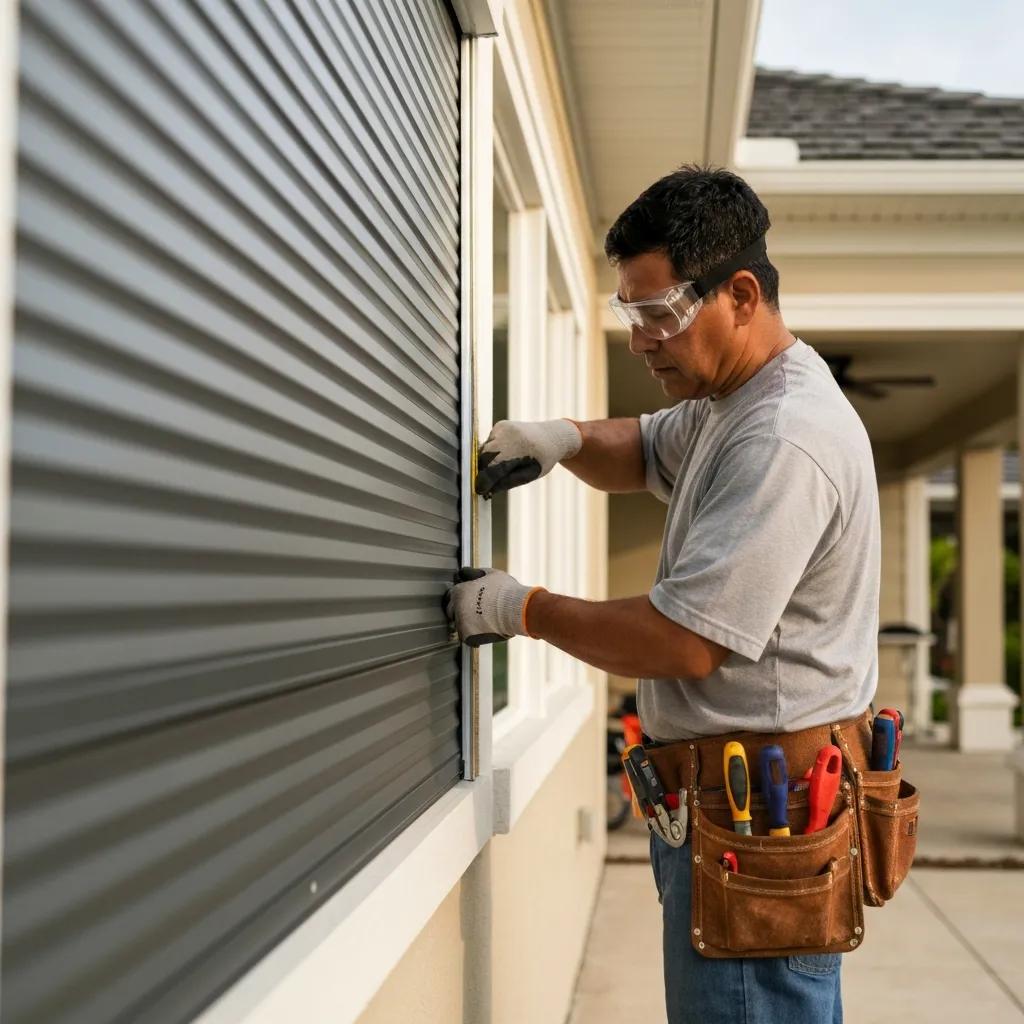
Installation follows a consistent sequence: site prep and measurement, mounting the cassette, fitting guide rails and the slatted curtain, wiring and motor setup for automated units, then final testing and commissioning. Correct guide‚Äërail alignment and secure anchoring to structural members are critical to withstand wind loads and ensure smooth operation. Timelines vary by scope: a single standard window can take a few hours, while a whole‚Äëhouse retrofit often requires phased scheduling over several days. Installers should use fall protection, safe ladder procedures, and comply with electrical permit requirements when placing cassettes and wiring motors.
To make this actionable, the step‚Äëby‚Äëstep list below outlines typical tasks, common tools, and approximate durations.
- Site prep and measurement: Confirm dimensions, locate structural members, and verify permit requirements — roughly 30–90 minutes per opening.
- Mount cassette and frame: Fasten the cassette to the header or framing with structural anchors and level it — 1–2 hours depending on access.
- Install guide rails and curtain: Align rails, insert slats, and test manual travel — 30–90 minutes per opening.
- Motor/electrical hookup and testing: Fit the motor, run controls and backup power if used, and test deployment and safety stops — 1–3 hours.
- Final inspection and commissioning: Verify seals and trim, confirm operation under load, and schedule any required municipal inspections.
These steps set realistic expectations for time on site and homeowner access needs during installation.
What Are the Step-by-Step Installation Procedures for Roll Down Shutters?
Begin by documenting each opening and clearing staging areas so installers have safe access and room for cassettes and ladders. Confirm structural attachment points and, where required, install backing plates to meet manufacturer load criteria—poor anchorage is a common failure point. Mount the cassette plumb and level, secure guide rails with allowance for thermal expansion, then thread the slatted curtain into place and fit end stops and locks. For motorized systems, install the motor, run wiring to a dedicated circuit, set control limits, and perform multiple full‑cycle and water‑infiltration checks. Finish each step with a quality check to ensure smooth, aligned operation.
Can You Install Roll Down Hurricane Shutters Yourself or Should You Hire a Professional?
DIY installation can work for competent homeowners tackling simple, ground‑level openings with manual systems and straightforward framing. But motorized units, second‑floor installs, irregular openings, or projects tied to coastal codes typically require professional installation. Licensed installers bring structural fastening know‑how, electrical code compliance, and permit experience that protect warranties and ensure the system meets wind‑load requirements. Safety is also a major factor: working at height and wiring motors carry risks and code pitfalls if done incorrectly. When in doubt—especially for motorized systems or large openings—hire a certified installer.
The choice between DIY and pro installation depends on your skill level, legal compliance needs, and how much you value warranty protection and long‚Äëterm performance; the next section helps you evaluate product options.
Which Are the Best Roll Down Hurricane Shutters on the Market?
Picking the best roll down hurricane shutters means balancing material quality, wind and impact ratings, motor options, and warranty/service support. Prioritize certified performance (Miami‚ÄëDade or ASTM where applicable), durable aluminum or insulated slats, dependable motors with obstruction detection and manual override, and a clear warranty backed by local service. Below is a checklist of features to evaluate and a simple brand/feature table that compares market tiers, price expectations, and typical warranty terms for representative product categories.
Start with safety ratings, then compare convenience and durability features that match your home’s exposure and lifestyle.
- Wind and impact ratings: Confirm certification for your coastal zone and the performance level your local code requires.
- Motorization and backup: Pick motors that include manual override and battery backup if extended outages are possible.
- Material and corrosion resistance: Prefer powder‚Äëcoated aluminum or insulated profiles for durability in salty coastal air.
- Warranty and local service: Verify warranty terms and the availability of local technicians for repairs and maintenance.
These priorities form the decision framework: safety first, then convenience and long‚Äëterm durability.
What Features Should You Look for in the Best Roll Down Hurricane Shutters?
Look for features that affect safety, longevity, and ease of use: certified wind and impact ratings, durable slat materials, sealed cassette housings to limit corrosion, and motors with obstruction detection and manual override. Additional benefits include insulated slats for energy savings, powder‚Äëcoat finishes for coastal durability, and integrated controls for central or remote operation. Also check for installation designs that allow easy access for maintenance and a service network that stocks replacement parts. These choices reduce lifecycle cost and improve the chances the shutters will perform when needed.
Feature selection leads naturally into brand comparisons, which the next section covers.
How Do Top Brands Compare in Performance and Price?
Brands trade off price against certified performance and local service capacity. Economy units are more affordable but often lack strong impact certification and extended warranties. Premium systems typically include certified ratings, robust motors, and longer guarantees. Local manufacturers can offer competitive pricing and faster service but may not always carry national certifications; national brands provide tested performance and broader warranty support but usually cost more. Choose based on the attributes that matter most for your property—certification and warranty for high‑exposure coastal sites, or cost and quick local service for lower‑risk installations. Always ask for documentation of ratings and include that in written proposals.
Comparing brands against your property’s exposure and budget helps you buy a system that matches real risk and maintenance realities.
What Maintenance Is Required for Roll Down Hurricane Shutters After Installation?
Regular maintenance keeps roll down shutters reliable and prevents premature failures. Homeowners should follow a seasonal inspection routine covering mechanical operation, seals, fasteners, and electrical systems for motorized units. Simple care—cleaning guide rails, lubricating moving parts with manufacturer‑approved products, and checking for corrosion—extends service life and reduces emergency repairs after storms. Motorized systems need periodic electrical checks, battery tests for backup power, and control recalibration. The table below summarizes recommended inspection intervals, common issues, and typical homeowner fixes versus when to call a pro.
How Often Should You Inspect and Maintain Your Roll Down Shutters?
Inspect shutters quarterly and perform a focused check before hurricane season: run each unit through full cycles, listen for unusual noises, and confirm end stops and locks engage correctly. For motorized systems, test backup power and remotes and inspect wiring for wear or corrosion—these checks catch issues before a storm. After severe weather, do a post‑storm inspection for dents, misalignment, or water infiltration around the cassette and guides. Regular inspections help preserve warranty coverage and reduce surprise emergency service calls.
Routine checks naturally lead into a short troubleshooting guide for common problems.
What Are Common Issues and How Can You Fix Them?
Common problems include guide‑rail jams from debris, slat dents or misalignment, motor failures, and corrosion in coastal environments. Many minor issues are solvable with basic DIY fixes; electrical or structural problems should be handled by a pro. For jams, clear tracks and confirm alignment; for slat damage, decide whether a patch or replacement is needed; for motor issues, check fuses, resets, and backup power before calling an installer. Address corrosion by replacing affected fasteners and refinishing surfaces to prevent spread. If a shutter won’t hold load or anchors have pulled through, stop using it and consult a professional to avoid unsafe conditions.
Knowing when to act and when to call a technician helps homeowners balance cost and safety while preserving the shutters’ protective function.
Where Can You Buy Roll Down Hurricane Shutters and Get Professional Installation?
You can buy roll down hurricane shutters from local dealers and installers, national manufacturers with dealer networks, or online retailers for standardized retrofit kits. Each channel has trade‑offs among price, local support, and code compliance. Local suppliers typically provide on‑site measurement, local permit knowledge, and nearby service for warranty work—valuable in North and South Carolina coastal markets where permits and wind‑load expectations matter. National providers may offer certified products and standardized warranties but rely on local dealers for installation. This guide is meant to educate and connect you with professionals for free estimates; gather multiple written quotes and verify installer credentials before you commit. Prioritize local availability and service to ensure timely installation and reliable aftercare.
Given regional code and service needs, the next section lists recommended buying channels and how to evaluate them.
What Are the Best Places to Buy Roll Down Hurricane Shutters Locally and Online?
Local dealers and licensed installers are often the best choice for coastal properties because they combine accurate site measurement, permit knowledge, and nearby warranty service. National manufacturers work well when you need specific certified products, provided they have a vetted local installer network. Online purchases can suit standard‚Äësize, manual retrofit kits for lower‚Äërisk sites but usually lack local installation and code support. Favor channels that include site verification, product certification documentation, and a local service or installer network for post‚Äësale support.
Balancing product certification, installation competence, and local serviceability will directly influence long‚Äëterm performance.
How to Choose a Reliable Installer for Your Roll Down Hurricane Shutters?
Vet installers by confirming licenses and insurance, asking for detailed written estimates that itemize materials, labor, and permit costs, and checking references or recent local project photos in similar coastal conditions. Ask about experience with required wind and impact ratings, electrical work for motorized units, and post‑installation service agreements; reputable installers will spell out recommended maintenance and inspection schedules. Don’t rely solely on price—low bids may omit reinforcement or permits. Favor demonstrable local experience and transparent written warranties, and ensure the installer documents site conditions before signing a contract.
Choosing the right installer reduces risk, protects warranties, and helps ensure your roll down shutters perform when you need them most.
Frequently Asked Questions
1. How do I maintain my roll down hurricane shutters?
Keep shutters in good working order with regular inspections and simple maintenance. Check guide rails and slats quarterly for debris and lubricate as recommended. Motorized systems need biannual checks of the motor and controls; fasteners and anchors should be inspected yearly for corrosion or looseness. After severe weather, do a thorough inspection for damage. These routines extend the life of your shutters and help ensure they work when needed.
2. What are the installation requirements for roll down hurricane shutters?
Installation requirements vary by local building codes, shutter type, and your home’s construction. Proper anchoring to structural members is critical to resist wind loads. Motorized units require electrical work that must meet code. Make sure the installation area is clear and accessible. Working with a professional installer familiar with local regulations helps ensure code compliance and reliable performance.
3. Can I customize my roll down hurricane shutters?
Yes. Roll down shutters are often customizable for specific window sizes, shapes, and exterior aesthetics. Manufacturers typically offer material, color, and finish options to match your home, and you can choose manual or motorized operation. Other custom options include insulation for energy savings or higher impact ratings for increased protection. Talk with a supplier to identify the best configuration for your needs.
4. What should I do if my roll down hurricane shutters malfunction?
If shutters malfunction, start with simple checks: clear debris from guide rails and confirm slat alignment. For motorized systems, inspect power and control settings. If basic troubleshooting doesn’t fix the issue, contact a professional installer or technician—complex repairs can create safety hazards if handled incorrectly. Regular maintenance reduces the risk of unexpected failures.
5. Are there financing options available for purchasing roll down hurricane shutters?
Many suppliers and installers offer financing to help homeowners manage the purchase. Options include installment plans, credit programs, or promotional offers with low or no interest. Some manufacturers partner with lenders to provide tailored financing. Review terms carefully—interest rates and repayment schedules vary—so choose an option that fits your budget.
6. How do I ensure my roll down hurricane shutters meet local building codes?
To ensure code compliance, research local regulations for your area—especially in coastal zones—and consult with local building authorities or a licensed installer who knows the rules. Buy products certified for your region’s wind and impact ratings and confirm the installer follows local requirements during installation; improper installation can void warranties and compromise safety.
7. What are the benefits of hiring a professional installer for roll down hurricane shutters?
Hiring a professional brings expertise in local building codes, correct installation techniques, and warranty protection. Professionals ensure shutters are securely anchored and function correctly, reducing future issues. They also handle electrical work for motorized systems safely and efficiently, and many offer service agreements for ongoing maintenance and repairs—giving homeowners peace of mind.
Conclusion
Roll down hurricane shutters protect your home from severe weather while adding security and potential energy savings. Knowing the installation process, cost drivers, and maintenance needs lets you make informed choices for long‚Äëterm protection. Use these resources to compare products, get multiple written quotes, and connect with local professionals. Start by requesting a free estimate and take the first step toward greater protection and peace of mind.
