
Best Roll-Down Hurricane Shutters for Homeowners: Costs, Installation, and Top Choices
Roll-down hurricane shutters are permanent exterior systems that unroll to cover windows and large openings, protecting your home from high winds, flying debris, and unwanted entry. This practical guide walks you through how these shutters work, compares materials and brands suited for coastal conditions, and breaks down costs, installation choices, and maintenance so you can decide with confidence. Coastal homeowners often weigh corrosion resistance, durability, and smart-home convenience—this article explains which features matter and why. You’ll learn the core components and operation of roll-down systems, the main cost drivers and a simple estimating method, what to expect during professional installation (including motorized setups), and maintenance tips that keep shutters working season after season. Use the comparison tables and checklists to narrow options, understand local code and wind-rating considerations, and know when to schedule a site estimate.
What Are Roll-Down Hurricane Shutters and How Do They Protect Your Home?
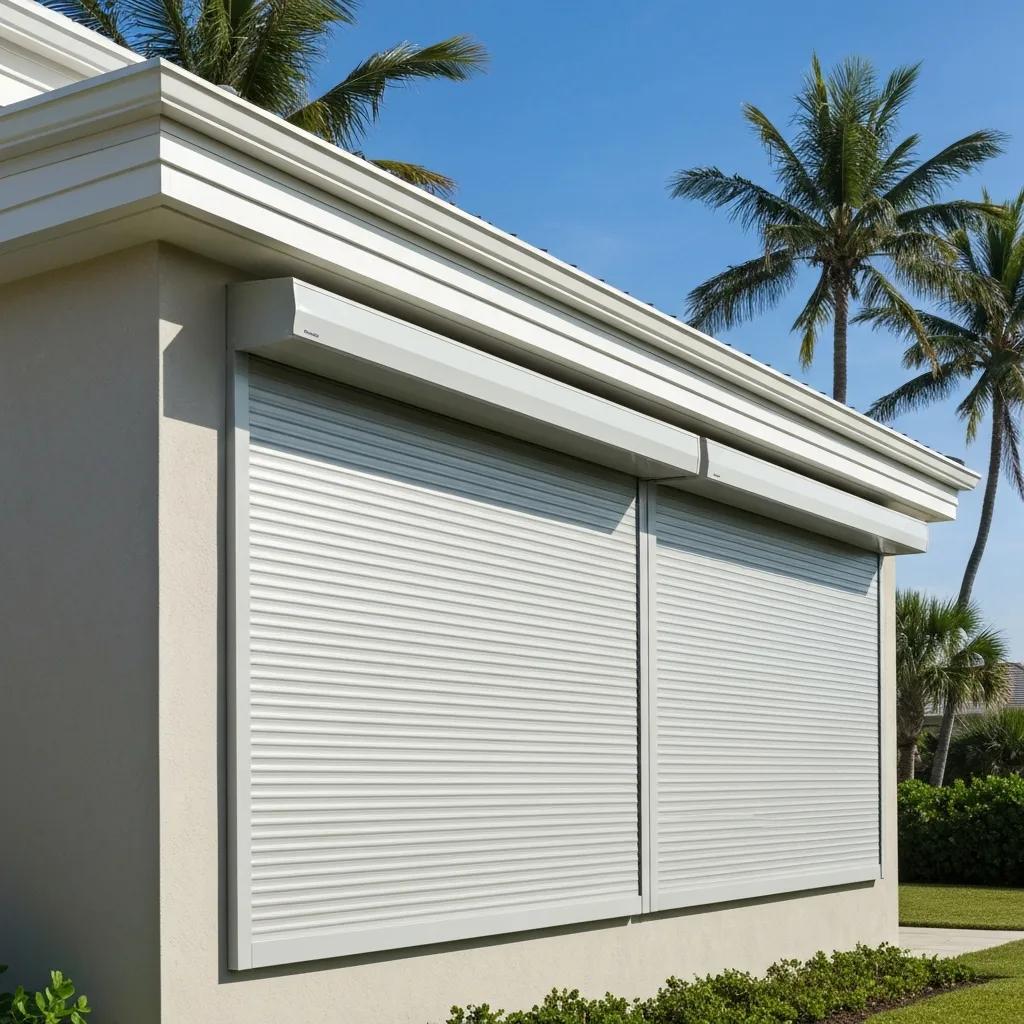
Roll-down shutters unspool from a headbox and slide into vertical guide rails to form a continuous shield over openings. The system is made of repeating slats inside a box housing and is operated by either a manual crank or an electric motor for quick deployment. When closed, the shutters absorb and deflect impact, spread wind loads across the frame, and lower the chance of window breach—helping keep people and property safe. They also improve insulation and reduce exterior noise, while acting as a strong visual deterrent to break-ins. Knowing these basics helps you match material and operation type to coastal needs.
American Hurricane Shutters is a regional company supplying and installing roll-down systems across coastal North Carolina and South Carolina. We offer free on-site estimates and maintenance services tuned for salt-air exposure. If you want a professional assessment after reading this guide, we can schedule a visit to review product options, wind-rating requirements, and installation timing. A site estimate clarifies both costs and compliance for your specific openings and local codes, and moves you from planning to an actionable protection plan.
How Do Roll-Down Shutters Work and What Materials Are Used?
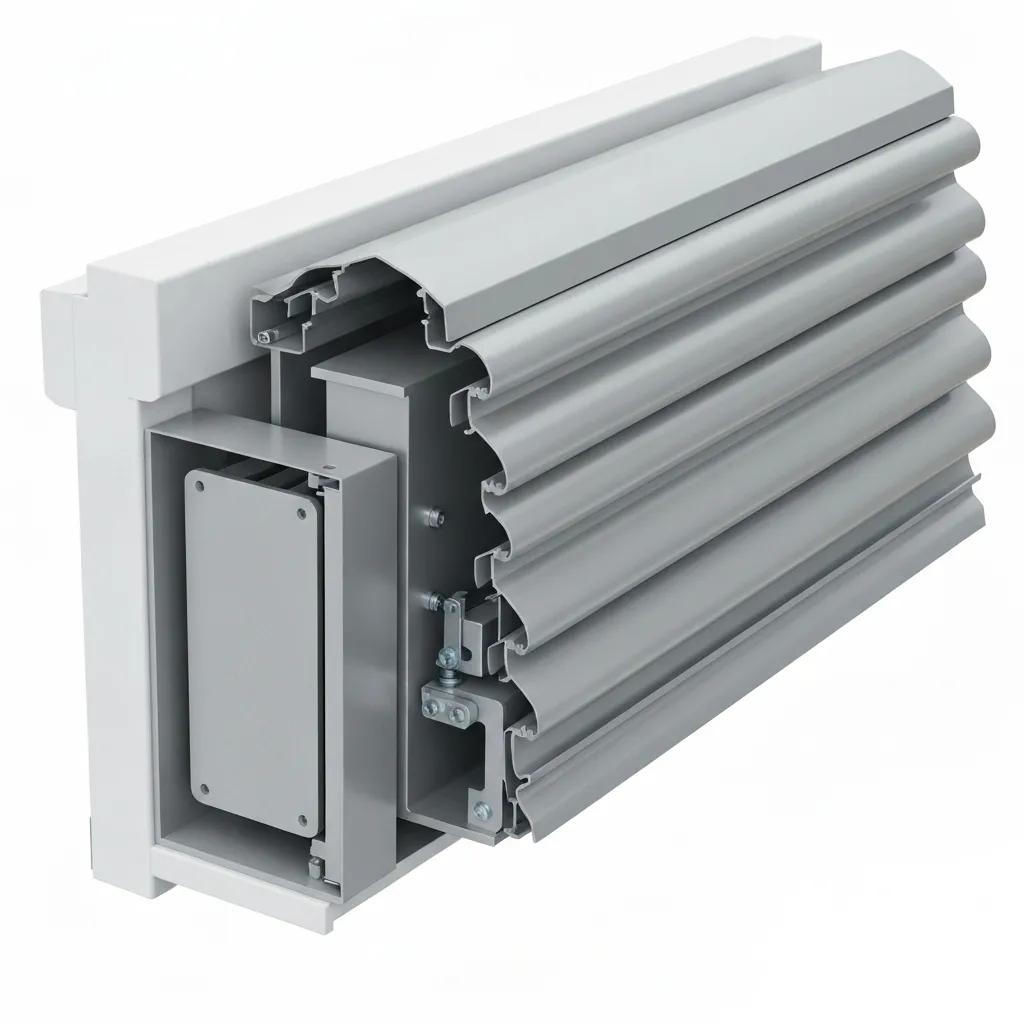
Roll-down shutters stow by rolling slatted panels into a headbox and deploy by sliding those slats down guide rails to form a single continuous barrier. The primary components—slats, headbox, guide rails, and either a crank or motor—share wind and impact forces across the assembly for better structural performance. Common materials include aluminum (lightweight and corrosion-resistant), steel (stronger and more secure), and polycarbonate (transparent and impact-resistant where you want a view). Material choice influences wind-rating performance, salt-air durability, and maintenance needs—so pick the material that best matches your coastal exposure and security priorities.
What Storm Protection and Security Benefits Do Roll-Down Shutters Offer?
Roll-down shutters deliver several clear protections: they improve resistance to wind and debris, lower the odds of window breaches, and boost privacy and energy performance by adding an extra barrier. Certified wind and impact ratings tell you how much protection a model provides—higher-rated shutters handle stronger winds and reduce structural stress around openings. Other bonuses include UV control for interiors, noticeable noise reduction, and a solid barrier that discourages smash-and-grab attempts. Altogether, these benefits explain why many coastal homeowners choose roll-down systems over temporary panels.
Roll-down shutter advantages include:
- Wind and Impact Protection: Absorb and deflect debris to reduce window damage.
- Home Security: Create a physical barrier that deters forced entry.
- Energy and Noise Reduction: Cut heat gain and lower outside noise.
These combined benefits lead directly into cost considerations as you select the right system.
How Much Do Roll-Down Hurricane Shutters Cost?
Short answer for planning: installed costs vary widely and are usually quoted per square foot. Expect higher prices for motorized units, custom finishes, and very high wind ratings—especially when coastal-grade corrosion protection is required. Major cost drivers include material choice, whether the system is motorized, the size and number of openings, permitting and local code requirements, and installation difficulty. Measure your openings, choose material and operation, and add labor and permit allowances to estimate a budget. For the most accurate number use our cost calculator or request a free on-site estimate to capture site-specific factors. Below we break down the main cost drivers and offer a simple method to turn per-square-foot estimates into a realistic project budget.
What Factors Influence the Cost of Roll-Down Shutters?
Several tangible factors affect final pricing: the shutter material, wind-rating and certification, manual versus motorized operation, the size and number of openings, custom colors or finishes, and installation complexity (including any structural reinforcement and permitting). Corrosion-resistant aluminum usually costs less than heavy-gauge steel while offering strong coastal durability; polycarbonate can cost more when transparency is required. Motorization adds the motor, control hardware, and electrical work; smart-home features and backup power add cost too. Labor rates and access challenges—like working on multiple stories or using lifts—also raise the total.
Key cost drivers include:
- Material selection and finish
- Motorization and automation options
- Opening size and any custom requirements
Knowing these drivers helps you build a realistic area-based estimate before a professional visit.
Before you finalize a budget, run the numbers through a cost calculator or request a free estimate to capture site-specific issues; American Hurricane Shutters provides on-site estimates that include measurements, product choices, and compliance notes. A free estimate turns broad per-square-foot ranges into a concrete price for your openings and reduces surprises at installation.
Here’s a quick breakdown of typical installation cost components to help model your estimate.
This table shows how separate line items combine into a total estimate and sets up a simple calculator method in the next section.
How Can Homeowners Calculate Their Roll-Down Shutter Installation Cost?
Use this practical approach: measure each opening’s square footage (width × height), multiply by your chosen material’s per-square-foot baseline, add per-opening motor costs if applicable, then add labor, permits, and a contingency for trim or unexpected work. Example: a 5 ft × 4 ft window is 20 sq ft—multiply by your material rate, add motor and labor, then include finishing hardware and contingency. Round up for custom trim, removal of old systems, or reinforcement, and then request a free estimate to confirm. This step-by-step method turns unknowns into a usable budget range and prepares you for an accurate on-site proposal.
Cost calculation steps:
- Measure each opening’s area in square feet.
- Multiply area by the chosen material’s cost per sq ft.
- Add motorization, labor, permits, and contingency.
Following these steps gives you a defensible budget and makes a free professional estimate more precise.
What Are the Installation Options for Roll-Down Hurricane Shutters?
You can choose professional installation for guaranteed code compliance and warranty protection, or limited DIY for very small, simple units—though motorized systems typically require a pro because of wiring and structural considerations. Professional installs usually include a site survey, accurate measurements, secure mounting to structural members, electrical hookup for motorized units, and a final test and homeowner walkthrough. Motorized setups need a motor in the headbox, routed power or battery backup, and control or smart-home configuration when requested. Pick the installation route based on opening size, access, local codes, and how comfortable you are with maintenance and risk.
Quick reference for installation approaches and best-fit scenarios.
This comparison helps you decide whether to hire a pro or tackle a small DIY job and leads into the typical phases of professional installation described next.
What Is the Professional Installation Process for Roll-Down Shutters?
Professional installation typically follows three main phases: a site survey and measurement, permitting and planning, and on-site installation with testing and a homeowner walkthrough. The survey confirms structural anchor points and accurate dimensions to meet wind-rating requirements; permitting ensures the job follows local code. Fabrication and delivery timelines vary, but installers coordinate inspections and provide wind-rating documentation and manufacturer warranties. Final testing verifies motor function, locks, and seals, and the installer will show you operation and maintenance steps before leaving.
Typical installation phases include:
- Survey and measurement to capture accurate dimensions and load points.
- Permitting and planning to ensure code compliance and schedule inspections.
- Installation and testing to secure shutters, connect motors, and validate operation.
These phases set clear expectations for timeline and homeowner involvement and help you decide on manual versus motorized systems.
Should You Choose Manual or Motorized Roll-Down Shutters?
Choose manual shutters if budget and infrequent use are your main concerns—manual systems are simpler, less expensive, and reliable for smaller windows or secondary openings. Choose motorized shutters for convenience, frequent deployment, large openings, or smart-home integration; motors offer remote control, automation, and much faster closure, which matters during quickly developing storms. Motorization increases upfront cost for motors and wiring but improves safety and accessibility, especially on multi-story homes or oversized openings. Balance opening size, usage frequency, automation needs, and budget to decide which option fits your home.
Decision summary:
- Manual: Lower cost and complexity—best for small or rarely used openings.
- Motorized: Greater convenience and automation—best for large or frequently used openings.
This choice ties back to cost and installation planning and helps prioritize features for your free estimate.
Which Are the Best Roll-Down Shutter Brands and Materials for Coastal Homes?
For coastal homes prioritize materials and brands that balance wind resistance, corrosion protection in salt air, warranty coverage, and local service availability. Aluminum often gives the best mix of corrosion resistance and light weight when finished with marine-grade coatings. Heavy-gauge steel offers maximum security but must be carefully coated for salt exposure. Polycarbonate provides clear impact resistance where visibility is needed, such as enclosed porches. Favor products with documented wind ratings, coastal-grade finishes, and a local service network for repairs and maintenance.
Use the table below to compare common materials and coastal attributes when choosing.
This comparison highlights trade-offs between cost, corrosion resistance, and wind performance and leads into a closer look at aluminum and the alternatives below.
What Are the Advantages of Aluminum Roll-Down Shutters for Coastal Homeowners?
Aluminum roll-down shutters are lightweight, naturally resistant to corrosion when finished correctly, and easier to operate on large openings—making them a popular coastal choice. Aluminum’s lower mass puts less stress on motors and mounting hardware, allowing larger spans with lighter reinforcement. Marine-grade coatings and anodized finishes protect aluminum from salt-air corrosion and simplify upkeep compared with untreated steel. Aluminum also offers flexible powder-coat color and profile options so you can match aesthetics without sacrificing coastal performance.
Because of its balance of corrosion resistance, weight, and finish options, aluminum is often the best first choice for many coastal projects. Next we compare steel and polycarbonate options.
How Do Steel and Polycarbonate Roll-Down Shutters Compare?
Steel shutters provide superior strength and forced-entry resistance, which is ideal where maximum security is required—but steel needs rigorous coastal coatings to manage rust risk. Polycarbonate shutters give transparent, impact-resistant protection so you keep views while blocking debris; they don’t rust but have different scratch and UV performance considerations. Maintenance schedules differ: steel often needs closer corrosion checks, while polycarbonate requires cleaning and UV protection to preserve clarity. Choose based on whether you prioritize maximum security, visibility, or low-maintenance corrosion resistance.
These trade-offs inform maintenance expectations and projected service life discussed next.
How Do You Maintain Roll-Down Hurricane Shutters for Longevity and Performance?
Regular maintenance keeps shutters reliable and extends service life by addressing corrosion, wear, and motor issues before they become failures. A practical maintenance schedule includes visual inspections, cleaning guides and slats, lubricating moving parts, testing motors on motorized units, and checking seals to maintain weatherproofing. Seasonal checks—before hurricane season and after major storms—catch damage early and help preserve wind-rating integrity. Keeping records of maintenance also supports warranty claims and shows when professional service is needed. Routine care lowers lifecycle costs and ensures shutters are ready when you need them most.
Use this checklist of monthly and seasonal tasks to stay on top of maintenance.
- Inspect guide rails, slats, and the headbox for corrosion or damage.
- Clean tracks and wipe slats to remove salt buildup and debris.
- Lubricate moving parts with manufacturer-recommended products.
- Test motor operation and control switches; verify backup power if installed.
- Check seals and fasteners; tighten or replace hardware as needed.
Following this routine minimizes emergency repairs and supports longer service life.
What Are the Best Practices for Maintaining Manual and Motorized Shutters?
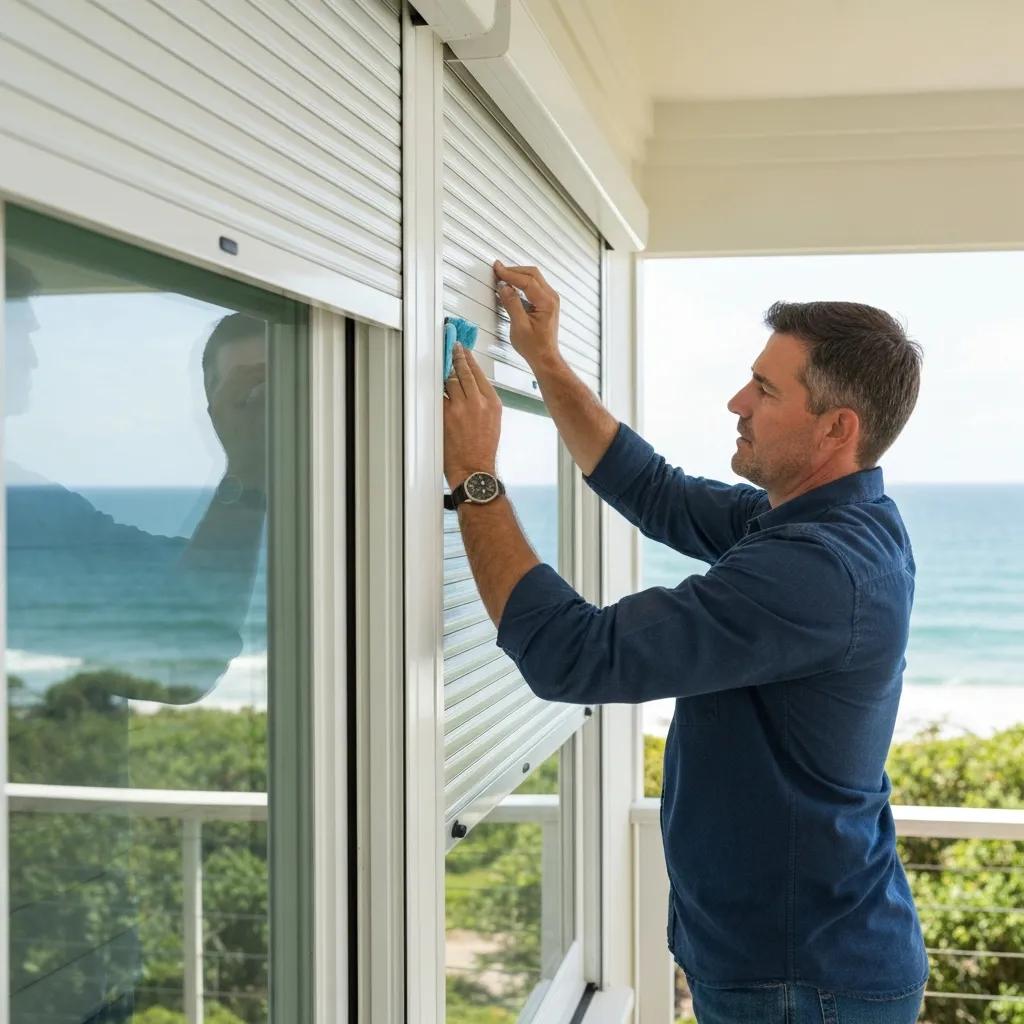
For manual shutters, regularly check cranks, locks, and guides; clean tracks and lubricate moving parts every few months and inspect seals for wear. Motorized shutters require additional electrical upkeep: test the motor routinely, confirm that switches and remotes work, and check any battery backups or surge protection. Both types benefit from seasonal professional inspections to spot alignment issues, corrosion beneath coatings, or wear that could affect wind performance. Timely repairs—like replacing worn slats or tightening anchor bolts—keep your system performing to spec.
Consistent maintenance protects warranty coverage and supports long-term operation—leading into realistic lifespan expectations below.
How Long Do Roll-Down Hurricane Shutters Typically Last?
Service life depends on material, exposure, and maintenance. Aluminum shutters often last 20+ years with regular care and coastal-grade finishes; steel can exceed 25 years when properly coated and inspected; polycarbonate panels typically last 15–20 years depending on UV exposure and scratch care. Heavy salt exposure, neglected maintenance, and mechanical wear shorten life, while proactive cleaning, timely repairs, and professional servicing extend it. Knowing expected lifespans helps plan replacements and assess lifecycle cost versus upfront price.
These lifespan estimates feed into long-term budgeting and help you choose a local provider for estimates and service.
Why Choose American Hurricane Shutters for Your Roll-Down Needs?
American Hurricane Shutters specializes in roll-down systems for coastal North Carolina and South Carolina homeowners, offering free estimates that turn planning into a site-specific plan. We stock and install shutters designed to meet or exceed Florida Building Code wind-rating expectations—useful because code-aligned products simplify permitting and insurance documentation. Our services include professional installation and ongoing maintenance, and we focus on protection from high winds, debris, and break-ins. We serve key coastal markets like Wilmington, Myrtle Beach, Oak Island, Topsail, New Bern, and Pawleys Island, where salt-air durability and local code knowledge matter most.
This local, service-focused approach gives homeowners the practical support they need to move from research to installation.
What Free Estimate and Installation Services Does American Hurricane Shutters Offer?
Our free estimate includes an on-site visit to measure openings, review material and operation options, and produce a quote that reflects wind-rating needs and permitting. During the visit we explain cost components, material tradeoffs for coastal exposure, and expected installation timelines; we also cover motorized options and smart integration if relevant. Installation services include secure mounting to structural members, electrical hookup for motorized units when requested, final testing, and a homeowner walkthrough to demonstrate operation and maintenance. Providing free estimates reduces uncertainty and supplies the documentation needed for permits and insurance adjustments.
These service features match local homeowners’ needs and lead into how we handle code compliance and documentation.
How Do American Hurricane Shutters Ensure Compliance with Coastal Building Codes?
We confirm product wind ratings and provide the paperwork needed for permit applications and inspections so chosen systems meet or exceed applicable code requirements. Our installation process checks for proper anchorage to framing, follows local inspection protocols, and prepares wind-rating documentation that many homeowners submit for permits and insurance. Familiarity with coastal North Carolina and South Carolina jurisdictions streamlines permitting and reduces rework, while our maintenance services help preserve documented performance over time. This compliance-first approach lowers homeowner risk and ensures shutters perform as intended during severe weather.
These practices complete the information you need to move from research to scheduling a free estimate and professional installation.
Frequently Asked Questions
What are the key differences between manual and motorized roll-down hurricane shutters?
Manual roll-down shutters use a hand crank and are simpler and usually less expensive—best for small openings or occasional use. Motorized shutters run on an electric motor and offer remote control, faster deployment, and smart-home integration—ideal for large openings or frequent use. Motorized systems cost more upfront for the motor and electrical work but add convenience and accessibility. Consider budget, how often you’ll deploy the shutters, and whether you want automation when choosing between the two.
How do I choose the right material for my roll-down hurricane shutters?
Choose material based on durability, corrosion resistance, and appearance. Aluminum is lightweight and resists corrosion when finished properly, making it a common coastal choice. Steel offers extra strength but needs strong protective coatings for salt air. Polycarbonate is non-metallic and transparent, suitable where you want visibility with impact resistance. Match material to your wind-rating needs, maintenance willingness, and aesthetic preferences.
What maintenance is required for roll-down hurricane shutters?
Regular maintenance keeps shutters reliable: inspect for corrosion or damage, clean tracks and slats, and lubricate moving parts per the manufacturer’s guidance. For motorized units, test the motor and controls periodically and check any backup power. Seasonal checks—especially before hurricane season—help catch issues early. A routine checklist prevents costly repairs and ensures shutters work when they’re needed most.
How can I ensure my roll-down shutters comply with local building codes?
Work with a reputable installer who understands local code requirements. Verify that the shutters carry the required wind ratings, obtain the necessary permits, and keep documentation for inspections and insurance. A professional installer will submit the proper paperwork and ensure installation meets local regulations; regular maintenance also helps maintain compliance over time.
What factors should I consider when estimating the cost of roll-down hurricane shutters?
Key cost factors include material (aluminum, steel, or polycarbonate), the size and number of openings, manual versus motorized operation, and any custom finishes. Also consider installation complexity, local permit fees, and labor rates. Using a cost calculator or requesting a free estimate from a professional installer gives a more accurate, project-specific budget.
What are the benefits of choosing American Hurricane Shutters for installation?
Choosing American Hurricane Shutters gives you local expertise in coastal North Carolina and South Carolina, free on-site estimates, and systems that meet or exceed relevant wind-rating standards—helping with permits and insurance. We provide professional installation and ongoing maintenance so your shutters
