
Accordion Shutter Installation: A Practical Guide to Safe, Code‚ÄëCompliant Hurricane Protection
Accordion shutters are a proven hurricane protection option. Interlocking panels span windows and doors to form a mechanical barrier against wind‑borne debris and help preserve the building envelope during storms. For coastal homeowners, they offer a dependable, low‑effort layer of defense. This guide walks you through practical best practices for measuring, installing, troubleshooting, and maintaining accordion shutters with a focus on corrosion control, wind‑load anchorage, and code considerations specific to coastal North and South Carolina. You’ll get step‑by‑step installation guidance, common mistakes to avoid, a seasonal maintenance plan, and clear criteria for choosing DIY versus professional installation. Throughout, we include checklists, measurement tables that clarify tolerances, and actionable items to help you plan a safe, code‑compliant installation.
Pre‚ÄëInstallation Checklist: What to Do Before You Order or Install
Preparing the opening before you order shutters reduces errors, speeds installation, and improves code compliance. The pre‚Äëinstall phase focuses on precise width and height measurements, checking reveal depth and substrate condition, and confirming any permits or wind‚Äëload documentation required locally. A complete pre‚Äëinstall checklist ensures correct track sizing, the right fastener type for the substrate, and fewer reorders or field modifications. The following sections show exactly how to measure, what tools to gather, and which materials are essential for a durable coastal installation.
How to Take Accurate Measurements and Assess the Mounting Site

Start by measuring the clear opening width and height at three points (width: top, middle, bottom; height: left, center, right) and use the smallest readings as your baseline to avoid interference. Record reveal depth and confirm the mounting surface—masonry, wood framing, or metal framing—is sound, level, and free of rot, delamination, or loose siding. Note exterior obstructions like trim, gutters, security bars, or light fixtures. Use a template or standardized form to record dimensions and take photos of each opening from inside and out; documenting substrate conditions and irregularities reduces ambiguity when ordering prefabricated panels. If tolerances are tight or the substrate shows significant deterioration, schedule a professional assessment to confirm anchorage needs before you start fastening.
Before you place an order, use the measurement table below to standardize the attributes you must capture and the tolerances acceptable for coastal installations.
Capturing these attributes up front prevents ordering mismatches and helps you choose the correct fasteners for each substrate.
Which Tools and Materials You’ll Need
Having the right tools and materials on hand lets you fasten tracks and panels securely and protects the system from coastal corrosion. Essential tools include a quality level, drill/driver with torque control, impact driver, masonry bits for concrete or block, a torque‑rated socket set, measuring tape, shim stock, and a safe ladder or access system. Prioritize corrosion‑resistant materials: 18‑8 stainless steel fasteners, marine‑grade sealant, neoprene or closed‑cell gaskets, anchors matched to masonry or metal framing, and shims to manufacturer tolerances. Personal protective equipment—safety glasses, gloves, and fall protection for elevated work—is mandatory. Confirm fastener head types and lengths before you start so you have the correct hardware for each substrate.
Where possible, use stainless hardware and verify anchor type against the substrate to preserve wind‚Äëload capacity and longevity.
After you confirm measurements and gather tools, consider a professional verification or estimate to confirm code compliance and fastening strategies. American Hurricane Shutters serves coastal North and South Carolina and specializes in engineered hurricane protection solutions, including accordion shutters. We emphasize corrosion‚Äëresistant 18‚Äë8 stainless installations and strict adherence to building codes to ensure reliable storm protection. Use our online cost calculator for a free estimate and, if you want added certainty, schedule a professional measurement before you order.
Step‚Äëby‚ÄëStep Installation for Coastal Homes
A careful installation sequence ensures panels deploy and lock reliably and that tracks and fasteners meet wind‑load and corrosion requirements. At a high level: locate and secure top and bottom tracks on a level datum, install side angles or jambs, insert panels in sequence to avoid binding, then fit locks and seals to prevent water intrusion. Pay close attention to substrate type—concrete, masonry, wood, or metal—and to fastener spacing. Treat cut metal edges and exposed fasteners to resist rust. The sections below break down track mounting, panel attachment, lock installation, and final testing and weatherproofing.
Mounting the Top and Bottom Tracks
Begin by establishing a precise datum line across the opening so both tracks are level and parallel—this prevents binding. For masonry or concrete, drill clearance holes and install stainless‑steel wedge or sleeve anchors at the manufacturer’s specified spacing. For wood or metal framing, use through‑bolts or structural screws sized to grade and fitted with washers against the track flange. Shim to correct small irregularities—place shims at multiple points and fasten only after confirming alignment—then torque fasteners to the recommended setting so the hardware holds without deforming the track. If the opening is uneven, use a backing plate or reinforced mounting strip to spread the load and prevent localized pull‑through. Proper track installation directly affects panel life and smooth operation.
Protect exposed fastener heads and cut edges with compatible coatings before inserting panels to help resist coastal corrosion, then proceed to side angle and panel installation.
Attaching Side Angles, Panels, and Locks Correctly
Secure side angles or jambs with corrosion‚Äëresistant fasteners at the spacing specified by the shutter manufacturer and local wind‚Äëload requirements; keep anchors centered and level to avoid twists. Insert accordion panels sequentially into the top track while engaging the bottom track as you go to avoid distorting the side angles. Check that interlocking panels seat smoothly and that their edges clear any obstructions. Fit locking mechanisms to manufacturer torque and adjustment settings, test latching engagement, and install retaining clips or guards where required to prevent panel displacement under uplift. After locks are fitted, cycle the shutter several times to confirm alignment and make micro‚Äëadjustments to striker plates or lock cams so locks engage fully without overstressing hardware.
Correct attachment and lock setup secure the opening during storms and help preserve warranty coverage—record torque settings and fastener placement for future inspections.
This table ties each component to the recommended fastener approach and reinforces the priority of stainless hardware for coastal durability.
Operation Testing and Weatherproofing
Test operation with several full open/close cycles, check lock engagement, and listen for binding or rubbing—these checks reveal misalignment before a storm. Run at least five full cycles, verify smooth travel, consistent interlock spacing, and full lock engagement under normal load; recheck fastener tightness after initial cycles and re‑torque as needed. Weatherproofing typically includes a continuous bead of sealant at recommended top and side transitions, closed‑cell foam gaskets or neoprene seals where panels meet frames, and correctly lapped flashing to shed water away from the bottom track. Use a marine‑grade dry lubricant designed for salt exposure on moving surfaces—avoid oil‑based lubricants that attract grit.
Document the results, note any adjustments made, and schedule a pre‚Äëstorm inspection that repeats operational tests to confirm performance before hurricane season.
Common Installation Mistakes and How to Avoid Them
Many failures trace back to a few recurring errors: incorrect measurements, wrong fastener choices, and inadequate sealing. In salt‚Äëair environments, using non‚Äëstainless fasteners, not allowing for thermal movement, and installing out‚Äëof‚Äëplumb tracks accelerate wear and can compromise performance under wind load. Addressing these issues up front preserves system integrity and reduces long‚Äëterm maintenance. The sections below list the most common problems and practical remediation steps for homeowners and installers.
Errors That Compromise Security and Function
Fastener corrosion or failure reduces anchorage and can cause partial or total system failure under high winds. Misaligned or out‑of‑plumb tracks make panels bind, accelerate wear, and eventually prevent proper deployment. Using the wrong fastener length or type can cause pull‑through or stripped holes; telltale signs include loose tracks, rattling in the wind, and uneven panel spacing. Incorrect lock installations or improperly adjusted striker plates can keep locks from fully engaging, undermining security and code compliance. Spot these symptoms early—loose anchors, visible rust, uneven gaps—and take targeted corrective action before a storm.
Typical corrective steps are re‚Äëfastening with properly sized 18‚Äë8 stainless anchors, adding reinforcement plates, and re‚Äëaligning tracks with shims and controlled torque.
Troubleshooting and Repair Guidance
Follow a structured troubleshooting sequence: start with a visual inspection to catalog symptoms, perform operational tests to isolate moving‚Äëpart issues, then make corrective fastener or alignment repairs and retest. If fastener holes are stripped, options include installing larger‚Äëdiameter stainless anchors, adding a steel backer plate, or epoxy‚Äërepairing masonry to restore pull‚Äëout capacity. For binding panels, loosen fasteners to allow micro‚Äëadjustment, add shims where gaps are uneven, and confirm track levels meet manufacturer tolerances; cycle shutters after adjustments to verify smooth movement. If corrosion is the cause, replace affected hardware with 18‚Äë8 stainless parts and apply protective finishes to adjacent metal.
If repairs expose extensive substrate decay or unknown load reductions, pause work and consult a structural professional to verify anchorage integrity.
Common corrective actions include:
- Replace corroded fasteners with 18‚Äë8 stainless anchors sized to the substrate.
- Re‚Äëalign tracks using shims and re‚Äëtorque fasteners to manufacturer specs.
- Reinforce substrate with plates or blocking where pull‚Äëout capacity is inadequate.
These steps restore safety and operation—and help you decide whether to repair yourself or hire a pro.
DIY or Professional Installation: Which Should You Choose?
Choosing between DIY and professional installation means balancing savings against code compliance, warranty risk, and structural safety during high winds. DIY can be appropriate for a capable homeowner with simple openings and solid substrates. Professional installation brings documentation for permits and insurance, certified torque and fastening practices, and experience with complex penetrations and county‚Äëlevel code variations in coastal NC and SC. The sections below outline benefits and risks so you can pick the approach that fits your skills and the local code environment.
Pros and Cons of DIY Installation
DIY installs can lower out‑of‑pocket costs and let you control timing, and a competent DIYer can achieve a satisfactory result on straightforward openings. Risks include measurement errors, wrong fastener choices, and failing to meet wind‑load anchorage requirements—mistakes that can void warranties or fail inspections. Tool needs and safety requirements—proper torque drivers, masonry anchors, and fall protection—can add cost for homeowners without experience. A realistic DIY readiness checklist includes confidence with structural fastening, ability to follow torque specs, and access to correct stainless hardware and sealants; if you lack those, professional installation is the safer path.
Consider the trade‚Äëoffs below when deciding whether to proceed alone or hire licensed help in coastal zones with strict codes.
Coastal Homeowner Resilience and Hurricane Mitigation Strategies
As our climate changes, coastal homeowners play a central role in reducing risks to property and life from stronger storms and rising seas. Without broad, enforceable retrofit mandates or insurance incentives, resilience will often depend on millions of individual decisions. Research on how many coastal homes remain vulnerable and which mitigation measures owners will adopt is limited, making voluntary action important to community resilience.
Coastal homeowners in a changing climate, D Javeline, 2019
Use this comparison to match the installation approach to your skill level and permit exposure.
Why Professionals Are Often Recommended for Coastal Codes
Licensed installers understand wind‚Äëload calculations, anchorage patterns, and the documentation inspectors and insurers commonly require. In coastal North and South Carolina, county and municipal variations affect fastener spacing, anchor types, and proof‚Äëof‚Äëcompliance; experienced installers know how to adapt methods to local requirements. Certified installation typically includes adherence to manufacturer torque specs, correct stainless hardware selection, and documentation that supports warranty and insurance claims. For high‚Äëvalue properties or openings needing impact‚Äërated performance, a professional install reduces liability and increases confidence the system will perform during a storm.
American Hurricane Shutters offers professional measurement and installation services across coastal NC and SC, focusing on engineered solutions, 18‚Äë8 stainless hardware, and free estimates through our online cost calculator to help you decide on professional installation.
Maintenance to Keep Your Accordion Shutters Working Year‚ÄëAfter‚ÄëYear
Regular maintenance prevents premature failure from corrosion and mechanical wear and keeps shutters ready when storms arrive. A good routine includes quarterly visual checks, annual professional servicing for fastener torque and seal condition, and pre‑hurricane‑season operational checks. In coastal environments, rinse with fresh water and mild detergent to remove salt buildup—avoid abrasive cleaners that damage finishes. The sections below lay out cleaning, lubrication, inspection best practices, and a sensible service cadence that balances homeowner tasks with professional inspections.
Cleaning, Lubrication, and Inspection Best Practices
Rinse shutters with fresh water to remove salt and grit; use a mild, phosphate‑free detergent for stubborn residue and dry metal surfaces to minimize standing moisture. Avoid blasting seal housings with high‑pressure washers. Lubricate moving surfaces with a dry‑film or marine‑grade silicone lubricant designed for salt exposure and that won’t attract particulates; apply sparingly to top/bottom track contact points and lock cams. Inspect fasteners, anchor points, seals, and panels for corrosion, loose hardware, or gouges; promptly replace any compromised 18‑8 stainless parts and touch up exposed cut edges with compatible protective finishes. Keep a maintenance log noting cleaning dates, lubricants used, and parts replaced to create a record that helps with warranty and insurance claims.
These steps preserve performance and prepare the system for the annual professional inspection outlined next.
Service Frequency: How Often to Maintain Shutters
A practical schedule mixes homeowner checks with professional attention: visual and operational checks quarterly, homeowner cleaning and lubrication twice yearly—before and after hurricane season—and a full professional inspection annually. Perform pre‑storm servicing in coastal NC/SC before the season’s first named storm: run a full cycle test, confirm lock engagement, and verify drain paths and seals. Additional triggers for service include visible corrosion, after any significant storm, or if you notice persistent binding or rattling. Regular service extends service life, flags early corrosion that might weaken anchorage, and documents condition for insurance and warranty purposes.
Consistent maintenance reduces the chance of inoperable shutters when you need them most.
How Local Codes Affect Accordion Shutter Installation in Coastal NC and SC
Local building codes and permit rules influence anchor spacing, allowed fastener types, and the documentation required at inspection, so code awareness is essential. County and municipal differences in North and South Carolina determine what installers must provide for wind‑load evidence—missing those items can cause failed inspections or uncovered insurance claims. While NC/SC codes differ from Florida’s, following elements of the Florida Building Code and Miami‑Dade testing—such as stricter impact and fastening standards—can raise your project’s safety margin, especially near the immediate coast. The sections below summarize common local requirements and explain how higher testing standards can improve overall performance.
Key North and South Carolina Code Requirements
Common requirements include documented anchorage patterns sized for local wind loads, hardware that meets corrosion and strength criteria, and installation documentation for permit inspections; specifics vary by county. Inspectors typically verify fastener spacing and anchorage depth against manufacturer specs and look for required backing or blocking to transfer loads into the building frame. Permit checklists may ask for product certification for impact‚Äërated openings or wind‚Äëload calculations prepared by an installer or engineer for larger openings. Because county interpretations differ, check permit requirements with your local inspection office before ordering materials so your installation plan aligns with local expectations.
Confirming permit items ahead of time reduces delays and helps ensure your installation is accepted by the authority having jurisdiction.
Why Miami‚ÄëDade and Florida Building Code Practices Matter
Florida Building Code and Miami‚ÄëDade standards call for rigorous impact testing and higher fastening requirements that often exceed other jurisdictions. Adopting those practices raises resistance to wind‚Äëborne debris and higher wind pressures even when not mandated locally. Impact‚Äërated hardware and installer procedures modeled on Miami‚ÄëDade testing improve system integrity by emphasizing energy absorption, fastener pull‚Äëthrough resistance, and system‚Äëlevel performance. While NC/SC may not require these standards, using them as best‚Äëpractice benchmarks guides installers toward safer fastener spacing, backing requirements, and component choices. That extra margin of safety often aligns with insurance preferences in high‚Äërisk coastal areas.
If you want the highest certification level or safety margin, ask an installer who documents work to elevated testing benchmarks.
Related storm‚Äëprotection options to consider alongside accordion shutters:
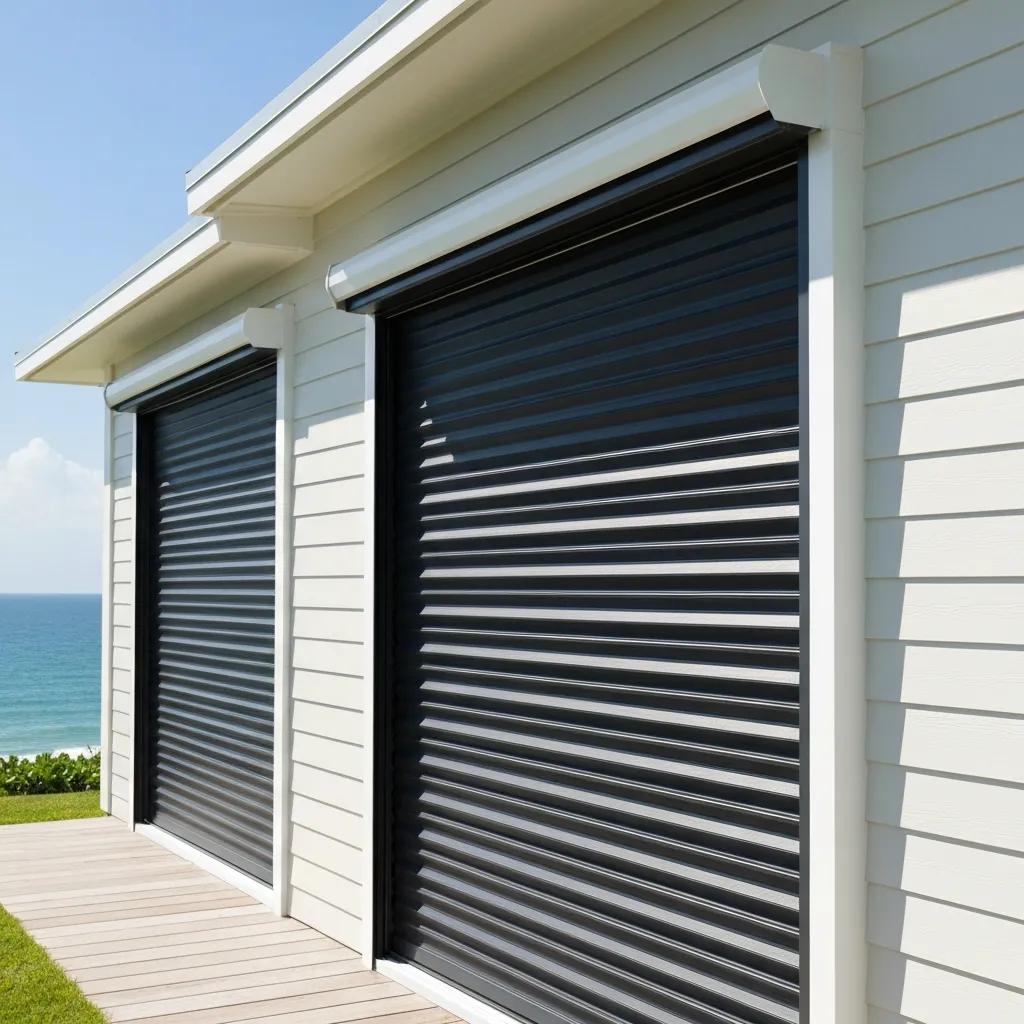
- Rolldown Shutters: Motorized or manual systems for quick deployment.
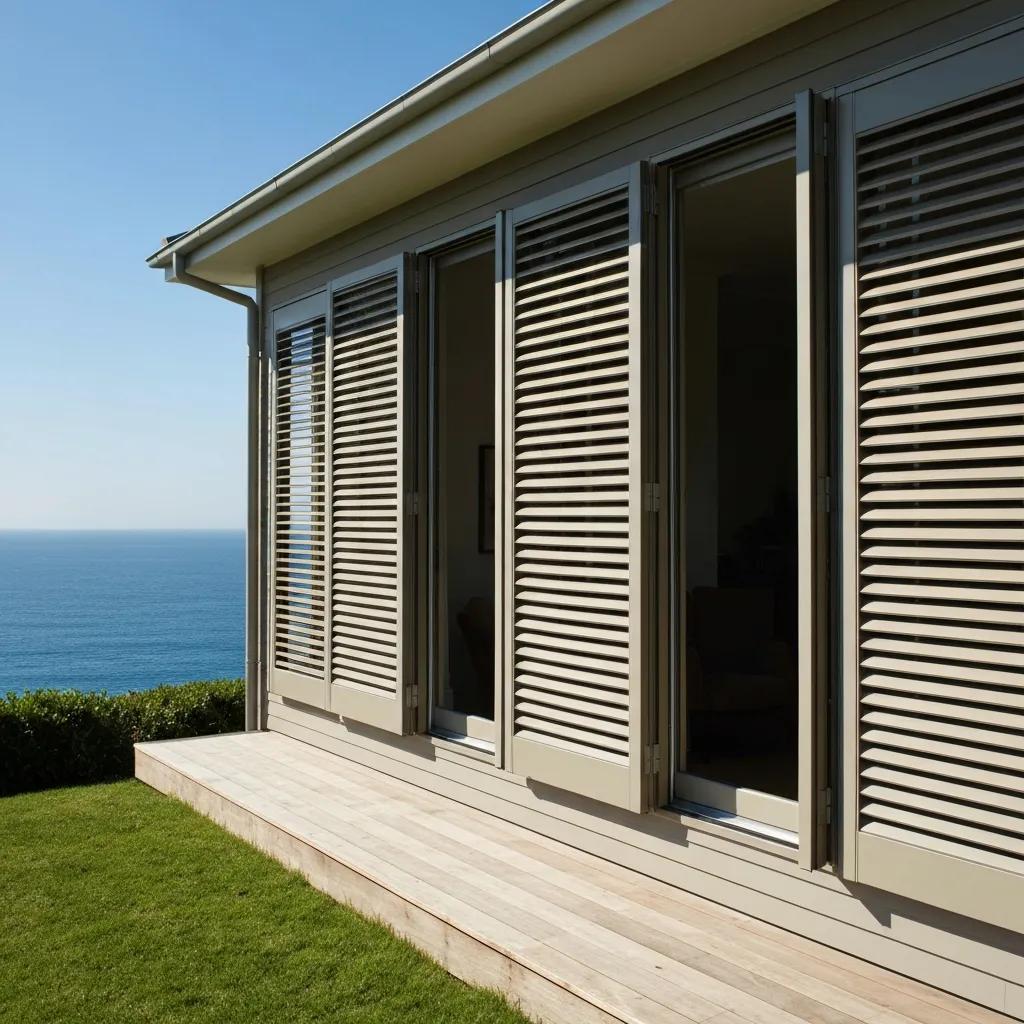
- Bahama Shutters: Hinged, louvered panels that also provide shading.
- Impact Windows: Permanently glazed products that offer continuous protection.
Frequently Asked Questions
What are the signs that my accordion shutters need maintenance?
Look for visible rust or corrosion on fasteners, difficulty opening or closing panels, gaps between panels and the frame, water infiltration during rain, or locks that won’t fully engage. These are clear indicators that service is needed. Regular inspections catch these problems early and keep shutters ready when storms approach.
How can I ensure my accordion shutters comply with local building codes?
Start by checking your local
