

Hurricane Shutter Materials, Explained: Your Complete Guide to Coastal Protection
Hurricane shutters are engineered systems that protect windows and openings from wind-driven debris and extreme pressures. The material you choose affects impact performance, resistance to salt-air corrosion, ease of use, and whether the assembly meets local code — all of which influence safety and long-term cost. This guide walks through the material properties that matter for coastal homes, compares aluminum, steel, polycarbonate, fabric, and plywood, and connects each material to common shutter types and real-world uses. You’ll see how chemistry, structural stiffness, and tested impact ratings translate to on-the-ground performance, how cost and curb appeal factor into decisions, and when to prioritize daylight or storage convenience. We move from material fundamentals into focused sections on each option, finish with a decision-ready comparison table, and end with practical steps for working with a local provider on measurements, permits, and installation.
Why Does Material Choice Matter for Hurricane Shutters?
Material choice determines how well a shutter absorbs or deflects debris energy, how it stands up to coastal corrosion, and whether it can be operated during or after a storm. It also controls deployment speed and whether the assembly will meet ASTM impact tests and local building codes. The wrong material can raise maintenance needs, speed corrosion in salt air, or leave openings underprotected in high winds. By focusing on the core attributes — impact resistance, corrosion resistance, weight, and maintainability — homeowners can balance protection, everyday usability, and lifecycle cost. The sections below define those attributes and show how practical concerns like budget and appearance influence the final pick.
What Are the Most Important Material Properties for Hurricane Shutters?
Impact resistance, corrosion resistance, stiffness (strength), weight, visibility, and maintenance are the attributes that most affect shutter performance. Impact resistance measures a material’s ability to absorb or deflect debris energy and is typically proven through standardized tests (for example, ASTM missile-impact protocols). Corrosion resistance is essential on the coast because chloride-laden air accelerates metal oxidation; choosing appropriate alloys, finishes, and fasteners reduces long-term degradation. Stiffness and strength determine how wind loads transfer to anchors and structure, while weight affects manual handling, the feasibility of motorization, and installation demands. Together these properties create trade-offs: heavier materials are often stronger but harder to operate and can increase installation cost.
How Do Cost, Aesthetics, and Building Codes Affect Material Selection?
Budget, curb appeal, and regulatory requirements narrow the field of acceptable materials and shape lifecycle value. Upfront cost is only one factor: a property’s lifecycle cost includes maintenance, replacement, and potential storm-damage savings — see our lifecycle cost calculator for examples. Aesthetic needs — paintability, trim coordination, and daylighting — often point homeowners toward aluminum or polycarbonate, while historic neighborhoods may favor Colonial or Bahama styles. Building codes in North and South Carolina require evidence of tested systems or engineered designs that meet local wind-load and impact criteria; compliance typically means certified installation and sometimes product approvals. Start with code-backed performance, then weigh appearance and budget for the best long-term value.
- Budget, aesthetics, and code interact to limit or expand viable material choices.
- Prioritize tested systems for code compliance and dependable performance.
- Think in lifecycle cost, not just initial purchase price.
With those planning principles in mind, it’s easy to see why aluminum is the most common coastal choice and when to consider alternatives like steel or polycarbonate.
What Are the Benefits and Drawbacks of Aluminum Hurricane Shutters?
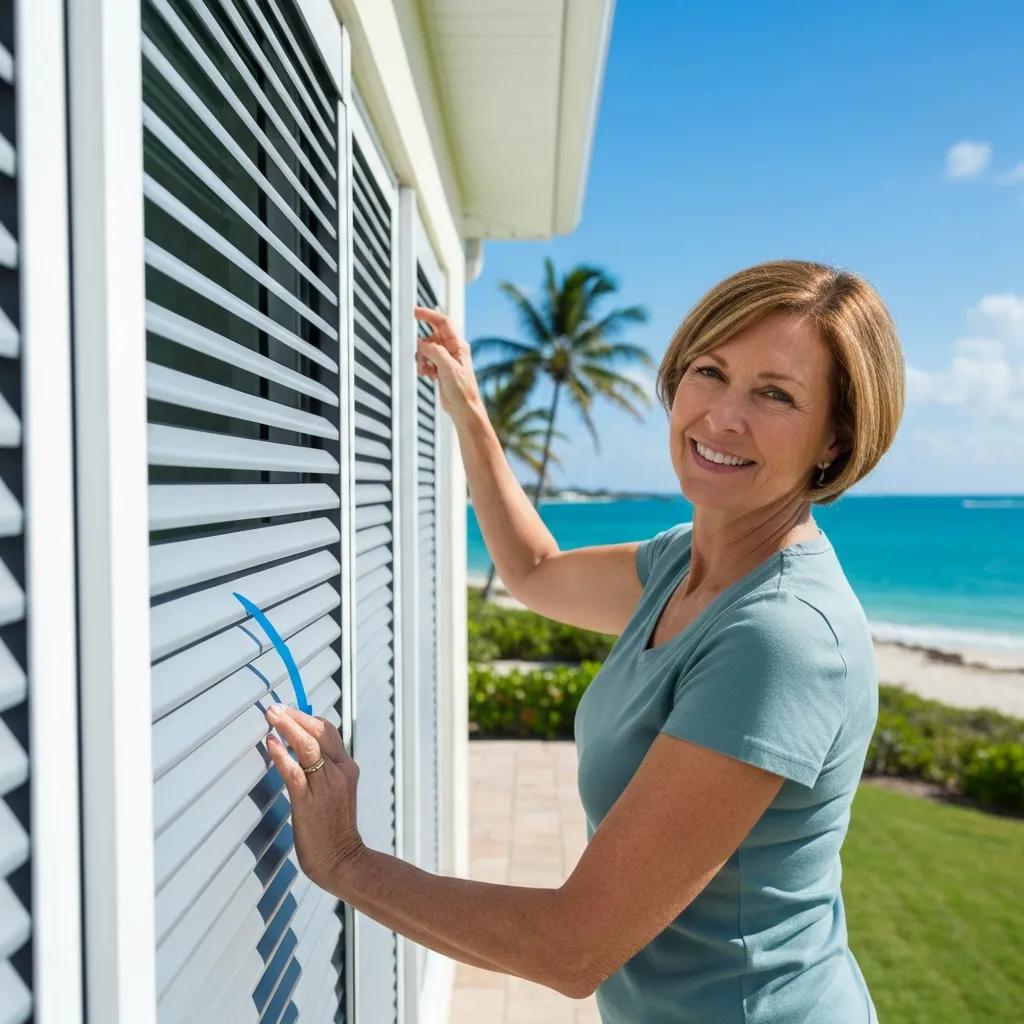
Aluminum combines light weight, inherent corrosion resistance, and formability, which makes it the dominant shutter material for coastal homeowners. Common extrusion alloys provide a good stiffness-to-weight ratio so shutters transfer wind loads effectively while staying light enough for manual or motorized operation. Powder coatings and other finishes improve corrosion resistance and appearance. Aluminum is available across most shutter styles — accordion, rolldown, colonial, and Bahama — so owners can match performance to design. Downsides include lower absolute strength than steel for extreme impact scenarios and the need for corrosion-conscious fasteners and finishes in salt-air environments. The bullets below summarize aluminum’s practical pros and cons.
- Pros: Lightweight, durable against corrosion with the right alloy and finish, adaptable to many shutter profiles.
- Cons: Less ultimate strength than steel for very large impact demands; performance depends on quality of fasteners and coatings.
- Maintenance: Inspect seals and fasteners periodically; occasional touch-up paint or coating upkeep extends service life.
Choosing aluminum for coastal use means paying attention to alloy selection and fastener materials — details we cover next.
Why Is Aluminum Ideal for Coastal Homes in North and South Carolina?
When specified and assembled correctly, aluminum resists coastal corrosion and keeps working longer with less upkeep. The right extrusion grades provide a good balance of stiffness and weight so shutters move easily and transfer wind loads to anchors reliably. Using corrosion-resistant fasteners — for example, high-grade stainless steel — prevents galvanic reactions that can cause premature failures. Aluminum’s lower weight also simplifies installation and makes motorized rolldown systems practical without major structural reinforcement, which is why many coastal properties find aluminum the best overall fit between performance and cost. These operational advantages set up the next section on common aluminum shutter types.
Which Aluminum Shutter Types Are Available and How Do They Perform?
Aluminum accordion, rolldown, colonial, and Bahama shutters meet different performance and aesthetic needs. Accordion shutters are permanently mounted and deploy quickly, offering continuous coverage across multiple openings with low maintenance. Rolldown shutters seal tightly, are often motorized, and deliver strong wind-load performance when properly anchored. Colonial and Bahama shutters combine protection with curb appeal: Colonial shutters close flat against openings and anchor securely, while Bahama shutters provide shade and quick closure with a hinged canopy. Each type balances deployment speed, sealing, automation potential, and visual impact — choose based on risk profile and code requirements.
This mapping shows which aluminum subtype fits common installation goals. AHS Carolinas provides Accordion, Rolldown, Colonial, and Bahama shutters in aluminum and offers free consultations and estimates.
How Do Steel Hurricane Shutters Compare for Maximum Strength and Protection?
Steel offers the highest raw strength and stiffness of the common shutter materials, so it’s often chosen where extreme impact resistance or added security is required. Steel panels resist penetration better than lighter metals and can be engineered for very large spans or commercial openings where structural resilience is essential. The trade-offs are weight, more challenging manual operation, and the need for rigorous corrosion protection (galvanizing, high-quality coatings, or sacrificial treatments), which raises maintenance in coastal settings. Designers and owners must plan for heavier tracks, stronger operators, and proactive rust-control measures to get reliable long-term performance on the coast. The short list below summarizes the key practical points.
- Steel’s superior strength suits very large openings and commercial applications needing maximum protection.
- Greater weight increases structural and operational requirements and may complicate installation.
- Coastal use requires galvanization or top-grade coatings to control corrosion.
Those trade-offs guide whether steel is the right choice versus aluminum or polycarbonate.
What Are the Advantages and Limitations of Steel Shutters?
Steel shutters offer excellent impact resistance and are often chosen for maximum protection or theft deterrence. Steel’s high modulus and yield strength allow smaller sections to resist large loads, and fabrications can produce heavy-duty rolling or hinged systems for commercial-grade protection. Limitations include significant weight, which can make manual deployment difficult and may require powered operators or reinforced framing. In coastal environments, steel needs reliable protective finishes and ongoing maintenance to mitigate rust, which increases lifecycle cost. Installers must also consider anchor spacing and substrate strength to safely transfer higher loads into the structure. These practical realities define the cases where steel’s benefits justify the added complexity.
When Are Steel Shutters the Best Choice for Coastal Properties?
Steel is the right call when structural demands or security priorities outweigh weight and corrosion-management downsides. Typical scenarios include large storefronts, industrial openings, or residences needing the highest intrusion resistance where framing can accommodate heavy assemblies. Steel works where aesthetics are less important and where owners commit to maintenance programs (coatings, inspections). Confirm availability of suitable corrosion-protective finishes and factor higher installation and operator costs into lifecycle calculations. If weight or coastal corrosion is a limiting factor, aluminum or polycarbonate often offers a better balance.
What Makes Polycarbonate Hurricane Panels a Clear and Impact-Resistant Option?

Polycarbonate panels, such as flat Lexan sheets, pair high impact resistance with optical clarity, letting natural light in while protecting openings from debris. Polycarbonate’s tough, energy-absorbing polymer structure resists shattering and — when sized correctly — meets impact requirements for windows and doors, making it a daylighting alternative to opaque metal panels. Considerations include scratch susceptibility, the need for UV-stable coatings to prevent yellowing, and secure framing to hold seals under wind load. Polycarbonate is ideal where preserving daylight and views matters, though it benefits from protective films and careful cleaning to keep clarity. The following sections explain optical and installation concerns in more detail.
How Does Polycarbonate Provide Natural Light While Offering Protection?
Polycarbonate keeps significant light transmission compared with metal because it’s a clear, load-bearing polymer that resists breakage under impact. Its ductility and toughness let the material flex and dissipate energy rather than fragment like glass, so interiors stay protected while visibility and daylighting are maintained. Manufacturers add UV-resistant and abrasion-resistant coatings to reduce yellowing and scratching over time. Proper mounting, gasketing, and sealants are essential to prevent wind-driven water intrusion and to ensure the panel acts as a composite system under load. For homeowners who want both light and protection, polycarbonate is a practical compromise.
What Are the Common Uses and Considerations for Polycarbonate Panels?
Polycarbonate is a good choice for windows, sidelights, transoms, and patio doors where light and visibility matter alongside protection. Recommended thickness depends on opening size and required impact rating; thicker panels increase resistance but add weight and framing needs. Installation must account for secure framing, proper gasketing, and thermal movement to avoid stress cracking; careful handling and storage during installation protect the finished surface. Plan for periodic inspection of coatings and seals to keep performance reliable. AHS Carolinas installs flat polycarbonate (Lexan) panels and provides free consultations and estimates.
How Do Fabric Hurricane Screens Compare to Metal Shutters for Storm Defense?
Fabric hurricane screens made from high-performance fibers such as aramid absorb and dissipate impact energy through tensile strength and controlled elongation, creating a flexible barrier that prevents debris penetration while staying lightweight and compact. These systems shine on very large openings — porches, lanais, and commercial walkways — where rigid panels would be heavy or hard to store. Fabric screens roll into a small profile, deploy quickly, and reduce the need for heavy framing. Limitations include abrasion and UV degradation over long exposures and less resistance to concentrated penetrative impacts; regular inspection and maintenance reduce those risks. The subsections below cover material behavior and the best use cases.
What Are the Properties and Benefits of Fabric Hurricane Screens?
Fabric screens use high-tensile fibers to spread impact forces over a wide area, preventing penetration while remaining easy to handle. Their low storage footprint makes them attractive for seasonal properties or rentals where permanent hardware is undesirable, and fast deployment shortens the time to protect large openings. Durability depends on UV and abrasion coatings and on routine checks for seam integrity or wear. For large spans where weight and storage matter, fabric screens offer a strong performance-to-convenience ratio that complements rigid shutter systems.
This comparison shows why fabric screens are practical for large areas and temporary or seasonal needs. AHS Carolinas offers Hurricane Screens in aramid fiber fabric and provides free consultations and estimates.
In Which Situations Are Fabric Screens Most Effective?
Fabric screens work best for large-span openings like screened porches, commercial walkways, and rental properties where minimizing storage and installation footprint matters. They fit situations where a permanent, heavy system isn’t wanted or where rigid panels would require costly framing. Fabric systems are also a good choice when owners need quick deployment and lightweight handling without sacrificing tested impact protection. For locations exposed to frequent flying debris that also require easy access or temporary closure, fabric screens provide a practical long-term option.
How Do Other Materials Like Plywood Fit into Hurricane Shutter Options?
Plywood is a common DIY and emergency material valued for availability and low cost, but it’s limited as a long-term, code-compliant solution. Plywood can block debris and reduce glass breakage in the short term, yet it lacks standardized impact testing, is heavy to handle, and needs secure anchoring and storage to be effective. It’s also vulnerable to moisture, delamination, and deterioration if left installed, so plywood is best viewed as an emergency stopgap rather than a permanent choice. Safer, tested alternatives — aluminum panels, polycarbonate sheets, and fabric screens — provide engineered performance and simpler long-term maintenance. The next subsections cover plywood pros/cons and viable alternatives.
What Are the Pros and Cons of Using Plywood for Temporary Protection?
Plywood’s benefits are obvious: it’s inexpensive and widely available for last-minute boarding. But downsides include weight per sheet, the need to pre-cut or cut on-site, storage challenges, and the absence of impact-standard certification that limits code acceptance. Repeated emergency use increases labor and can damage window frames if installed improperly. For short-term protection in a pinch, plywood works — for ongoing, code-compliant defense, choose a permanent, tested system from a professional provider.
Are There Alternative Materials Worth Considering for Hurricane Shutters?
Several engineered alternatives combine desirable traits: composite panels for corrosion resistance and stiffness; perforated aluminum for reduced weight and airflow; and hybrid systems that pair metal frames with polycarbonate or fabric infill to retain daylighting and flexibility. These options typically come with test reports and engineered attachment details for coastal longevity and easier operation. When replacing plywood, prioritize products with documented test results or engineered designs to satisfy permitting and insurance expectations. AHS Carolinas offers clear and aluminum panels as permanent alternatives and provides free consultations and estimates.
How Can You Compare Hurricane Shutter Materials at a Glance?
A compact comparison helps homeowners match material strengths to priorities such as impact resistance, corrosion resistance, weight, visibility, maintenance, and relative cost. The table below summarizes practical attributes to guide an initial selection before a professional evaluation. Use it to decide whether safety, daylighting, aesthetics, or lifecycle cost matters most for your property.
What Are the Key Differences in Impact Resistance, Corrosion, Weight, and Cost?
Reading the table, steel ranks highest for absolute impact strength, with polycarbonate and aluminum close behind when specified to standard. Fabric screens offer energy-dispersing performance that suits wide spans. Corrosion resistance favors polymers and properly alloyed or coated aluminum; steel requires aggressive protective finishes for coastal use. Weight affects installation and operation: lighter systems reduce labor and allow manual use, while heavy panels may need motorization. Cost should be seen as lifecycle expense — steel’s higher upfront cost can be offset by lower replacement frequency, while plywood’s low initial price carries recurring labor and replacement risk. These insights feed into the short decision checklist below.
- Choose tested systems to meet code and ensure safety.
- Balance weight and operability with the protection level you need.
- Include corrosion-control measures when calculating coastal lifecycle cost.
How Should Coastal Homeowners and Businesses Choose the Best Material?
A step-by-step approach keeps decisions practical and code-ready. First, confirm your local wind zone and building-code requirements. Next, decide whether protection, daylighting, aesthetics, or budget is the primary goal. Then map opening types — windows, large doors, porches — to materials that perform well for those use cases. Finally, request professional measurement and an engineered quote that documents compliance and attachment details. The checklist below puts those steps into action.
- Check local code and wind-load requirements: Confirm required approvals or test evidence.
- Identify your primary objective: safety, daylight, appearance, or cost will guide material choice.
- Match opening type to material: windows often favor polycarbonate; large spans commonly favor fabric.
- Request professional measurement and an engineered estimate: ensure code-compliant attachment systems and documented performance.
How Can American Hurricane Shutters Help You Choose and Install the Right Material?
American Hurricane Shutters (AHS Carolinas) helps coastal homeowners and businesses with product guidance, measured proposals, and installations that meet code. Our product range includes aluminum shutter styles, clear and aluminum panels, polycarbonate panels, and fabric hurricane screens — each selected for specific openings and performance goals. We emphasize correct material and fastener selection for coastal durability and use insured, certified technicians to perform code-compliant installations. On-site evaluations produce engineered quotes that document wind-load resistance and attachment methods to simplify permitting and insurance paperwork.
What Free Resources and Consultations Does AHS Carolinas Offer?
We provide free consultations and estimates to help coastal property owners evaluate options and plan compliant installations. During a consultation, our technicians assess exposure, opening geometry, and attachment needs to recommend materials and shutter styles that meet local codes and homeowner priorities. The written proposal describes product choices, performance attributes, and installation scope to support permits and insurance documentation. We focus on coastal North and South Carolina markets and aim to give homeowners clear, code-conscious guidance.
Why Trust AHS Carolinas for Quality Materials and Code-Compliant Installation?
AHS Carolinas documents material and assembly choices for long-term coastal durability, specifying corrosion-conscious components such as 6063-T6 aluminum extrusions and 18-8 stainless steel fasteners where appropriate to resist salt-air degradation. We use insured and certified technicians who follow engineered attachment details and local building codes, and we back our work with a local-leading 7-Year Warranty to give homeowners extra confidence. Our regional experience and productized solutions are designed to reduce risk, simplify permitting, and deliver durable protection for the Carolinas coast.
- Material specification: We use corrosion-conscious aluminu
