
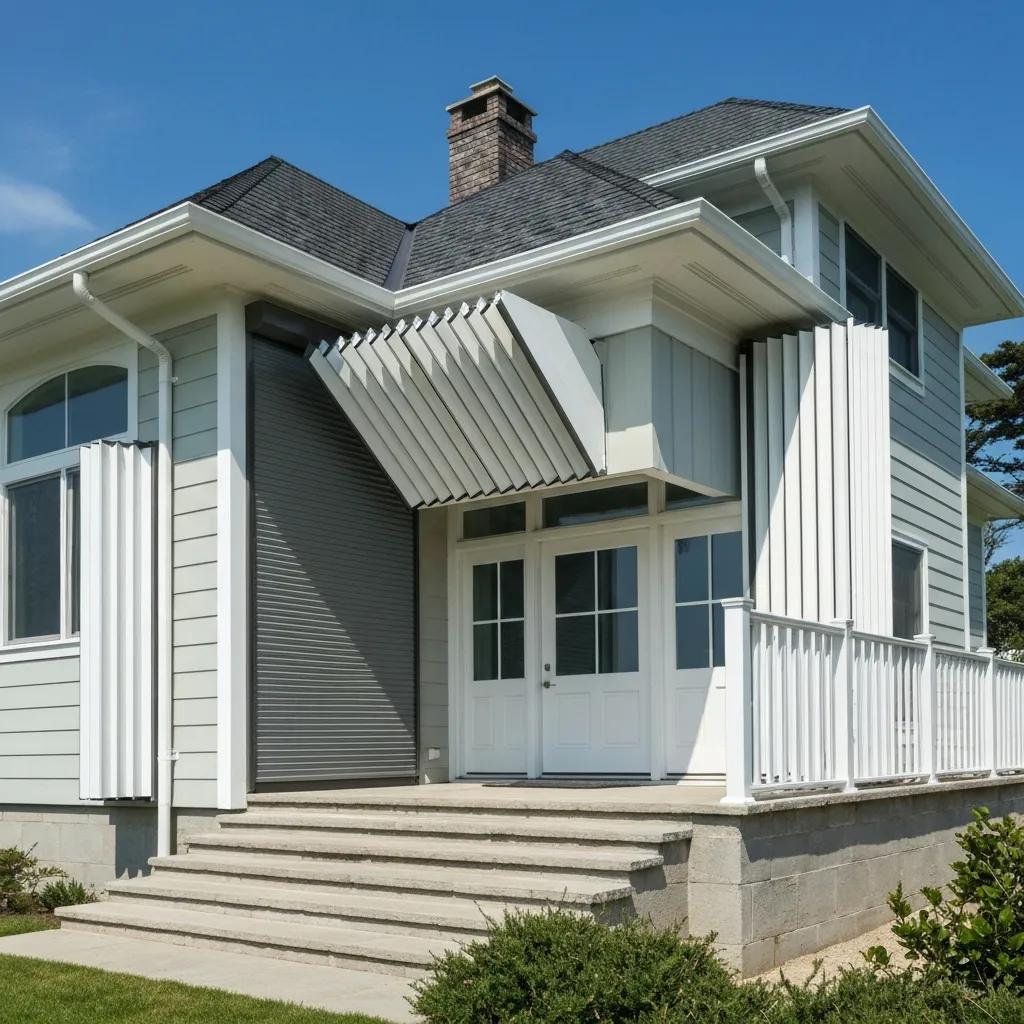
Best Accordion Shutter Brands for Homeowners — Reviews, Features, and Cost Breakdown
Accordion shutters are a permanent exterior hurricane protection system made of interlocking panels that slide along tracks to cover windows and doors. They provide a quick, reliable barrier against windborne debris and storm surge. Coastal homeowners favor accordion shutters because they combine rugged materials, straightforward operation, and proven wind-load performance into a single system that integrates cleanly with a home’s exterior.
This guide walks you through how accordion shutters work, compares common model types by material and performance, breaks down the cost drivers and insurance considerations, and lists practical installation and maintenance tips geared to coastal NC/SC conditions. You’ll learn which technical attributes matter most—aluminum gauge, stainless-steel hardware, stacking factor, lock styles, and certification status—and how those details affect durability, warranty, and long-term value. The article includes model-comparison tables, a simple checklist for choosing a brand, clear maintenance steps, and how to get a customized price via our online cost calculator or a free local estimate. Read on to compare options and choose protection that balances performance, curb appeal, and cost.
Why Are Accordion Shutters the Top Choice for Hurricane Protection?
Accordion shutters are a top choice because they offer continuous, permanently mounted coverage that’s ready to deploy quickly and resist wind and impact when properly engineered. Interlocking aluminum slats slide on a fixed track to form a rigid barrier that transfers wind loads into the building through anchors, lowering the chance of window failure and interior pressurization. These systems pair long-term durability with simple manual or motor-assisted operation, making them a practical, low-friction solution. Their mix of performance, compact retraction, and competitive installed cost makes them especially well suited to coastal areas where storms are frequent and permits or insurers often prefer certified systems.
Homeowners typically value three practical advantages:
- Durability and corrosion resistance: Aluminum panels with stainless-steel hinges and pins stand up to salt-air conditions.
- Ease of deployment: The sliding design lets one person secure openings quickly; motorized options remove the manual effort.
- Cost-effectiveness over time: Lower routine maintenance and long service life often deliver better lifetime value than temporary solutions.
Those attributes shape brand choice—differences in panel gauge, hardware finish, and certification directly affect real-world performance and installation needs.
What Makes Accordion Shutters Durable and Easy to Use?

Durability comes down to material selection and hinge/track design, which determine resistance to bending and corrosion. Higher-quality models use medium-to-heavy gauge aluminum for the panels and stainless-steel pins and fasteners to prevent rust in NC/SC coastal environments. Protective finishes like powder coating or anodizing further slow corrosion. Robust track geometry and reinforced stacking guides reduce wear and binding so the shutters slide smoothly—whether hand-operated or motorized—even after years of exposure. The result is a system you can deploy quickly (often in seconds once you’re practiced) while retaining the strength to withstand repeated storms.
Knowing these construction details helps homeowners prioritize what affects longevity and usability. Choosing thicker aluminum and marine-grade hardware raises upfront cost but lowers mid-life repairs and replacement risk. Those trade-offs also depend on installation quality and anchor strategy, which determine whether a shutter meets local wind-load rules and keeps warranty coverage intact.
How Do Accordion Shutters Provide Cost-Effective Storm Protection?
Accordion shutters are cost-effective because they pair modest installed cost with a long service life, less seasonal labor, and potential insurance credits for certified systems. Upfront price varies with material grade, custom sizing, and installation complexity, but a durable aluminum system can last decades when maintained, spreading the investment across many storm seasons. You’ll also avoid recurring costs for temporary boarding or rental labor and reduce storm-repair bills. Certified systems that meet recognized codes often qualify for insurance discounts or smoother permitting, which can offset part of the initial outlay.
Compare value with per-square-foot estimates and simple ROI scenarios—balance the initial purchase and installation against avoided damage costs and insurance savings. Looking at lifecycle value explains why many coastal properties choose accordion shutters as a long-term protective measure.
How Do Leading Accordion Shutter Brands Compare in Features and Performance?
When comparing accordion shutters, focus on five product attributes: panel material and gauge, wind-load/impact ratings, stacking factor and retraction profile, locking mechanisms, and warranty/service terms. Those attributes drive real-world differences—some models prioritize maximum wind performance with heavier gauges and reinforced tracks, while others aim for slimmer stacking and motorized convenience for frequent use. For NC/SC homeowners, corrosion-resistant finishes and stainless-steel hardware are especially important because of salt-air exposure.
Below is a model-style comparison that maps typical feature parity across common accordion types so you can scan differences quickly.
This table shows common ranges and trade-offs—use it to match product choice to local wind demands and how you prioritize appearance versus peak protection.
Accordion shutters are also judged by certification and test status. Models that meet Florida Building Code or Miami-Dade protocols have undergone impact and cyclic wind-load testing, which provides a reliable performance benchmark. Even outside Florida, choosing FBC or Miami‑Dade tested systems makes sense for NC/SC homes because those tests simulate severe conditions. Always verify local permit rules and confirm your installer’s anchoring and paperwork match the tested assembly.
What Are the Key Material and Durability Differences Among Brands?
Material and finishes determine how well shutters resist dents, warping, and corrosion in coastal settings. Heavier aluminum gauges resist deformation from impact and strong winds, while anodized or powder-coated finishes help prevent surface corrosion and fading. Stainless-steel hinge pins, rivets, and track hardware are important in salt-exposed areas because they reduce galvanic corrosion and avoid seized moving parts. Models with sealed tracks and replaceable wear components also extend service life and lower total ownership cost.
These details affect maintenance needs and expected lifespan—compare them against warranty terms and installer reputation. Choosing materials and hardware rated for coastal use reduces mid-life repairs and keeps your system working when it matters most.
Which Brands Meet or Exceed Florida Building Code and Miami-Dade Standards?
Approvals under the Florida Building Code (FBC) and Miami-Dade testing indicate a shutter design has passed controlled impact and wind-cycling tests. These certifications evaluate the complete system—panels, tracks, anchors, and fasteners—so certified assemblies are more likely to satisfy insurer and permitting requirements in hurricane-prone regions. Ask for test reports, product approvals, and manufacturer-certified installation procedures to confirm that the installed system matches the certified configuration.
Even if you’re outside Florida, selecting FBC or Miami‑Dade tested products is a practical benchmark for NC/SC coastal homes because the tests replicate severe conditions and offer consistent metrics. Proper documentation and correct installation are essential to turn lab certification into real-world protection and insurance savings.
What Are the Typical Costs and Value Factors for Accordion Shutters?

Costs break down into product price per square foot, installation labor, customization, and permit/site-prep fees. Material choices (thicker aluminum, marine-grade hardware), window complexity (arches or oversized openings), and motorization raise the product cost per square foot. Structural anchoring, retrofit framing, and site access drive installation labor. Regional labor and permit fees in NC/SC also affect the final invoice. Looking at these elements together gives a realistic installed price and helps you compare bids on an apples-to-apples basis.
Here’s a concise list of major cost drivers to demystify pricing before you request a personalized estimate.
This breakdown shows where money typically goes and which choices most affect price. Using an online cost calculator or getting a free on-site estimate gives the most accurate, site-specific projection.
How Do Material, Size, and Installation Affect Accordion Shutter Pricing?
Material grade and finish are major pricing variables‚Äîupgrading from 0.055″ to 0.079″ or thicker aluminum increases material cost but improves impact resistance. Size and complexity matter because large openings need stronger rails, more anchors, and sometimes custom extrusions, all of which raise labor and material costs. Installation complexity‚Äîreinforcing the opening, working around trim, or meeting specific anchor patterns for high wind loads‚Äîcan increase labor and may require structural work. Motorization adds components, electrical work, and usually a separate motor warranty and maintenance needs.
Because these factors change installed price significantly, ask for itemized estimates that separate material, labor, and accessory costs so you can evaluate trade-offs and budget for the performance level you want.
Can Accordion Shutters Reduce Insurance Premiums and Increase ROI?
Yes—certified accordion shutters often qualify for insurance discounts because they demonstrably lower the risk of wind-driven damage and related interior claims. Insurers typically look at certification status, installation documentation, and wind-load ratings when granting credits, so keep installation certificates and product approval paperwork to submit to carriers. ROI depends on initial cost, storm frequency, local repair costs, and the size of the insurance discounts; in many coastal markets, avoided damage plus annual premium reductions can shorten payback over a 5–15 year period.
Non-monetary returns—improved occupant safety, less emergency boarding, and preserved property value—also factor into the decision. Keep installation records and certificates to ensure you capture available insurance credits and show value at resale.
How Should Homeowners Choose the Best Accordion Shutter Brand for Their Coastal NC/SC Home?
Pick a brand by weighing five core criteria: material quality, wind and impact ratings, locking/security features, stacking factor and aesthetics, and warranty/service coverage. Those points form a practical checklist to compare models and installer proposals, and to match choices with local exposure and building official expectations. Starting with material durability and certification reduces failure risk; considering stacking width and finish preserves curb appeal. Check installer experience with similar NC/SC projects so your system will be properly anchored and remain eligible for warranty coverage.
Use this checklist when evaluating brands and installers.
- Material & Corrosion Resistance: Prefer thicker aluminum and stainless-steel hardware for salt-air durability.
- Wind & Impact Certifications: Pick products with FBC or Miami‚ÄëDade testing where possible to satisfy insurers and permitting.
- Locking & Security: Make sure keyed or integrated motor locks with anti-jemmy features are standard.
- Stacking & Aesthetics: Confirm the retracted profile and finish options match your architectural preferences.
- Warranty & Local Service: Choose brands backed by local installers who provide documentation and local service.
What Security Features and Locking Mechanisms Should You Look For?
Security features both secure shutters during storms and deter theft when they’re down. Common options include keyed flush locks inside the track for a clean look, external padlock-compatible rails for retrofit simplicity, and integrated motor locks on powered units. Anti-jemmy rails, reinforced end channels, and keyed interlocks add resistance to forced entry and increase stiffness during impact. For coastal homes, choose locks and fasteners in stainless or marine-grade alloys and make sure housings are sealed against corrosion so locks keep working over time.
Which lock is right depends on looks, how often you use the shutters, and your security needs. Confirm compatibility with the stacking design and follow maintenance guidance to protect lock function in salt-air environments.
How Do Aesthetics and Stacking Factor Influence Brand Selection?
Stacking factor—the width the shutter takes when fully retracted—affects curb appeal and daylight. Slimmer stacks are better where windows are highly visible; larger stacks work behind shutters or on less prominent elevations. Finish options like powder-coated colors, anodized tones, or custom matches help shutters blend with trim and siding. There’s a trade-off between the thinnest stack (often narrower panels) and maximum impact resistance (wider, thicker panels). Choose based on your priorities for curb appeal versus peak protection.
When comparing brands, review gallery photos or finish samples and verify stacking dimensions for your openings. Ask installers for mockups or photos of completed jobs so you know how retracted shutters will look on your home.
What Are the Installation and Maintenance Best Practices for Accordion Shutters?
We recommend professional installation because correct anchoring, track alignment, and wind-load verification directly affect performance and certification compliance. A proper install transfers wind loads into the structure using specified anchor patterns and requires precise measurements and shimming to avoid binding. Installers also handle permits and provide the documentation insurers may request. Regular post-installation service—track adjustments, motor calibration, and seasonal checks—keeps the system working and preserves warranty coverage.
Below is a practical maintenance schedule with tasks homeowners should perform or delegate for coastal environments.
Why Is Professional Installation Recommended for Optimal Performance?
Professional installers use approved anchor patterns, align tracks precisely, and select the correct fasteners so certified products perform as tested. They assess substrate conditions, reinforce openings when needed, and handle permits and inspections—reducing the risk of installation mistakes that could void warranties or cause failure during a storm. Installers also document the installed configuration and supply certificates and test reports insurers and permitting offices often require.
Working with a reputable local installer gives you faster service response and familiarity with NC/SC coastal conditions, helping preserve long-term performance. Professional installation is an investment in making sure your shutters deliver the protection they’re rated for.
How Can Homeowners Maintain and Care for Their Accordion Shutters?
Routine care centers on cleaning, lubrication, and inspection to keep moving parts free of salt and debris and to catch wear early. Wash panels and tracks with fresh water and mild detergent every few months to remove salt deposits—avoid high-pressure washing near seals to protect finishes. Lubricate hinge pins and track interfaces annually with a marine-grade lubricant to prevent seizing. Visually inspect anchors, rivets, and locks for corrosion, and keep a maintenance log and photos to support warranty claims and insurance documentation.
If you see binding, loose hardware, or motor problems, call a qualified technician rather than attempting complex repairs yourself—doing so protects safety and warranty coverage. Regular maintenance preserves function and extends service life in coastal climates.
Frequently Asked Questions
1. What are the main differences between accordion shutters and other types of hurricane protection?
Accordion shutters are permanently mounted and slide closed quickly by one person, giving immediate protection. Roll-down shutters offer a sleek retraction and can be motorized, but often cost more. Storm panels are lower-cost but must be stored and manually installed, which is less convenient for frequent storms. Accordion systems provide a continuous rigid barrier that improves wind resistance compared with many temporary options.
2. How do I know if my accordion shutters are properly installed?
Check for straight tracks, smooth operation without binding, and solid anchoring into the structure. Confirm the installer provided documentation that the system meets local codes and any required certifications (for example, Florida Building Code or Miami‑Dade). If shutters don’t sit flush or operate correctly, schedule a professional inspection and adjustment.
3. What maintenance tasks should I prioritize for my accordion shutters?
Prioritize cleaning every 3–6 months, annual lubrication of moving parts, and yearly hardware inspections or after any storm. Keep a maintenance log to track work and photos to support warranty or insurance claims.
4. Can I install accordion shutters myself, or is professional installation necessary?
Although some homeowners may attempt DIY, professional installation is strongly recommended. Proper anchoring, track alignment, and code compliance can be difficult without experience. Pros also provide the documentation insurers and permitting offices may require and help protect your warranty.
5. How do I choose the right locking mechanism for my accordion shutters?
Choose locks based on security needs and appearance: keyed flush locks for a clean look, external padlock rails for simple retrofits, or integrated motor locks for powered units. Look for anti-jemmy features and corrosion-resistant materials, and confirm locks work with your chosen stacking configuration.
6. What should I do if my accordion shutters are not functioning properly?
First check for visible obstructions or debris in the tracks. If the problem continues, it may be misalignment or worn hardware. Don’t attempt complicated repairs that could void warranties—call a qualified technician to diagnose and fix the issue.
7. Are there any insurance benefits to installing accordion shutters?
Yes—certified accordion shutters can lead to insurance discounts because they reduce the risk of wind-related damage. Keep installation certificates and product approvals to submit to your carrier to qualify for available credits.
How Much Do Accordion Hurricane Shutters Typically Cost?
Installed pricing varies with material, opening complexity, and installation needs, but a useful planning range is $20–$60 per square foot installed, depending on gauge, finish, and motorization. Standard windows with basic anchors fall at the lower end; oversized openings, heavier materials, and motorized systems push costs higher. Permit, reinforcement, and travel fees can add to the invoice, so ask for itemized quotes and think in lifecycle value instead of only upfront price. For precise numbers, use an online cost calculator or request a free local estimate that factors in site specifics.
These ranges set expectations and help you compare bids. Requesting an itemized breakdown of material, labor, and accessories shows where money goes and which upgrades deliver the best marginal value.
Are Accordion Shutters Worth the Investment Compared to Other Types?
Accordion shutters are often a smart investment when you want permanent, fast-to-deploy protection with solid wind-load performance and easy operation. Compared with roll-down shutters, accordions usually deploy faster and provide a continuous rigid barrier without separate panels to install—though roll-downs can offer sleeker retraction and more automation at higher cost. Bahama and colonial shutters offer shade and some protection but usually don’t match the continuous impact resistance of a certified accordion system. Storm panels are cheaper but require storage and manual installation, which is less practical for frequent storms or homeowners who can’t install them quickly.
Your choice depends on priorities: if quick deployment, certified wind/impact protection, and low seasonal labor are important, accordion shutters are an excellent option for many coastal homeowners.
For model-specific advice, pricing, or to schedule a free on-site estimate, American Hurricane Shutters provides professional installation and can produce a tailored estimate with our online cost calculator to reflect your home’s size and exposure. Our offerings emphasize corrosion-resistant aluminum and stainless-steel hardware and are positioned to meet or exceed Florida Building Code standards—useful benchmarks for NC/SC coastal installations.
- Get a baseline estimate using an online cost calculator to scope project size and budget.
- Requ
